
Some movies earn standing ovations from critics and audiences alike, yet somehow never make it back into the DVD player or streaming queue. They are powerful, unforgettable, and often deeply uncomfortable in ways that stick with you for years.
Watching them once feels like enough, not because they are bad, but because they hit so hard that a second viewing feels almost too much to handle. Here are 17 critically acclaimed films that most people only ever watch once.
1. Requiem for a Dream (2000)
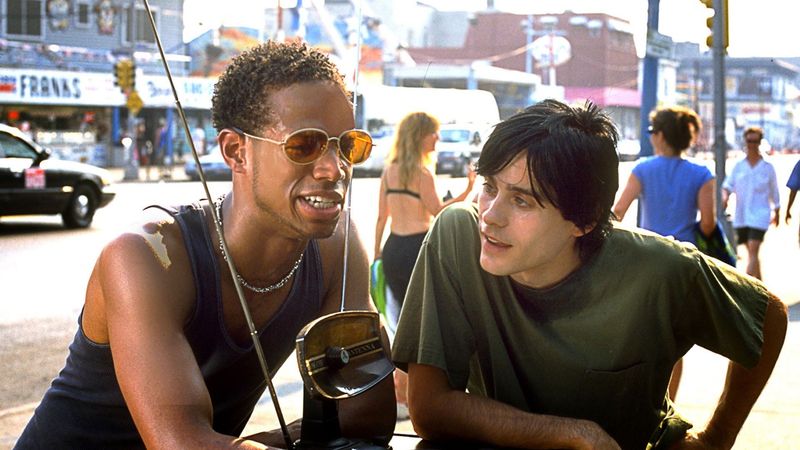
Darren Aronofsky’s gut-wrenching portrait of addiction is one of the most praised films ever made, yet almost nobody revisits it voluntarily. The film follows four people whose dreams slowly collapse under the weight of drugs and obsession.
Every scene feels like a slow-motion crash you cannot look away from.
The editing, music, and performances are genuinely brilliant. But the emotional damage it leaves behind is real enough that most viewers quietly agree: once was plenty.
2. Schindler’s List (1993)
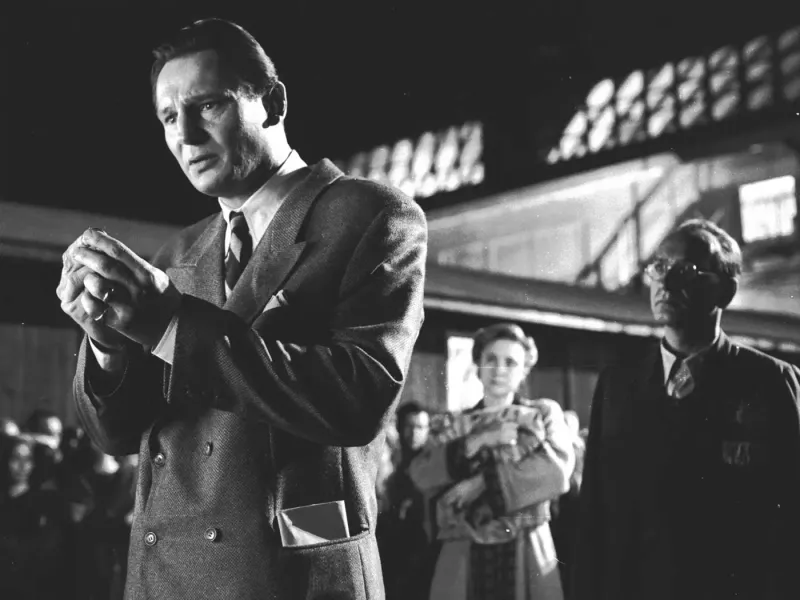
Steven Spielberg’s masterpiece about Oskar Schindler saving over a thousand Jewish lives during the Holocaust is considered one of the greatest films ever made. It won seven Academy Awards, including Best Picture.
Few dispute its importance or its stunning craft.
Still, sitting through three hours of historical horror is something most people feel they can only do once. The weight of the story is simply too heavy to carry again lightly.
3. Manchester by the Sea (2016)
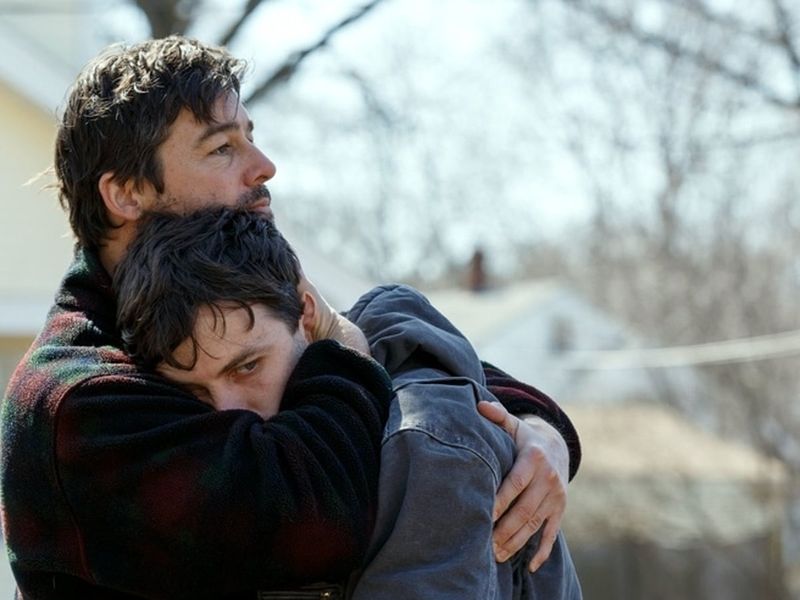
Casey Affleck won an Oscar for his quietly devastating performance as a man paralyzed by grief and guilt in this Kenneth Lonergan film. The story unfolds with painful realism, never offering easy comfort or tidy resolution.
It mirrors how grief actually feels, messy and without closure.
Audiences praised it endlessly. Critics loved its honesty.
But most viewers admitted they could not bring themselves to sit through that emotional weight a second time.
4. Grave of the Fireflies (1988)
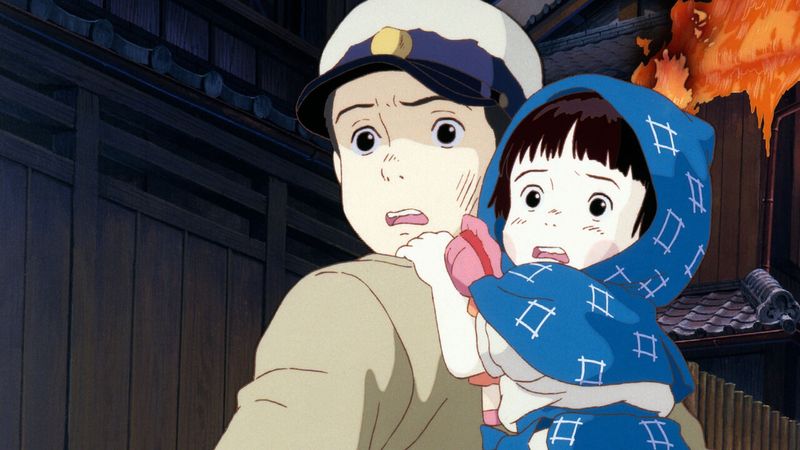
Do not let the animation fool you. This Studio Ghibli film about two orphaned siblings trying to survive in Japan during World War II is one of the most heartbreaking movies ever created.
Director Isao Takahata made something that feels more like a memorial than entertainment.
Roger Ebert called it one of the greatest war films ever made. Most people who watch it once say they simply cannot go back.
The sadness is too complete.
5. 12 Years a Slave (2013)
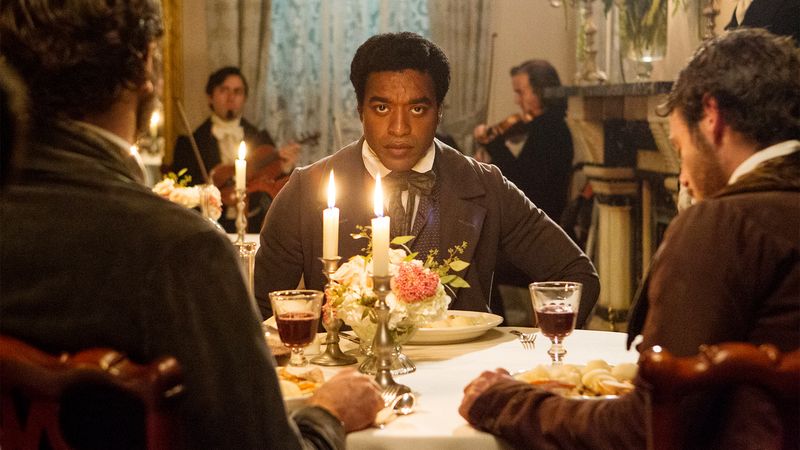
Steve McQueen’s unflinching look at American slavery through the true story of Solomon Northup won Best Picture at the Oscars. Chiwetel Ejiofor’s performance is extraordinary, raw, and deeply human.
The film refuses to soften or romanticize anything about its subject.
Critics universally called it essential viewing. Many moviegoers agree it changed how they think about history.
Even so, the brutal honesty of the film makes a second viewing feel genuinely difficult to justify emotionally.
6. Dancer in the Dark (2000)
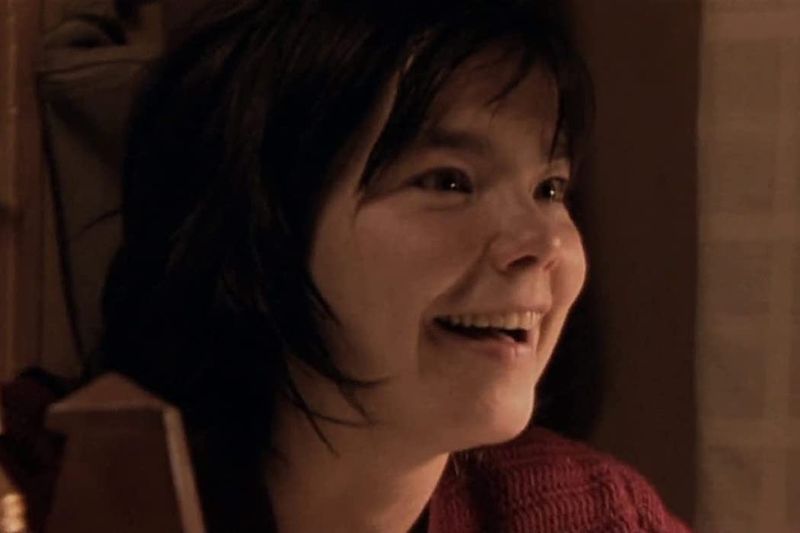
Bjork’s haunting performance as a nearly blind factory worker in Lars von Trier’s musical tragedy earned her the Best Actress award at Cannes. The film blends musical fantasy sequences with devastating realism in a way that keeps you completely off balance from start to finish.
It is a genuinely beautiful and creative film. But the ending is so emotionally brutal that most viewers who loved it openly admit they never want to experience it again.
7. Irreversible (2002)
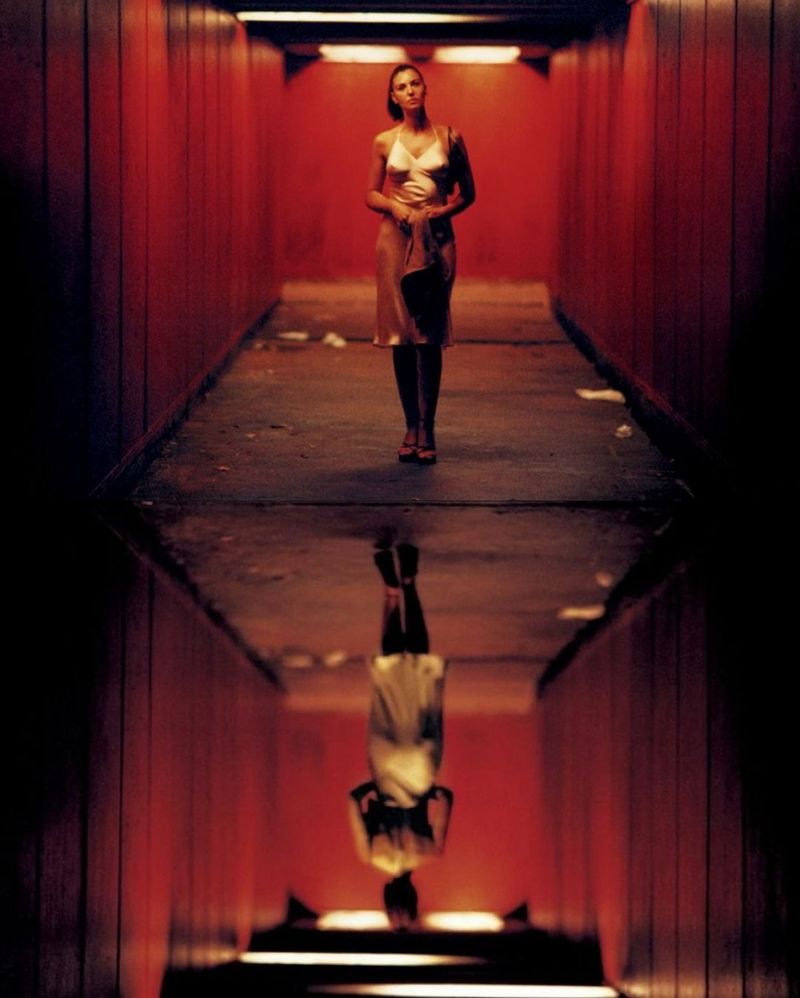
Gaspar Noe’s controversial French film tells its story in reverse chronological order, building toward events that are deeply disturbing. The film contains one of the most discussed and debated scenes in modern cinema, presented with a realism that leaves audiences shaken.
Critics recognized its technical ambition and the strength of its performances from Monica Bellucci and Vincent Cassel. Most viewers, however, found the experience so intense that watching it once felt like more than enough for a lifetime.
8. Sophie’s Choice (1982)
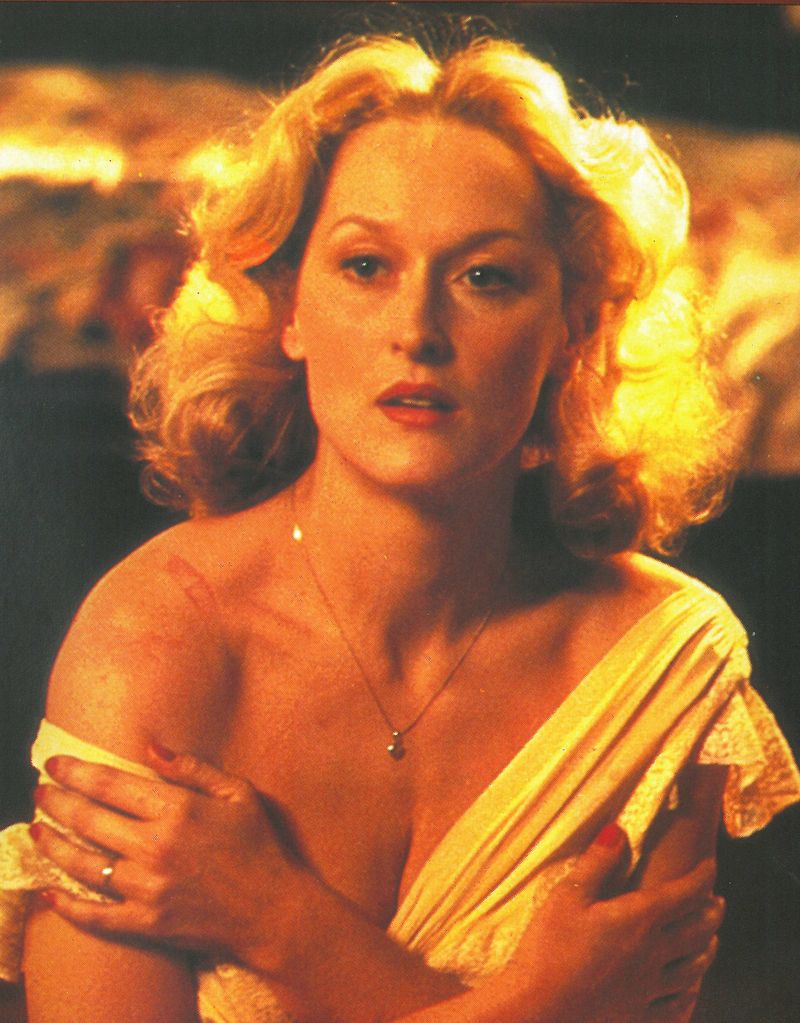
Meryl Streep won her second Oscar for playing Sophie, a Holocaust survivor hiding a terrible secret in postwar Brooklyn. The film builds slowly and beautifully before arriving at a moment so emotionally shattering that it gave the English language a new phrase for impossible decisions.
Streep’s performance is widely considered one of the finest in Hollywood history. Still, the story’s tragic core makes most viewers content to remember it fondly rather than press play again.
9. Come and See (1985)
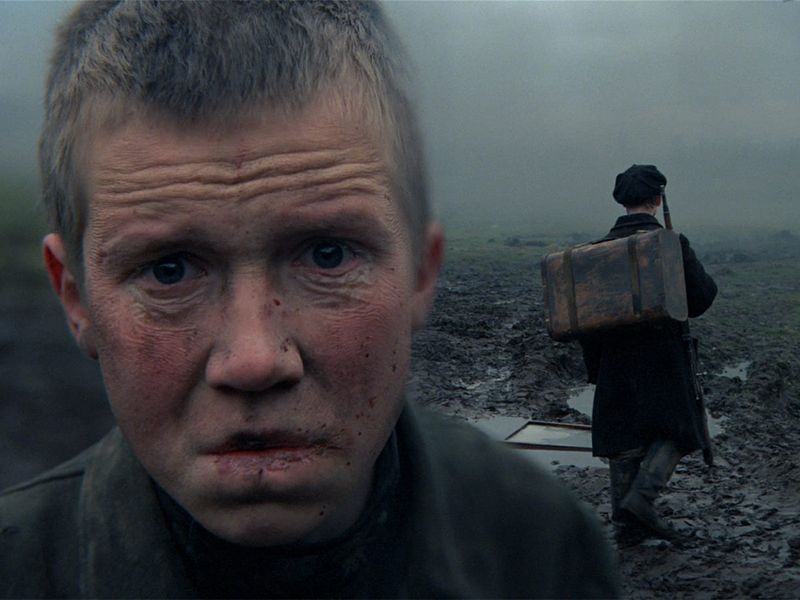
Often ranked among the greatest war films ever made, this Soviet masterpiece follows a Belarusian teenager as he witnesses the Nazi occupation’s horrific violence. Director Elem Klimov created something that feels less like fiction and more like a nightmare you cannot wake from.
Film scholars study it. Critics revere it.
But audiences who sit through its relentless, two-hour assault on the senses almost universally agree that seeing it once is a complete and total experience in itself.
10. Elephant (2003)
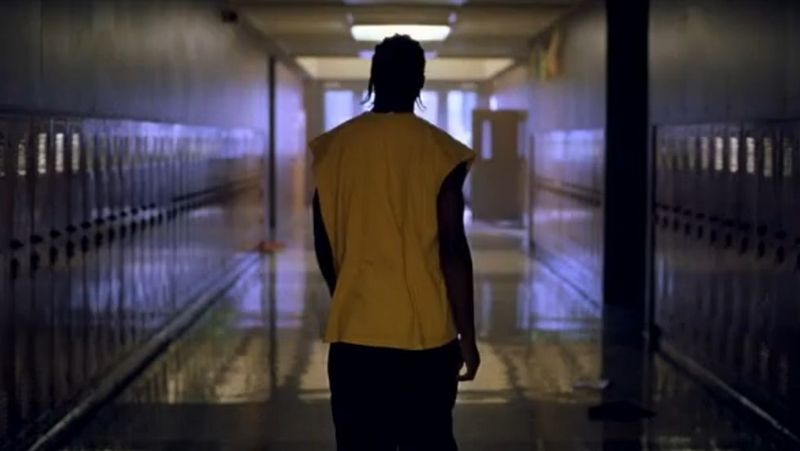
Gus Van Sant won the Palme d’Or at Cannes for this slow, observational film inspired by the Columbine High School shooting. The camera drifts through ordinary school life before an unthinkable event unfolds.
There is no dramatic music or tidy explanation, just quiet dread.
Critics praised its restrained, documentary-like approach. Many viewers found it profoundly affecting.
But the subject matter and the film’s refusal to offer comfort make returning to it feel almost impossible for most people.
11. The Road (2009)
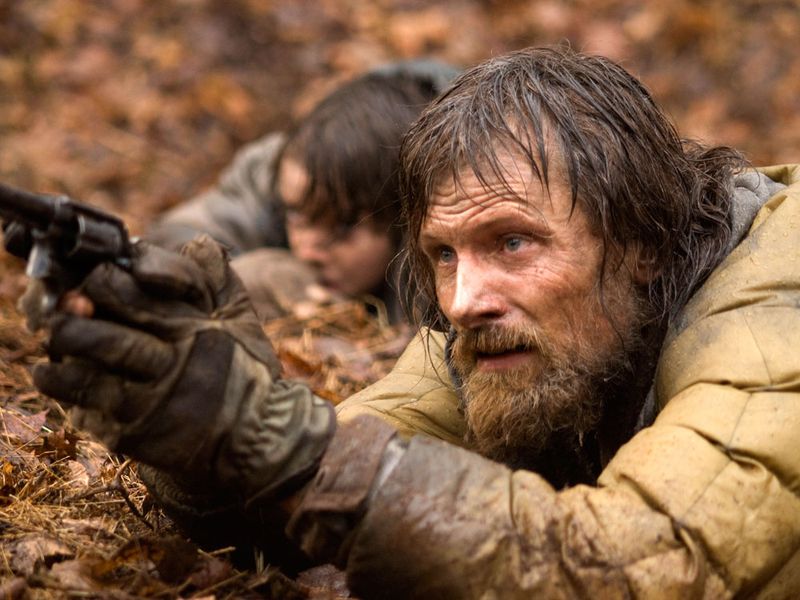
Based on Cormac McCarthy’s Pulitzer Prize-winning novel, this film follows a father and son crossing a destroyed America after an unnamed catastrophe. Viggo Mortensen gives a performance full of desperate love and quiet heroism.
The world on screen is relentlessly grey, cold, and stripped of hope.
Critics admired its fidelity to the source material and its emotional power. Audiences respected it deeply.
Most, though, found the bleakness so total that one viewing felt like a complete and exhausting journey.
12. Melancholia (2011)

Lars von Trier’s visually stunning film about depression and the end of the world stars Kirsten Dunst in a performance that earned her Best Actress at Cannes. The film opens with the Earth’s destruction and then rewinds to show how two sisters experience the days leading up to it.
Its beauty is undeniable. But the film’s slow pace and its suffocating exploration of depression make it a singular experience that most viewers feel no urgency to repeat.
13. Prisoners (2013)
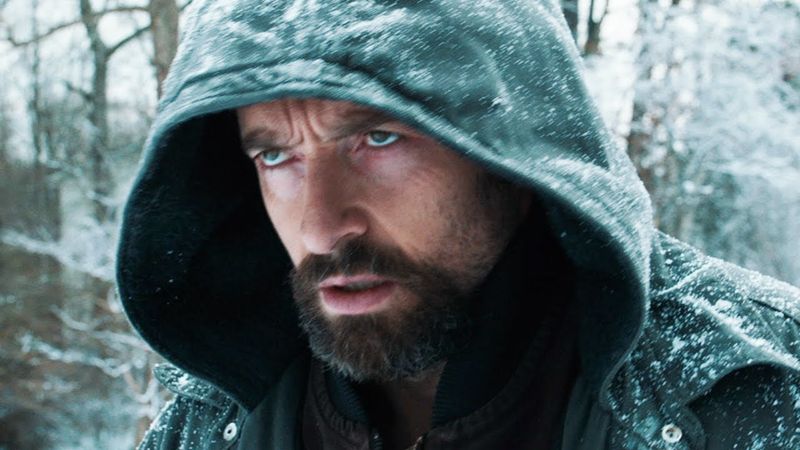
Denis Villeneuve’s thriller about two missing girls and a desperate father who takes justice into his own hands is a masterclass in tension and moral ambiguity. Hugh Jackman and Jake Gyllenhaal both deliver career-best performances.
Roger Deakins’ cinematography is stunning throughout.
Critics loved it and audiences were gripped. But the film’s darkness, its unflinching look at what grief can turn good people into, makes most viewers reluctant to put themselves through it a second time.
14. Mystic River (2003)
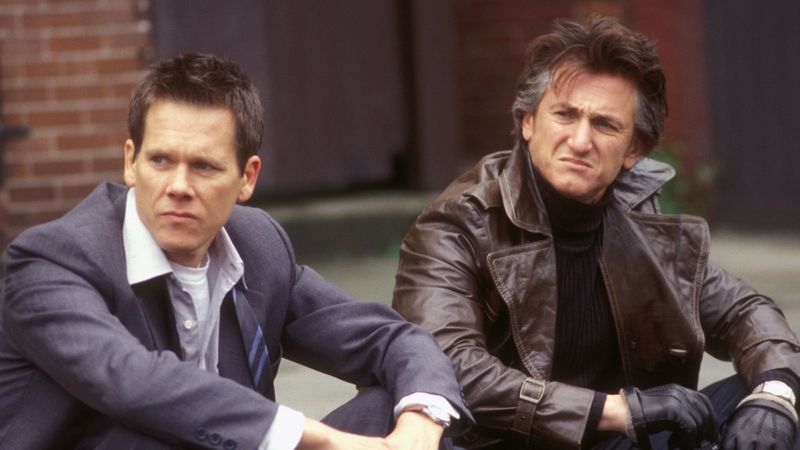
Clint Eastwood directed this devastating drama about three childhood friends whose lives collide again after a murder in their Boston neighborhood. Sean Penn and Tim Robbins both won Oscars for their performances, and the script by Brian Helgeland is airtight and deeply felt.
Few crime dramas land their final blow as hard as this one does. The ending leaves viewers sitting quietly with their thoughts.
Most find that one careful viewing is more than enough to carry its impact forward.
15. Atonement (2007)
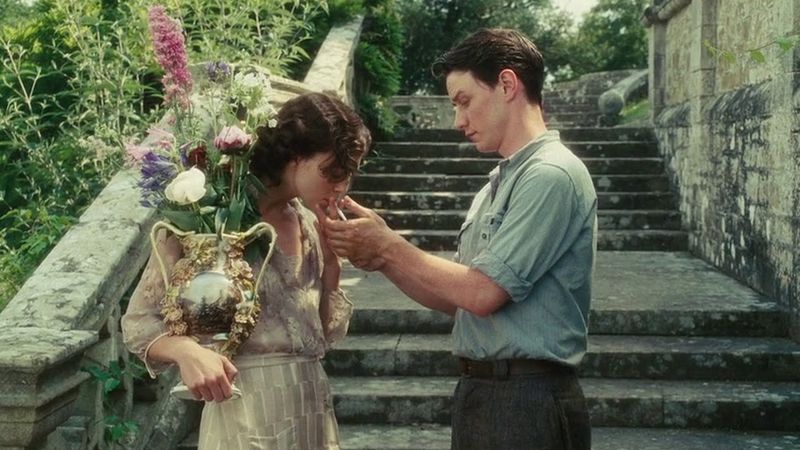
Joe Wright’s adaptation of Ian McEwan’s novel is one of the most visually gorgeous films of the 2000s. Keira Knightley and James McAvoy are wonderful together, making the film’s central tragedy all the more painful to witness.
The famous Dunkirk beach tracking shot alone is worth the price of admission.
But the ending reframes everything in a way that is genuinely crushing. Many viewers say they loved it deeply, and also that they have no plans to watch it again.
16. Leaving Las Vegas (1995)
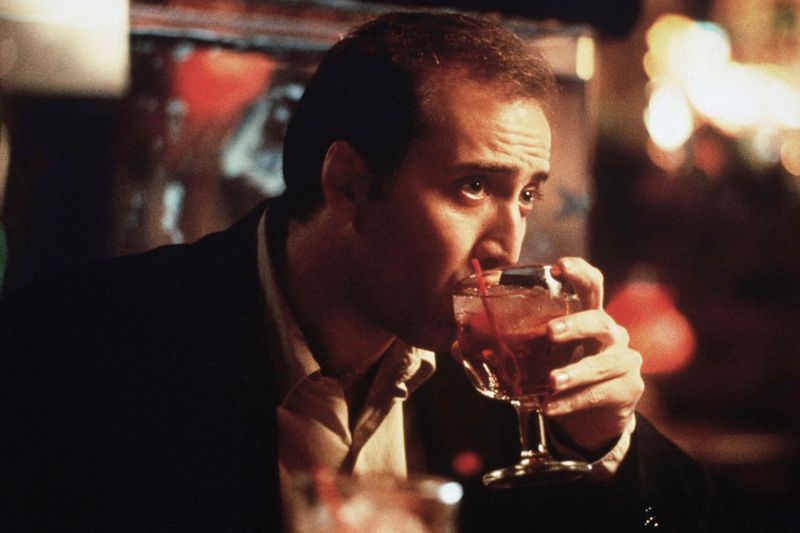
Nicolas Cage won his Academy Award for playing a screenwriter who moves to Las Vegas with the deliberate intention of drinking himself to death. Mike Figgis directed the film with a raw, low-budget intimacy that makes every scene feel uncomfortably real.
Elisabeth Shue matches Cage beat for beat.
Critics celebrated it as a courageous and honest portrait of self-destruction. Most audiences agreed.
But the film’s unflinching sadness is the kind that settles into your chest and stays there long after the credits roll.
17. United 93 (2006)
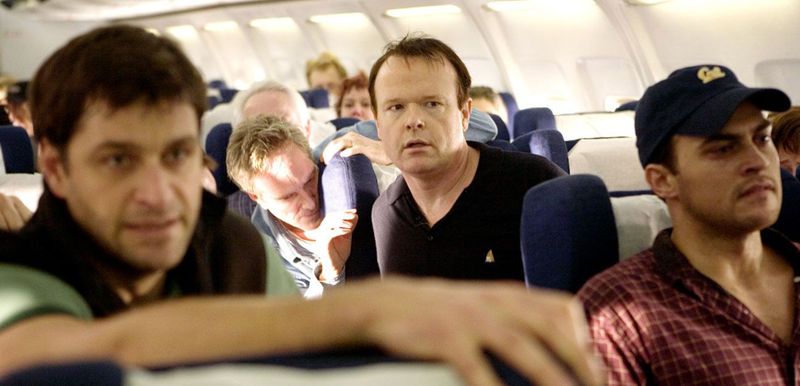
Paul Greengrass recreated the events aboard United Airlines Flight 93 on September 11, 2001, with documentary-style realism and an almost entirely unknown cast. The result is one of the most tense and emotionally overwhelming films ever made about a real historical tragedy.
Critics gave it near-universal praise for its restraint and respect. Many viewers said it was the most powerful film they had ever seen.
Almost all of them also said they could never bring themselves to watch it again.