
Every day, millions of pounds of food end up in the trash, and a big chunk of it is actually still good to eat. Many people toss out parts of fruits, vegetables, and other foods without realizing those scraps are packed with flavor and nutrition.
From banana peels to broccoli stems, your kitchen waste might be hiding some seriously useful ingredients. Learning which foods are safe to eat instead of tossing can save you money and reduce waste at the same time.
1. Banana Peels
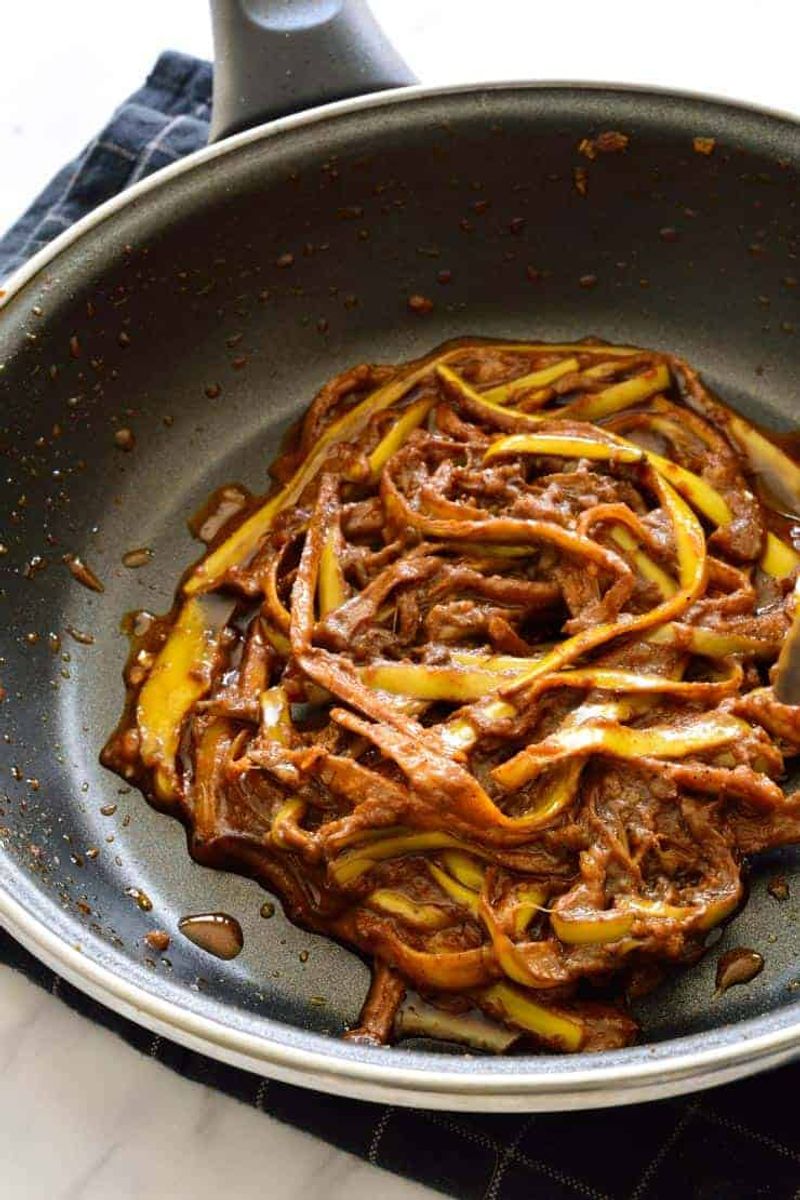
Most people peel a banana, eat the fruit, and toss the skin without a second thought. But banana peels are actually edible and surprisingly versatile.
They can be sauteed, blended into smoothies, or even used as a meat substitute in recipes like pulled “pork.”
The peel contains fiber, potassium, and antioxidants. Try boiling the peel for a few minutes to soften it before cooking.
You might be amazed at how tasty it turns out.
2. Broccoli Stems
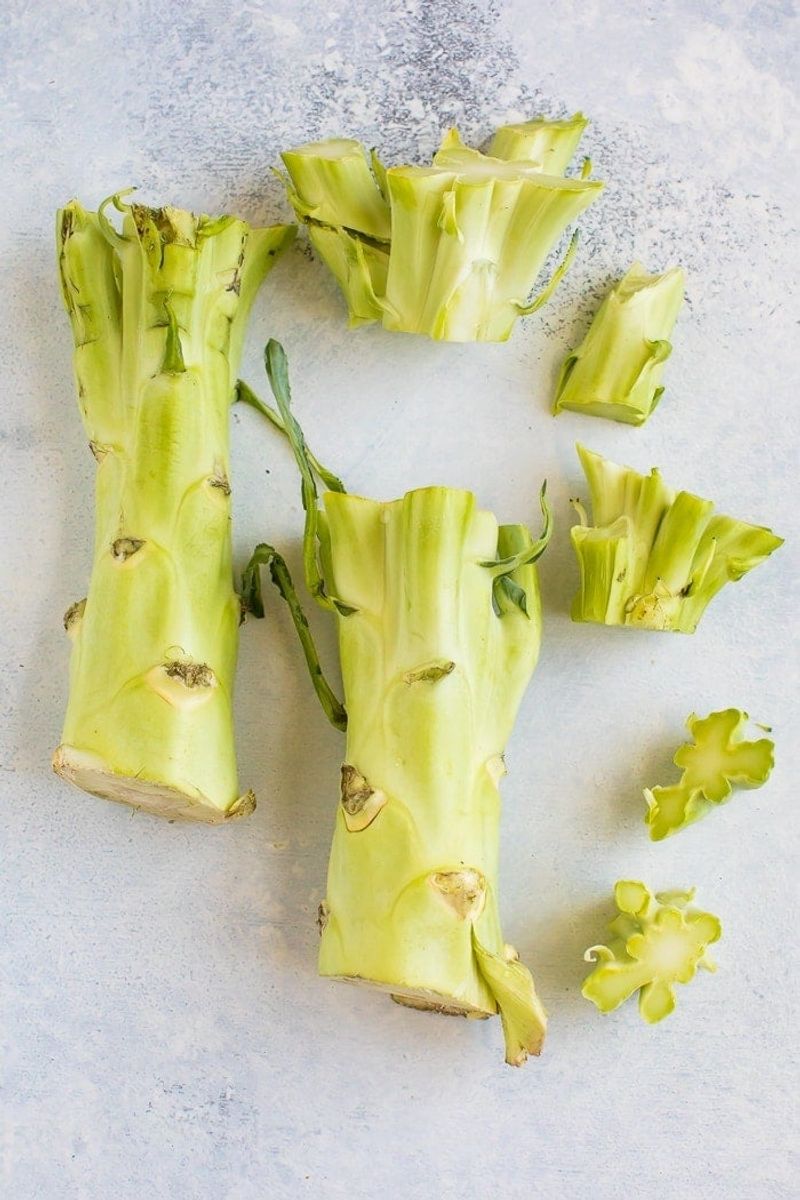
Broccoli stems get a bad reputation, but they are just as nutritious as the florets most people actually eat. The stem is packed with vitamin C, fiber, and folate.
Many home cooks simply chop it off and throw it away out of habit.
Peel the tough outer layer and slice the inner part into sticks or coins. It works great in stir-fries, soups, or even raw with dip.
Stop wasting this crunchy, mild-flavored part of your broccoli.
3. Watermelon Rind
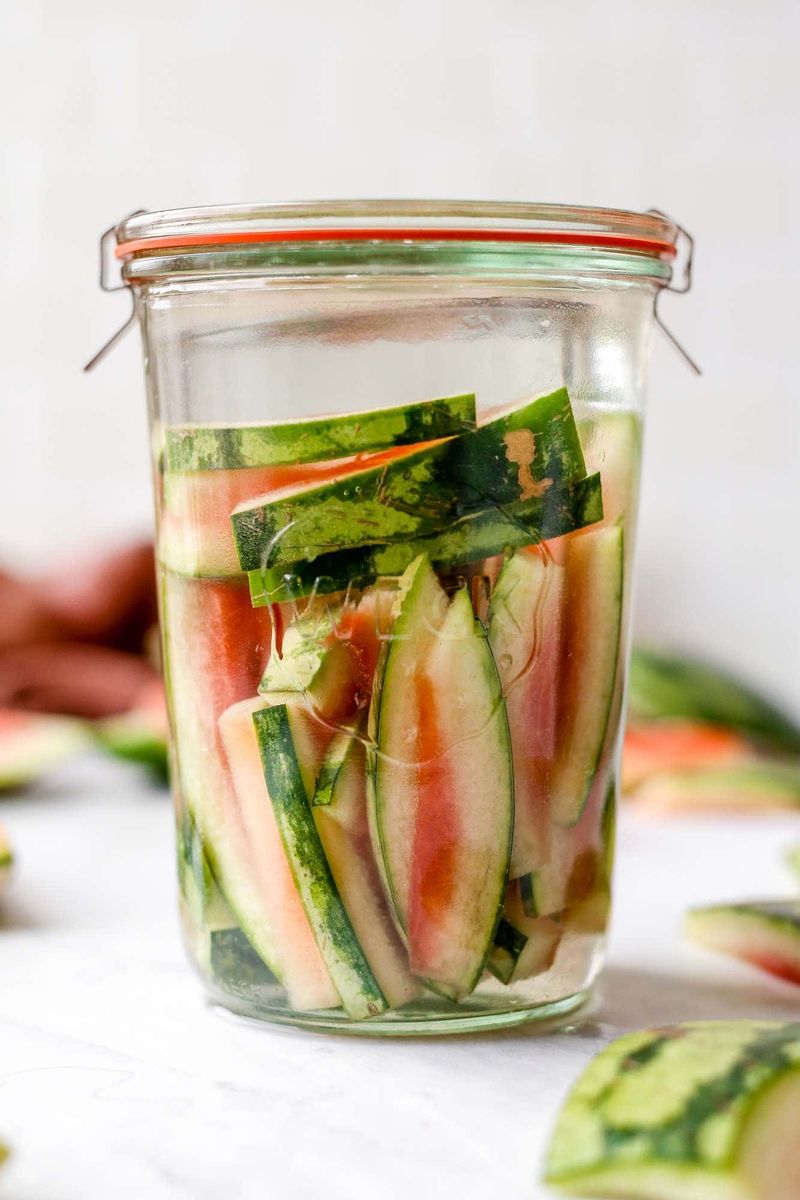
After finishing a slice of watermelon, most people toss the white rind straight into the trash. That is actually a waste of a perfectly edible ingredient used in cuisines around the world.
Watermelon rind can be pickled, stir-fried, or even candied for a sweet treat.
The rind contains citrulline, an amino acid linked to heart health. It has a mild flavor that soaks up spices and seasonings beautifully.
Give it a try before you toss it next summer.
4. Citrus Peels
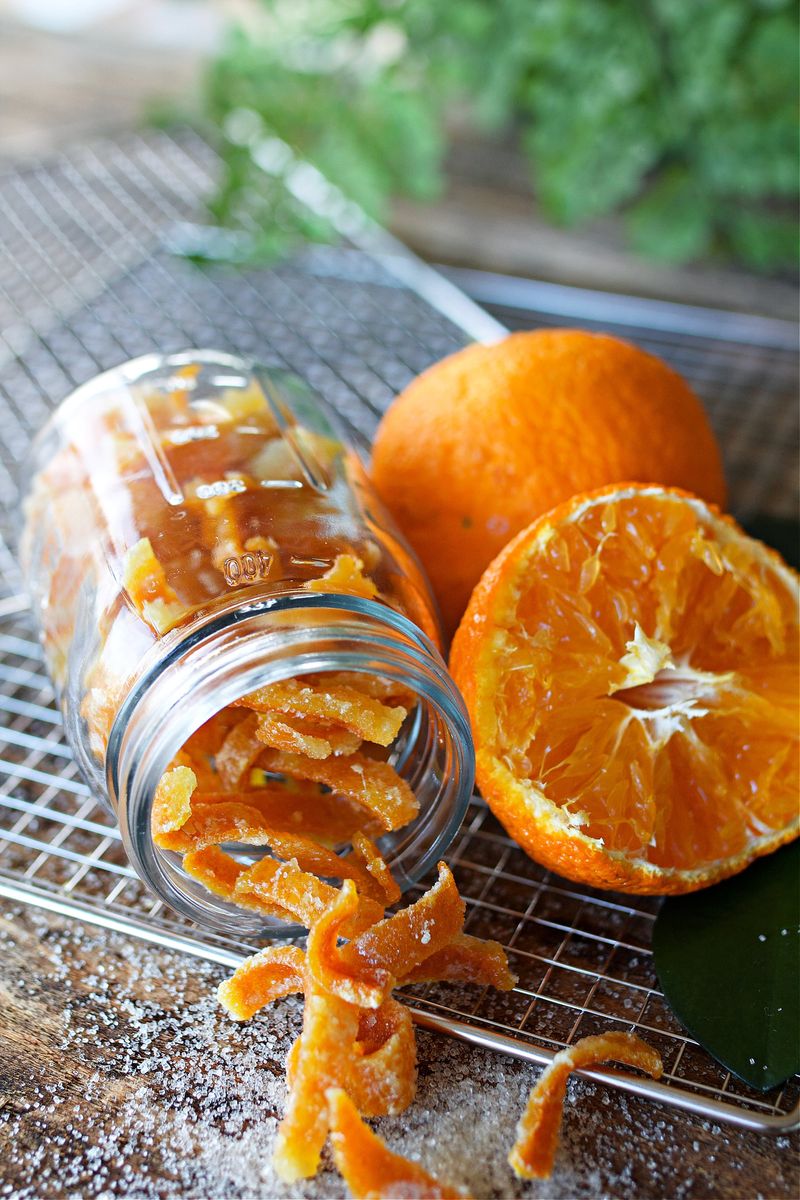
Orange, lemon, and lime peels almost always end up in the garbage, but they hold incredible flavor and nutrition. Citrus zest adds brightness to baked goods, pasta, and marinades.
Candied citrus peel is a classic treat enjoyed in many cultures around the world.
The peel contains high amounts of vitamin C and flavonoids, which are natural plant compounds good for your health. Just make sure to wash the fruit well before using the peel.
A simple zester is all you need to get started.
5. Potato Skins
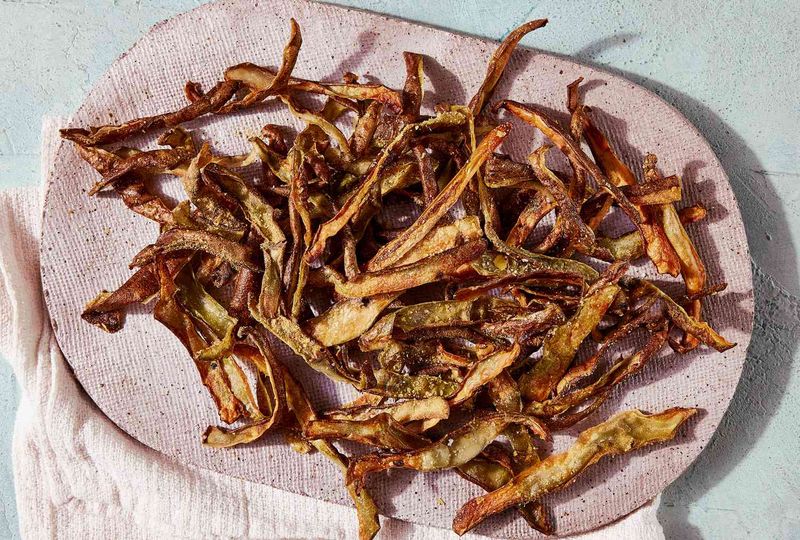
Potato skins are tossed out during peeling all the time, even though they are one of the most nutrient-rich parts of the vegetable. The skin holds a large portion of the potato’s fiber, potassium, and B vitamins.
Throwing it away means missing out on serious nutrition.
Roast potato skins in the oven with olive oil and seasoning for a crispy snack. They also add texture and flavor when left on during mashing or roasting.
Keeping the skin on is one of the easiest food upgrades you can make.
6. Avocado Seeds
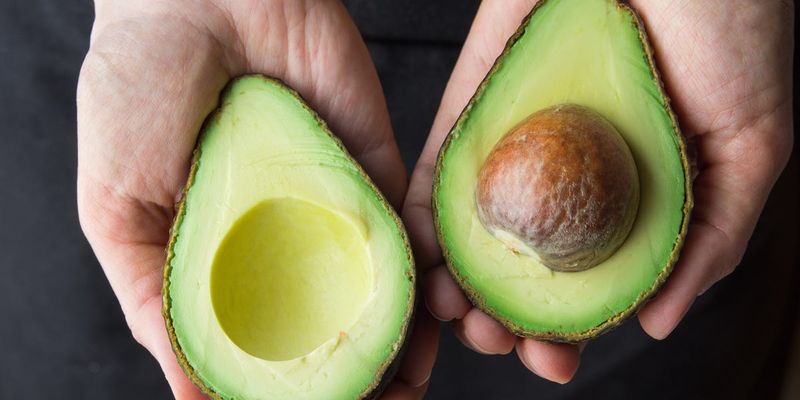
Almost everyone scoops out the avocado pit and throws it away without a second thought. Surprisingly, the seed is edible and contains a high concentration of antioxidants, even more than the green flesh itself.
Some research suggests it may have anti-inflammatory properties too.
You can dry the seed, grind it into a powder, and add it to smoothies. It has a slightly bitter, astringent taste, so a small amount goes a long way.
Think twice before tossing that big brown pit next time.
7. Stale Bread
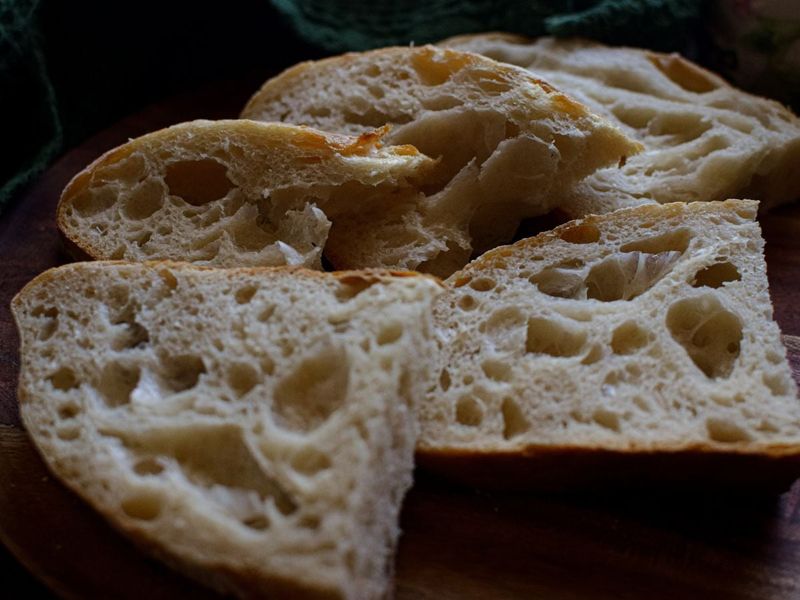
Stale bread is one of the most commonly discarded foods in households everywhere. But bread that has gone hard is not spoiled, it is just dry, and that makes it perfect for a second life.
Breadcrumbs, croutons, and French toast are all classic ways to use it up.
Panzanella, an Italian bread salad, was actually invented specifically to use old bread. Bread pudding is another comforting dish that tastes even better with day-old slices.
Before you toss that loaf, think about what delicious dish you could make instead.
8. Corn Cobs
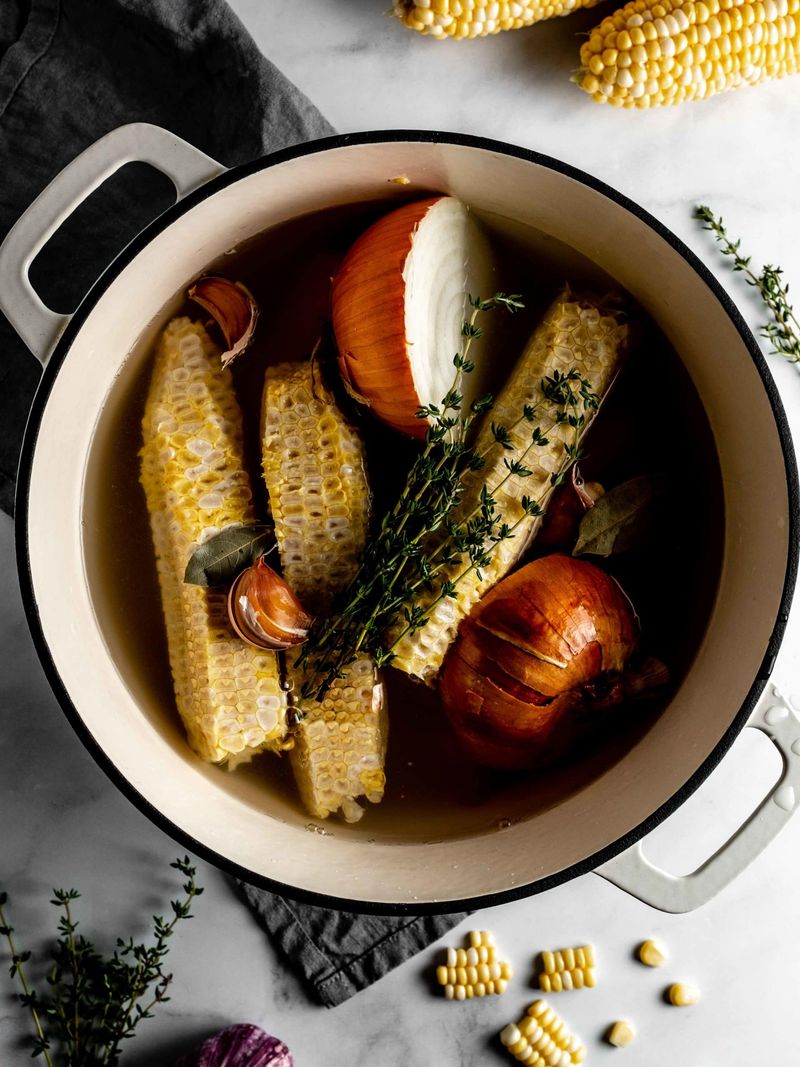
Once the kernels are scraped off, most people toss the corn cob directly into the bin. But those woody cobs are actually full of flavor and can be used to make a rich, sweet corn broth.
The broth works wonderfully as a base for soups, risottos, and chowders.
You can also use dried cobs for smoking meats, as they add a mild, sweet smokiness. Some cultures even use cobs as skewers for grilling small vegetables.
A cob that looks useless can actually be a kitchen powerhouse.
9. Cheese Rinds
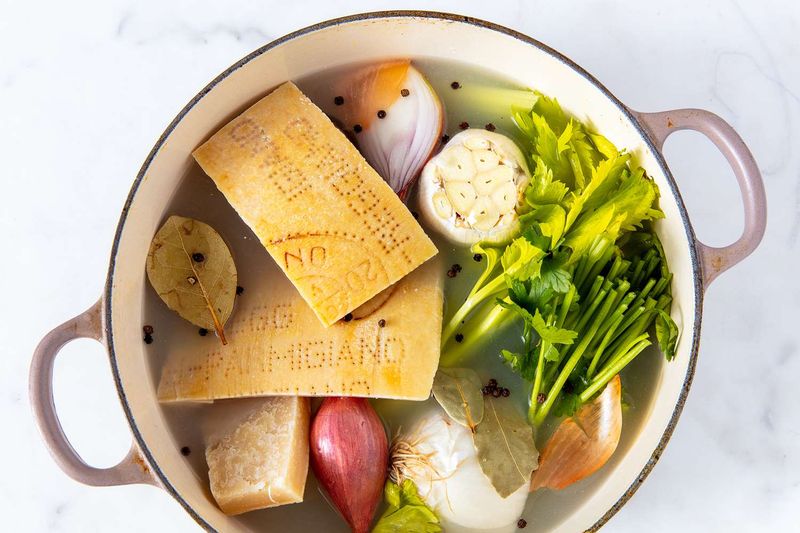
Hard cheese rinds, especially from Parmesan, get cut off and thrown away by most home cooks. That is a real shame because those rinds are bursting with deep, savory flavor.
Dropping a rind into a pot of soup or tomato sauce adds incredible richness without any extra effort.
The rind slowly melts and infuses the dish with a nutty, umami-packed taste. Just remove what remains before serving.
Save your rinds in a bag in the freezer so you always have one ready to go.
10. Carrot Tops
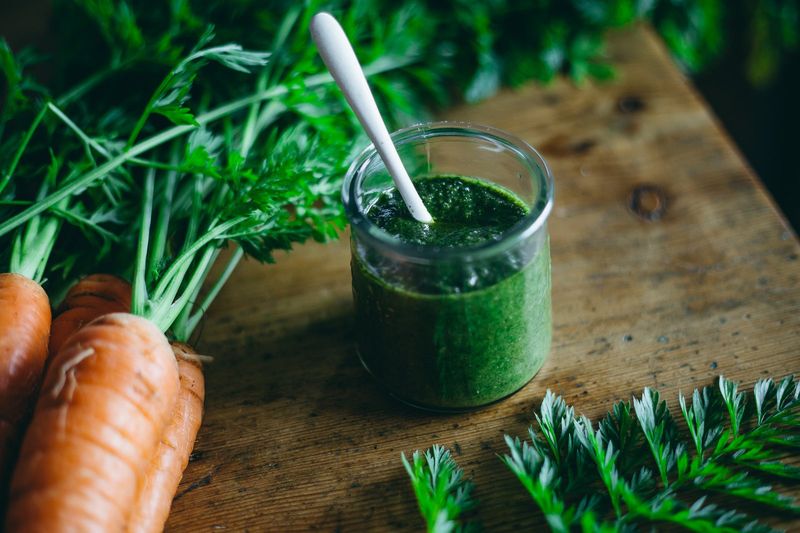
Carrot tops are almost always snipped off and thrown in the trash before the carrots even make it into the fridge. But those feathery green leaves are completely edible and have a slightly bitter, herby flavor similar to parsley.
They work well in pestos, chimichurris, and salads.
Carrot tops contain vitamins A, C, and K, along with potassium and calcium. They are best used fresh rather than cooked, as heat can make them more bitter.
Next time you buy carrots with the tops on, do not waste them.
11. Pineapple Core
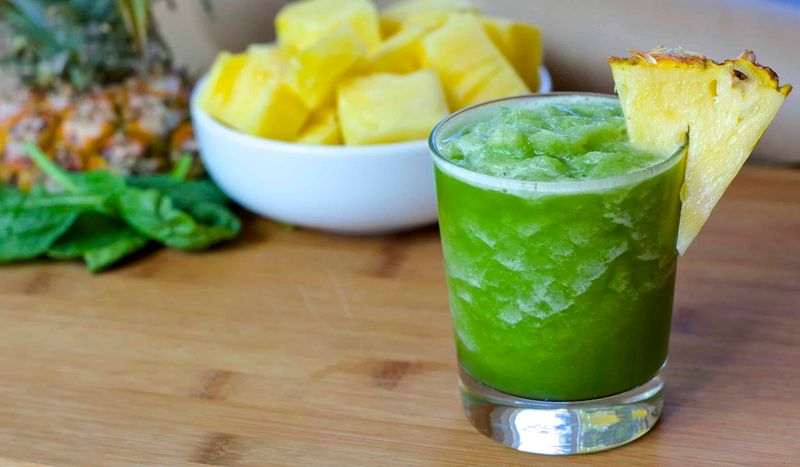
The tough, fibrous center of a pineapple gets cut out and discarded almost every single time. Many people assume it is inedible because of its firm texture, but it is actually safe and nutritious to eat.
The core contains bromelain, an enzyme known for its anti-inflammatory benefits.
Blending the core into smoothies is one of the easiest ways to use it up. You can also juice it or chop it finely and add it to salsas.
A tougher texture does not mean something belongs in the trash.
12. Beet Greens
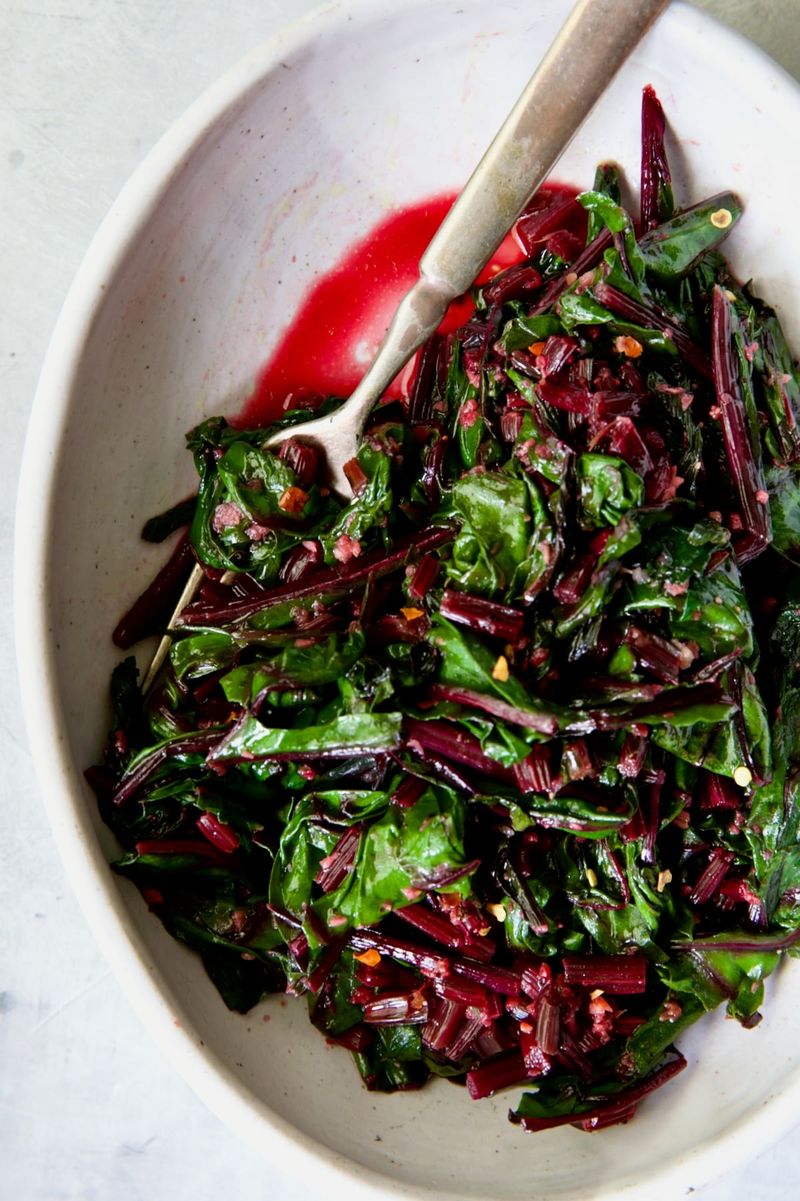
Beets often come with a beautiful bunch of leafy greens attached, and most people cut them off and toss them before the beet even gets cooked. That is a big nutritional miss.
Beet greens are rich in iron, calcium, and vitamins A and C, making them one of the most nutrient-dense leafy greens available.
They taste similar to Swiss chard and can be sauteed with garlic, added to soups, or tossed into a salad while still young and tender. Fresh beet greens wilt quickly, so use them within a couple of days.
13. Apple Seeds
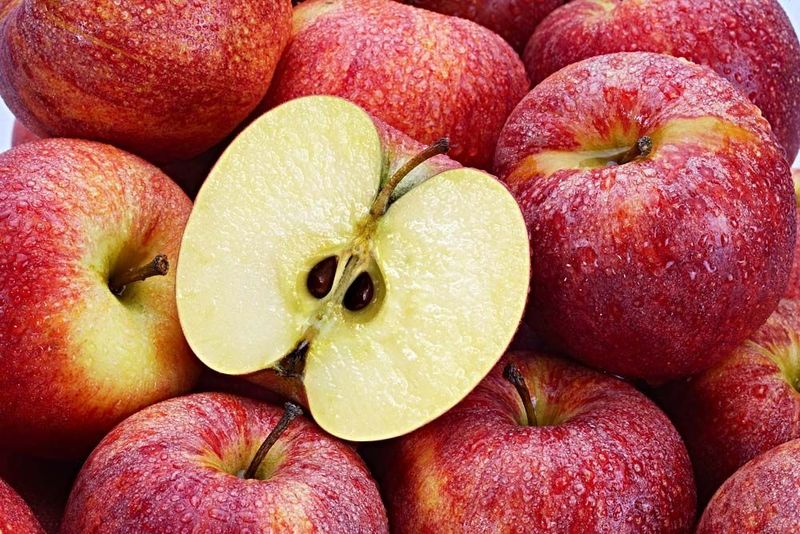
Apple seeds often cause alarm because people have heard they contain cyanide. While that is technically true, the amount is so tiny that accidentally swallowing a few seeds is completely harmless.
Your body processes and eliminates them without any trouble at all.
You would need to chew and consume a very large number of seeds to experience any negative effects, which is nearly impossible in normal eating. So if a seed ends up in your apple slice, there is absolutely no need to panic.
Enjoy your apple stress-free.
14. Onion Skins
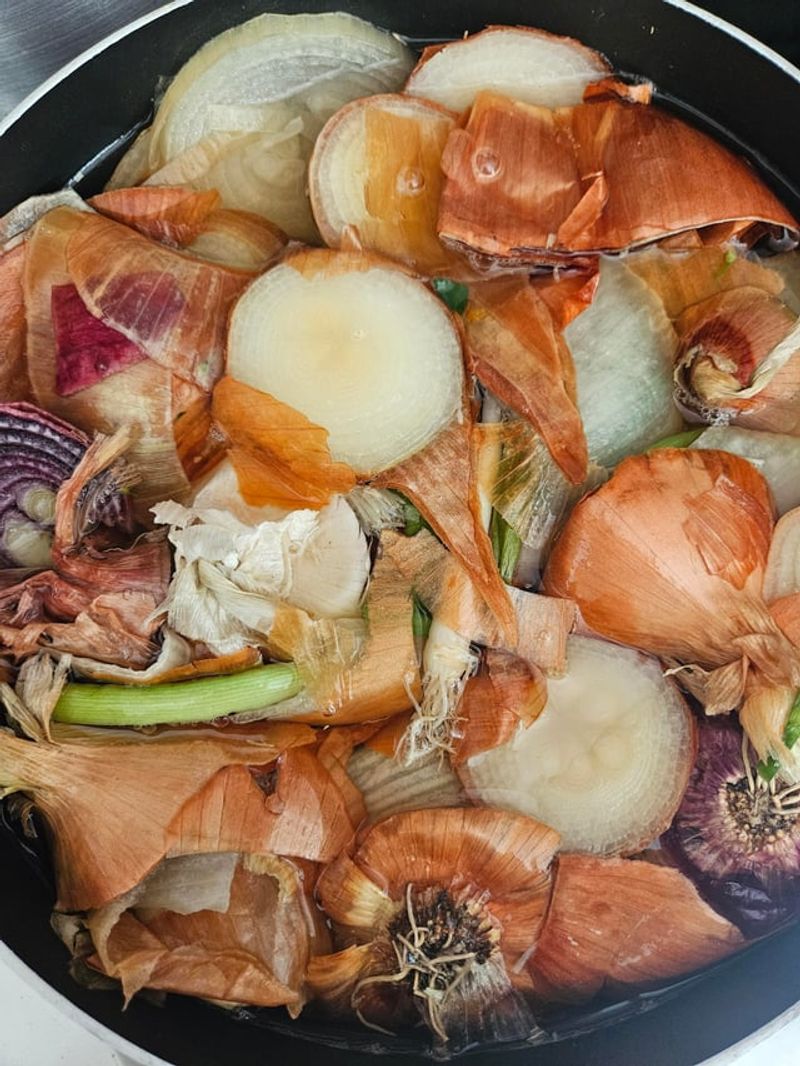
Those papery brown layers that get peeled off onions before cooking are usually thrown straight in the bin. But onion skins are actually full of quercetin, a powerful antioxidant that supports heart health and reduces inflammation.
Many nutritionists consider them one of the most overlooked superfoods.
The skins are not great to eat directly, but they make a fantastic addition to homemade stocks and broths. Just toss a few clean skins into your pot and remove them before serving.
Your broth will be richer and more nutritious for it.
15. Strawberry Tops
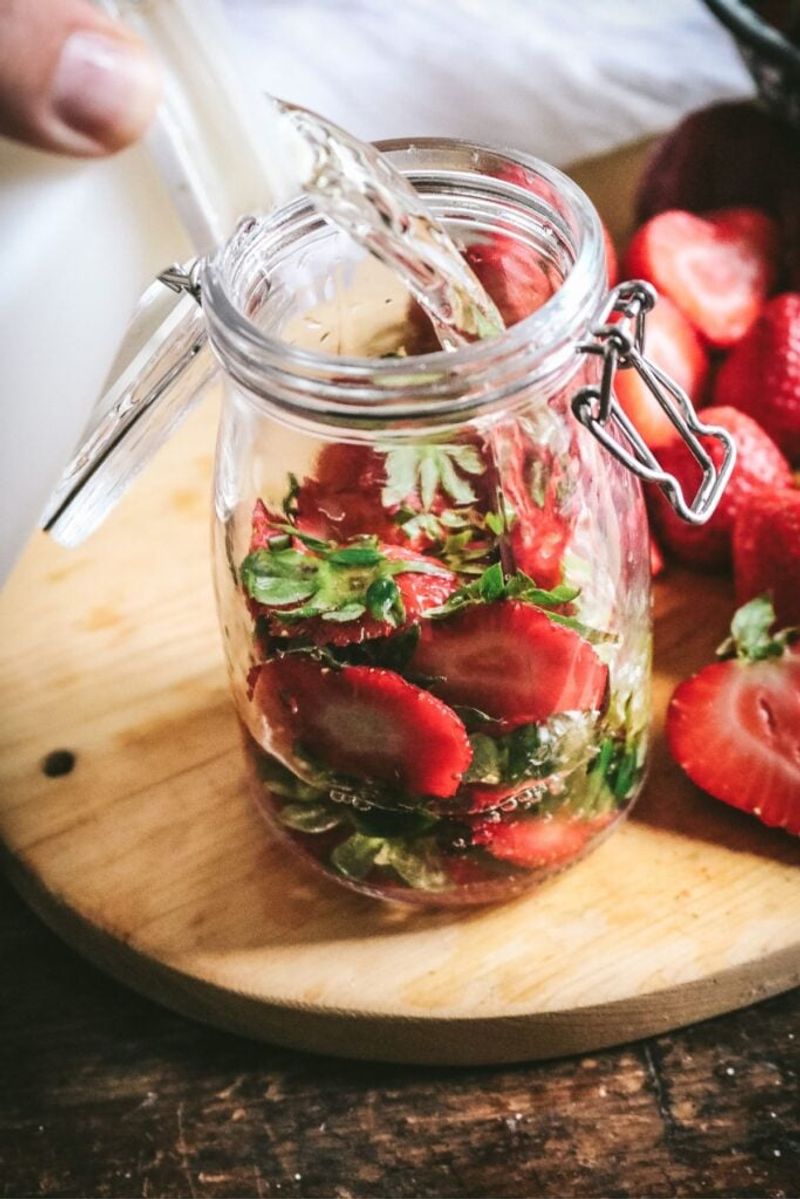
Strawberry tops, also called the hull or calyx, are snipped off and discarded before the berry is eaten or used in recipes. But those little leafy crowns are completely edible and actually taste mildly sweet with a faint herby note.
Some chefs use them as a garnish or blend them into drinks.
Strawberry tops can be steeped in water to make a light, refreshing infused drink. They also work well blended into smoothies alongside the whole berry.
Skipping the trimming step saves time and reduces waste in one simple move.
16. Cauliflower Leaves
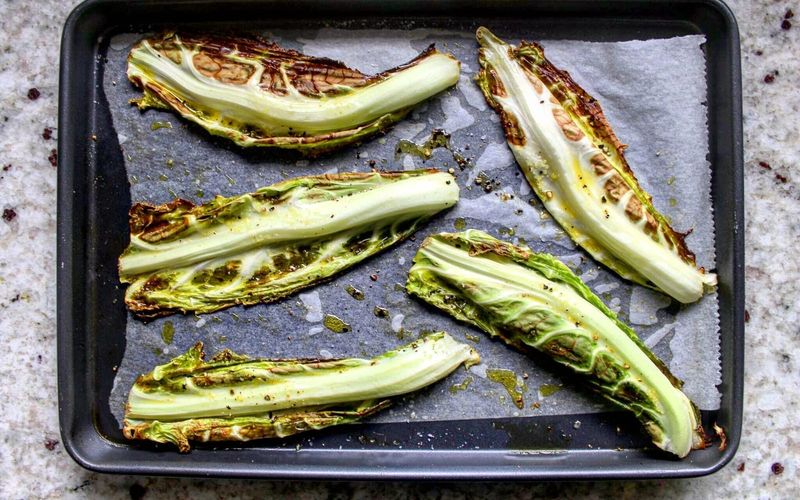
Cauliflower heads usually come surrounded by large green leaves that almost always get stripped off and thrown away before cooking. Those leaves are edible, sturdy, and full of flavor.
They roast beautifully in the oven with olive oil and seasoning, turning crispy at the edges like a chip.
Cauliflower leaves can also be blanched, stir-fried, or added to soups. They have a mild, slightly nutty taste that pairs well with bold seasonings like paprika or cumin.
Stop treating them like packaging and start treating them like an ingredient.
17. Kiwi Skin
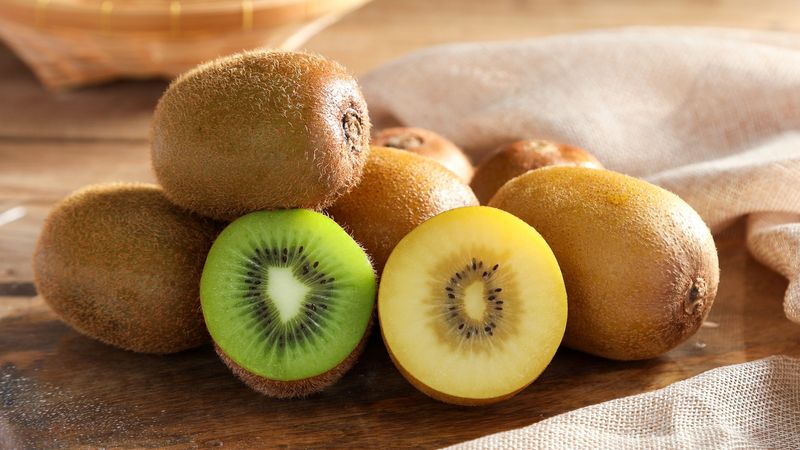
Most people peel a kiwi before eating it, but the fuzzy brown skin is actually edible and nutritious. Eating the skin triples the fiber intake compared to eating only the flesh.
The skin also contains high levels of vitamin C and antioxidants that support immune health.
The texture can feel a bit rough, so rubbing it gently under water softens the fuzz slightly. Some people enjoy the contrast of the tart skin with the sweet flesh inside.
Give it a try before you peel your next kiwi.
18. Mango Peels
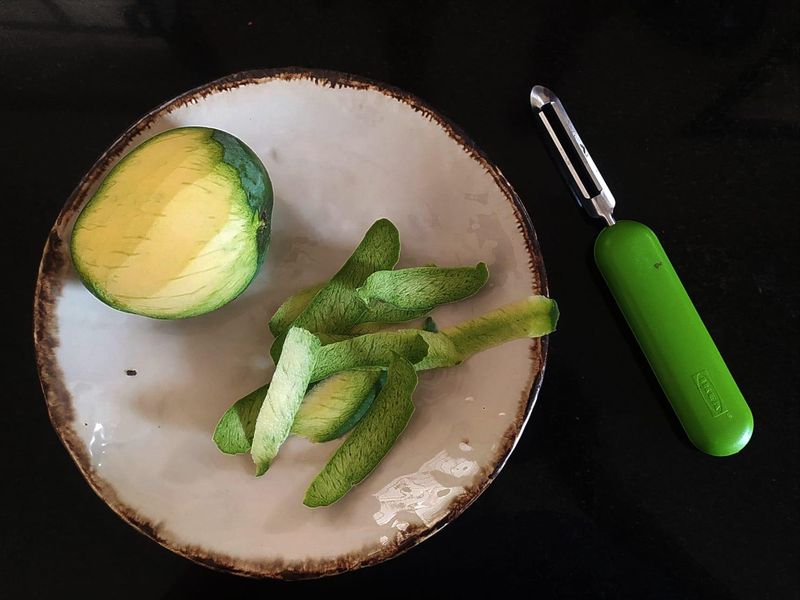
Mango skin gets peeled away and discarded before the fruit is sliced and enjoyed, but it is absolutely edible. The peel contains mangiferin, a powerful antioxidant with potential anti-cancer properties.
In some parts of Asia and the Caribbean, mango peel is used in chutneys and pickles.
The skin has a slightly bitter taste, so cooking it with spices helps balance the flavor. Blending mango peel into smoothies is another easy option.
Just make sure to wash the mango thoroughly before eating the skin.
19. Radish Leaves
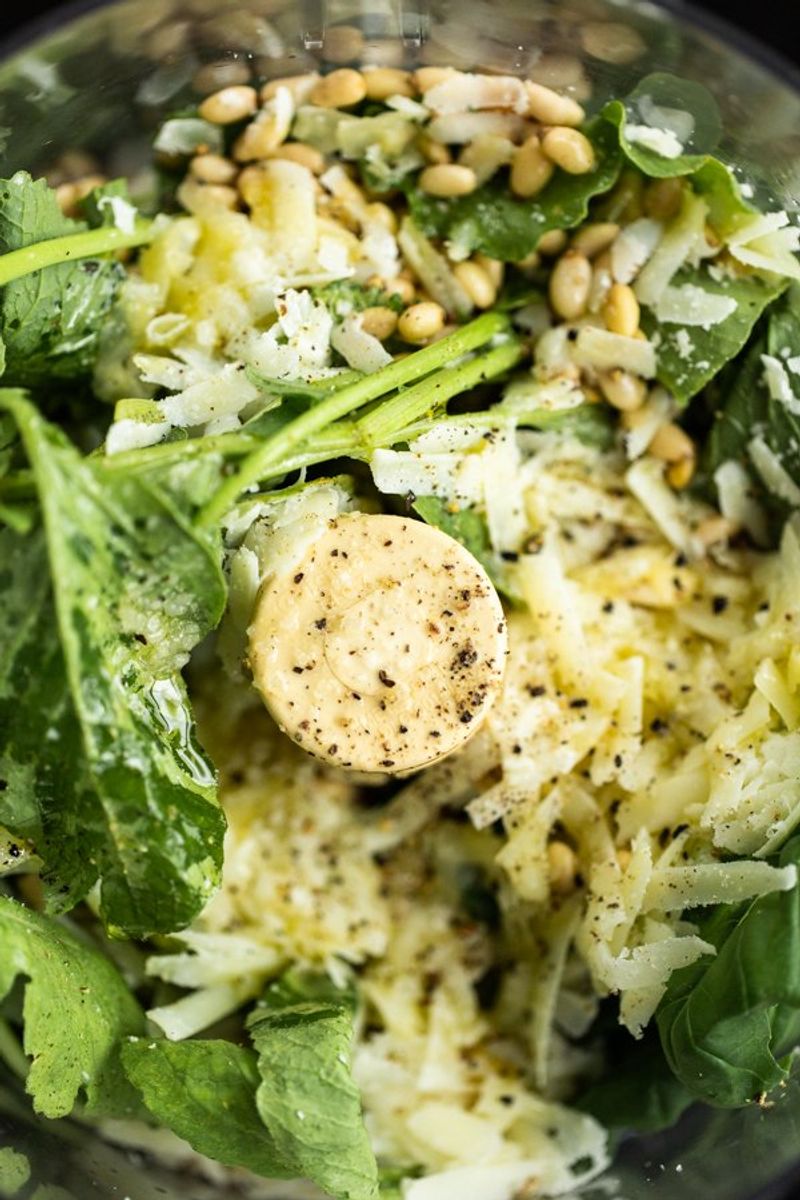
Radishes are bought for their crunchy roots, and the leafy green tops almost always get cut off and thrown in the trash. But radish greens are completely edible and packed with nutrients including vitamin C, calcium, and iron.
They have a slightly spicy, peppery flavor similar to arugula.
Young radish leaves work well in salads, while older ones are better cooked in a saute or soup. Blending them into a pesto with garlic and nuts creates a bold, vibrant sauce.
Those greens deserve a spot on your plate, not in your trash can.
20. Coffee Grounds
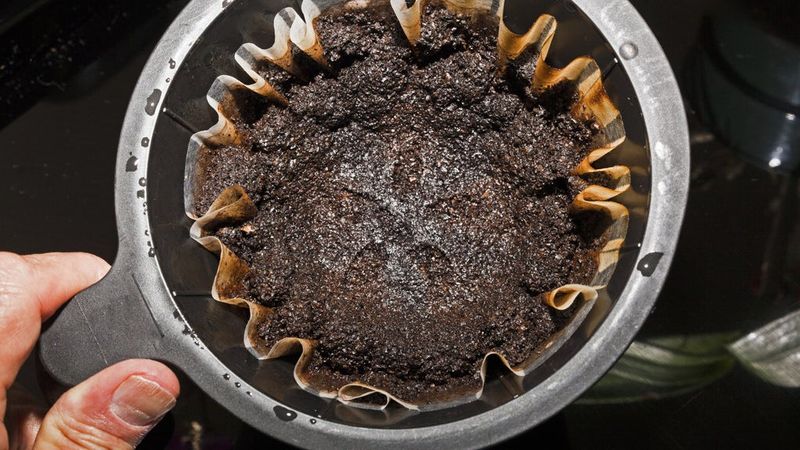
Used coffee grounds often go straight from the coffee maker into the garbage, but they still have plenty of useful life left in them. In cooking, coffee grounds add a rich, smoky depth to rubs for grilled meats and to chocolate-based desserts.
They intensify chocolate flavor in a way that is hard to replicate.
Beyond cooking, used grounds make an excellent garden fertilizer and natural skin scrub. They are slightly acidic, which plants like blueberries and roses love.
One small change in how you dispose of grounds can make a real difference.
21. Pumpkin Seeds
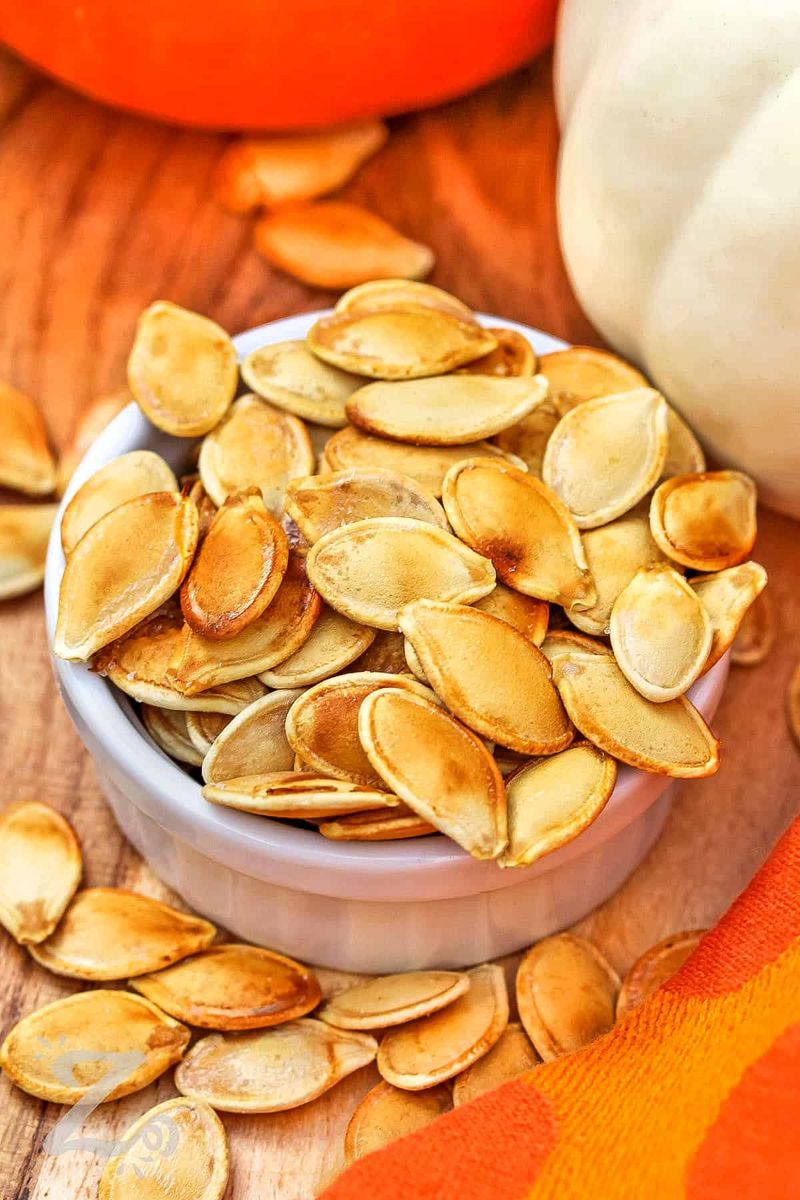
Every fall, people carve pumpkins and scoop out the seeds before tossing them directly in the garbage. Those seeds, known as pepitas, are a nutritional goldmine.
They are loaded with magnesium, zinc, protein, and healthy fats that support heart and immune health.
Roasting them in the oven with a little oil and salt takes only about 20 minutes and creates an incredibly satisfying snack. They can also be added to salads, granola, or trail mix.
Saving pumpkin seeds is one of the easiest and most rewarding zero-waste habits you can start.
22. Eggshells
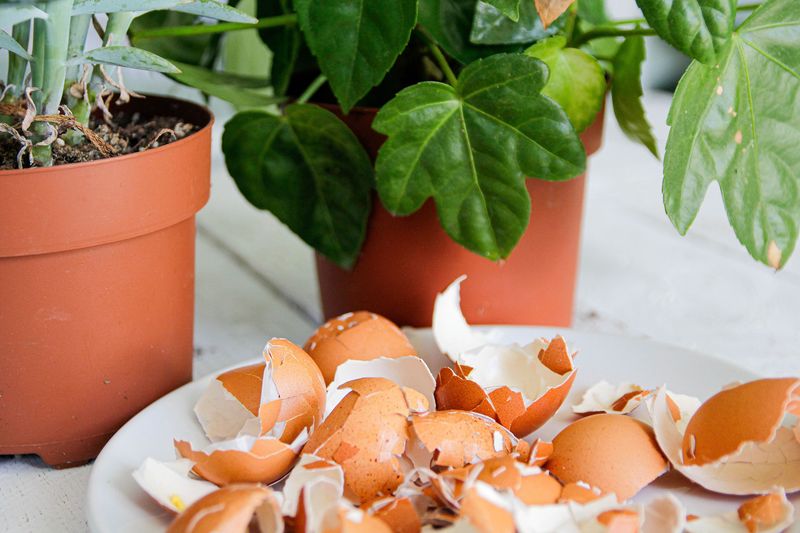
Eggshells crack, eggs get used, and the shells go directly in the bin without a second thought. But eggshells are almost entirely made of calcium carbonate, the same compound found in many calcium supplements.
When ground into a fine powder, they can be added to foods like smoothies or soups as a calcium boost.
Make sure to boil and dry the shells thoroughly before grinding them to eliminate any bacteria. Garden plants also love crushed eggshells mixed into the soil.
Something most people treat as garbage is actually a free source of an essential mineral.