
Cabbage might seem like a simple, humble vegetable, but across Europe it transforms into something truly remarkable. From crunchy pickled sides to hearty stuffed rolls, each country has found its own creative way to make cabbage the star of the plate.
Whether it is slow-cooked with pork, fermented into a tangy condiment, or wrapped around savory fillings, cabbage tells a delicious story about European food culture. Get ready to see this everyday vegetable in a whole new light.
1. Bigos – Poland
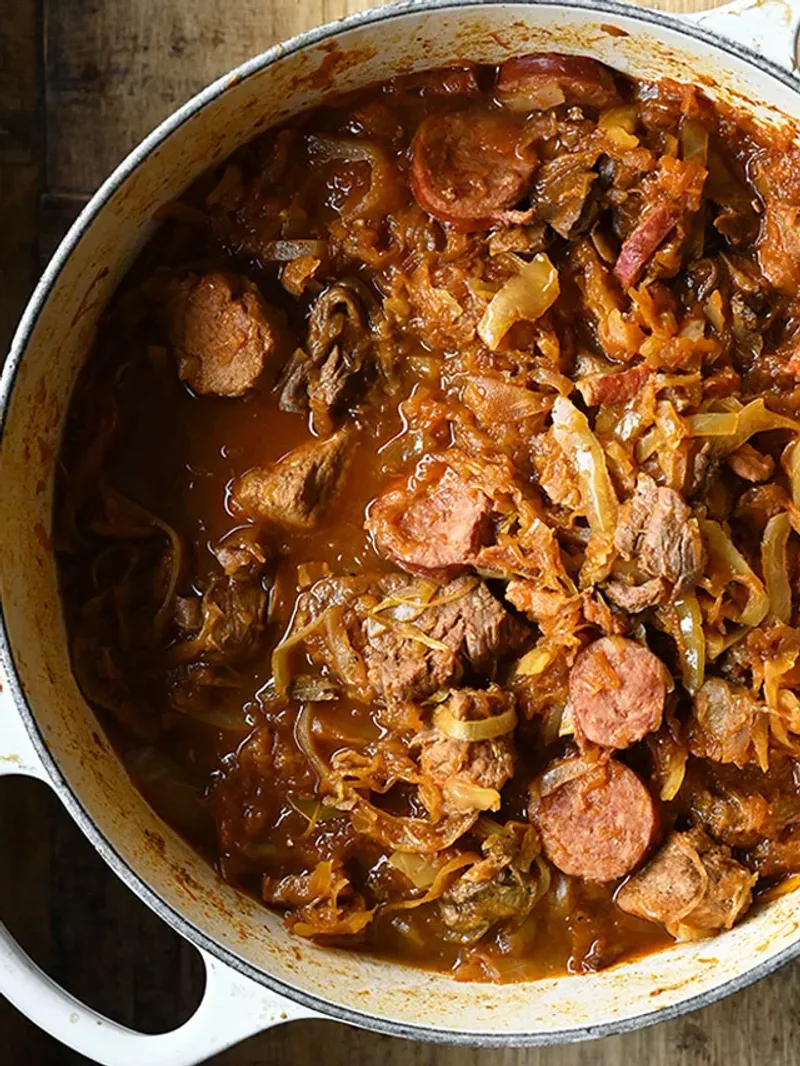
Poland’s national dish has been simmering in kitchens for centuries. Bigos is a hearty hunter’s stew that mixes sauerkraut, fresh cabbage, various meats, mushrooms, and spices into one deeply satisfying pot.
The longer it cooks, the richer and more complex the flavor gets.
Many Polish families say bigos tastes even better on the second or third day. It is a dish that rewards patience, and every household has its own secret recipe passed down through generations.
2. Sauerkraut – Germany

Fermented cabbage sounds simple, but Germans have turned it into a culinary institution. Sauerkraut is made by shredding cabbage and letting it sit in its own salty brine until it becomes wonderfully tangy and sour.
It pairs perfectly with sausages, pork knuckle, and potato dishes.
Beyond flavor, sauerkraut is packed with probiotics that support gut health. It has been a German staple for so long that soldiers once carried it on long journeys to prevent scurvy during wartime.
3. Colcannon – Ireland
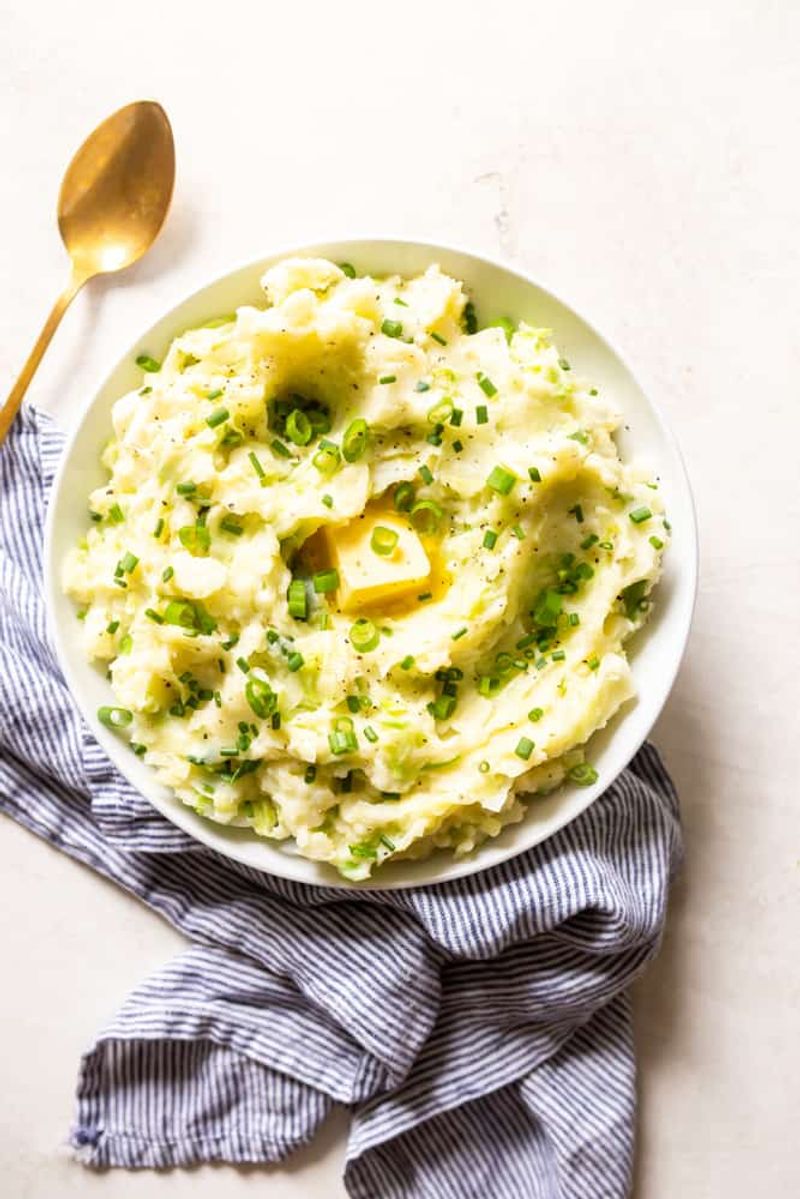
Mashed potatoes meet cabbage in this beloved Irish comfort food. Colcannon blends fluffy mashed potatoes with cooked cabbage or kale, butter, cream, and sometimes spring onions, creating a dish that feels like a warm hug on a cold evening.
It is simple, filling, and absolutely delicious.
Colcannon is especially popular on Halloween in Ireland, where coins are sometimes hidden inside for good luck. That charming tradition makes this humble dish feel like something truly special and festive.
4. Sarma – Serbia and the Balkans
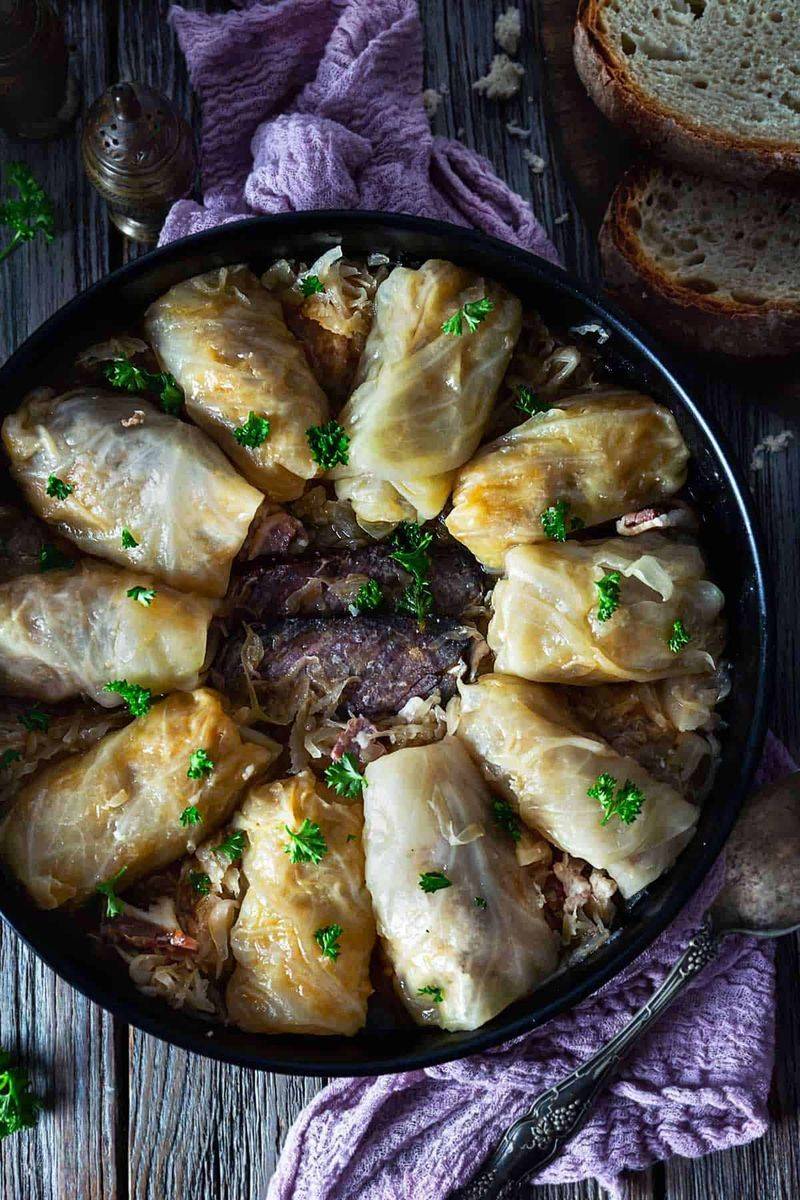
Rolled, stuffed, and slow-cooked to perfection, sarma is a dish that takes real love to make. Fermented cabbage leaves are wrapped around a filling of ground meat and rice, then simmered low and slow in a rich tomato broth until everything melds together beautifully.
Across Serbia and the wider Balkan region, sarma is practically required at celebrations and holidays. Families often make enormous batches together, turning the cooking process itself into a cherished social tradition.
5. Kapusniak – Ukraine
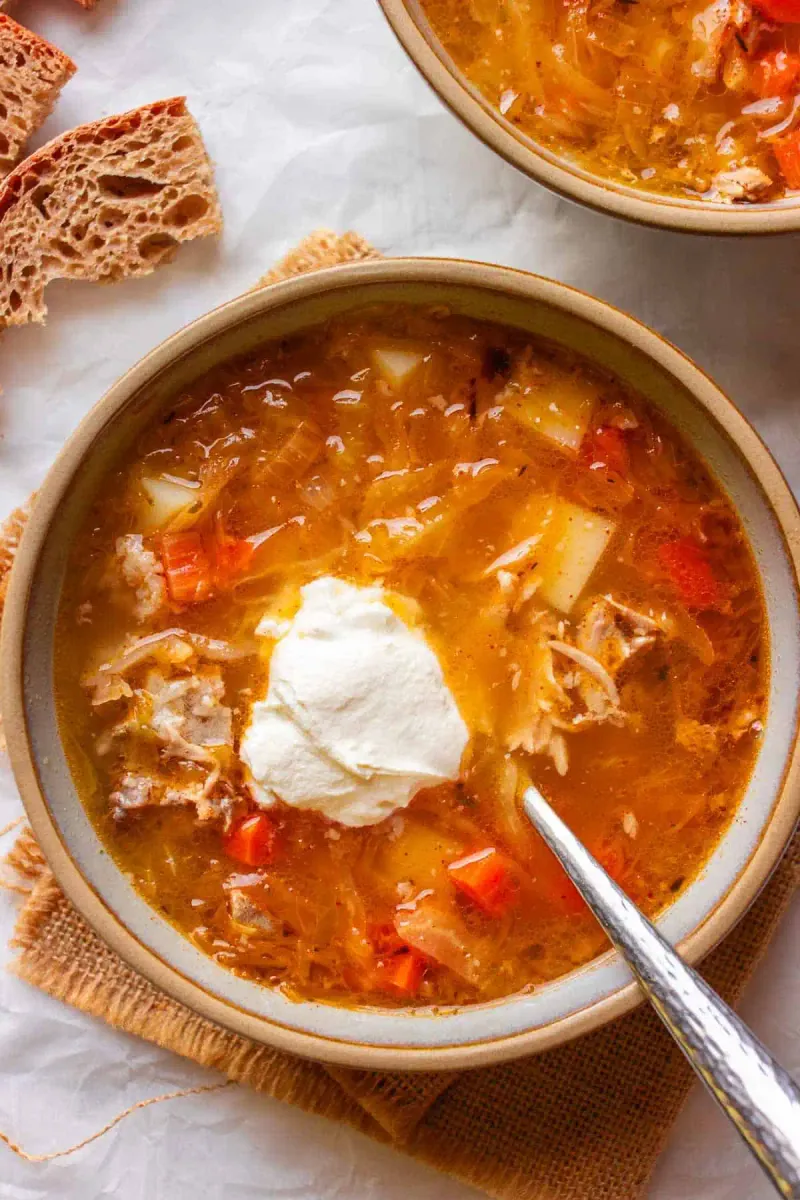
Ukraine’s kapusniak is a soul-warming soup built around sauerkraut as its star ingredient. Simmered with pork ribs, potatoes, carrots, and onions, it develops a tangy, savory depth that is hard to resist on a cold winter day.
A dollop of sour cream on top is practically mandatory.
This soup is a staple of Ukrainian home cooking and is especially popular during the colder months. It is hearty enough to serve as a full meal, which is exactly how most families enjoy it.
6. Chou Farci – France
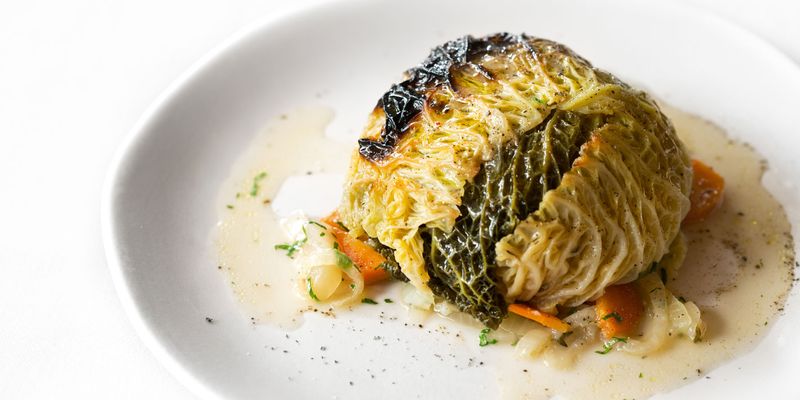
French cuisine is known for turning simple ingredients into elegant dishes, and chou farci is a perfect example. Large cabbage leaves are blanched until tender, then wrapped around a savory filling of ground pork, herbs, and sometimes foie gras, before being braised slowly in a flavorful broth.
The result is refined yet deeply comforting. Chou farci shows up in rustic farmhouse kitchens and fancy bistros alike, proving that cabbage can absolutely hold its own in French gastronomy.
7. Bigilla with Cabbage – Malta
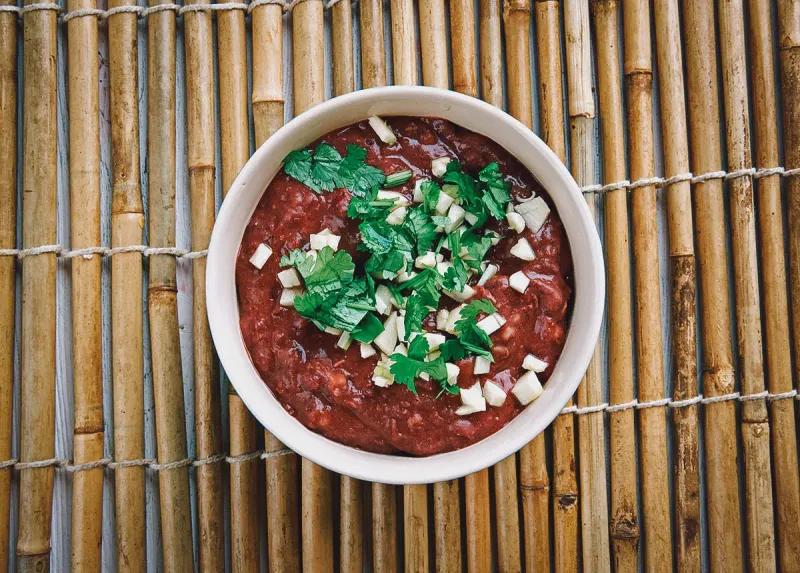
Malta sits at a crossroads of Mediterranean cultures, and its food reflects that beautifully. Cabbage in Maltese cooking is often braised with garlic, olive oil, and local herbs, then served alongside bigilla, a traditional broad bean dip that adds earthy richness to the plate.
This pairing might not be famous worldwide, but locals have been enjoying it for generations. The combination of soft, garlicky cabbage and creamy bean dip is a simple yet satisfying taste of Maltese home cooking.
8. Kapusta z Grochem – Poland
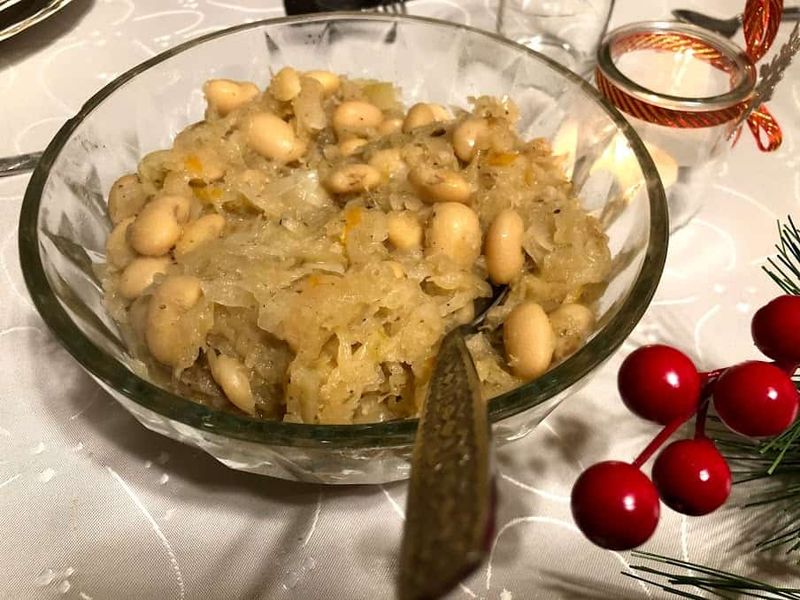
Christmas Eve in Poland would not be complete without kapusta z grochem. This traditional dish combines sauerkraut with cooked split peas or dried mushrooms into a thick, earthy stew that has been gracing Polish holiday tables for centuries.
It is meat-free, making it perfect for the fasting traditions of Wigilia.
Beyond the holidays, this dish appears year-round as a comforting side. Its tangy, nutty flavor profile is surprisingly complex for such humble ingredients, which is exactly what makes it so enduring.
9. Kohl und Pinkel – Germany (Northern)
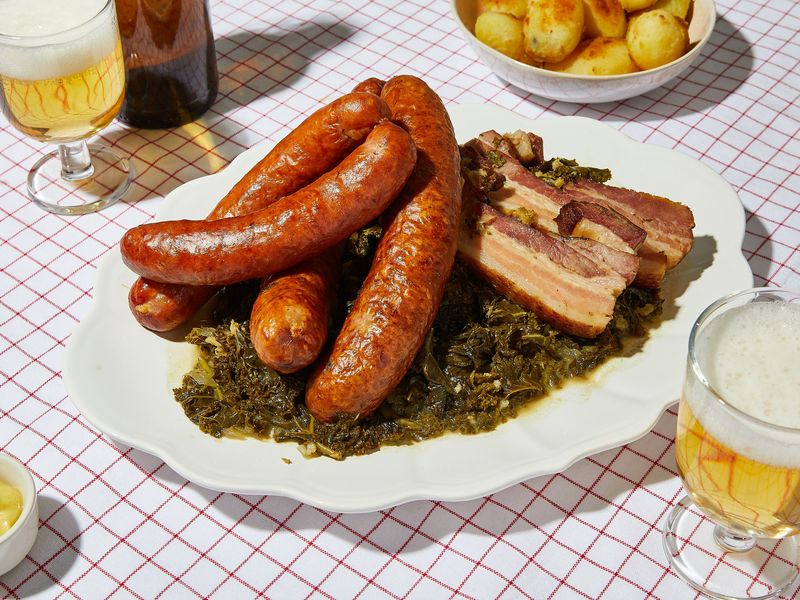
Up in northern Germany, winter means one thing: kohl und pinkel season. This regional specialty features slow-cooked green cabbage or kale served with a distinctive smoked sausage called pinkel and boiled potatoes.
The whole dish is rich, smoky, and deeply warming.
Eating kohl und pinkel is actually a social event in Germany’s Oldenburg region. Groups of friends go on long winter walks and then sit down together to enjoy this hearty feast, turning a simple meal into a beloved community tradition.
10. Stuffed Cabbage – Hungary (Toltott Kaposzta)
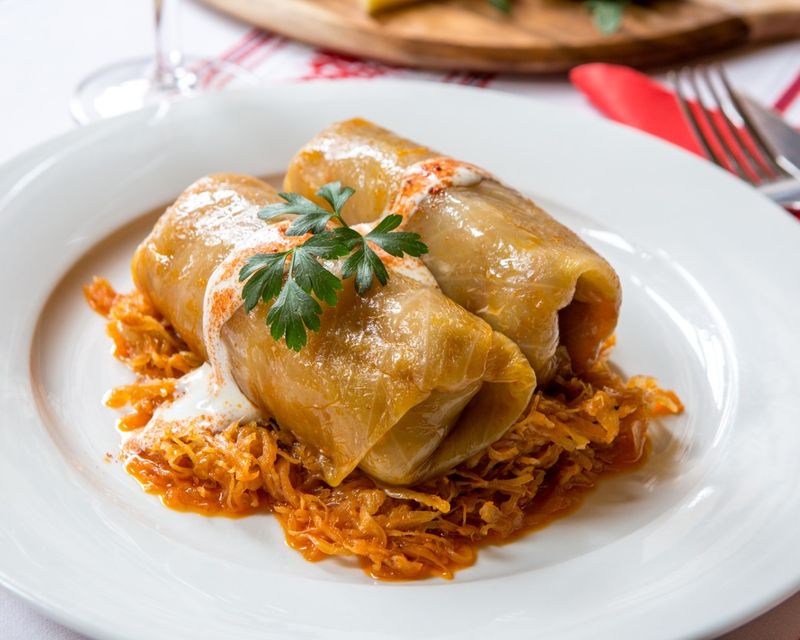
Hungary takes stuffed cabbage to another level with toltott kaposzta. Ground pork and rice are wrapped in fermented cabbage leaves, then simmered in a rich paprika-laced tomato sauce that gives the whole dish a beautiful reddish color and warm, smoky depth.
A generous spoonful of sour cream finishes it off.
This dish is central to Hungarian celebrations and family gatherings. The combination of tangy fermented cabbage and sweet paprika sauce is a flavor pairing that feels uniquely and unmistakably Hungarian.
11. Zuurkool Stamppot – Netherlands
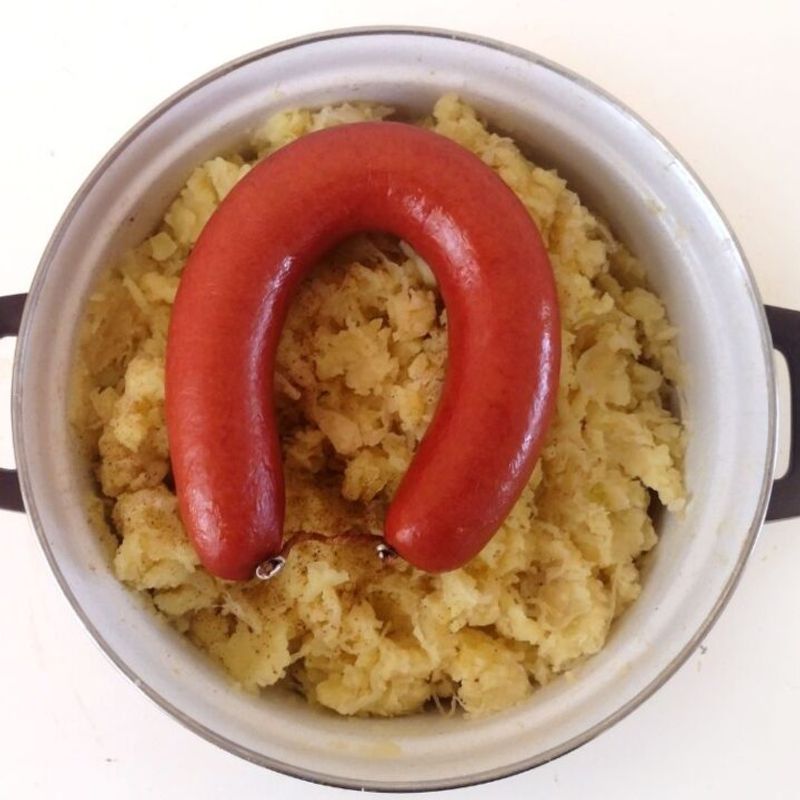
The Dutch have a genius solution for cold winter nights: stamppot. Zuurkool stamppot mashes sauerkraut directly into creamy potatoes, creating a tangy, comforting one-pot wonder that gets topped with a thick smoked rookworst sausage.
It is filling, fast, and incredibly satisfying.
Stamppot is considered the ultimate Dutch comfort food, and zuurkool is one of its most popular variations. School kids grow up eating it, and even as adults, most Dutch people say it brings back warm memories of home.
12. Gratin de Chou – Switzerland
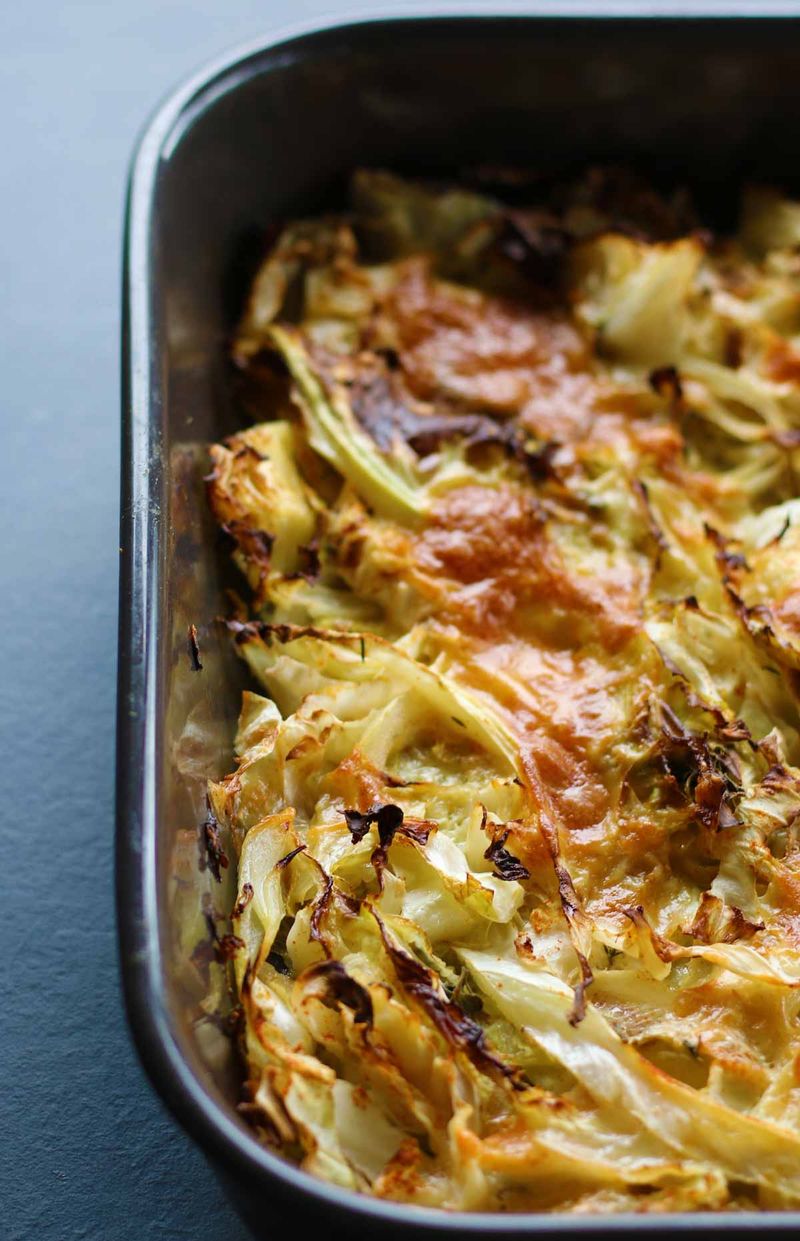
Switzerland is famous for its cheese, so it makes perfect sense that cabbage gets the gratin treatment here. Gratin de chou layers tender cabbage with cream and generous amounts of nutty Gruyere cheese, then bakes everything until golden and bubbling.
The result is indulgent and incredibly satisfying.
This dish is popular in the French-speaking part of Switzerland, where it often appears as a side dish during winter. Paired with roasted meats or enjoyed on its own, it proves that cabbage and cheese are a match made in culinary heaven.
13. Kapuska – Turkey (Anatolian Region)
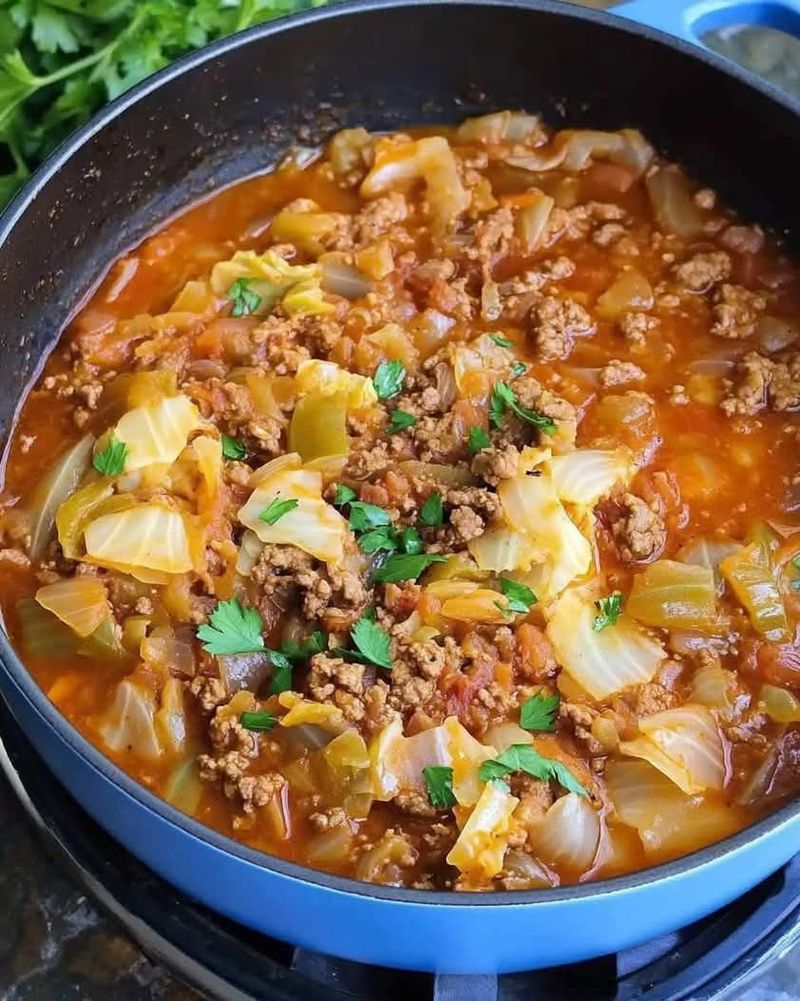
Turkey straddles Europe and Asia, and its food reflects both worlds. Kapuska is a popular Anatolian dish where cabbage is braised with ground beef, tomatoes, onions, and a blend of warm spices until everything becomes tender and deeply flavorful.
It is simple home cooking at its finest.
Often served over rice or with crusty bread, kapuska is a weeknight staple across Turkey. Its bold, slightly spiced flavor makes it stand out from other European cabbage dishes, showing how geography shapes cooking in fascinating ways.
14. Sklandrausis with Cabbage Salad – Latvia
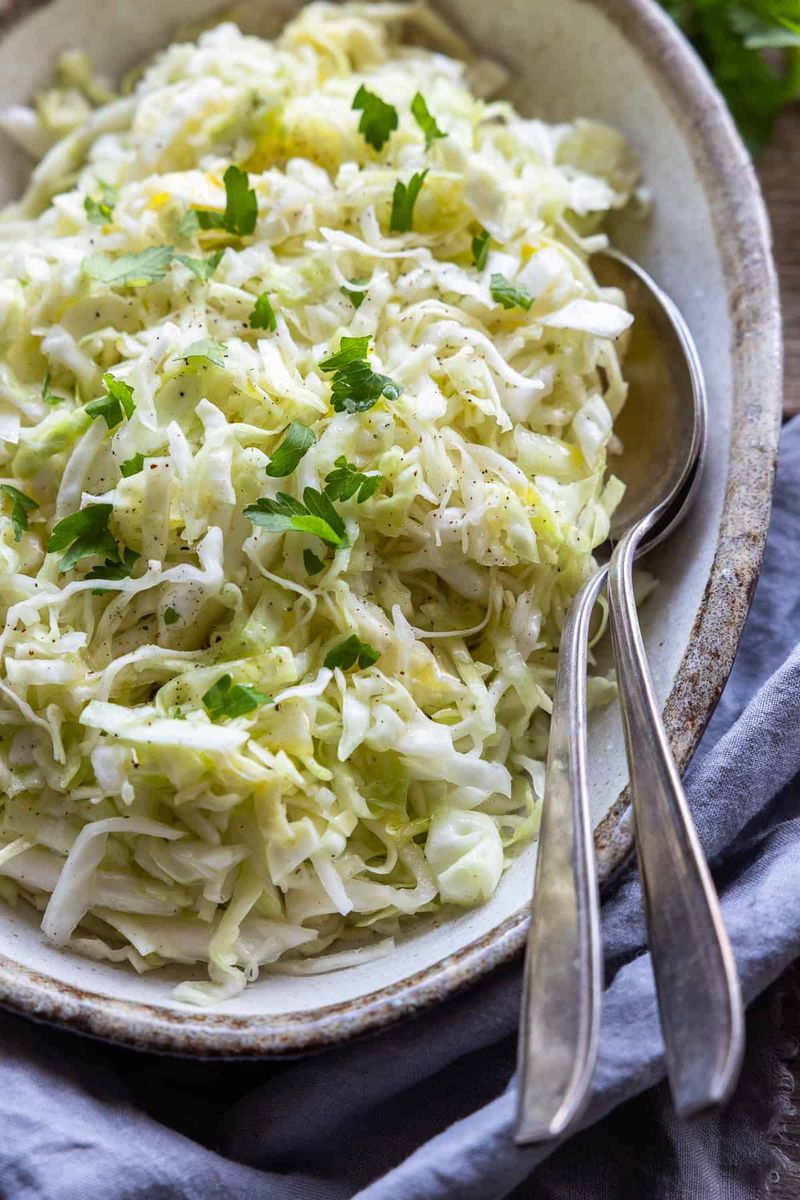
Latvia has a rich tradition of using cabbage in fresh, lightly dressed salads. Thinly shredded white or red cabbage is tossed with carrots, dill, and a simple vinegar or sour cream dressing, creating a crisp, refreshing side that balances heavier dishes beautifully.
It often accompanies sklandrausis, a traditional rye pastry.
Latvian cabbage salads are a staple at family meals and celebrations. The fresh crunch and bright, tangy dressing make them feel light and lively, which is a welcome contrast to the hearty stews common in Baltic cuisine.
15. Cabbage Soup – Russia (Shchi)
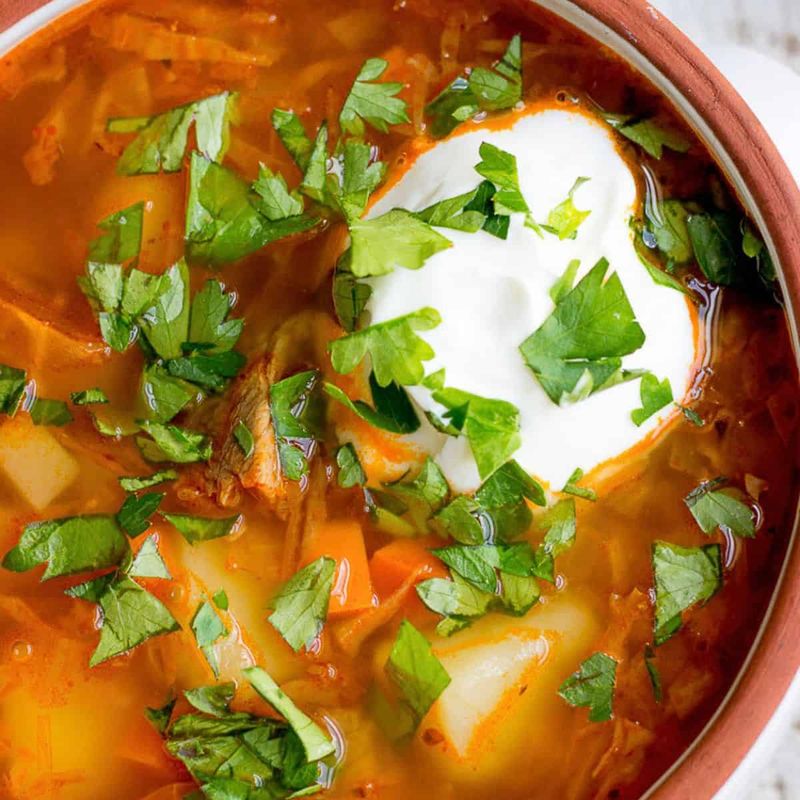
Russia’s most iconic soup has been feeding people for over a thousand years. Shchi is a cabbage soup that can be made with fresh or fermented cabbage, combined with root vegetables, herbs, and sometimes meat, creating a warm, nourishing bowl that has sustained Russians through countless harsh winters.
There is a famous Russian saying: “Shchi da kasha – pishcha nasha,” meaning cabbage soup and porridge are our food. That saying perfectly captures how central shchi is to Russian identity and everyday life.
16. Coleslaw – United Kingdom
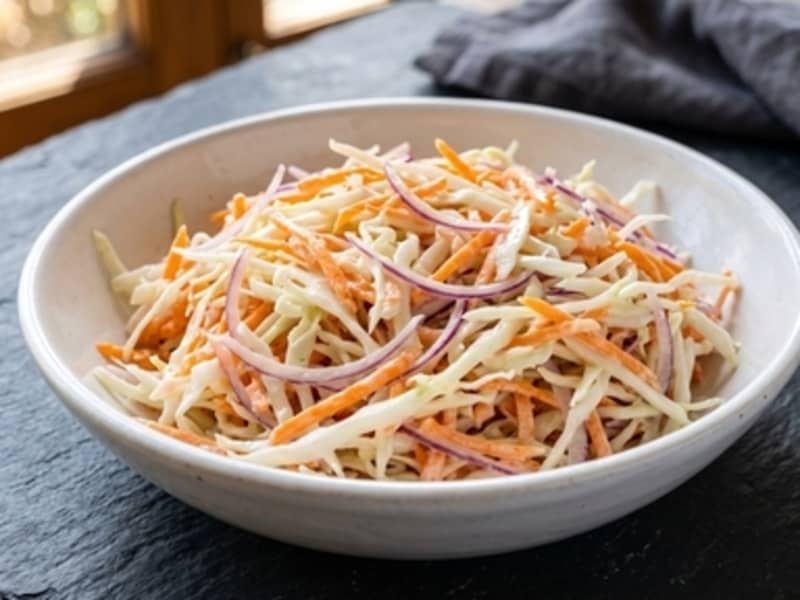
Britain took coleslaw and made it its own. While versions exist worldwide, the UK style tends to be extra creamy, loaded with mayonnaise, and served as a go-to side at barbecues, fish and chip shops, and Sunday buffets.
It is crunchy, cool, and completely unpretentious.
Coleslaw might not sound glamorous, but it is one of the most consumed cabbage dishes in Britain. Its simplicity is its superpower – shredded cabbage, a bit of carrot, and a good mayo dressing deliver maximum satisfaction with minimal effort every single time.
17. Kimchi-Style Fermented Cabbage – Denmark (Nordic Ferments)
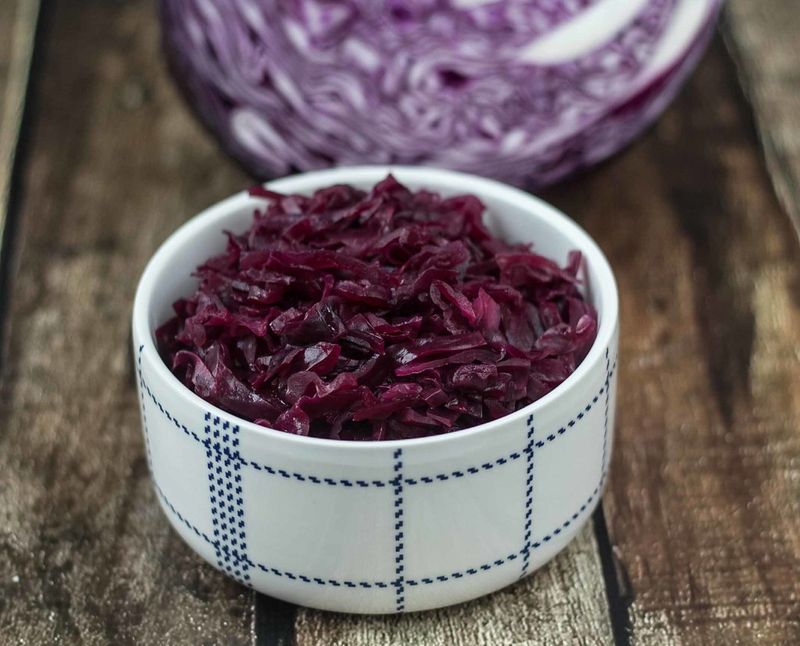
Scandinavia has its own long tradition of fermenting vegetables, and Denmark has recently embraced it with modern creativity. Nordic-style fermented cabbage uses local flavors like caraway seeds, juniper berries, and dill instead of Asian spices, producing a tangy, aromatic ferment that feels distinctly Northern European.
Copenhagen’s food scene has helped push fermented cabbage into the spotlight globally. Many Danish chefs now feature house-made fermented cabbage on their menus, blending ancient preservation techniques with contemporary culinary thinking in a way that feels fresh and exciting.
18. Lecso with Cabbage – Romania
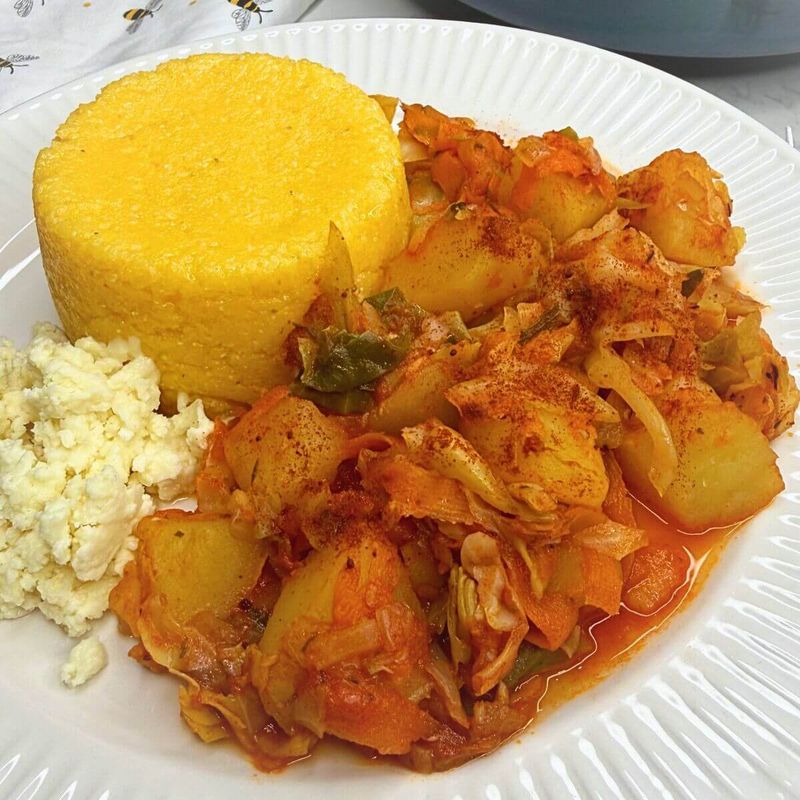
Romania’s version of lecso brings cabbage into a vibrant vegetable stew with peppers, tomatoes, and plenty of paprika. The cabbage absorbs all those bold flavors as it softens, becoming almost silky in texture while the whole dish turns into a colorful, fragrant celebration of summer produce.
Romanians often serve lecso over polenta or with crusty bread to soak up the rich sauce. It can be made vegetarian or with added sausage, making it flexible enough to suit almost any meal or occasion.
19. Kapustnica – Slovakia
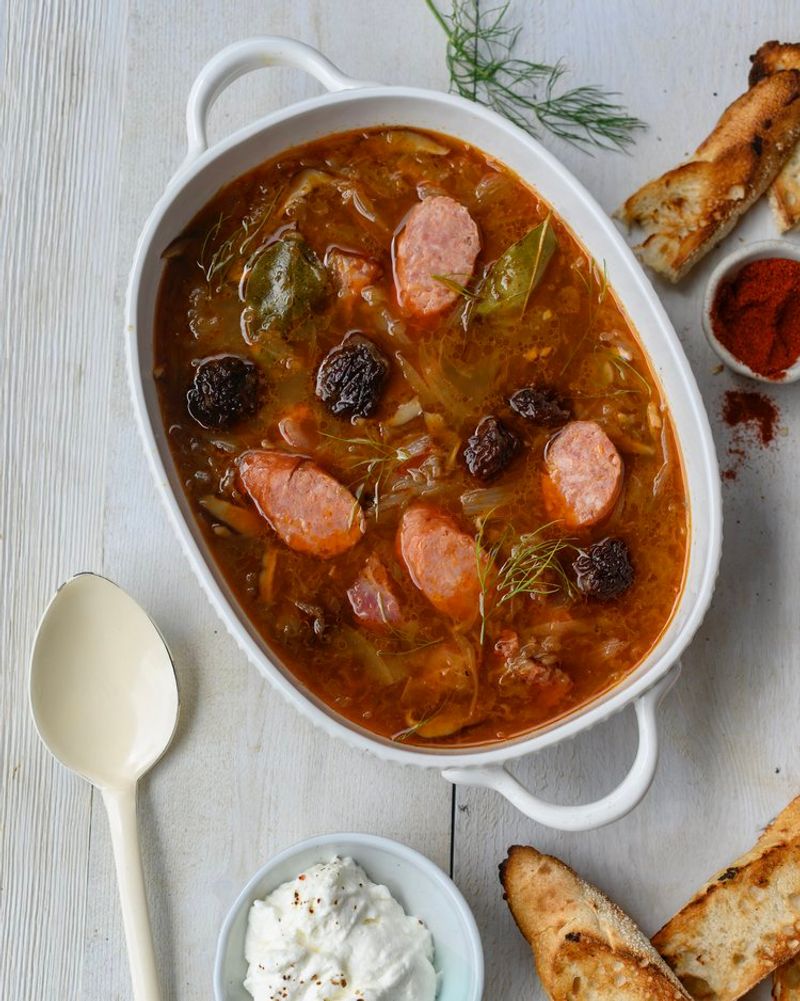
Slovakia’s Christmas soup is a smoky, tangy masterpiece. Kapustnica is built on a sauerkraut base and enriched with dried mushrooms, smoked pork or sausage, and a touch of cream to round out the sharpness.
The result is a deeply layered soup that smells incredible and tastes even better.
Tradition says kapustnica should be prepared on Christmas Eve, and Slovak families take their recipes very seriously. Some versions include prunes for a subtle sweetness that balances the sour cabbage, adding yet another layer of complexity to this remarkable dish.
20. Braised Red Cabbage – Austria (Rotkohl)
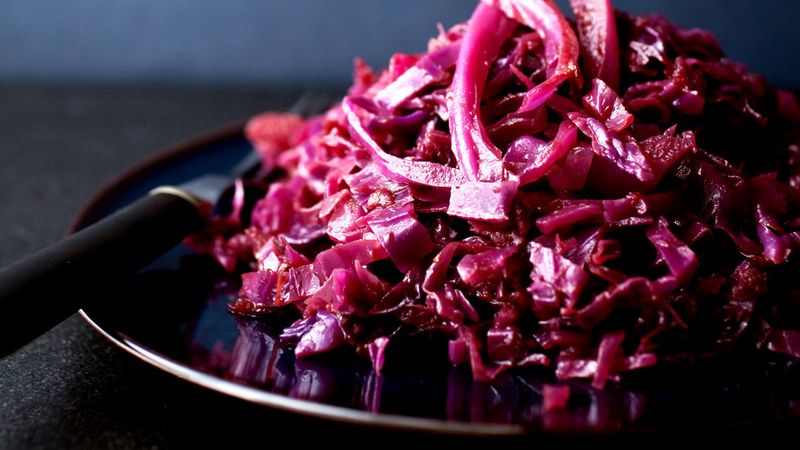
Red cabbage gets a luxurious makeover in Austrian kitchens. Rotkohl is slow-braised with apple slices, red wine vinegar, cloves, and a pinch of sugar until the cabbage becomes tender and glossy with a sweet-sour flavor that is absolutely irresistible.
Its deep purple color makes it as beautiful as it is tasty.
This dish is a classic companion to roast pork and dumplings across Austria and Germany. The fruity, spiced notes of rotkohl cut through rich meats brilliantly, creating a balance on the plate that feels both traditional and sophisticated.
21. Cabbage Pie – Greece (Lahanopita)
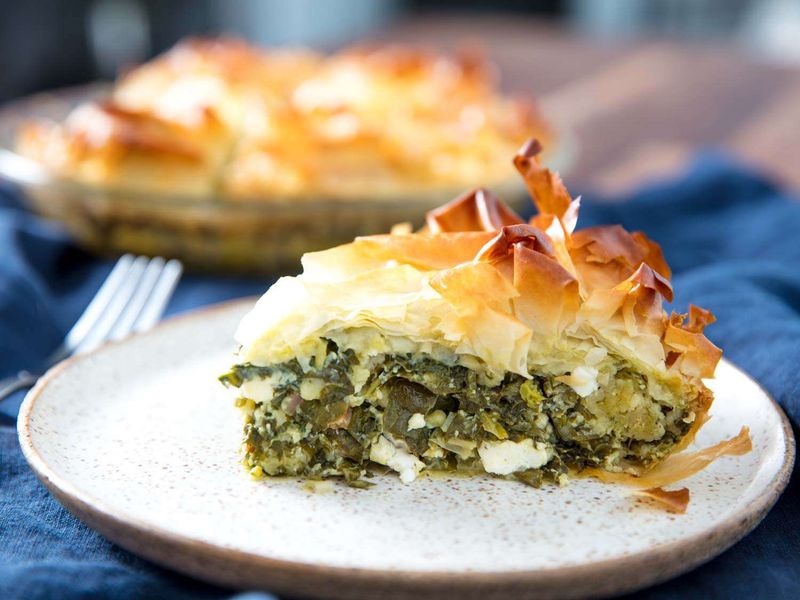
Greece wraps cabbage inside crispy, golden phyllo pastry to create lahanopita, a savory pie that is as satisfying as it is beautiful. The filling combines shredded cabbage with onions, dill, eggs, and sometimes feta cheese, all seasoned generously before being sealed inside those delicate, buttery layers of pastry.
Lahanopita is a popular dish during Greek fasting periods when meat is avoided. It proves that cabbage, when treated with the right herbs and wrapped in good pastry, can be just as exciting and crowd-pleasing as any meat-filled dish.