
Making homemade soup is one of the coziest things you can do in the kitchen, but sometimes it tastes just a little too plain. The secret to restaurant-quality soup is not always a fancy technique.
Often, it comes down to a few surprising ingredients you probably never thought to add. These unexpected additions can completely transform a simple pot of soup into something truly special.
1. Miso Paste
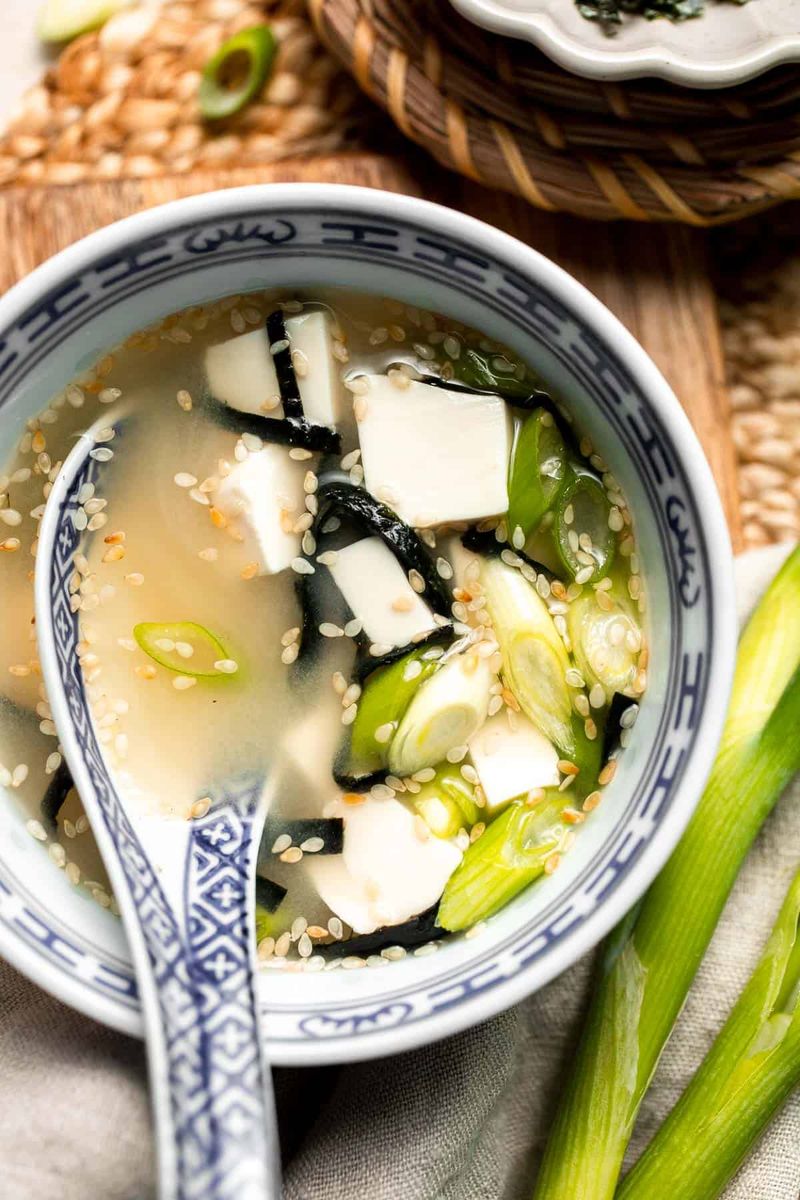
Miso paste is the quiet superstar of the soup world. Made from fermented soybeans, it adds a deep, savory flavor called umami that makes every spoonful taste more complex and satisfying.
Stir a spoonful into your broth just before serving so the delicate flavor stays intact. Even a small amount goes a long way.
Try it in vegetable, chicken, or noodle soups for an instant upgrade.
2. Parmesan Rind
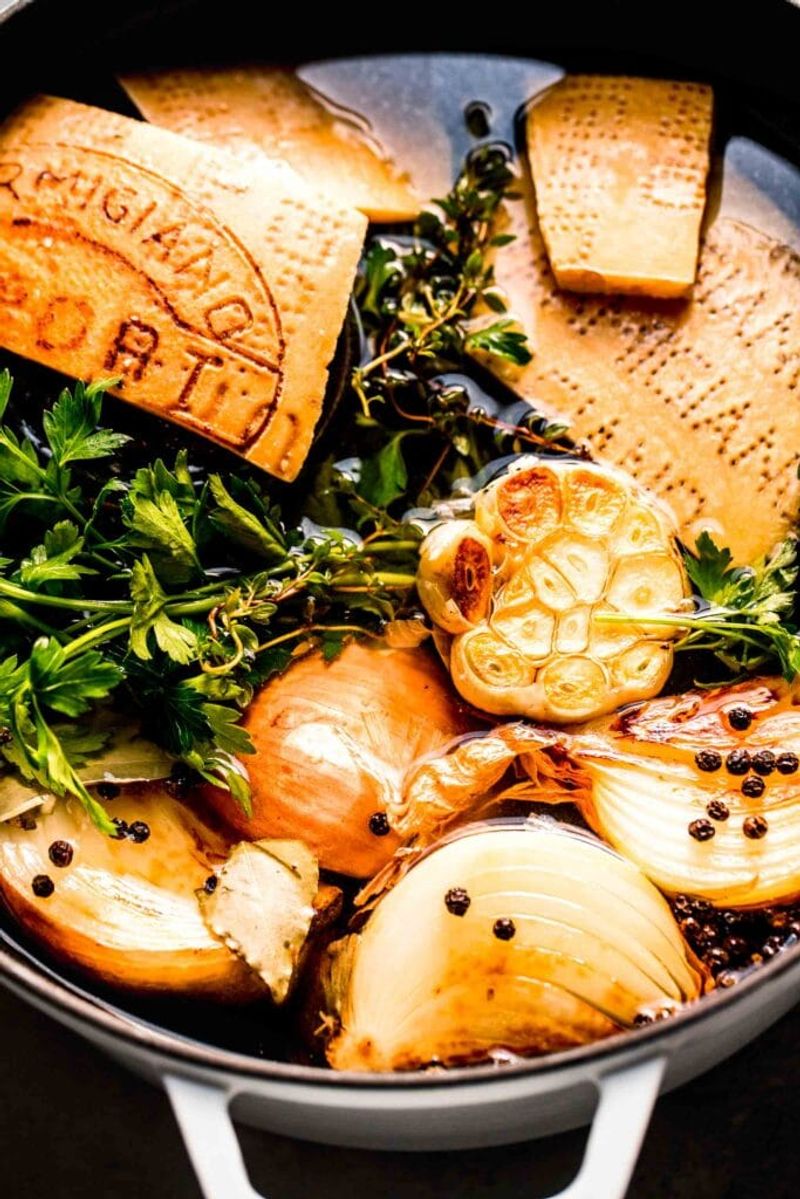
Before you toss that leftover Parmesan rind in the trash, think again. Dropping it into a simmering pot of soup is one of the oldest Italian cooking tricks, and for good reason.
The rind slowly releases a rich, nutty, cheesy flavor into the broth as it cooks. It does not fully melt, so you simply remove it before serving.
Tomato, minestrone, and bean soups benefit the most from this simple trick.
3. Fish Sauce
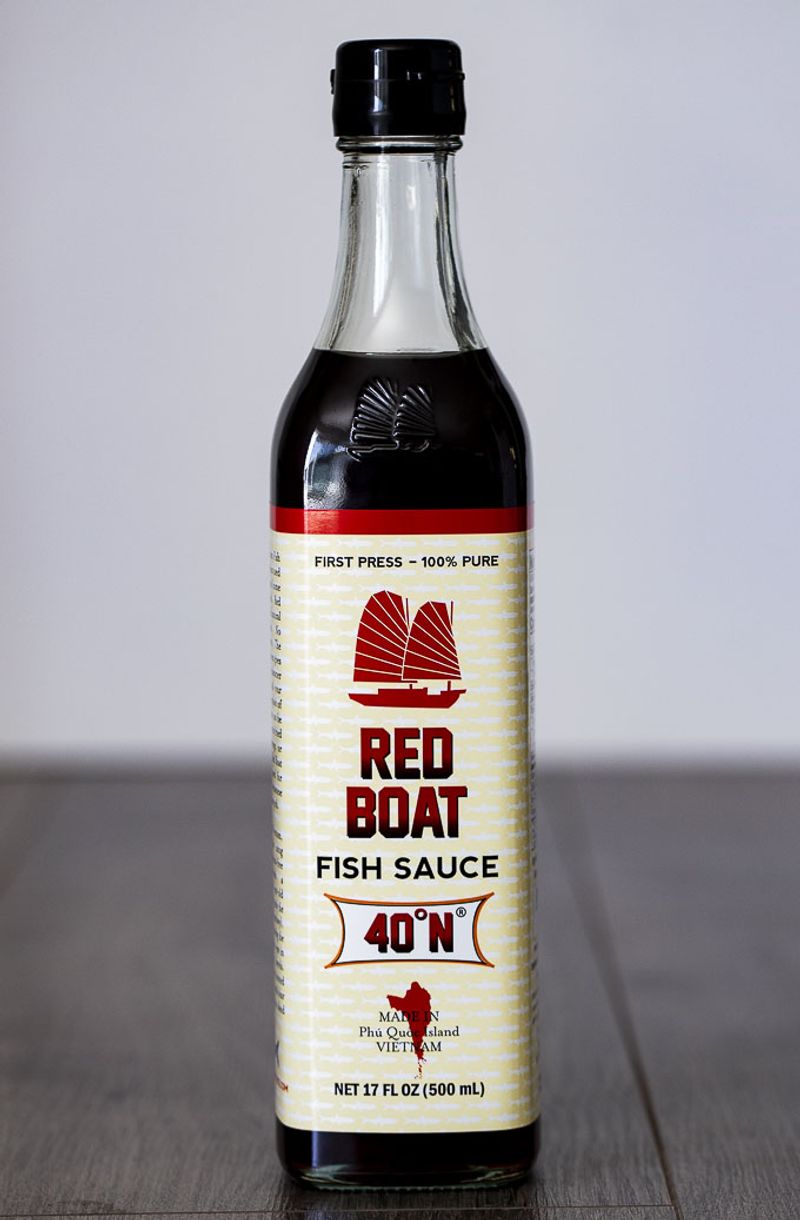
Fish sauce might sound like a strange addition to soup, but just a few drops can make your broth taste incredibly rich and layered. Popular in Southeast Asian cooking, it adds a salty, savory depth without making your soup taste fishy at all.
Think of it like a secret seasoning that quietly boosts every other flavor in the pot. Start with just half a teaspoon and taste as you go.
4. Coconut Milk

Coconut milk turns an ordinary soup into something that feels almost indulgent. It adds a creamy, slightly sweet richness that works beautifully in pumpkin, sweet potato, lentil, and tomato-based soups.
Unlike heavy cream, coconut milk brings its own subtle flavor to the party. Full-fat coconut milk gives the best results, creating a silky, velvety texture that makes the soup feel like it came from a fancy restaurant.
5. Toasted Sesame Oil
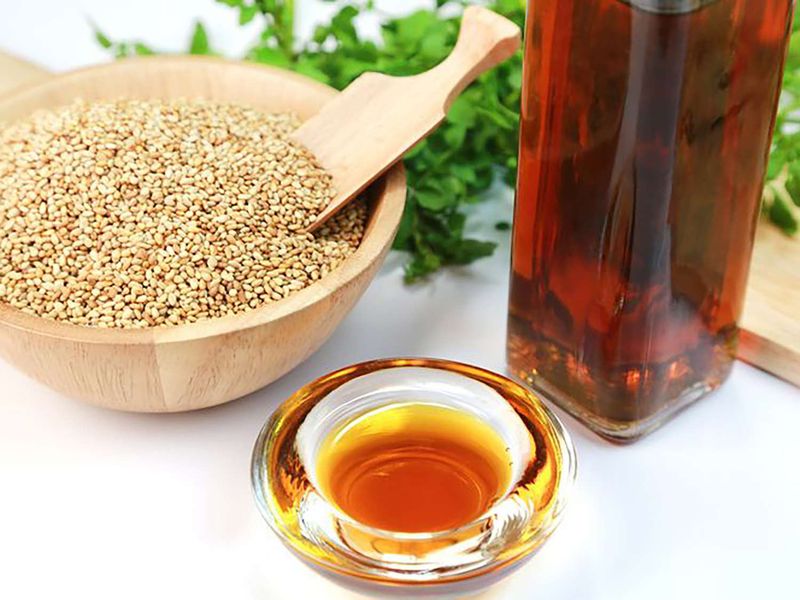
A tiny drizzle of toasted sesame oil right before serving can completely change the personality of a soup. It has a warm, nutty aroma that smells amazing and adds a finishing touch that feels restaurant-worthy.
Unlike regular cooking oil, toasted sesame oil is meant to be used as a flavor booster, not for cooking. Add it to ramen, miso soup, or any Asian-inspired broth for a beautifully fragrant finish.
6. Dried Porcini Mushrooms
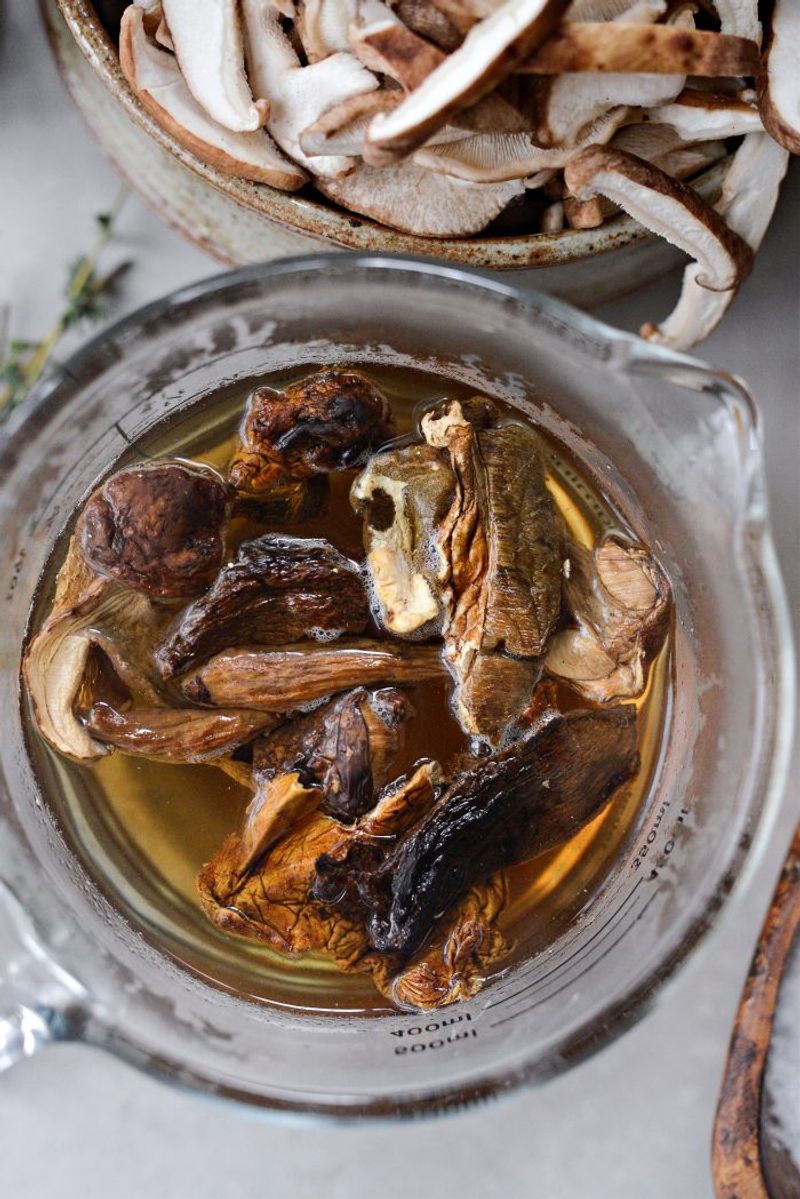
Dried porcini mushrooms pack an almost unbelievable amount of flavor into a small package. Soaking them in warm water for about 20 minutes releases a deep, earthy, woodsy broth that you can add directly to your soup.
Both the rehydrated mushrooms and the soaking liquid are liquid gold for your pot. They add a meaty richness that works especially well in beef, barley, or French onion-style soups.
7. Anchovy Paste
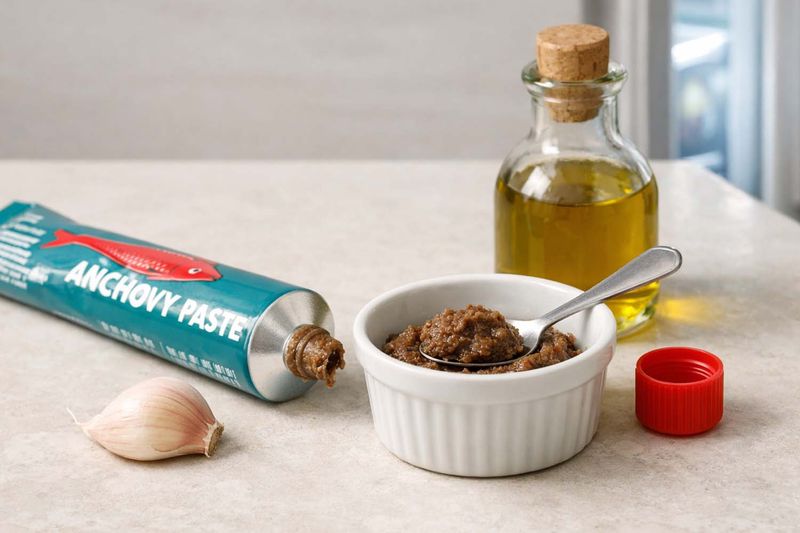
Anchovy paste sounds bold, but it is one of the most clever flavor secrets a home cook can keep in the fridge. When stirred into a hot soup, it dissolves completely and leaves behind a deep, savory richness with no fishy taste whatsoever.
Professional chefs have used this trick for years. Just a tiny squeeze into tomato soup, minestrone, or French onion soup can make the whole bowl taste more complex and satisfying.
8. Roasted Garlic
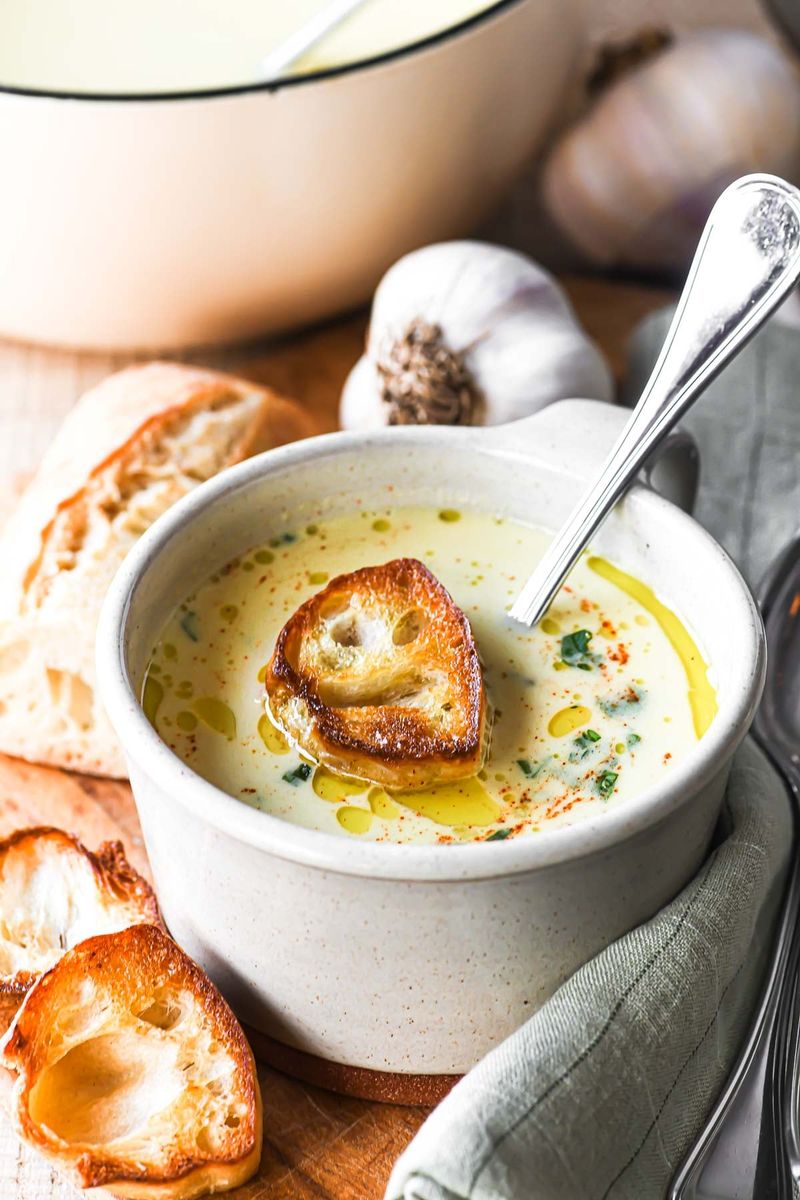
Raw garlic is sharp and punchy, but roasted garlic is something else entirely. Slow-roasting transforms garlic cloves into something sweet, buttery, and mellow, with a rich caramel-like flavor that feels almost luxurious.
Squeezing a few roasted cloves into your soup base adds incredible depth without the harsh bite. Roasted garlic works beautifully in creamy potato soup, tomato bisque, or white bean soup, giving each bowl a warm, comforting richness.
9. White Wine

A splash of white wine added early in the cooking process can give your soup a brightness and complexity that is hard to achieve any other way. The alcohol cooks off completely, leaving behind a subtle acidity and fruity depth.
Dry white wines like Sauvignon Blanc or Pinot Grigio work best. This trick is especially effective in seafood chowders, French onion soup, and creamy vegetable soups where you want a polished, layered flavor.
10. Butter Stirred in at the End
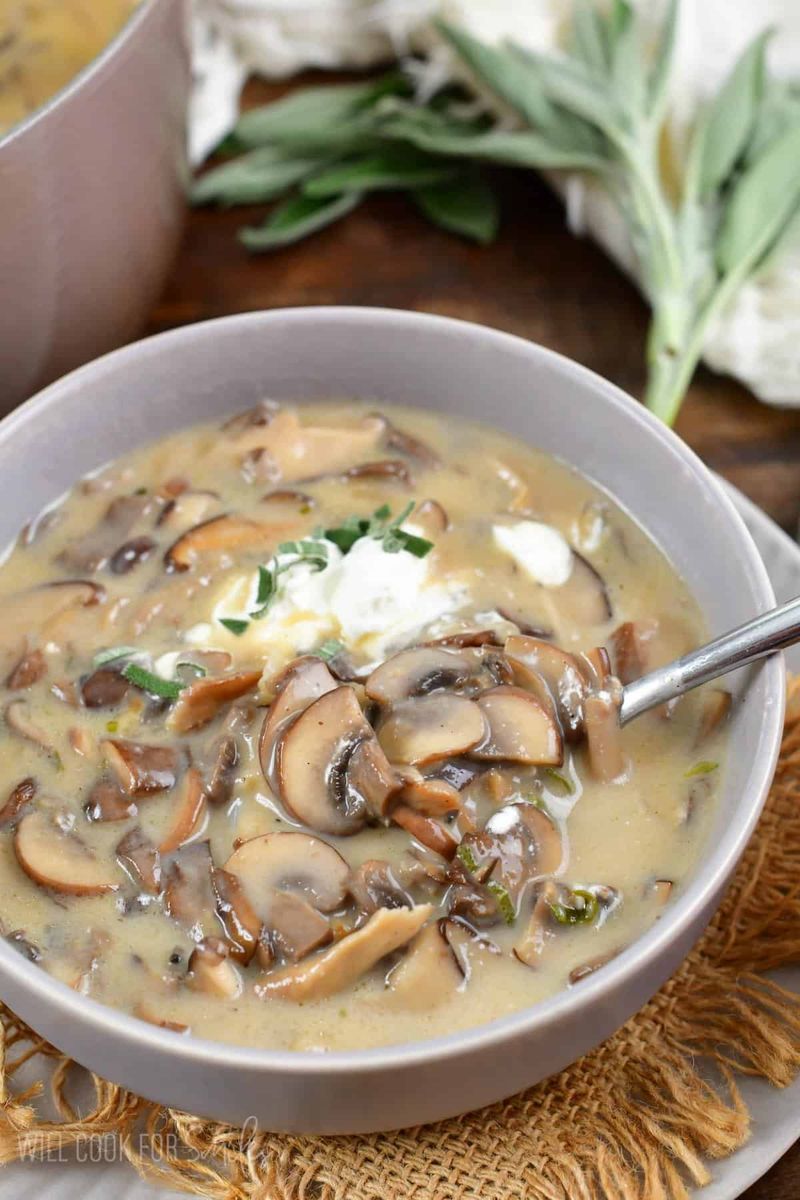
French chefs call it “monter au beurre” – finishing a sauce or soup with cold butter to make it silky and rich. The same trick works wonders at home.
Stirring a tablespoon of cold butter into your soup right before serving gives it a glossy, velvety texture.
The butter also rounds out sharp flavors and makes the broth feel more substantial. Try it in tomato, mushroom, or roasted red pepper soups for a noticeably luxurious result.
11. Soy Sauce
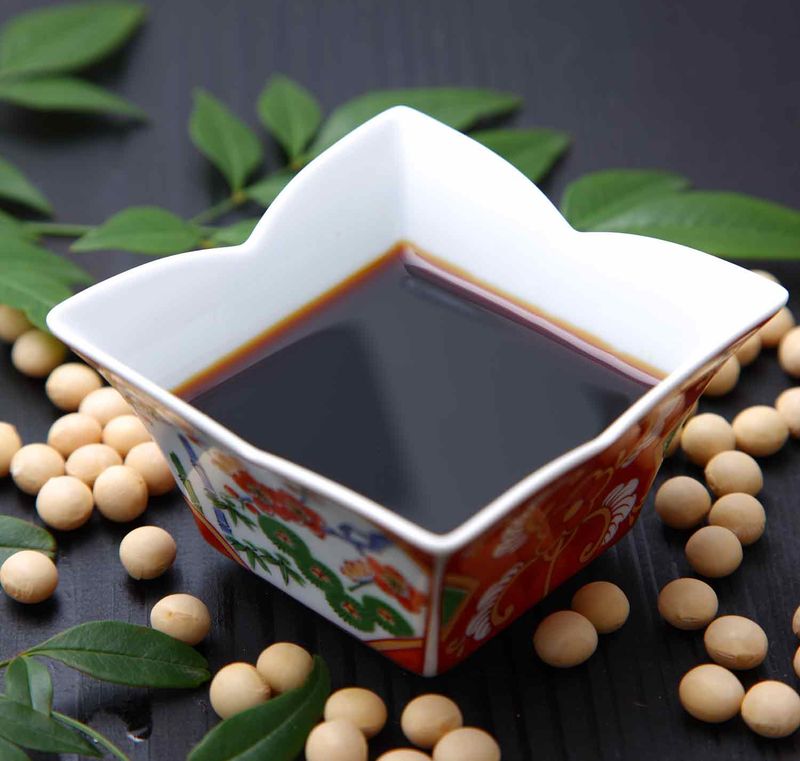
Soy sauce is not just for stir-fries and dipping sauces. A small splash added to a savory soup can deepen the flavor dramatically, adding saltiness and a dark, roasted quality that makes the broth taste like it has been simmering for hours.
Low-sodium soy sauce gives you more control over the seasoning. It works especially well in beef, lentil, and tomato-based soups where you want a bold, hearty character in every spoonful.
12. Cream Cheese

Cream cheese might seem like an unusual soup ingredient, but it is one of the best-kept secrets for making a creamy soup taste incredibly rich without using heavy cream. It melts smoothly into hot broth and adds a tangy, velvety quality that is hard to replicate.
Cut it into small cubes and stir it in over low heat until fully melted. Tomato, roasted red pepper, and broccoli cheddar soups become noticeably more indulgent with just a few tablespoons.
13. Lemon Zest and Juice

A squeeze of lemon juice and a bit of freshly grated zest can do something almost magical to a bowl of soup. Acidity wakes up all the other flavors, making the soup taste brighter, fresher, and more alive.
Lemon works especially well in lentil, chicken, pea, and seafood soups. Add it right at the end of cooking so the fresh flavor does not fade.
Even a small amount makes a surprisingly big difference in the final taste.
14. Tahini
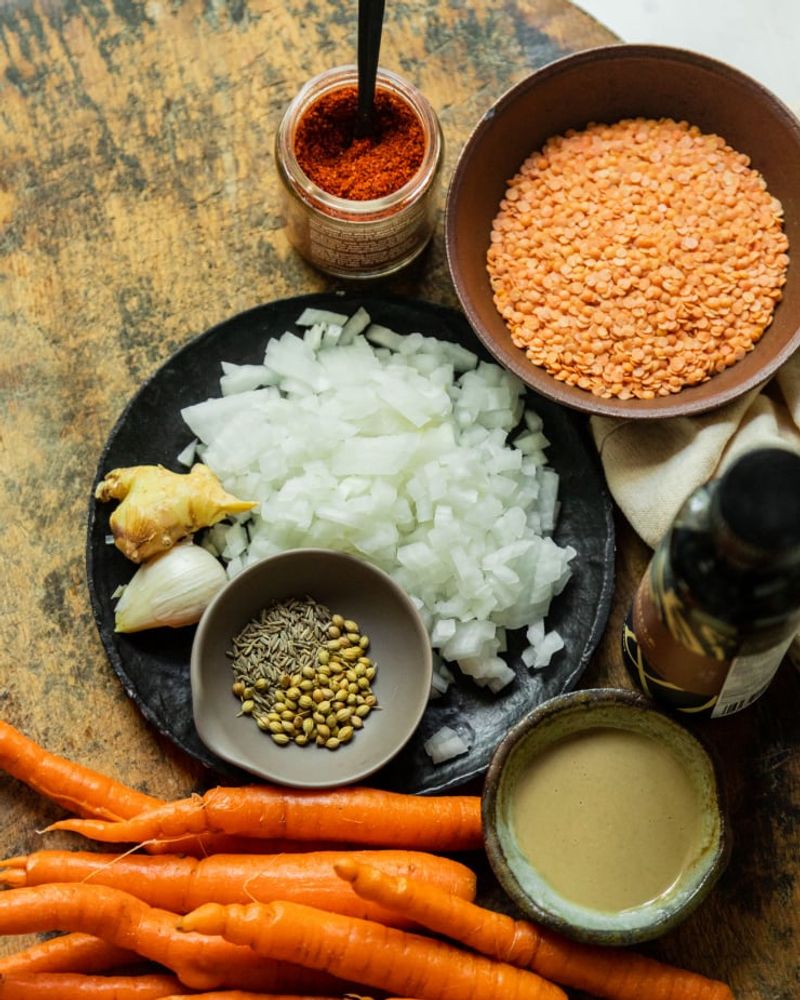
Tahini, which is a smooth paste made from ground sesame seeds, is a staple in Middle Eastern cooking and a surprisingly wonderful addition to soup. It adds a nutty, creamy richness that makes the broth feel thick and satisfying without using dairy.
Stir a tablespoon into lentil, chickpea, or roasted carrot soup for a subtle, toasty flavor. Tahini also pairs beautifully with lemon juice, which helps balance its slightly bitter edge.
15. Smoked Paprika
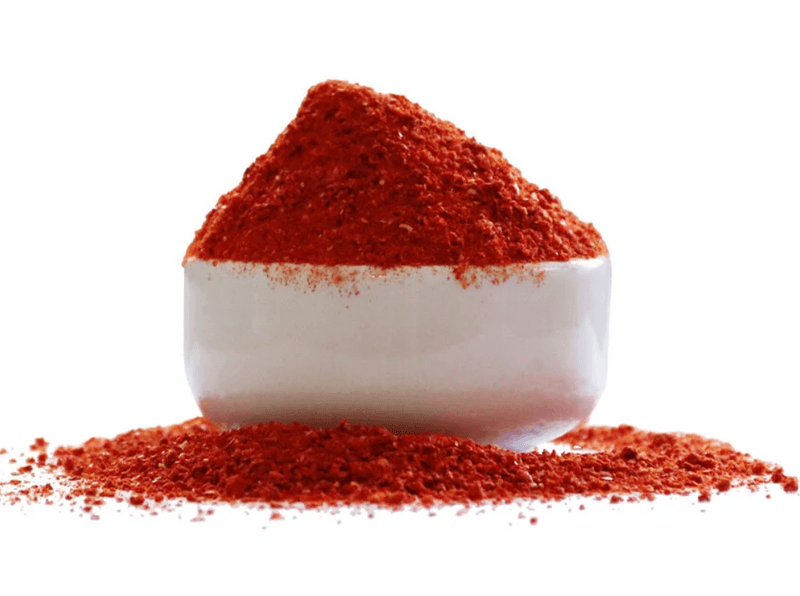
Smoked paprika brings a gentle warmth and a campfire-like smokiness that can make a simple soup taste like it has been slow-cooked over an open flame. It is bold but not spicy, making it a great choice for cooks of all heat tolerances.
Just one teaspoon can transform a pot of tomato, potato, or lentil soup into something deeply flavorful and aromatic. It also gives soups a gorgeous deep red color that looks incredibly appetizing in the bowl.
16. Worcestershire Sauce
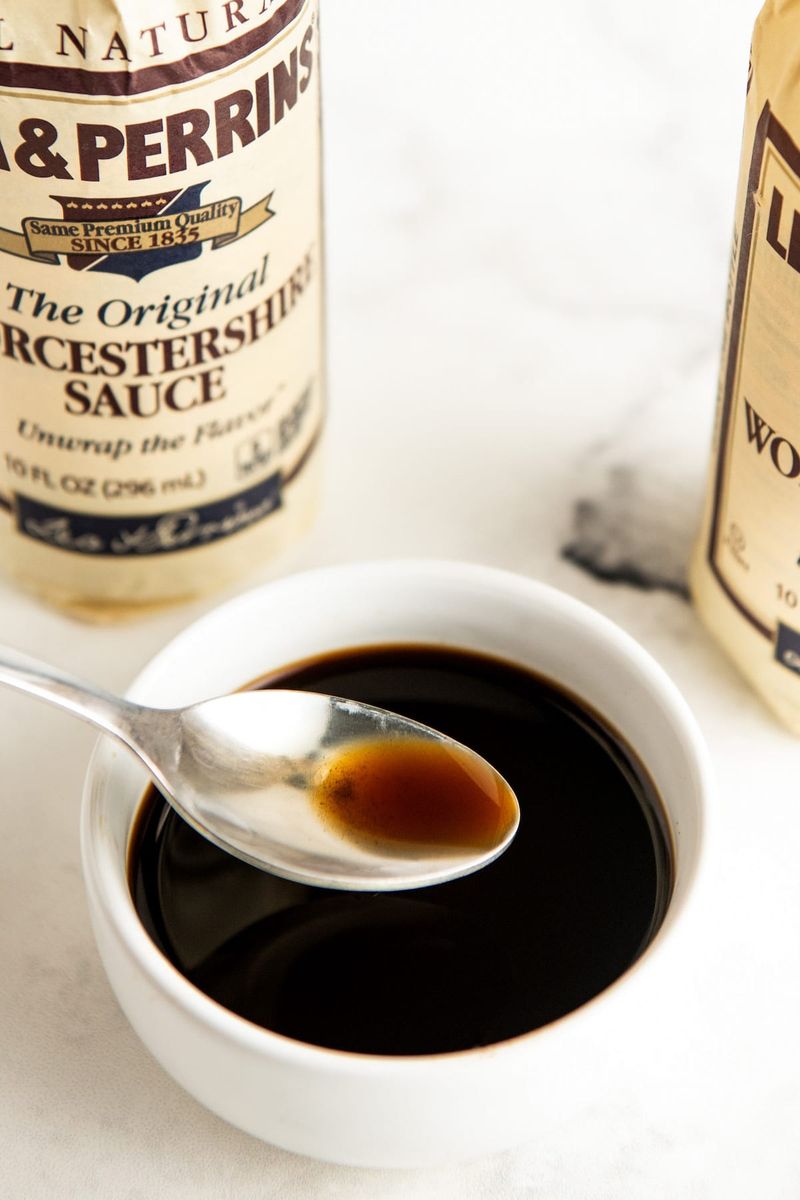
Worcestershire sauce is one of those ingredients that is hard to describe but easy to love. It is tangy, savory, slightly sweet, and deeply complex all at once, made from a blend of vinegar, molasses, tamarind, and spices.
A teaspoon or two stirred into a beef stew-style soup adds incredible depth and a subtle richness. It is especially useful when your soup tastes flat or one-dimensional and needs something to pull all the flavors together.
17. Sun-Dried Tomatoes

Sun-dried tomatoes are like regular tomatoes with the volume turned all the way up. They are intensely sweet, chewy, and packed with concentrated flavor that can add real depth to a soup with very little effort.
Chop them finely and add them early in the cooking process so they can soften and blend into the broth. Oil-packed varieties tend to be softer and more flavorful.
They shine in Italian-style soups, lentil soups, and hearty vegetable broths.
18. A Splash of Apple Cider Vinegar
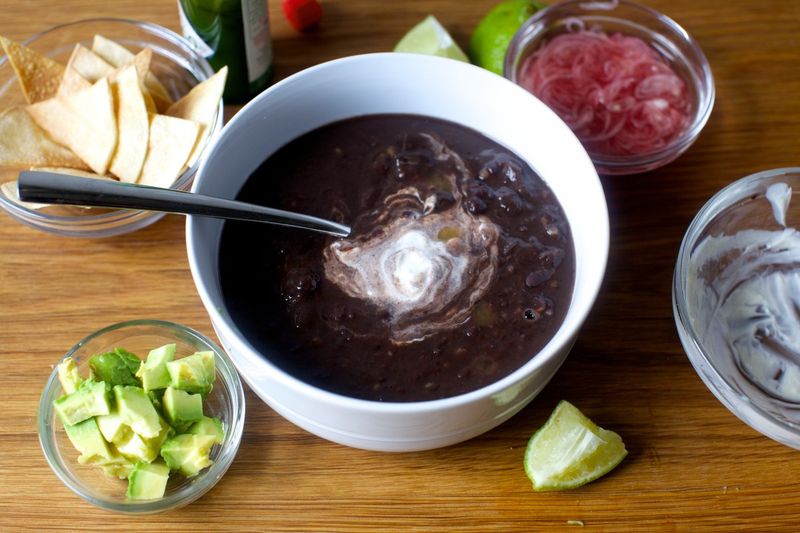
Sometimes a soup just tastes a little dull, and a small splash of apple cider vinegar is all it needs. Acidity acts like a flavor amplifier, making every ingredient in the pot taste more vivid and defined.
Add just a teaspoon or so right before serving, then taste and adjust. It works especially well in bean soups, lentil soups, and any broth that feels heavy or muddy.
You will be surprised how much it brightens the whole bowl.
19. Fresh Herbs Added at the End
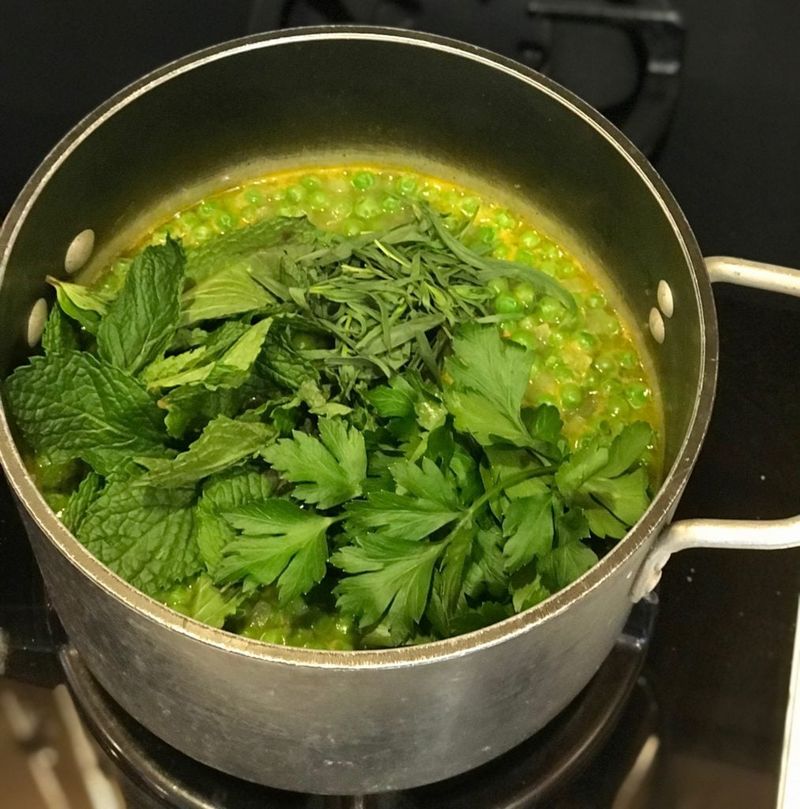
Fresh herbs might seem like just a garnish, but adding them at the very end of cooking can completely change the personality of a soup. Heat destroys the delicate oils in fresh herbs, so adding them last keeps the flavor bright, grassy, and vibrant.
Basil, parsley, chives, dill, and cilantro all work beautifully depending on the soup style. A small handful stirred in just before serving makes the bowl look gorgeous and taste noticeably fresher and more alive.