
Growing up as a Baby Boomer meant living through some of the most exciting and challenging times in modern history. From landing on the moon to protesting in the streets, this generation saw it all.
Their childhood memories, cultural moments, and life experiences are unlike anything before or since. Here are 20 things that will always hold a special place in every Boomer’s heart.
1. Unsupervised Outdoor Play
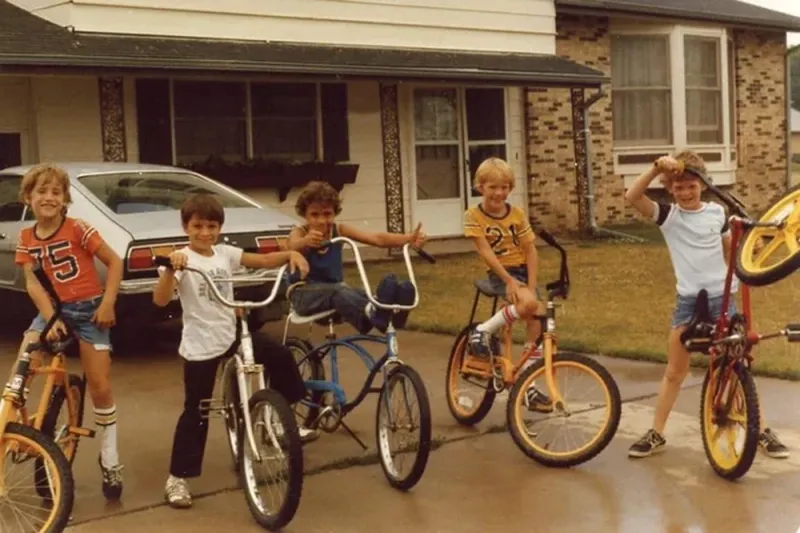
Back when the biggest rule was being home before the streetlights came on, kids roamed freely through neighborhoods, fields, and creeks. There were no scheduled playdates or helicopter parents watching every move.
Kids built forts, played kick-the-can, and invented their own games from scratch. That freedom taught creativity, problem-solving, and social skills no classroom could replicate.
For Boomers, those long summer days outside were nothing short of magical.
2. Summer Jobs as Teenagers

Nothing said growing up quite like landing your first summer job. Whether it was a paper route at sunrise, mowing lawns down the block, or scooping ice cream at the local drugstore, teens worked hard and earned their own money.
That first paycheck felt like a million bucks. Summer jobs taught Boomers the value of responsibility and honest work early on.
Many say those early gigs shaped their entire work ethic for life.
3. Family Dinners Every Night
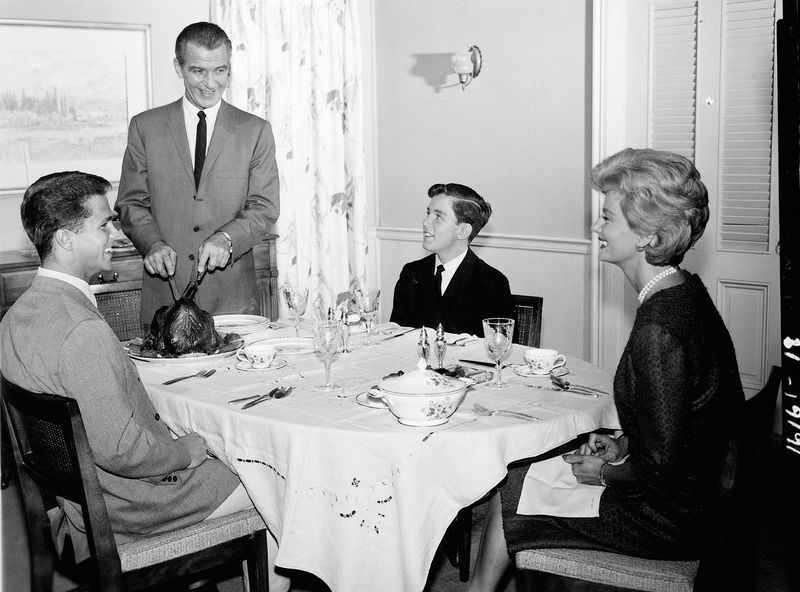
Every evening, the whole family gathered around the dinner table, and that was simply how things were done. Mom cooked, Dad came home from work, and the kids set the table without being asked twice.
Conversations flowed naturally, and problems got talked through over meatloaf or pot roast. It was a ritual that kept families connected in ways that felt ordinary then but seem rare today.
Boomers still talk about those meals with real warmth.
4. Limited TV Channels
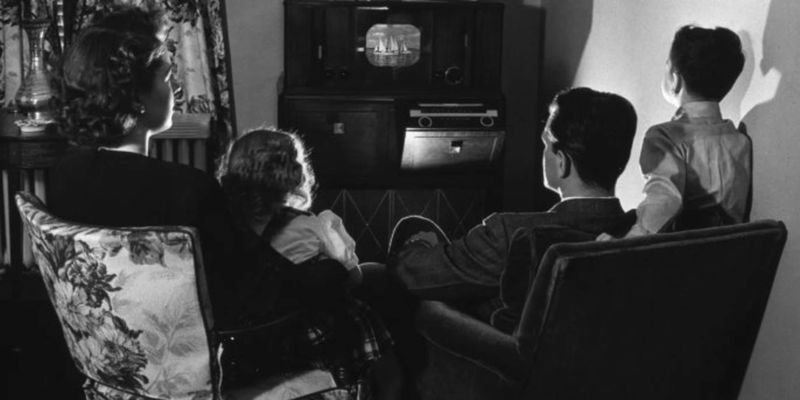
Imagine having only three or four channels to choose from and still feeling like TV was the greatest invention ever. For Boomers, flipping through channels took about five seconds, and everyone in America watched the same shows.
Shows like “The Ed Sullivan Show” or “I Love Lucy” were national events. That shared viewing experience created a common cultural language.
Neighbors, coworkers, and classmates all had something to talk about the next morning.
5. Shared Landline Phones

Getting a phone call meant the whole family knew about it. The phone was mounted on the wall, the cord stretched only so far, and privacy was basically nonexistent.
Siblings listened in, parents reminded you to keep it short, and long conversations were a luxury.
Teens still managed to talk for hours, twisting the cord around their fingers. That shared landline was the original social network, connecting friends in a way that felt genuinely exciting every single time it rang.
6. Walking to School
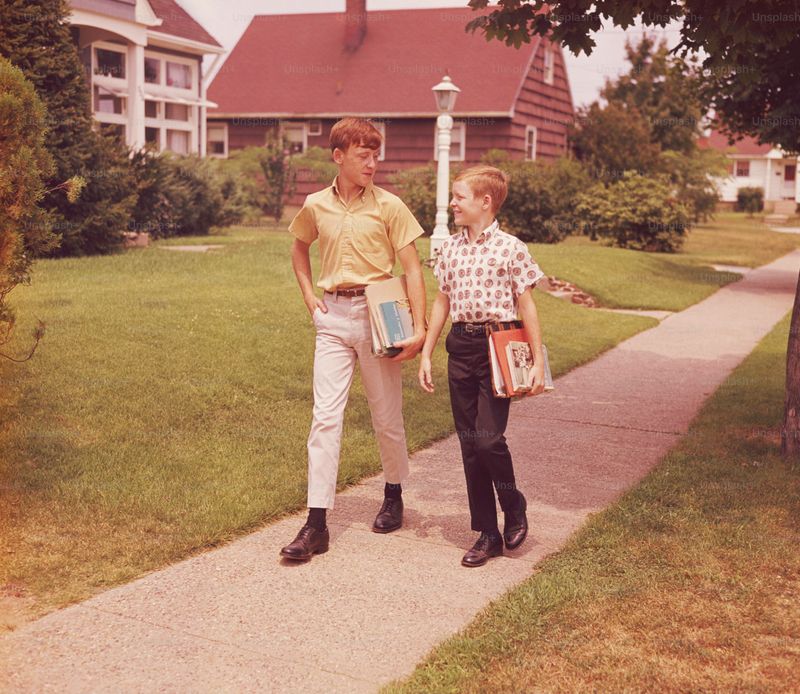
Rain or shine, kids laced up their shoes and walked to school. There were no car drop-off lines or school bus debates.
You grabbed your lunchbox, met up with the neighbor kids, and made the trek together.
Along the way, friendships deepened and a sense of independence grew naturally. Boomers often walked a mile or more each way without thinking twice about it.
That daily walk built confidence, community, and a connection to the neighborhood that many kids today never experience.
7. The Rise of Television
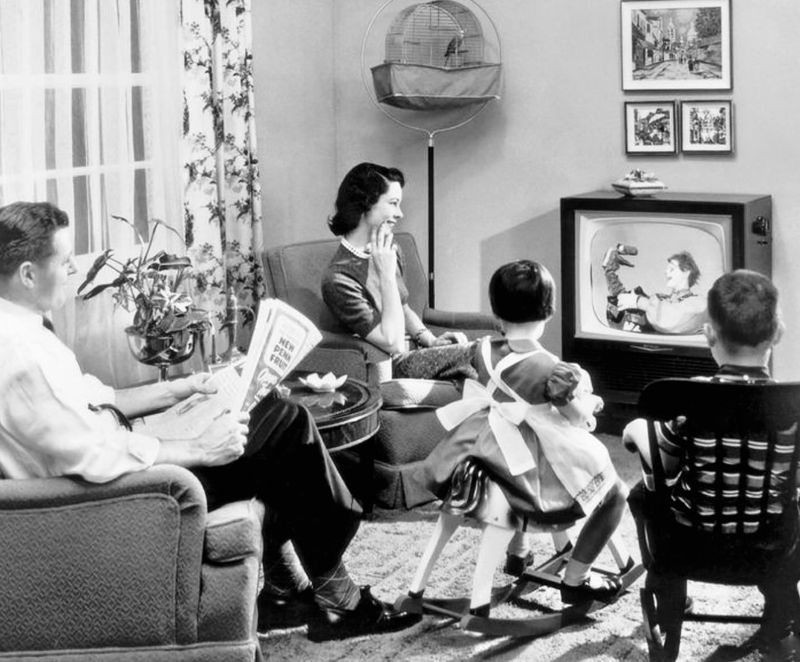
Before Boomers were born, most families got their news and entertainment from radio. Then TV arrived and changed absolutely everything.
Watching a moving picture inside your own home felt like pure science fiction come to life.
By the late 1950s and into the 1960s, television had become the centerpiece of American living rooms. News, sports, cartoons, and variety shows all poured through that glowing screen.
Boomers were the first generation to truly grow up with TV as a constant companion.
8. The Civil Rights Movement
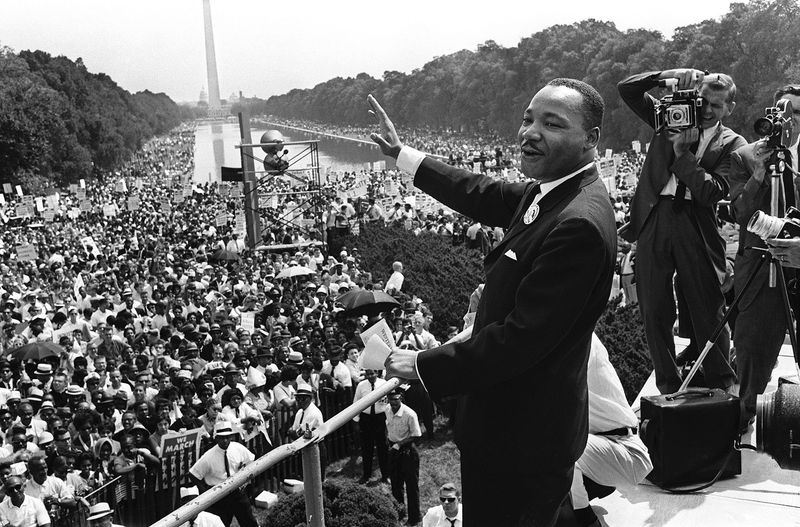
Few events shaped the Boomer generation more profoundly than the Civil Rights Movement. Watching news footage of marches, sit-ins, and speeches from leaders like Dr. Martin Luther King Jr. made a lasting impression on millions of young Americans.
Many Boomers joined protests, signed petitions, or simply changed how they thought about equality and justice. The movement pushed the country toward a better version of itself.
For those who lived through it, those years were a turning point that still resonates deeply today.
9. The Vietnam War and Protests
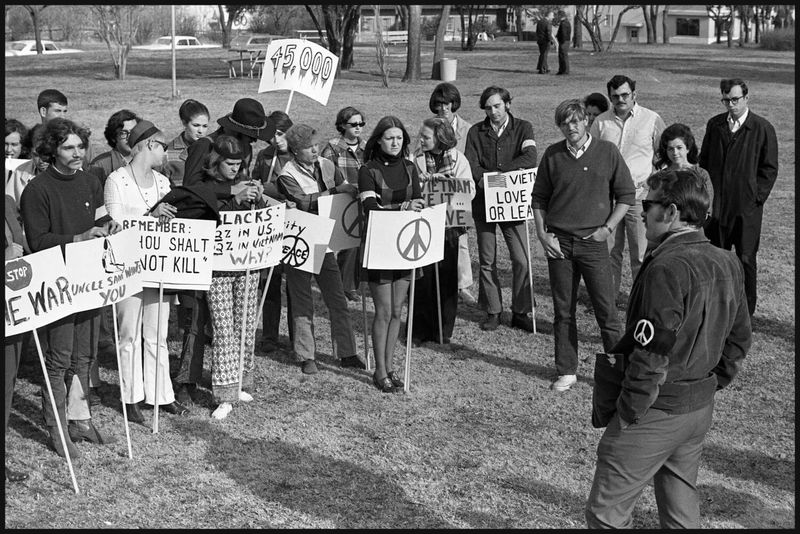
No single event divided the Boomer generation quite like the Vietnam War. Young men faced the draft, and many who came home struggled with experiences that were impossible to explain.
Meanwhile, college campuses erupted in protest.
The anti-war movement was loud, passionate, and deeply personal for millions of Boomers. Chants of “Hell no, we won’t go” echoed across the country.
That era forced a whole generation to wrestle with questions about duty, morality, and what it truly meant to serve one’s country.
10. The Moon Landing
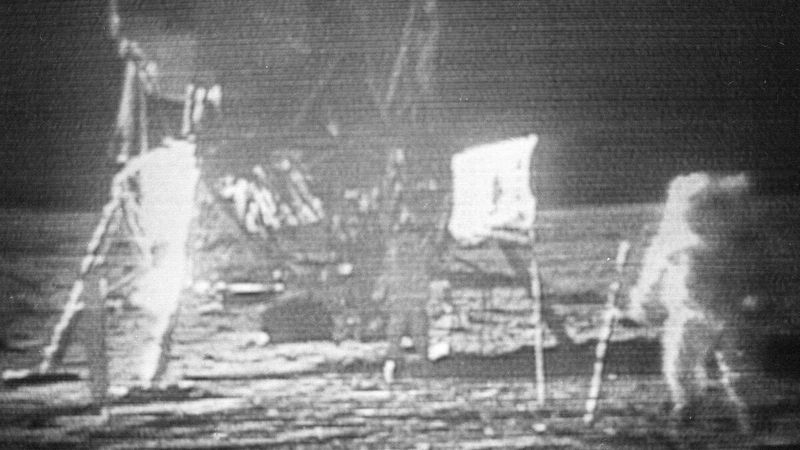
On July 20, 1969, the whole world stopped to watch Neil Armstrong set foot on the moon. For Boomers, it was the single most jaw-dropping moment of their young lives.
Families crowded around TV sets, barely blinking.
The grainy black-and-white footage somehow made it feel even more unreal. America had won the Space Race, and pride ran sky-high.
Ask any Boomer where they were that night, and they will tell you without hesitation. Some memories never fade, and that one burns brightest of all.
11. Growing Up Under the Cold War
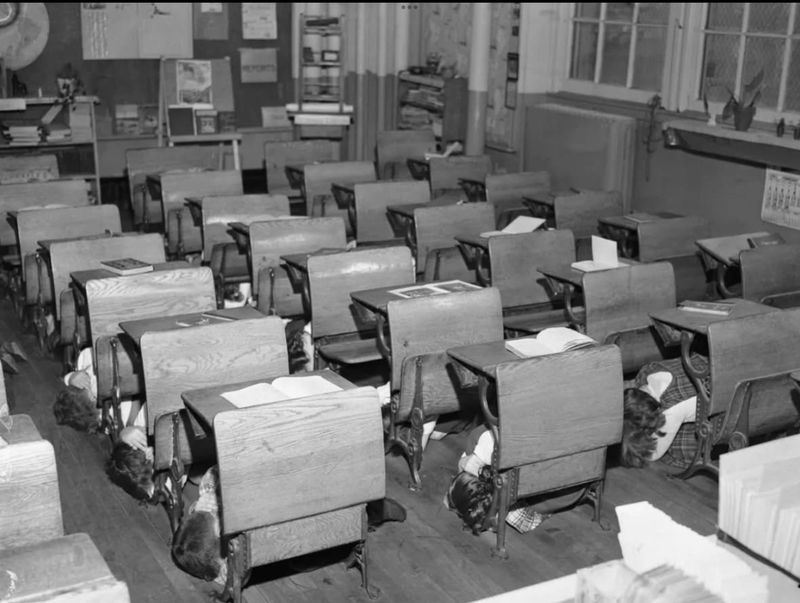
Duck-and-cover drills were a normal part of school life for Boomer kids. The idea of hiding under a wooden desk to survive a nuclear bomb seems almost absurd now, but back then it felt deadly serious.
The Cold War cast a long shadow over everyday life.
Bomb shelters, civil defense posters, and news about the Soviet Union were constant reminders that the world was a tense place. Growing up under that kind of pressure quietly shaped how Boomers viewed safety, government, and the future.
12. The Counterculture Movement
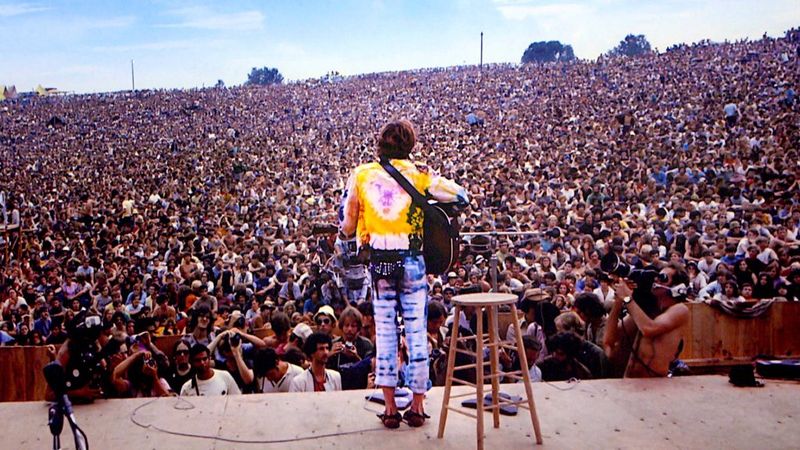
Flower power, peace signs, and tie-dye shirts were not just fashion choices. They were a full-on rebellion against the way things had always been done.
The counterculture movement of the 1960s and 70s shook up music, art, politics, and social norms in ways nobody expected.
Woodstock became a symbol of a generation refusing to play by the old rules. Boomers who lived through it say it felt like the world was being reinvented in real time.
That spirit of questioning authority never fully left them.
13. The Suburban Boom

After World War II, families needed places to live, and fast. Developers like William Levitt built entire neighborhoods almost overnight, turning farmland into tidy streets lined with affordable homes.
Boomers were literally born into this new suburban world.
Shopping malls, Little League fields, and brand-new schools popped up everywhere. It was a world designed around the family, and Boomers grew up right in the middle of it.
That postwar suburban landscape became the backdrop for an entire generation’s childhood memories.
14. Childhood Consumer Crazes
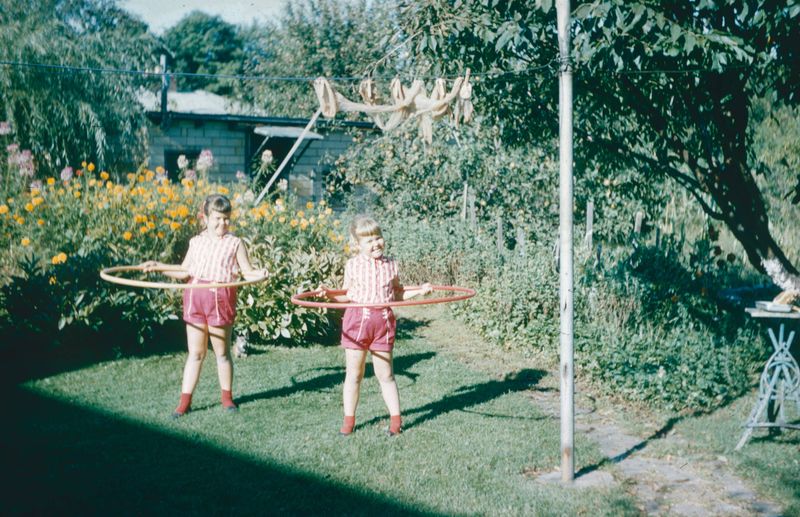
Remember when every kid absolutely had to have a hula hoop? Or a coonskin cap inspired by Davy Crockett?
Boomers were the first generation to grow up in a world where toy crazes spread like wildfire thanks to television advertising.
Barbie dolls, Frisbees, and rock-and-roll records flew off store shelves as fast as parents could buy them. Each new craze felt urgent and thrilling.
Looking back, those toys and trends were more than just fun. They were the first sparks of modern consumer culture.
15. Post-War Economic Prosperity
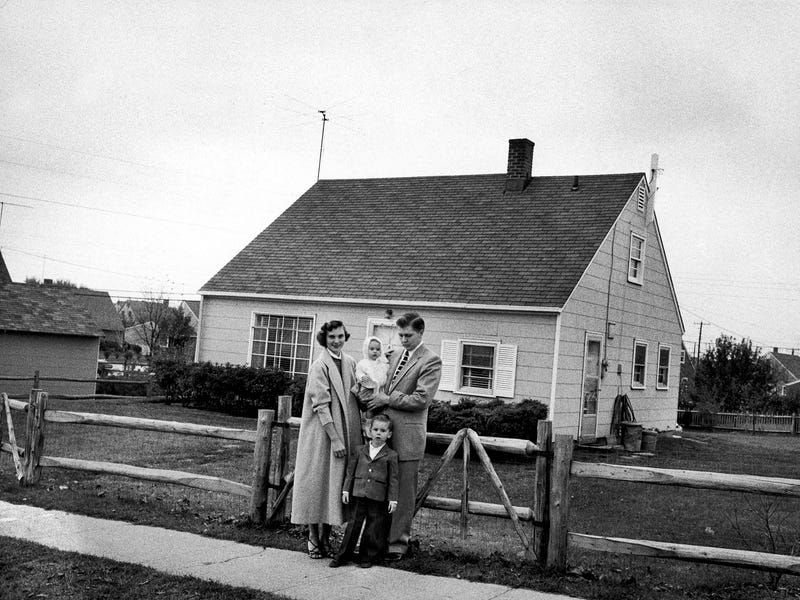
The years following World War II were genuinely good times for many American families. Jobs were plentiful, wages were rising, and the idea that hard work led to a better life felt absolutely true.
Boomers grew up surrounded by that optimism.
Owning a home, buying a car, and sending kids to college all felt within reach for the average working family. That belief in the American Dream was not just a slogan.
For many Boomers, it was the air they breathed every single day growing up.
16. The Early Days of Computers
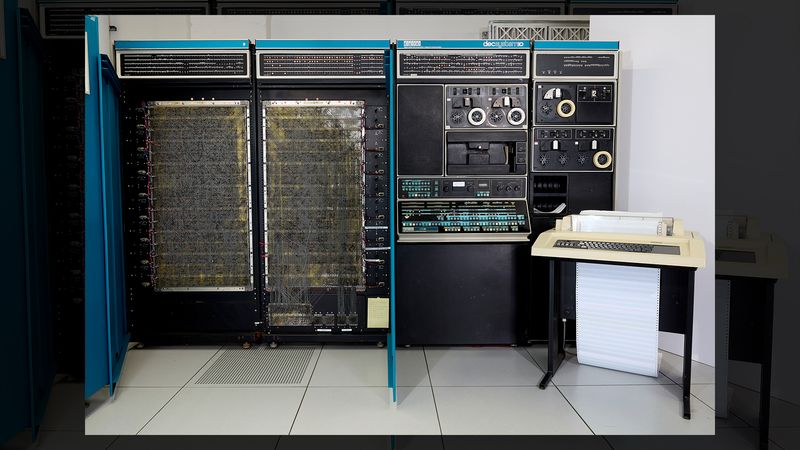
Boomers were not born into a digital world, but many of them helped build it. The first computers were the size of entire rooms and about as user-friendly as a tank.
Yet, slowly, these machines crept into offices and eventually homes.
Learning to use early word processors or punch-card systems was a big deal. By the time personal computers arrived in the late 1970s and 80s, Boomers were already in the workforce adapting on the fly.
That willingness to learn new technology is something they take quiet pride in.
17. The Feminist Movement’s Revival
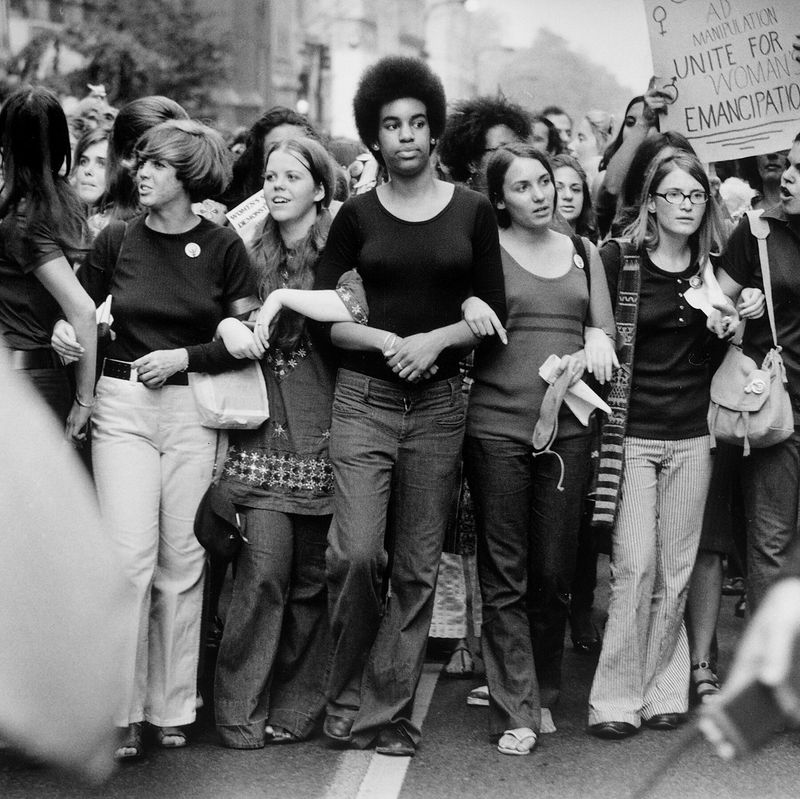
By the 1960s, many women were tired of being told their only options were housewife, secretary, or nurse. A new wave of feminism rose up, pushing for equal pay, reproductive rights, and access to careers that had always been closed off.
Books like Betty Friedan’s “The Feminine Mystique” sparked conversations in living rooms across America. Boomer women were right at the center of this shift, either leading the charge or quietly rethinking what their own lives could look like.
That movement changed everything for generations that followed.
18. Social Activism and Challenging Authority
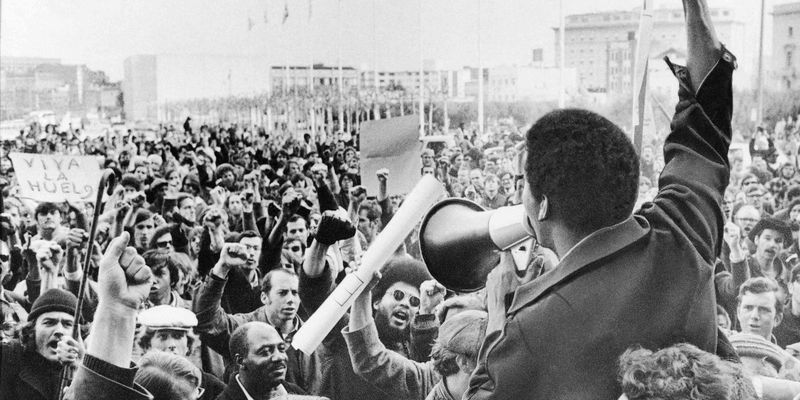
Boomers did not accept the status quo quietly. From protesting the Vietnam War to marching for civil rights to demanding change on college campuses, this generation made noise on purpose.
Challenging authority was not rebellion for its own sake. It came from a genuine belief that things could be better.
Student strikes, sit-ins, and rallies became powerful tools for change. That activist spirit helped reshape American laws, culture, and values.
Many Boomers still carry that same fire for justice, just expressed a bit differently these days.
19. Changing Views on Marriage

Marriage looked very different when Boomers were young. Most people married early, stayed together no matter what, and followed a fairly predictable path.
But as decades passed, Boomers watched, and sometimes led, a quiet revolution in how Americans think about relationships.
Divorce rates rose, remarriage became common, and eventually same-sex marriage gained legal recognition. Many Boomers shifted their own beliefs along the way, sometimes surprising even themselves.
That openness to change, even on deeply personal topics, reflects how much this generation has grown and evolved over their lifetimes.
20. The Shift from Analog to Digital

Boomers started life with rotary phones, vinyl records, and handwritten letters. They ended up with smartphones, streaming services, and video calls.
That journey from analog to digital is honestly one of the most remarkable adaptations any generation has ever made.
Learning new technology later in life is not always easy, but most Boomers embraced it anyway. From email to Facebook to FaceTime with grandkids, they figured it out step by step.
That adaptability says a lot about a generation that has always found a way to keep moving forward.