
The words you use every day have more power than you might think. Certain phrases can quietly push people away, even when you mean no harm.
Whether it happens with friends, family, or coworkers, the wrong words can create distance fast. Learning what to say differently can help you build stronger, more honest connections with the people who matter most.
1. “You’re Being Too Sensitive”

Few phrases sting quite like being told your feelings are an overreaction. When someone shares something that bothered them and hears “you’re being too sensitive,” it shuts down the conversation instantly.
Instead of addressing the real issue, this phrase puts the blame on the other person for simply having emotions. People need to feel heard, not corrected.
Try asking what is going on instead of judging how they are reacting to it.
2. “I Was Just Kidding, Can’t You Take a Joke?”

Humor is a great way to connect, but this phrase turns a hurtful comment into a weapon disguised as fun. Saying “can’t you take a joke?” puts the burden on the other person for feeling offended, rather than taking responsibility for what was said.
It is a sneaky way to avoid accountability. Real humor brings people together.
If someone looks hurt, the better move is a genuine apology, not a challenge to their sense of humor.
3. “Calm Down”

Telling someone to calm down almost never works. In fact, it usually makes things worse.
When someone is already emotional, hearing those two words feels dismissive and even a little condescending.
It signals that their feelings are a problem to be managed rather than something worth understanding. A much better approach is to acknowledge what the person is going through.
Saying something like “I can see you’re upset, let’s talk about it” opens the door instead of slamming it shut.
4. “No Offense, But…”
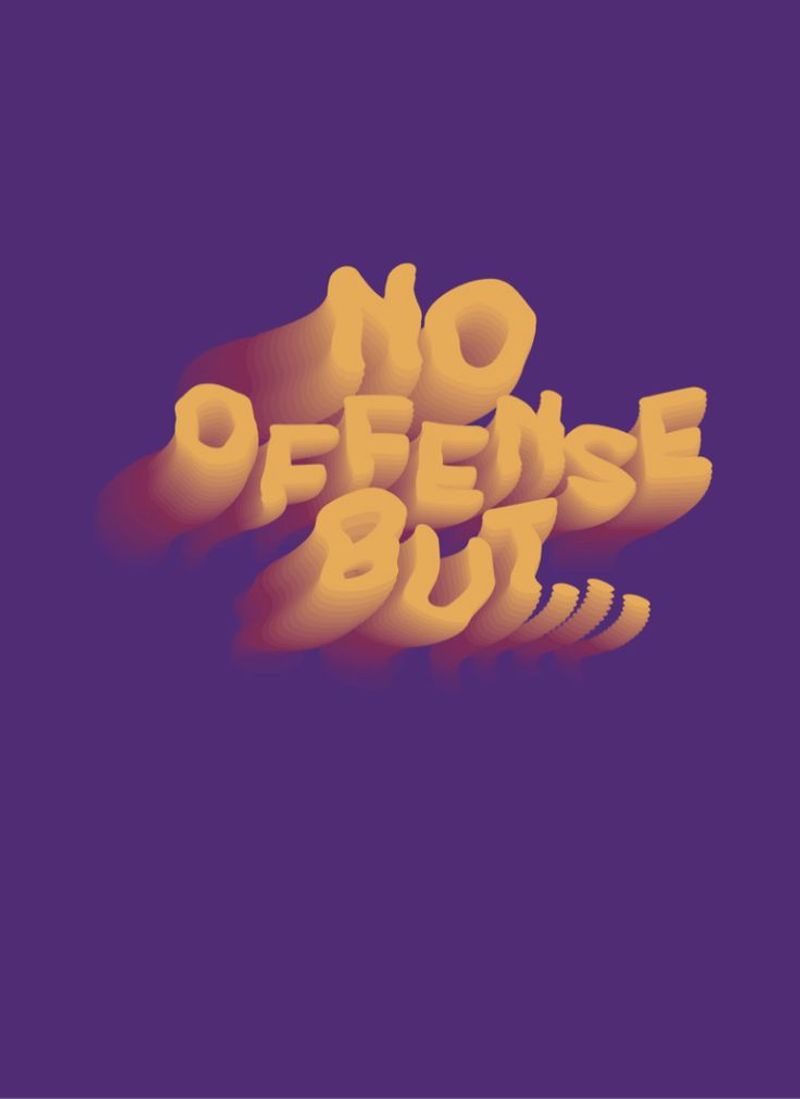
Here is an open secret: anything that follows “no offense, but” is almost always offensive. This phrase is a verbal warning label that people use to soften a jab they are fully intending to throw.
It does not actually reduce the impact of the words that follow. Most people would rather hear honest feedback delivered with genuine kindness than a harsh comment wrapped in a hollow disclaimer.
Skip the prefix and think about whether the comment needs to be said at all.
5. “I Know Exactly How You Feel”

When someone is going through something painful, they want to feel understood, not upstaged. Jumping in with “I know exactly how you feel” can accidentally shift the spotlight away from their experience and onto yours.
No two people process things the same way, so this claim is rarely accurate anyway. A more supportive response sounds like, “That sounds really hard.
Tell me more.” Listening is often more comforting than trying to match someone’s pain with your own story.
6. “You Always” or “You Never”

Absolute statements like “you always” and “you never” are conversation grenades. The moment someone hears one, they stop listening to the actual problem and start searching their memory for proof that it is not true.
Suddenly, the real issue gets buried under a debate about whether “always” is accurate. Try swapping these out for specific observations instead.
Saying “last night when you did this, I felt hurt” keeps the focus on the situation and makes it easier for the other person to actually hear you.
7. “I Don’t See What the Problem Is”
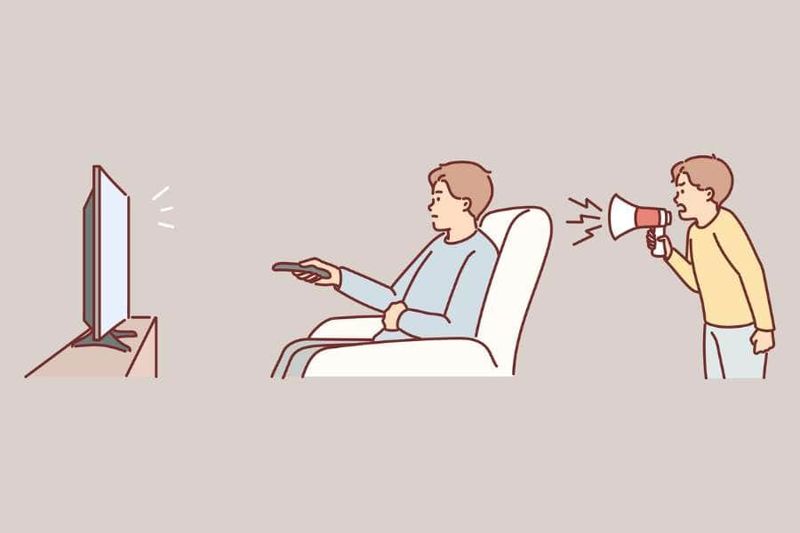
Just because something does not bother you does not mean it is not a real problem for someone else. Saying “I don’t see what the problem is” sends a clear message: your feelings are not valid here.
Even when you genuinely do not understand why someone is upset, that response closes off any chance of real dialogue. Curiosity works better than judgment in these moments.
Asking “help me understand why this bothers you” shows respect and keeps the connection alive rather than cutting it off.
8. “With All Due Respect…”

Much like “no offense, but,” this phrase often signals the opposite of what it claims. “With all due respect” has become a polished way to say something dismissive or critical while maintaining a thin layer of politeness.
People pick up on it quickly, and it tends to put them on the defensive before you even finish your sentence. If you genuinely respect someone, your words will show that without needing a disclaimer.
Lead with honesty and warmth rather than a phrase that has lost its meaning.
9. “Why Are You Ruining a Good Day?”

Timing is real, and sometimes people do bring up hard topics at awkward moments. Still, responding with “why are you ruining a good day?” tells someone that their feelings are an inconvenience to your mood.
People do not get to schedule when they feel hurt, scared, or overwhelmed. Brushing off their moment because it is inconvenient for you can do lasting damage to trust.
A simple “let’s find a quiet moment to talk about this properly” shows that you care, even when the timing is tricky.
10. “It Is What It Is”

Sometimes life really does not have a perfect solution, and acceptance is healthy. But dropping “it is what it is” in the middle of someone’s struggle can feel like a door being slammed in their face.
It signals that you have already given up on the conversation and have zero interest in working through the issue together. People want to feel like their problems matter to you.
Even when solutions are hard to find, staying present and saying “I hear you, let’s figure this out” goes a long way.
11. Constantly Turning the Conversation Back to Yourself

Everyone enjoys sharing their own experiences, but there is a tipping point where sharing becomes hijacking. When every story someone tells gets immediately topped or redirected back to you, they start to feel invisible.
Over time, people stop sharing because they expect to be interrupted anyway. Good conversations have a natural rhythm of give and take.
Practicing the habit of asking follow-up questions before sharing your own story shows that you are genuinely interested, and that makes people want to keep talking to you.
12. “I’m Just Being Honest”

Honesty is a value worth having, but this phrase is often used as a pass to say something hurtful without consequence. Dropping “I’m just being honest” after a cutting remark implies that kindness and truth cannot coexist, which simply is not true.
Genuine honesty does not need a disclaimer, and it certainly does not need to leave someone feeling worse about themselves. Thoughtful feedback can be direct and caring at the same time.
The phrase tends to protect the speaker, not help the listener.
13. “Whatever”

Short and sharp, “whatever” might be the most dismissive word in casual conversation. It signals that you have checked out completely and have no interest in continuing the discussion or finding any kind of resolution.
Even when frustration is completely understandable, this word tends to leave the other person feeling disrespected and unheard. It can linger long after the argument is over.
Saying “I need a few minutes to cool off before we keep talking” is a much healthier way to pause without burning the bridge entirely.
14. Complaining Excessively

Venting to a trusted friend is completely normal and healthy. The problem starts when every single conversation becomes a parade of complaints with no end in sight.
People who are constantly around excessive negativity begin to feel emotionally drained and start finding reasons to avoid those interactions.
Balance is key. Mixing in positive observations, funny moments, or genuine curiosity about the other person keeps conversations from feeling like a heavy emotional weight that only moves in one direction.
15. Interrupting Others Mid-Sentence

Finishing someone else’s sentence or cutting in before they are done might feel natural in the moment, especially when you are excited or eager to contribute. But from the other side, it feels like your words are not worth waiting for.
Chronic interrupting signals that what you have to say is more important than what they were sharing. Slowing down and waiting for a natural pause, even a brief one, shows real respect.
People notice when they feel truly listened to, and it makes them want to keep the conversation going.
16. “You Look Tired”

At first glance, pointing out that someone looks tired might seem like a caring observation. In practice, it usually just makes the person feel self-conscious and a little embarrassed, without offering anything helpful in return.
Most people already know when they are exhausted. Hearing it out loud from someone else does not add comfort or connection.
If you are genuinely concerned about a friend, try asking how they have been doing lately instead. That simple swap opens a real conversation rather than drawing attention to how they look.
17. Scorekeeping in Relationships

Keeping a running tally of who did what and who owes whom is a quiet relationship killer. It often starts during moments of exhaustion or when someone feels like their efforts go unnoticed, but it grows into a pattern that poisons everyday interactions.
When conversations start with “I did this, so you should do that,” the relationship stops feeling like a partnership and starts feeling like a transaction. Talking openly about feeling underappreciated works far better than building a mental scoreboard that neither person agreed to keep.
18. Oversharing Too Soon
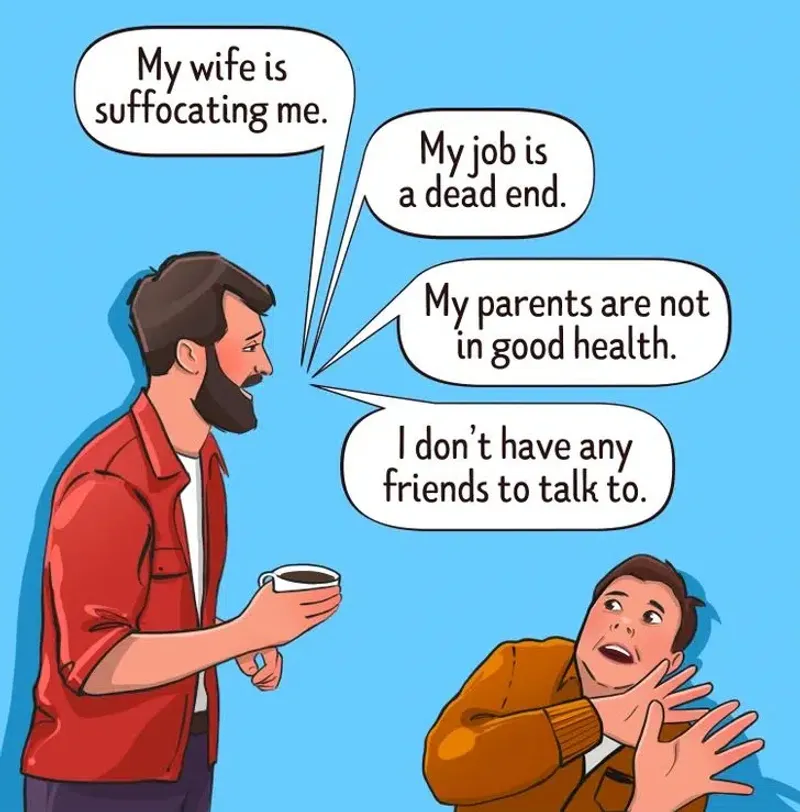
Openness is a beautiful thing, but timing matters enormously when it comes to sharing personal details. Unloading deeply private or intense information early in a relationship, before trust has been built, can make the other person feel overwhelmed or unsure of how to respond.
Healthy relationships build gradually, with vulnerability growing as comfort and trust grow alongside it. Sharing a little at a time and paying attention to how the other person responds helps create a natural rhythm where both people feel safe and genuinely connected.