
Generation X, born between 1965 and 1980, often gets overlooked in conversations about culture and innovation. Sandwiched between the Boomers and Millennials, this scrappy generation quietly shaped many of the trends we consider modern today.
From digital tech to wellness to fashion, Gen X was living in the future long before the rest of the world caught up. Get ready to see why this generation deserves a whole lot more credit.
1. Early Digital Pioneers
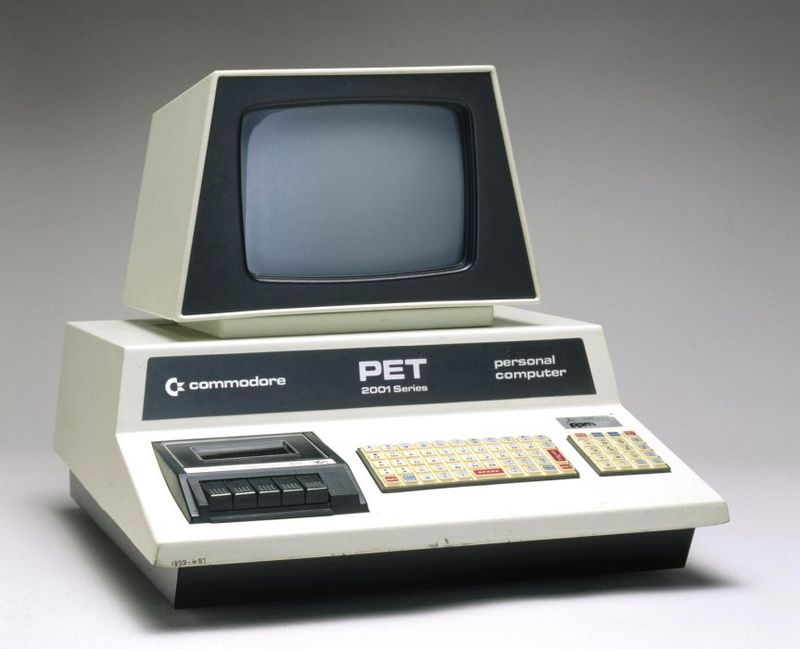
Before Wi-Fi passwords and smartphones, Gen X was already figuring out the internet one dial-up beep at a time. Born between 1965 and 1980, they grew up with analog childhoods but embraced digital adulthoods with surprising ease.
Chat rooms, early forums, and clunky web browsers were their playground. They built the communication rules we still follow online today.
No generation before them had to bridge that massive gap between typewriters and touchscreens, and they did it without a single YouTube tutorial to guide them.
2. Omnichannel Shopping Behavior

Long before retailers started using the word “omnichannel,” Gen X had already invented the behavior. They would research products online for hours, then drive to the store to actually buy them.
Sound familiar?
Today, that exact habit is the foundation of modern retail strategy. Brands spend millions trying to create the seamless digital-to-physical experience that Gen X stumbled into naturally.
They were not following a trend, they were creating one without even realizing it.
3. Adoption of Digital Payments

Paying bills online and checking bank accounts digitally felt risky to most people in the early 2000s. Gen X did it anyway.
While others were still mailing paper checks, this generation was already trusting the internet with their money.
That early leap of faith helped normalize digital payments for everyone who came after them. Venmo, Apple Pay, and online banking apps owe a quiet debt of gratitude to the Gen Xers who proved it could work before anyone else believed it.
4. Founders of Social Media
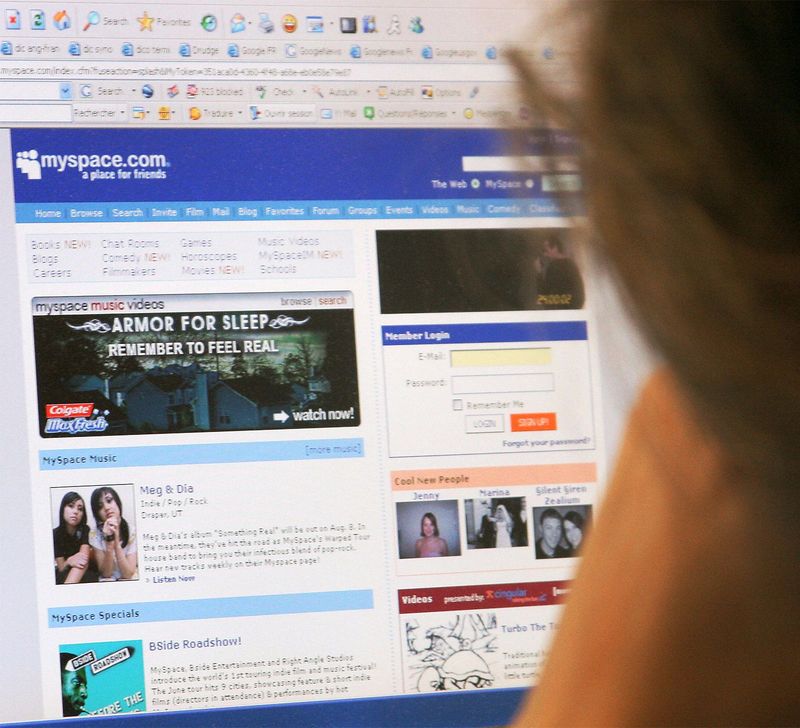
MySpace launched in 2003. YouTube arrived in 2005.
Twitter followed in 2006. What do they all have in common?
Gen Xers built them. This generation did not just use social media, they literally invented it.
While people often credit younger generations with social media culture, the architects behind the platforms were firmly in the Gen X age bracket. That is not a small footnote, that is the entire chapter.
The digital world as we know it was engineered by this generation.
5. DIY Culture
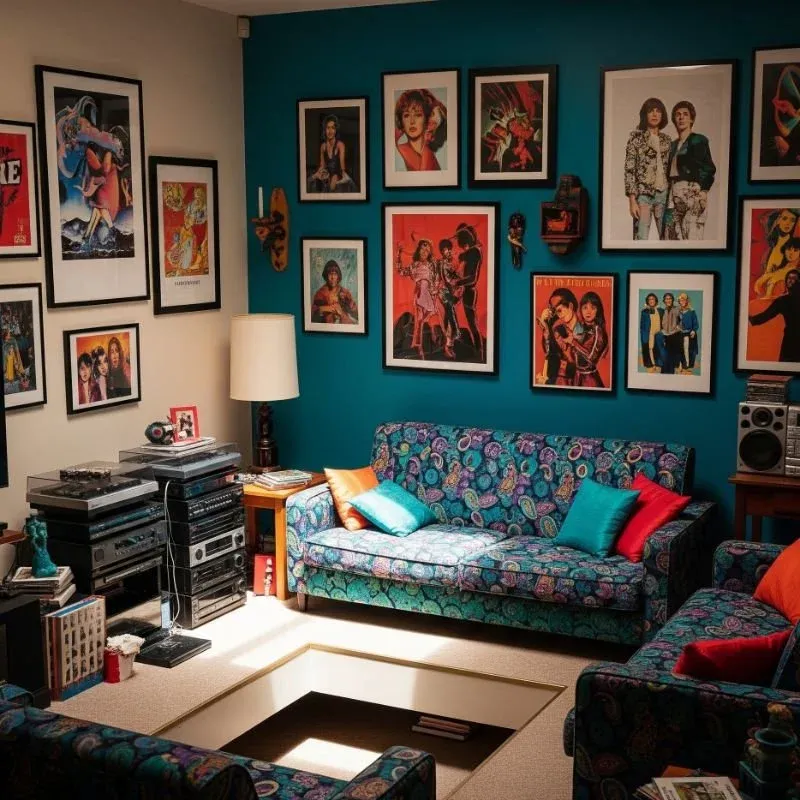
Growing up without Google meant figuring things out the old-fashioned way. Gen X became the original DIY generation out of pure necessity, fixing cars, patching walls, and rewiring lamps without calling a professional or watching a tutorial.
That self-reliant spirit is now a massive industry. Home improvement stores, YouTube fix-it channels, and maker communities are all riding a wave Gen X started decades ago.
Back then it was survival. Today it is a lifestyle brand worth billions.
6. Inherent Skepticism
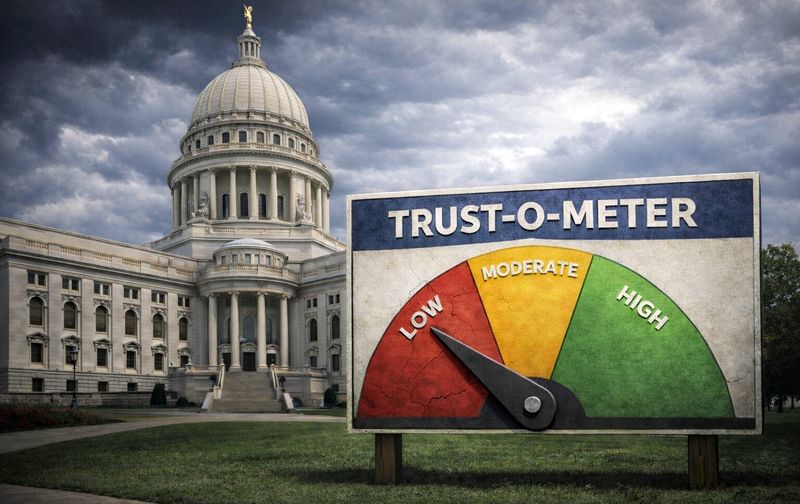
Gen X grew up watching corporate scandals unfold, economies crash, and institutions fail. The result?
A built-in skepticism that refused to take anything at face value. They needed receipts before they trusted a brand or a politician.
Fast forward to today, and that critical thinking is considered a superpower. Fact-checking culture, media literacy campaigns, and consumer watchdog movements are all built on the same skeptical foundation Gen X constructed out of lived experience.
Turns out, questioning everything was the right move all along.
7. Workforce Adaptability

Entering the workforce during recessions and rapid tech shifts forced Gen X to become career chameleons. Switching industries, learning new software, and reinventing their professional identity was not a choice, it was a survival skill.
Today, career coaches call this adaptability and charge a lot of money to teach it. Gen X figured it out on the fly.
The gig economy, portfolio careers, and lifelong learning trends that define modern work culture all trace back to habits this generation developed out of sheer necessity.
8. Grunge and Alternative Music Dominance

When Nirvana exploded onto radio stations in 1991, it was not just a new sound, it was a cultural earthquake. Gen X had been nurturing alternative and grunge music in underground clubs and college radio stations for years before the mainstream noticed.
Authenticity over polish, emotion over perfection, these were the values baked into every power chord. Those same values now drive entire music genres and streaming algorithm preferences.
The raw, honest sound Gen X championed changed what popular music was allowed to be.
9. Anti-Fashion Aesthetic

Ripped jeans, oversized flannels, and scuffed combat boots were not accidents. Gen X made a deliberate choice to reject the flashy, logo-heavy fashion of the 1980s in favor of something that felt real.
Comfort and honesty over glamour and performance.
Sound like any fashion trend you have seen recently? Normcore, quiet luxury, and the ongoing obsession with vintage and thrifted clothing all echo that same anti-fashion philosophy.
Gen X was rejecting fast fashion before the term even existed, and the fashion world eventually followed their lead.
10. Zine Culture

Before blogs, before Instagram, before Substack, there were zines. Gen X created and traded these handmade self-published magazines to share opinions, art, music reviews, and personal stories with niche communities who cared about the same things.
Zines were essentially the original independent media. The desire to create content outside of corporate gatekeepers, which now drives the entire creator economy, started right there on those photocopied pages.
Every newsletter, podcast, and personal blog owes something to the scrappy Gen X kid who made zines in their bedroom.
11. Appreciation for Independent Cinema
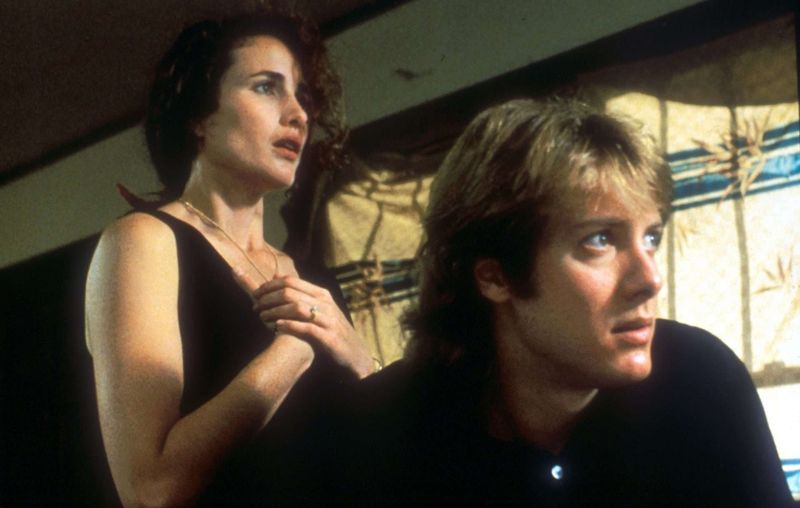
Pulp Fiction. Clerks.
Reality Bites. Gen X had a hunger for films that felt human, messy, and real rather than polished and predictable.
Independent cinema thrived in the 1990s largely because this generation showed up for it with enthusiasm and loyalty.
Character-driven storytelling, morally complex protagonists, and gritty realism became the gold standard of prestige filmmaking. Streaming platforms now compete to produce exactly this kind of content.
Gen X audiences trained Hollywood to value depth over spectacle, and the industry is still catching up to that lesson.
12. Holistic Health and Wellness Pioneers

Yoga classes were considered fringe. Meditation was for monks.
Running clubs were niche. Gen X embraced all of it anyway, long before wellness became a trillion-dollar industry buzzword splashed across every grocery store label.
Mental health awareness, mindfulness practices, and the idea that emotional wellbeing matters just as much as physical fitness, Gen X normalized all of these when mainstream culture was not ready to hear it. The wellness industry did not create these ideas.
It just finally caught up to what Gen X already knew.
13. Early Video Game Engagement
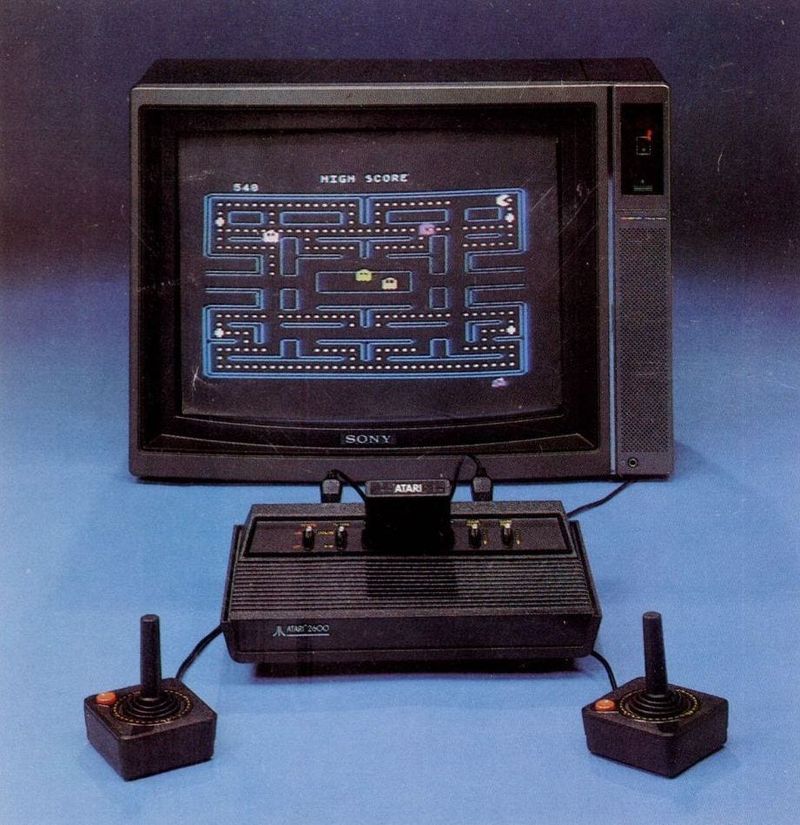
Pac-Man in the arcade. Atari in the living room.
Nintendo cartridges that needed blowing on before they worked. Gen X did not just play video games, they grew up alongside the entire medium as it evolved from pixels to polygons in real time.
That early, hands-on relationship with gaming shaped the massive industry we know today. Gen X gamers became Gen X developers, designers, and studio heads.
The $200 billion global gaming industry was built on the enthusiasm of kids who just wanted to beat the high score.
14. Focus on Work-Life Balance

Gen X leaders did not wait for a pandemic to decide that personal life matters. Long before remote work became a necessity, this generation was quietly pushing back against the 80-hour grind culture that defined the corporate world before them.
Flexible schedules, family-friendly policies, and the idea that productivity does not require suffering, these workplace values gained real traction under Gen X management. They modeled the work-life integration that younger generations now demand as a baseline.
Gen X built the template, everyone else is just filling it in.
15. Foundational Environmental Awareness
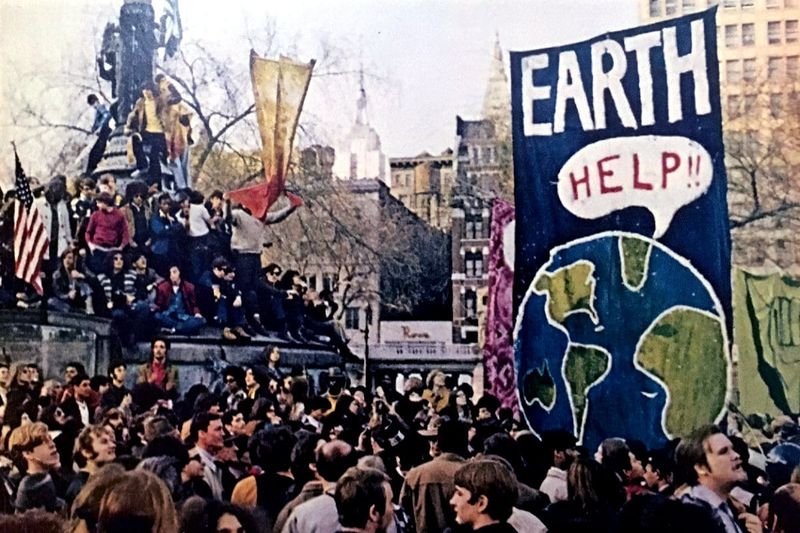
Climate change was not breaking news for Gen X, it was a homework assignment. Starting in the 1980s, this generation received consistent, science-backed warnings about global warming, acid rain, and the ozone layer while they were still in school.
That early education created a generation with environmental concern baked into their worldview. Recycling habits, energy awareness, and support for green policy did not come from a viral moment for Gen X.
It came from decades of paying attention when the world was still debating whether the problem was even real.
16. Influence on User Experience Design
Clicking through clunky early websites taught Gen X exactly what frustration feels like. As early adopters of personal technology, they quickly developed strong opinions about what worked and what did not, and many of them turned those opinions into careers.
Gen X designers and developers championed the idea that technology should serve people, not confuse them. That philosophy became the foundation of modern UX design.
Every app that feels intuitive, every website that loads cleanly, reflects principles that Gen X helped establish when the internet was still a chaotic, blinking mess.
17. Latchkey Kid Independence

Coming home to an empty house was just Tuesday for millions of Gen X kids. With parents working longer hours and fewer structured after-school programs available, this generation learned to feed themselves, manage their time, and solve problems without adult supervision.
That upbringing built a level of independence and resilience that became a defining characteristic of the entire generation. Self-starters, problem-solvers, and people who do not need hand-holding, those are latchkey kids all grown up.
The traits employers now list as most valuable were simply Gen X childhood survival skills.