
Some ingredients seem like they have a split personality in the kitchen. Boil them and they turn soft and creamy, but roast them and they come out crispy and caramelized.
The way you cook something can completely transform how it feels in your mouth, and that can make or break a dish. Understanding these texture shifts is one of the most useful skills any home cook can build.
1. Eggs
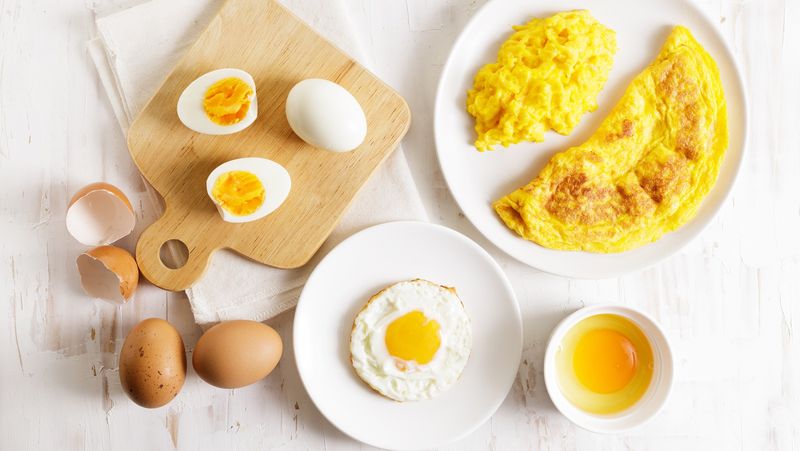
Crack open a single egg and you hold a world of textures in your hand. Soft-boil it and the white stays tender while the yolk runs like liquid silk.
Fry it in a hot pan and the edges turn lacy and crisp. Scramble it low and slow and you get creamy, custardy folds.
Cook it too fast and you end up with rubbery, dry curds. The egg is one of the most texture-sensitive ingredients in any kitchen.
2. Chickpeas
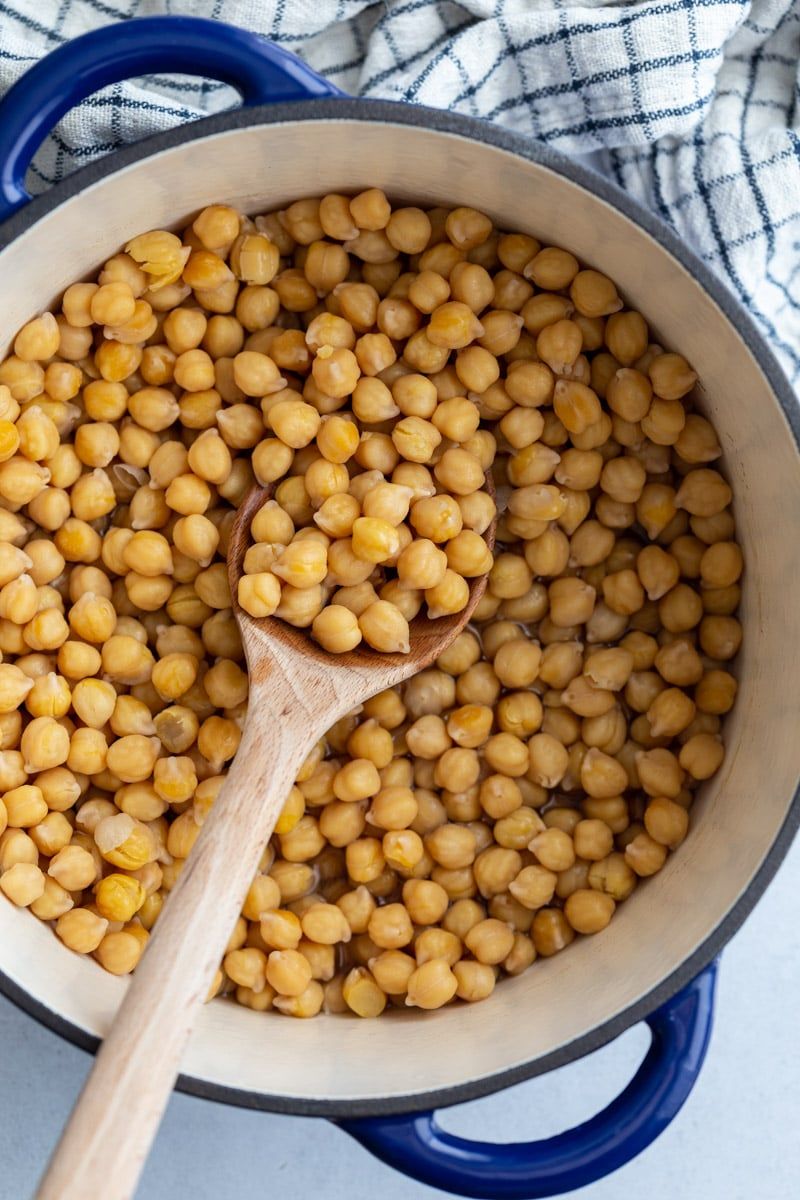
Straight from the can, chickpeas are soft and almost pillowy. Toss them in olive oil and roast them at high heat, though, and something magical happens.
They shrink down and turn into little crunchy nuggets that crackle when you bite them.
Blend boiled chickpeas into hummus and they become completely smooth. Each method pulls out a totally different personality from this humble legume.
Knowing which texture you want helps you decide how to prepare them.
3. Eggplant
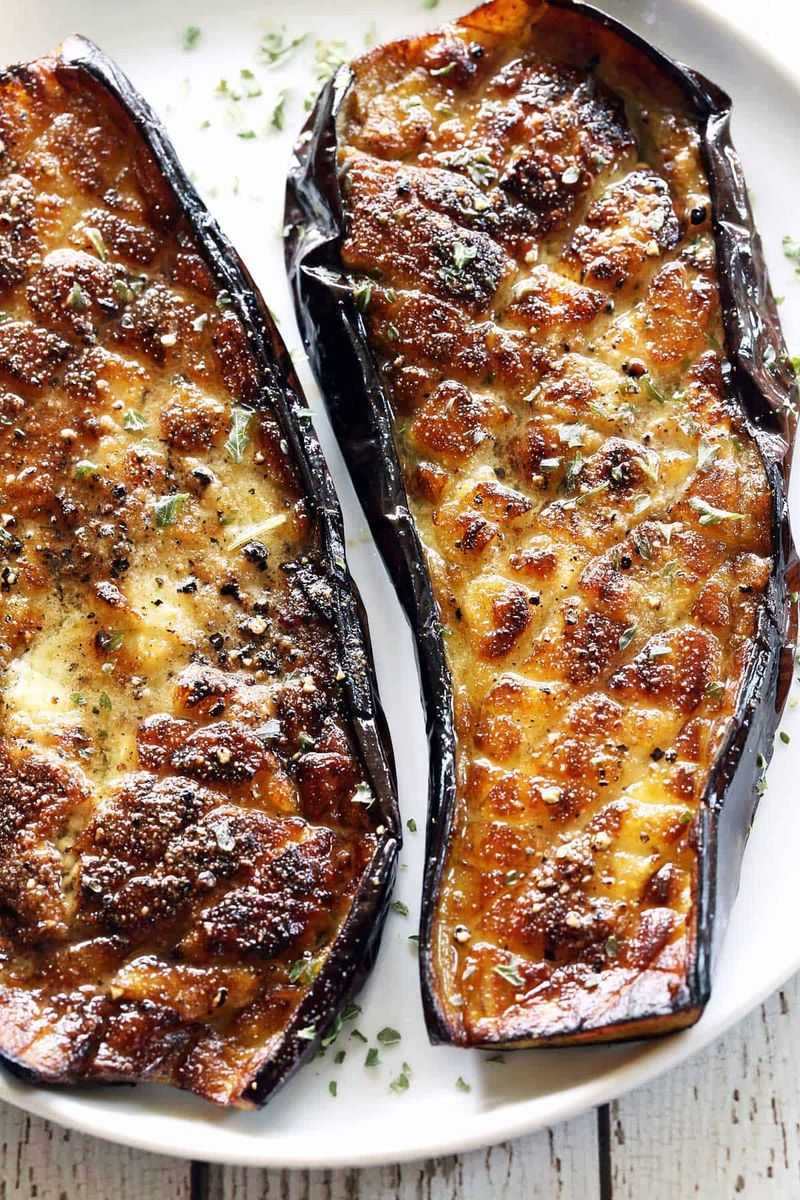
Eggplant has a spongy, almost foam-like texture when raw, which makes it one of the trickiest vegetables to cook well. Roast it whole until the skin collapses and the inside turns silky and almost smoky.
Slice it thin and fry it and it crisps up beautifully at the edges.
Skip salting it before cooking and it soaks up oil like a sponge, turning greasy. Salt it first and the texture tightens up, giving you a much better result.
4. Tofu
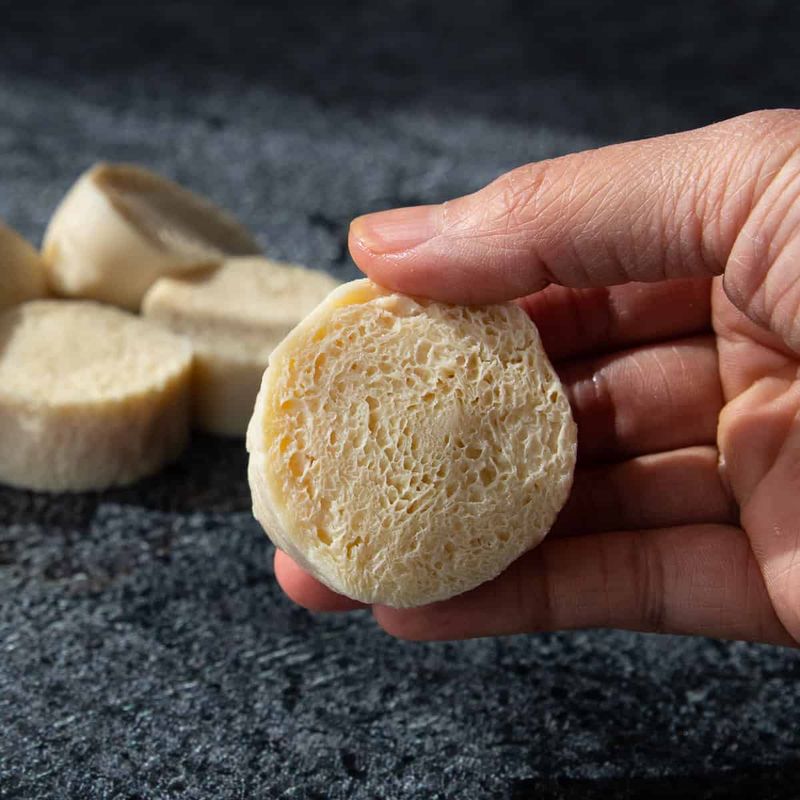
Fresh out of the package, soft tofu wobbles like a delicate custard. Press it firmly to remove water and pan-fry it, and that same block develops a golden, chewy crust.
Freeze tofu overnight and it transforms again, becoming spongy and meat-like after thawing.
Each technique unlocks a completely different eating experience. That is why tofu shows up in everything from silky soups to crispy stir-fries.
Choosing the right firmness level and cooking method is the secret to great tofu every time.
5. Onions
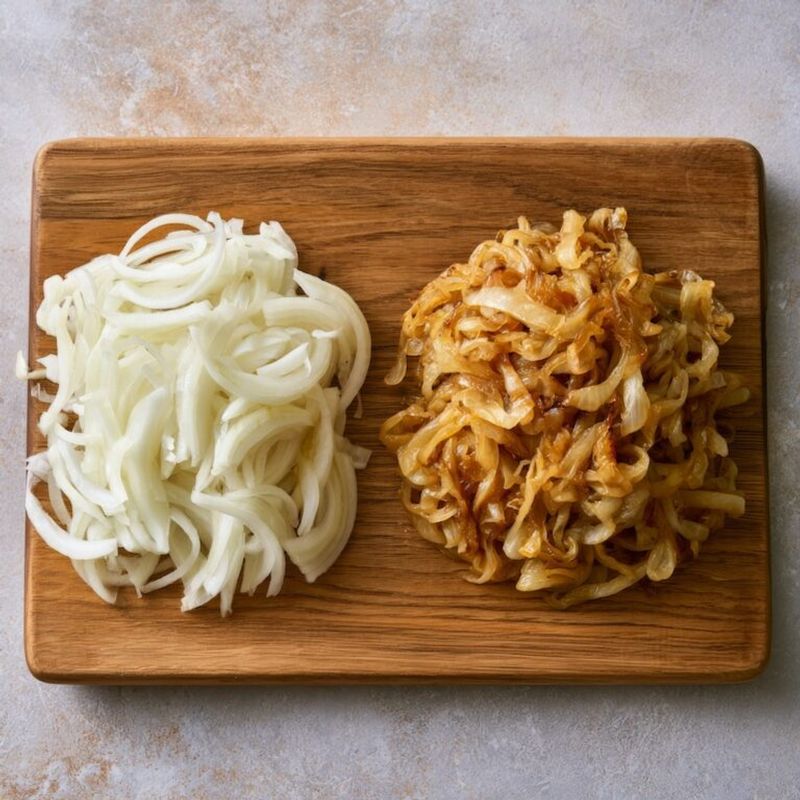
Raw onions are sharp, crunchy, and pungent enough to make your eyes water. Slowly cook them in butter over low heat for 40 minutes and they melt into a sweet, jammy, soft mass that barely resembles the original vegetable.
Fry them in thin rings and they become shatteringly crispy. The transformation is so dramatic that many people who dislike raw onions actually love caramelized ones.
Cooking time and temperature are everything when it comes to onion texture.
6. Potatoes
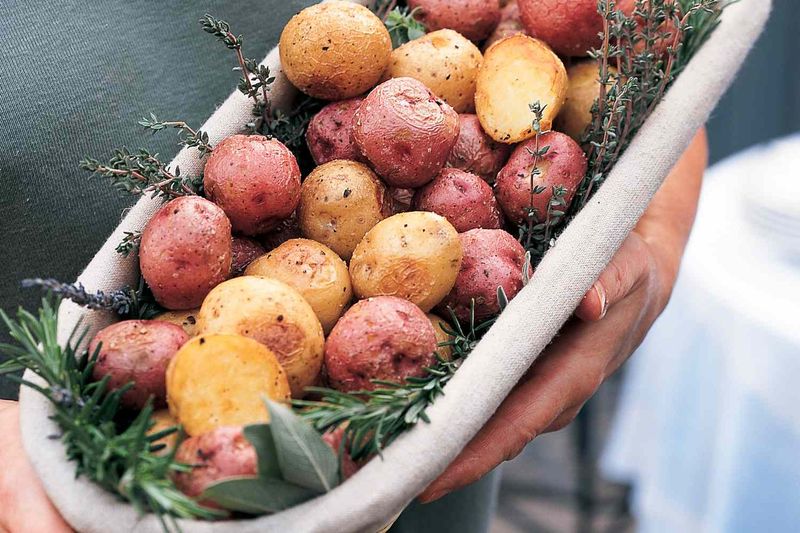
Few ingredients are as texture-versatile as the potato. Boil them and they turn fluffy and soft, perfect for mashing into something creamy.
Roast them at high heat and the outside crisps up while the inside stays tender.
Slice them paper-thin and fry them and you get chips that snap in half. The starch content inside a potato reacts differently to every cooking method.
Choosing the right potato variety for your method matters just as much as how you cook it.
7. Mushrooms
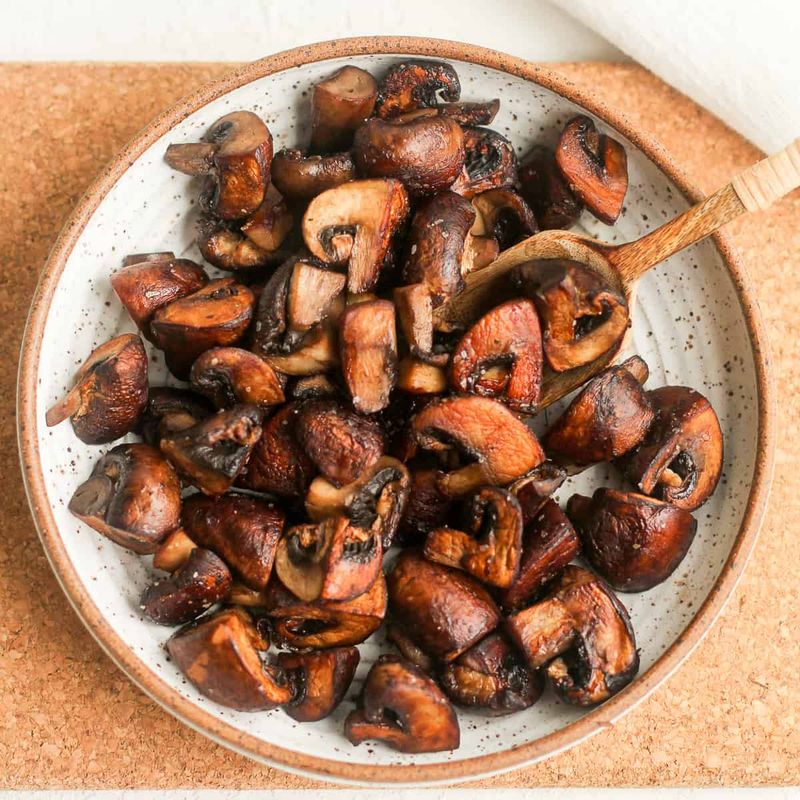
Raw mushrooms are soft and spongy, with a mild flavor that barely hints at what they can become. Toss them into a hot, dry pan and they release all their water first, then start to shrink and brown.
Let them cook long enough and they turn chewy, almost meaty, with deep umami flavor.
Overcrowd the pan and they steam instead of sear, staying soft and watery. Giving mushrooms space and high heat is the key to a great texture every time.
8. Cabbage
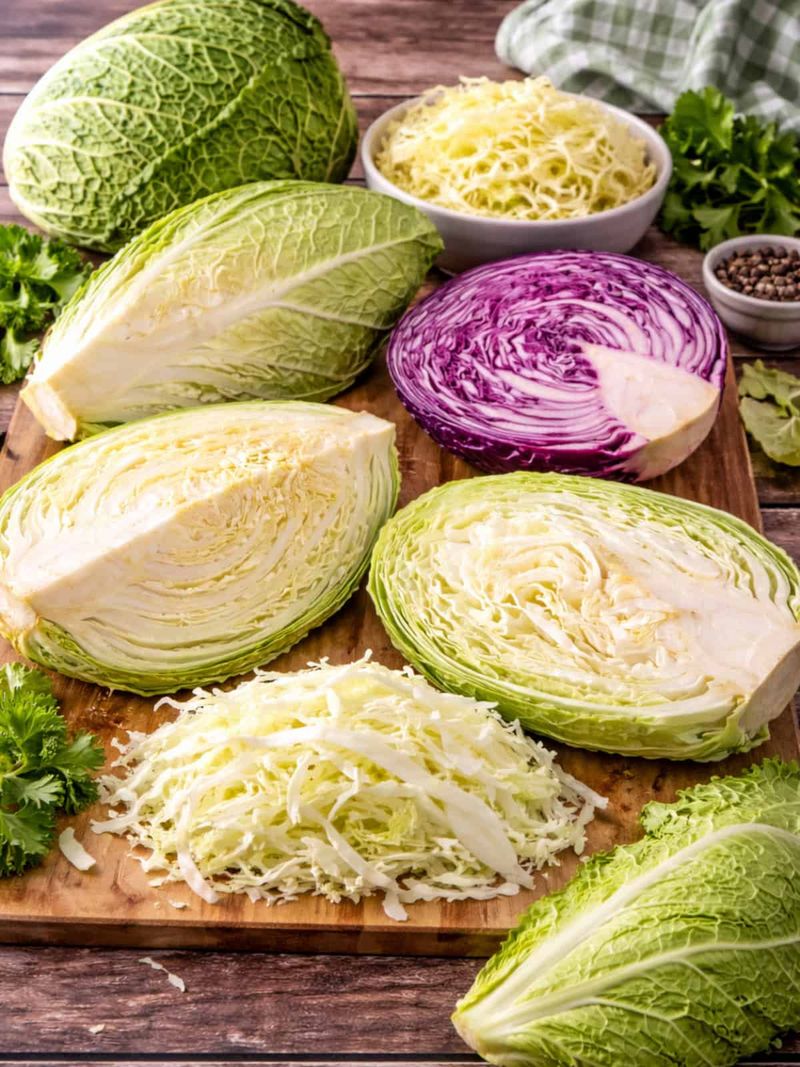
Shredded raw cabbage is crunchy and a little peppery, making it perfect for slaws and salads. Braise it low and slow in broth or butter and it turns meltingly tender, almost silky, with a completely different sweetness.
Quick-stir-fry it over high heat and it lands somewhere in the middle, still with a slight bite.
Ferment it into sauerkraut and the texture shifts again to a satisfying, tangy chew. Cabbage is a quiet shapeshifter that most cooks underestimate.
9. Carrots
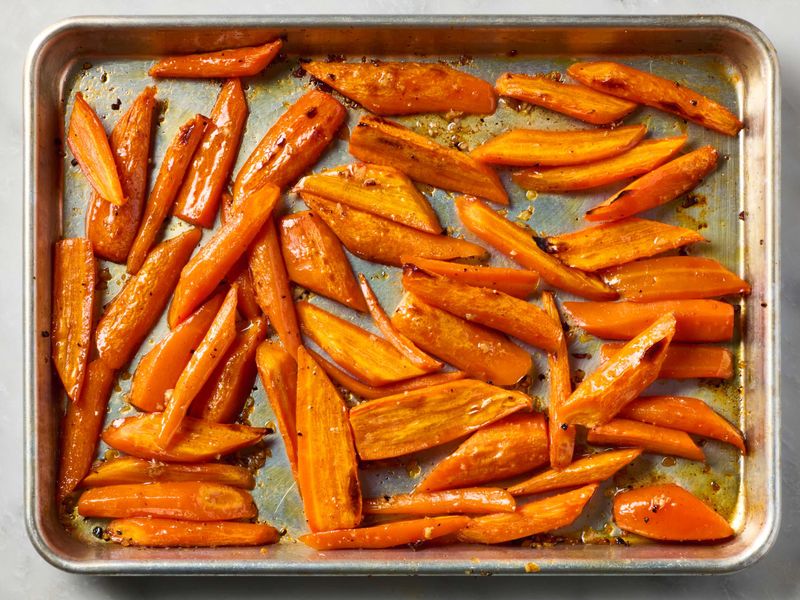
Bite into a raw carrot and you get a satisfying crunch and a mildly sweet flavor. Roast those same carrots with a little honey and olive oil and they turn soft, jammy, and deeply caramelized.
Steam them and they land in a softer middle zone, tender but still holding their shape.
Overcook them in boiling water and they turn mushy and lose their color. Carrots respond dramatically to heat, making them one of the most rewarding vegetables to experiment with in the kitchen.
10. Garlic
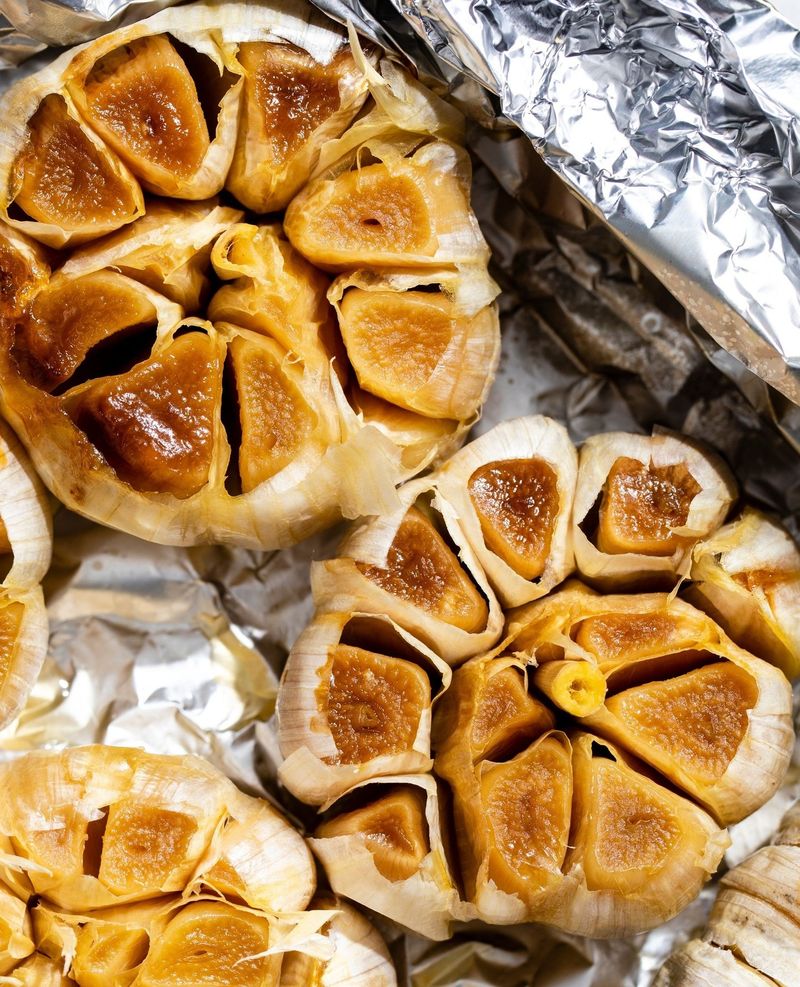
Raw garlic is sharp, spicy, and almost aggressive in flavor and texture. Mince it finely and saute it in oil and it softens quickly, turning golden and mellow.
Roast a whole head slowly for an hour and something remarkable happens: each clove turns into a buttery, spreadable paste with a nutty sweetness.
That transformation is one of the most dramatic in cooking. Roasted garlic is so mild that people who usually avoid it often eat it by the spoonful straight from the skin.
11. Corn
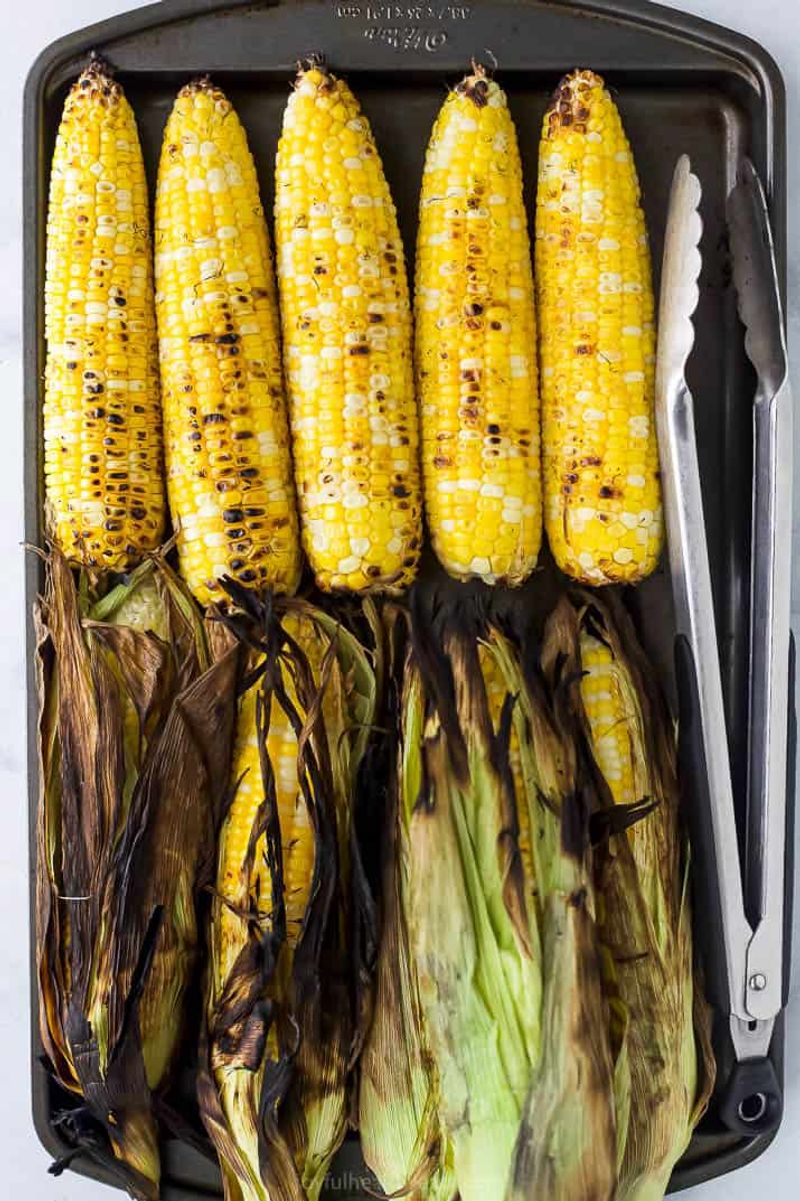
Fresh corn kernels straight off the cob are crisp, juicy, and pop when you bite them. Grill the whole cob over an open flame and the sugars caramelize, giving the kernels a slightly chewy, charred sweetness.
Boil it too long and the kernels turn starchy and soft, losing that satisfying pop.
Cream-style corn cooks down into a thick, pudding-like consistency that is completely unrecognizable from the original. Corn is proof that cooking time changes everything about an ingredient.
12. Bread
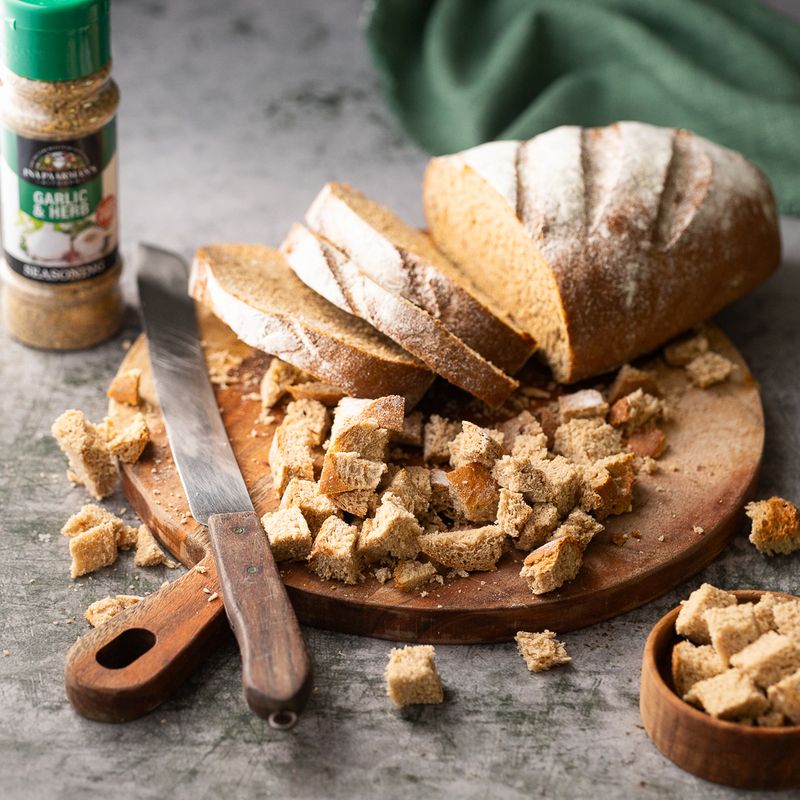
Freshly baked bread is soft, airy, and springs back when you press it. Pop a slice in the toaster and the outside firms up into a crunchy, golden shell while the inside stays slightly chewy.
Leave bread out overnight and it goes stale, turning dry and hard without any heat at all.
Cube stale bread, toss it in olive oil, and bake it and you get crunchy croutons. Bread is one of the few ingredients where even doing nothing changes its texture over time.
13. Apples
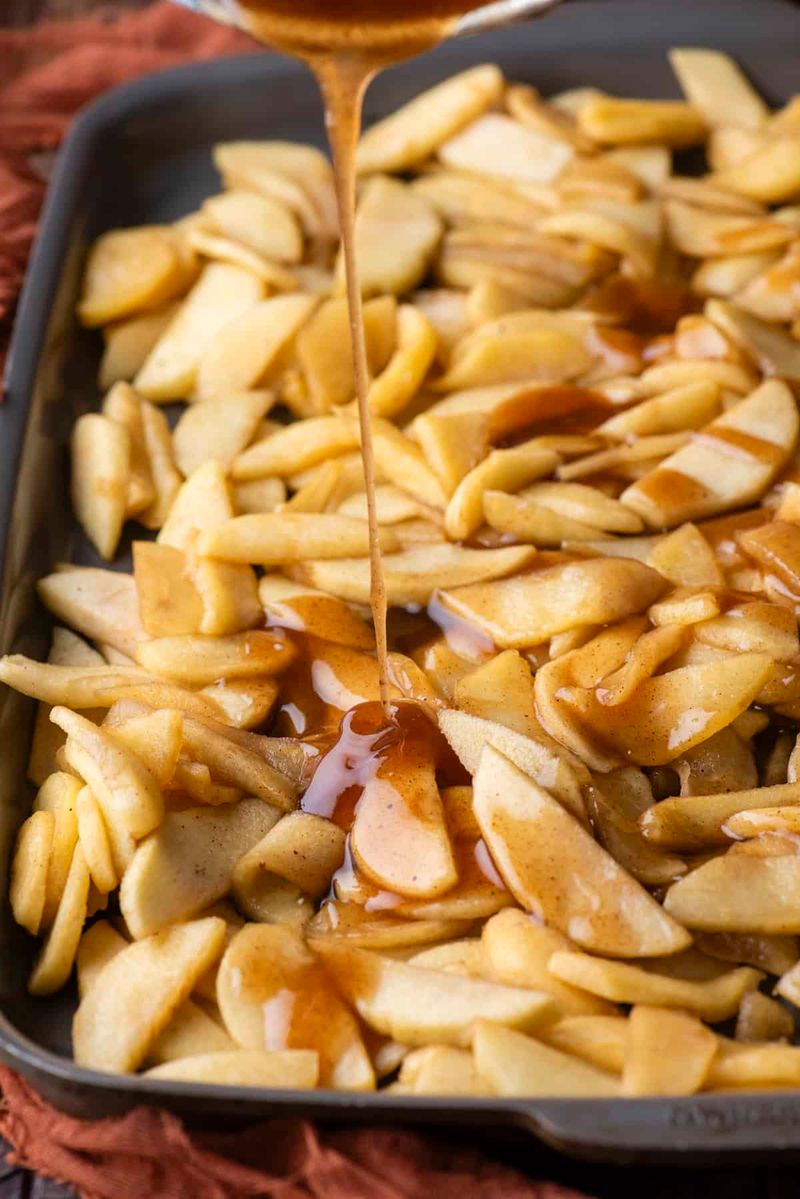
There is nothing quite like the satisfying snap of biting into a fresh apple. Raw apples are crisp, juicy, and refreshing.
Bake them in a pie or a crumble, though, and they soften into a tender, almost jammy filling that holds a completely different kind of sweetness.
Saute apple slices in butter and brown sugar and they turn silky and almost translucent. The natural pectin in apples breaks down with heat, which is what causes that dramatic shift from crunchy to soft.
14. Lentils
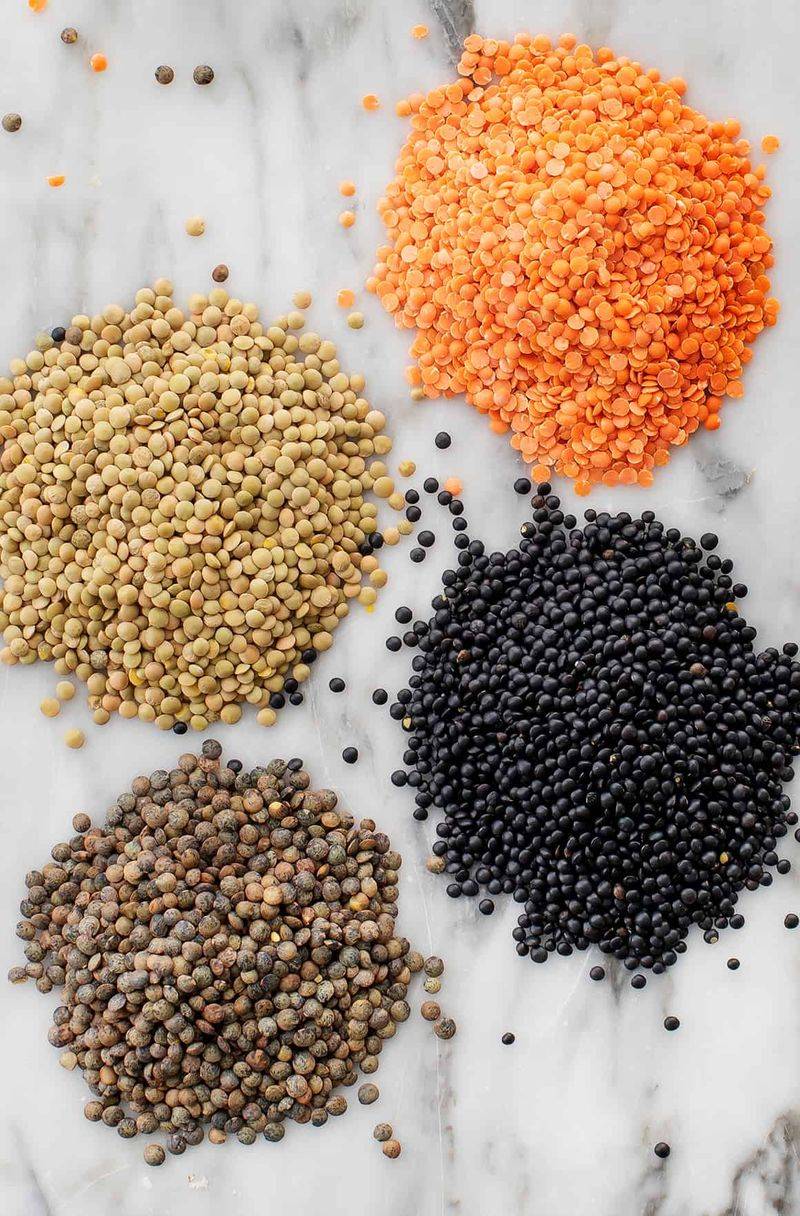
Lentils cooked just right hold their shape perfectly and have a satisfying, slightly firm bite. Cook them a little longer and they start to break down, turning creamy and thick.
Red lentils, in particular, dissolve almost completely when cooked, making them ideal for smooth, velvety soups and dals.
Undercook them and they are gritty and starchy. Lentils are incredibly forgiving in terms of flavor but surprisingly precise when it comes to getting the texture exactly where you want it.
15. Cauliflower
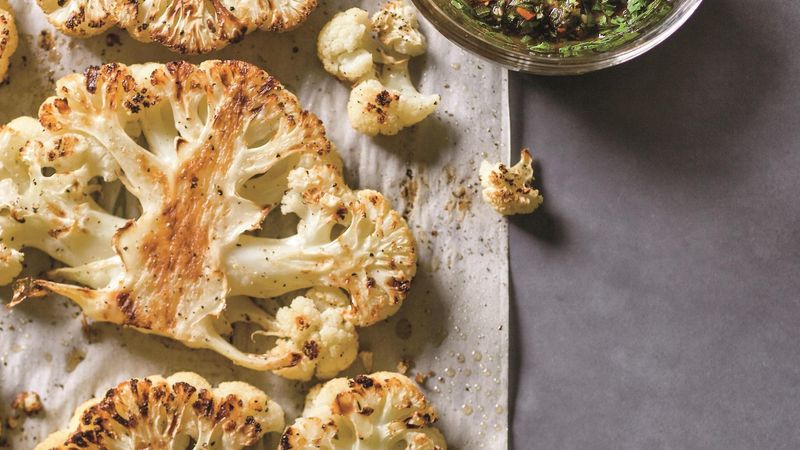
Raw cauliflower is dense, crunchy, and a little squeaky when you bite into it. Roast it at high heat and the florets turn golden and nutty, with crispy edges and a tender center.
Steam it until very soft and you can mash it into a smooth, creamy puree that mimics mashed potatoes.
Grate it raw and it crumbles into a rice-like consistency used in low-carb cooking. Cauliflower is one of the most texture-adaptable vegetables in any kitchen.
16. Shrimp
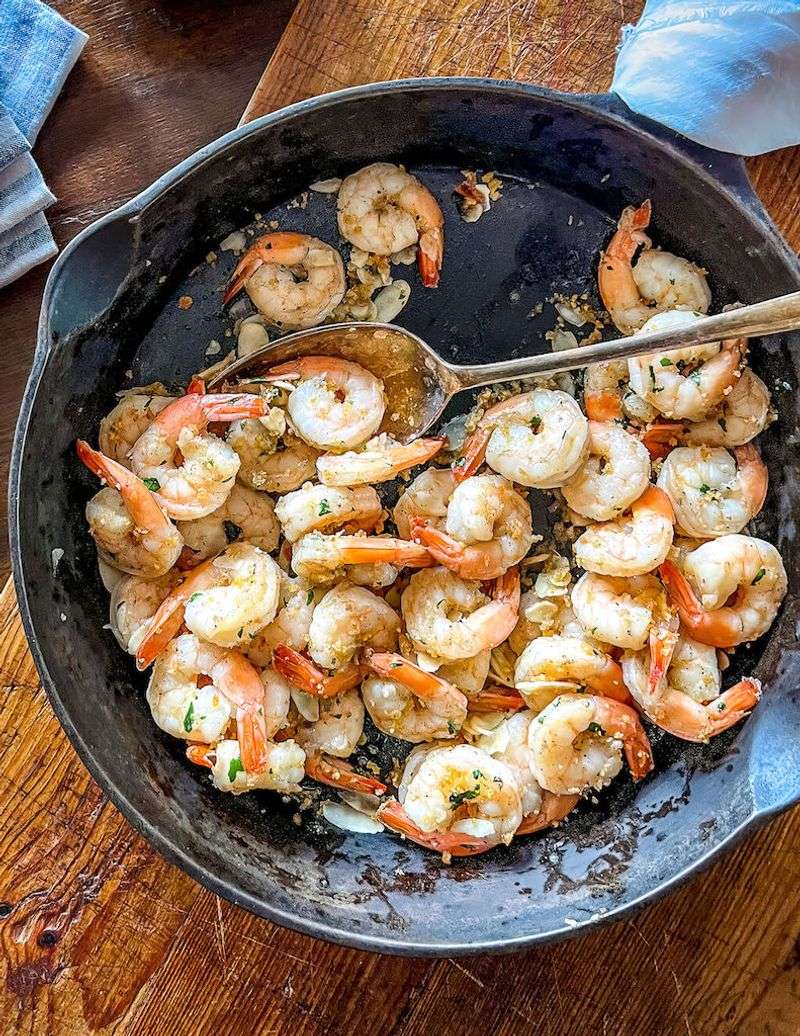
Raw shrimp are translucent, soft, and almost gel-like to the touch. Hit them with heat and they curl up, turn opaque, and develop a firm, snappy bite in just a couple of minutes.
Cook them even one minute too long and they become rubbery and tough, like tiny erasers.
Shrimp are famously unforgiving about timing. Cold-poached shrimp have a gentler, silkier texture than pan-seared ones.
The window between perfectly cooked and overcooked shrimp is surprisingly narrow.
17. Rice
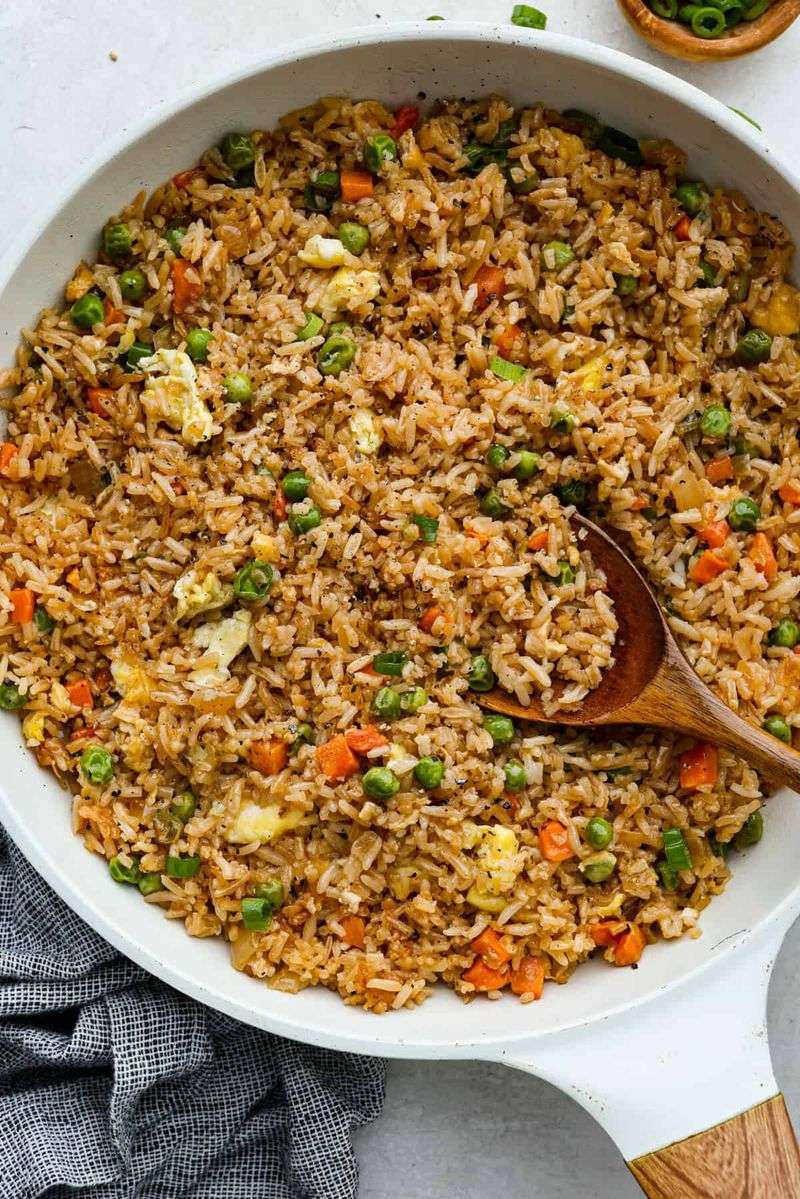
Freshly cooked rice is fluffy and light, with each grain sitting separately. Cook it with extra water and stir it constantly and it turns sticky and starchy, clumping together the way sushi rice does.
Spread leftover rice in a hot pan with oil and it crisps up into something gloriously crunchy.
Overcook rice in too much liquid and it turns into a thick, porridge-like congee. The same grain can deliver four completely different textures depending on how much water, heat, and time you use.
18. Spinach
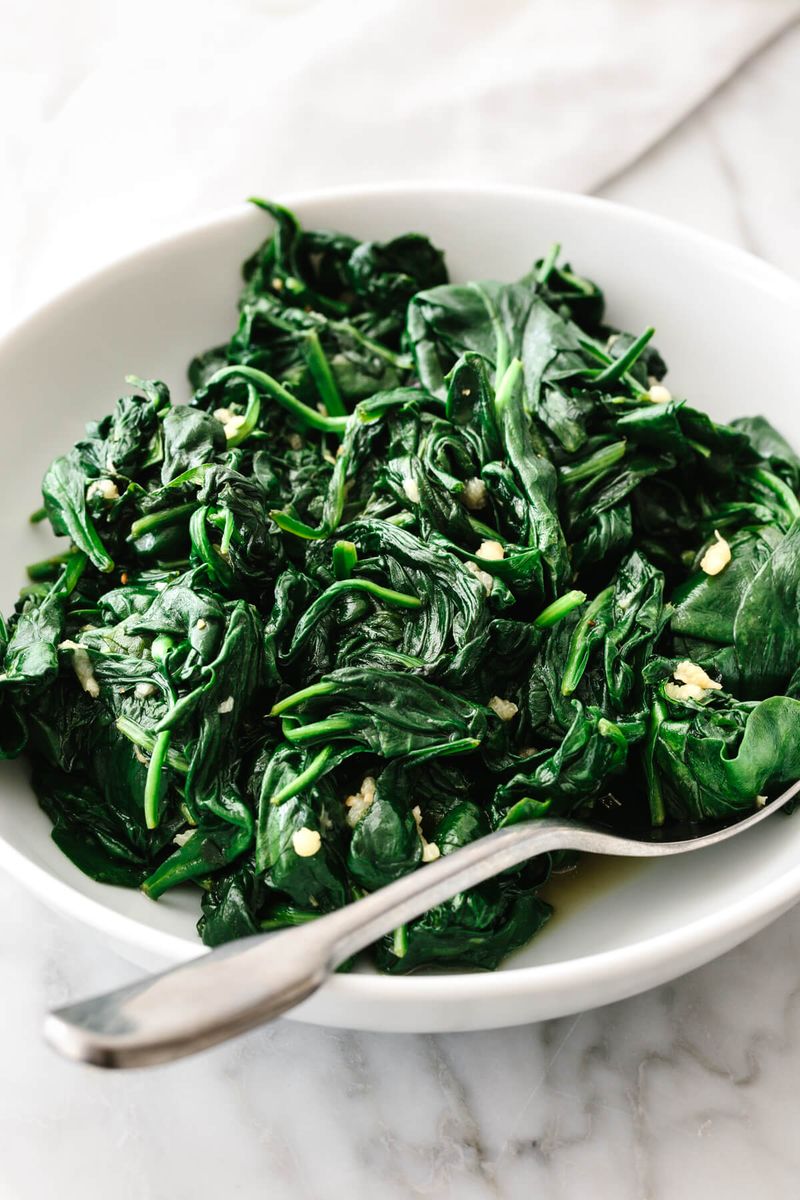
A huge pile of raw spinach looks like it could feed an army. Toss it into a hot pan and it wilts down to almost nothing within seconds, becoming silky, soft, and deeply green.
The texture goes from crisp and slightly chewy to tender and almost melt-in-your-mouth in under a minute.
Overcook it and it turns slimy and loses its bright color. Blanch it quickly and cool it in ice water to lock in a tender but still vibrant texture.
19. Bacon
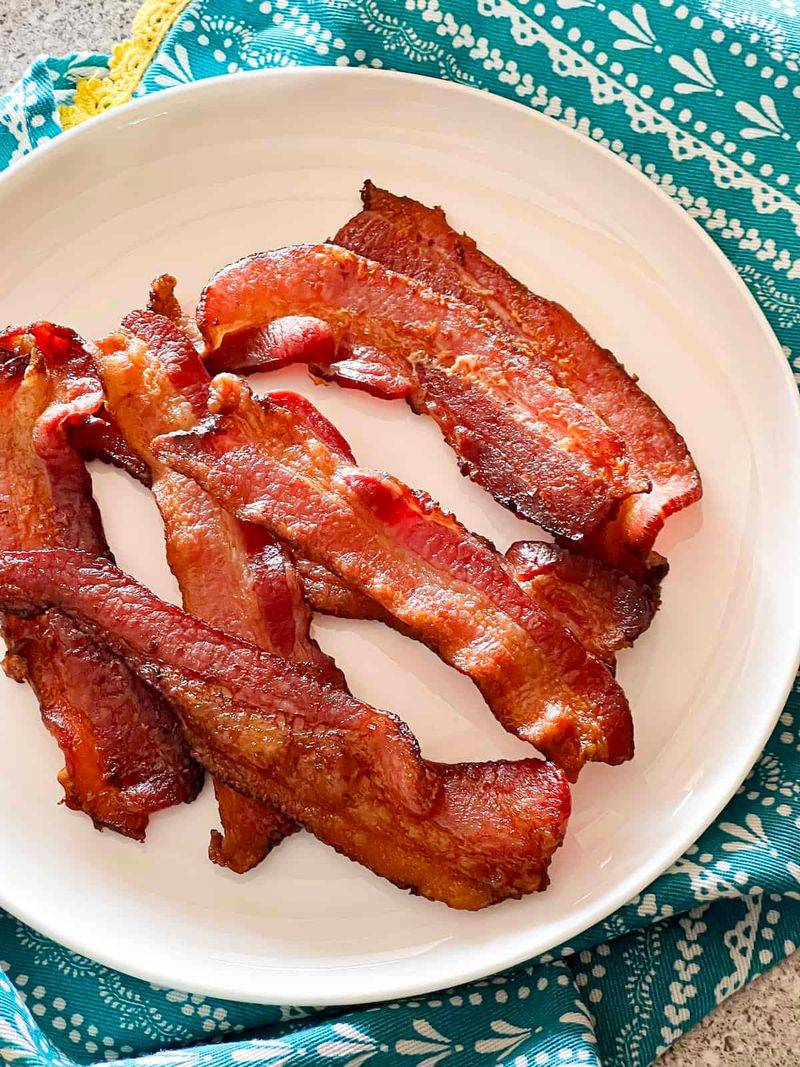
Barely cooked bacon is soft, chewy, and fatty in a way that coats your mouth. Cook it longer in a hot pan and the fat renders out, leaving behind a crispy strip that shatters when you bite it.
The transformation happens gradually as the fat melts and the protein firms up.
Some people swear by chewy bacon while others will not accept anything less than full crunch. Oven-baked bacon tends to cook more evenly than pan-fried, giving you a consistently crispy result every time.
20. Zucchini
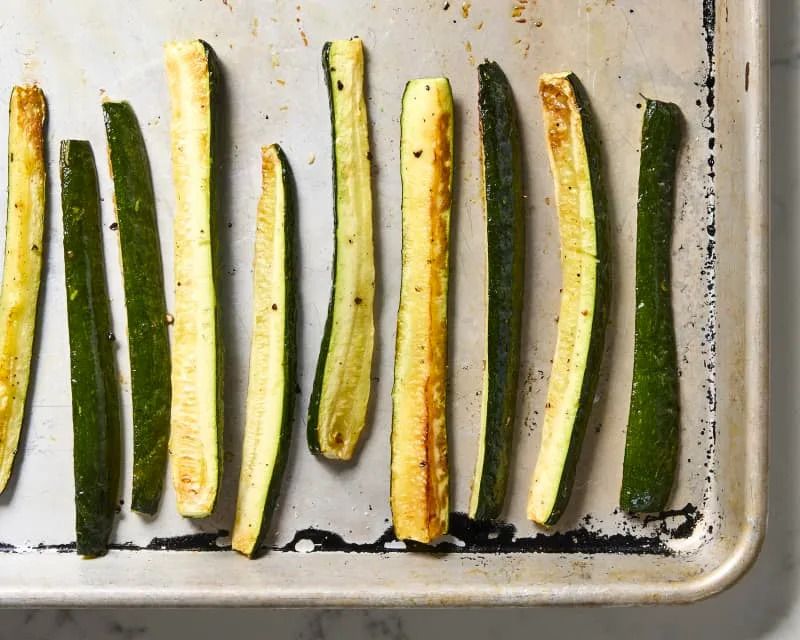
Zucchini is firm and slightly watery when raw, with a mild flavor that almost disappears into the background. Saute it in a hot pan and it softens quickly, developing golden edges and a tender, almost creamy center.
Grill it and the outside chars slightly while the inside stays juicy.
Overcook it and zucchini turns into a soggy, shapeless mush that falls apart. High heat and short cooking times are your best friends when working with this vegetable.
21. Coconut
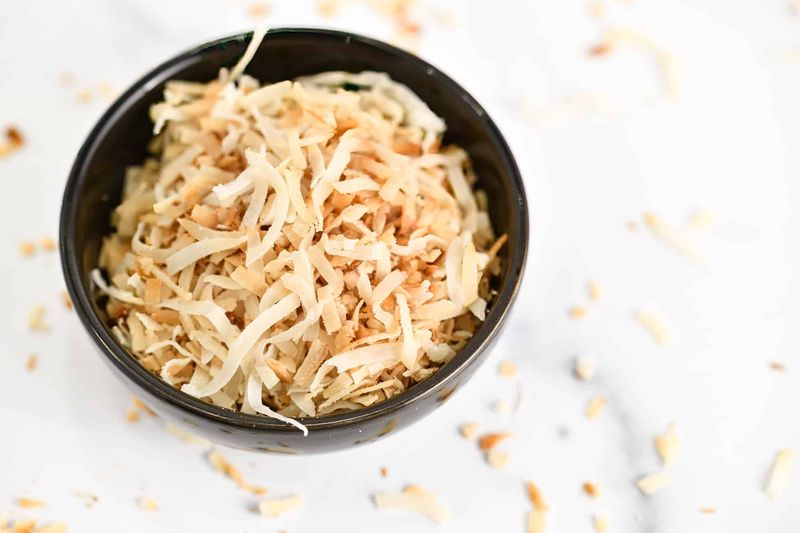
Fresh coconut has a firm, juicy chew that is almost meaty. Dry it out and it becomes lighter and more brittle, with a concentrated sweetness.
Toast shredded coconut in a dry pan and it turns golden and nutty, with a satisfying crispness that crumbles between your fingers.
Simmer coconut in liquid for a long time and it softens into a tender, almost fibrous chew. Each method brings out a different side of coconut, making it surprisingly versatile for both sweet and savory cooking.
22. Polenta
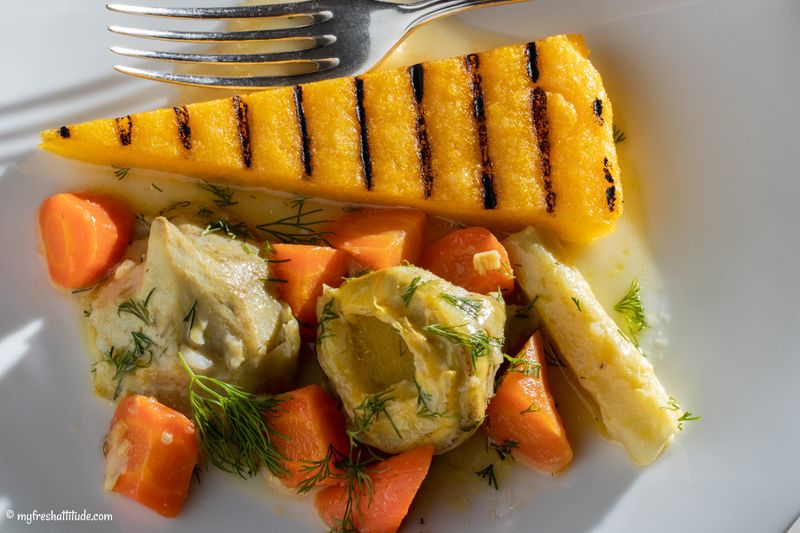
Hot polenta poured straight from the pot is thick, creamy, and flows slowly like lava. Spread it into a pan, let it cool completely, and it sets into a firm, sliceable cake that holds its shape perfectly.
Grill or pan-fry those slices and the outside turns golden and crispy while the inside warms back to a soft, dense chew.
The same cornmeal can be your creamiest side dish or your crispiest appetizer. Temperature is the only thing that separates those two very different textures.
23. Cheese
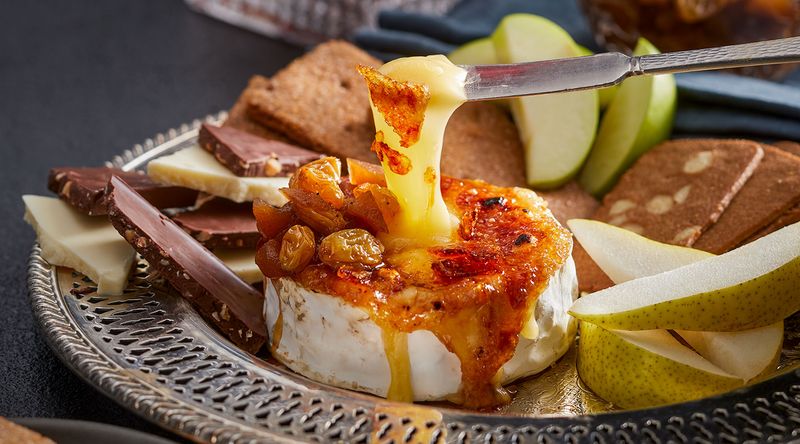
Hard cheeses like cheddar or parmesan feel dense, crumbly, and firm when eaten cold. Melt them over heat and they transform into a stretchy, gooey, flowing liquid that coats everything it touches.
Grate parmesan and bake it on a pan and it turns into a thin, lacy, crispy wafer called a frico.
Not all cheeses melt the same way, either. High-moisture cheeses melt smoothly, while low-moisture ones can turn grainy or oily if the heat gets too high.
24. Chickpea Flour
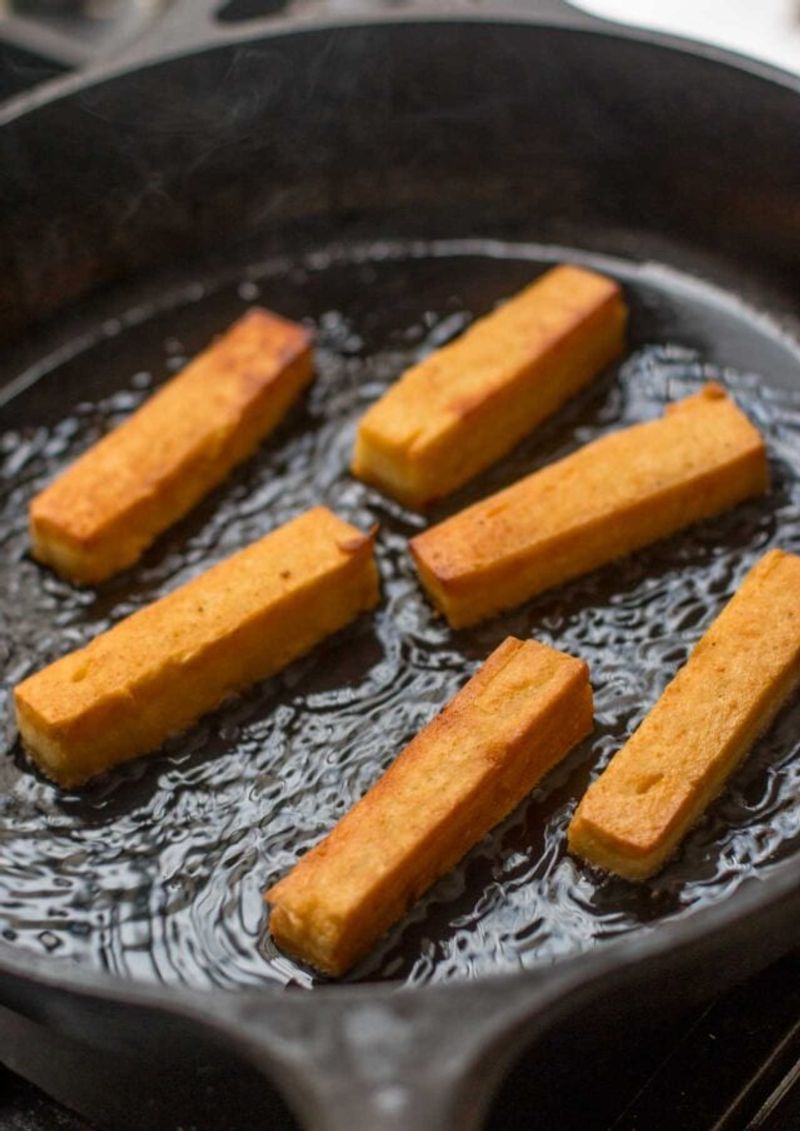
Chickpea flour on its own is a fine, dry powder with a slightly nutty, raw smell. Mix it with water and cook it slowly and it turns into a thick, creamy porridge.
Let that porridge cool and it firms up into a dense, sliceable block that can be grilled or fried to a crispy finish.
Used as a batter, it fries up incredibly crispy and light. Few ingredients go through such a complete physical transformation just by adding water and applying heat.