
Europe is home to some of the most prized and priciest ingredients in the world. From the misty forests of Spain to the sun-drenched fields of France, each country has developed a signature ingredient that chefs and food lovers treasure deeply.
These rare finds can cost hundreds or even thousands of dollars per pound, yet people happily pay for the extraordinary flavor and tradition they bring. Get ready to explore the most luxurious ingredients Europe has to offer.
1. Spanish Saffron (Spain)
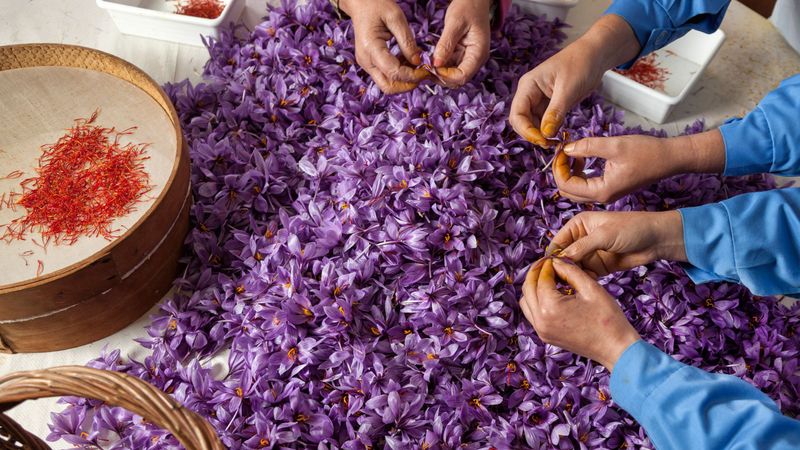
Ounce for ounce, Spanish saffron is more valuable than gold. Harvested by hand from the Crocus sativus flower in the La Mancha region, each blossom only produces three tiny stigmas.
Workers must pick thousands of flowers just to gather a single ounce of this fiery spice.
The intense labor makes the price skyrocket, often reaching over $5,000 per pound. Its rich golden color and earthy flavor make it a prized ingredient in classic Spanish paella.
2. Italian White Truffle (Italy)
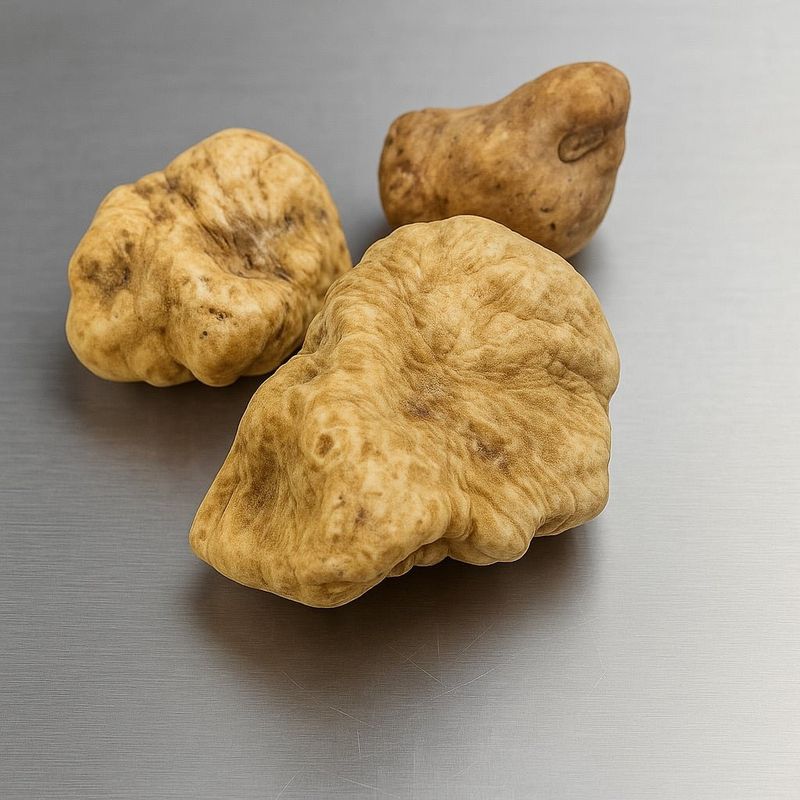
Found only in the forests near Alba in northern Italy, white truffles are one of the most expensive foods on the planet. Unlike black truffles, they cannot be farmed, making every find a small miracle.
Trained dogs sniff them out from beneath oak and hazelnut trees in autumn.
Prices regularly exceed $3,000 per pound and can spike even higher during poor harvests. A single large truffle has sold at auction for over $300,000, turning this fungus into a legend.
3. French Foie Gras (France)
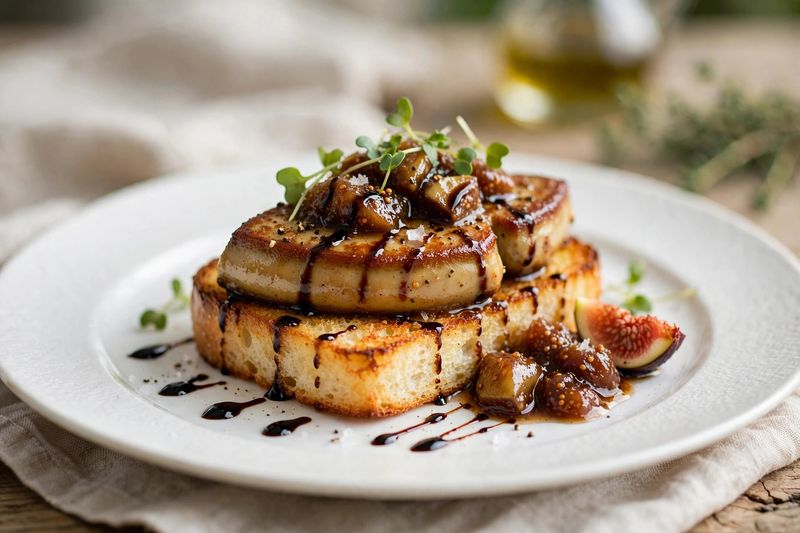
Rich, buttery, and utterly indulgent, foie gras has been a symbol of French luxury cuisine for centuries. Made from the specially fattened liver of ducks or geese, its velvety texture melts on the tongue in a way few foods can match.
France produces around 75% of the world’s supply.
High-quality foie gras can cost $50 to $100 per pound, and top-grade whole lobes fetch even more. Its production is tightly regulated, adding to its exclusivity and prestige on fine-dining menus worldwide.
4. Iberian Jamón (Spain)
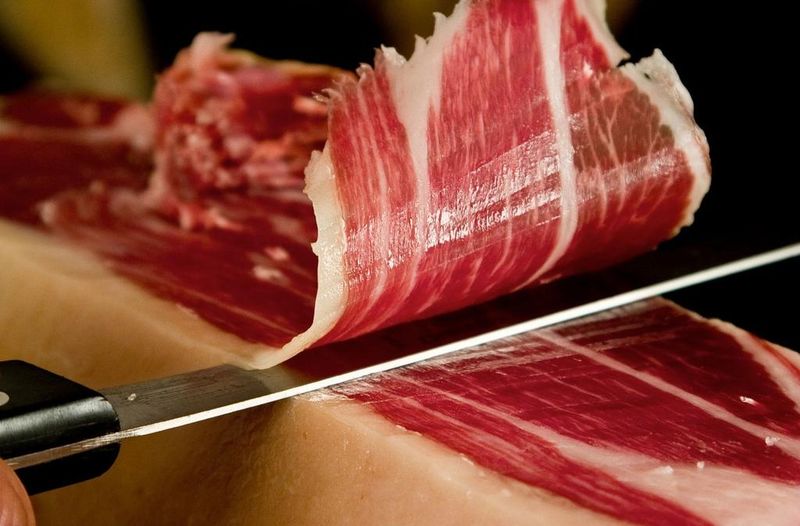
Not all ham is created equal, and Jamón Iberico de Bellota proves it. These pigs roam freely across oak forests in southwestern Spain, feasting on acorns that give the meat its distinctive nutty, rich flavor.
The curing process alone can take up to four years.
A single leg can cost anywhere from $400 to over $4,500 depending on the grade. The rarest variety, 100% pure Iberian bellota, carries a black label and is considered the finest cured meat in the world.
5. Norwegian King Crab (Norway)
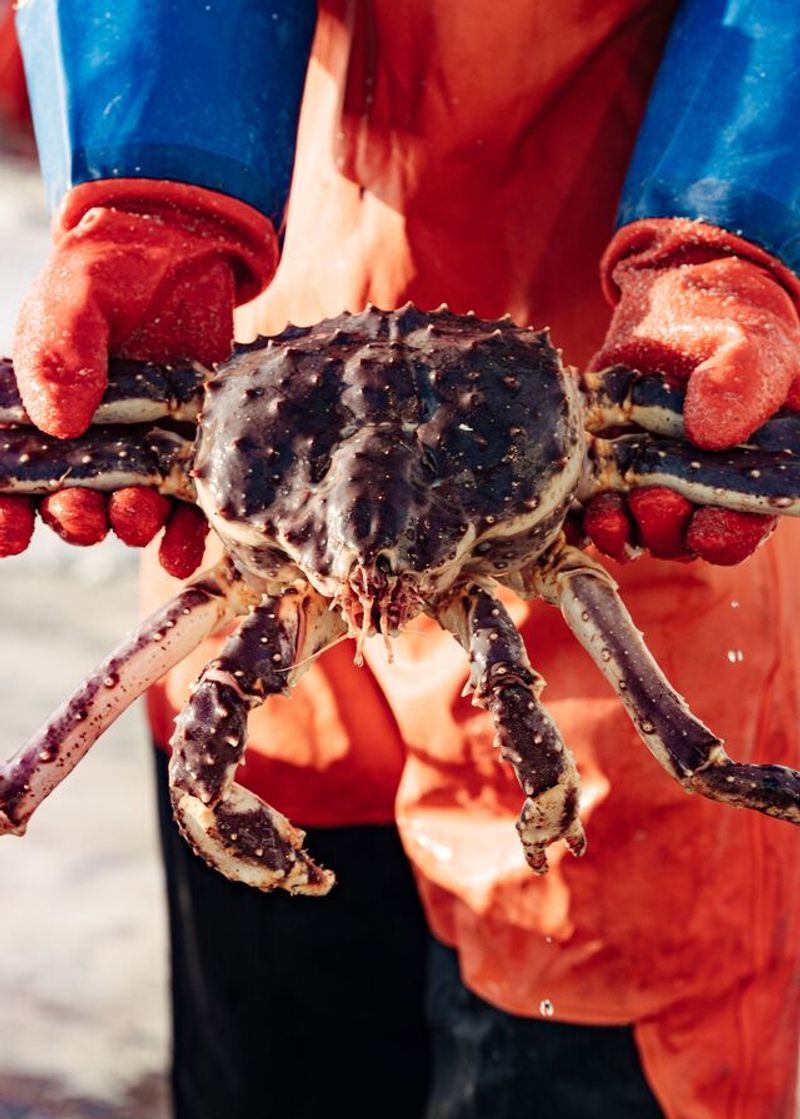
Pulled from the icy Arctic waters off the coast of northern Norway, the king crab is a seafood lover’s dream. Its enormous legs hold sweet, tender meat that chefs across Europe compete to serve on their menus.
The remote and dangerous fishing conditions make every catch an adventure.
Fresh king crab from Norway can run $50 to $100 per pound at specialty markets. The cold water environment and strict fishing quotas keep supply limited, which keeps prices firmly in luxury territory.
6. Greek Mastiha (Greece)
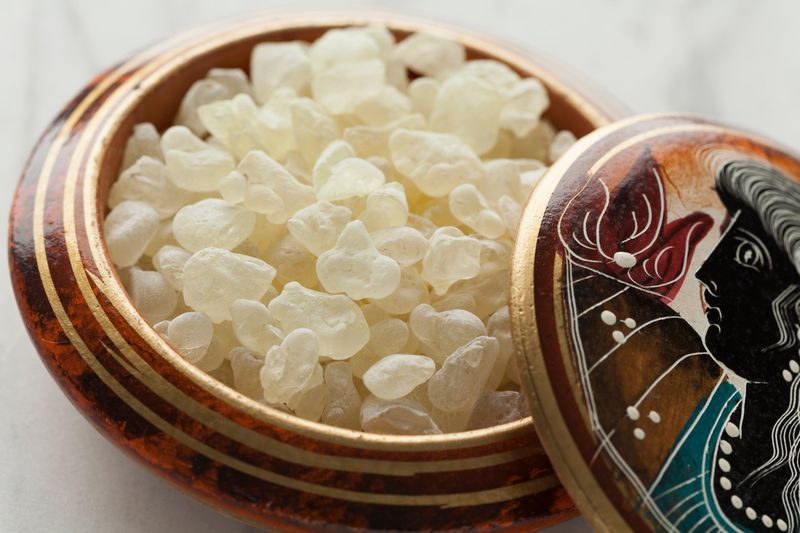
Mastiha is a resin that drips like liquid crystal from mastic trees found only on the Greek island of Chios. Harvested by hand each summer, the sticky sap hardens into small, tear-shaped crystals with a unique pine-like, slightly sweet flavor.
Ancient Greeks used it as a chewing gum thousands of years ago.
Today, premium mastiha sells for around $150 per pound. It flavors everything from liqueurs to skincare products, making it one of Greece’s most treasured and profitable exports.
7. Beluga Caviar (Russia/Eastern Europe)
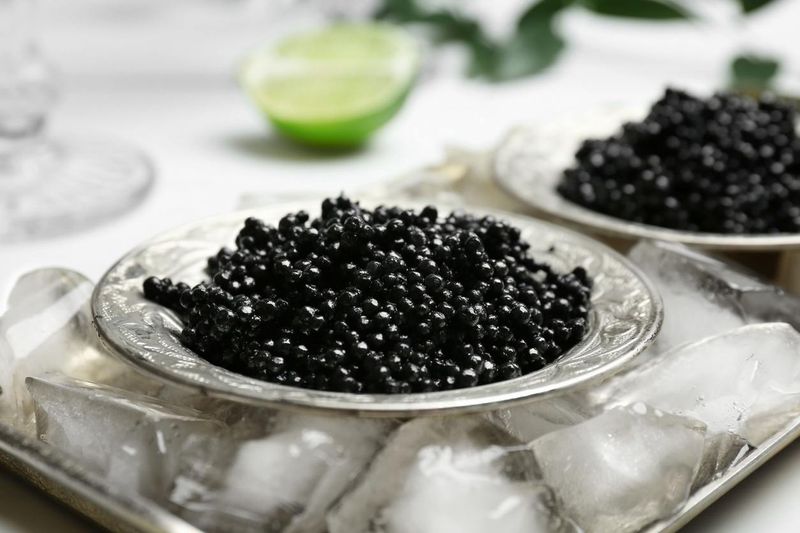
Beluga caviar comes from the Beluga sturgeon, a fish that can live for over 100 years and takes decades to mature before producing eggs. Traditionally sourced from the Caspian Sea, bordering countries like Russia, Iran, and Azerbaijan, this caviar is the most prized in the world.
Each tiny egg has a creamy, oceanic flavor unlike any other.
Prices can soar past $10,000 per kilogram for the finest grade. Strict international trade regulations have made genuine Beluga caviar incredibly rare and expensive.
8. Portuguese Percebes (Portugal)
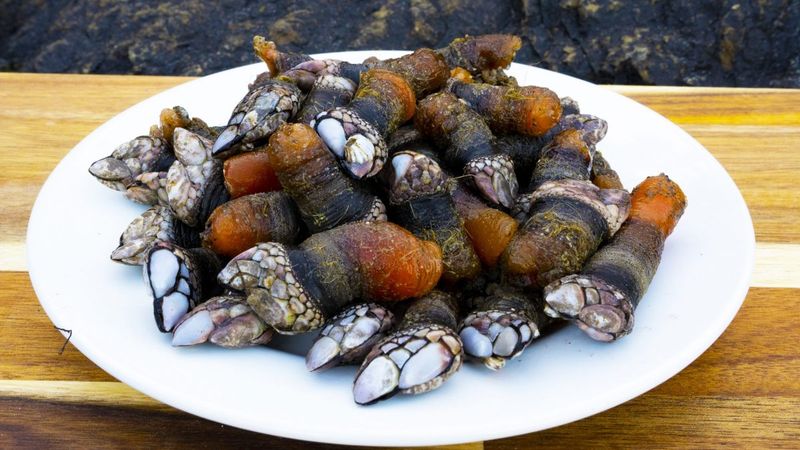
Percebes look like something from another planet, resembling prehistoric claws attached to rocks along the wild Atlantic coastline of Portugal and Galicia. Harvesting them is genuinely dangerous, requiring collectors to climb slippery cliffs and time the crashing waves perfectly.
Many harvesters have been swept away by the sea.
That extreme risk is reflected in the price, which can reach $80 per pound or more at top restaurants. Their briny, sweet flavor tastes purely of the ocean and is unlike anything else.
9. Pata Negra Acorn Honey (Spain)
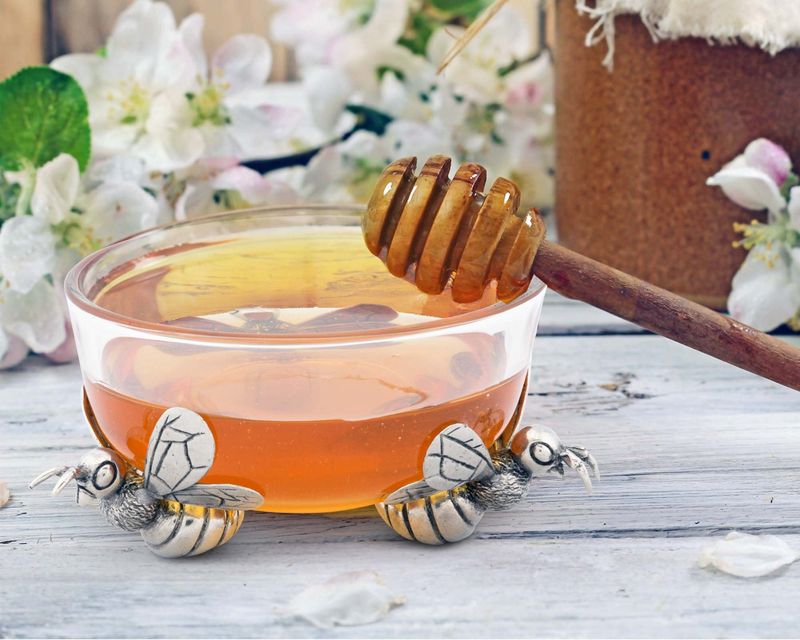
Spain’s rarest honey comes from bees that forage in the same oak and cork forests where Iberian pigs roam. The resulting acorn honey has a deep, bittersweet flavor profile that is nothing like the mild sweetness of regular honey.
Beekeepers produce tiny quantities each season, making it fiercely sought after.
A small jar can cost upward of $60, with specialty versions going much higher. Food enthusiasts prize it as a gourmet condiment that pairs beautifully with aged cheeses and charcuterie boards.
10. French Perigord Black Truffle (France)
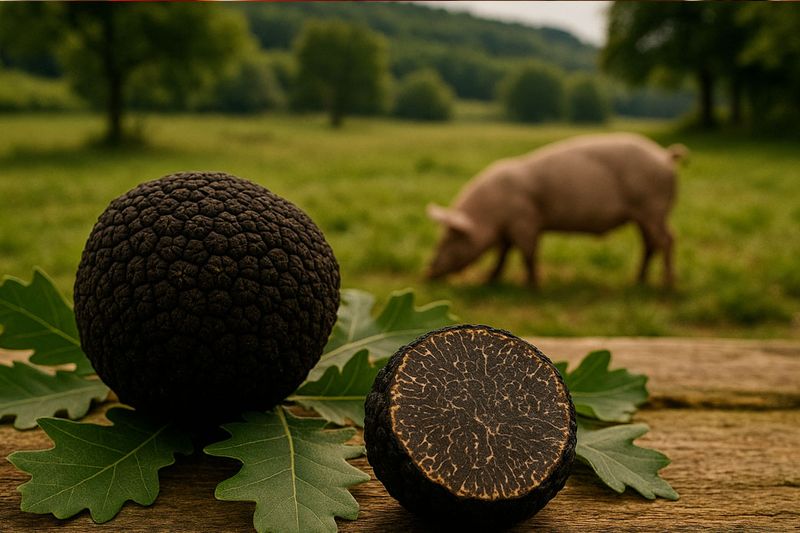
While white truffles steal headlines, France’s Perigord black truffle has been the backbone of haute cuisine for generations. Known as the “black diamond,” it grows underground near oak roots in the Dordogne region and is harvested in the cold winter months.
Its aroma is deeply earthy, musky, and almost intoxicating.
Black truffles typically cost between $800 and $1,500 per pound. Truffle markets in Perigord during winter feel like a secretive, magical world where chefs and dealers speak in hushed, reverent tones.
11. Finnish Morel Mushrooms (Finland)
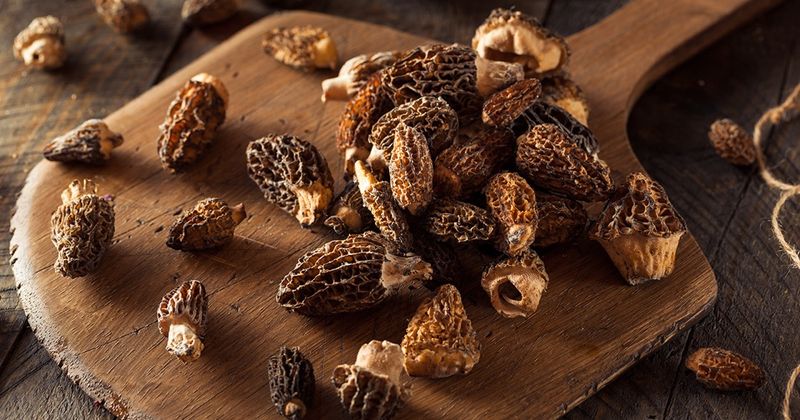
Spring in Finnish forests brings one of the most exciting foraging seasons in Europe, centered on the morel mushroom. With its honeycomb-like cap and rich, nutty flavor, the morel is a top-tier culinary prize that cannot be reliably cultivated.
Foragers guard their secret spots fiercely, passing locations down through generations.
Fresh morels can cost $50 or more per pound, and dried versions are even pricier by weight. They are a staple of Nordic fine dining and pair wonderfully with cream sauces and wild game.
12. Swiss Gruyere AOP (Switzerland)
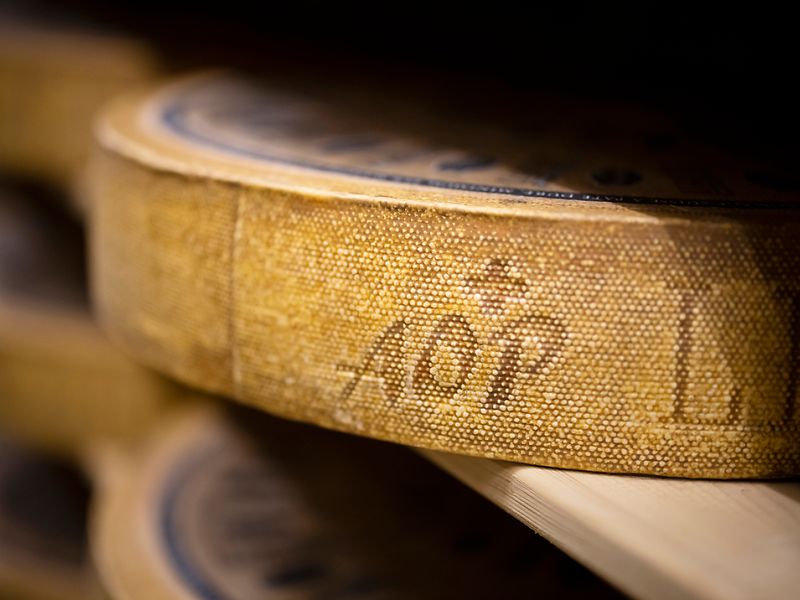
Produced in the canton of Fribourg since the 12th century, Gruyere AOP is one of Switzerland’s most iconic and carefully protected foods. Every wheel weighs around 80 pounds and must age for at least five months, with the finest varieties maturing for over a year in carefully controlled cave cellars.
The flavor is complex, nutty, and slightly sweet.
Authentic aged Gruyere can fetch $30 or more per pound. Its strict geographic protection means only cheese made in specific Swiss regions earns the prestigious AOP label.
13. Slovenian Honey (Slovenia)
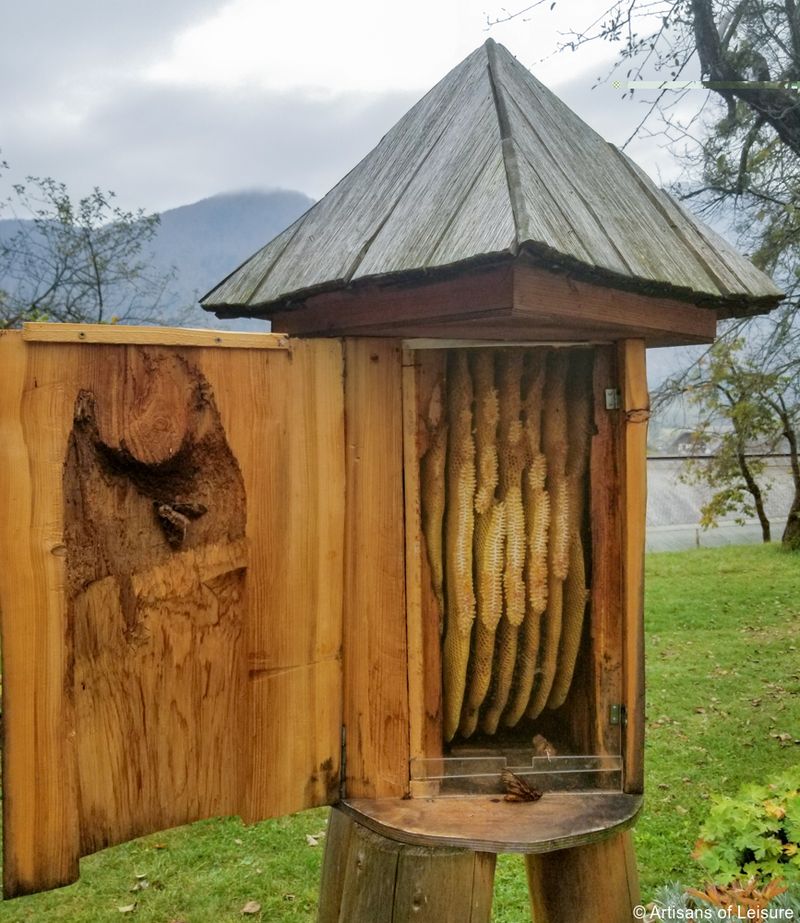
Slovenia may be small, but its honey culture is ancient and deeply respected. The country is home to the native Carniolan honeybee, one of the most prized bee breeds in the world, known for its calm temperament and exceptional honey production.
Slovenian beekeeping traditions date back centuries and are even listed as UNESCO cultural heritage.
Rare varieties like linden or chestnut honey from Slovenia can cost $25 to $50 per jar. Collectors and chefs seek them out for their complex, regional flavors that change with the landscape.
14. Swedish Kalix Lojrom (Sweden)
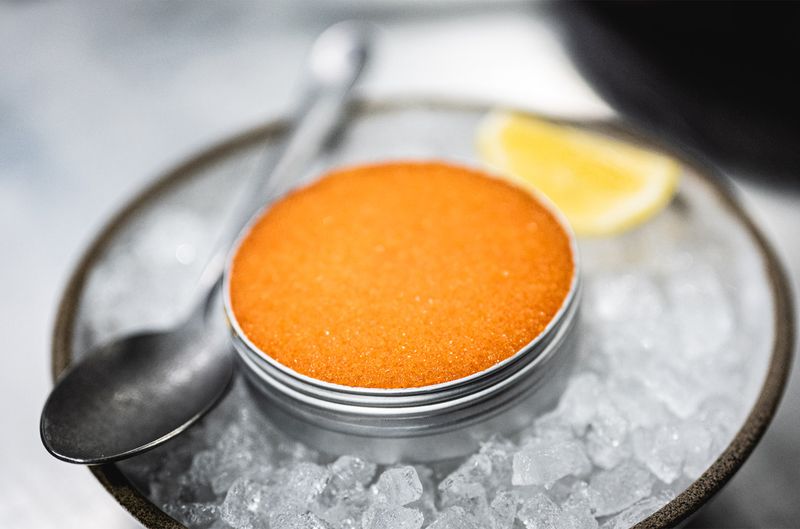
Kalix Lojrom is Sweden’s answer to caviar, made from the tiny, pale golden roe of the bleak fish harvested from the Kalix River in northern Sweden. Each autumn, fishers pull in their nets during a brief, carefully managed season to preserve the population.
The roe has a mild, delicate flavor that is clean and subtly salty.
This ingredient holds protected designation of origin status in the EU and can cost over $500 per kilogram. It is considered Sweden’s most prized culinary export and a true northern treasure.
15. Austrian Pumpkin Seed Oil (Austria)
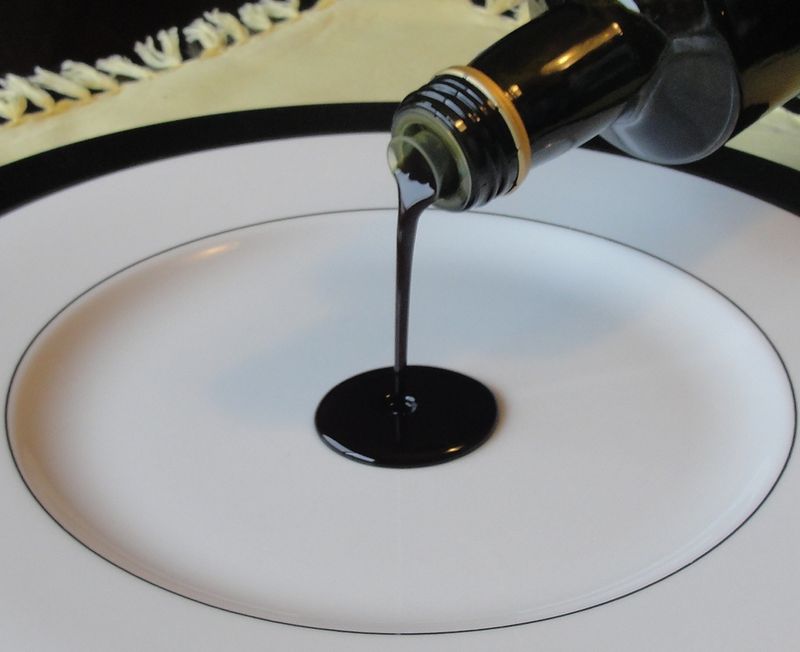
Styrian pumpkin seed oil is so dark and intensely flavored that Austrians sometimes call it “green gold.” Pressed from a special hull-less pumpkin variety grown only in the Styria region, the oil has a roasted, nutty depth that transforms simple salads and soups into something extraordinary. The pressing process is entirely cold and natural.
Authentic Styrian pumpkin seed oil with protected geographical status can cost $30 to $60 per bottle. A single drizzle over vanilla ice cream is a surprisingly beloved Austrian dessert tradition.
16. Dutch Aged Gouda (Netherlands)
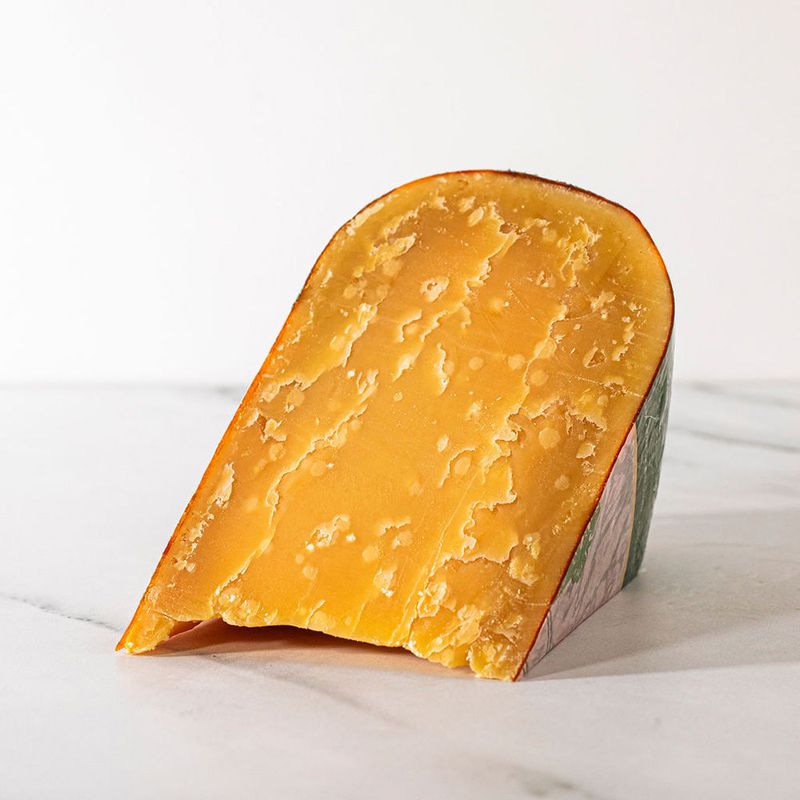
Most people know Gouda as a mild, everyday cheese, but aged Gouda is a completely different beast. Extra-aged varieties, matured for two to four years in Dutch farmhouses, develop hard, crumbly textures studded with crunchy tyrosine crystals and a deep, caramel-like intensity.
Some artisan wheels are aged even longer for collectors.
Top-grade aged farmhouse Gouda can cost $40 or more per pound. Cheese enthusiasts compare the best examples to fine wine, noting how flavor changes with each additional month of aging.
17. Basque Txakoli Wine Vinegar (Spain)
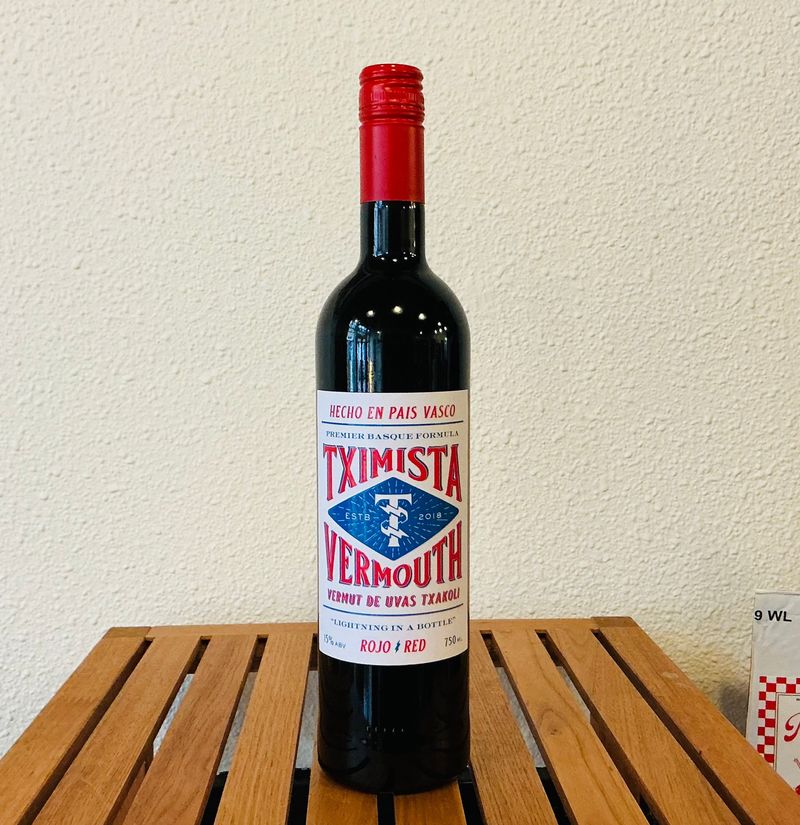
Crafted from the rare Hondarrabi Zuri grape grown along the steep coastal slopes of the Basque Country, Txakoli vinegar is a niche product that very few people outside Spain have ever tasted. The base wine is already rare and prized, so aging it into vinegar takes patience and sacrifice.
Only small-batch producers make it in meaningful quantities.
Specialty bottles can fetch $40 to $80, and some aged versions cost significantly more. Its bright acidity and floral notes make it a favorite among avant-garde chefs and culinary adventurers.
18. Romanian Black Sea Sturgeon Roe (Romania)
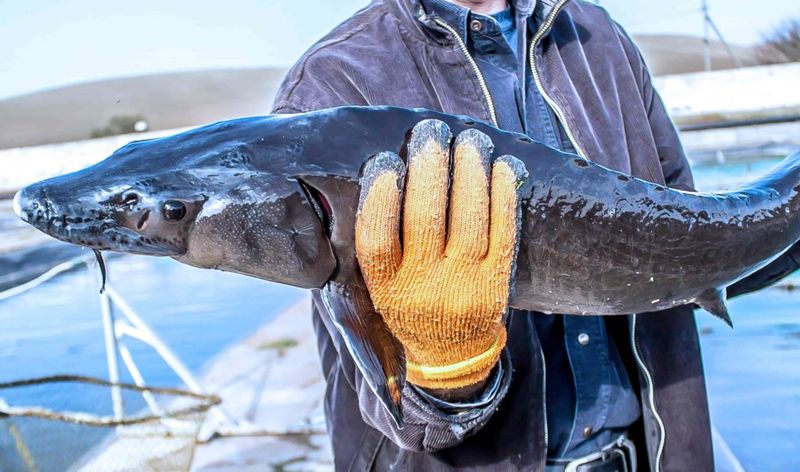
Romania’s stretch of the Danube Delta and Black Sea coastline was once legendary for its wild sturgeon populations. Overfishing nearly wiped them out, making genuine wild Romanian sturgeon roe extraordinarily rare today.
A few certified sustainable aquaculture operations now produce small amounts of high-quality roe to revive this tradition.
Prices for authentic Romanian sturgeon roe range from $500 to over $2,000 per kilogram. Its clean, briny flavor and historical significance make it one of Eastern Europe’s most emotionally resonant luxury ingredients.
19. Croatian Sea Salt (Croatia)
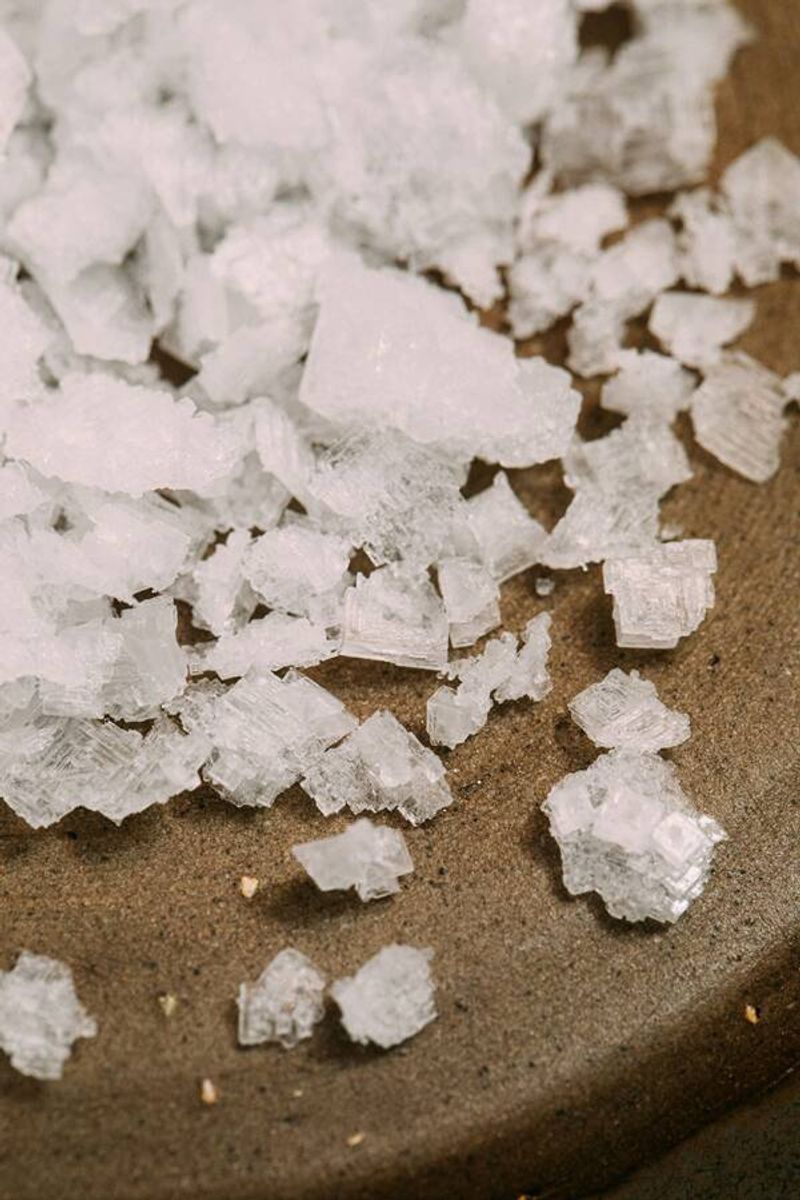
Croatia’s Adriatic coastline produces some of Europe’s most mineral-rich sea salts, particularly from the island of Pag. Harvested by hand using techniques unchanged for over 700 years, Pag sea salt forms large, flaky crystals with a clean, bright flavor that chefs adore.
The pristine Adriatic water gives it a distinctly pure mineral character.
Premium Croatian fleur de sel can cost $20 to $50 per small bag. Chefs use it as a finishing salt, sprinkling it over grilled fish, fresh vegetables, and even chocolate desserts for a final flourish.
20. Corsican Chestnut Flour (France/Corsica)
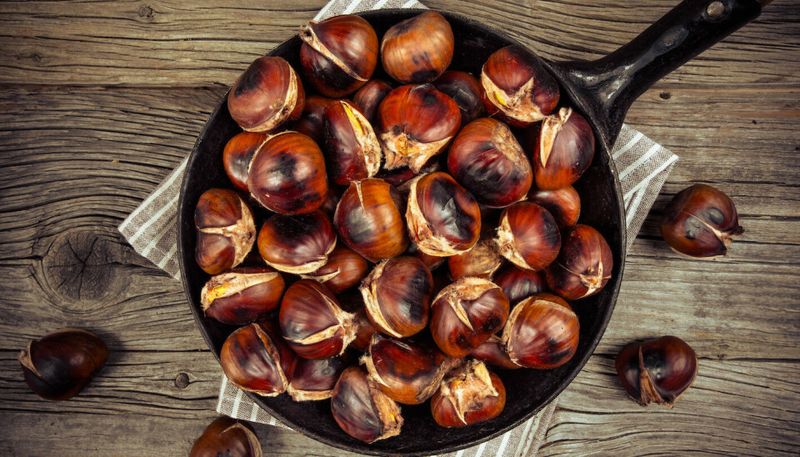
On the rugged island of Corsica, chestnut trees have fed families for centuries, earning the tree the nickname “bread tree.” The flour ground from Corsican chestnuts carries a protected designation of origin and has a naturally sweet, nutty flavor that makes extraordinary breads, cakes, and pasta. Harvesting and milling remain largely traditional and labor-intensive.
Authentic Corsican chestnut flour can cost $15 to $30 per pound, far above regular flour prices. Food lovers seek it out for its unique taste and the rich island culture it represents.