
Every few weeks, a new kitchen hack goes viral promising to save you time, effort, and a pile of dirty dishes. But some of these tricks are more trouble than they are worth.
Instead of making cooking easier, they leave you with a bigger mess, wasted ingredients, or a confusing process you never asked for. Here are 15 so-called kitchen hacks that somehow manage to create way more work than they save.
1. Freezing Onions to Avoid Crying While Chopping
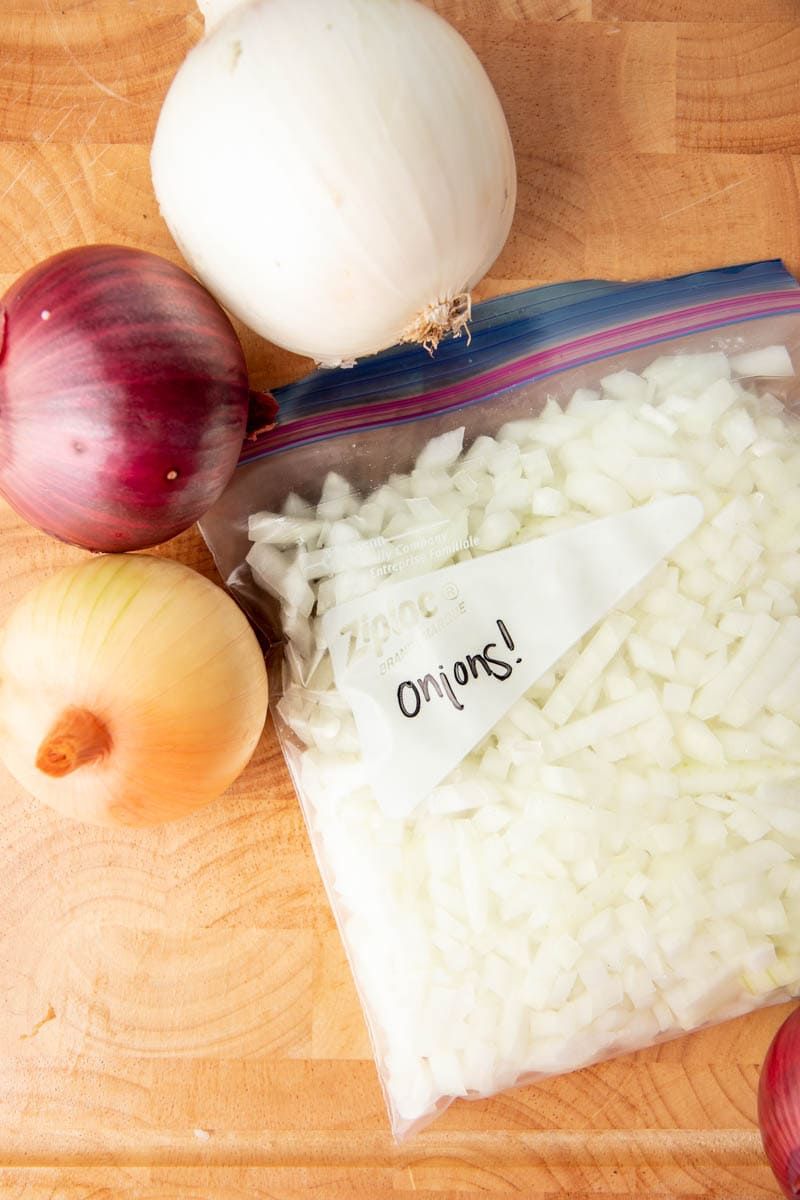
Somewhere along the way, someone decided that freezing onions before chopping them would stop the tears. Sure, it cuts down on eye irritation, but now you have a rock-solid frozen onion that is nearly impossible to slice safely.
Your knife slips, the onion rolls, and you are basically wrestling a vegetable. By the time it thaws enough to chop properly, you have wasted 30 minutes and dirtied extra bowls for no real reason.
2. Using a Bundt Pan to Core Corn on the Cob
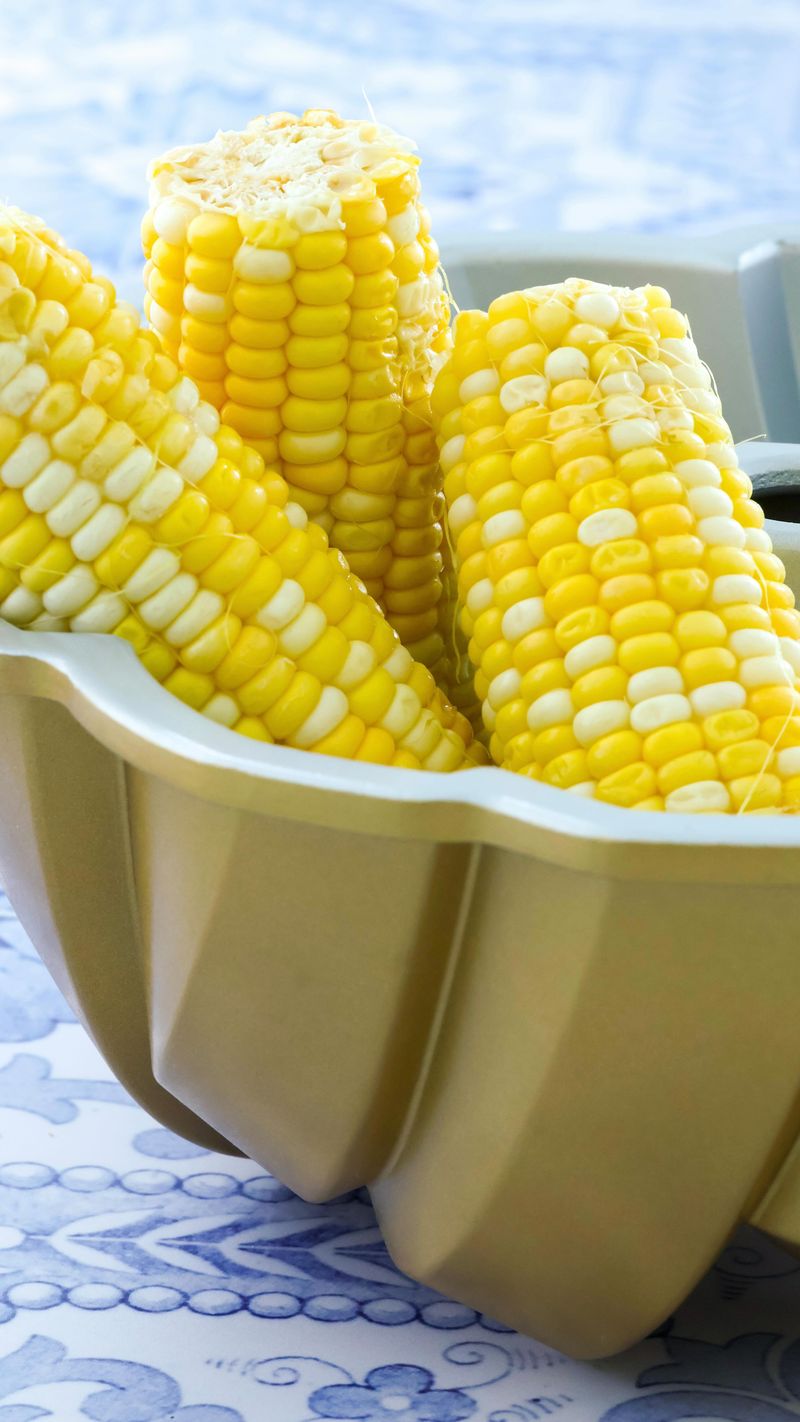
This hack looks satisfying in videos, but real life is a totally different story. Corn kernels fly in every direction, the cob wobbles awkwardly, and you still have to scrub out every groove of that Bundt pan afterward.
Regular Bundt pans have dozens of ridges where corn bits get stuck, turning a simple task into a 20-minute cleaning session. A sharp knife and a steady hand will always be faster and far less frustrating.
3. Peeling Garlic by Shaking It in Two Bowls
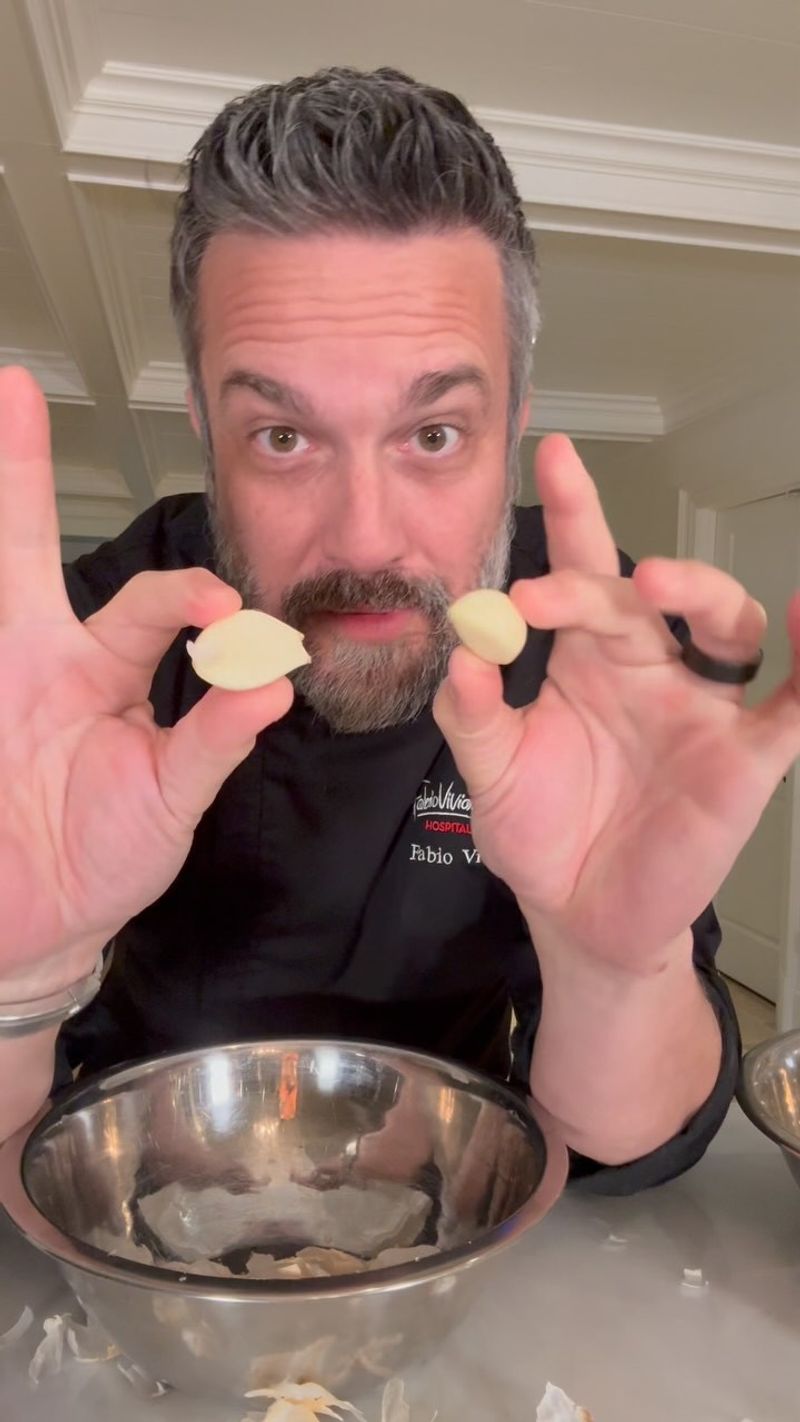
The two-bowl garlic shaking trick promises perfectly peeled cloves in seconds. In practice, you end up with half-peeled garlic, a lot of noise, and skins still stubbornly clinging on.
You then have to peel the remaining bits by hand anyway. Plus, now you have two large bowls to wash instead of zero.
A quick press with the flat side of a knife accomplishes the same result in about three seconds without the extra cleanup.
4. Storing Fresh Herbs in Ice Cube Trays with Oil
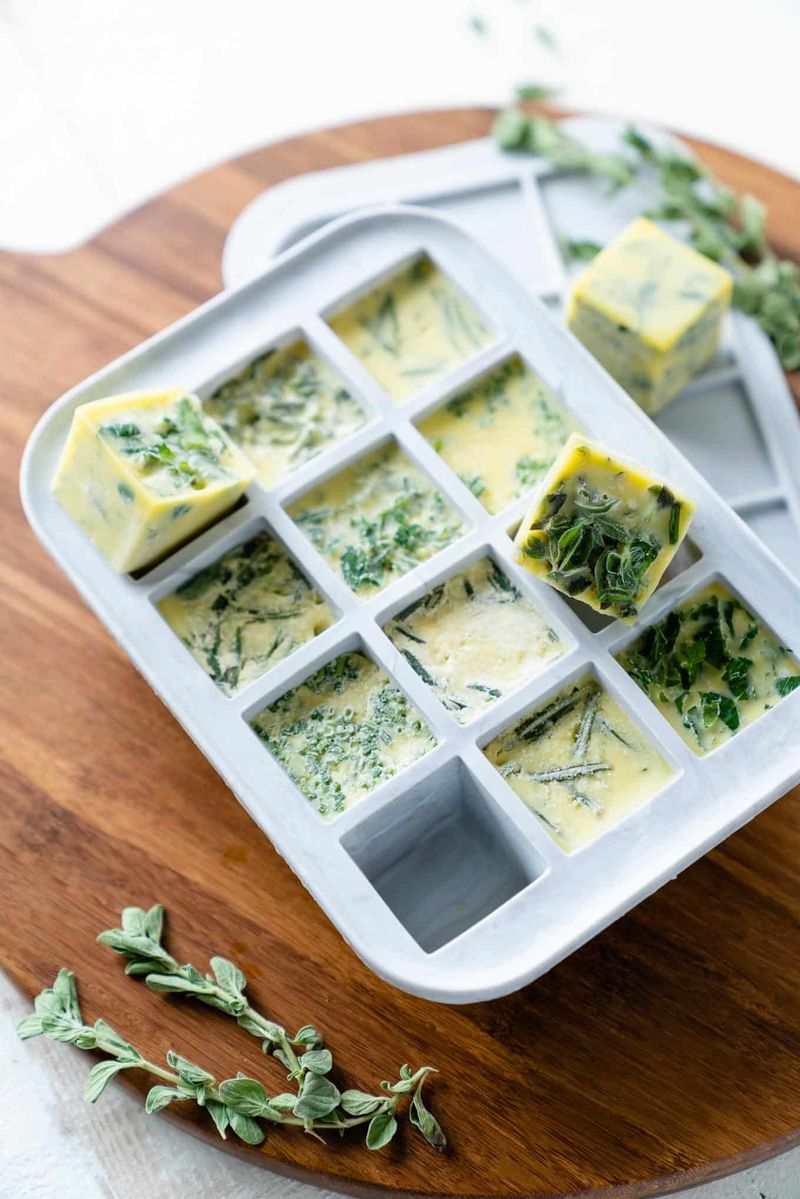
Freezing herbs in olive oil sounds like a clever meal-prep move, but the process is surprisingly fussy. You have to wash, dry, chop, and carefully portion the herbs before filling each cube with oil without spilling.
Then the tray needs a perfectly flat space in your freezer for hours. If you need just a pinch of basil, you are now defrosting an entire oily cube.
Fresh herbs from the store often cost less than the hassle suggests.
5. Cracking Eggs on a Flat Surface Instead of the Bowl Edge
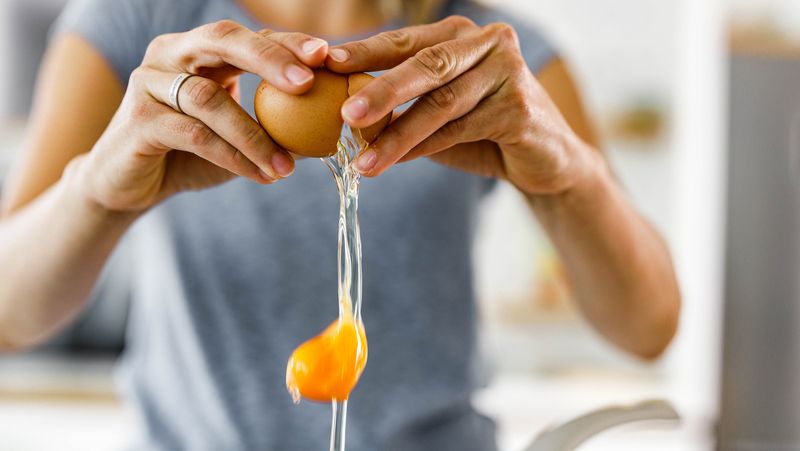
Food bloggers swear that cracking eggs on a flat surface prevents shell fragments from falling in. The idea is that a flatter crack means fewer shards.
But flat surfaces often create messy, uneven breaks that send egg white sliding across the counter before it reaches the bowl. Now you are wiping down the counter, washing the cutting board, and still fishing out a shell piece anyway.
The bowl-edge method, done carefully, is genuinely quicker.
6. Using a Muffin Tin to Serve Condiments at Parties
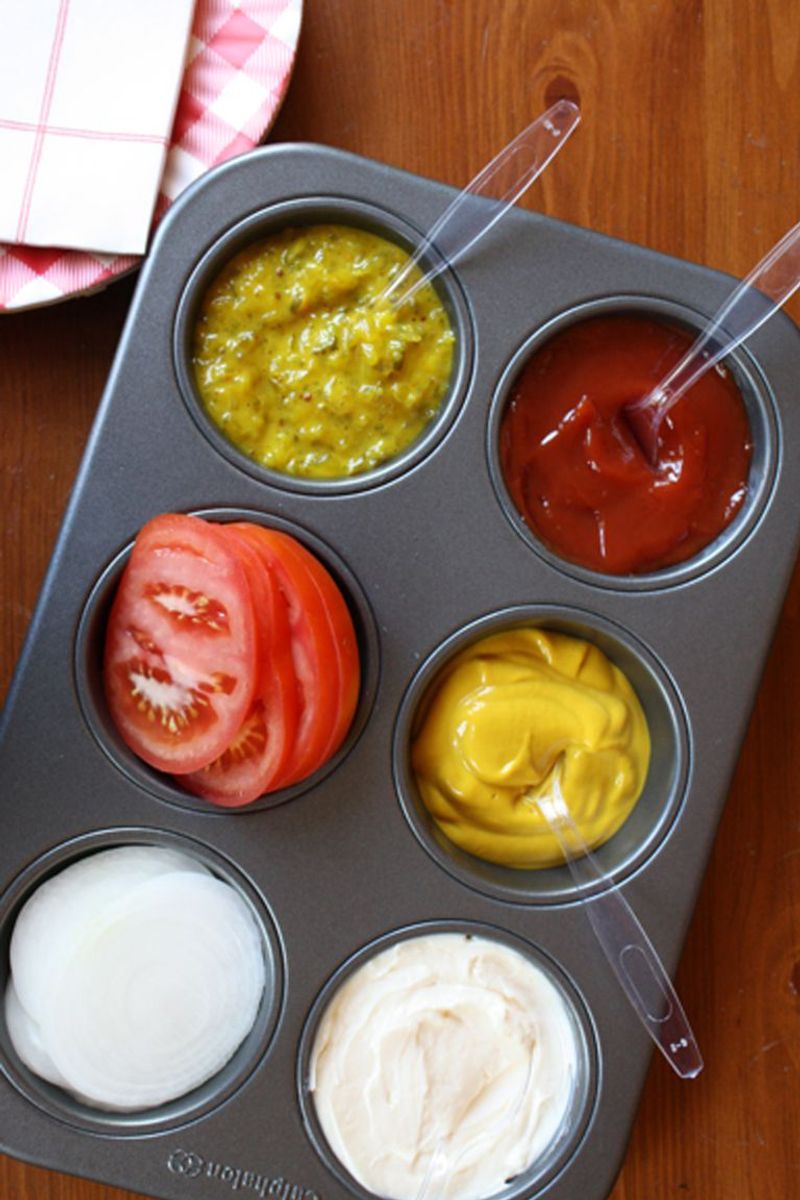
Party hosts love this idea on Pinterest, but muffin tins are awkward serving vessels in real life. The cups are too deep for dipping, condiments pool at the bottom, and guests end up making a mess trying to scoop them out.
Worse, cleaning a muffin tin with dried ketchup in every cup is nobody’s idea of a good time after a party. Small ramekins or even paper cups work far better and clean up in seconds.
7. Ripening Bananas in the Oven for Baking
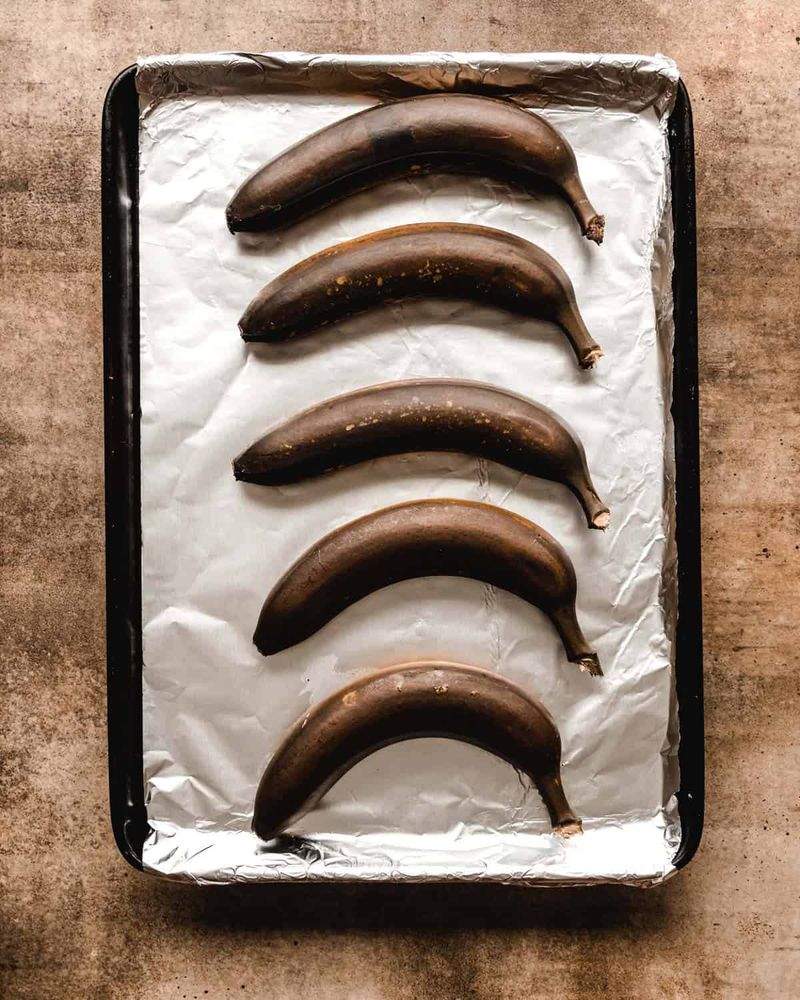
When a recipe calls for ripe bananas and yours are still firm and yellow, the oven hack seems like a lifesaver. You pop them in at 300 degrees until the skins turn black.
But oven-ripened bananas are mushier and more watery than naturally ripened ones, which affects the texture of your baked goods. You also have to wait for them to cool completely before using them, adding another 30 minutes to your already long baking project.
8. Reheating Pizza in a Skillet with a Lid
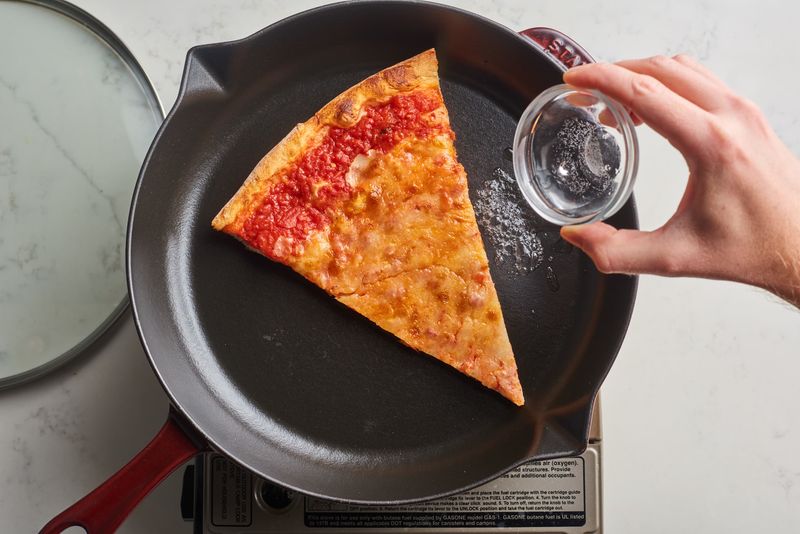
Skillet-reheated pizza does produce a crispier crust than the microwave, but the process requires constant attention. You have to monitor the heat, add a few drops of water, place the lid just right, and watch closely so the cheese melts without burning the bottom.
That is a lot of steps for a leftover slice. By the time you have cleaned the greasy skillet and lid, you could have eaten a fresh pizza from down the street.
9. Separating Egg Yolks Using a Plastic Water Bottle
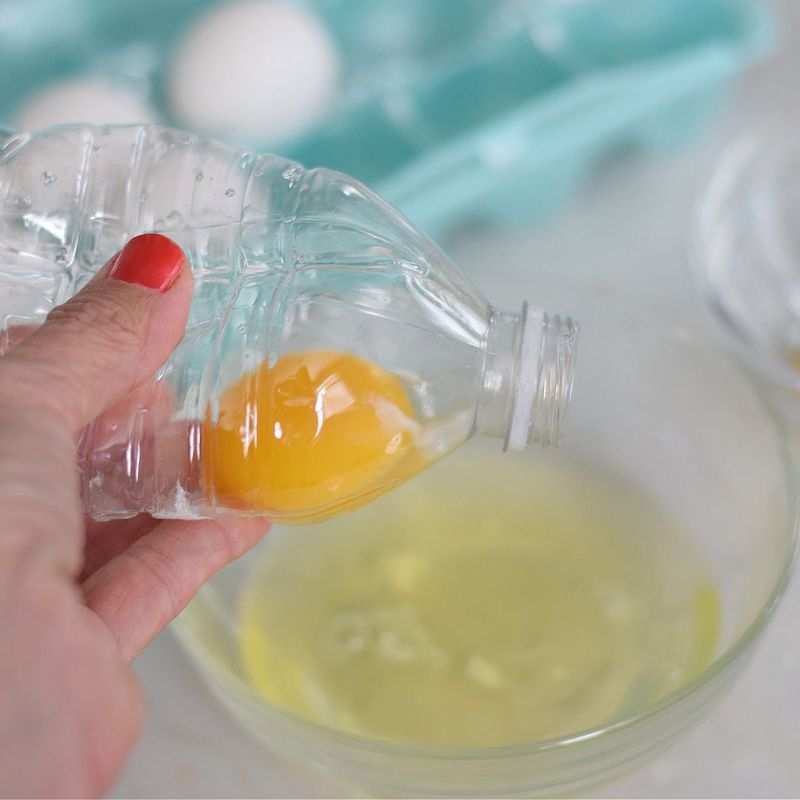
Videos of this trick look almost magical. You crack an egg, hover a squeezed bottle over the yolk, release, and supposedly the yolk gets sucked right in.
What actually happens is the bottle grabs the yolk and then drops it back into the whites, or worse, pops the yolk entirely. Then you have a broken yolk, a slippery bottle to wash, and the same mess you started with.
Clean hands remain the fastest, most reliable yolk separator.
10. Peeling Ginger with a Spoon
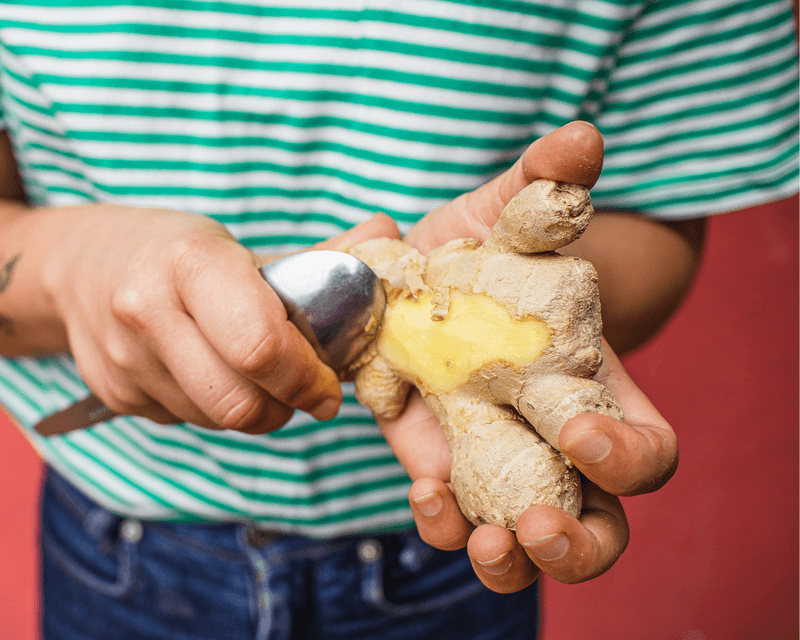
Yes, a spoon does technically peel ginger, and yes, it follows the bumpy contours better than a peeler. But the process is slow, awkward, and leaves wet ginger bits all over your hand and counter.
For a small amount of ginger, a spoon might be fine. For anything more than a thumbnail-sized piece, you spend more time maneuvering than actually cooking.
A sharp paring knife handles the job in a fraction of the time with far more control.
11. Making Bacon in the Microwave on Paper Towels
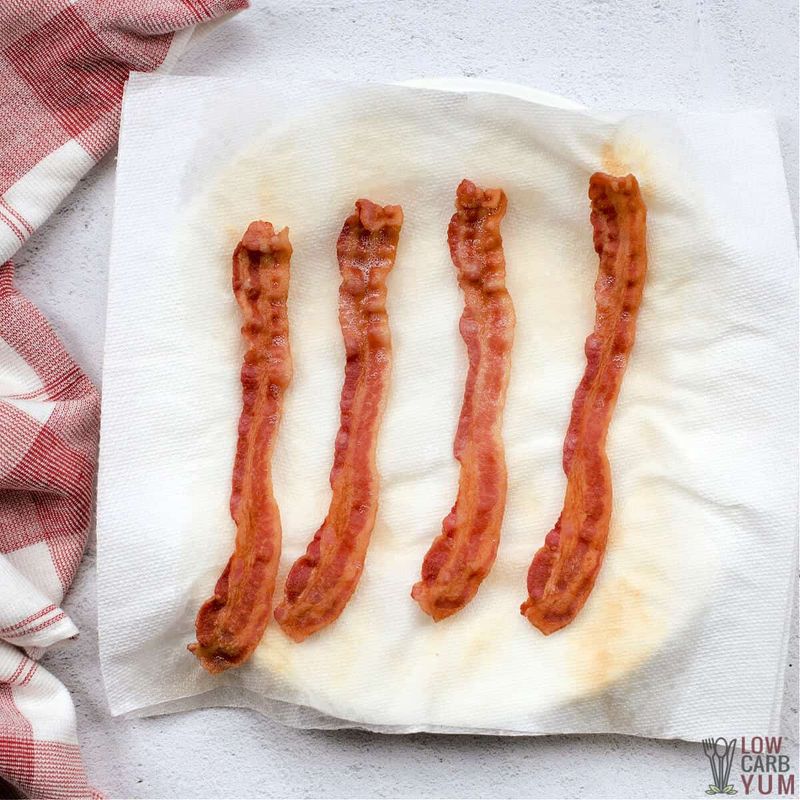
Microwave bacon sounds like the ultimate lazy shortcut. No splattering grease, no hot pan, just crispy strips in minutes.
But you burn through a shocking number of paper towels soaking up the grease, and the bacon comes out unevenly cooked, chewy in some spots and brittle in others. The microwave still gets greasy inside and needs wiping down.
A cast iron skillet on the stove produces better bacon with less waste and arguably takes the same amount of time.
12. Softening Butter Quickly by Grating It
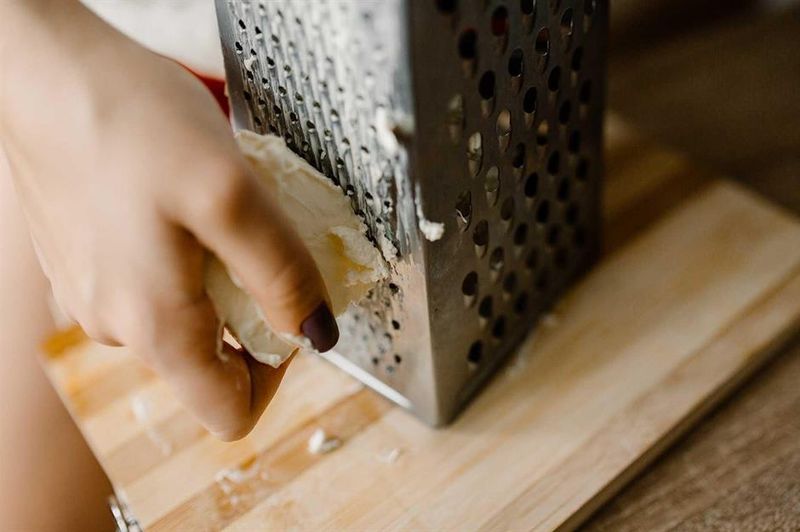
Grating cold butter is a real technique used in pie crust and biscuit recipes, but as a general softening hack, it misses the mark. The butter softens fast, sure, but now you have shredded butter sticking to every surface of a box grater that is notoriously difficult to clean.
Butter clings to each tiny hole and takes several minutes of hot water and scrubbing to remove. Cutting butter into small cubes and letting it sit at room temperature is far simpler.
13. Using Dental Floss to Cut Soft Foods Like Cake
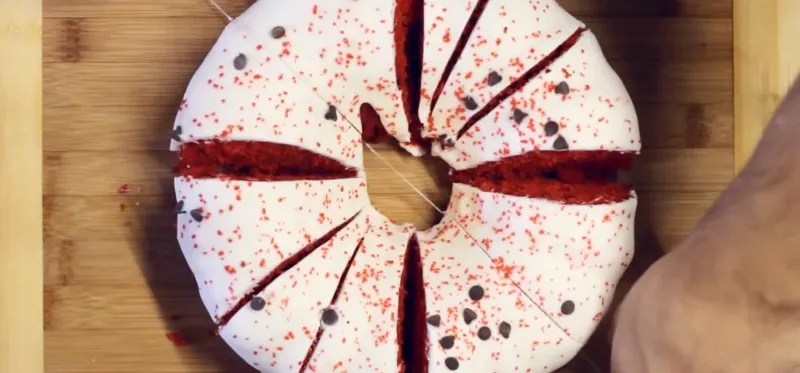
Cutting cake with dental floss is one of those hacks that sounds charming and clever until you try it. The floss bends, the cake squishes, and getting a clean horizontal slice requires more coordination than most people expect.
Unflavored floss works better than minty varieties, but you still end up with an uneven cut and sticky hands. A sharp serrated knife, wiped clean between cuts, delivers a neater result every single time without the acrobatics.
14. Cooking Pasta Without Boiling Water First
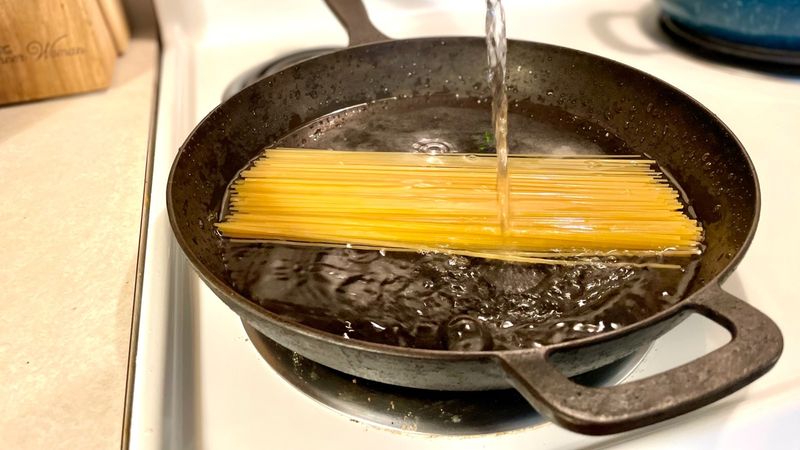
The cold-water pasta method claims you can start pasta in cold water, bring it to a boil, and finish cooking it all in one step to save time and energy. The reality is that pasta cooked this way turns out gummy and unevenly textured.
The starch release is completely different, and the sauce does not cling the same way. You spend extra time fixing the texture and wondering why dinner tastes off.
Traditional boiling water is traditional for a reason.
15. Storing Avocados with Onion to Keep Them Green
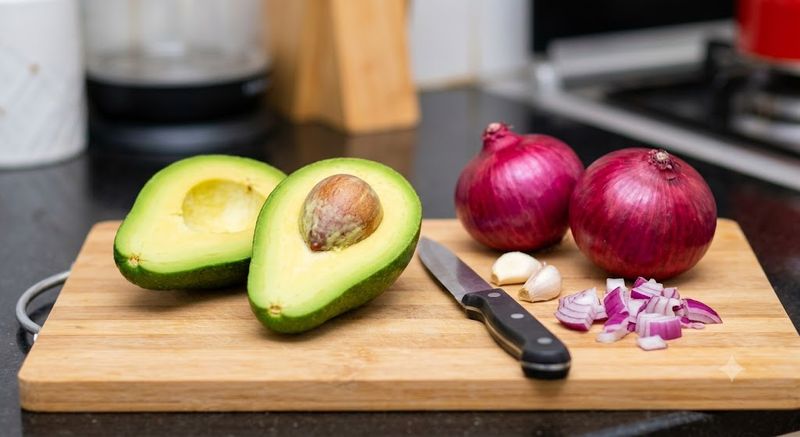
Keeping a cut avocado green is the white whale of kitchen hacks. The onion method suggests that sulfur compounds from the onion slow down browning.
Some people swear by it, but in testing, the results are inconsistent at best. Your avocado may still brown, and now it smells faintly of onion, which is not ideal for a smoothie or a sweet guacamole.
Pressing plastic wrap directly onto the avocado surface works better and does not involve extra produce.