
Kimchi is a spicy, tangy Korean fermented vegetable dish that has been around for thousands of years. Once you try it, it is hard to imagine eating without it.
From breakfast eggs to late-night noodles, kimchi has a sneaky way of making everything taste better. Whether you are a longtime fan or just getting curious, you will be surprised by how many foods pair perfectly with this bold, flavorful staple.
1. Adds a Complex Flavor Profile
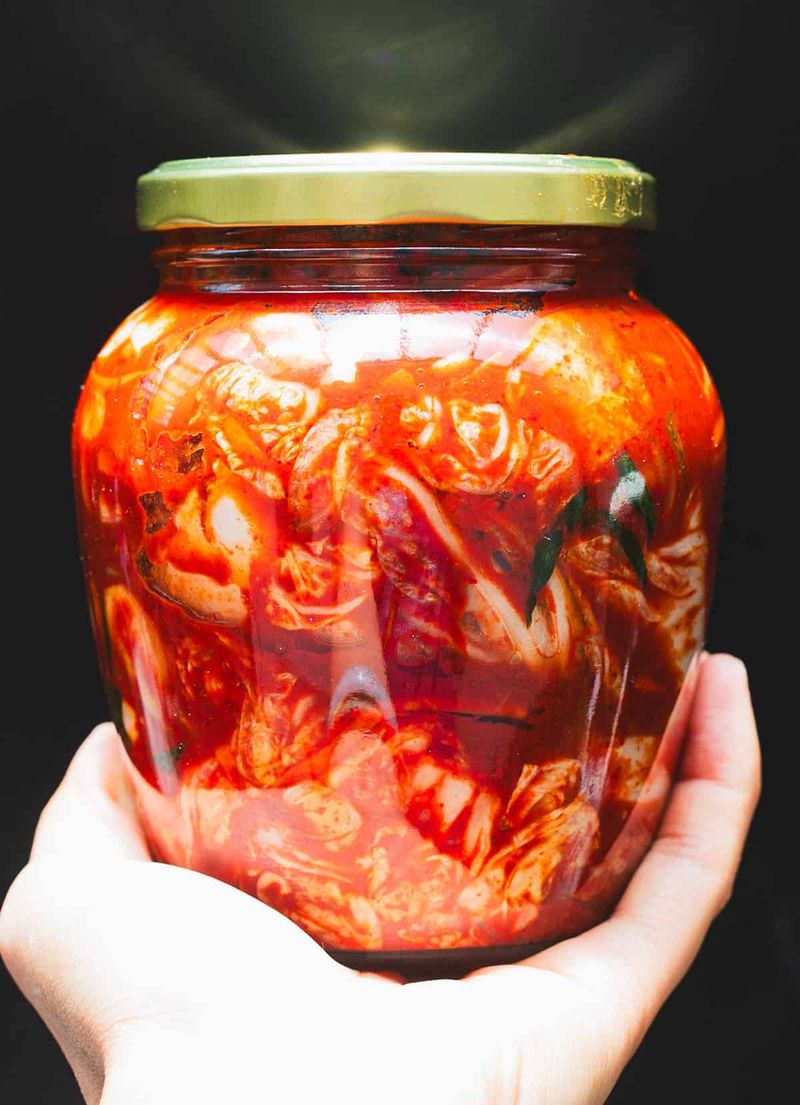
Kimchi is basically a flavor bomb in a jar. Every bite delivers a mix of spicy, tangy, garlicky, and savory notes all at once.
That complexity comes from fermentation, which slowly transforms simple cabbage into something truly layered.
Adding kimchi to a plain dish instantly gives it more personality. You do not need extra seasoning or sauces when kimchi is already doing all that heavy lifting for you.
2. Introduces Umami Depth
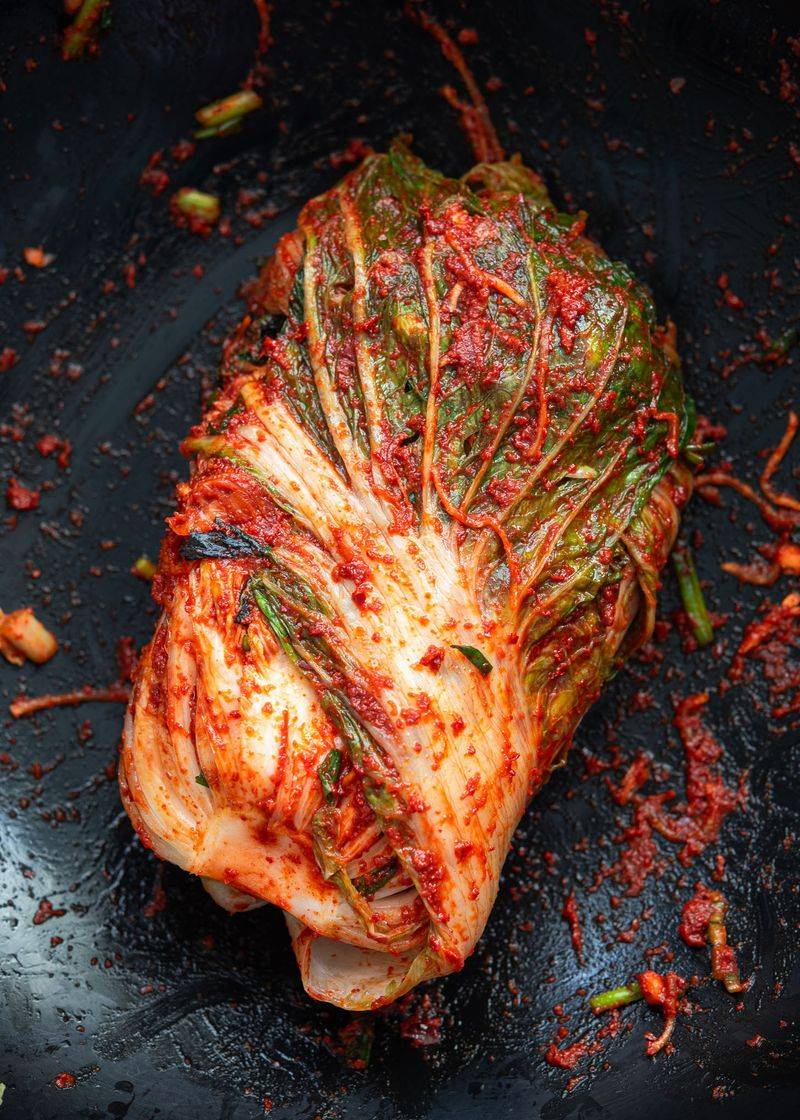
Umami is that deep, savory taste that makes food feel rich and satisfying. Kimchi is packed with it, thanks to the fermentation process that breaks down proteins and builds flavor over time.
When you stir kimchi into soups, stews, or even pasta, that umami depth spreads through the whole dish. Suddenly, a simple broth tastes like it has been simmering for hours.
It is a shortcut that actually works.
3. Provides Acidity and Tanginess
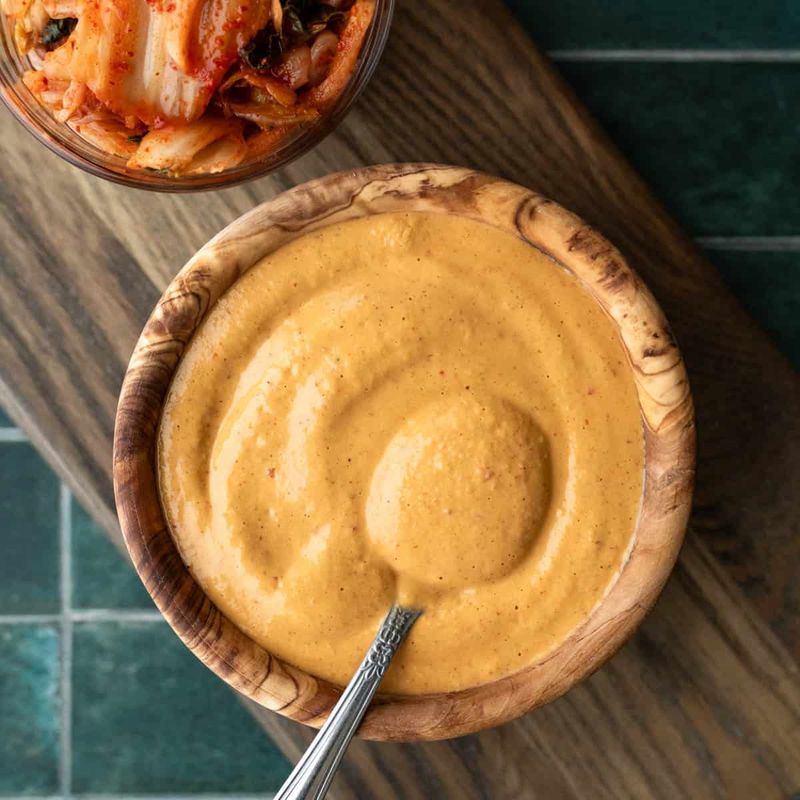
Ever notice how a squeeze of lemon can completely change a dish? Kimchi works the same way.
Its natural acidity cuts through heavy, rich ingredients and makes everything taste a little brighter and fresher.
Aged kimchi tends to be more sour, which makes it especially useful in cooking. Try adding a spoonful to a creamy pasta or a cheesy casserole and notice how it balances the richness without overpowering the dish.
4. Offers a Satisfying Crunch
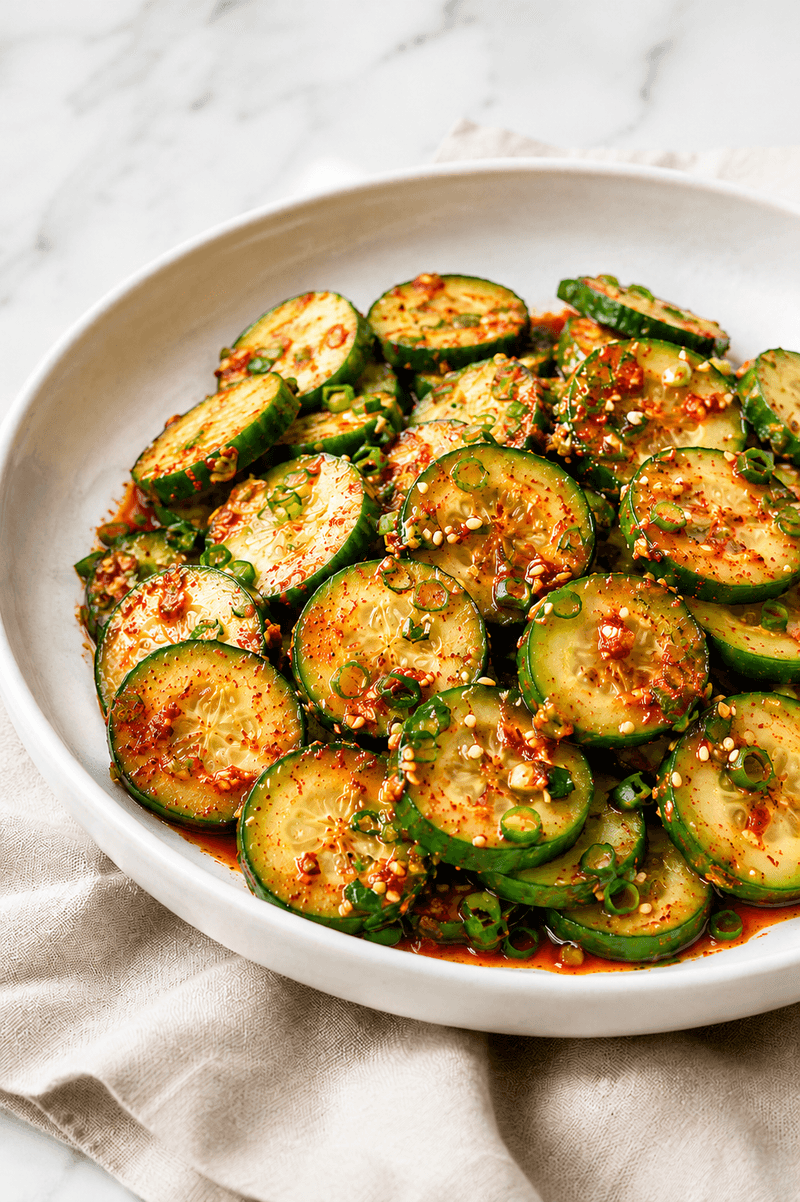
Texture matters just as much as flavor, and kimchi brings both. Fresh or lightly fermented kimchi has a crisp, juicy crunch that adds contrast to soft foods like rice, scrambled eggs, or mashed potatoes.
That satisfying bite makes meals feel more interesting. Without it, some dishes can feel one-dimensional.
Kimchi steps in like a crunchy sidekick, keeping every forkful exciting from start to finish.
5. Delivers a Spicy Kick
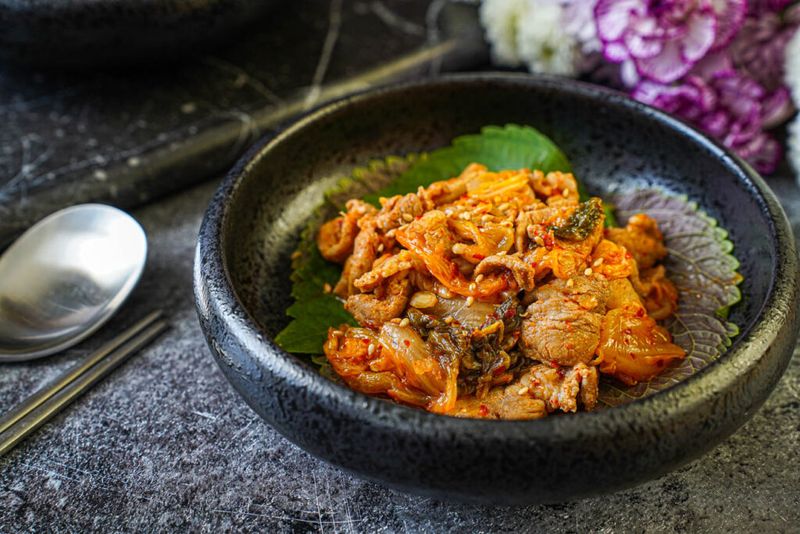
Not everyone wants their food to set their mouth on fire, and that is totally fine. Kimchi comes in a range of heat levels, from mild and slightly warm to full-on pungent and eye-watering spicy.
Even a milder kimchi adds a gentle warmth that livens up bland dishes. It is the kind of spice that sneaks up on you in the best way, making each bite more interesting than the last.
6. Enhances Cooked Dishes
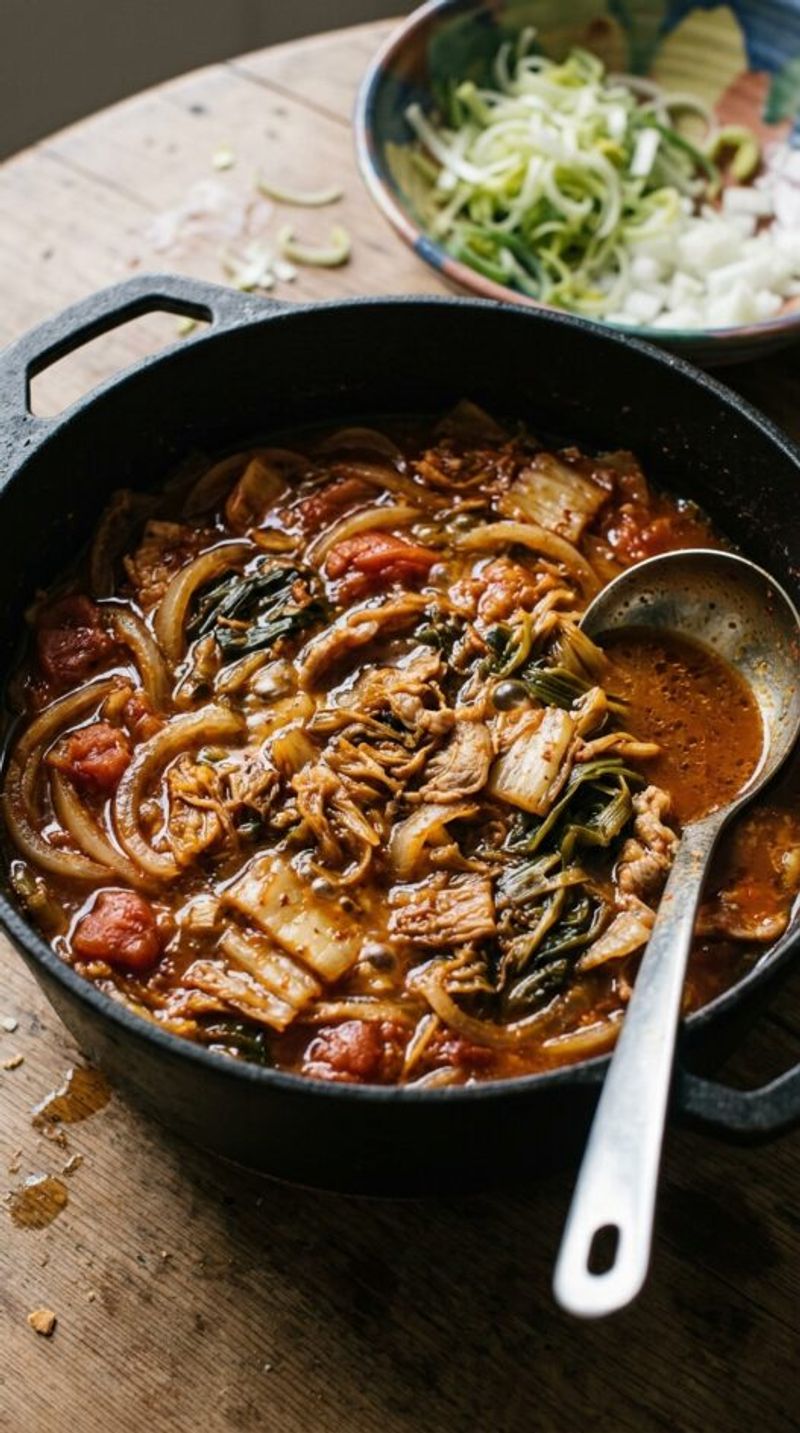
Raw kimchi is great, but cooking it unlocks something totally different. Heat mellows the sharpness and deepens the umami, turning kimchi into a rich, caramelized ingredient that blends beautifully into stir-fries and stews.
Older, more sour kimchi works especially well for cooking because it holds up to heat and releases its flavor into the dish. The result is a deeply savory base that makes your meal taste like it came from a restaurant kitchen.
7. Elevates Grains and Bowls
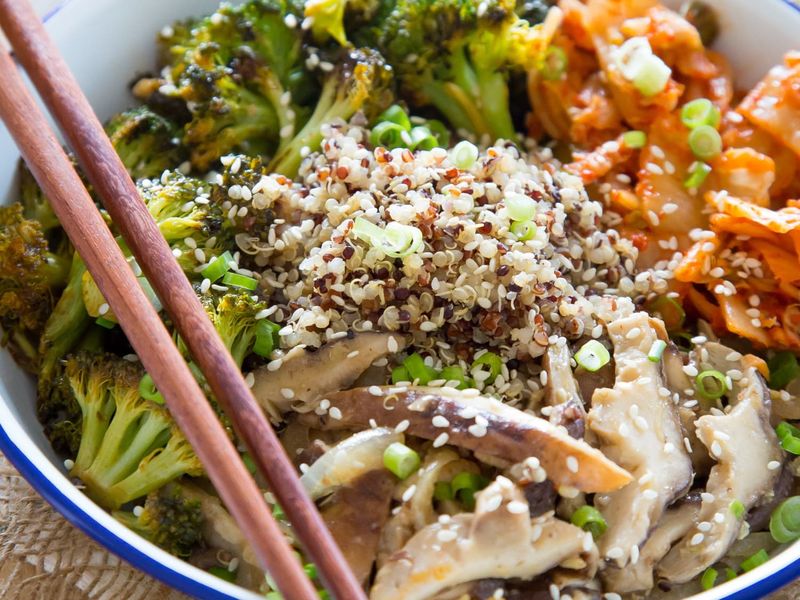
Grain bowls can sometimes feel a little boring, especially when they are just rice and roasted veggies. Tossing in some chopped kimchi changes everything.
It adds a punch of flavor and a pop of color that makes the bowl look and taste more exciting.
Kimchi also pairs well with quinoa, farro, and barley. A small amount goes a long way, making it one of the easiest upgrades you can make to a healthy weekday lunch.
8. Balances Rich Foods
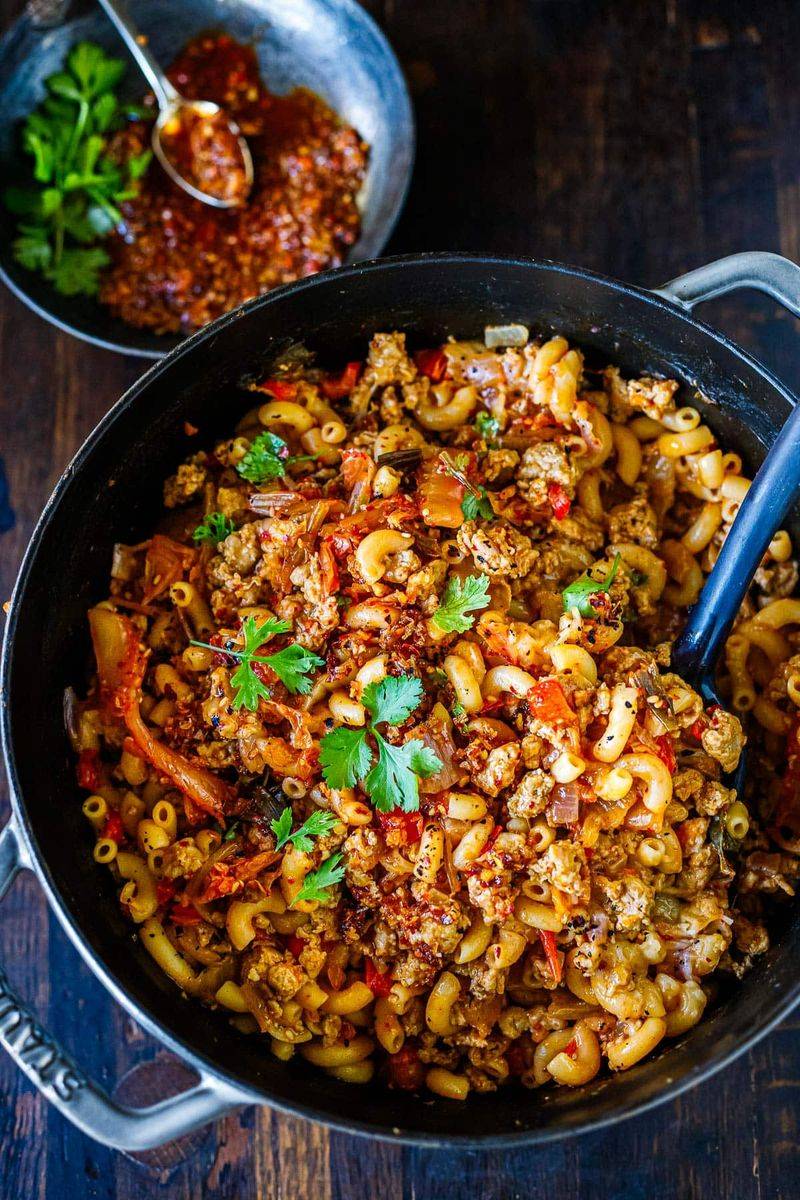
Mac and cheese, burgers, and creamy dips are delicious but can feel heavy after a few bites. Kimchi acts like a palate cleanser, cutting through the fat and richness with its sharp, tangy flavor.
Korean cooks have long known this trick. Pairing bold, fermented flavors with heavy foods creates balance on the plate.
You end up eating more comfortably and enjoying the whole meal more because nothing feels overwhelming or too greasy.
9. Transforms Sandwiches and Burgers

Forget plain lettuce and tomato. Kimchi on a burger is a game-changer.
The spicy, tangy crunch pairs perfectly with a juicy patty and melted cheese, creating a bite that is bold and completely unforgettable.
Sandwiches get the same treatment. A chicken sandwich with kimchi mayo, for example, adds lift and spice that regular condiments just cannot match.
Once you try it, going back to a plain sandwich feels like a major step backward.
10. Brightens Stews and Soups
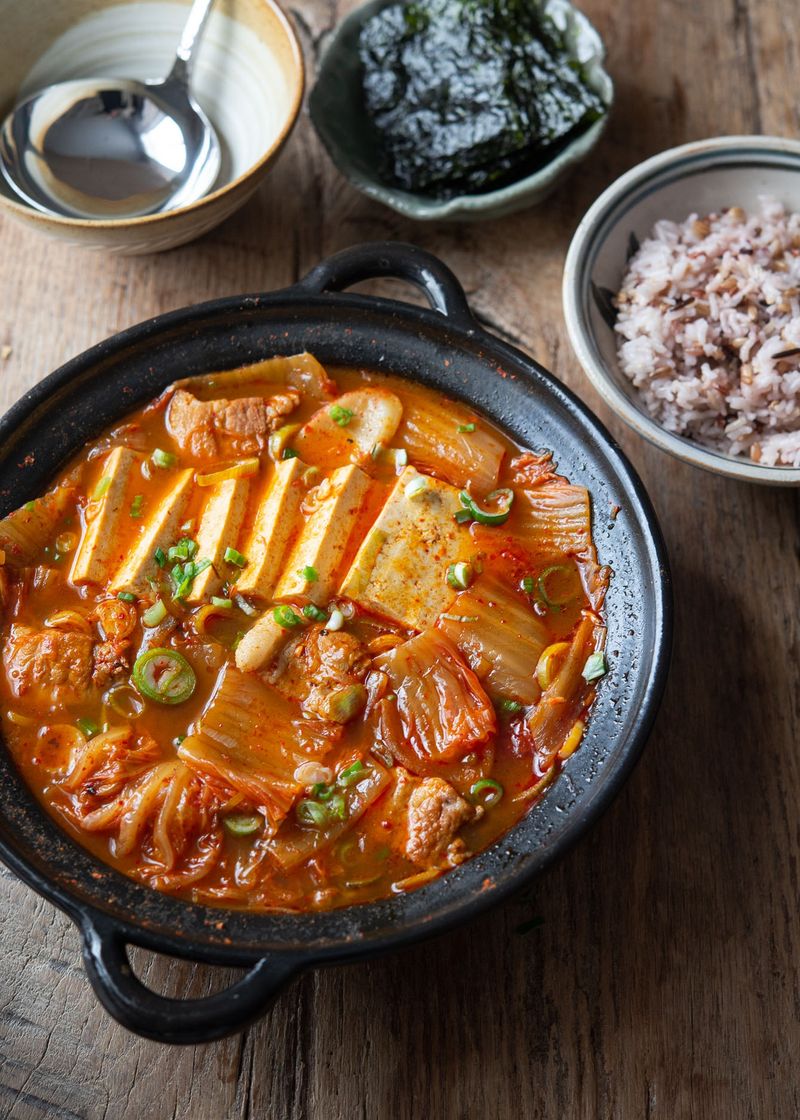
Aged, sour kimchi is liquid gold when it comes to soups and stews. Kimchi jjigae, the beloved Korean kimchi stew, gets its deep, complex flavor almost entirely from well-fermented kimchi simmered low and slow.
Even adding a few spoonfuls of kimchi to regular ramen or vegetable broth transforms it into something far more flavorful. The sourness and heat meld into the liquid, creating a rich, warming base that feels deeply satisfying on a cold day.
11. Adds Zest to Eggs

Eggs are one of the most versatile foods around, and kimchi is one of their best friends. Fold chopped kimchi into scrambled eggs and you get a breakfast that is spicy, savory, and way more interesting than the usual plate.
Deviled eggs get an upgrade too. Mixing a little kimchi into the filling adds a tangy kick that surprises guests in the best possible way.
It is a simple switch that turns a basic dish into something people actually talk about.
12. Improves Fried Rice
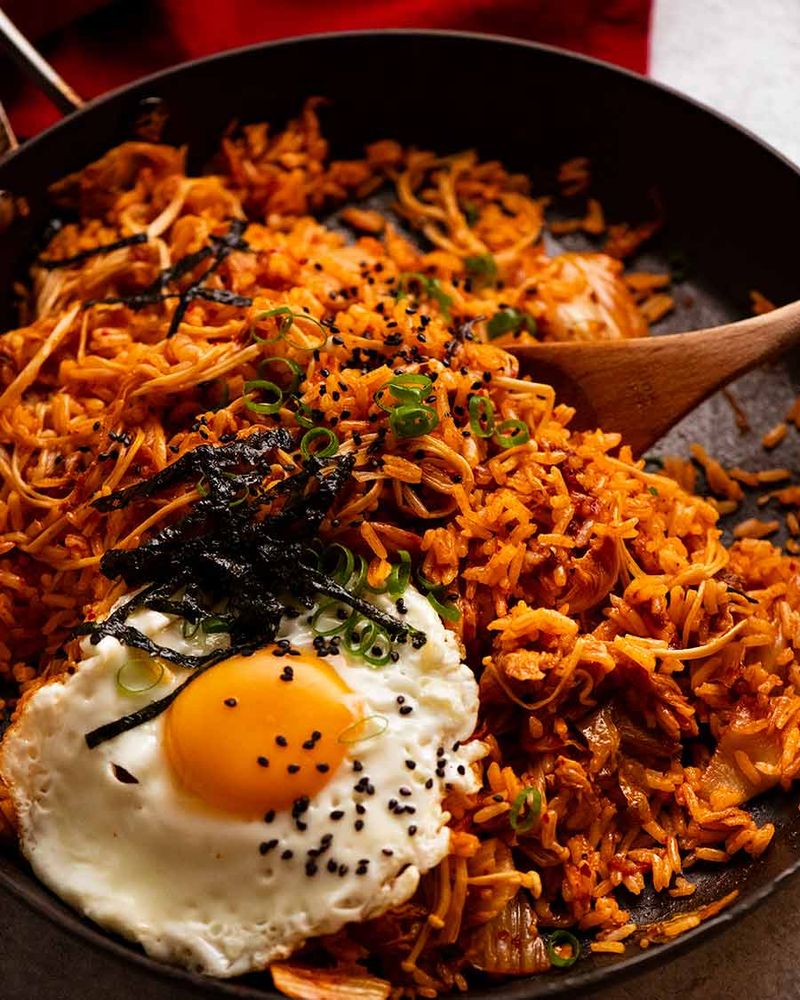
Kimchi fried rice might be the most famous example of kimchi making a dish better. Using fully fermented, ripe kimchi creates a deeply flavorful base that soaks into every grain of rice as it cooks.
The result is smoky, spicy, and tangy all at once. It is one of those dishes that tastes like it took a lot of effort, but really only needs a handful of ingredients and about ten minutes on the stove.
13. Enlivens Noodles
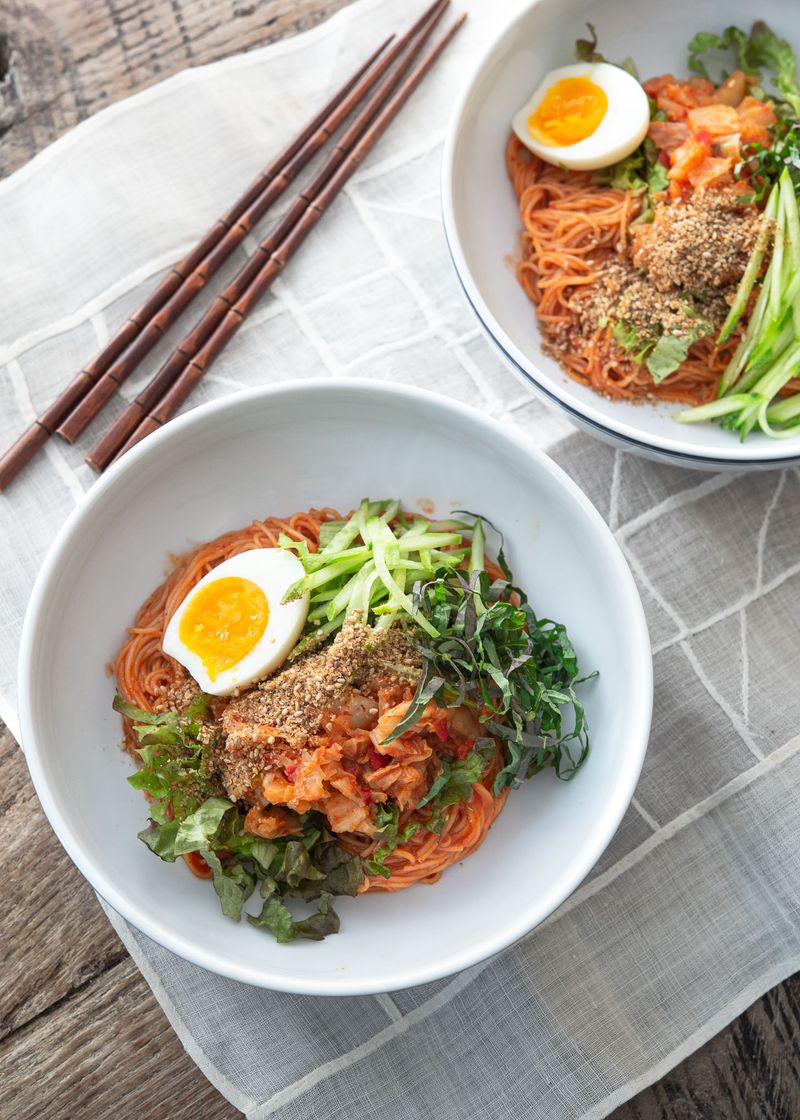
Noodles and kimchi are a match made in comfort food heaven. Hot ramen gets a serious upgrade when you drop in a spoonful of kimchi, adding heat and sourness that makes the broth taste richer and more complex.
Cold kimchi noodles, called bibim guksu, are popular in Korea during summer. The tangy, spicy kimchi sauce coats the noodles perfectly, creating a refreshing yet bold dish.
Either way, hot or cold, kimchi makes noodles infinitely more craveable.
14. Creates Flavorful Condiments
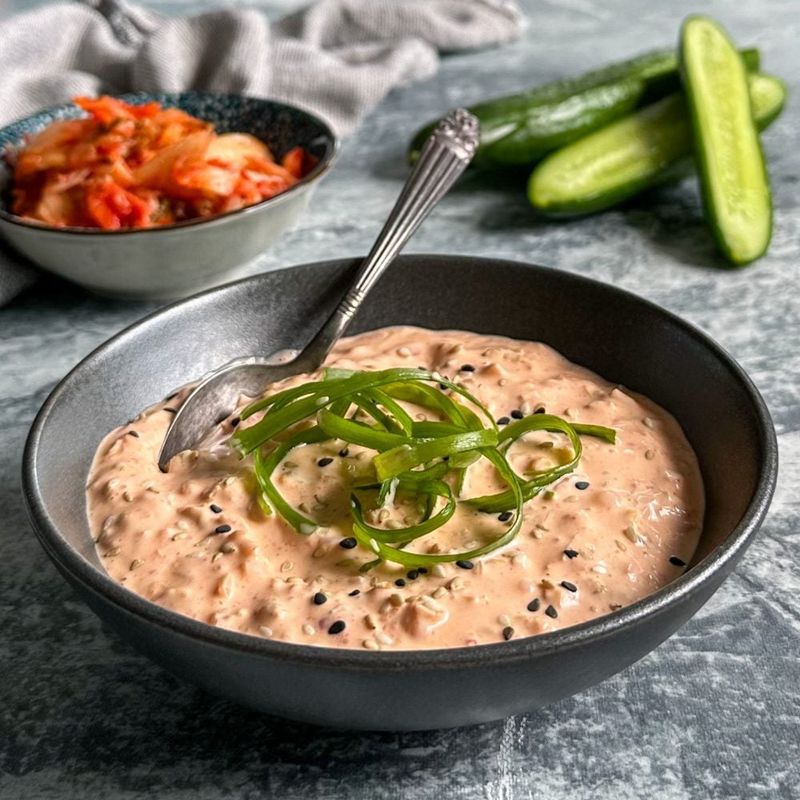
Kimchi does not have to stay on the side of the plate. Blending it into mayonnaise, aioli, or remoulade creates a condiment that is tangy, spicy, and packed with personality.
Kimchi mayo is especially popular as a dipping sauce or sandwich spread.
Making it takes about two minutes. Just chop some kimchi finely and stir it into your favorite mayo.
The result is a bold, versatile sauce that makes everything from fries to fish tacos taste noticeably better.
15. Complements Meat and Tofu
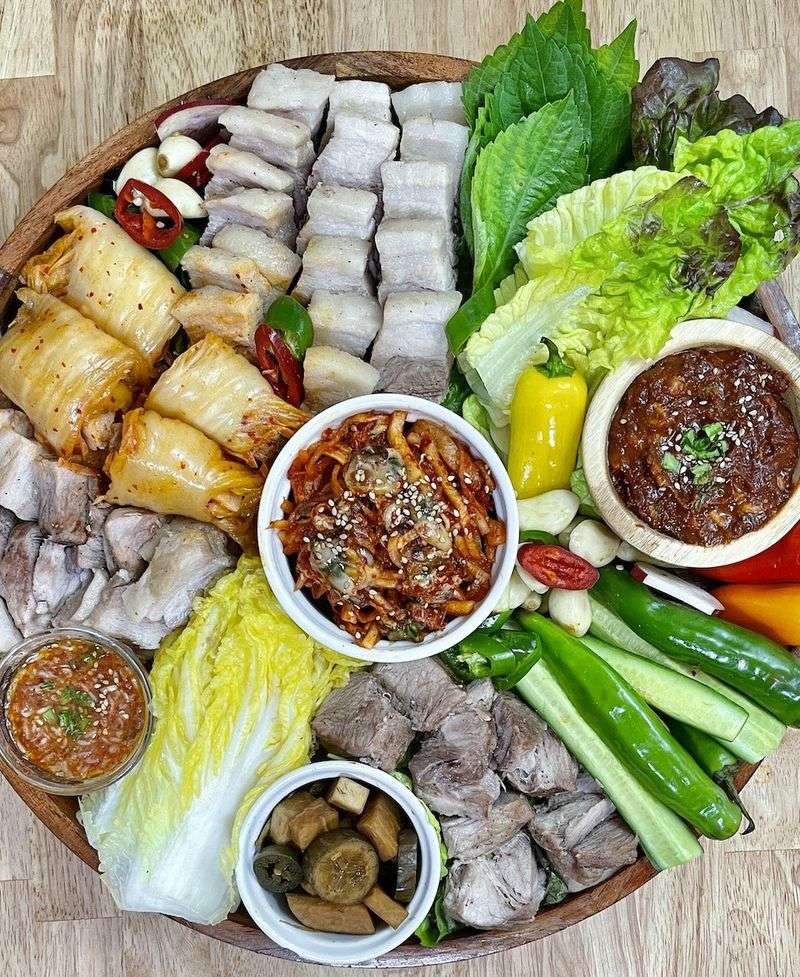
In Korean cuisine, kimchi and meat go together like peanut butter and jelly. Grilled pork belly wrapped in lettuce with kimchi and a dab of ssamjang sauce is a classic combination that balances fatty, smoky, and fermented flavors perfectly.
Tofu also pairs beautifully with kimchi. The mild, silky texture of tofu soaks up kimchi’s bold flavor like a sponge.
Together, they create a simple but deeply satisfying dish that works as a side or a main course.