
Looking back on love and relationships, many older women find themselves carrying quiet regrets they wish they had known sooner. Some stayed too long, gave too much, or silenced their own needs to keep the peace.
These honest reflections are not meant to stir up sadness, but to offer real wisdom for anyone who is still writing their story. Learning from the past, even someone else’s, can make all the difference.
1. Staying in Unfulfilling Relationships Too Long

Fear can be a powerful reason to stay somewhere you no longer belong. Many older women admit they held on to relationships long past the expiration date, not because of love, but because of fear of being alone, financial worry, or concern for their children.
Societal pressure also played a big role. Putting a partner’s happiness above your own, year after year, quietly drains the joy right out of you.
Choosing yourself is never selfish; it is survival.
2. Losing Themselves in a Partner’s World

Somewhere between love and loyalty, some women simply disappeared. Hobbies got dropped, friendships faded, and career dreams were quietly shelved so they could fully merge into a partner’s life and priorities.
Looking back, many wish they had held onto their own identity more tightly. A strong relationship should lift both people up, not erase one of them.
Keeping your sense of self is not a threat to love; it actually makes love stronger.
3. Not Speaking Up About Needs and Boundaries

Keeping the peace often comes at a steep price. Countless older women regret biting their tongue again and again, minimizing their feelings, and letting their real needs go unspoken just to avoid conflict or seem less demanding.
Over time, that silence built walls instead of bridges. Resentment crept in, and emotional distance followed.
Clear, honest communication might feel uncomfortable in the moment, but it saves relationships, and your own mental health, in the long run.
4. Ignoring Early Red Flags

Red flags rarely show up waving loudly. They start small, a dismissive comment here, a little put-down there, and it is easy to brush them aside when you are in love and full of hope.
Older women often look back and clearly see the warning signs they chose to overlook early on. Each tolerated moment of disrespect quietly chipped away at their confidence and closeness.
Trusting what you notice early on is one of the most protective things you can do.
5. Believing Love Alone Would Fix Everything
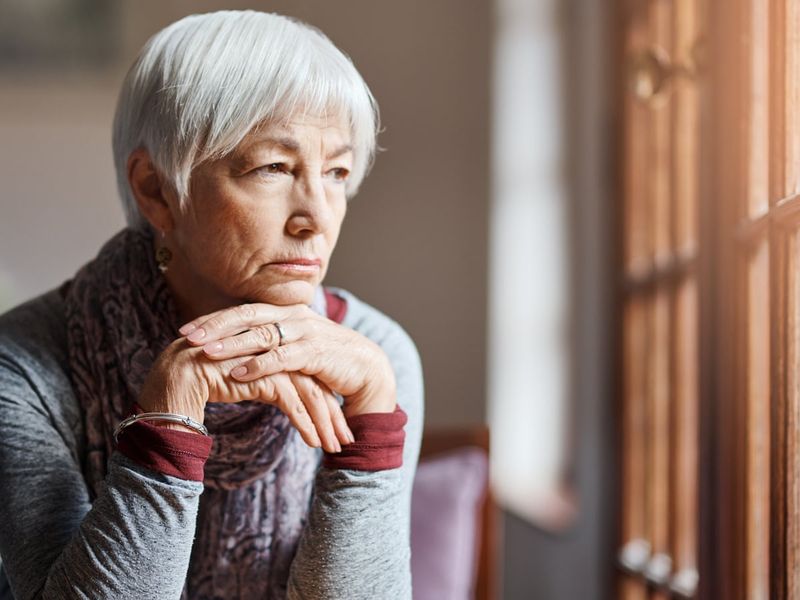
Love is powerful, but it is not a repair kit for incompatibility. Many older women held onto the belief that deep feelings would somehow fix mismatched values, poor communication habits, or repeated bad behavior from a partner.
The hard truth is that love without respect, effort, and shared goals tends to wear thin over time. Practical realities, like how you handle money or disagreements, matter just as much as the emotional connection.
Feelings alone cannot carry a relationship forever.
6. Overlooking Financial Compatibility

Money talk feels awkward early in a relationship, so many couples avoid it entirely. But older women often say that skipping those honest financial conversations early on created serious cracks in trust and security down the road.
Differing spending habits, debt, or completely opposite money values can quietly erode a partnership. Knowing how your partner thinks about finances is not unromantic; it is practical wisdom.
Getting on the same page financially, early and openly, protects both the relationship and your peace of mind.
7. Marrying for the Wrong Reasons
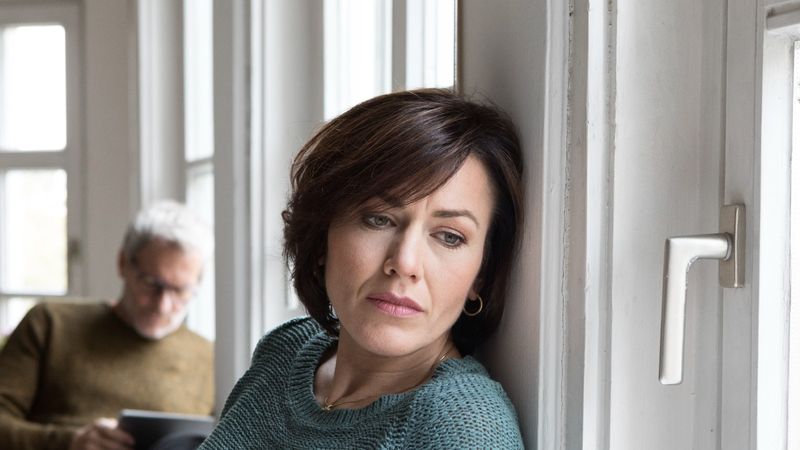
Social pressure, a ticking clock, or simply going along with what everyone expected, these are not great foundations for a lifelong commitment. Some older women admit they walked down the aisle out of obligation or fear rather than genuine, thoughtful choice.
Marrying the right person for the right reasons takes courage and patience. Rushing into marriage to meet an imagined deadline or to satisfy others rarely leads to lasting happiness.
The best partnerships are chosen freely, not out of urgency or outside pressure.
8. Not Prioritizing Their Own Happiness Sooner

For years, many women placed their own happiness at the very bottom of the priority list. Family came first, then the partner, then work, and somewhere far down the line, their own dreams and well-being were left waiting.
That pattern of constant self-sacrifice builds resentment over time, even when it comes from a loving place. Older women often wish they had learned sooner that taking care of yourself is not selfishness; it is what makes you capable of genuinely caring for others.
9. Waiting for a Partner to Change

Hope is a beautiful thing until it becomes a holding pattern. Many older women spent years waiting for a partner to grow, mature, or finally show up differently, only to realize that the change they hoped for was never coming.
Time tends to reveal who someone really is more than it transforms them. Staying in a relationship banking on future change is a gamble that rarely pays off.
Seeing someone clearly for who they are right now is far more honest than waiting on who they might become.
10. Not Trusting Their Own Gut Feelings

Gut feelings have a way of knowing things before the mind catches up. Many older women recall moments when something felt off early in a relationship, but they talked themselves out of it, deciding they were being too sensitive or overthinking things.
Years later, those instincts were almost always proven right. Learning to trust yourself, even when it goes against what you want to believe, is one of the most powerful tools in any relationship.
Your inner voice deserves to be heard.
11. Pushing Good Partners Away
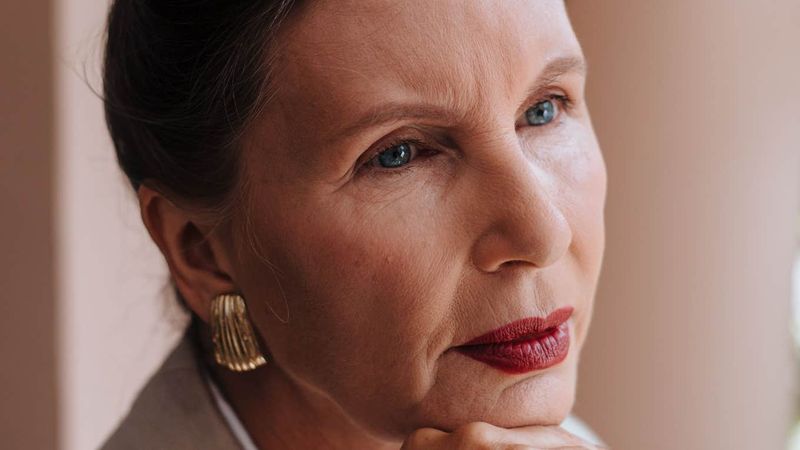
Not every regret is about staying too long. Some older women look back and realize they pushed away genuinely good partners, men who were steady, kind, and emotionally available, because of pride, fear of vulnerability, or a preference for independence at all costs.
Reliable, emotionally mature partners are rarer than they seem. Recognizing the value of someone who shows up consistently, without drama or games, is a lesson many women say they wish they had learned much earlier in life.
12. Giving Too Many Second Chances

Forgiving someone once can be an act of grace. Forgiving the same pattern of behavior over and over again is something else entirely.
Many older women regret repeatedly opening the door to partners who had not truly done the work to change.
Each undeserved second chance chipped away at their self-worth and prolonged the pain. Compassion is a strength, but so is knowing when to close a chapter for good.
Real change shows up in consistent actions, not just in heartfelt apologies.
13. Letting Personal Dreams Fade Away

Ambition does not disappear overnight. For many women, personal goals and creative passions slowly faded into the background as relationship demands and a partner’s lack of support took center stage.
Looking back, many wish they had protected their dreams with the same energy they gave to the relationship. A partner who truly supports you will celebrate your goals, not compete with them.
Keeping your own sense of purpose alive is one of the greatest gifts you can give yourself.
14. Accepting Emotional Distance as Normal

Emotional closeness does not disappear all at once. It tends to slip away slowly, one avoided conversation at a time, until two people are sharing a home but living entirely separate inner lives.
Many older women regret letting that distance become the norm rather than addressing it head-on. Emotional connection needs tending, just like any other part of a relationship.
Naming the gap and choosing to close it, even when it feels awkward, is always worth the effort.
15. Not Investing in Friendships Outside the Relationship
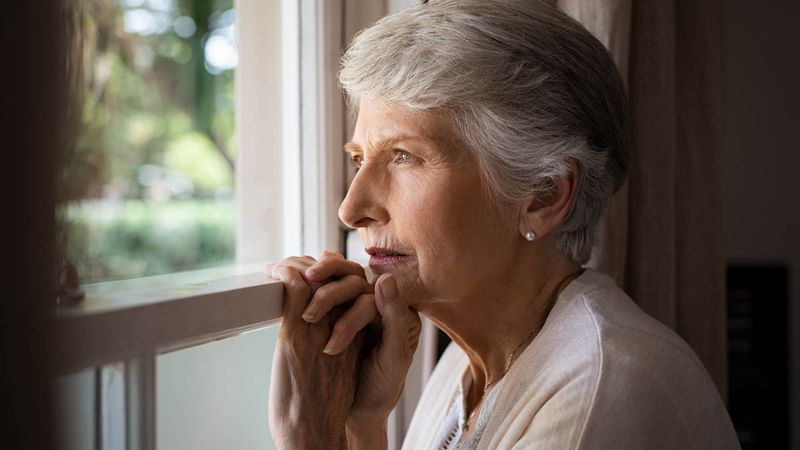
When a relationship becomes your entire social world, losing it, or even just going through a rough patch, leaves you completely isolated. Many older women regret allowing friendships to quietly wither away because their romantic relationship absorbed all of their time and energy.
Strong friendships outside of a partnership provide perspective, laughter, and a safety net that love alone cannot always offer. Keeping those connections alive is not disloyalty to a partner; it is a sign of a well-rounded, emotionally healthy life.