
Jack in the Box tacos are one of fast food’s most talked-about menu items, loved by millions and questioned by just as many. First introduced back in 1954, these crispy little tacos have built a serious cult following over the decades.
Whether you crave them after midnight or grab two for a steal of a deal, there is something undeniably addictive about every single bite. Get ready to learn everything that makes these crunchy, saucy tacos a fast food legend.
1. The Surprising History Behind the Taco
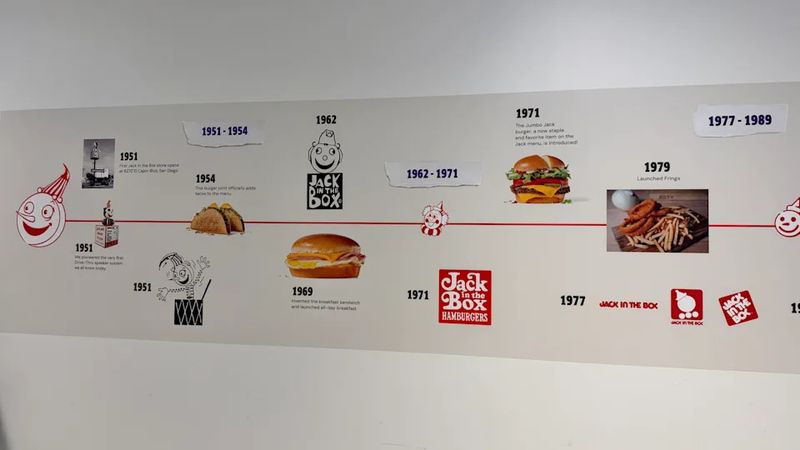
Back in 1954, just three years after Jack in the Box opened its first location in San Diego, the now-famous taco quietly appeared on the menu. Nobody predicted it would outlast almost everything else the chain ever served.
Today, the taco holds the title of best-selling item on the entire menu, beating out burgers and shakes alike. Selling around 554 million tacos every year means roughly 1,055 tacos fly out the window every single minute.
2. What Actually Goes Inside the Taco
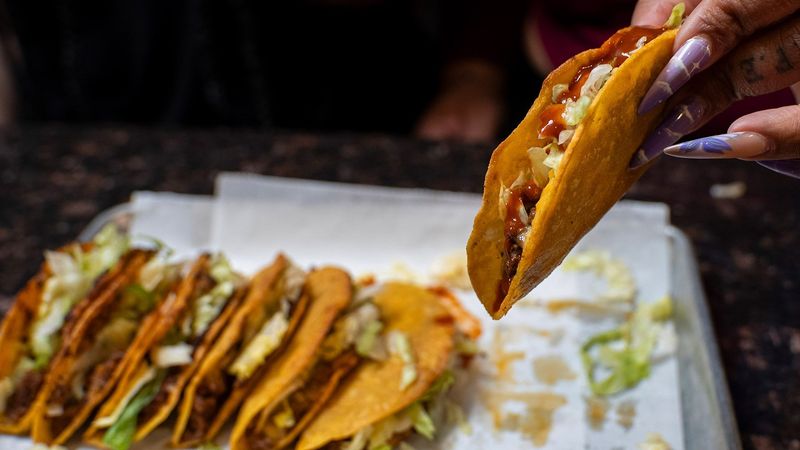
Peek inside one of these tacos and you will find a filling made from a blend of beef, water, ground dark chicken, textured vegetable protein from soybeans, and defatted soy grits. It is a combo that surprises most people who never thought to check the ingredient list.
A half slice of American cheese sits on top, followed by shredded lettuce and Jack in the Box’s signature taco sauce. Simple ingredients, but somehow the combination keeps fans coming back for more.
3. How the Tortilla Gets That Perfect Crunch
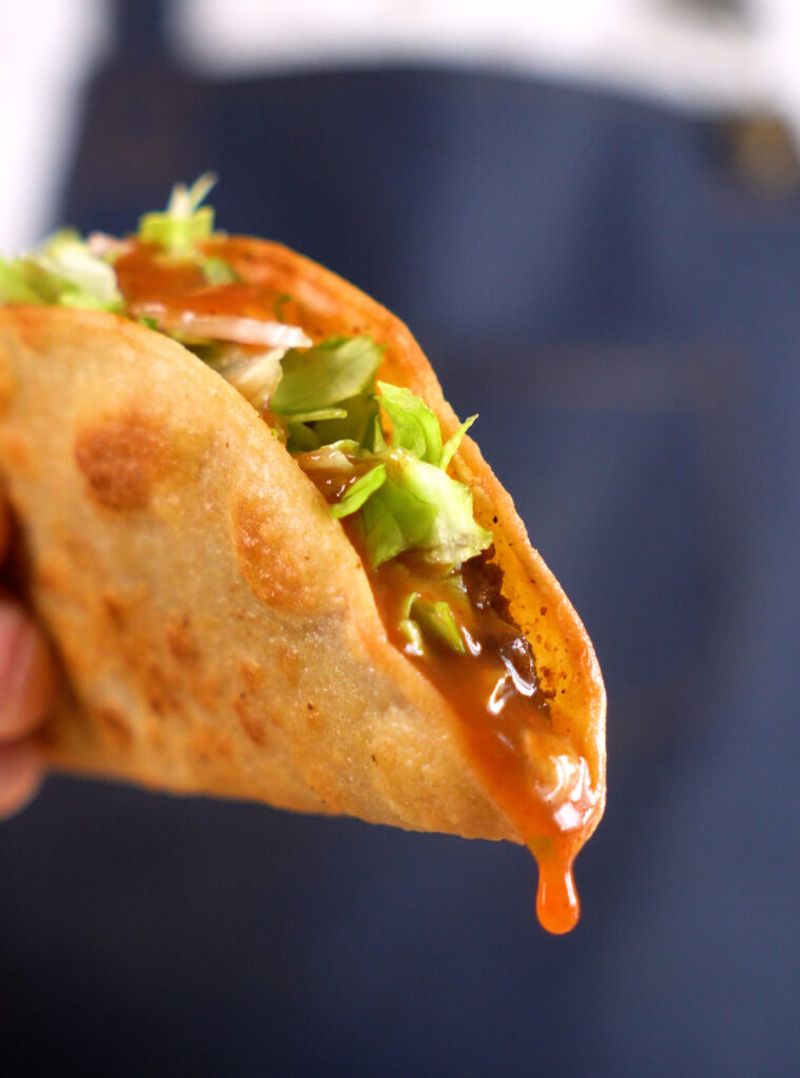
Made from ground corn, water, and hydrated lime, the tortilla starts its life pretty simple. The real magic happens when it hits the deep fryer filled with canola oil at the restaurant.
Frying transforms the soft corn shell into the signature crispy exterior that fans obsess over. It is worth mentioning that the tacos are produced frozen at plants in Texas and Kansas, then shipped to each location before getting that golden treatment fresh on-site.
4. The Famous Crispy-Yet-Soggy Texture Explained
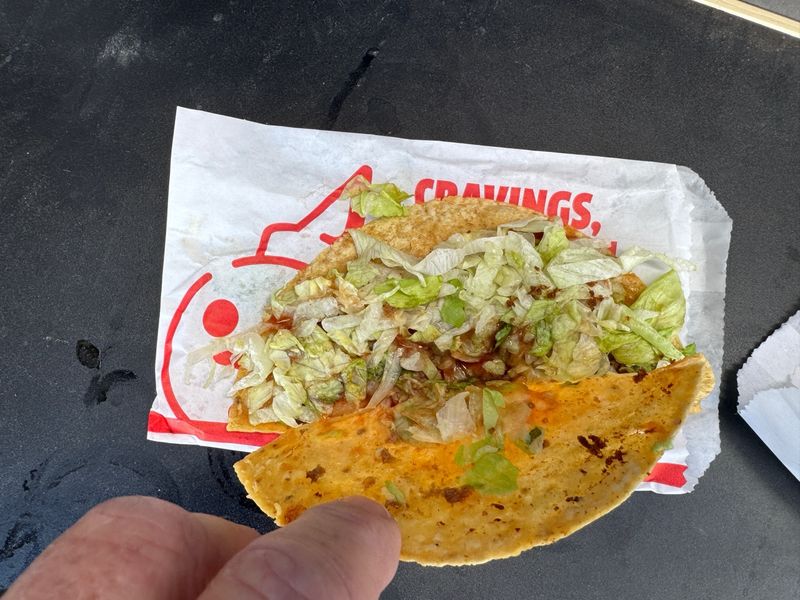
Fans and critics alike describe the texture as both crispy and soggy at the same time, which sounds like a contradiction but makes total sense once you take a bite. The hot, moist filling softens parts of the fried shell from the inside out.
That greasy, slightly soft crunch is exactly what loyal customers crave after a long night. Love it or hate it, the texture is completely unique and unlike any other fast food taco you will ever try.
5. The Polarizing Taste That Keeps Fans Hooked
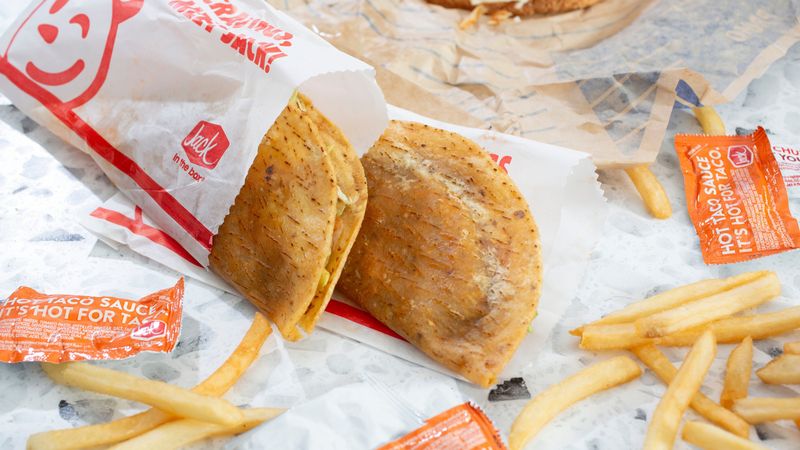
Food writers have called the filling everything from “mystery meat heaven” to “vile, amazing,” and somehow both descriptions feel accurate. The seasoned meat paste has a bold, salty flavor that is hard to pin down but even harder to forget.
The taco sauce included is mild, adding a gentle tang without overwhelming the filling. Polarizing flavors like this are rarely accidental – over 70 years of tweaking a recipe tends to lock in something that hits a very specific craving perfectly.
6. Why Late-Night Cravings and Cheap Prices Made It a Legend
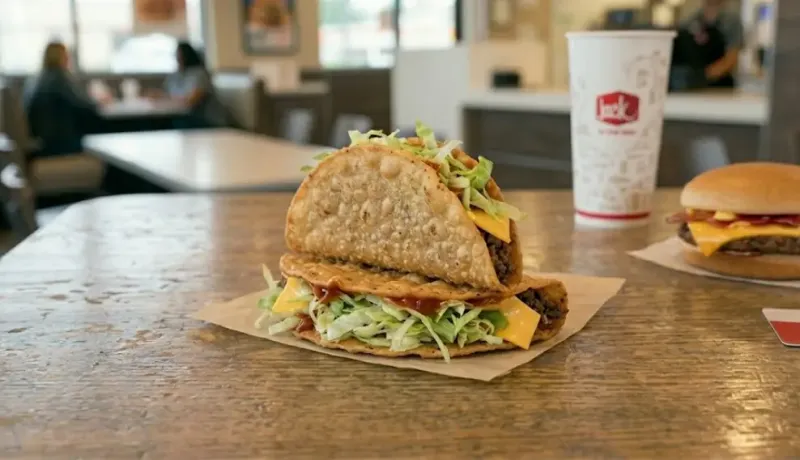
Part of the taco’s legendary status comes from when people eat them – late at night, windows down, craving something salty and satisfying. Jack in the Box locations stay open late, making them a go-to stop when almost nothing else is available.
Pricing plays a huge role too. Selling two tacos for an incredibly low price makes grabbing a quick snack a no-brainer.
That combination of affordability and late-night availability built a cult following that no marketing campaign could ever fully manufacture.
7. Are Jack in the Box Tacos Actually Mexican Food
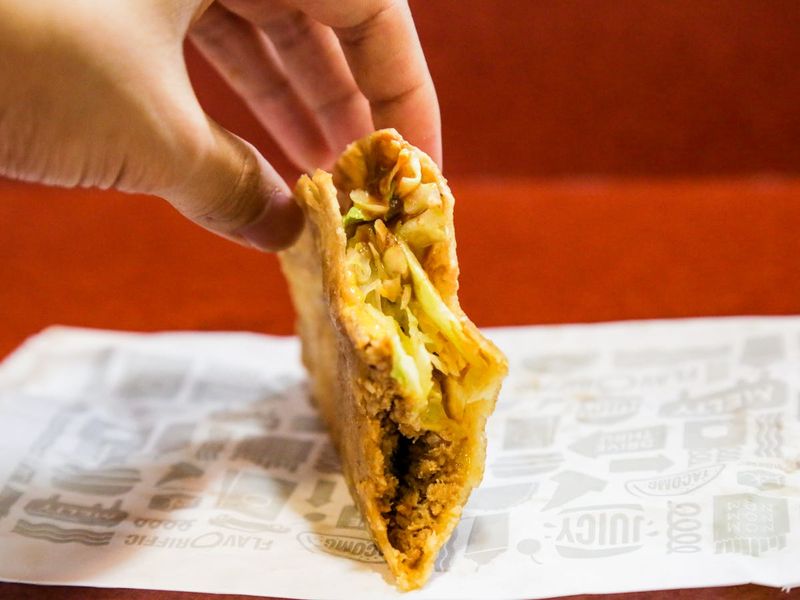
Calling a Jack in the Box taco authentic Mexican food would raise a few eyebrows at any taqueria. Soy protein, American cheese, and a deep-fried corn shell are not exactly traditional taco ingredients from Mexican cuisine.
Honestly, that is perfectly fine. Jack in the Box never claimed authenticity – these tacos are proudly their own category of fast food comfort.
Think of them less as a cultural food item and more as a uniquely American invention that earned its own devoted fanbase on its own terms.