
The 1960s were one of the most exciting and game-changing decades in modern history. From bold fashion choices to groundbreaking music and major social movements, so much happened in just ten short years.
Whether you lived through it or only heard stories, these trends shaped the world we know today. See how many of these iconic 1960s moments you actually remember.
1. The British Invasion
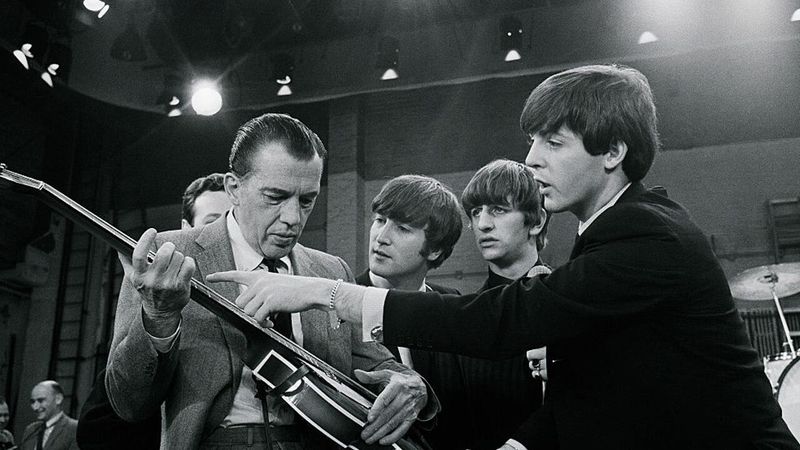
When The Beatles landed in America in February 1964, teenagers went absolutely wild. Their appearance on The Ed Sullivan Show drew over 73 million viewers, a record at the time.
Suddenly, British accents were cool and American kids wanted everything from across the Atlantic.
Bands like The Rolling Stones, The Kinks, and The Animals quickly followed. The British Invasion completely flipped American pop music upside down and set the stage for rock and roll history.
2. The Motown Sound
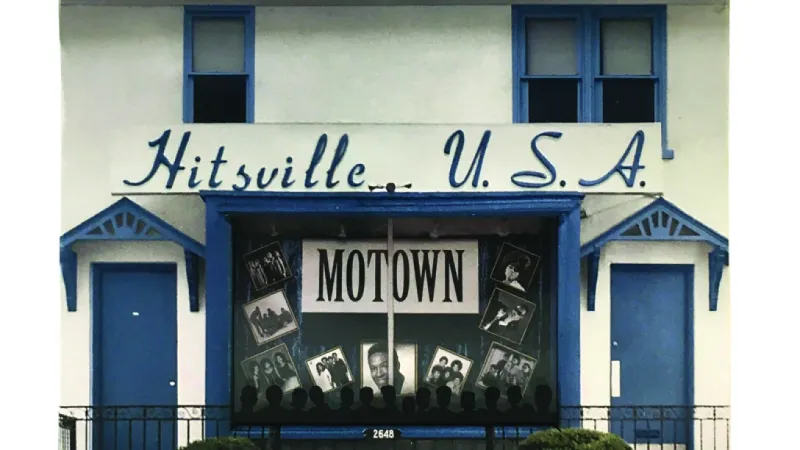
Out of Detroit, Michigan, came a sound so smooth and soulful it felt like pure magic. Motown Records blended gospel, jazz, R&B, and rock and roll into something completely new and irresistible.
Diana Ross and the Supremes, The Temptations, and Marvin Gaye all called Motown home.
Founder Berry Gordy built an empire from a small house called Hitsville U.S.A. The Motown sound crossed racial barriers at a time when that truly mattered, making it one of the decade’s most powerful cultural forces.
3. Psychedelic Rock
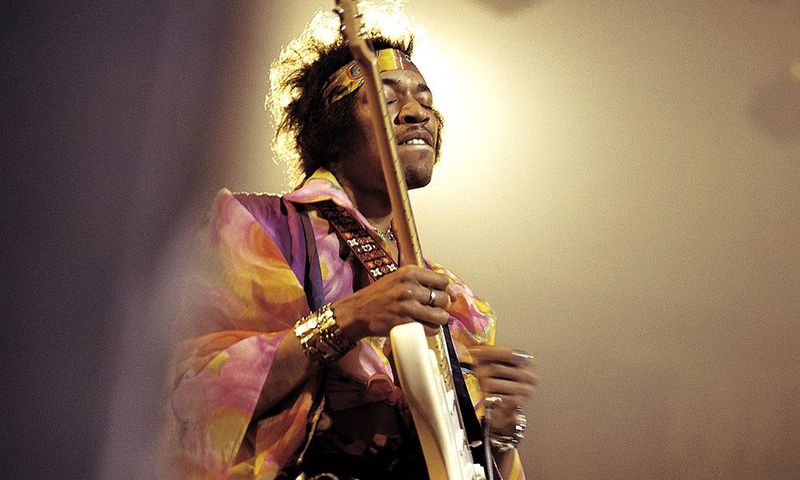
By the late 1960s, rock music had taken a seriously wild turn. Bands like Jefferson Airplane, The Doors, Jimi Hendrix, and The Grateful Dead created music that felt like a journey through another dimension.
Distorted guitars, strange lyrics, and experimental sounds defined the genre.
San Francisco became the heartbeat of the psychedelic movement, especially during the Summer of Love in 1967. The music matched the era’s spirit of rebellion, freedom, and questioning everything adults told you was normal.
4. Folk Music Revival
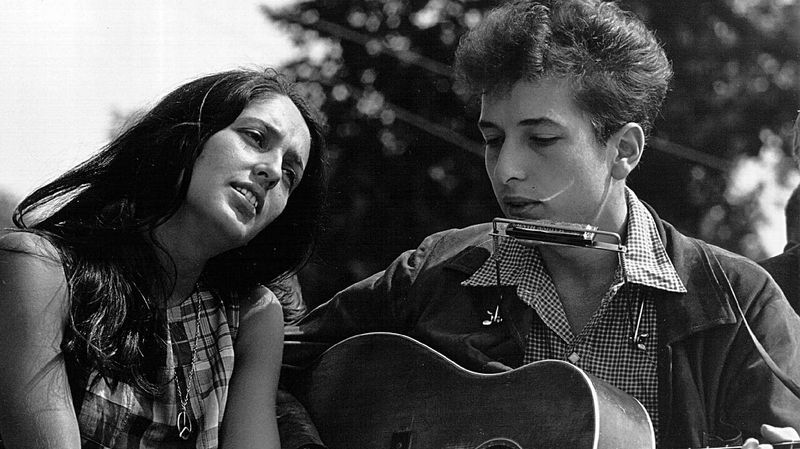
Acoustic guitars, honest lyrics, and messages that actually meant something powered the folk music revival of the 1960s. Bob Dylan became the voice of a generation, singing about civil rights, war, and social change with a rawness that hit people right in the chest.
Coffee houses and small venues became gathering spots for people hungry for music with substance. Folk songs gave young people a way to express frustration and hope at the same time, making the genre feel deeply personal and urgent.
5. Major Music Festivals
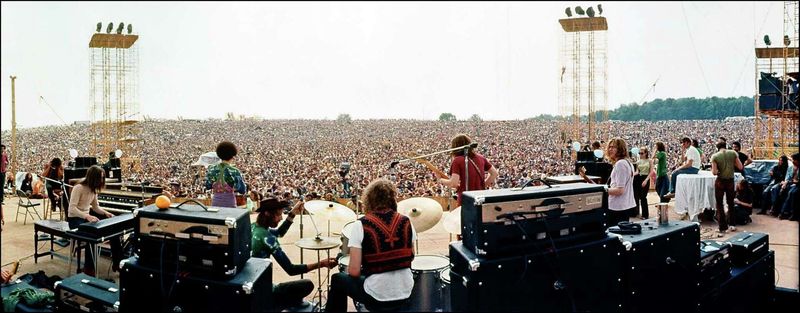
Woodstock in August 1969 became the ultimate symbol of 1960s youth culture. Nearly 400,000 people gathered on a farm in upstate New York for three days of music, mud, and community.
Artists like Janis Joplin, Carlos Santana, and The Who all performed.
Not every festival ended peacefully though. Altamont, held just months later, showed a darker side of the era.
Together, these events revealed just how powerful and unpredictable the rock and roll generation truly was.
6. The Miniskirt
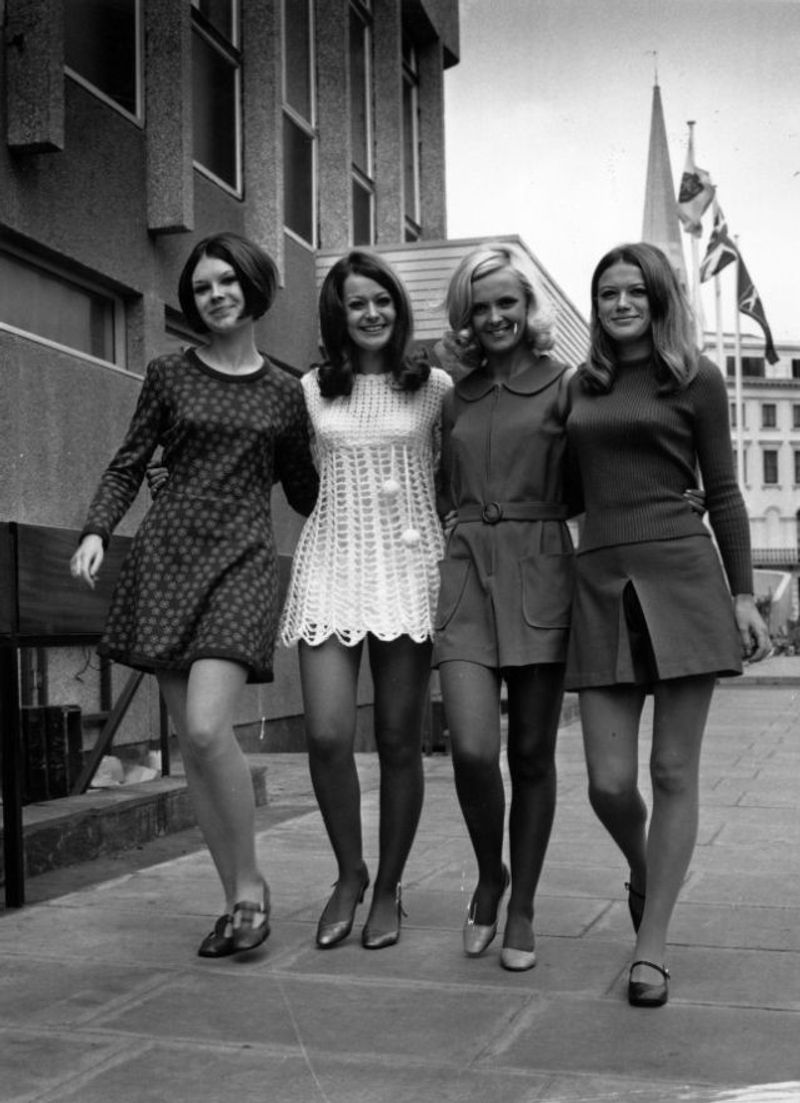
Few fashion moments shook the world quite like the miniskirt. British designer Mary Quant is widely credited with popularizing the look in the early 1960s, and it quickly became the ultimate symbol of youth and liberation.
Hemlines shot way up, and society had a lot of opinions about it.
The miniskirt was about more than just style. It represented women claiming independence and refusing to dress the way older generations expected.
Swinging London made it famous, and the whole world followed along eagerly.
7. Go-Go Boots
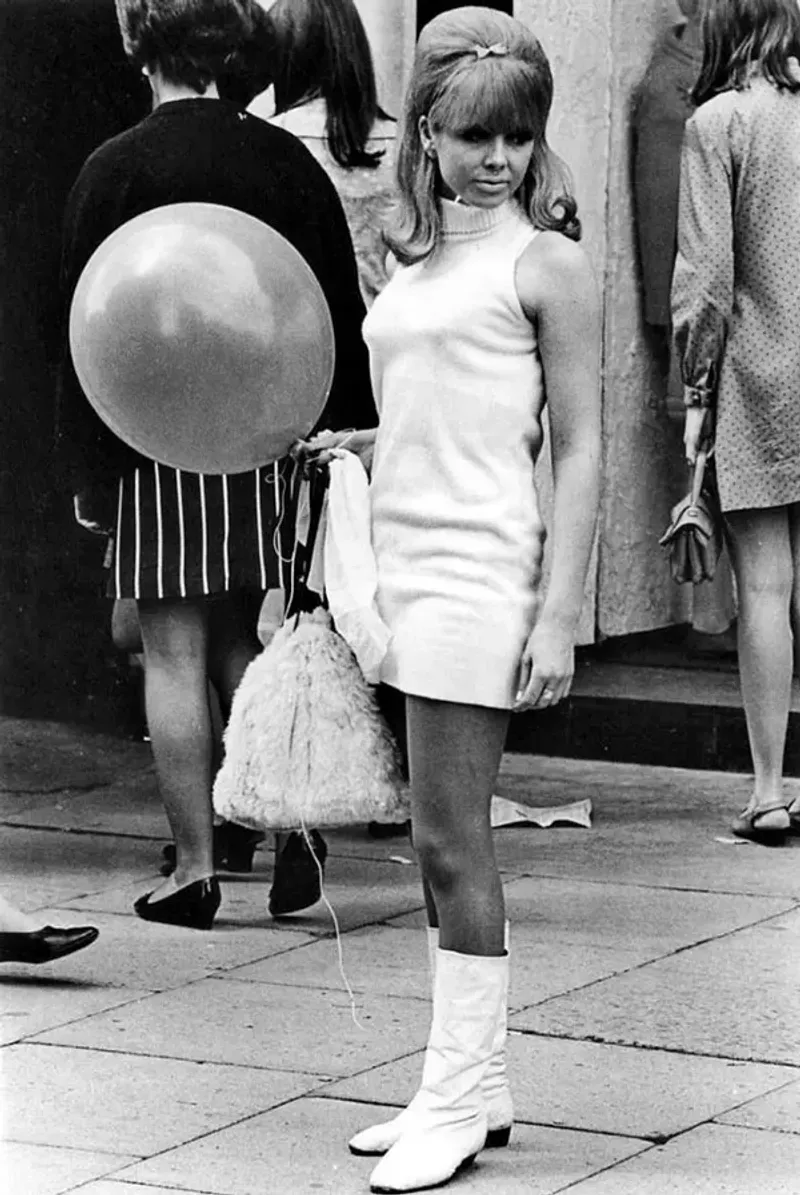
Sleek, white, and knee-high, go-go boots became one of the most recognizable fashion accessories of the entire decade. They were practically inseparable from miniskirts and mod fashion, giving outfits a futuristic, confident edge.
The name reportedly came from the French phrase meaning something fashionable or in style.
TV shows and dancers in cage-like platforms called go-go dancers made the boots even more iconic. By the mid-1960s, every fashion-forward girl wanted a pair lining her closet shelf.
8. Hippie and Bohemian Fashion
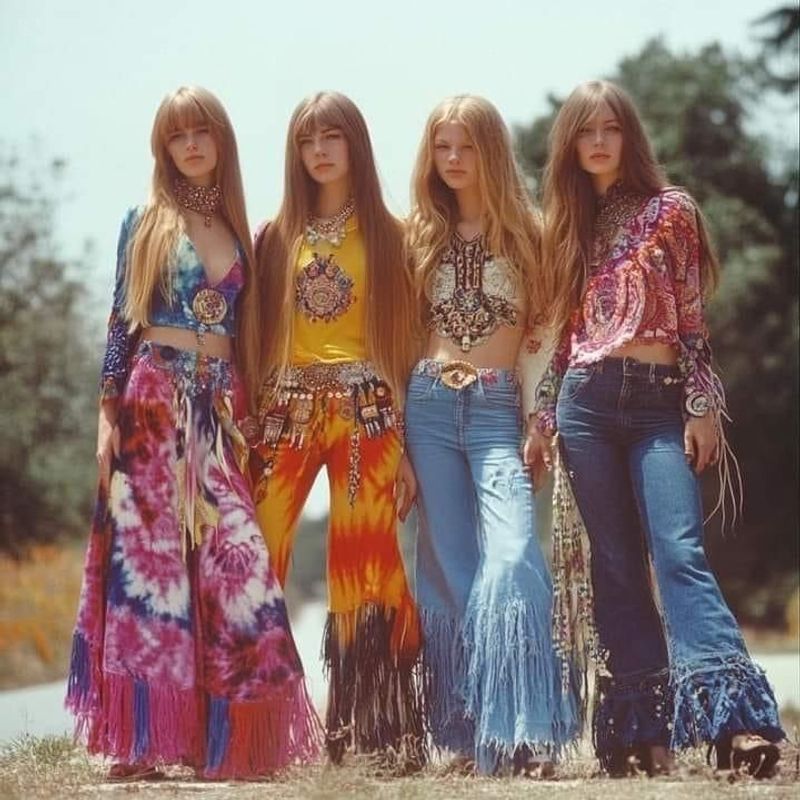
Bell-bottoms, tie-dye, fringe, and flowers in your hair – hippie fashion was a full lifestyle statement. Emerging in the late 1960s, this bohemian style rejected the clean-cut looks of earlier years and embraced handmade, natural, and expressive clothing.
Maxi dresses, peasant blouses, and embroidered suede vests ruled the look.
Wearing hippie fashion meant you stood for peace, freedom, and rejecting materialism. It was creative, colorful, and completely personal, making every outfit feel like a small act of cultural rebellion against the mainstream.
9. The Counterculture Movement
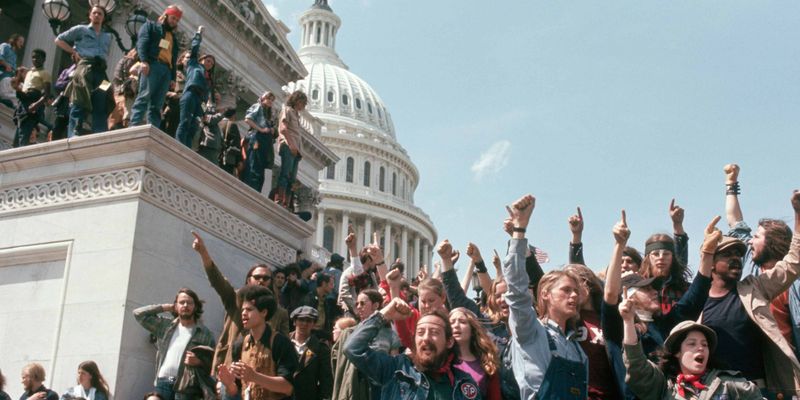
A generation decided the rules needed rewriting. The counterculture movement of the 1960s pushed back hard against traditional authority, mainstream values, and the idea that you had to follow the path laid out for you.
Young people in the U.S., Canada, and Western Europe led the charge.
Peace, love, and social justice were the rallying cries. Communes, protest marches, and alternative lifestyles all grew from this movement.
It permanently changed how society thinks about individual freedom and the right to question those in power.
10. The Civil Rights Movement
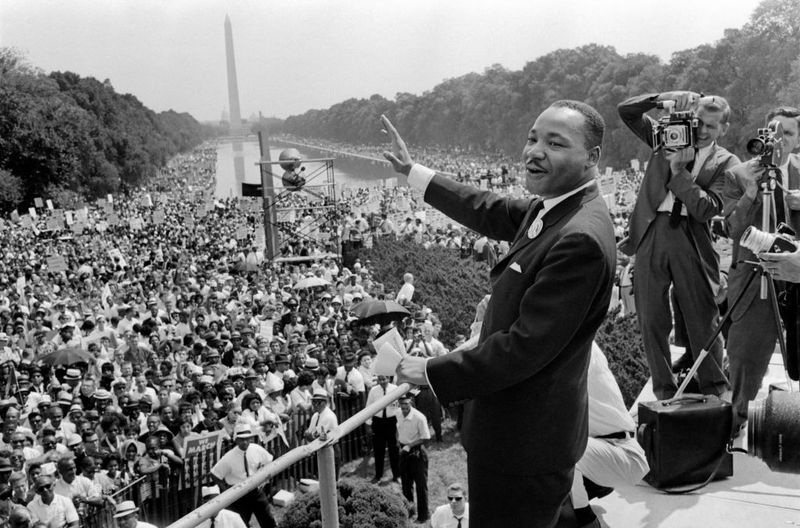
The fight for racial equality reached a boiling point in the 1960s, and the world was watching. Activists organized sit-ins, freedom rides, and massive marches demanding an end to segregation and discrimination.
Dr. Martin Luther King Jr.’s 1963 “I Have a Dream” speech echoed across the nation.
Landmark legislation like the Civil Rights Act of 1964 and the Voting Rights Act of 1965 came directly from this pressure. The movement proved that organized, determined people could genuinely change laws and shift history forward.
11. Anti-War Protests
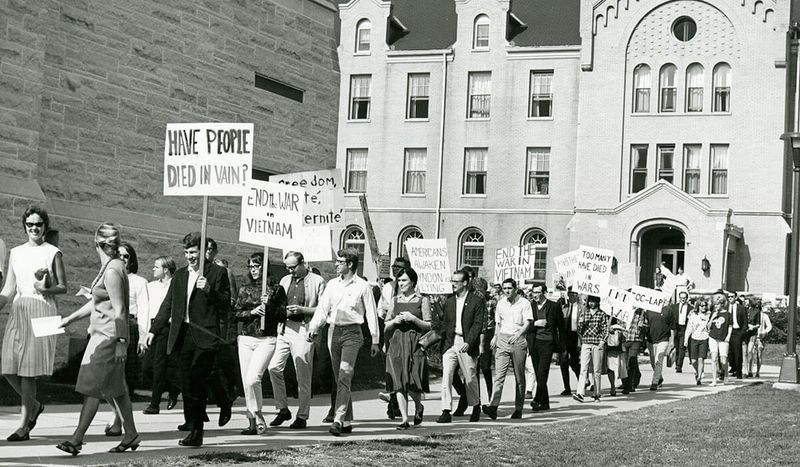
As the Vietnam War escalated through the 1960s, opposition at home grew louder and angrier. College campuses became hotbeds of protest, with students burning draft cards and chanting against the war.
The images broadcast on television brought the conflict into every American living room.
Protests at places like Kent State University in 1970 showed just how tense things had become. Anti-war activism united students, veterans, and ordinary citizens who believed the government had gotten things dangerously wrong and needed to hear it.
12. Space Exploration
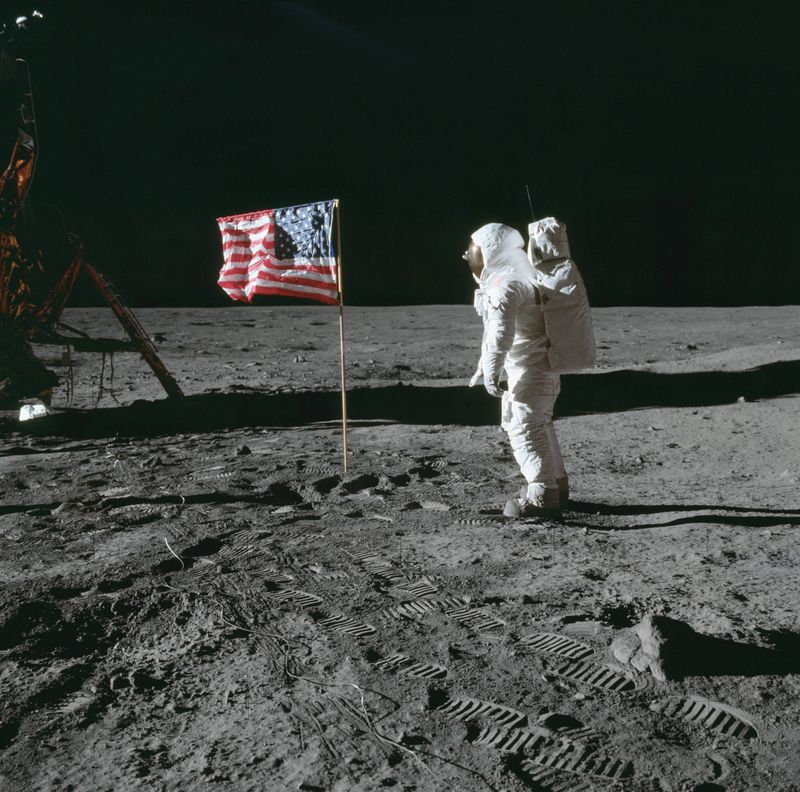
July 20, 1969 is one of those dates that stopped the world. Neil Armstrong became the first human to walk on the Moon, and over 600 million people watched it happen live on television.
The Space Race between the U.S. and Soviet Union had pushed technology to its absolute limits.
Throughout the decade, both nations launched satellites, sent animals into orbit, and developed the rockets needed to reach beyond Earth. Space exploration gave people a thrilling sense that the impossible was suddenly within reach.
13. Early Video Games and Consoles
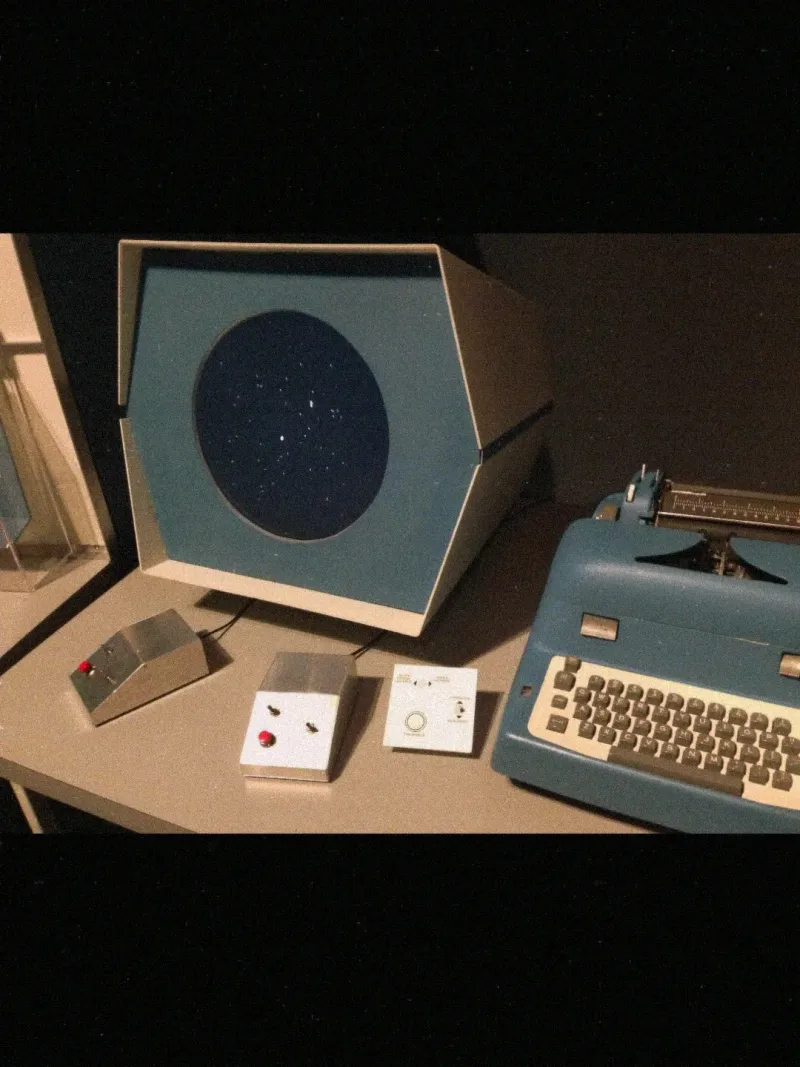
Long before smartphones and high-definition graphics, the very first video games were flickering dots on massive computer screens. In 1962, MIT student Steve Russell created Spacewar!, one of the earliest interactive computer games ever made.
It ran on a machine the size of a refrigerator.
The decade also saw early personal computing concepts take shape. Few people had access to this technology yet, but these experiments planted the seeds for the entire gaming industry that would eventually change entertainment forever.
14. Color Television
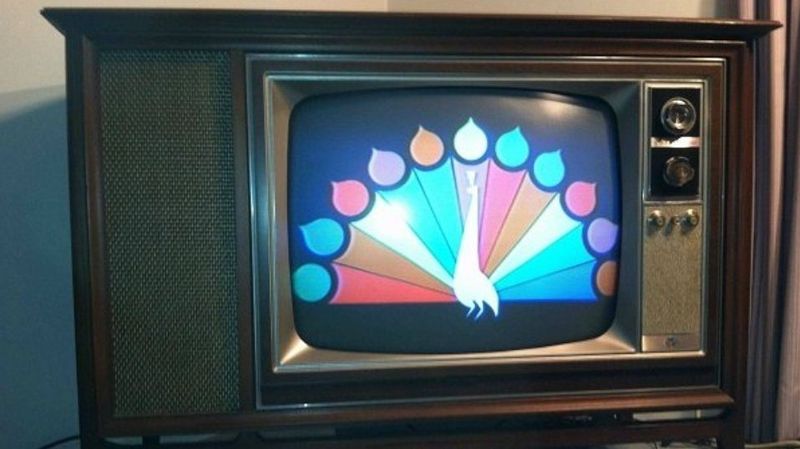
Watching TV in color felt like pure luxury in the early 1960s. NBC led the push for color broadcasting, and by mid-decade, more and more households were upgrading from black-and-white sets.
Seeing shows in vivid color made everything feel more real and exciting.
Color TV sets were expensive at first, making them a status symbol in many neighborhoods. By the end of the decade, color broadcasts had become the standard, and the old black-and-white sets started collecting dust in basements across America.
15. Shift in the Film Industry
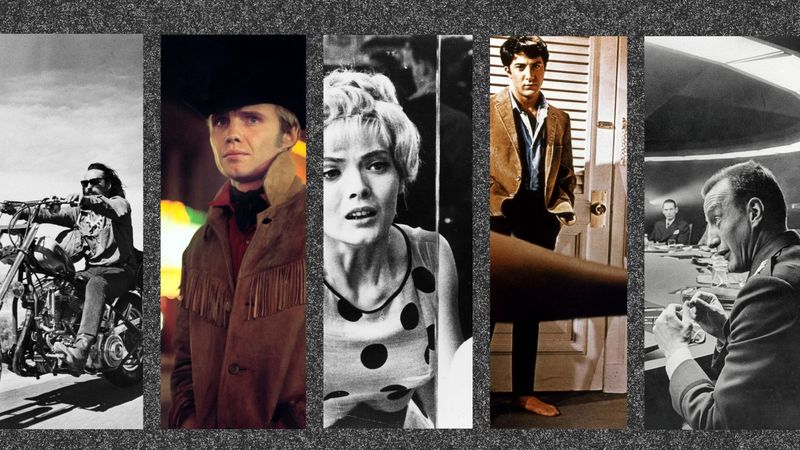
Hollywood in the 1960s was going through a serious identity crisis, and that turned out to be a great thing for movies. The old studio system crumbled, and filmmakers started shooting on real streets instead of painted backdrops.
Stories got grittier, characters got more complicated, and audiences got something far more honest.
Films like Bonnie and Clyde and The Graduate broke conventions and reflected real social tension. A new generation of directors used cinema to hold a mirror up to a country that was changing faster than anyone expected.
16. Rise of Popular Television Series
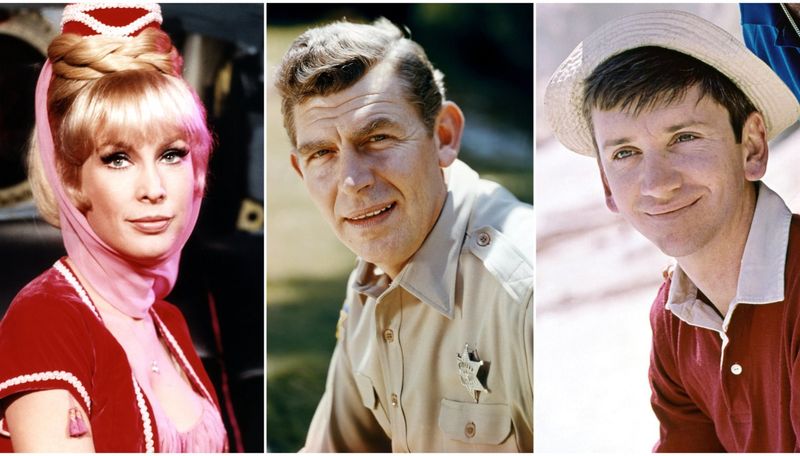
Turn on the TV in the 1960s and you had a lineup that became pure legend. Star Trek debuted in 1966 and boldly went where no show had gone before, tackling social issues through science fiction.
The Andy Griffith Show charmed millions with its small-town warmth and gentle humor.
Gilligan’s Island, Batman, Doctor Who, and The Brady Bunch all launched during this decade too. These series built fandoms that lasted generations, proving that television had become one of the most powerful storytelling tools in American life.