
Some of America’s most charming small towns have a big problem: too many visitors. What started as a quiet coastal village or a scenic mountain escape can quickly turn into a crowded, expensive, and overwhelmed destination.
Locals find themselves stuck in traffic, priced out of housing, and watching their beloved hometown change beyond recognition. These 17 stunning U.S. towns are paying a steep price for being just a little too beautiful.
1. Sedona, Arizona
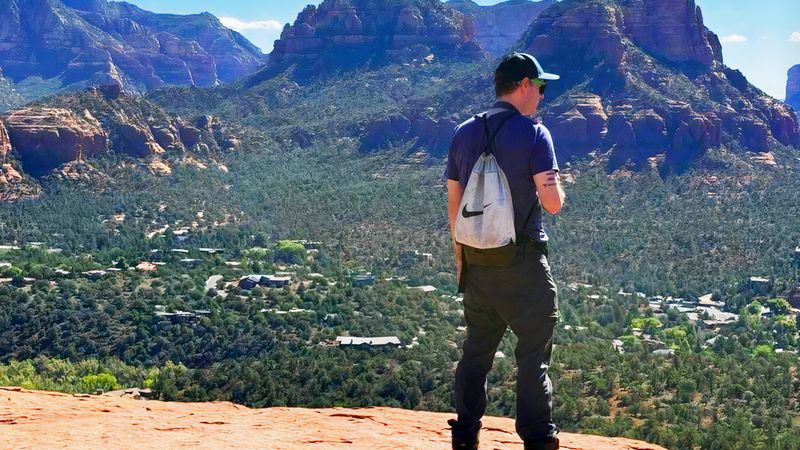
On a busy summer weekend, Sedona’s famous red-rock trailheads can look more like a stadium parking lot than a peaceful desert escape. Traffic backs up for miles, and finding a parking spot feels like winning a lottery.
The town has added shuttles and park-and-ride lots just to manage the chaos.
Service workers who keep Sedona running often cannot afford to live there. Many locals worry the town is losing its soul as outside corporations replace independent shops.
2. Moab, Utah
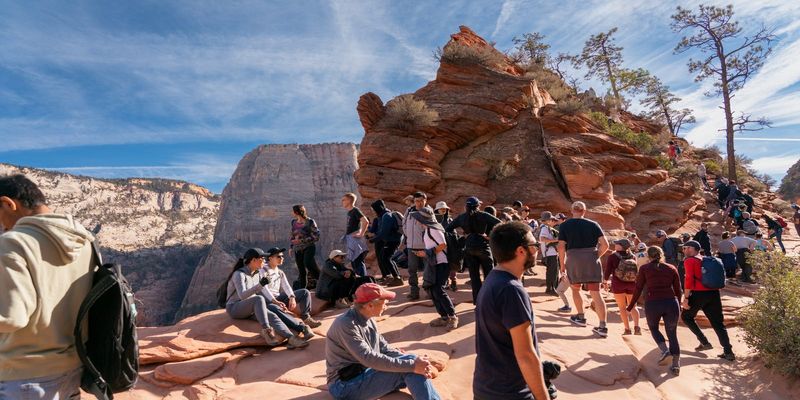
Moab is a tiny town of roughly 5,000 people, but on a summer weekend it can feel like a city of tens of thousands. Serving as the gateway to both Arches and Canyonlands national parks, the area draws around three million visitors every year.
Streets gridlock, and the town’s sewer and water systems are pushed to their limits.
Trash piles up faster than crews can collect it. Residents joke that rush hour now happens every single day of the week.
3. Bar Harbor, Maine
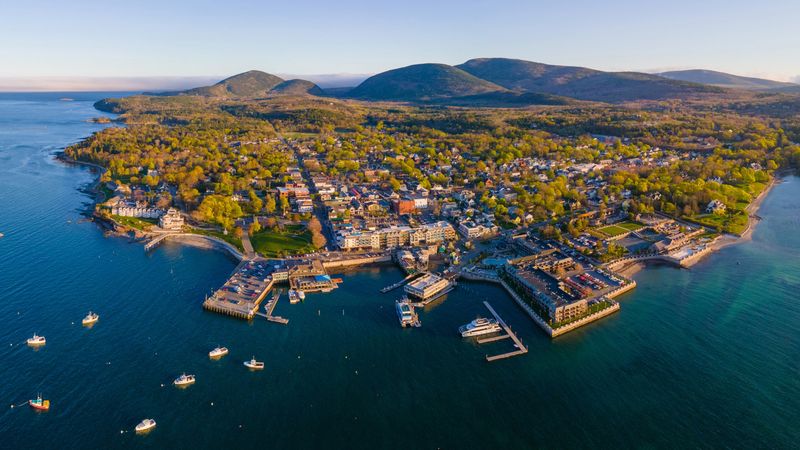
Bar Harbor is a postcard-perfect Maine town, but its 5,300 residents have been nearly swallowed by cruise ship tourism. At peak season, ships unloaded so many passengers that locals could barely walk down their own streets.
In November 2022, voters passed an ordinance capping cruise ship disembarkations at just 1,000 passengers per day.
The legal fight over that cap is still ongoing. Even with fewer ships, summer months bring packed restaurants, long waits, and gridlocked traffic throughout town.
4. Key West, Florida
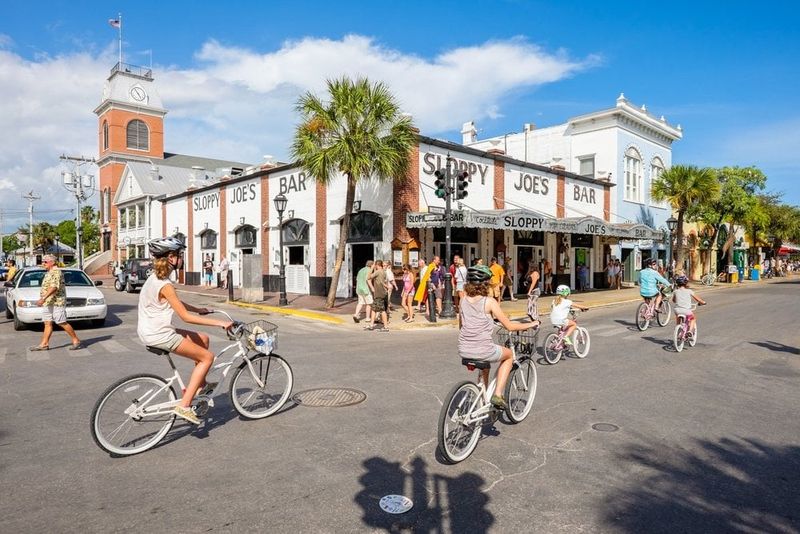
Key West has always attracted free spirits, but the crowds have grown far beyond what the island can comfortably handle. Old Town’s narrow sidewalks overflow with visitors, and conflicts between pedestrians, scooter riders, and cyclists are a daily headache.
Bar noise echoes through residential neighborhoods well into the night.
Housing is another painful issue. Limited land and high demand have pushed prices sky-high, making long-term rentals nearly impossible for locals to find or afford.
5. Miami Beach, Florida
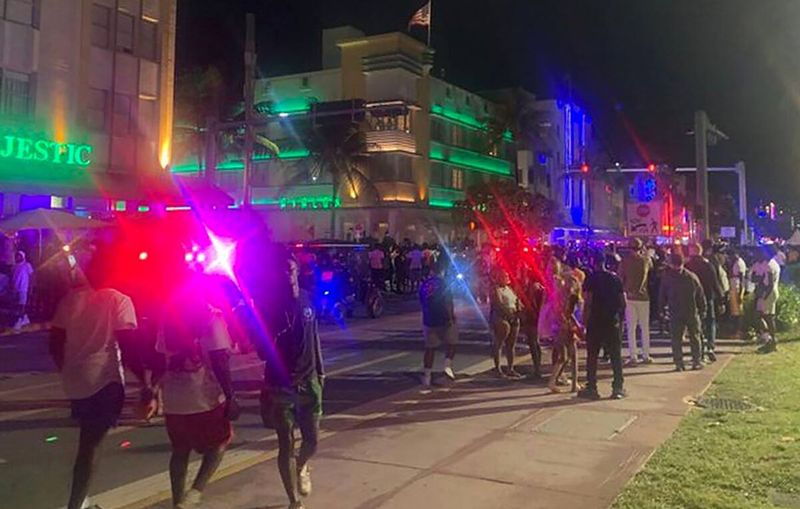
Spring Break in Miami Beach has become less of a celebration and more of a public safety emergency. Shootings, large street brawls, and overwhelming crowds have forced city officials to take serious action.
Measures now include late-night curfews, limited beach entry points, sobriety checkpoints, and a flat $100 parking fee on key weekends to discourage party crowds.
Residents absorb the real costs: sanitation bills, police overtime, and sleepless nights. Miami ranks among the world’s most overtouristed cities.
6. Gatlinburg, Tennessee
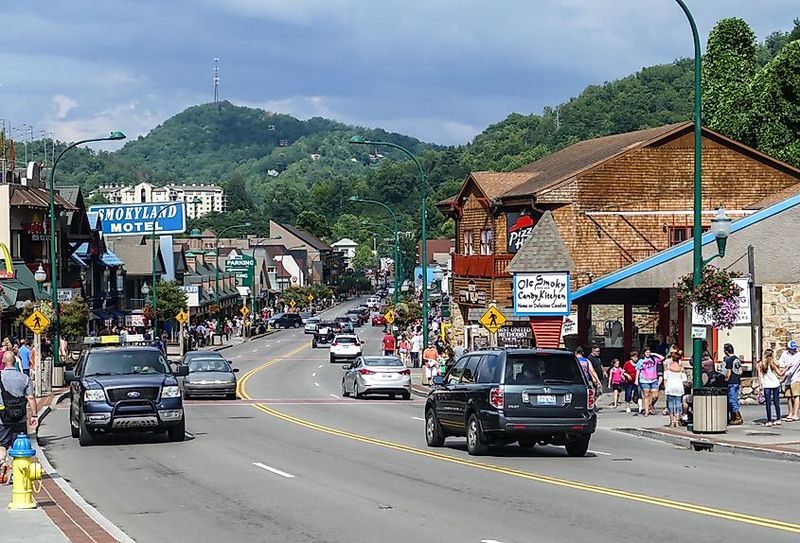
Gatlinburg sits at the entrance to Great Smoky Mountains National Park, the most visited national park in the entire country with over 13 million visitors in 2023 alone. That kind of foot traffic has turned the once-quaint mountain town into a wall-to-wall tourist corridor.
Trails near town are packed and noisy, cutting locals off from the natural beauty right in their backyard.
The park itself battles soil erosion, litter, and disturbed wildlife. A paid parking tag system was introduced just to manage the overflow.
7. Nantucket, Massachusetts
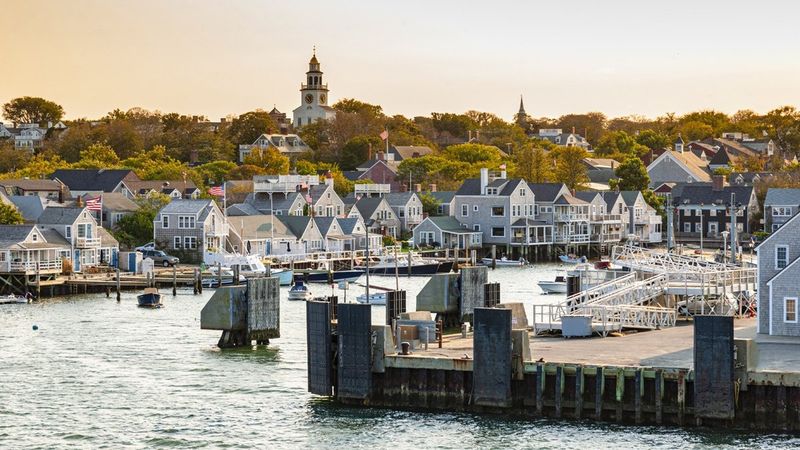
Nantucket used to be a quiet island getaway with a tight-knit community feel. Today, the median home price has soared to around $3.5 million, making it nearly impossible for essential workers to live there.
Many teachers, nurses, and restaurant staff commute by ferry from the mainland just to keep their jobs.
The Sconset Bluff Walk became so crowded that residents pushed for recommended visiting hours. Expensive hotels and boutiques have replaced much of the island’s old charm.
8. Big Sur, California
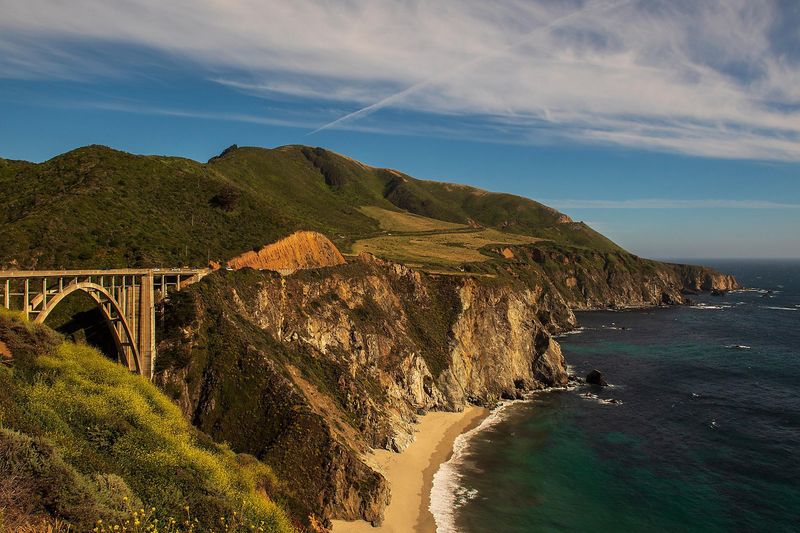
A banner near Big Sur’s famous Bixby Creek Bridge once read, “Overtourism is killing Big Sur,” and many locals wholeheartedly agreed. About 90% of the area’s economy depends on tourism, yet that same tourism is strangling the community.
Housing costs have skyrocketed, and the narrow coastal highway regularly turns into a parking lot.
Environmental damage is mounting too, with erosion and habitat disruption worsening each year. The tension between needing visitors and being hurt by them is very real here.
9. Honolulu, Hawaii
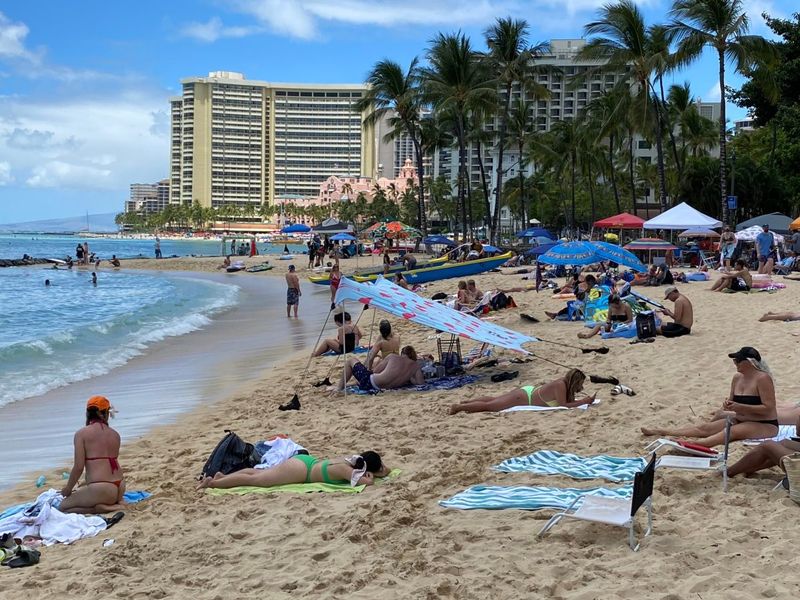
Waikiki Beach is one of the most recognized shorelines in the world, but it is also one of the most overcrowded. Vacation rentals have spread deep into residential neighborhoods, driving up rents and pushing out long-term residents.
Native Hawaiian communities feel increasingly pushed aside as their neighborhoods transform into tourist accommodations.
In 2022, Honolulu passed a law requiring a 90-day minimum stay for most rentals outside resort zones. Even so, the housing crunch for working families remains severe.
10. Juneau, Alaska
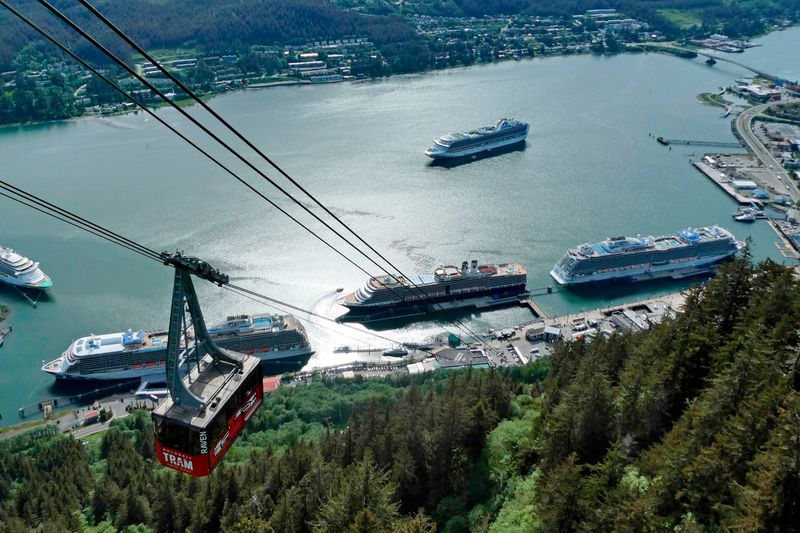
When several cruise ships dock in Juneau at the same time, the small downtown area transforms into something resembling a packed concert venue. Residents describe struggling to run basic errands through the crowds.
Local services strain under the weight of thousands of extra people arriving all at once.
Community pressure has pushed for real limits. A voluntary agreement aims to cap cruise passengers at 16,000 per day starting in 2026, giving locals hope that quieter days are ahead.
11. Panama City Beach, Florida
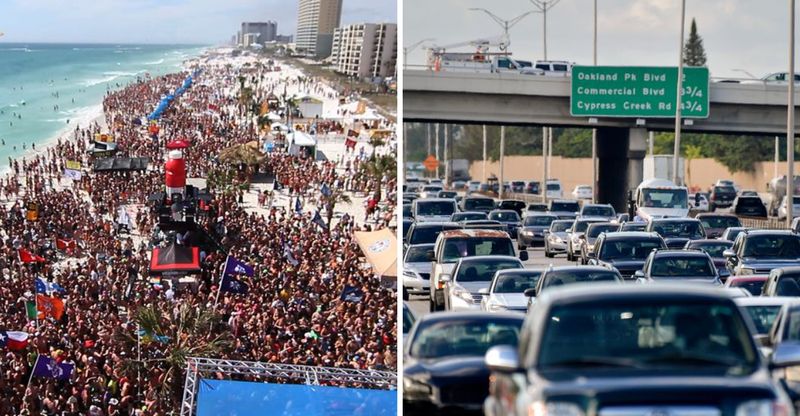
Panama City Beach has long been a magnet for spring breakers, but city leaders now openly admit that the sheer volume of visitors can cross the line from busy to dangerous. Alcohol-fueled incidents and unsafe behavior prompted expanded rules, stronger policing, and curfews for minors in certain seasons.
Public messaging has even encouraged rowdier visitors to simply go somewhere else. Locals hope the stricter approach will attract a calmer crowd while protecting the beach community they call home.
12. Carmel-by-the-Sea, California
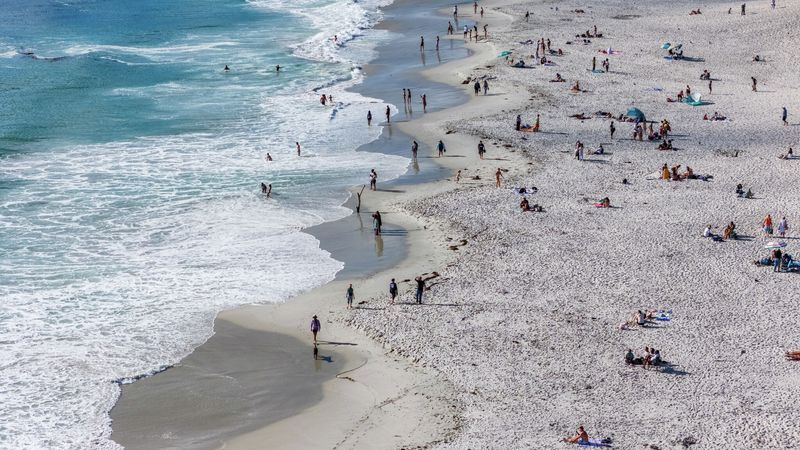
Carmel-by-the-Sea looks like it was designed by a fairy-tale illustrator, with stone cottages, art galleries, and cypress-lined streets. That magical appearance is exactly why visitors flock here by the millions, and why residents are growing increasingly frustrated.
The town’s delicate character is being chipped away by the sheer number of people passing through.
Traffic clogs the tiny streets on weekends, and local businesses that once served the community now cater almost entirely to outsiders. The charm remains, but it is harder to enjoy.
13. Estes Park, Colorado
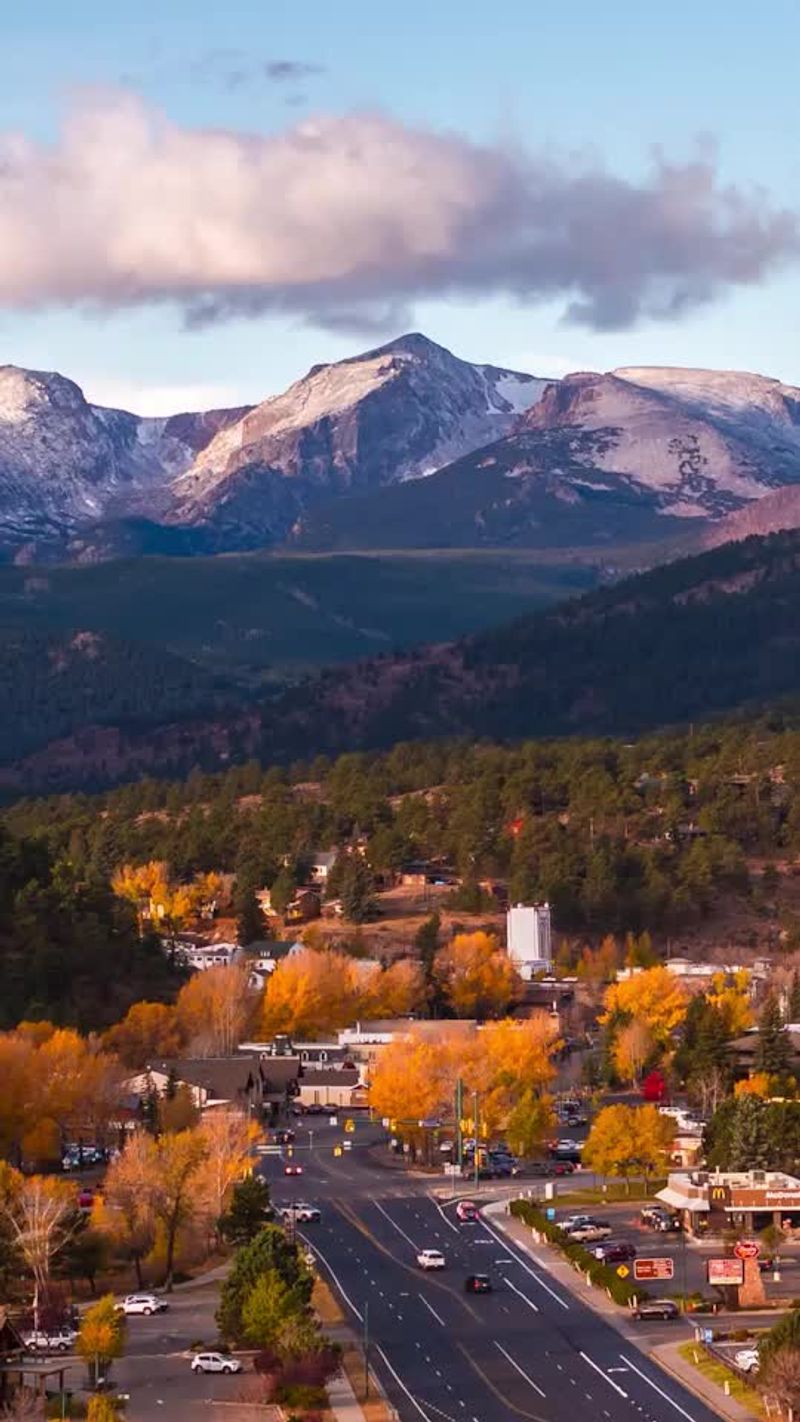
Rocky Mountain National Park draws millions of visitors each year, and nearly all of them pass through Estes Park first. The small gateway town gets absolutely packed during summer and fall, with traffic backing up along its main corridor for long stretches.
Parking is a near-constant battle for both tourists and residents alike.
The park has responded with timed-entry permits to reduce congestion on popular trails. Still, the surrounding town continues to feel the squeeze every peak season without much relief.
14. Jackson Hole, Wyoming
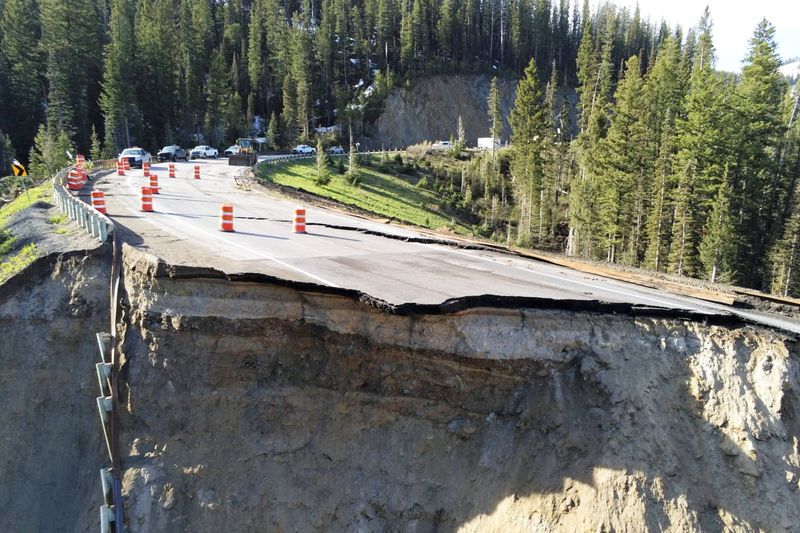
Jackson Hole is undeniably stunning, nestled between Grand Teton and Yellowstone, but that beauty comes with a crushing price for the people who live there. Short-term rentals and Airbnb listings have exploded, shrinking the long-term housing market to almost nothing.
Workers in hospitality and retail often commute from hours away because they simply cannot afford local rent.
Environmental pressure from visitor traffic is also mounting in surrounding wilderness areas. The gap between what tourists experience and what residents endure grows wider each year.
15. Laguna Beach, California
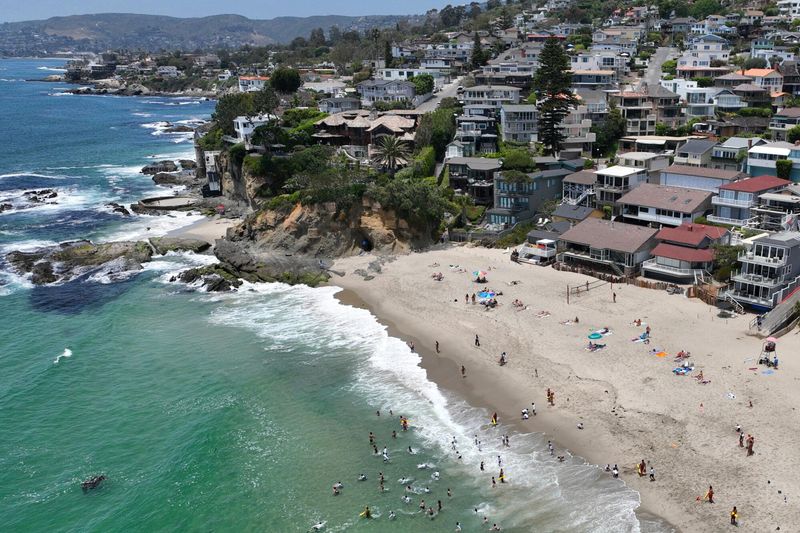
Laguna Beach built its reputation on art, ocean views, and a laid-back coastal vibe. But rising visitor numbers have tested the patience of longtime residents to a breaking point.
Packed streets, overflowing parking structures, and noise complaints have become routine parts of summer life for locals.
Resident pressure has actually driven real policy changes in recent years, with the city tightening rules around short-term rentals and public gatherings. The community is fighting to hold onto what made the town worth visiting in the first place.
16. Gulf Shores, Alabama
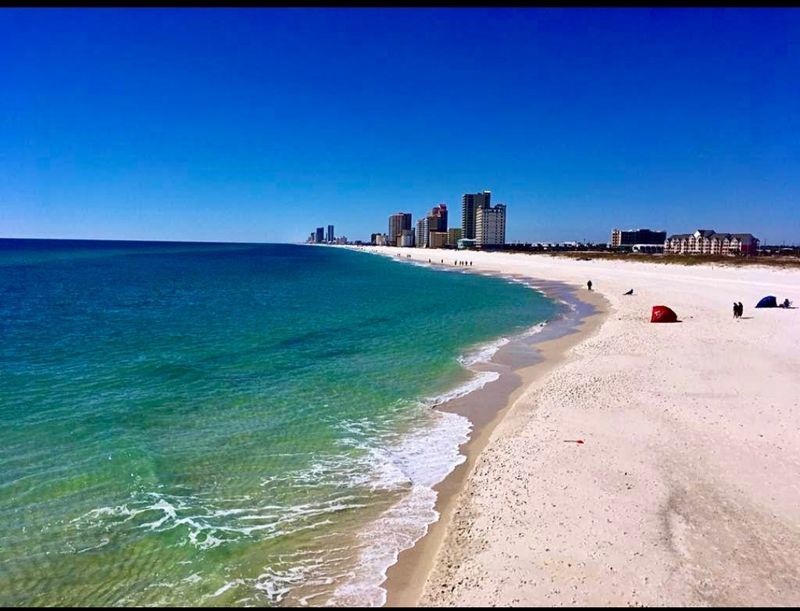
Gulf Shores offers some of the most beautiful white-sand beaches on the Gulf Coast, and word has definitely gotten out. Summer crowds have ballooned in recent years, straining local roads, beaches, and public services far beyond what the small coastal community was built to handle.
Traffic on the main beach road can grind to a near standstill on holiday weekends.
Locals increasingly feel like guests in their own town during peak months. Frustration is growing as the infrastructure struggles to keep pace with demand.
17. Bolinas, California
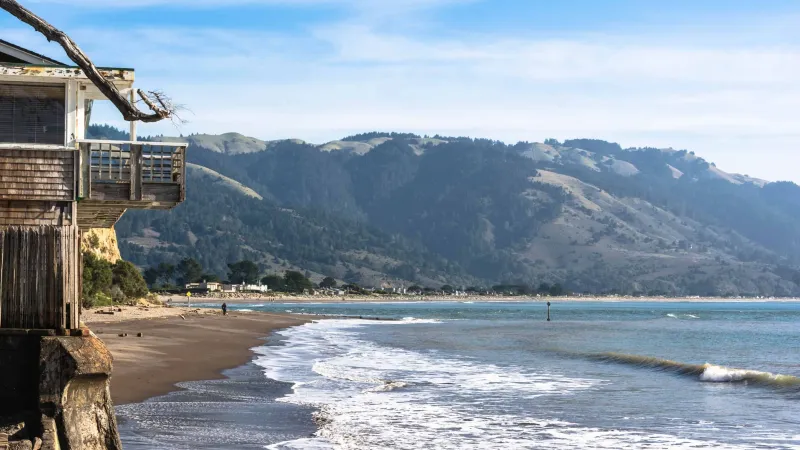
Bolinas is so determined to stay off the tourist map that locals have a long tradition of removing highway signs pointing to the town. Despite those efforts, social media and travel blogs have brought a steady stream of curious visitors to this tiny Northern California beach community.
The influx threatens the very off-the-grid, artsy identity that makes Bolinas unique.
Residents cherish their privacy and the town’s unhurried pace. Every new viral post feels like another crack in the wall they have worked so hard to build.