
Staying in a marriage that makes you miserable can quietly damage every part of your life. From your health to your happiness, the effects of an unhappy relationship run deeper than most people realize.
And it’s not just about you — your kids, your future, and your sense of self are all on the line. Here are 20 honest reasons why leaving might be the healthiest choice for everyone involved.
1. Your Mental Health Is Quietly Suffering

Nobody wakes up one day and suddenly feels depressed — it creeps in slowly. Research shows that staying in an unhappy marriage significantly raises the risk of anxiety, depression, and ongoing psychological distress.
When your home feels like a battlefield instead of a safe place, your mind pays the price.
Leaving can feel terrifying, but many people report feeling lighter and more hopeful within months of making the decision to move on.
2. Your Self-Esteem Takes a Daily Hit

When someone who promised to love you makes you feel small, it sticks. Unhappy marriages slowly chip away at how you see yourself, making you question your value, your choices, and even your likability.
That kind of damage doesn’t heal on its own.
Rebuilding self-esteem after leaving a toxic dynamic is absolutely possible. Many people discover a stronger, more confident version of themselves once they step away from relationships that diminish them.
3. Chronic Stress Is Rewiring Your Brain
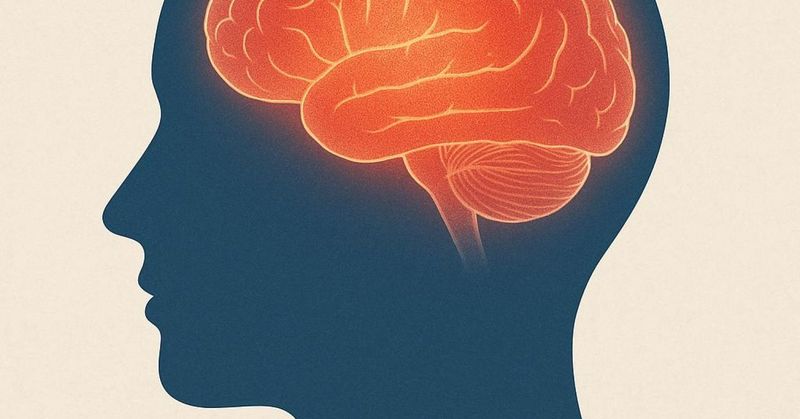
Stress from a rocky marriage isn’t just emotional — it’s biological. Prolonged stress floods your brain with cortisol, which can impair memory, cloud decision-making, and make it hard to focus.
Over time, this kind of constant tension literally changes how your brain functions.
Studies confirm that chronic marital stress affects cognition in measurable ways. Getting out of a high-stress environment gives your nervous system a real chance to reset and recover.
4. Your Heart Is Paying the Price — Literally
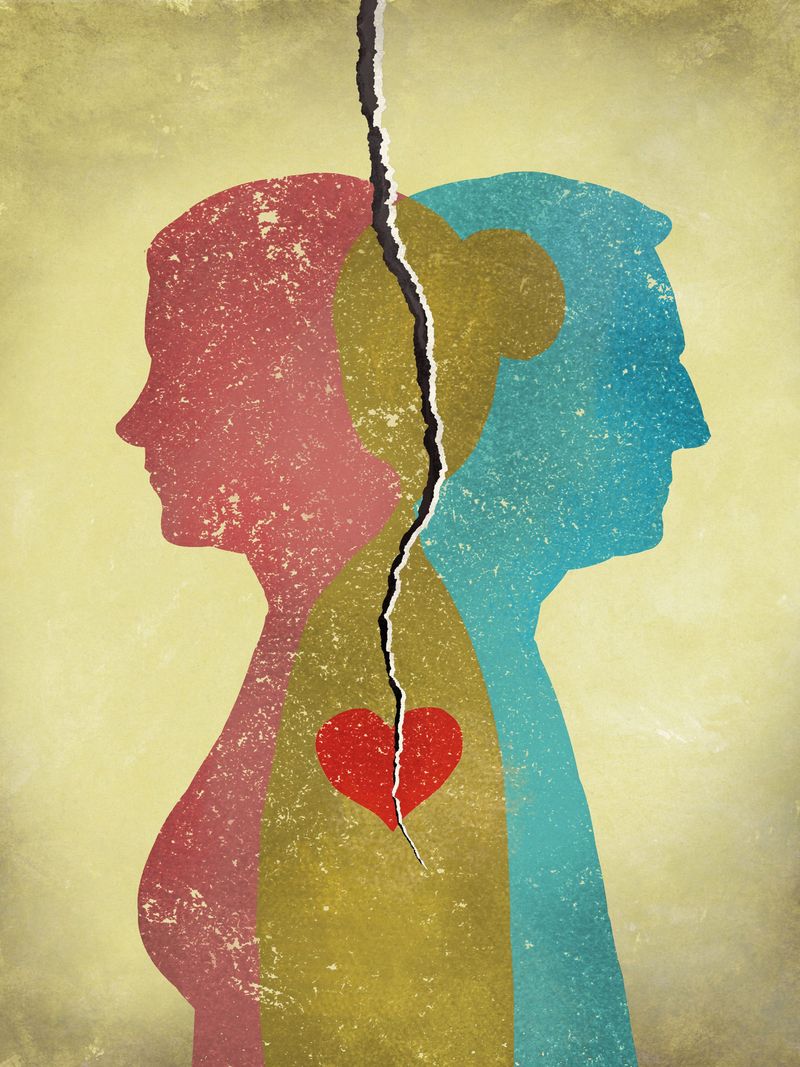
Marital stress is no small thing for your heart. Research links it to a higher risk of heart disease, high blood pressure, and stroke — risks comparable to smoking or physical inactivity.
Your body treats emotional pain like a physical threat, and your cardiovascular system responds accordingly.
Choosing your health isn’t selfish — it’s survival. Reducing the daily emotional strain of an unhappy marriage could genuinely add years to your life.
5. A Weakened Immune System Leaves You Vulnerable

Your immune system and your emotions are more connected than most people think. Ongoing stress from an unhappy marriage suppresses immune function, making you catch colds more easily, heal more slowly, and feel run-down more often.
Your body is essentially working overtime just to manage the emotional load.
People who leave high-stress relationships often notice they get sick less frequently. Emotional relief has real, measurable effects on physical health.
6. Inflammation Builds Up Inside Your Body

Here’s something most people don’t know: hostile arguments and emotional rejection from a partner are directly linked to increased inflammation in the body. For women especially, low marital satisfaction correlates with higher inflammatory markers, which are tied to serious long-term health conditions.
Inflammation isn’t something you can see, but its effects are very real. Reducing the emotional toxicity in your daily life can have a meaningful impact on your body’s internal health.
7. Sleep Deprivation Becomes Your New Normal

Tossing and turning every night while your mind replays arguments is more than just annoying — it’s dangerous. Marital stress is a leading cause of insomnia, and poor sleep chips away at your immune system, mood, memory, and ability to function each day.
Good sleep isn’t a luxury; it’s a foundation for everything else. When the source of your sleeplessness is the person lying next to you, that’s a serious sign something needs to change.
8. Your Gut Feels It Too

Ever notice your stomach acting up during rough patches in your relationship? That’s not a coincidence.
Emotional stress from a troubled marriage frequently shows up as stomachaches, acid reflux, or irritable bowel syndrome. The gut-brain connection is powerful, and ongoing relationship tension keeps it in a constant state of alarm.
Many people report dramatic improvements in their digestive health after reducing major life stressors — including leaving unhealthy relationships behind.
9. Chronic Pain Flares Up More Often

Emotional pain has a sneaky way of turning physical. Tension headaches, backaches, and persistent muscle stiffness are all common complaints among people stuck in stressful marriages.
The body holds onto stress in very tangible ways, and when the source of that stress never goes away, neither does the pain.
Addressing the root emotional cause — rather than just managing symptoms — can lead to real, lasting relief that no painkiller can provide.
10. Unhealthy Coping Habits Start to Take Over

When home life feels unbearable, people look for escape. Overeating, excessive drinking, and substance use are all common ways people cope with the pain of a bad marriage.
These habits don’t fix the problem — they add new ones while the original source of pain keeps going.
Recognizing that your coping mechanisms are becoming harmful is a wake-up call worth listening to. Removing yourself from the painful situation is often the first real step toward healthier living.
11. Trauma Can Leave Lasting Emotional Scars

Not every difficult marriage looks like obvious abuse, but emotional trauma can still develop quietly. In severe cases, prolonged exposure to hostility, manipulation, or neglect within a marriage can lead to PTSD, anxiety disorders, and lasting changes in personality.
These aren’t dramatic exaggerations — they’re documented outcomes.
Healing is possible, but it becomes much harder when you’re still inside the environment causing the damage. Getting out is often the first step toward real recovery.
12. You’re Modeling Dysfunction for Future Relationships

The patterns we live inside become the patterns we repeat. Staying in a dysfunctional marriage teaches you — on a subconscious level — that this is just how relationships work.
Over time, that belief makes it harder to form trusting, healthy connections with anyone else.
Breaking the cycle starts with recognizing it. Choosing to leave an unhealthy dynamic isn’t giving up on love — it’s making room for the kind of relationship that actually deserves your energy.
13. Personal Growth Gets Completely Stunted

When you’re constantly managing conflict or walking on eggshells, there’s no bandwidth left to grow. Unhappy marriages have a way of putting your goals, passions, and personal development on permanent hold.
You stop asking what you want because surviving the day-to-day takes everything you’ve got.
Leaving opens the door to self-discovery in a way that staying simply cannot. Many people are surprised by how much they accomplish once they reclaim their own time and energy.
14. Life Satisfaction Can Dramatically Rebound

Studies consistently show that people who leave unhappy marriages experience a significant rebound in overall life satisfaction. Self-esteem climbs, joy returns, and daily life starts to feel manageable again.
The relief of no longer living in constant emotional tension is genuinely transformative.
Happiness after a difficult marriage isn’t just possible — for many people, it’s better than anything they experienced during it. That’s a truth worth holding onto when the decision feels impossible.
15. A Better Version of You Is Waiting

Post-divorce transformation is real. Many people report improvements in both mental and physical health after leaving unhappy marriages — better moods, more energy, renewed focus on what actually matters to them.
When the weight of a broken relationship lifts, people often rediscover who they were before it all went wrong.
Self-prioritization isn’t selfish — it’s essential. Giving yourself permission to pursue a healthier, happier life is one of the most powerful things you can do.
16. Children Feel the Tension Even When You Think They Don’t

Kids are incredibly perceptive. Even when parents try to hide their conflict, children pick up on the emotional climate of the home through tone of voice, body language, and unspoken tension.
That constant low-level stress affects their emotional development in ways that can last well into adulthood.
Staying together “for the kids” sounds noble, but research suggests that an unhappy home is far more damaging to children than a peaceful separation.
17. Kids in Conflict-Filled Homes Face Higher Anxiety and Depression

Witnessing ongoing arguments, hostility, or emotional coldness between parents puts children at a measurably higher risk of developing anxiety, depression, and low self-esteem. These aren’t temporary reactions — they can shape a child’s emotional baseline for years.
Children need emotional safety above all else. When that safety is consistently disrupted by parental conflict, the effects ripple outward into every area of their lives, from friendships to academic performance to their own future relationships.
18. Behavioral and Academic Struggles Often Follow

A chaotic home environment doesn’t stay at home — it follows kids to school. Children exposed to constant parental fighting are more likely to act out, struggle with focus, and fall behind academically.
Their brains are busy processing stress instead of learning.
Teachers often notice the signs before parents do. Behavioral issues in school are frequently a child’s way of expressing what they can’t put into words: that something at home feels very wrong.
19. Parental Conflict Physically Alters a Child’s Developing Brain

This one is startling: chronic exposure to parental conflict floods a child’s system with cortisol, which can actually enlarge the amygdala — the brain’s fear center — while shrinking the prefrontal cortex, which handles emotional regulation. These aren’t temporary changes; they create a biological predisposition for lifelong anxiety.
One year of high parental conflict can reduce a child’s future emotional intelligence score by up to six points. The stakes couldn’t be higher.
20. Leaving Can Teach Children the Most Valuable Lesson of All

When a parent chooses their own well-being, they show their child that self-respect and healthy boundaries are worth fighting for. Kids who watch a parent make a brave, difficult decision to pursue happiness learn that they are allowed to do the same someday.
Resilience, self-worth, and the courage to walk away from what hurts — these are lessons no classroom can teach. Sometimes the most loving thing a parent can model is knowing when to leave.