
Some of the most famous faces in the world are living with eye conditions that most fans never even notice. From musicians to athletes to award-winning actors, these celebrities have opened up about vision challenges that shape their daily lives.
Learning about their experiences can help reduce stigma and remind us that eye health matters for everyone. Their stories are both inspiring and eye-opening in the best possible way.
1. Mila Kunis
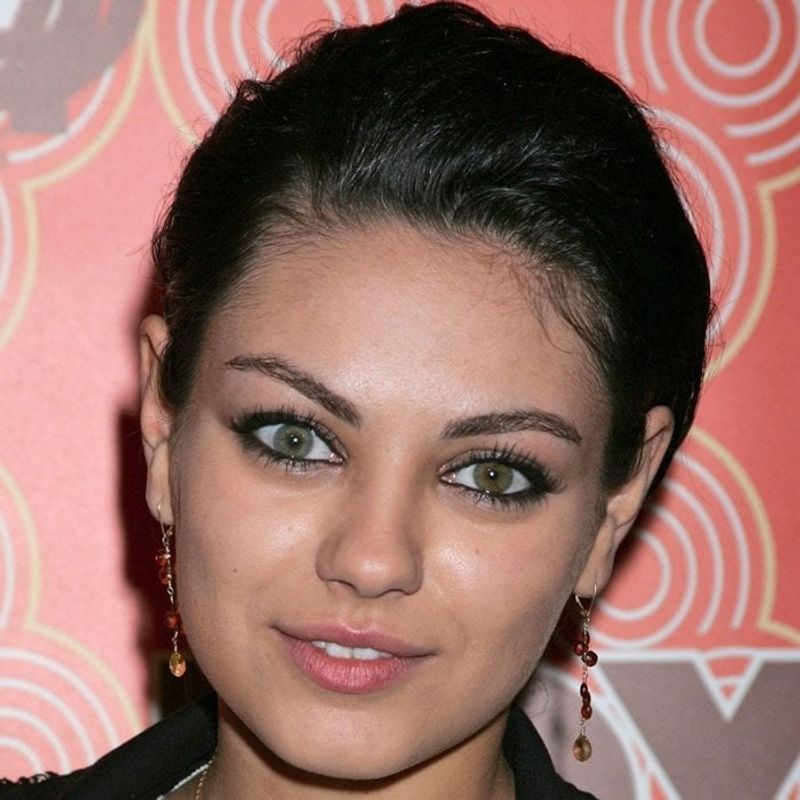
For years, Mila Kunis was secretly dealing with chronic iritis, a painful inflammation of the iris that slowly robbed her of sight in one eye. She kept it private while continuing to work in Hollywood, which makes her story even more remarkable.
Surgery eventually restored her vision, but it also left her with heterochromia, meaning her eyes became two different colors. That unexpected change became a fascinating part of her appearance that fans now notice and adore.
2. Kristen Bell
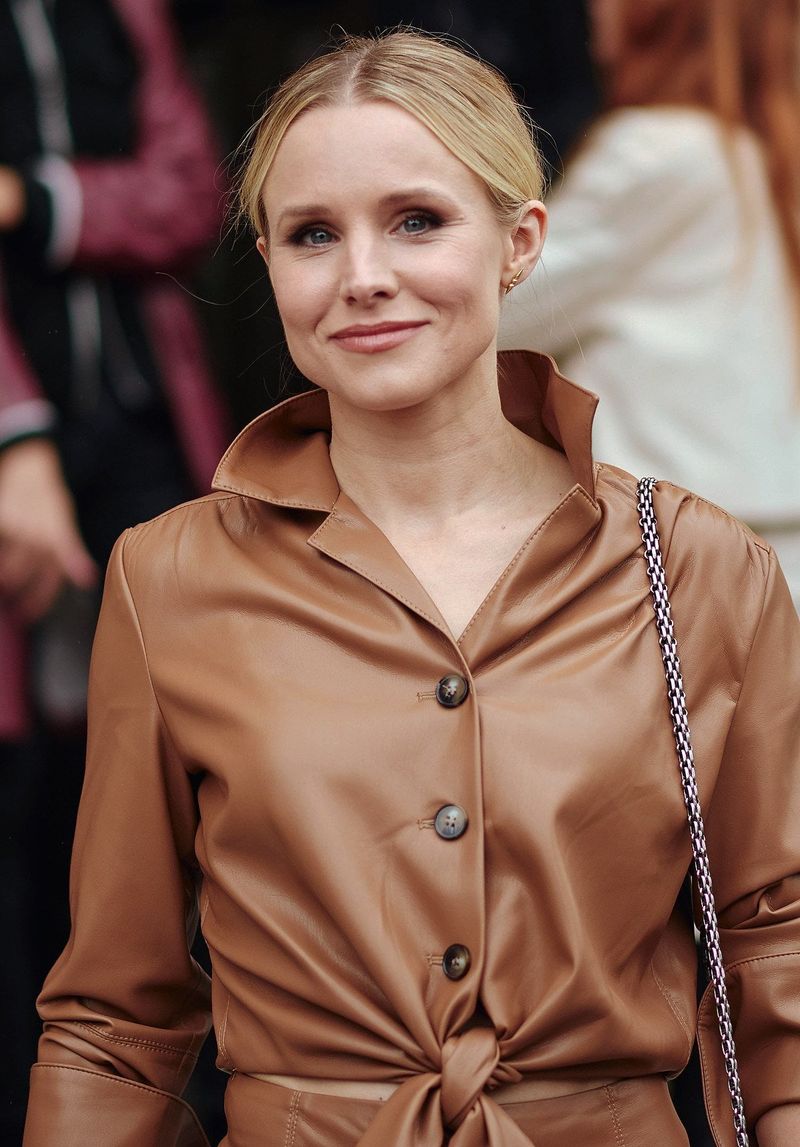
Kristen Bell, the beloved voice of Anna in Frozen, has strabismus, a condition where the eyes can point in different directions. Film crews reportedly use the codeword “Wonky” to quietly let her know when her right eye starts to drift during filming.
She has said the condition becomes more visible when she is tired or stressed. Rather than hiding it, Bell has spoken about strabismus with humor and honesty, making her even more relatable to fans who deal with similar challenges.
3. Bono
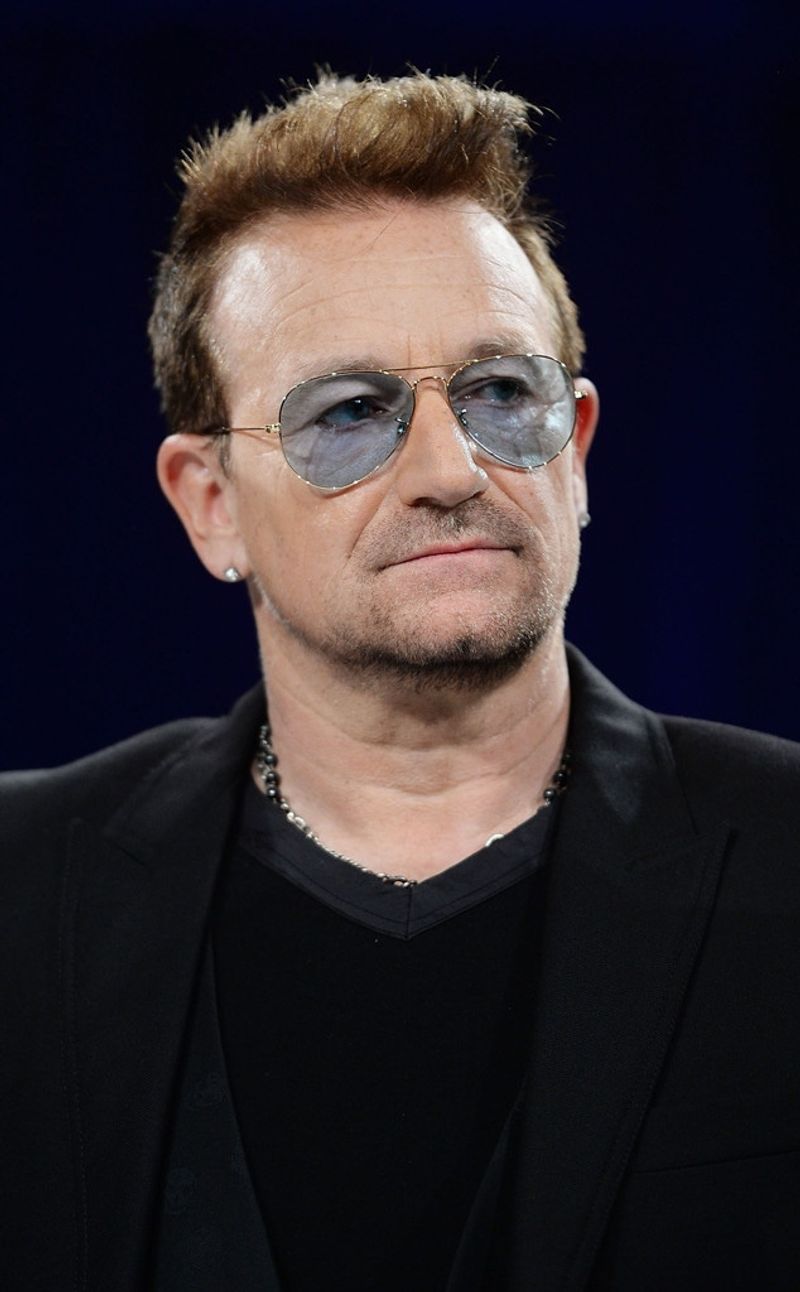
Ever wonder why Bono almost never takes off those tinted glasses? The answer is not just fashion.
The U2 frontman has glaucoma, an eye disease that makes his eyes extremely sensitive to light and glare.
He has worn tinted lenses for over two decades to manage the discomfort. Glaucoma is a serious condition that can lead to permanent vision loss if untreated, and Bono’s openness about wearing protective eyewear has quietly raised awareness about this often-silent disease.
4. Johnny Depp
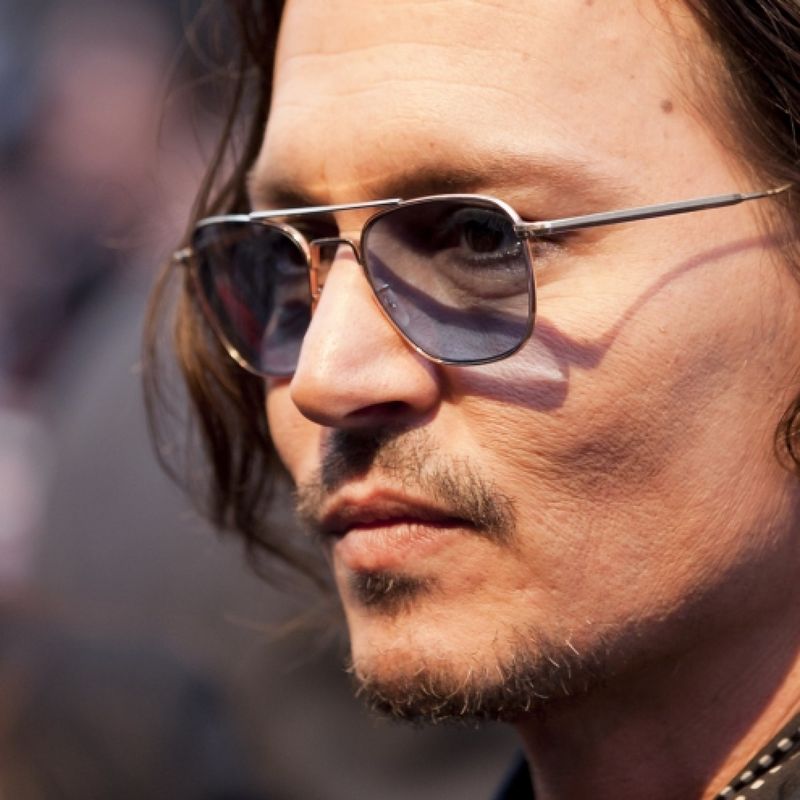
Johnny Depp has revealed a surprising fact about his eyesight: he has been blind in his left eye since birth. His right eye is severely nearsighted, meaning without corrective lenses, nearly everything around him is a blur.
He has described his uncorrected vision as seeing the world like an abstract painting. Despite this significant challenge, Depp built one of Hollywood’s most iconic careers, proving that a passion for craft can push past physical limitations in remarkable ways.
5. Stevie Wonder
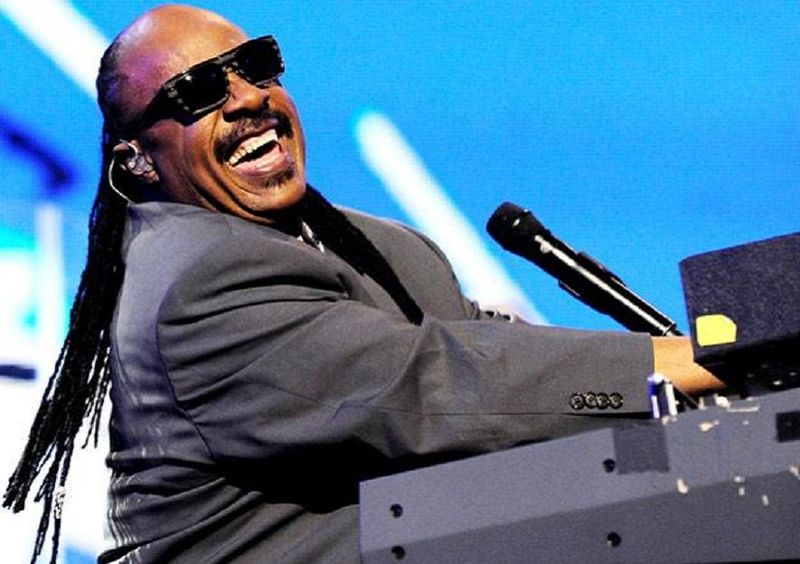
Born six weeks premature, Stevie Wonder lost his sight as an infant due to retinopathy of prematurity, a condition where abnormal blood vessels in the retina cause permanent damage. Too much oxygen in the incubator is believed to have played a role.
Rather than letting blindness define his limits, Wonder went on to become one of the most celebrated musicians in history. His story is a powerful reminder that extraordinary talent can shine through any obstacle life puts in its path.
6. Dame Judi Dench
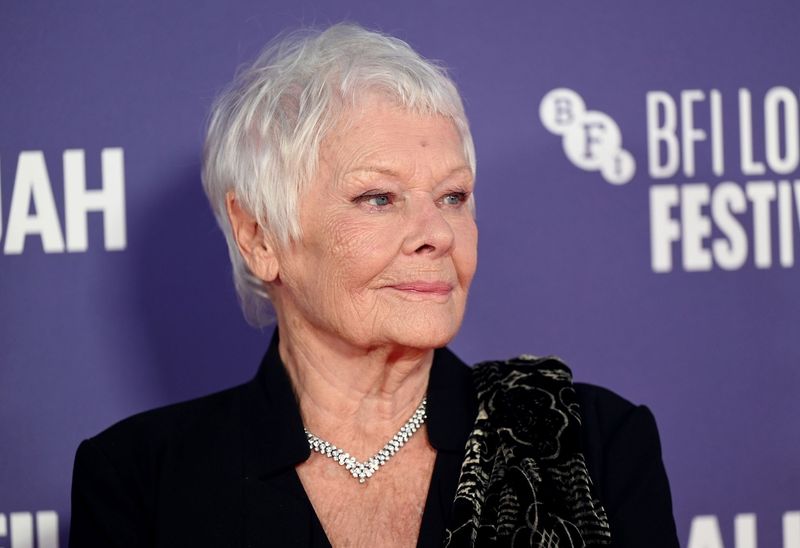
Dame Judi Dench, one of Britain’s most treasured actresses, has been living with age-related macular degeneration, commonly known as AMD. The condition has caused serious vision loss, making it difficult for her to recognize faces or read her scripts without assistance.
She has spoken candidly about how AMD has changed her daily routine, relying on others to help her learn lines. Her continued dedication to acting despite this challenge is a testament to her incredible strength and love for her craft.
7. Apl.de.ap of the Black Eyed Peas
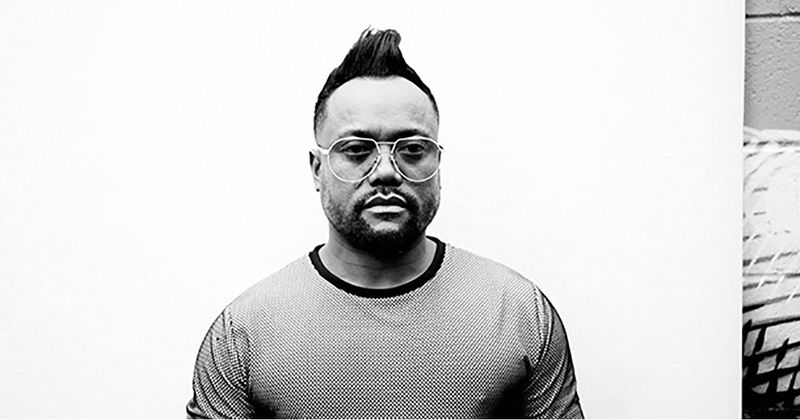
Born with nystagmus, a condition that causes uncontrollable, rapid eye movements, Apl.de.ap of the Black Eyed Peas was legally blind in both eyes for much of his early life. Reading and everyday tasks were genuinely difficult challenges he navigated daily.
He later had artificial lenses implanted, which dramatically improved his vision. His journey from legal blindness to global music stardom is deeply inspiring.
He has used his platform to raise funds and awareness for vision care access in the Philippines.
8. Venus Williams
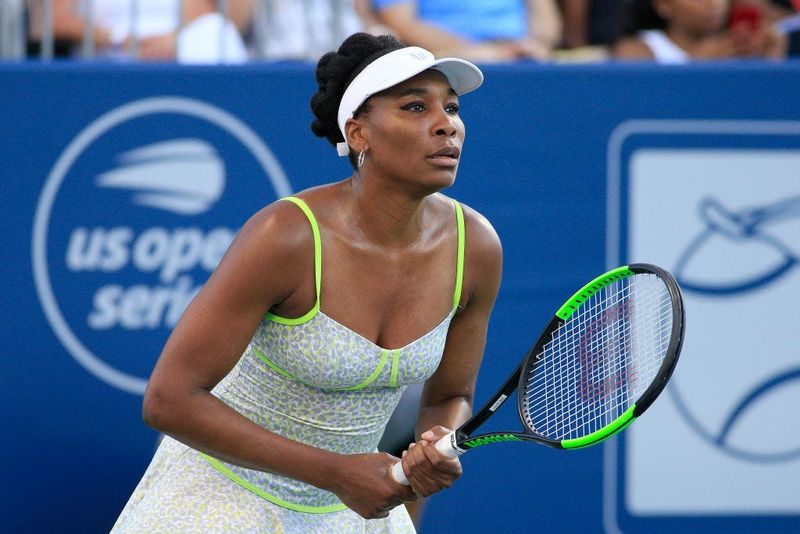
Venus Williams was diagnosed with Sjogren’s syndrome, an autoimmune condition that attacks moisture-producing glands in the body. One of the most frustrating symptoms for her has been extreme dry eyes, which can cause serious discomfort and even affect vision clarity.
The condition also brings fatigue and joint pain, making her continued dominance in professional tennis even more impressive. Williams has been open about managing Sjogren’s syndrome through diet changes and medical care, helping raise awareness for this often-misunderstood autoimmune disease.
9. Jennifer Aniston
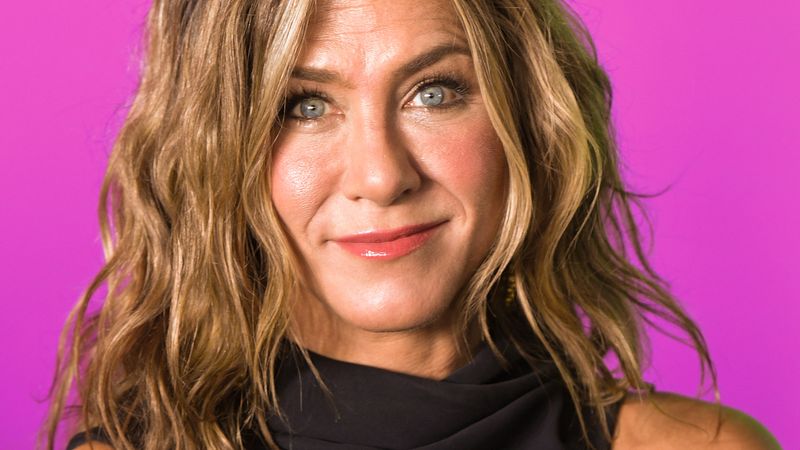
Jennifer Aniston has been surprisingly candid about her chronic dry eye syndrome, a condition that causes persistent dryness, itchiness, and irritation. At its worst, she has admitted to using eye drops multiple times within a single hour just to find relief.
Reading scripts became genuinely uncomfortable because of the condition. Aniston has partnered with eye care brands to spread awareness, encouraging people not to dismiss dry eyes as a minor annoyance.
For many, it is a real medical condition that deserves proper attention and treatment.
10. Kate Moss
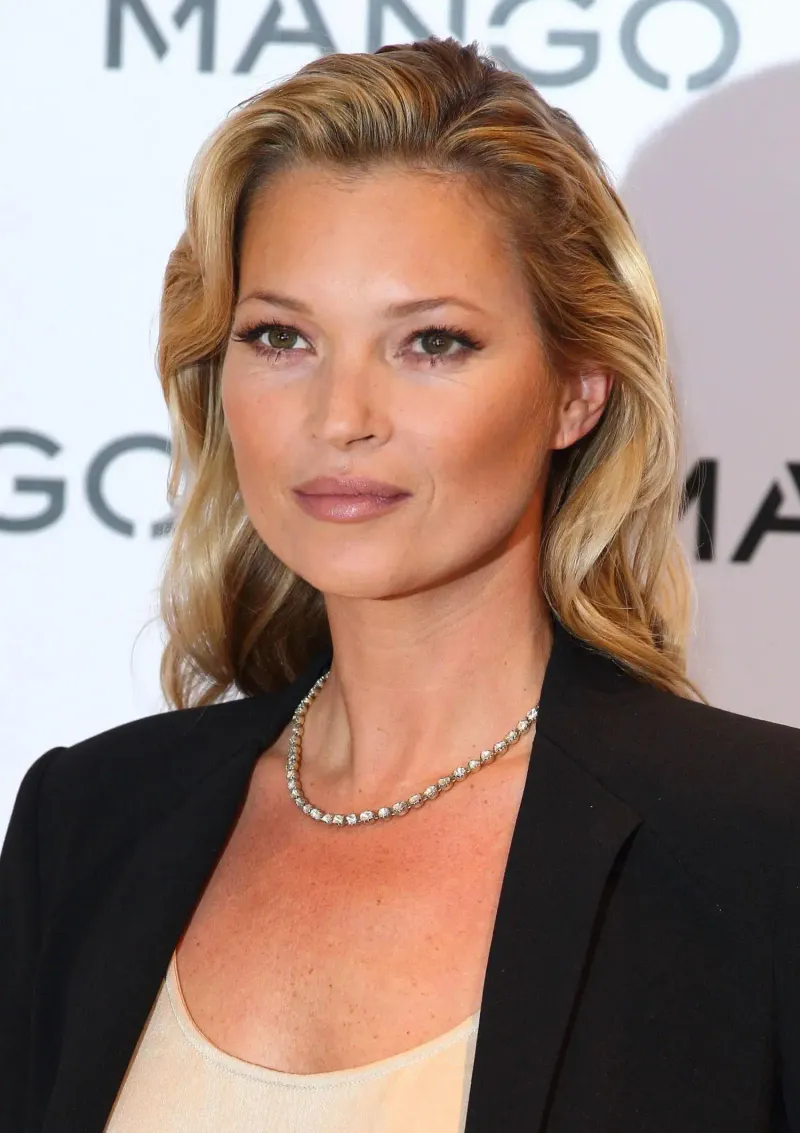
Kate Moss, one of the most photographed women in the world, has strabismus, an eye alignment condition sometimes called a lazy eye or wonky eyes. She has spoken openly about having it since childhood, long before the cameras found her.
Photographers and lighting crews are skilled at angles that minimize its visibility, but Moss has never tried to erase it from her identity. Her confidence in embracing a physical quirk in an industry obsessed with perfection makes her story genuinely refreshing and worth celebrating.
11. Forest Whitaker
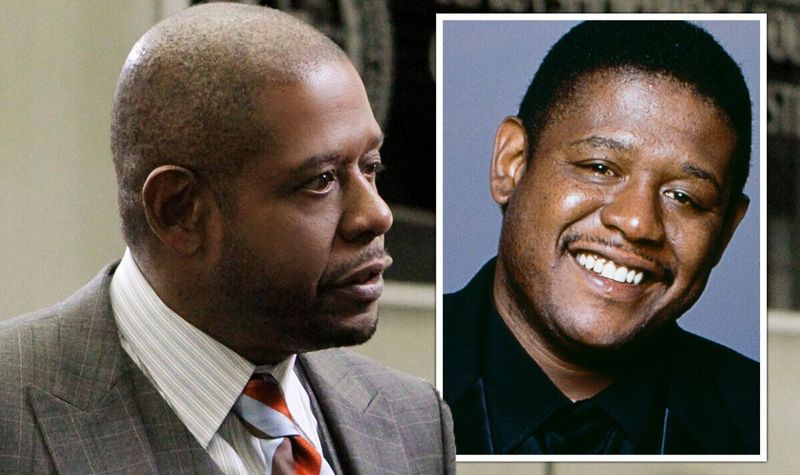
Forest Whitaker’s heavy-lidded left eye is one of his most recognizable features, often attributed to ptosis, a condition where the eyelid droops due to weakened muscles, or mild strabismus. It gives his gaze a uniquely intense quality that has served him powerfully on screen.
Rather than seeking cosmetic correction, Whitaker has embraced this trait as part of who he is. His Academy Award-winning career proves that Hollywood’s narrow beauty standards have no real power over genuine, undeniable talent and screen presence.
12. Thom Yorke of Radiohead
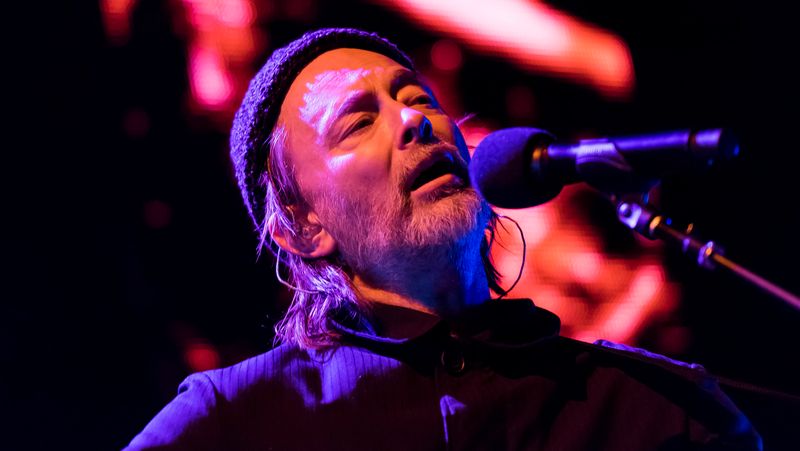
Thom Yorke was born with a paralyzed left eye, which caused it to droop noticeably, a condition known as ptosis. He underwent several surgeries during childhood to correct it, but one procedure unfortunately caused additional damage to his vision rather than improving it.
The experience left a lasting mark, both physically and emotionally. Yorke has referenced his eye in interviews over the years, and fans familiar with his story see the subtle droop not as a flaw but as a quiet piece of his complex personal history.
13. Ray Charles
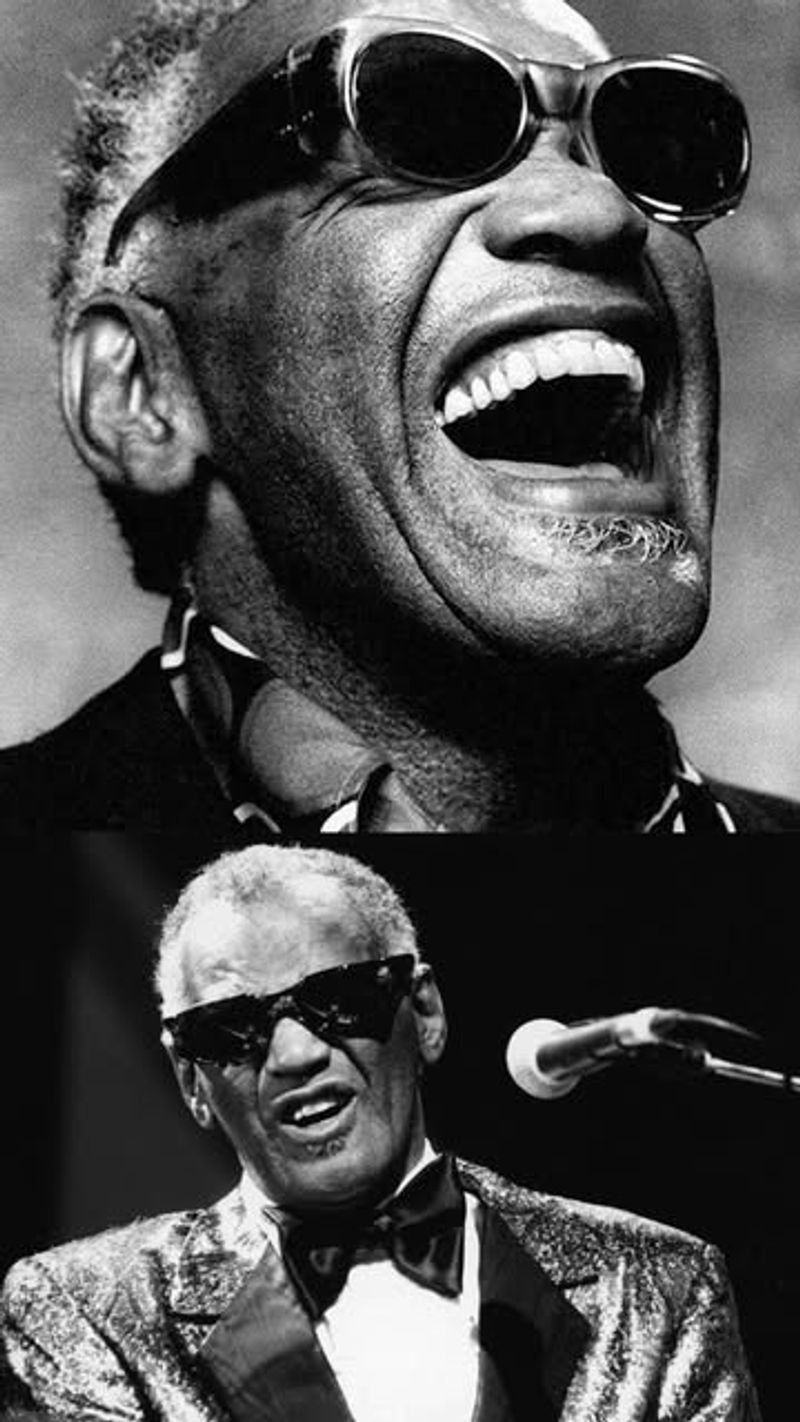
Ray Charles began losing his sight around age four and was completely blind by age seven. The cause was untreated glaucoma, a condition that damages the optic nerve and, without proper care, leads to irreversible vision loss.
Growing up Black and blind in the American South during the 1940s added layers of hardship to his journey that are hard to fully imagine today. Yet Charles transformed his experiences into music that moved the entire world, becoming one of the most influential artists in history.
14. Missy Elliott
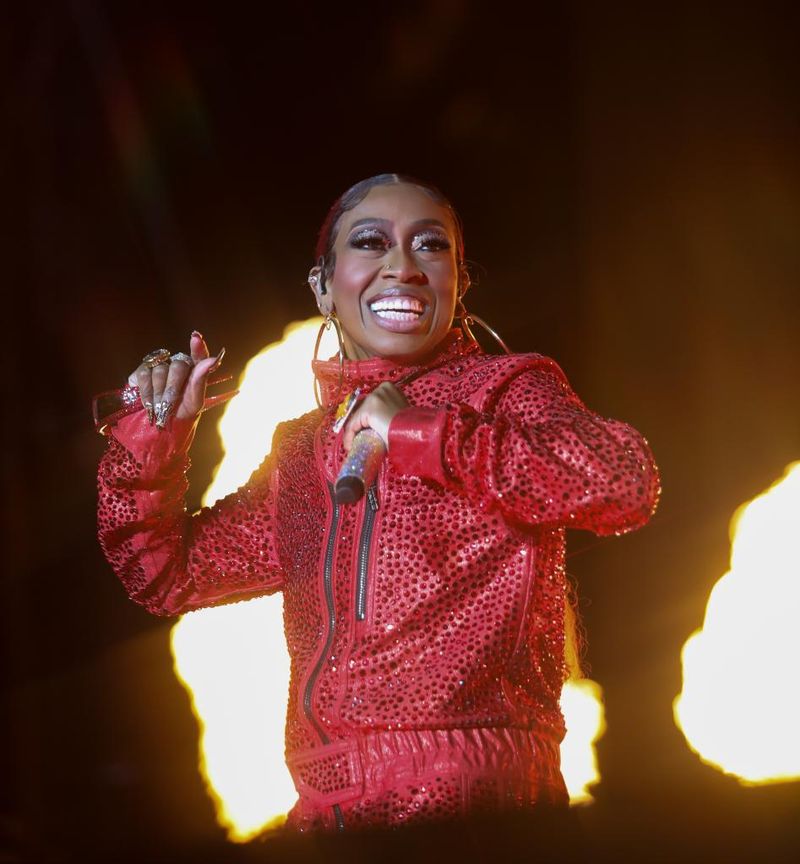
Missy Elliott’s disappearance from the spotlight years ago left many fans puzzled, but the reason was serious. She was diagnosed with Graves’ disease, a thyroid disorder that triggered blurred vision and heightened sensitivity to light, among other debilitating symptoms.
Managing the condition required real dedication and lifestyle adjustments. Elliott eventually made a triumphant return to music, reminding everyone why she is one of hip-hop’s most creative forces.
Her comeback story is about resilience, patience, and refusing to let illness write the final chapter.
15. Stephen Curry
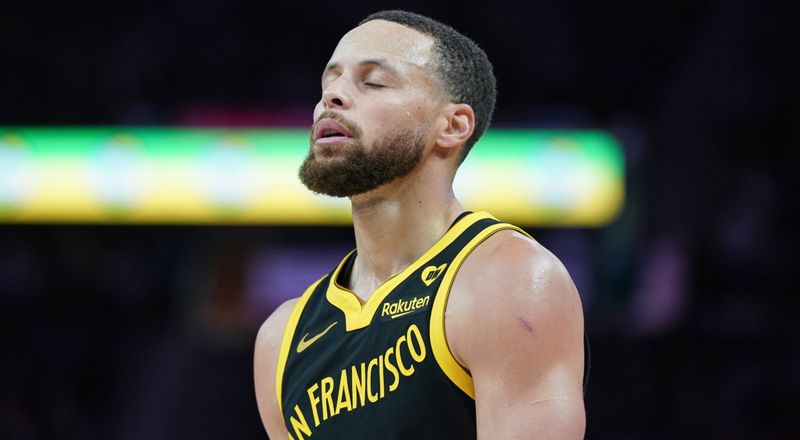
Stephen Curry, widely considered one of the greatest shooters in NBA history, was diagnosed with keratoconus, a condition where the cornea gradually thins and takes on a cone-like shape. This distorts vision in ways that standard glasses cannot fully correct.
He underwent a procedure called corneal crosslinking to slow its progression and now uses specialized contact lenses. The fact that a player with compromised corneas became a sharpshooter of his caliber is genuinely astonishing, and his story has helped bring keratoconus to a much wider audience.
16. Brittany Howard of Alabama Shakes
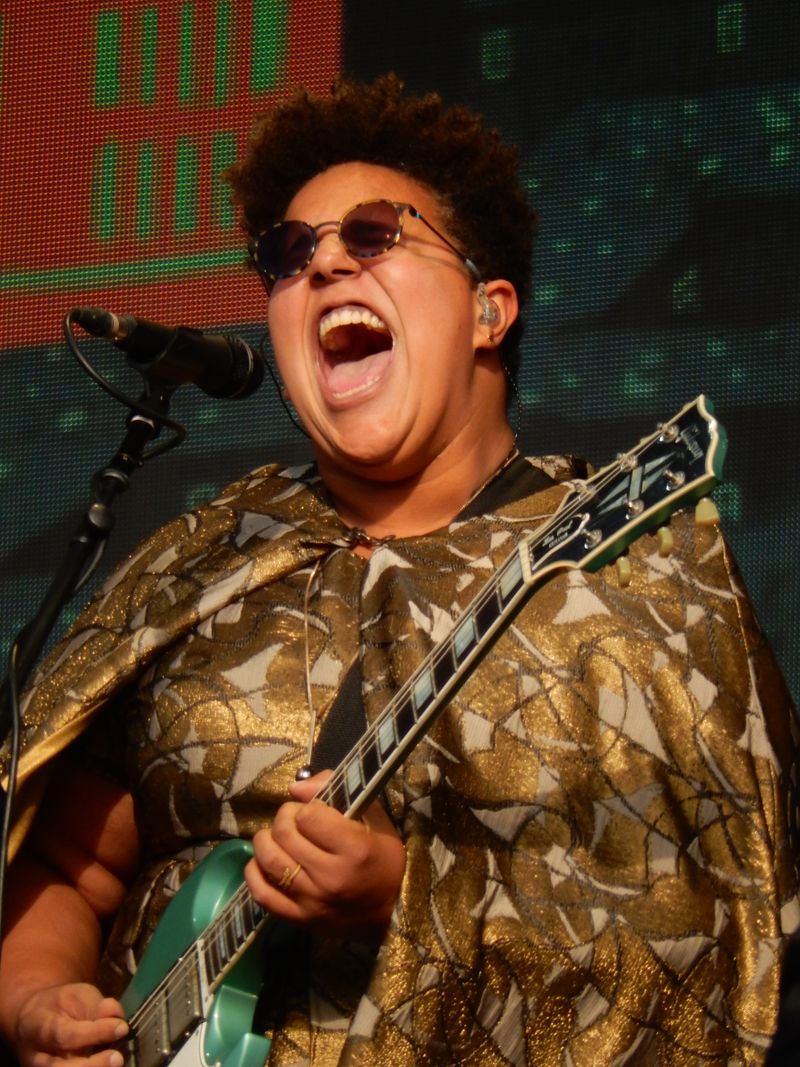
Brittany Howard, the powerhouse vocalist behind Alabama Shakes, has been blind in one eye since childhood. The cause was retinoblastoma, a rare form of eye cancer that most commonly affects young children and requires aggressive treatment to prevent it from spreading.
Losing vision in one eye at such a young age is a profound experience, yet Howard channeled her energy into music with extraordinary results. Her soulful voice and fearless artistry have earned her widespread critical acclaim and a devoted global fanbase.
17. Jose Feliciano
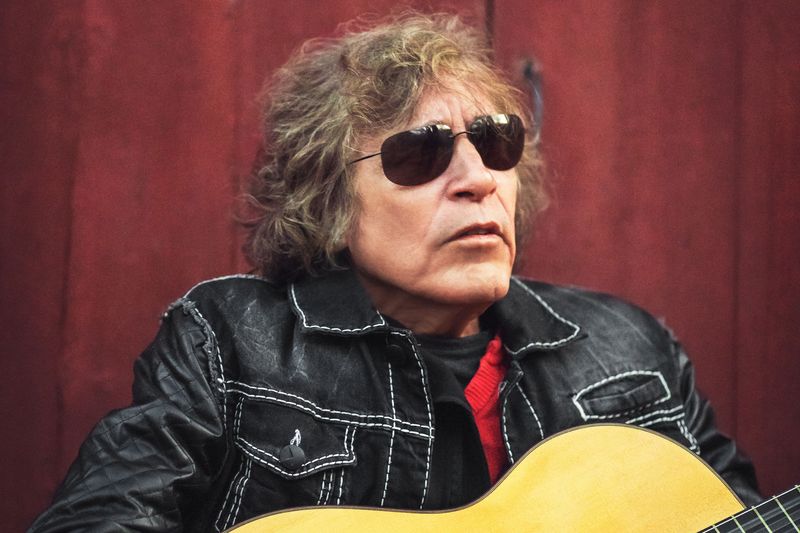
Jose Feliciano, famous for his emotionally rich guitar playing and his classic holiday song Feliz Navidad, lost his sight as a child due to congenital glaucoma, a form of the disease present from birth. Left untreated, it caused complete and permanent blindness.
Growing up in New York City without sight could have been an isolating experience, but music became his language and his freedom. Feliciano’s career spans decades and genres, and his story is a beautiful example of how art can flourish even in the absence of one of our primary senses.
18. Paris Hilton
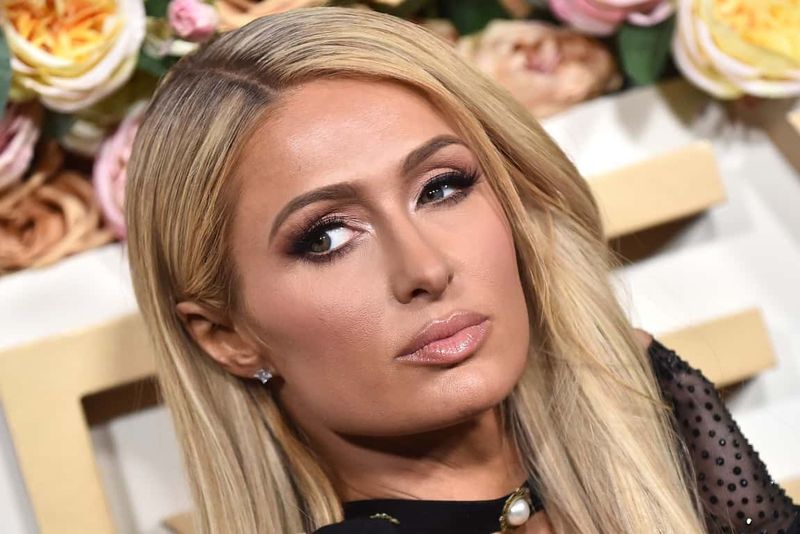
Paris Hilton has an amblyopic left eye, a condition commonly known as lazy eye, where the brain favors one eye over the other and vision in the weaker eye does not fully develop. It can cause the affected eye to drift or droop slightly in certain lighting.
Most fans who have watched her on television or in photos over the years likely never noticed it. Hilton has mentioned the condition in passing, and it serves as a small reminder that even the most camera-ready celebrities have their own physical nuances.
19. Denzel Washington
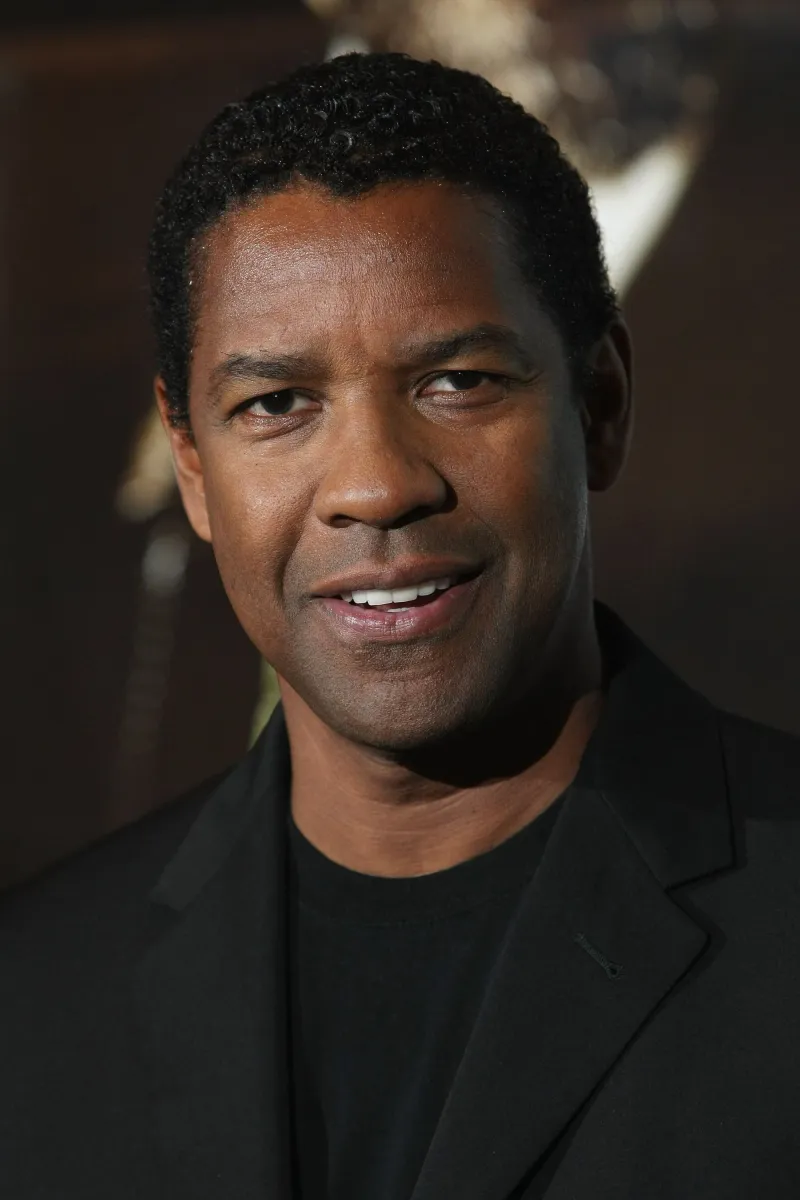
Denzel Washington has a mild case of strabismus, a slight misalignment of the eyes that most people never pick up on because his commanding screen presence tends to hold all the attention. It is subtle enough that casual viewers rarely notice it at all.
Washington has not made his eye condition a central part of his public story, which is completely understandable given how understated it is. Still, knowing about it adds an interesting layer to appreciating how naturally charismatic and focused his performances always appear on screen.