
Some horror movies skip the jump scares and go all in on atmosphere, visuals, and mood instead. These films make you feel uneasy in a completely different way, using stunning cinematography, surreal imagery, and carefully crafted settings to get under your skin.
Style becomes the real weapon of fear. If you love movies that look as good as they unsettle, this list is made for you.
1. It Follows (2014)
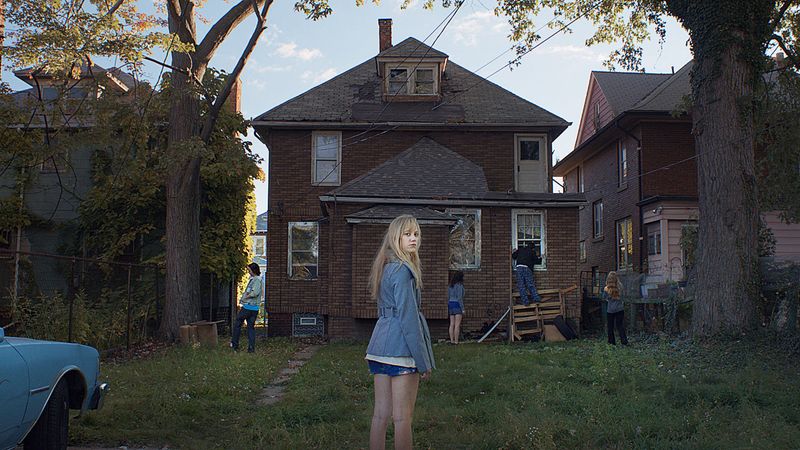
Forget the monster hiding under the bed. “It Follows” builds its dread slowly, like a fog rolling in on a quiet night. The horror here comes from an idea, not a creature, and the camera captures every anxious glance and empty horizon with chilling precision.
Its retro-tinged cinematography and pulsing synth score make it feel timeless and deeply uncomfortable. You will not find cheap shocks here, only a suffocating sense that something is always coming closer.
2. Perfect Blue (1997)
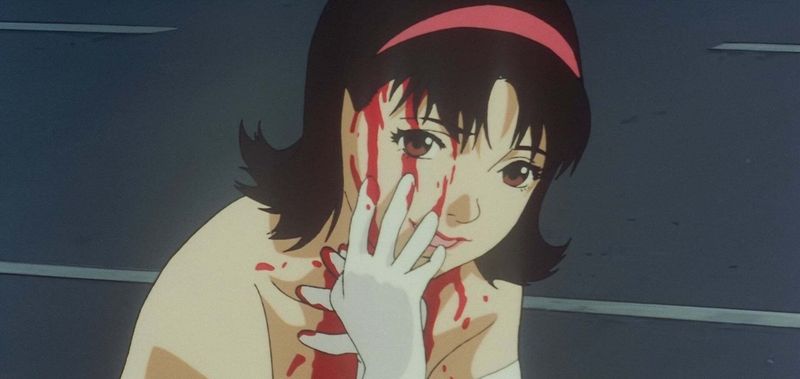
Animation rarely gets this dark or this beautiful. Satoshi Kon’s “Perfect Blue” blurs the line between reality and delusion so smoothly that viewers start questioning what is real alongside the main character.
The hand-drawn visuals are expressive and hypnotic, shifting from glossy pop-idol aesthetics to genuinely disturbing imagery without warning. It proved that anime could carry the weight of adult psychological horror with the same power as any live-action film.
Truly unforgettable.
3. The Killing of a Sacred Deer (2017)
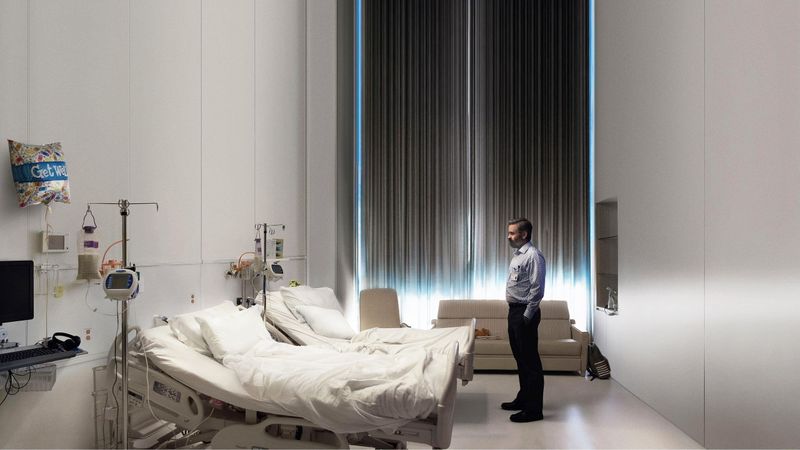
Yorgos Lanthimos directed this film like a surgeon performing an operation without anesthesia. Every scene is precise, cold, and deeply uncomfortable.
Characters speak in a flat, robotic tone that somehow makes the horror feel even more real and inescapable.
The cinematography leans on wide angles and perfectly centered compositions, turning ordinary spaces into something deeply sinister. Nothing about it feels accidental.
The visual control is so tight that the dread builds purely through atmosphere and structure.
4. Get Out (2017)
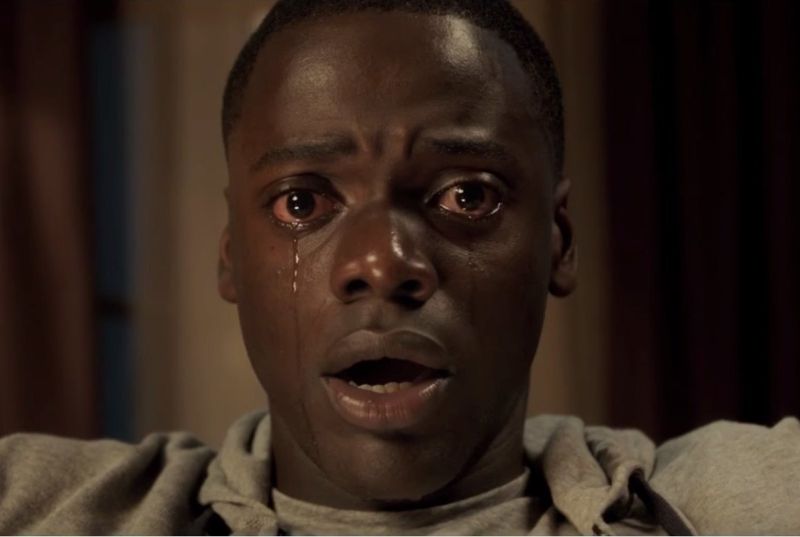
Jordan Peele turned a dinner party into one of the most terrifying experiences in modern cinema. “Get Out” does not rely on monsters or gore. Instead, it weaponizes politeness, privilege, and the slow creep of realization to generate genuine dread.
Every frame is purposeful, every smile slightly too wide. The film’s horror lives in the details, in glances, in awkward conversations, in a sunken place that feels all too real.
Sharp, stylish, and devastatingly smart.
5. The Woman in Black (2012)
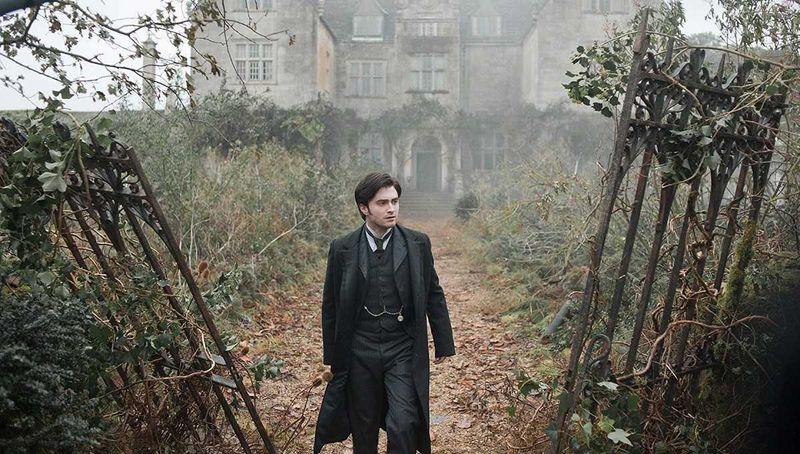
Marshland, fog, and a crumbling Victorian house. “The Woman in Black” earns its chills purely through setting and atmosphere, wrapping viewers in a gothic world that feels genuinely cursed from the first frame.
Daniel Radcliffe navigates candlelit corridors and flooded marshes while the film piles on dread through shadows and silence rather than gore. The production design alone tells a story of grief and malevolence.
Old-school haunted house filmmaking at its most visually committed and atmospheric.
6. Donnie Darko (2001)
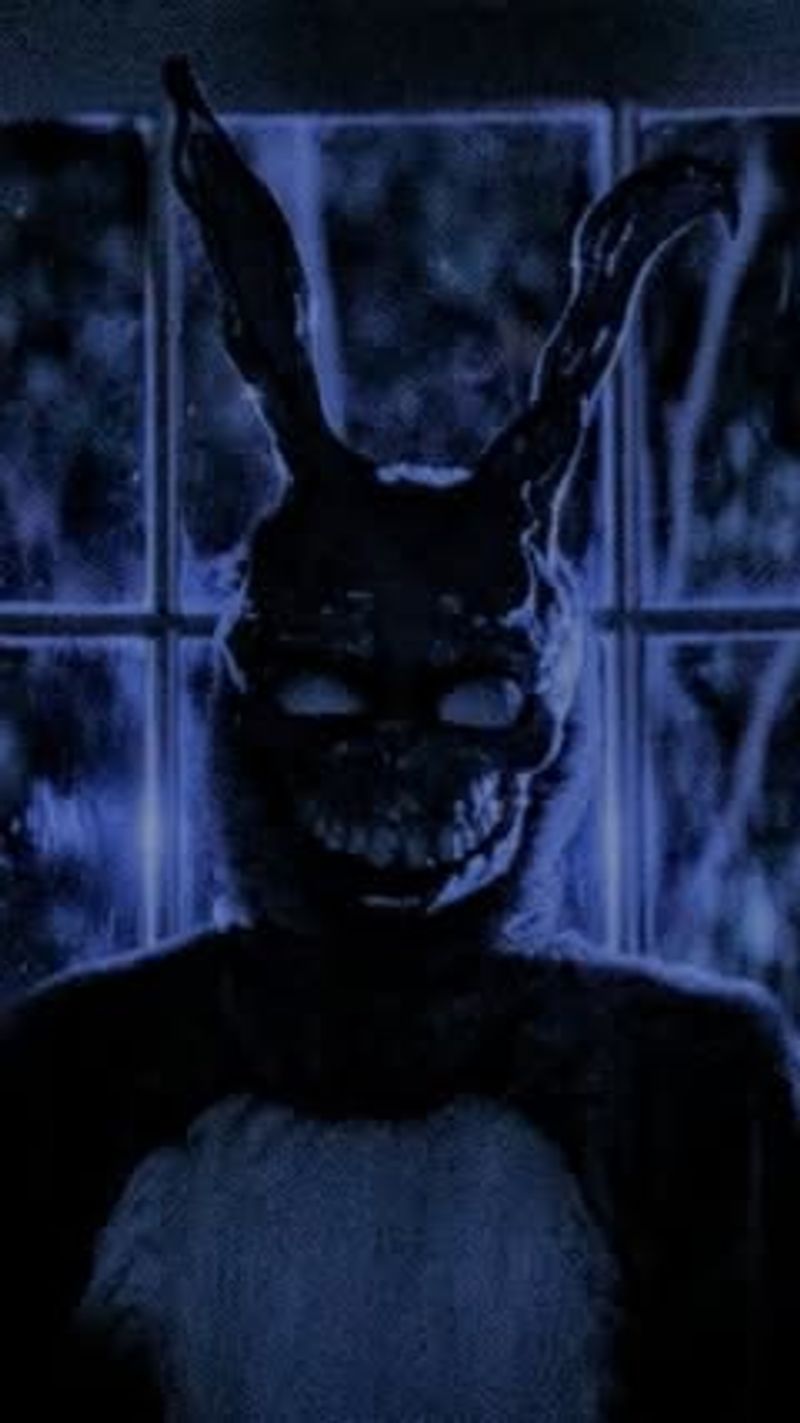
Richard Kelly’s debut film feels like a dream you cannot quite shake after waking up. “Donnie Darko” mixes suburban teen life with time travel, hallucinations, and a terrifying rabbit named Frank in a way that defies easy explanation.
The visual style is deliberately disorienting, using slow motion, eerie lighting, and a melancholy score to pull viewers into Donnie’s fractured reality. It is moody, strange, and hauntingly beautiful, a film that rewards repeated viewing more than most.
7. Rosemary’s Baby (1968)
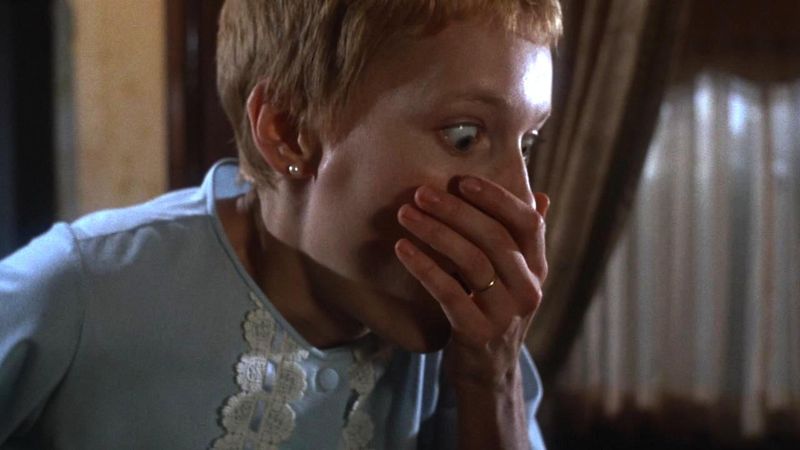
Roman Polanski transformed a New York apartment into one of cinema’s most claustrophobic spaces. “Rosemary’s Baby” never shows you anything overtly monstrous, yet it is deeply, persistently terrifying through sheer psychological pressure.
The film’s elegant visual style, pastel walls, fashionable clothes, and refined interiors, contrasts brilliantly with the creeping horror beneath the surface. Mia Farrow’s performance combined with Polanski’s restrained direction creates a suffocating paranoia that horror films have been chasing ever since.
A masterclass in slow dread.
8. House (1977)
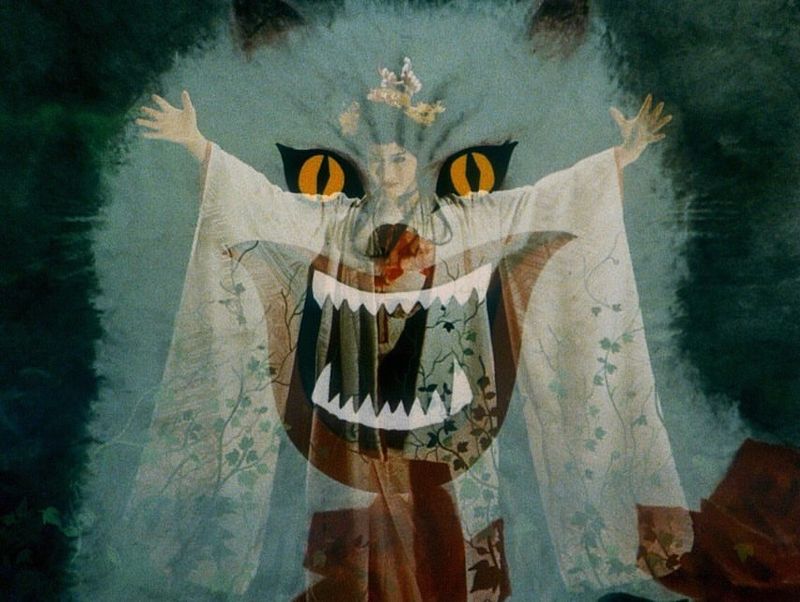
Nothing in cinema quite prepares you for “House.” This Japanese cult classic from director Nobuhiko Obayashi looks like a children’s film that took a very sharp left turn into madness. The special effects are deliberately crude and wildly inventive.
Pianos eat people. Clocks drip.
Cats glow with menace. Every scene is a new visual experiment, layering absurdity on top of absurdity until the whole thing becomes hypnotic.
It is less frightening than utterly, gloriously bizarre.
9. The Neon Demon (2016)
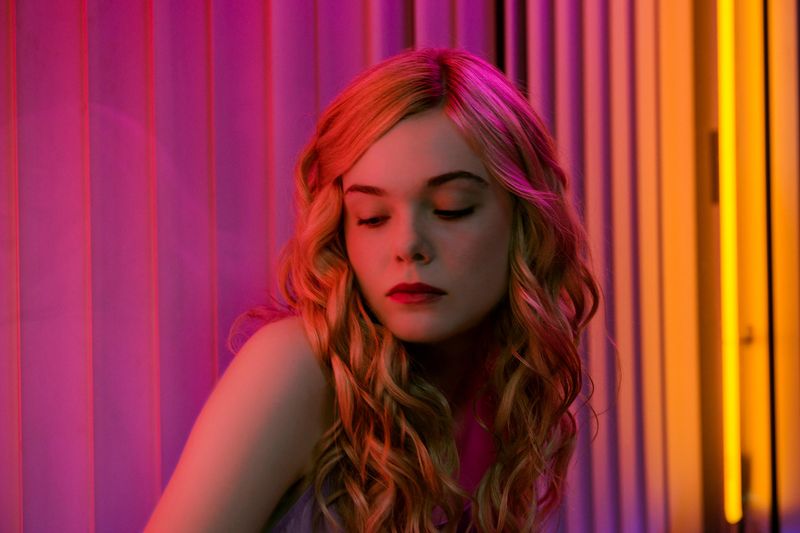
Nicolas Winding Refn does not make movies so much as he constructs visual experiences. “The Neon Demon” is his most polarizing work, a story about the modeling industry wrapped in some of the most stunning and disturbing imagery ever committed to film.
Neon lights pulse. Mirrors multiply.
Beauty becomes predatory. The horror here is almost entirely aesthetic, landing through color, composition, and an icy electronic score.
You might not be scared, but you will absolutely not look away.
10. Goodnight Mommy (2014)
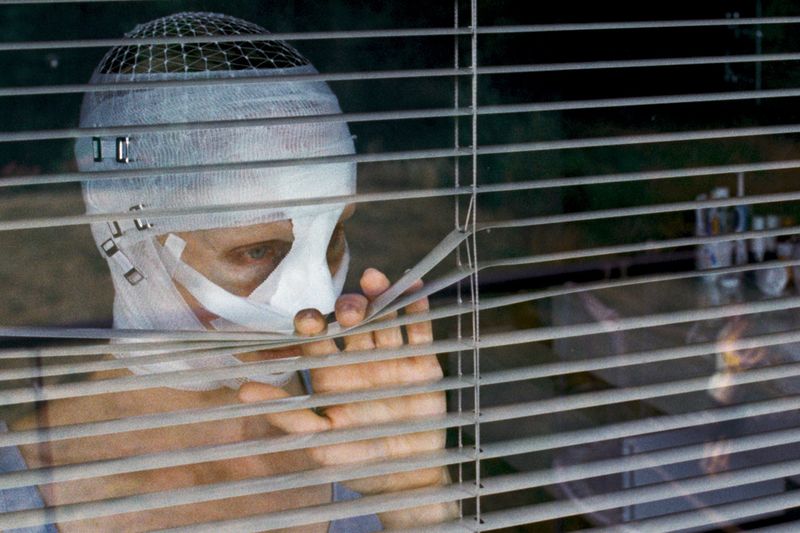
Austrian directors Veronika Franz and Severin Fiala constructed a film that feels like being trapped inside someone else’s nightmare. “Goodnight Mommy” opens with lush, almost peaceful countryside imagery before twisting into something deeply unsettling and cruel.
The cinematography is clean and precise, giving the horror nowhere to hide. Twin boys, a bandaged mother, and a remote house create a pressure cooker of suspicion and dread.
The film trusts its visuals completely, and that trust pays off in unforgettable ways.
11. The Witch (2015)
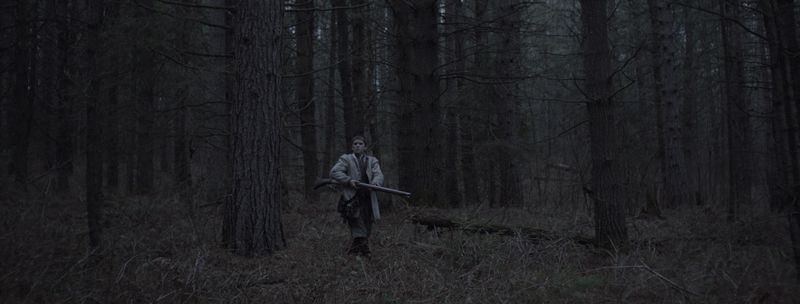
Robert Eggers built his debut film from the ground up with obsessive historical accuracy, and the result is a horror movie that feels genuinely lived in and terrifyingly real. Every detail, from the dialogue to the costumes, reinforces the world’s suffocating isolation.
The horror of “The Witch” grows slowly, rooted in Puritan fear, family tension, and the unknowable darkness of the woods beyond the farm. It is a film that gets colder as it progresses, right up to its chilling final moments.
12. A Girl Walks Home Alone at Night (2014)
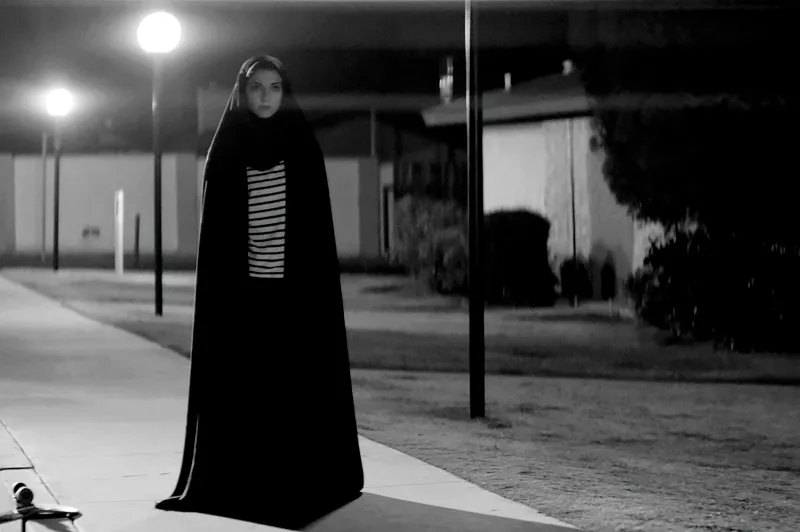
Shot entirely in crisp black and white, this Iranian-American film looks unlike anything else in the horror genre. Director Ana Lily Amirpour called it an “Iranian vampire Western,” and that mashup is exactly as cool and strange as it sounds.
The vampire here is a quiet avenger, gliding through empty streets with effortless menace. Long, wordless scenes do more emotional work than most films manage with entire monologues.
Stylish, feminist, and hauntingly poetic, it redefined what a vampire film could be.
13. Eraserhead (1977)
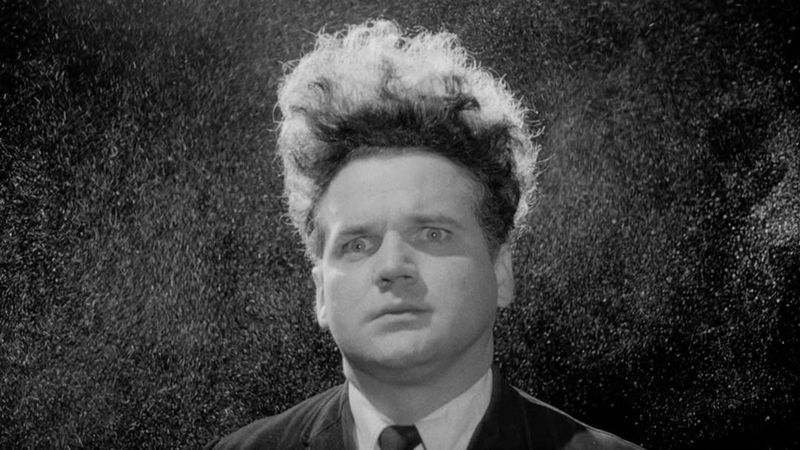
David Lynch spent five years making “Eraserhead” on a shoestring budget, and every single one of those years shows in the film’s extraordinary texture. The industrial soundscape alone, a constant hum of machinery and ambient noise, creates a world that feels suffocating and wrong.
The black-and-white visuals are unlike anything from that era, turning ordinary rooms into surreal nightmares. It is less a story than a mood, one of pure existential dread delivered through Lynch’s completely original visual language.
Genuinely unlike anything else.
14. The Shining (1980)
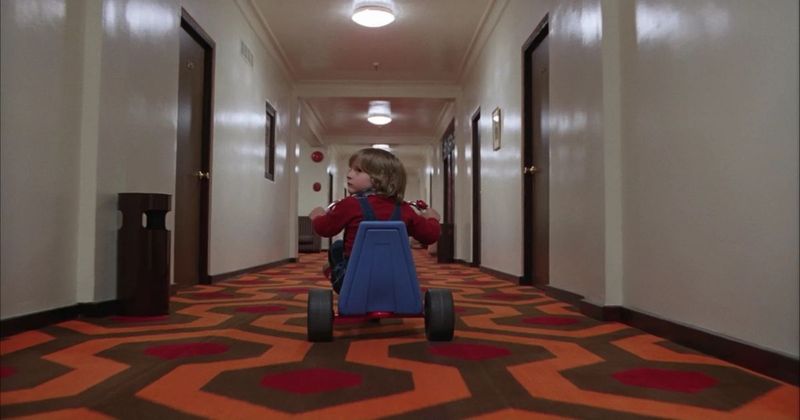
Stanley Kubrick brought his obsessive perfectionism to horror and created something that has never truly been matched. The Overlook Hotel feels like a living entity, and Kubrick’s use of the Steadicam to glide through its corridors gives the film an almost hypnotic quality.
Symmetrical compositions and that iconic carpet pattern became cultural shorthand for unease. Jack Nicholson’s descent into madness is terrifying, but the real star is Kubrick’s visual architecture, a grand, cold, beautiful trap with no way out.
15. Hereditary (2018)
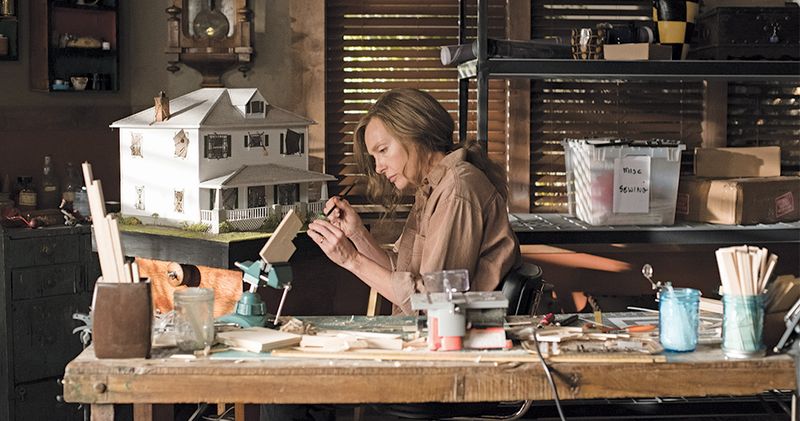
Ari Aster announced himself to the horror world with a film that doubles as a portrait of grief so raw it hurts to watch. “Hereditary” uses miniatures and dioramas as a recurring visual motif, suggesting that the characters are trapped, small, and powerless.
Toni Collette delivers one of the most devastating performances in modern horror, but the film’s visual design matches her every step. Long, slow camera pulls and carefully staged compositions make ordinary family scenes feel loaded with impending catastrophe.
Genuinely harrowing.
16. Midsommar (2019)
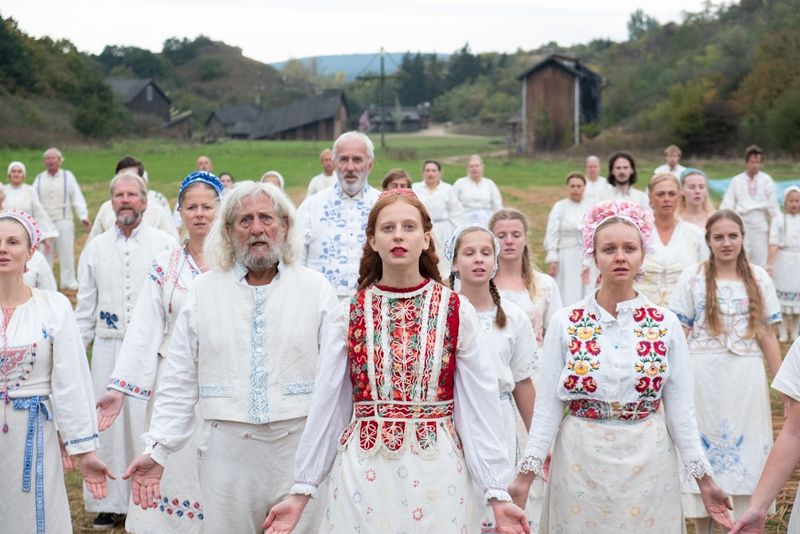
Most horror hides in the dark. Ari Aster flipped that idea completely on its head with “Midsommar,” a film where almost every terrifying moment happens in broad, blazing daylight under blue Scandinavian skies.
The Swedish folk costumes, floral arrangements, and communal rituals look breathtakingly beautiful right up until they absolutely do not. Florence Pugh anchors the emotional core while the world around her grows increasingly sinister.
Bright colors have never felt so threatening. Visually, it is a masterpiece of discomfort.