
Friends was one of the biggest TV shows of the 1990s and early 2000s, and millions of people still rewatch it today. But as times change, so do our eyes and ears.
Some jokes that made audiences roar with laughter back then can now feel awkward, outdated, or even a little cringeworthy. Here are 15 episodes that hit differently when you watch them now.
1. The One Where No One’s Ready
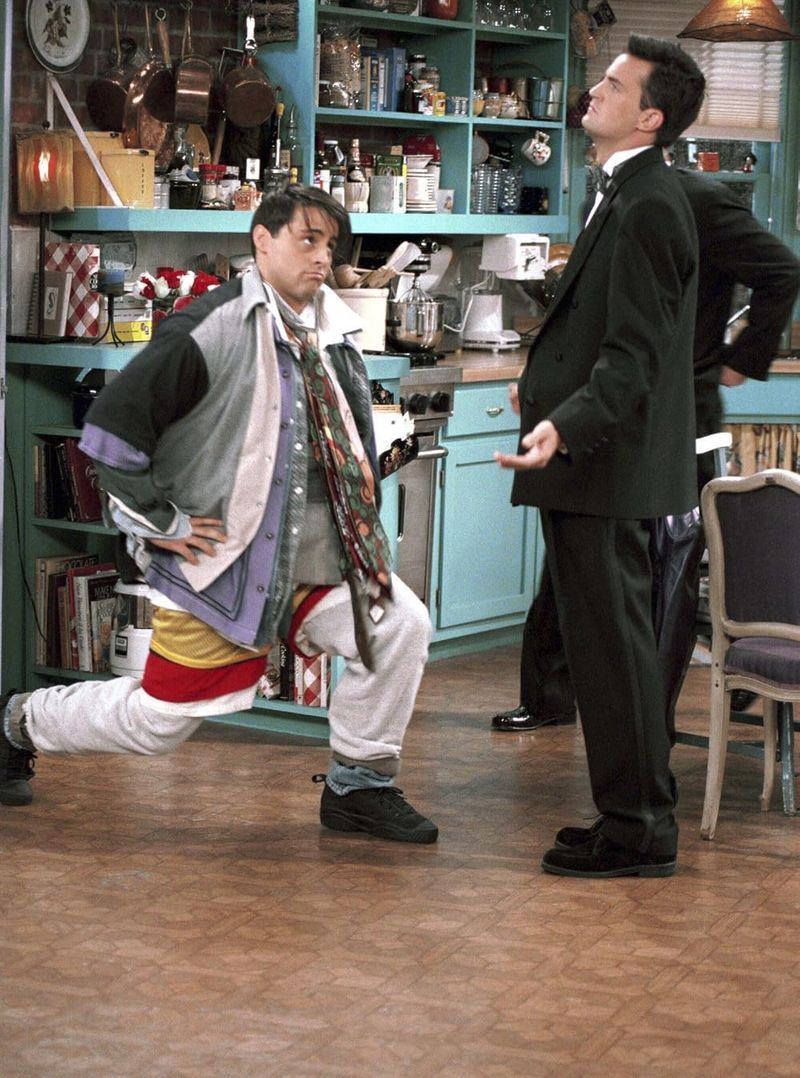
Watching everyone argue about getting ready used to feel like pure comedy gold. Now, it reads more like a masterclass in emotional manipulation, especially Ross’s meltdown over a dinner reservation.
His behavior toward Rachel feels controlling rather than funny. The pressure he puts on her is something many viewers now recognize as a red flag.
What once seemed like harmless sitcom chaos now looks like a relationship with some serious communication problems.
2. The One with the Inappropriate Sister
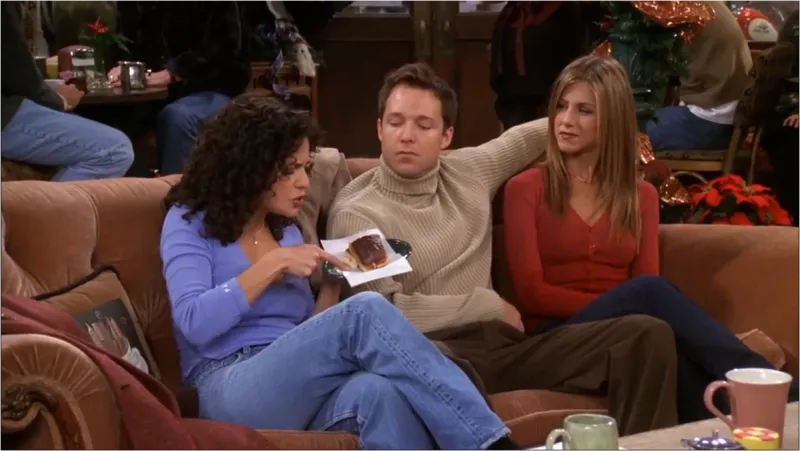
Back in the day, this episode’s humor around boundaries felt like typical holiday chaos. Watching it now, the jokes about personal space and what is considered “appropriate” behavior land very differently.
Audiences today are far more tuned in to conversations about boundaries and family dynamics. What seemed like lighthearted festive fun in 1998 now sparks real conversations.
It is a strange feeling when a holiday episode turns into a quiet lesson about respecting personal limits.
3. The One with the Male Nanny
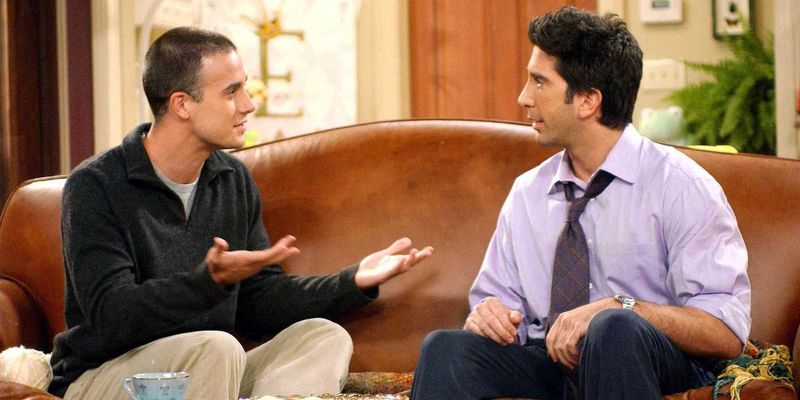
Sandy the male nanny was played for laughs, mostly because Ross could not wrap his head around a man doing the job. The whole episode leaned hard on the idea that male caregivers are somehow strange or suspicious.
Today, that punchline falls completely flat. Male nurses, teachers, and caregivers are celebrated, not mocked.
Rewatching this one is a reminder of how outdated gender role humor can feel when society has genuinely moved forward.
4. The One Where Eddie Won’t Go
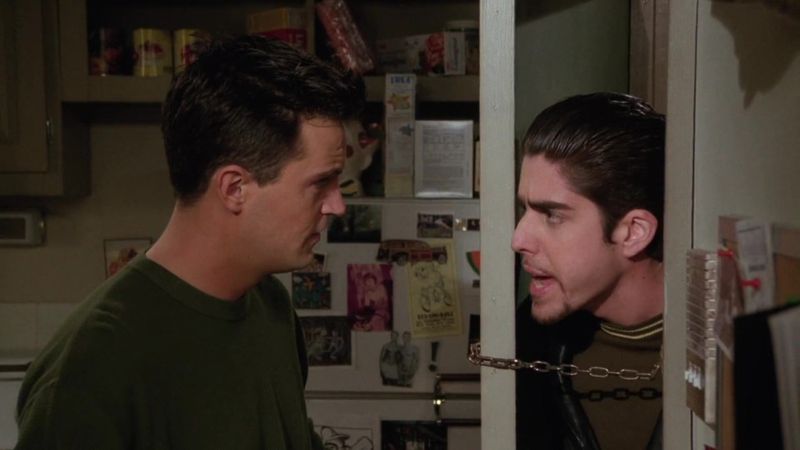
Eddie the roommate was written as a comedic villain, with his strange behavior played purely for laughs. But looking back, many of his traits now read as signs of serious mental health struggles that nobody around him took seriously.
Instead of getting help, he was mocked and manipulated out of his own home. Mental health awareness has grown enormously since 1996, and this episode is a clear example of how TV once treated struggling characters as comic relief rather than human beings.
5. The One with the Fertility Test
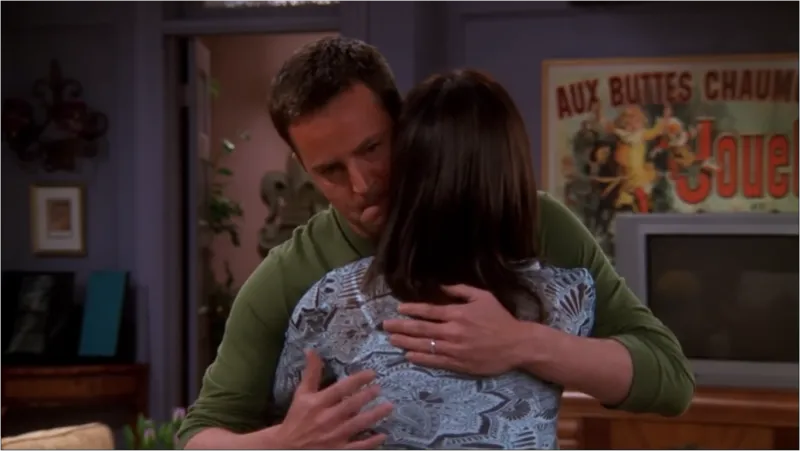
Fertility episodes were rare on mainstream TV, so Friends tackling the topic felt bold at the time. But the humor around Chandler’s test results and Monica’s reaction leaned heavily on embarrassment and shame.
Fertility struggles affect millions of real people, and today’s audiences are far more sensitive to how those stories are told. The episode still has warm moments, but the punchlines around something so personal and painful feel out of place compared to how we talk about this topic now.
6. The One with the Joke
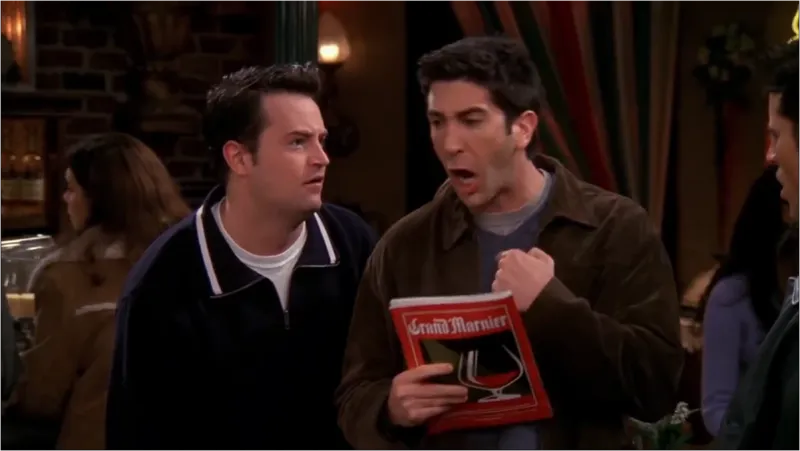
Ross and Chandler fight over who came up with a joke, and the whole episode spirals into a competition about credit and ego. At first glance, it is a fun rivalry story.
But the subplot involving the women labeling each other is where things get uncomfortable fast.
Phoebe calling Monica “high-maintenance” and Rachel “a pushover” felt like breezy girl talk in 2001. Now it reads as casually mean-spirited gossip between supposed best friends.
Friendship goals, this is not.
7. The One with Ross’s Sandwich
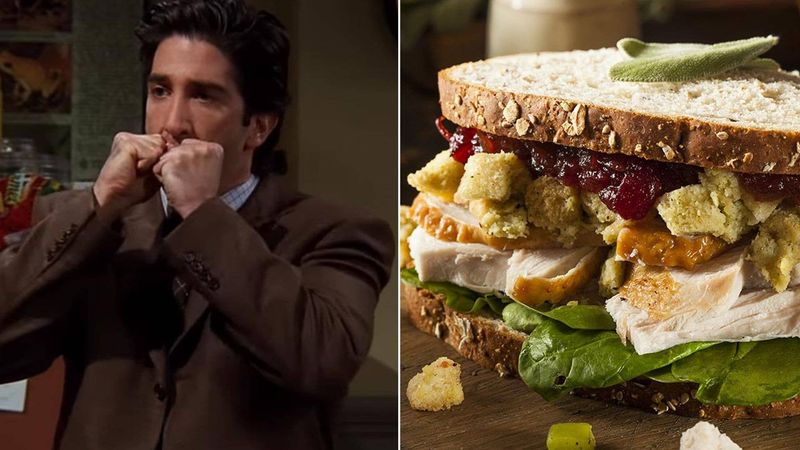
Ross’s rage over his stolen sandwich became one of the show’s most iconic moments, and honestly, it still kind of holds up. But his reaction, including the breakdown that leads to a leave of absence, is played entirely as a joke about him being unhinged.
Rewatching it now, many viewers actually feel sympathy rather than amusement. Workplace stress, grief, and emotional burnout are things people understand much more deeply today.
Ross’s meltdown hits less like comedy and more like a cry for help.
8. The One with the Lesbian Wedding
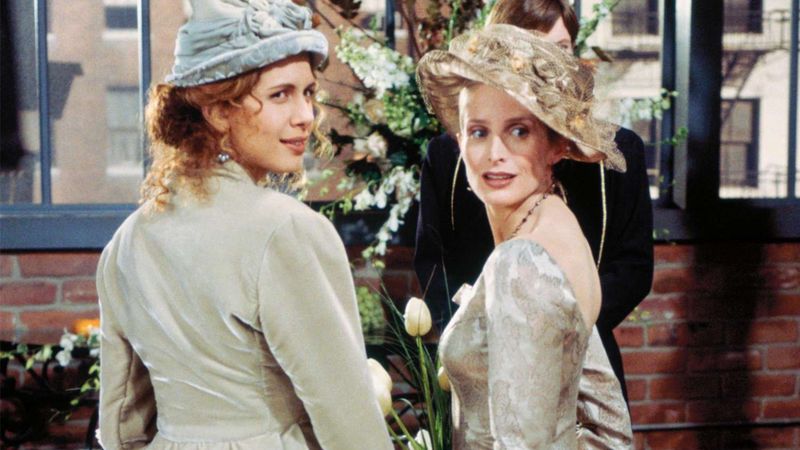
When this episode aired in 1996, it was genuinely groundbreaking television. A same-sex wedding on a major network sitcom was a big deal, and the show deserved credit for going there at all.
Watching it now, though, the humor still treats the wedding as something slightly shocking or exotic. The jokes are well-meaning but dated.
What felt brave in 1996 now feels like it was tiptoeing around full acceptance rather than embracing it. Progress has a funny way of reframing history.
9. The One Where Chandler Crosses the Line
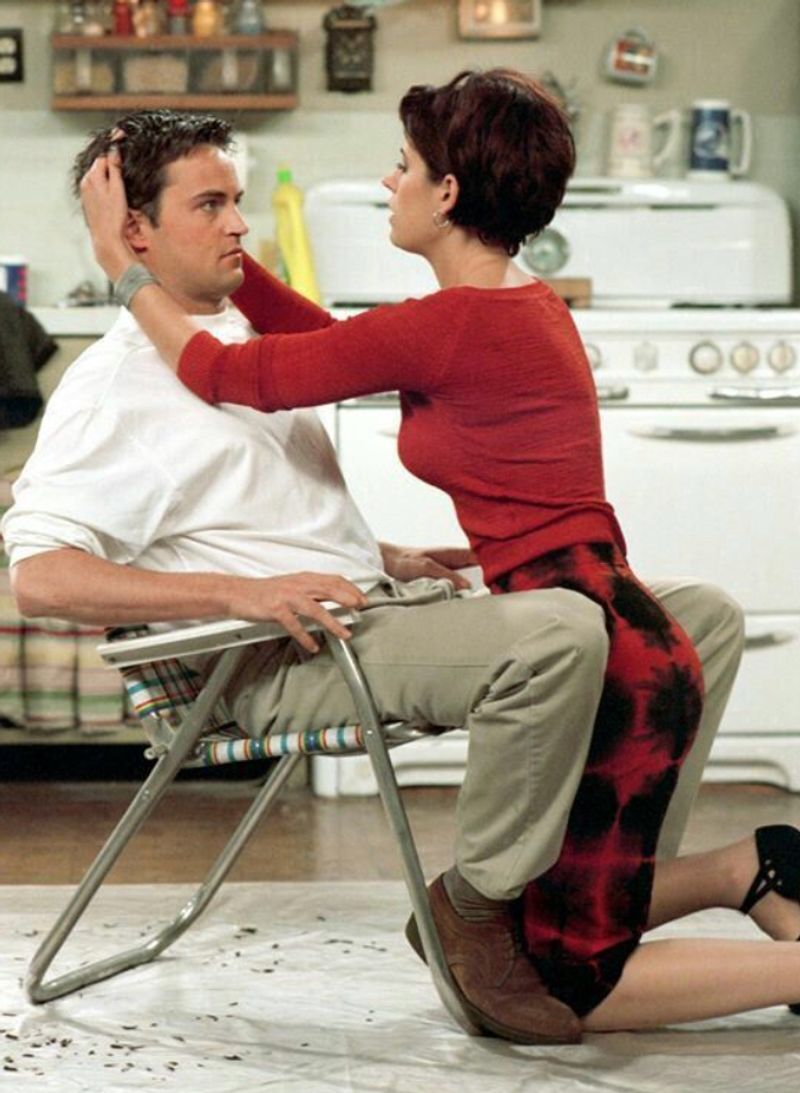
Chandler kissing Joey’s girlfriend Kathy felt like a dramatic turning point at the time, full of tension and guilt. The storyline was meant to explore loyalty and temptation between best friends.
But revisiting it now, the way Kathy is treated throughout the arc is striking. She is mostly used as a plot device to test the guys’ friendship rather than a fully realized person with her own feelings.
Female characters being sidelined for male bonding drama is something modern viewers notice immediately.
10. The One with the Cop
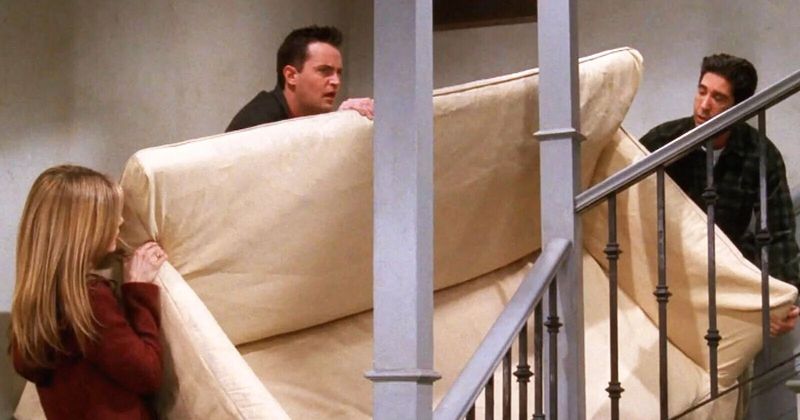
“PIVOT!” became one of the most quoted lines in TV history, and the physical comedy in this episode is still genuinely funny. Ross trying to move a sofa up a staircase with zero spatial awareness is timeless slapstick.
What has aged less well is the subplot where Phoebe finds a police badge and impersonates an officer. Using fake authority to boss strangers around on the street reads very differently in today’s climate around policing and public trust.
A small detail, but a noticeable one.
11. The One Where Ross Got High
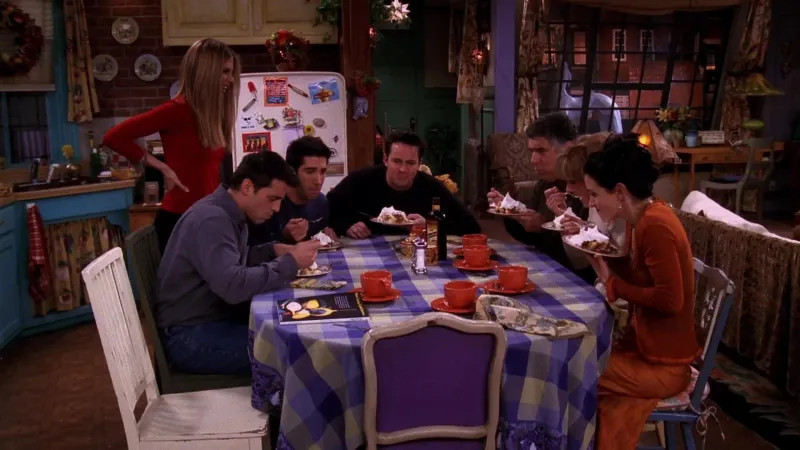
Thanksgiving episodes of Friends are legendary, and this one features the brilliant unraveling of years of secrets at the Geller dinner table. The rapid-fire confessions are still comedy perfection.
However, the way Jack and Judy Geller treat Chandler throughout the episode, dismissing him entirely based on Ross’s old lie, plays differently now. Parental disapproval based on misunderstanding is less “ha ha” and more genuinely hurtful to watch.
Monica’s desperation for her parents’ approval also hits with unexpected emotional weight today.
12. The One with the Halloween Party
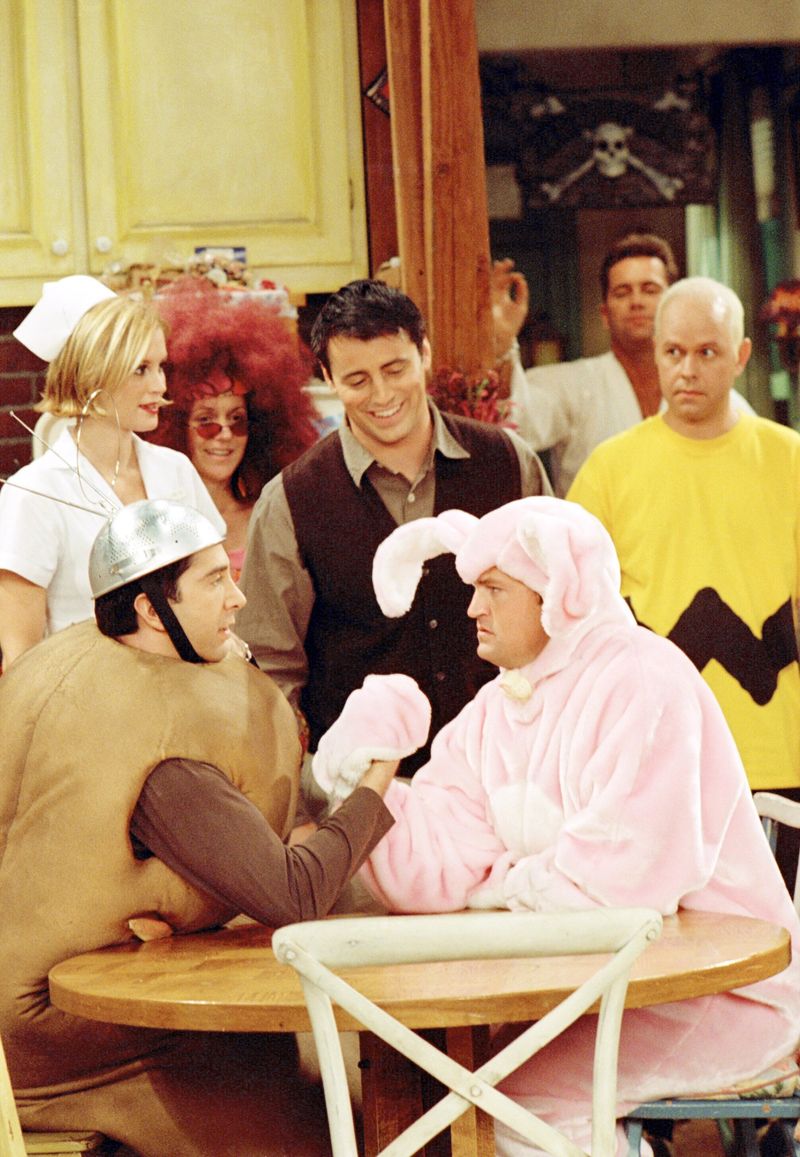
Costumes, candy, and an arm-wrestling contest between Ross and Chandler made this a fun seasonal watch. But Phoebe’s costume choice, a pink bunny suit she describes as “the velveteen rabbit,” gets mocked relentlessly by everyone.
What is interesting now is how the group’s constant teasing of Phoebe’s sincere, quirky choices reads as low-key bullying from her so-called best friends. Phoebe was always the odd one out, and this episode quietly shows how little grace the others extended to her uniqueness.
13. The One with the Embryos
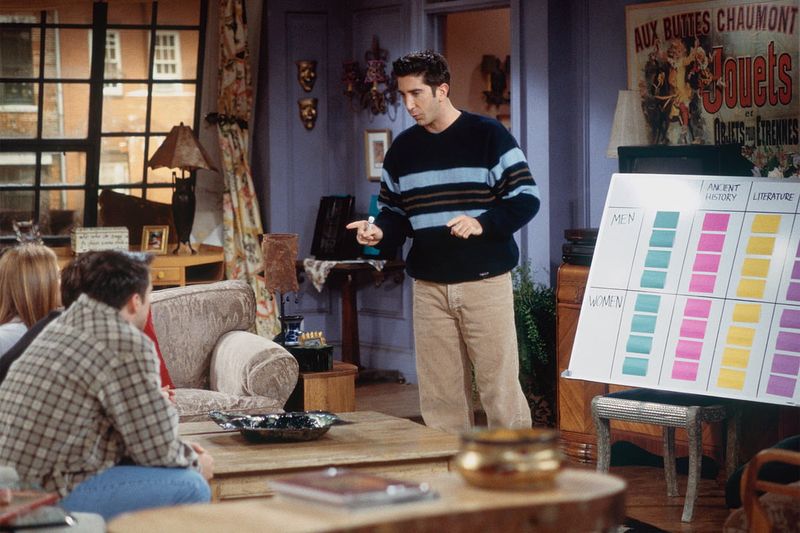
Widely considered one of the greatest Friends episodes ever made, the trivia game and apartment swap are still brilliantly structured comedy. Few episodes match its energy and pacing even today.
Still, the stakes of the bet, the girls losing their apartment over a game show challenge, feel oddly uncomfortable now. The idea that two women’s home could be wagered and lost in an afternoon hits differently when you think about housing security and financial independence.
Funny then, slightly unsettling now.
14. The One with Joey’s New Girlfriend
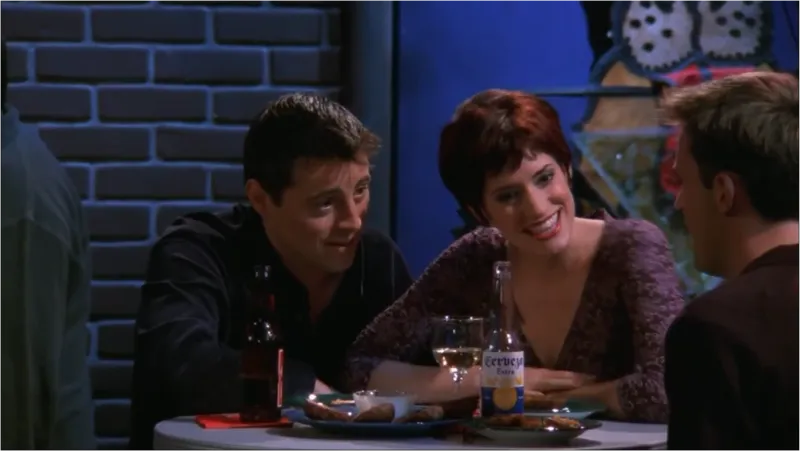
Jealousy and competition between women over a man was a go-to sitcom formula in the late 90s. This episode leans into that fully, with Chandler’s feelings creating tension between two female characters who barely get to exist outside of his storyline.
Modern audiences are quick to spot when women are written only in relation to men rather than as full characters themselves. The episode is still entertaining, but the dynamic feels like a relic of an era when female friendships were treated as naturally fragile and competitive.
15. The One Where No One Tells Ross
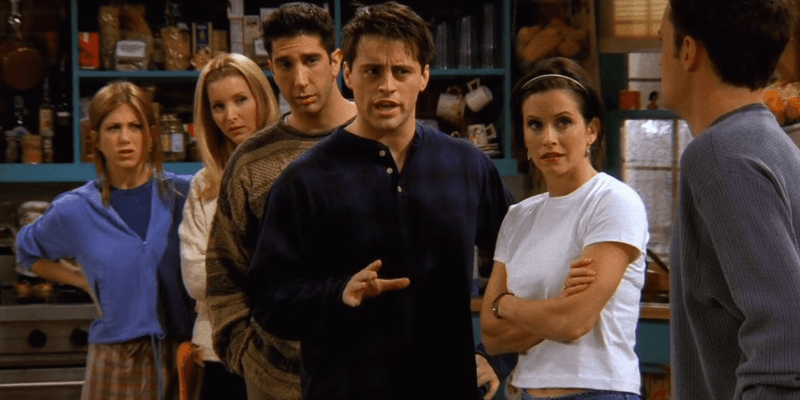
Everyone keeping a massive secret from Ross to avoid his reaction is played as a funny group conspiracy. And sure, the comedic timing is sharp.
But the reason they hide things from him is telling: Ross’s emotional reactions are so outsized that his friends feel they cannot be honest with him.
That dynamic, walking on eggshells around someone’s anger, is something people now recognize as emotionally exhausting. What read as “Ross being Ross” now reads as a group of people managing an unpredictable friend’s volatility full-time.