
Not every beloved book stands the test of time, and that’s perfectly okay to admit. Some novels written by women were groundbreaking for their era but now carry outdated ideas, harmful stereotypes, or cringe-worthy portrayals that modern readers can’t ignore.
Recognizing which books have aged poorly helps us make smarter reading choices. Luckily, there are also brilliant page-turners by women authors that remain as fresh and powerful as ever.
1. Valley of the Dolls by Jacqueline Susann
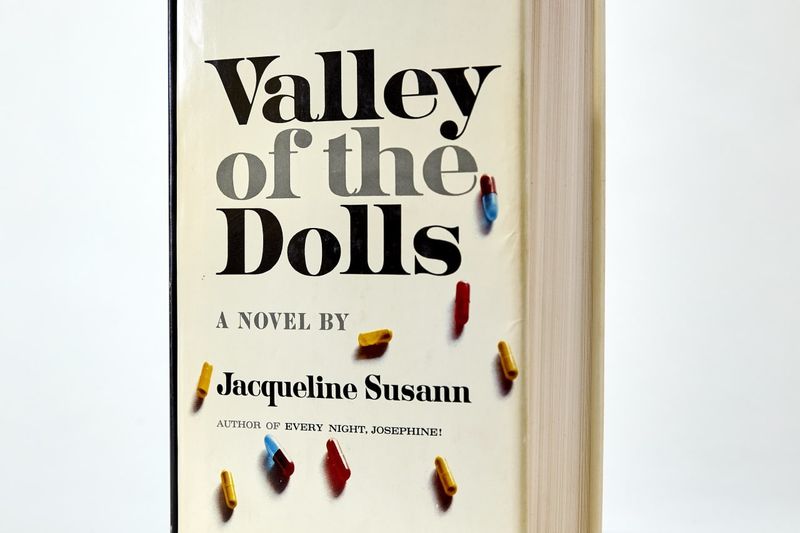
When it was published in 1966, this novel felt scandalous and daring. Today, its portrayal of women struggling with beauty standards and mental health reads more like a cautionary tale gone wrong.
The female characters are defined almost entirely by their looks and men, with little real agency.
What once felt bold now feels like a collection of tired stereotypes. Readers looking for complex female characters will likely walk away disappointed.
2. Little House on the Prairie by Laura Ingalls Wilder
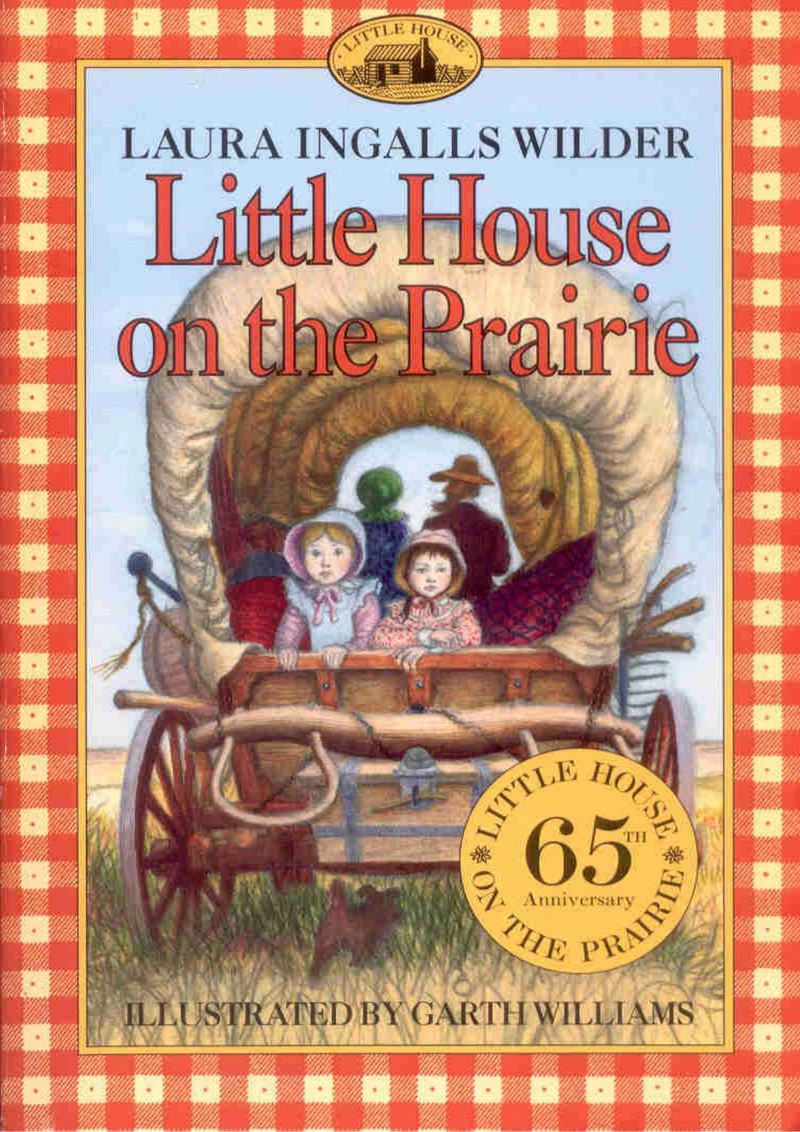
Millions of kids grew up loving the adventures of Laura Ingalls, and the cozy pioneer life she described felt magical. However, the series contains racist language and deeply troubling portrayals of Native Americans that are hard to overlook today.
In 2018, the American Library Association even removed Wilder’s name from a major children’s literature award because of these concerns. The stories carry charm, but also carry serious baggage that modern readers must reckon with honestly.
3. Gone With the Wind by Margaret Mitchell
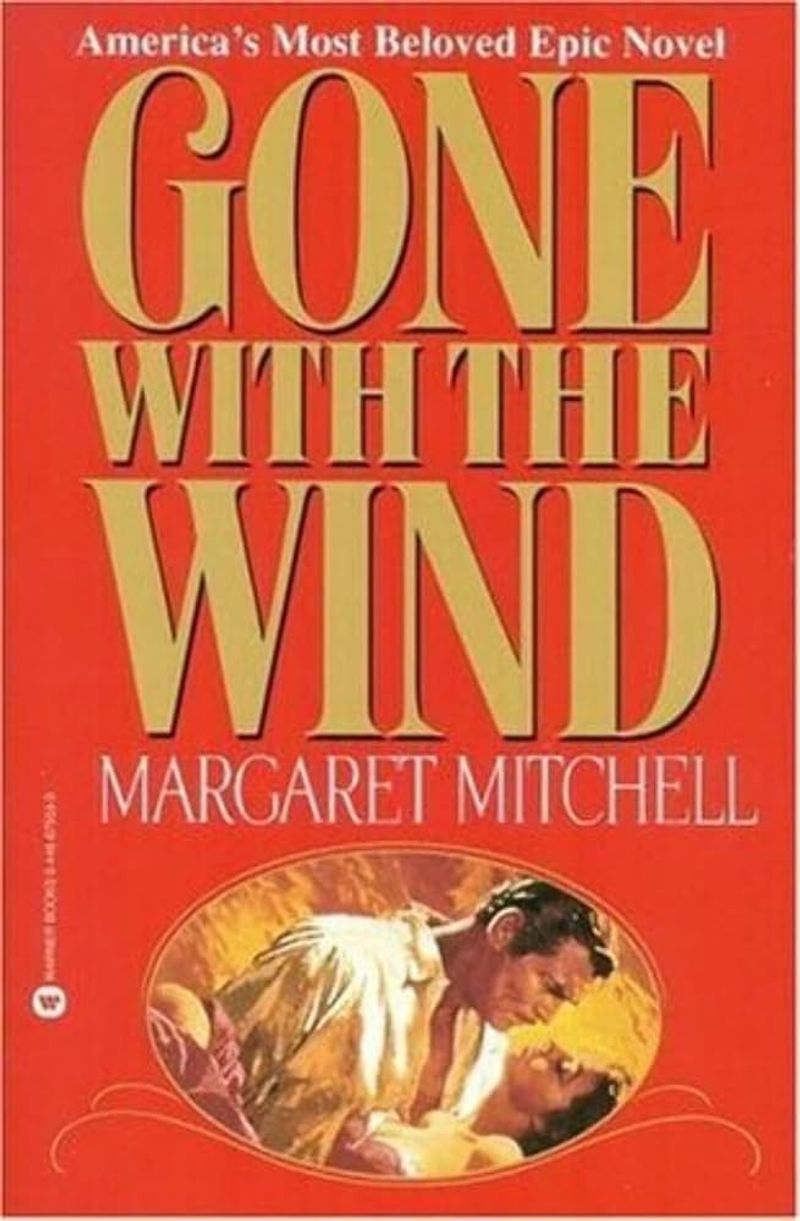
Few novels have been as celebrated and as criticized as this one. Margaret Mitchell’s sweeping Civil War epic romanticizes the antebellum South in ways that whitewash slavery and glorify a deeply unjust social order.
The enslaved characters are portrayed as loyal and content, which is both historically inaccurate and morally troubling. Scarlett O’Hara’s fiery personality is memorable, but the book’s racial politics make it a genuinely uncomfortable read by today’s standards.
4. Twilight by Stephenie Meyer
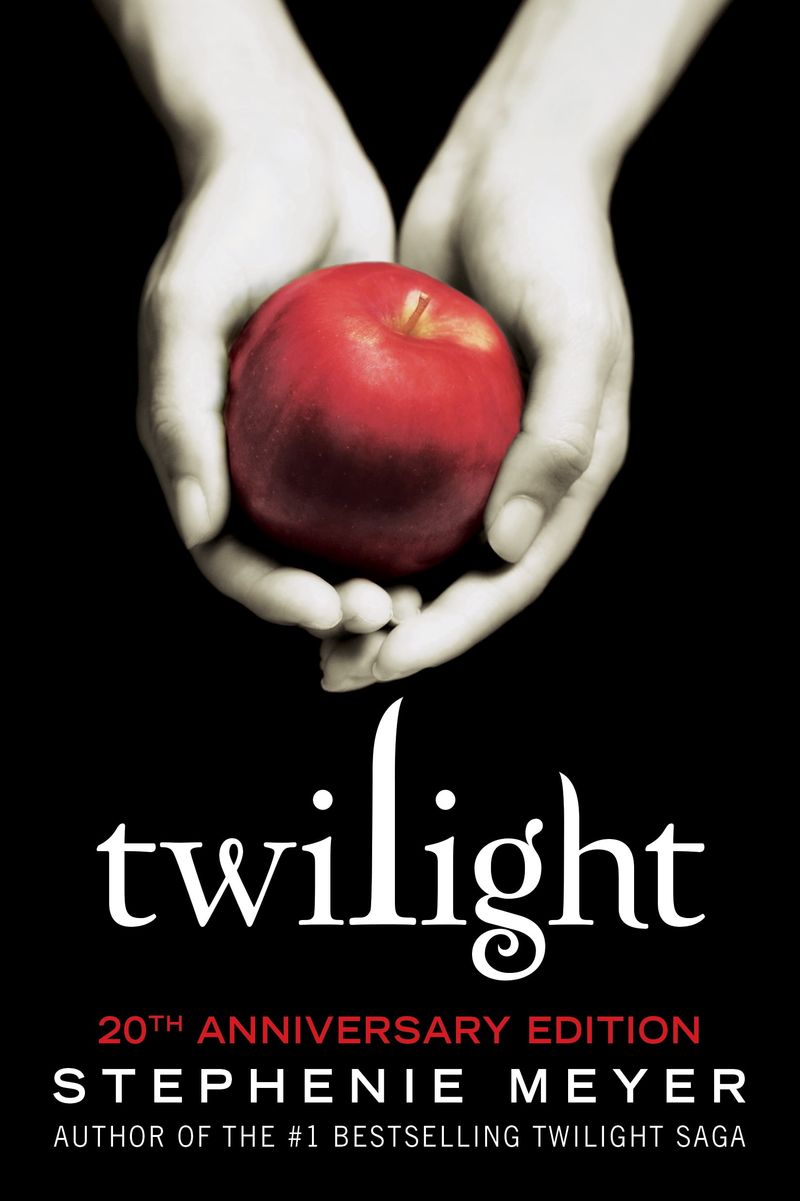
Bella Swan became a cultural phenomenon, but revisiting her story as an adult is a very different experience. Critics point out that Bella is portrayed as helpless and defined almost entirely by her romantic relationships, particularly her obsessive bond with Edward.
Edward himself displays controlling and possessive behavior that the narrative frames as romantic. The writing has also been widely criticized for its repetitive style.
For a story aimed at young readers, these messages about love and identity are genuinely concerning.
5. Bridget Jones’s Diary by Helen Fielding
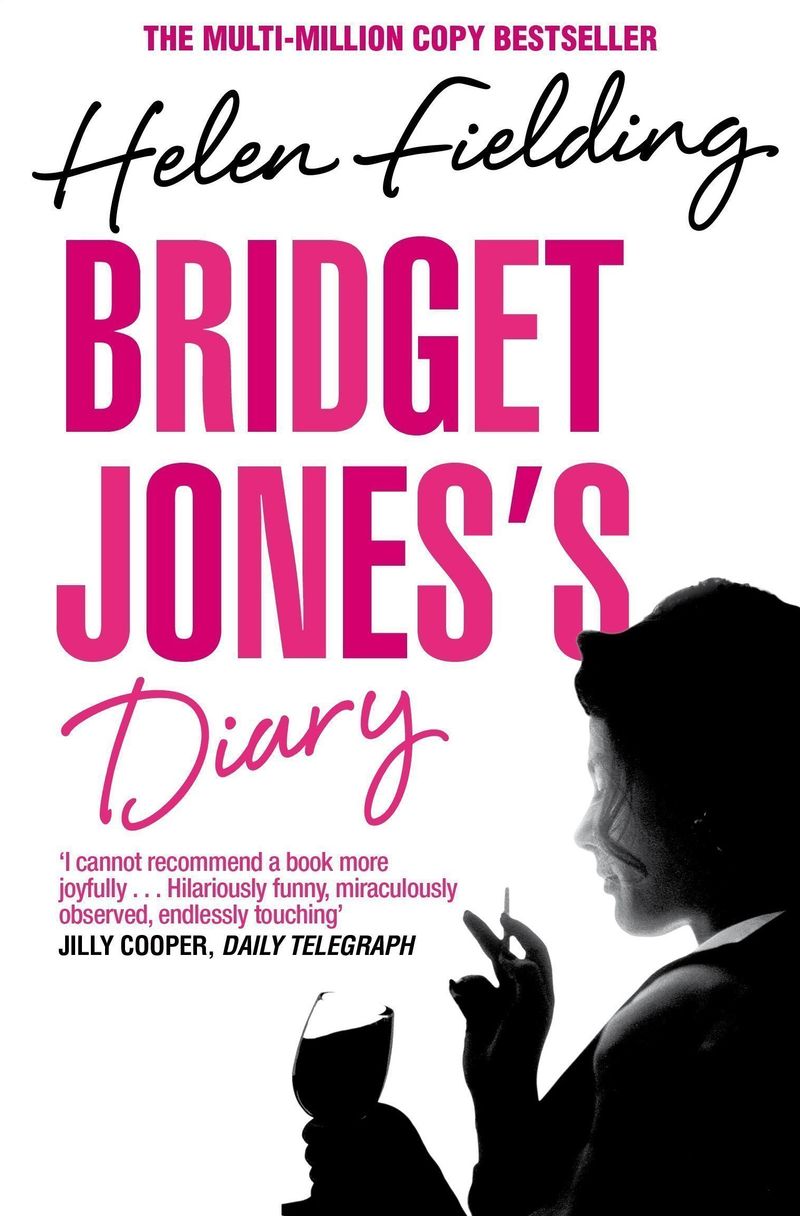
Bridget Jones was a refreshing character when she arrived in 1996, fumbling through life and love with relatable humor. However, the novel’s obsessive focus on weight, calorie counting, and the idea that a woman’s worth is tied to finding a man feels uncomfortably dated now.
Bridget’s entire self-worth seems wrapped up in her dress size and relationship status. What felt like comic self-deprecation then reads more like internalized misogyny today, making it a tricky revisit for modern audiences.
6. The Rules by Ellen Fein and Sherrie Schneider
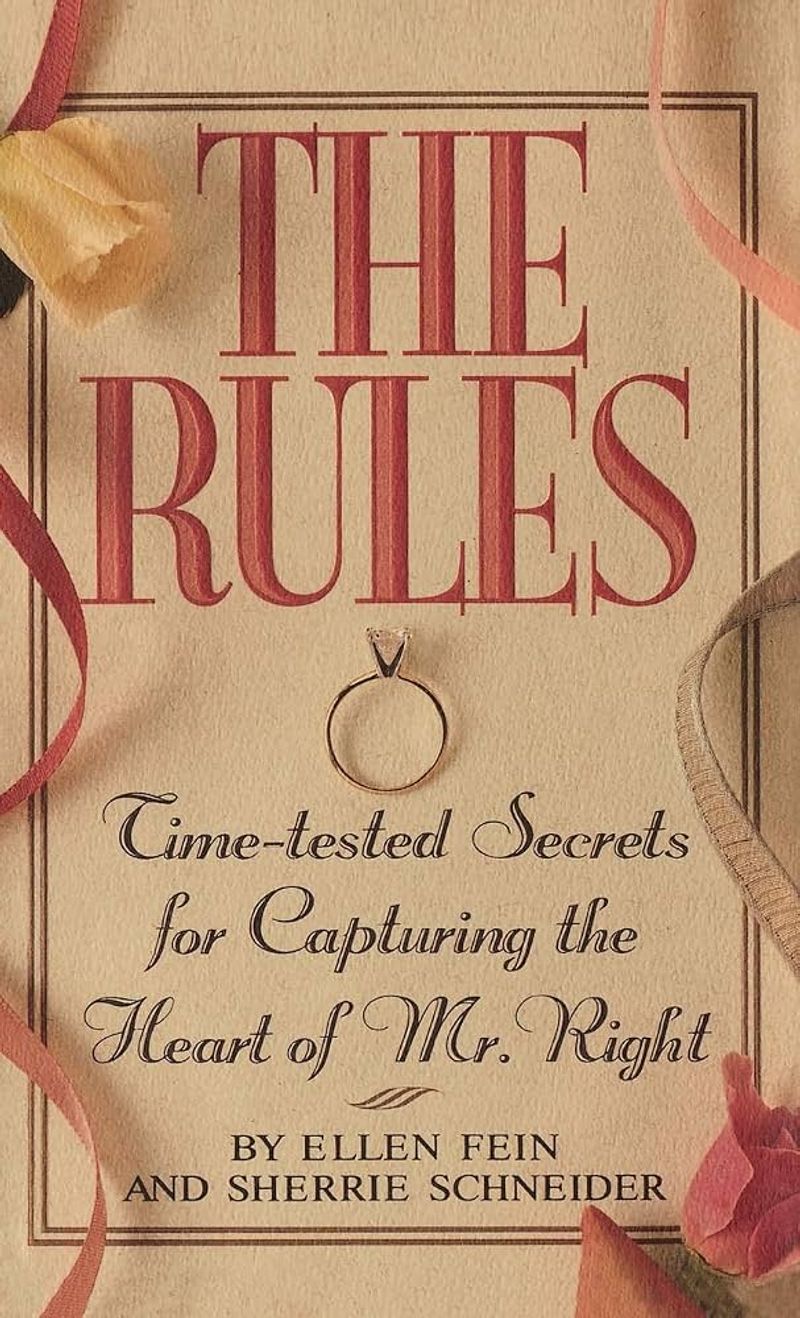
Published in 1995, this book promised women the secret formula for landing a husband by playing hard to get and following a strict set of behavioral rules. The advice essentially tells women to suppress their personalities and manipulate men into commitment.
Relationship experts today largely reject this approach as psychologically unhealthy and rooted in gender stereotypes. Rather than empowering readers, the book treats romance like a game where women must always hide who they really are to win.
7. Flowers in the Attic by V.C. Andrews

V.C. Andrews built a massive readership with this gothic family drama, and the creepy atmosphere is undeniably gripping.
However, the book normalizes incest between siblings in ways that many readers find deeply disturbing rather than dramatically compelling.
The children’s abuse at the hands of their grandmother is portrayed with a strange emotional detachment that can feel exploitative. What might have passed as dark drama in 1979 now raises serious ethical questions about how trauma and abuse are handled in popular fiction.
8. The Feminine Mystique by Betty Friedan
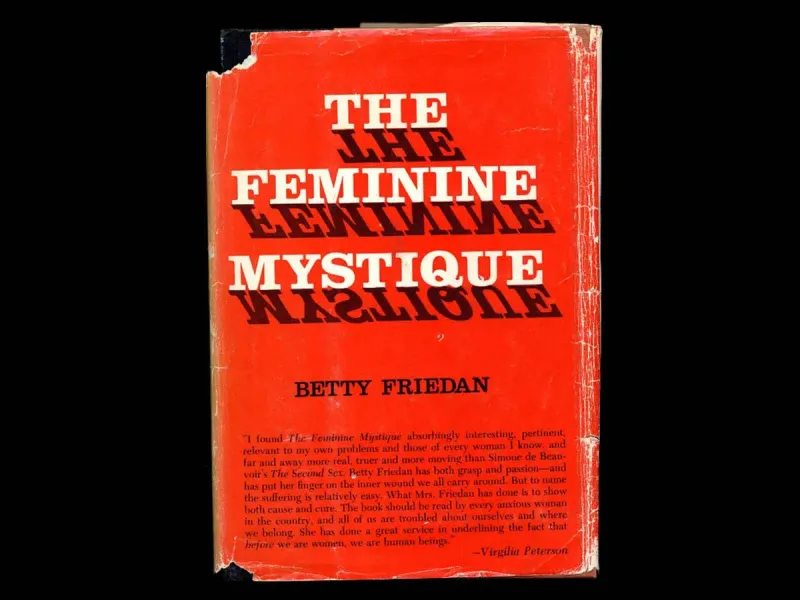
Betty Friedan’s landmark 1963 feminist text genuinely changed conversations about women’s roles in America. However, the book has aged in one significant way: it almost entirely ignored the experiences of Black women, working-class women, and women of color.
Friedan’s feminism was largely centered on the frustrations of educated, white, middle-class housewives. Modern feminist scholars have pointed out that this narrow focus left entire communities out of the movement, making the book a complicated piece of feminist history rather than a universal one.
9. Rebecca by Daphne du Maurier
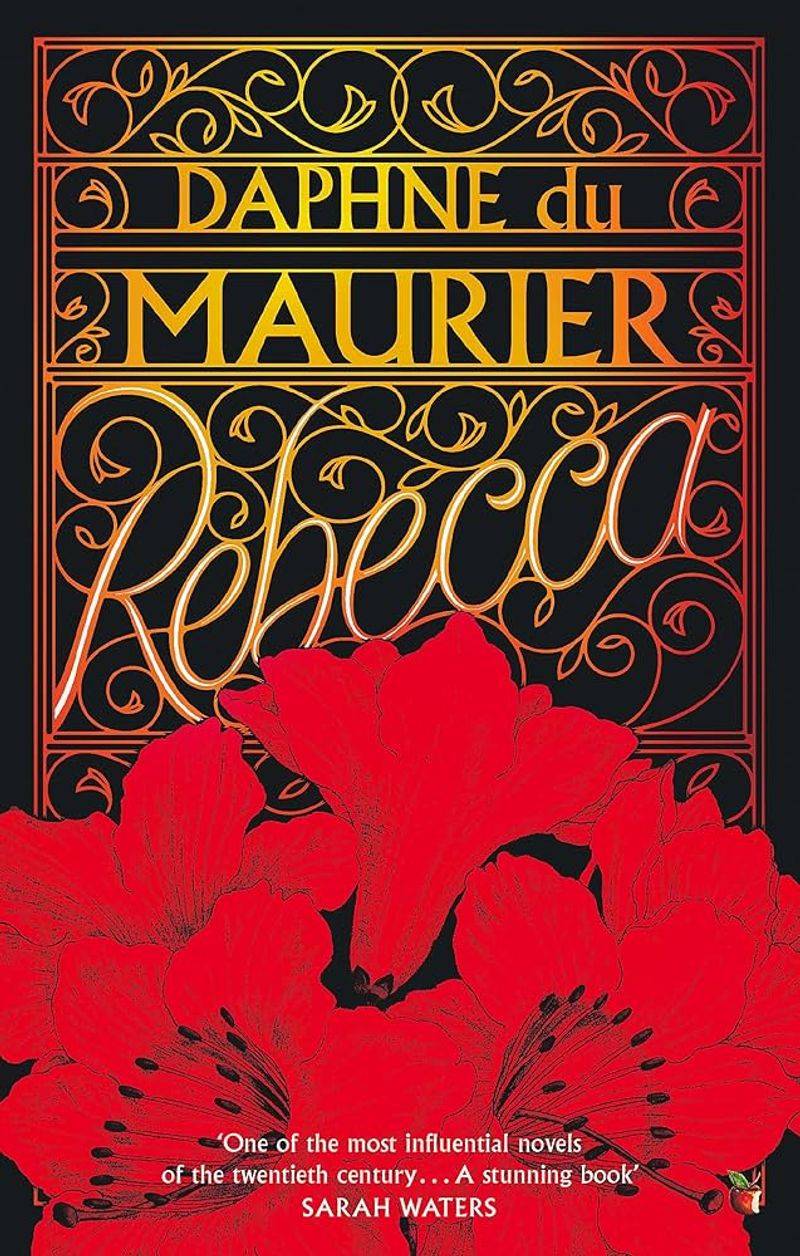
Daphne du Maurier’s gothic masterpiece still casts a powerful spell, but revisiting it reveals a heroine so passive and self-erasing that she does not even have a name of her own in the story. The unnamed narrator spends most of the novel consumed by jealousy of a dead woman.
Her complete dependence on her husband Maxim for identity and validation reflects deeply old-fashioned ideas about womanhood. The book remains atmospheric and compelling, but its gender dynamics feel more suffocating than romantic on a second read.
10. The Bell Jar by Sylvia Plath
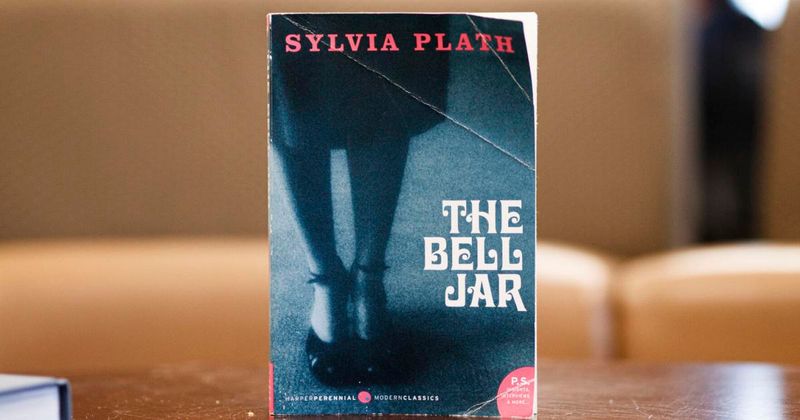
Sylvia Plath’s semi-autobiographical novel about a young woman’s mental breakdown is raw, honest, and beautifully written. However, the book also contains passages with racist and antisemitic language that many modern readers find genuinely jarring and offensive.
Plath’s own complicated views on race are woven through the narrative in ways that are hard to separate from the story’s emotional power. Acknowledging these elements does not erase the book’s literary importance, but it does complicate the experience of reading it today.
11. Eat Pray Love by Elizabeth Gilbert
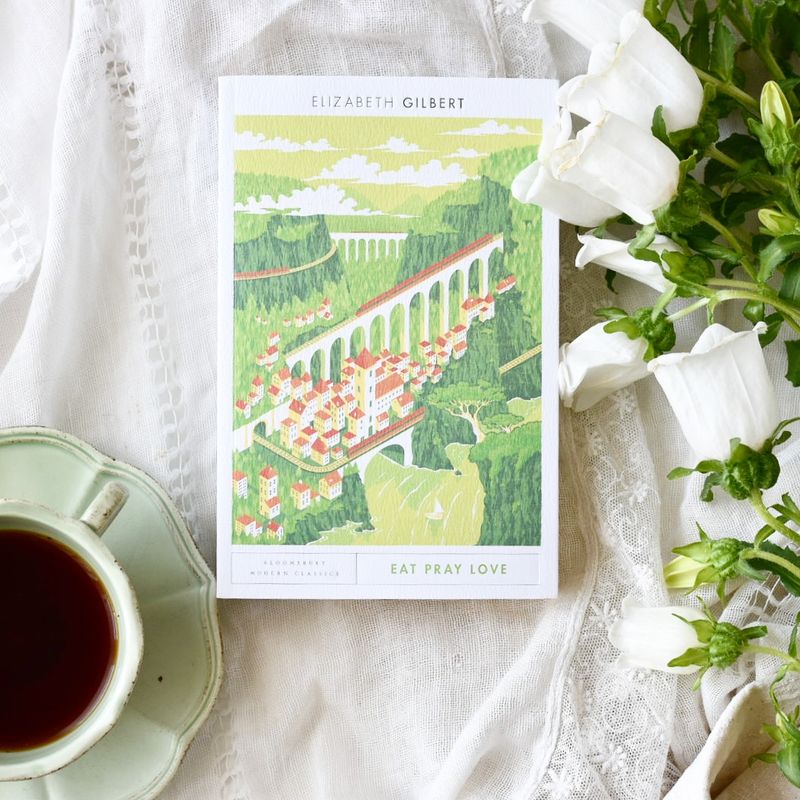
Elizabeth Gilbert’s memoir about self-discovery through travel in Italy, India, and Indonesia became a massive bestseller and inspired countless readers. However, critics have pointed out that the book centers a white American woman’s healing journey in ways that treat other cultures as backdrops for her personal growth.
The local people she encounters in each country often feel like props rather than fully realized human beings. This kind of privileged travel narrative, where the world exists to fix one Western woman, has not worn well in conversations about cultural sensitivity.
12. Fifty Shades of Grey by E.L. James
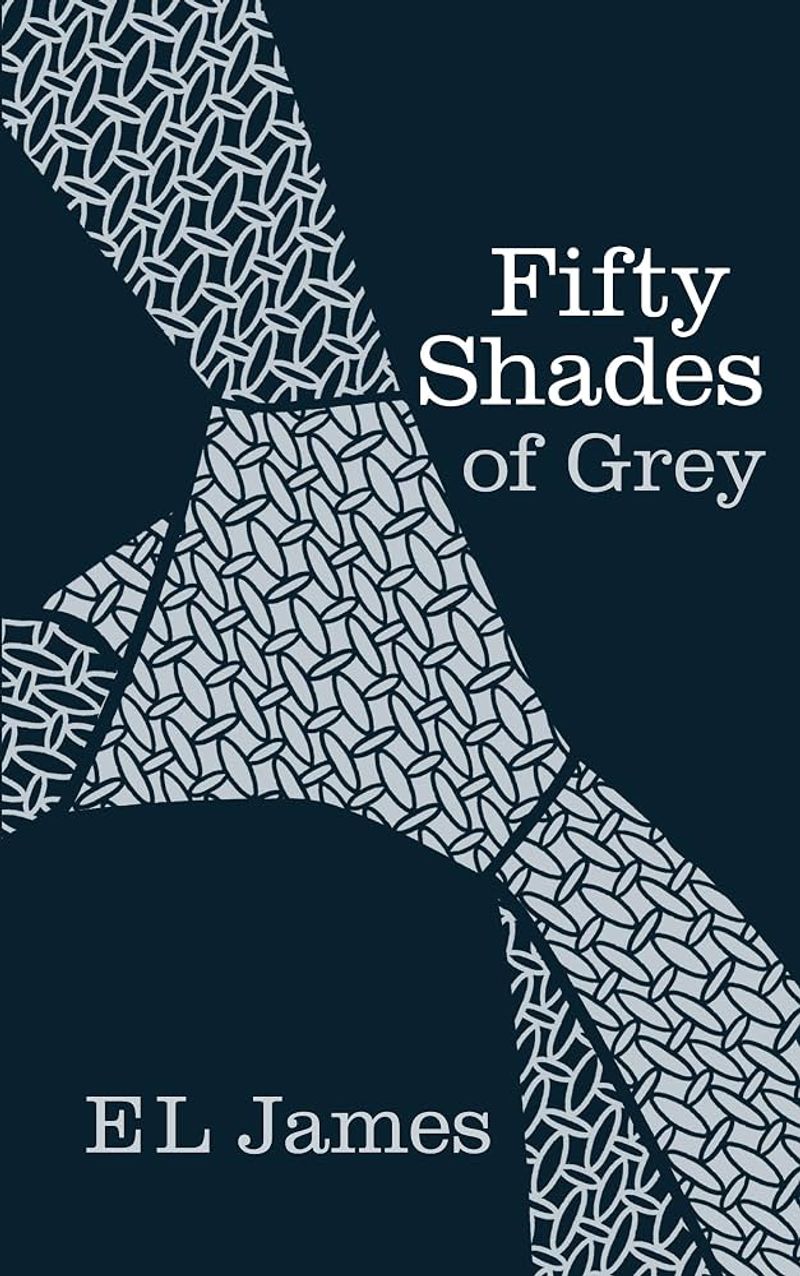
Few books sold as many copies or sparked as much conversation as this one. The romance between Anastasia and Christian Grey was marketed as passionate and exciting, but many readers and relationship experts have since identified deeply troubling patterns of emotional manipulation and control within the relationship.
Christian’s behavior frequently crosses lines that healthy relationship guides would flag as red flags. The book’s framing of these dynamics as romantic rather than alarming makes it one of the more concerning bestsellers of the past two decades.
13. The Clan of the Cave Bear by Jean Auel
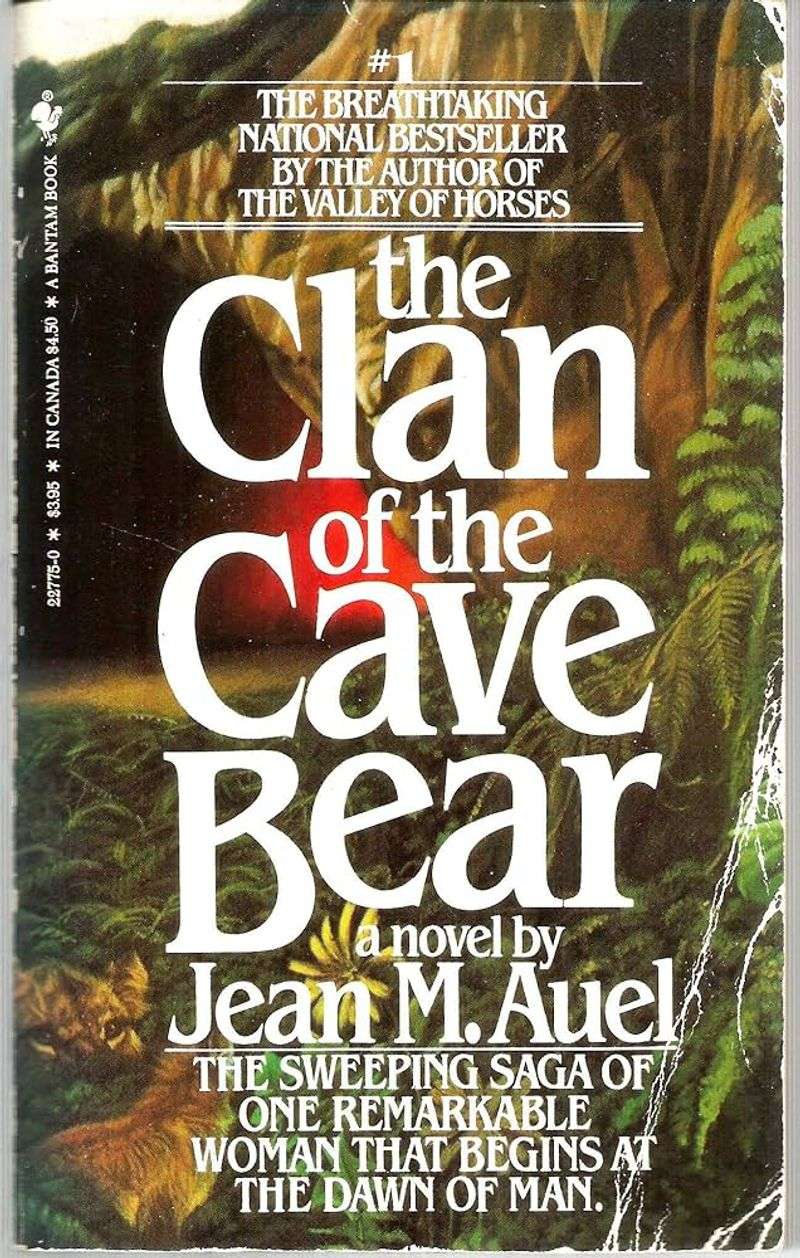
Jean Auel’s prehistoric adventure novel was praised for its vivid world-building and strong female lead when it was published in 1980. However, the book contains a graphic rape scene that the narrative treats as a cultural norm rather than a violation, which many modern readers find deeply disturbing.
Ayla’s assault is woven into the story in ways that minimize its gravity and even suggest a complicated acceptance. For a book meant to celebrate a resilient female character, these scenes undercut the story’s feminist intentions significantly.
14. Lolita-adjacent: A Little Princess by Frances Hodgson Burnett
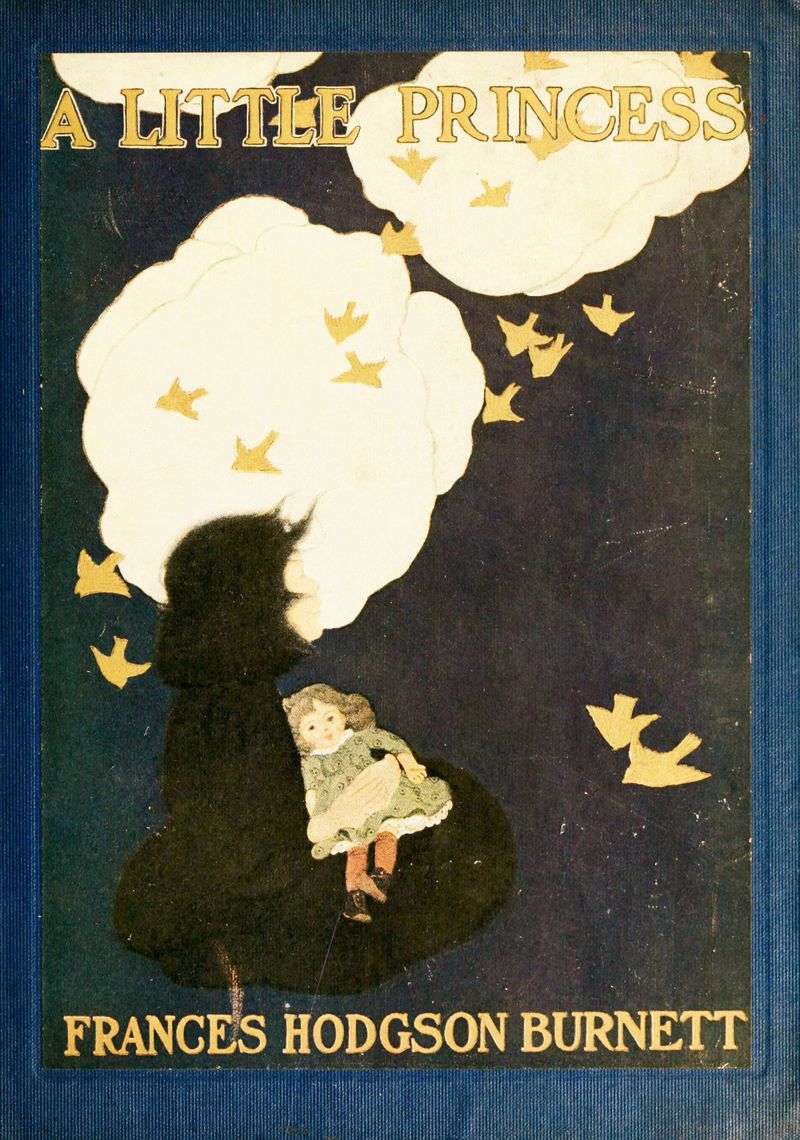
Sara Crewe is one of children’s literature’s most beloved heroines, and her resilience and imagination remain genuinely inspiring. However, the book carries strong colonial attitudes, portraying India and its people through a romanticized British imperial lens that reflects the prejudices of its 1905 era.
Ram Dass and other Indian characters exist largely to serve Sara’s story rather than having meaningful lives of their own. It is a charming story wrapped in assumptions about empire and race that modern readers should approach with thoughtful awareness.
15. My Brilliant Friend by Elena Ferrante – A Page-Turner Worth Your Time
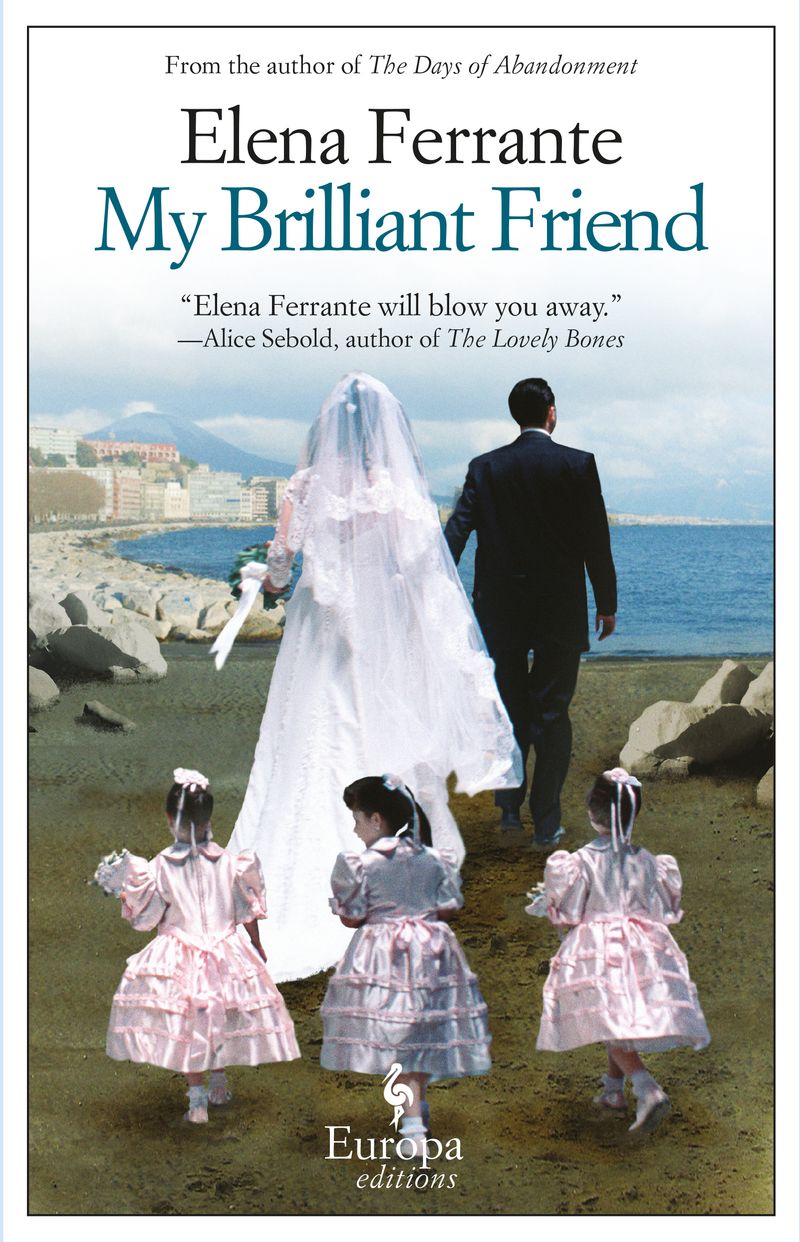
Elena Ferrante’s novel about two girls growing up in postwar Naples is one of the most gripping friendship stories ever written. The relationship between Elena and Lila is complicated, competitive, tender, and utterly real in ways that feel both timeless and deeply human.
Ferrante writes with an honesty about female ambition, class, and identity that never feels preachy or dated. Readers who start this book routinely report staying up far too late because putting it down simply feels impossible.