
Loneliness among older women is more common than most people realize, and it often hides behind a calm, put-together exterior. Many women in their later years carry the weight of isolation quietly, without ever saying a word about how they truly feel.
Recognizing the subtle signs of loneliness can make a real difference, whether you are checking on a neighbor, a family member, or even yourself. Knowing what to look for is the first step toward offering genuine connection and support.
1. Turning Down Invitations With Polite Excuses
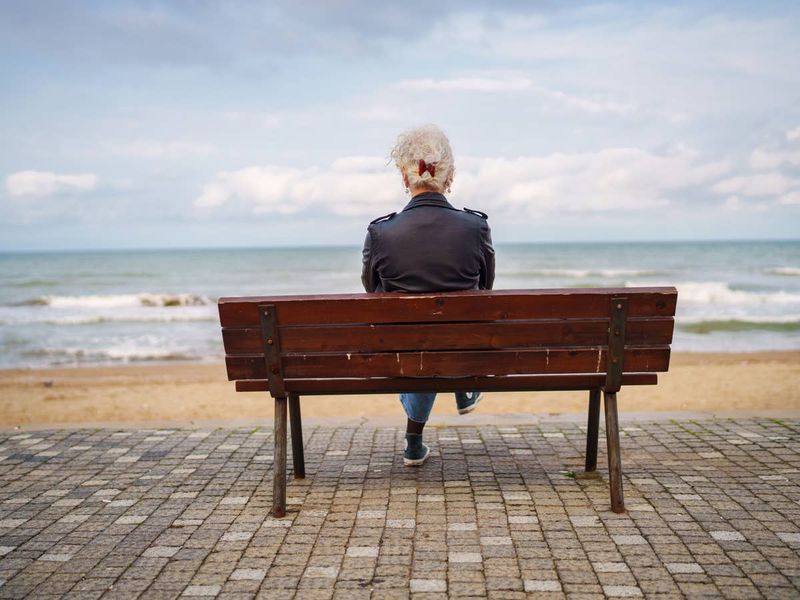
She always has a reason ready. Too tired.
Too busy. Maybe next time.
When an older woman consistently declines invitations to gatherings, lunches, or casual get-togethers, it can signal that social situations feel more draining than rewarding.
Over time, withdrawing from group settings becomes a habit that quietly reinforces isolation. Friends stop calling as often, and the gap between her and others grows wider without anyone fully noticing.
A gentle, low-pressure invitation can sometimes be exactly what she needs.
2. Losing Interest in Hobbies She Once Loved

There was a time when she lit up talking about her garden, her book club, or her weekly painting class. Now those things collect dust.
A slow fade from beloved hobbies is one of the quieter warning signs of deep loneliness.
Hobbies often lose their spark when there is no one to share the experience with. Joy fades when achievements go unnoticed and passions feel pointless without a friend to celebrate them.
Reconnecting her with a group activity can help reignite that lost enthusiasm.
3. Doing Everything Alone and Calling It Easier

“It’s just easier this way.” That phrase can sound like confidence, but it often masks something sadder. When an older woman routinely handles every task, errand, and decision completely on her own, solitude may have quietly become her default setting.
Years without close friendships can train a person to stop expecting help. She may not even realize she has stopped asking.
Offering a simple, specific kind of help, rather than a vague open offer, makes it easier for her to accept without feeling like a burden.
4. Rarely Mentioning Friends or Social Plans
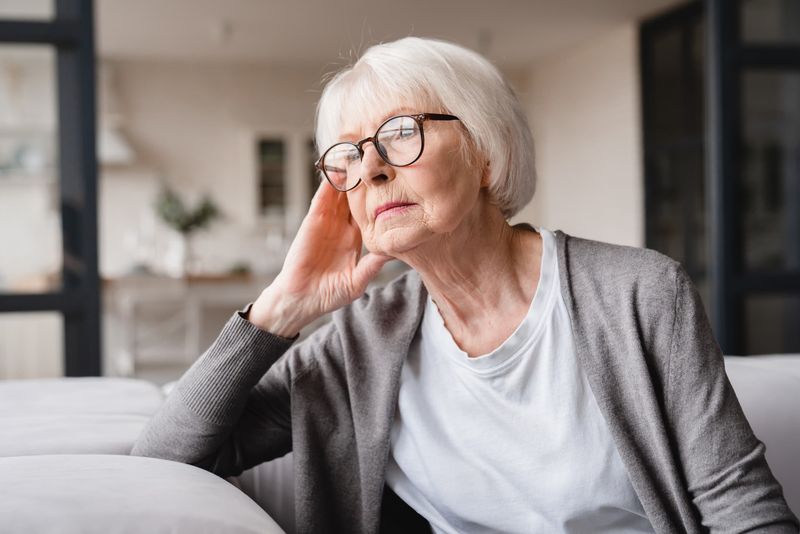
Pay attention to what she does not say. When conversations never include mentions of a friend’s name, a shared laugh, or upcoming plans with others, that silence can speak volumes.
Women with close friendships naturally weave those connections into everyday conversation.
An older woman without that social circle may struggle to fill those conversational spaces. She might talk about TV shows, news, or grandchildren instead, because those are the relationships filling her days.
Asking thoughtful questions about her social life can open a door she has quietly kept shut.
5. Hiding Behind the Words “I’m Fine”
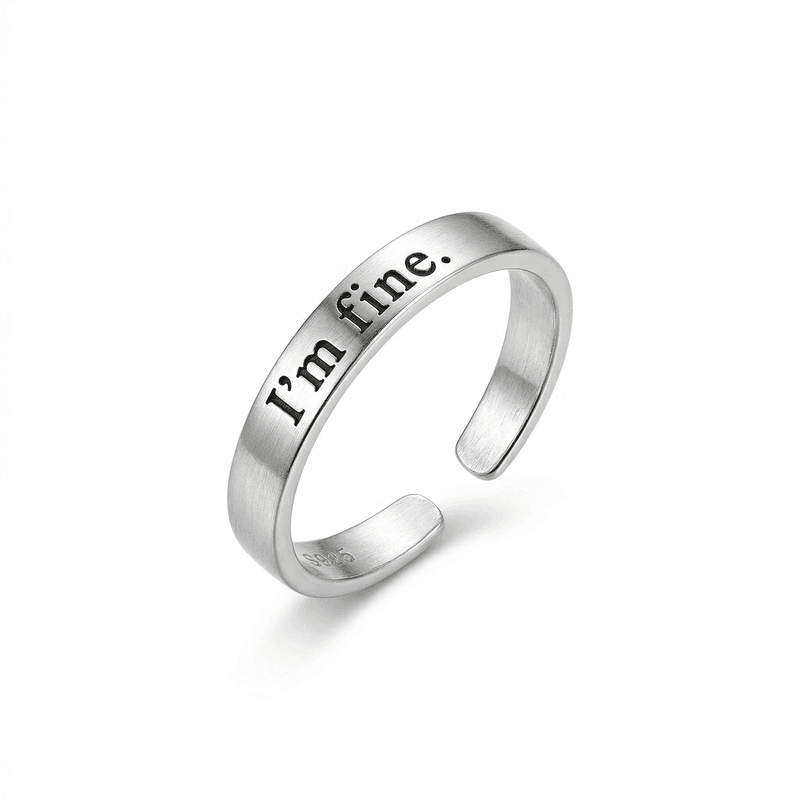
Two words that carry a lot of weight: “I’m fine.” For many older women, this phrase works as a shield. It ends conversations quickly, keeps vulnerability locked away, and prevents anyone from getting too close to the truth of how she really feels.
Emotional self-protection is deeply ingrained in women who have spent years being the strong one for everyone else. Pushing past that wall takes patience.
Try asking more specific questions, like what she did that day or what made her smile recently, instead of a general “How are you?”
6. Talking Excessively to Anyone Who Will Listen

When a simple trip to the grocery store turns into a 20-minute conversation with the cashier, it can be a sign that meaningful dialogue is missing from her daily life. Older women who lack close friendships sometimes pour their need for connection into whoever is nearby.
That eagerness to talk is not nosiness or social awkwardness. It is hunger for genuine human contact.
Recognizing this behavior with compassion rather than impatience is key. Even a brief, warm conversation can lift her spirits more than she would ever admit out loud.
7. Showing Up to Events as a Solo “Third Wheel”
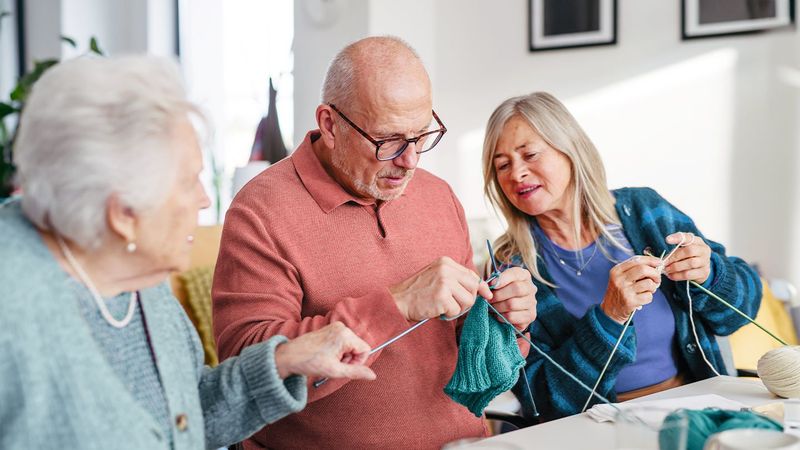
She shows up anyway, even without anyone to come with her. Attending gatherings solo and hovering near other groups is sometimes a quiet act of desperation, a last attempt to feel part of something warm and communal.
Rather than staying home and accepting the silence, she chooses presence over pride. That kind of courage often goes unnoticed.
If you spot an older woman lingering at the edges of a social event alone, pulling her into the conversation with genuine interest can mean far more than you might expect.
8. Stopping Herself From Reaching Out First
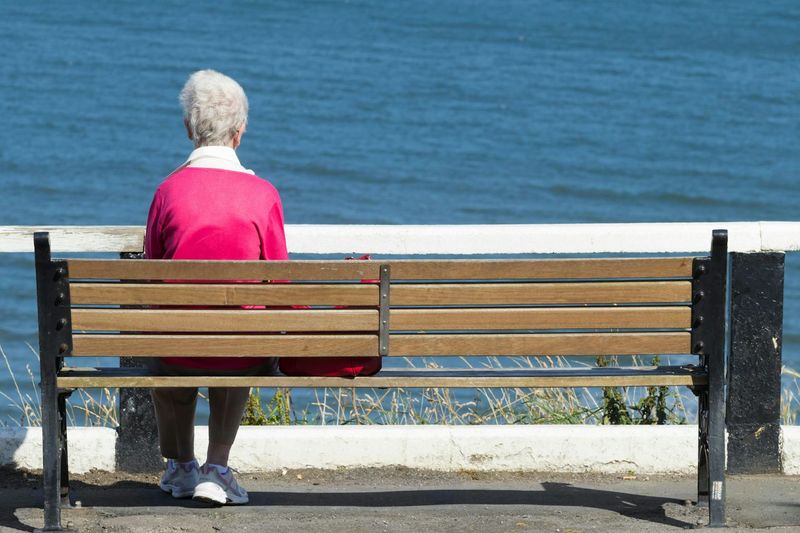
She has your number saved. She thinks about calling.
But she puts the phone down and waits instead. For many lonely older women, reaching out first has quietly become a test, a way of finding out if anyone will remember her without a reminder.
Friendship fatigue, past rejections, or years of being the one who always initiated can wear a person down. Eventually, she stops trying.
If you notice a friend or relative has gone quiet, reaching out first yourself might be the small gesture that breaks a long, lonely silence.
9. Neglecting Personal Appearance or Self-Care

Getting dressed up feels pointless when there is no one to notice. A slow decline in personal grooming, such as skipping showers, wearing the same clothes repeatedly, or letting hair go unbrushed, can be a quiet signal that motivation and self-worth have taken a hit.
Loneliness chips away at a person’s sense of purpose. When someone stops feeling seen, they may stop trying to be seen.
Changes in appearance are not always about laziness. Sometimes they reflect a deep emotional exhaustion that words alone are not enough to express.
10. Experiencing Unexplained Aches and Persistent Fatigue
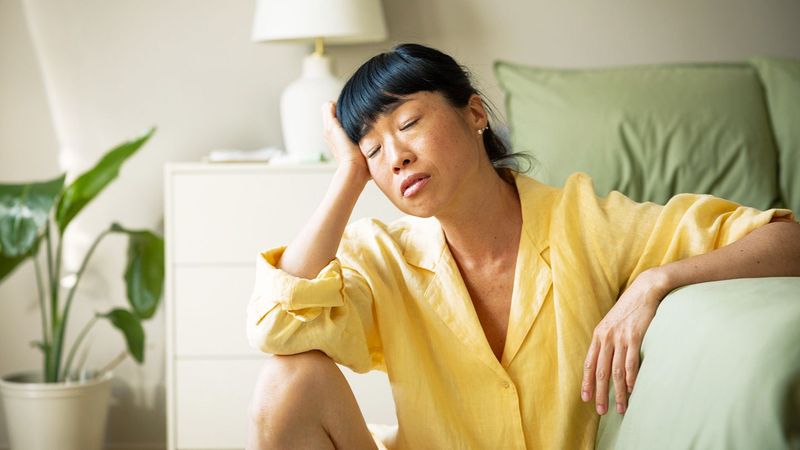
Loneliness does not just affect the heart. It shows up in the body too.
Older women dealing with chronic social isolation often report persistent headaches, body aches, and a tiredness that sleep does not seem to fix.
Research consistently links loneliness to physical health problems, including weakened immune systems and increased inflammation. When no medical cause explains the discomfort, emotional and social factors are worth exploring.
A warm support system does not just lift the spirit, it can genuinely improve physical well-being in ways that medication alone cannot always achieve.
11. Skipping Meals or Losing Interest in Food
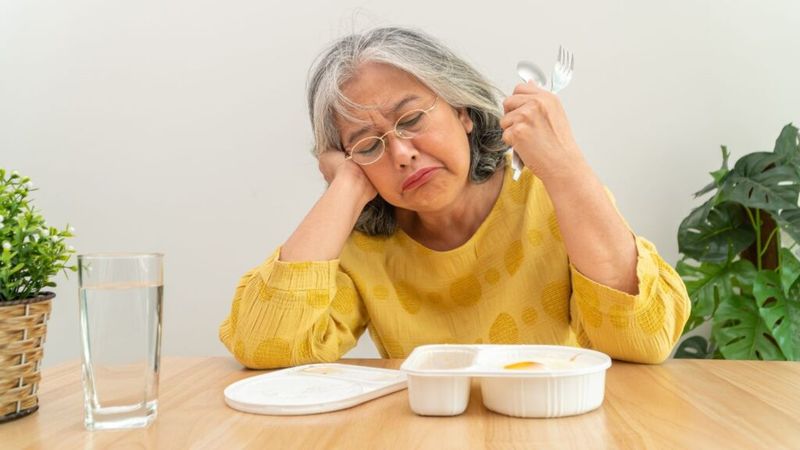
Food tastes different when eaten alone. Many older women who lack close social connections gradually lose interest in cooking or eating full meals.
Skipping breakfast, eating crackers for dinner, or forgetting to eat altogether are signs worth paying attention to.
Mealtimes are deeply social by nature. Without someone to share the table with, eating can shift from a pleasure to a chore.
Inviting a lonely older woman to a shared meal, even casually, can restore a small but meaningful sense of connection and routine to her daily life.
12. Experiencing Mood Swings or Uncharacteristic Irritability
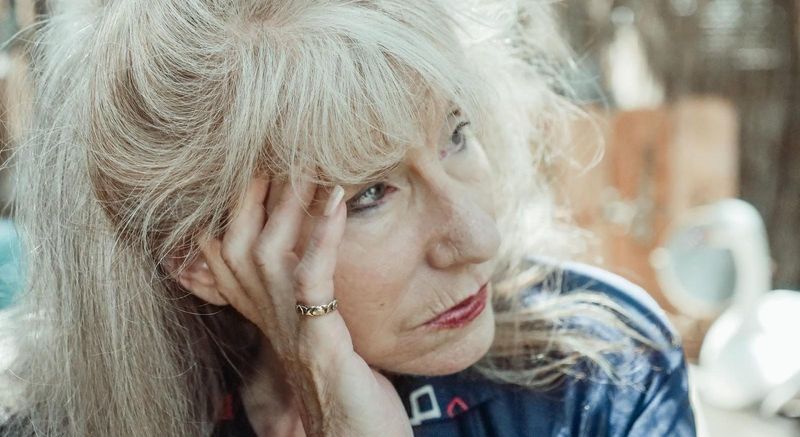
She snapped over something small. Or she burst into tears unexpectedly.
Mood swings and sudden irritability in older women can sometimes be dismissed as personality quirks, but they are often rooted in something deeper, like chronic loneliness and emotional exhaustion.
When someone carries too much on their own for too long, small frustrations can overflow. Persistent negativity, frequent anger, or unpredictable emotional reactions deserve a compassionate response rather than a dismissive one.
Asking how she is really doing, and then actually listening, can open up a conversation she has been waiting to have.
13. Keeping Conversations Stuck at the Surface Level

She will talk about the weather, the news, or what she watched last night. But ask something deeper and she deflects with a laugh or a quick subject change.
Lonely older women often keep conversations safely shallow to avoid the vulnerability that comes with real closeness.
Years without trusted friendships can make emotional openness feel risky. Sharing feelings requires trust, and trust requires time.
Creating a consistent, judgment-free space for her to talk, without pressure to open up immediately, is the most effective way to gradually build the kind of connection she is quietly craving.
14. Relying More on the Internet for Social Connection

Online communities have become a lifeline for many older women who feel disconnected in their everyday lives. Spending hours scrolling social media, joining forums, or chatting with strangers online can signal that real-world friendships are thin or missing entirely.
Digital connection is not inherently bad, but it works best as a supplement to in-person relationships, not a replacement. If an older woman in your life seems to be living more online than off, that shift might be worth a gentle conversation.
She may be searching for belonging in the only place she currently feels brave enough to look.
15. Struggling With Disrupted or Excessive Sleep
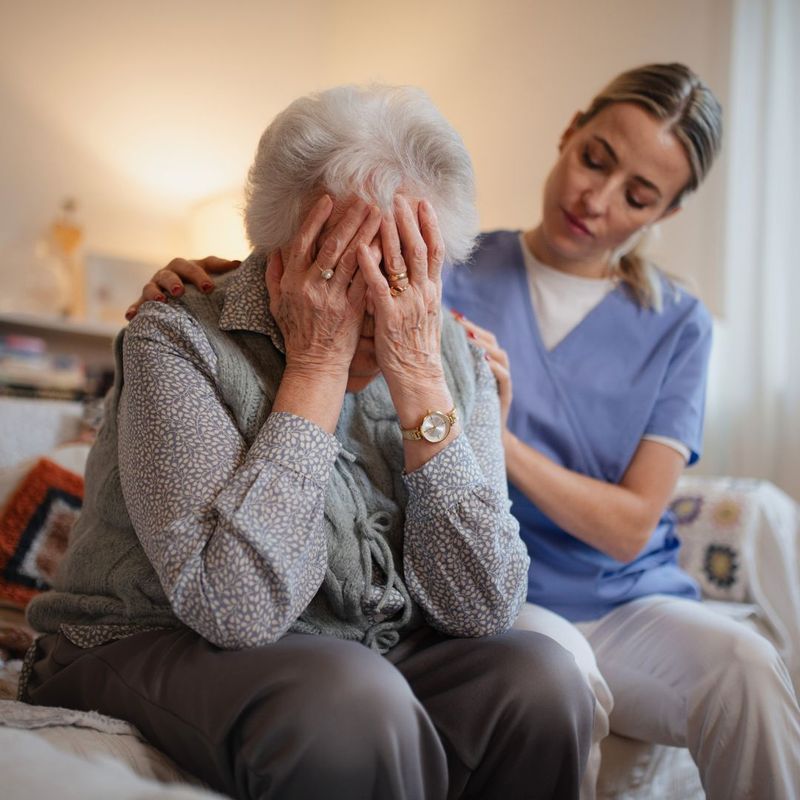
Sleep problems and loneliness often travel together. Some older women lie awake for hours replaying thoughts with no one to talk them through.
Others sleep far too much because waking up to an empty, quiet day feels like too much to face.
Both patterns, insomnia and oversleeping, can be the body’s response to emotional pain. Disrupted sleep affects memory, mood, and physical health, creating a difficult cycle that deepens isolation.
Encouraging regular social engagement and gentle daily routines can gradually help stabilize sleep and restore a sense of calm and purpose.
16. Seeking Physical Warmth as a Substitute for Connection
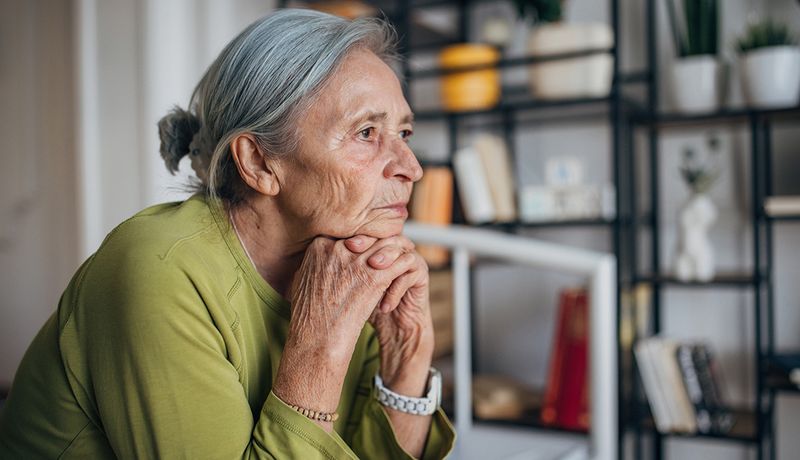
Studies have found that people who feel socially cold sometimes seek out physical warmth to compensate. An older woman who cranks up the heat on a mild day, lingers in long hot baths, or wraps herself in blankets constantly may be soothing more than just a physical chill.
This behavior is often subconscious, a quiet attempt by the body to recreate the warmth of human closeness. It is a tender and heartbreaking signal.
Reaching out with a real hug, a warm visit, or even a phone call can offer something that no thermostat ever truly could.