
Long before smart appliances and cleaning services, keeping a home in order was a full-time job that took real muscle and dedication. Families in the 1940s through the 1960s followed strict weekly routines that covered everything from scrubbing floors to preserving garden vegetables.
Many of these chores shaped the rhythm of daily life and brought a sense of pride to the household. Looking back at these tasks gives us a whole new appreciation for the hard work that kept mid-century homes running smoothly.
1. Making Beds
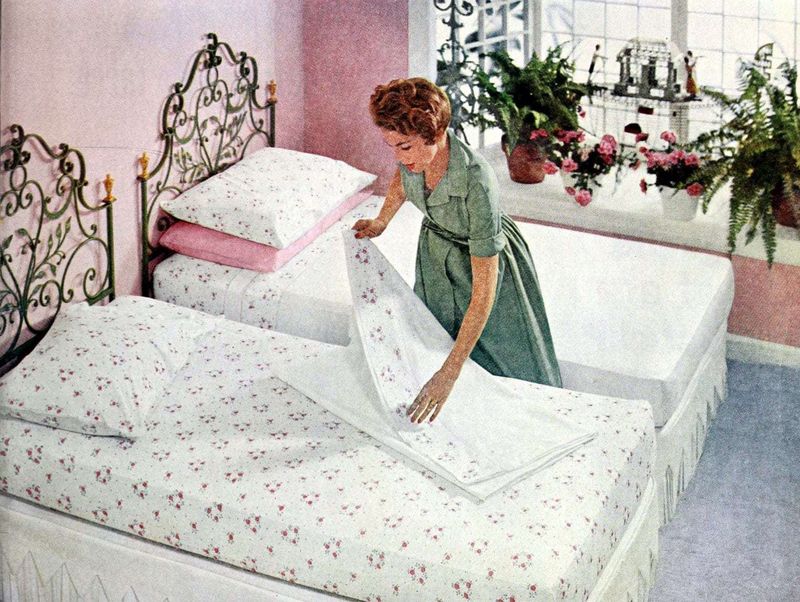
Every morning without fail, beds had to be made before the day could really begin. In mid-century homes, this meant pulling sheets tight enough to bounce a coin off them, fluffing pillows, and smoothing out every wrinkle in the bedspread.
Mothers often taught children to air out the bed first by folding back the covers, letting the mattress breathe before tucking everything in. A neatly made bed was a point of household pride that signaled a well-run home.
2. Washing Dishes by Hand
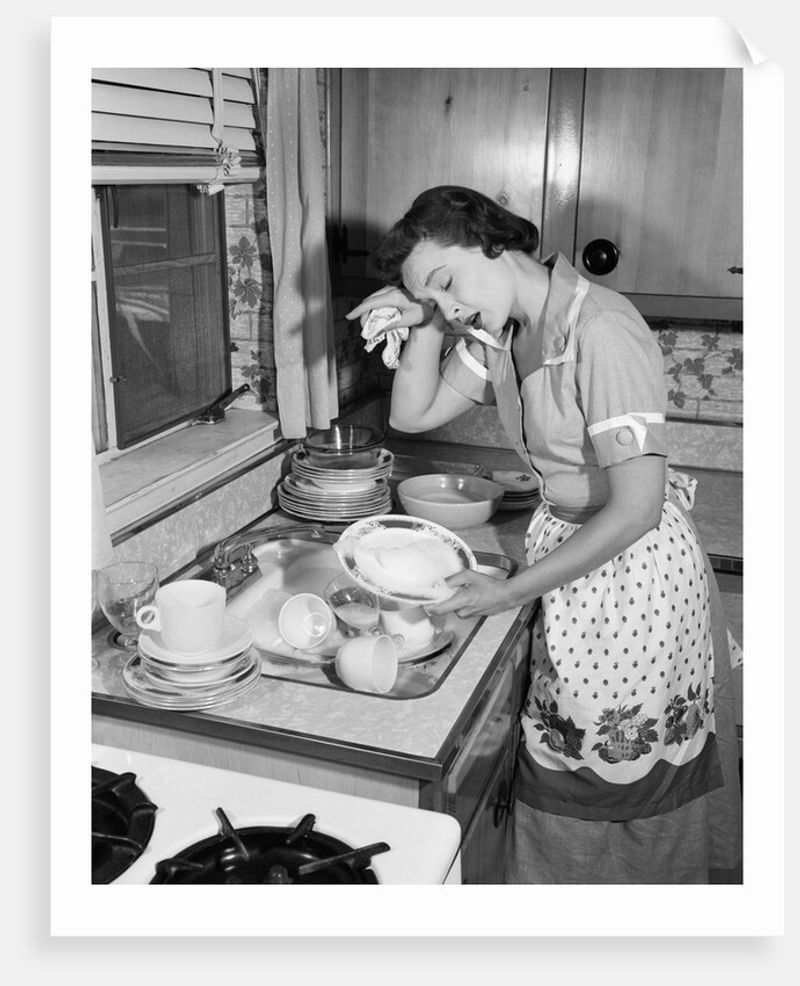
Before dishwashers became a household staple, every plate, cup, and pot got scrubbed by hand after each meal. That meant three full rounds of washing, rinsing, and drying every single day, sometimes more if company came over.
Hot soapy water was the only tool available, and dish towels were always within arm’s reach. Kids were often drafted as dryers the moment they were old enough to hold a plate without dropping it.
3. Tidying Up Living Areas
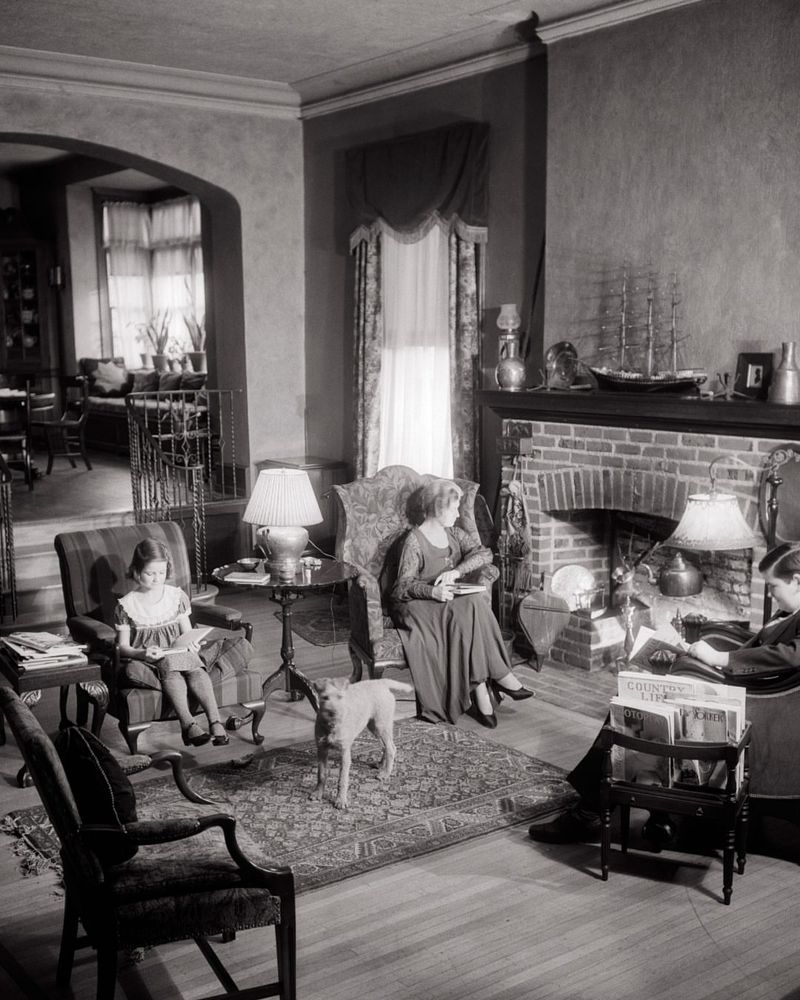
Clutter was not tolerated in mid-century homes, and keeping living spaces orderly was an ongoing daily mission. Magazines went back to the rack, toys were returned to bedrooms, and sofa cushions were plumped and repositioned after anyone sat on them.
Rooms were meant to look guest-ready at almost any hour, which kept the whole family on their toes. Children had assigned spots for their belongings, and leaving things out was a quick way to earn extra chores.
4. Dusting Furniture and Surfaces
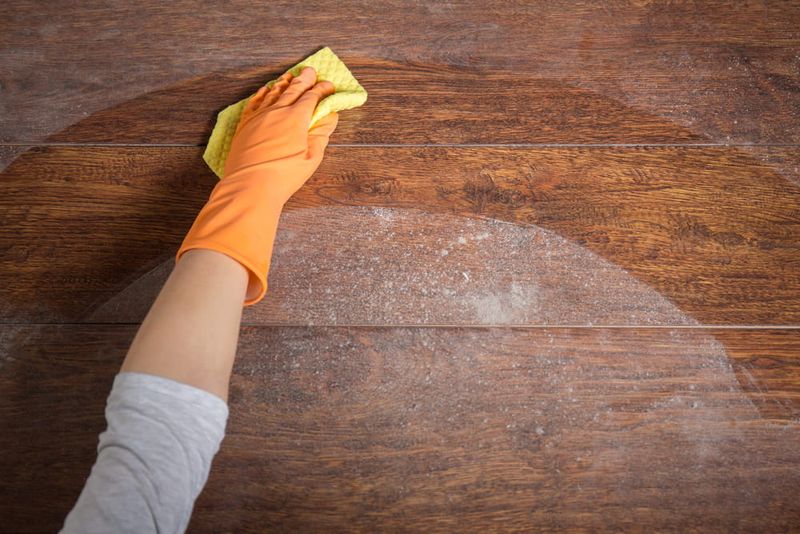
Dust had a way of settling on every surface overnight, which made daily dusting a non-negotiable part of the morning routine. Feather dusters and soft cotton cloths swept across tabletops, shelves, lamp bases, and decorative figurines without fail.
Wooden furniture required extra attention because dust could dull the finish over time. Many homemakers used a light coating of furniture polish to keep surfaces gleaming, turning a simple chore into a small act of preservation.
5. Sweeping or Vacuuming Floors and Rugs
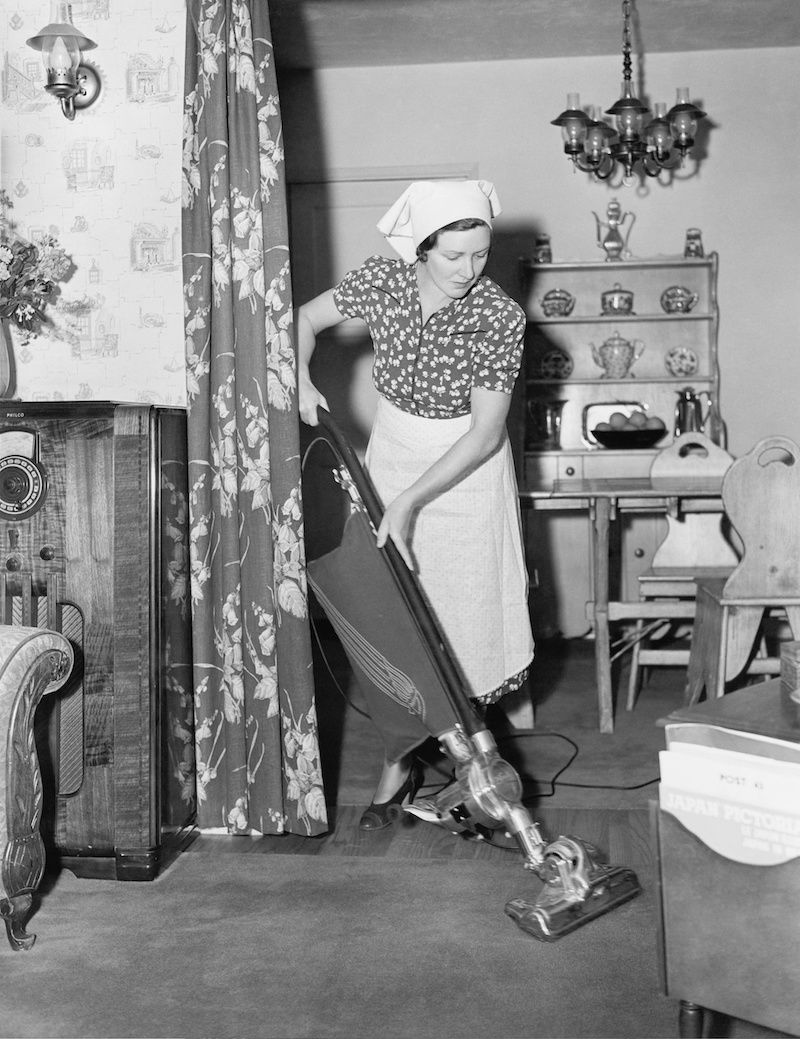
Floors took a beating from foot traffic, tracked-in dirt, and crumbs from meals, so sweeping or vacuuming was practically a daily event in most homes. Hardwood floors got swept with a straw broom, while rugs were run over with an upright vacuum or taken outside and beaten.
Early vacuum cleaners were heavy and loud, but they were still considered a modern luxury. Keeping floors spotless was seen as a direct reflection of a homemaker’s standards and skills.
6. Cleaning Bathrooms

Bathrooms in mid-century homes got a quick wipe-down each day and a serious deep clean once a week. The tub, sink, toilet, mirror, and tile floor all had to be scrubbed until they shined, with no shortcuts allowed.
Cleaning products like powdered cleansers and ammonia-based solutions were the go-to tools of the trade. The smell of a freshly cleaned bathroom was practically a badge of honor, signaling that someone had put in the elbow grease to make it sparkle.
7. Doing Laundry
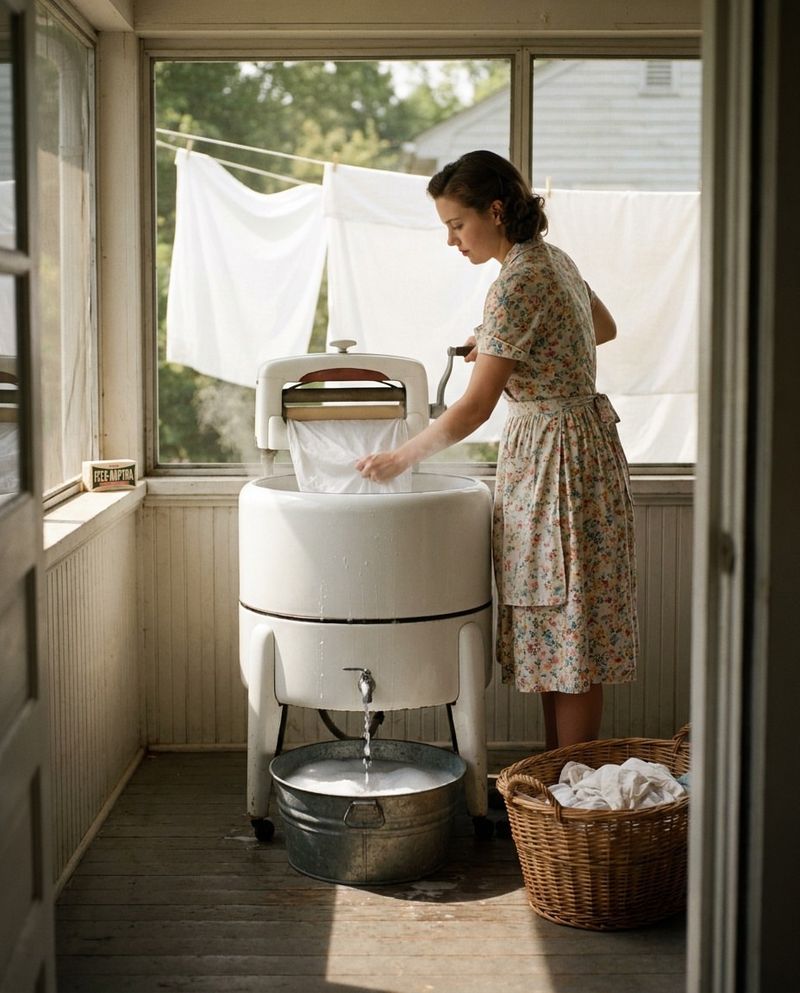
Monday was laundry day in most mid-century households, and it was a full-day commitment from start to finish. Clothes, bed linens, and towels were washed in a wringer washer or by hand, then hauled outside and pinned to a clothesline to dry in the fresh air.
The wringer washer was both a time-saver and a finger hazard that demanded respect. Sun-dried laundry had a crisp, clean scent that no modern dryer sheet has ever quite managed to replicate.
8. Ironing Clothes and Linens
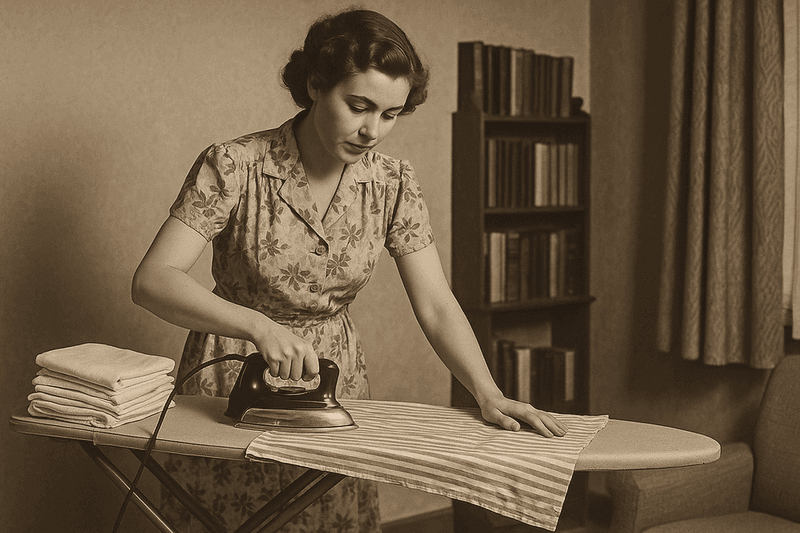
Tuesday was traditionally ironing day, and it could stretch from morning well into the afternoon depending on the size of the family. Shirts, trousers, dresses, pillowcases, and even bed sheets were pressed smooth with a heavy steam iron.
Skipping ironing simply was not an option when most fabrics wrinkled terribly without it. Some homemakers dampened garments with a sprinkle bottle before pressing them, a trick that helped get creases out of even the most stubborn cotton fabric.
9. Cooking Meals from Scratch

There were no frozen dinners or drive-throughs in most mid-century households, which meant breakfast, lunch, and dinner were cooked from scratch every single day. That added up to a staggering amount of time spent peeling, chopping, stirring, and baking.
Recipes were often passed down through generations, written on index cards tucked into battered recipe boxes. A hot home-cooked meal on the table at dinnertime was not just expected but considered one of the most important responsibilities of the household manager.
10. Baking

Saturday baking sessions filled mid-century homes with the kind of warmth that no scented candle could replicate. Fresh bread, pies, cakes, and cookies were baked weekly to keep the family supplied with homemade treats that store-bought goods simply could not match.
Baking was also practical, not just pleasurable. A fresh loaf of bread cost almost nothing to make at home, and a pie stretched a handful of seasonal fruit into a dessert that fed the whole family with slices to spare.
11. Grocery Shopping

Grocery shopping in the mid-20th century was a carefully planned weekly outing rather than a casual errand. Homemakers wrote detailed lists organized by aisle, working within a tight budget that left little room for impulse buys or forgotten items.
Corner grocery stores and early supermarkets were the main destinations, and relationships with the butcher or produce clerk were genuinely important. Getting the best cut of meat or the freshest vegetables sometimes came down to knowing the right person behind the counter.
12. Mending and Sewing Clothes
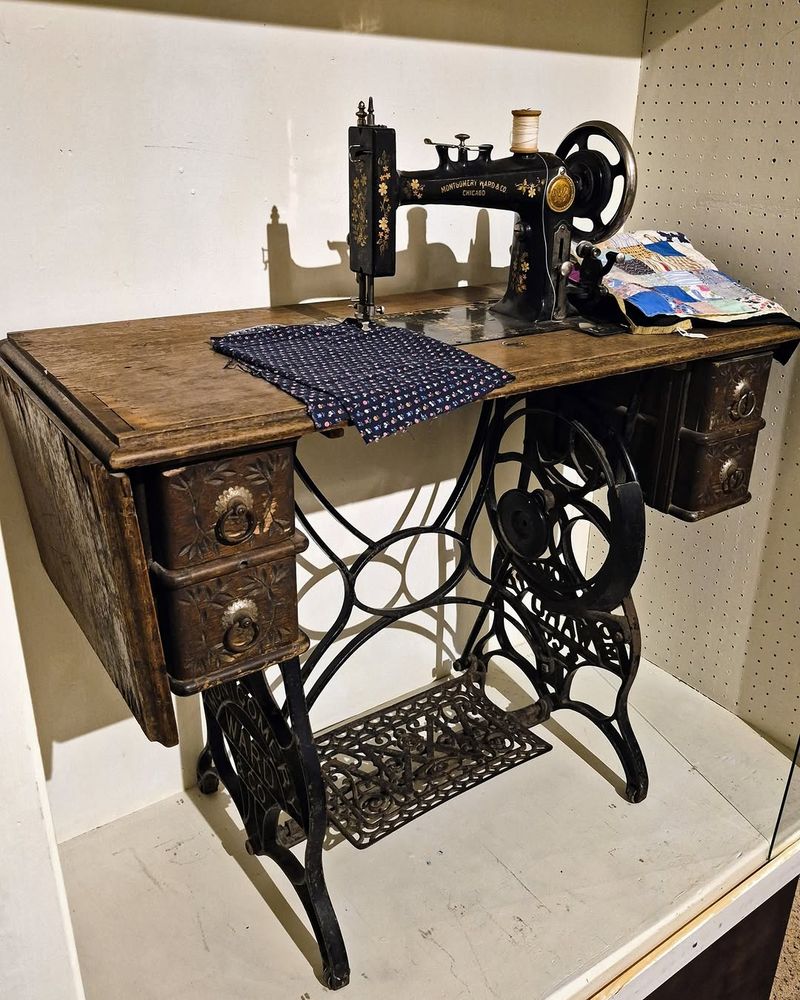
Throwing away a shirt because of a missing button or a torn seam would have seemed wasteful and almost absurd in mid-century households. Mending was a regular part of home management, from darning worn-out socks to reattaching buttons and repairing hems.
Many homemakers also sewed new garments entirely from fabric bought at the five-and-dime, saving money while keeping the family stylishly dressed. A well-stocked sewing basket was as essential to the household as the broom or the mop.
13. Polishing Wood Furniture and Metal Fixtures
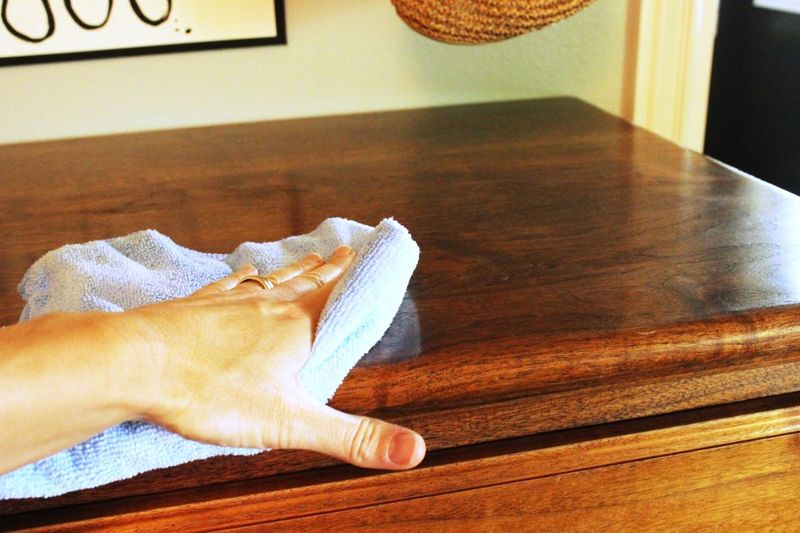
Wood furniture and metal fixtures were investments that mid-century families expected to last for decades, so maintaining them properly was taken seriously. Wooden surfaces got rubbed down with lemon oil or paste wax to keep them from drying out and cracking.
Brass doorknobs, lamp bases, and faucet fixtures were polished until they gleamed. The whole process had a ritualistic quality to it, a weekly act of care that kept the home looking dignified and well-maintained from the inside out.
14. Deep Cleaning the Kitchen
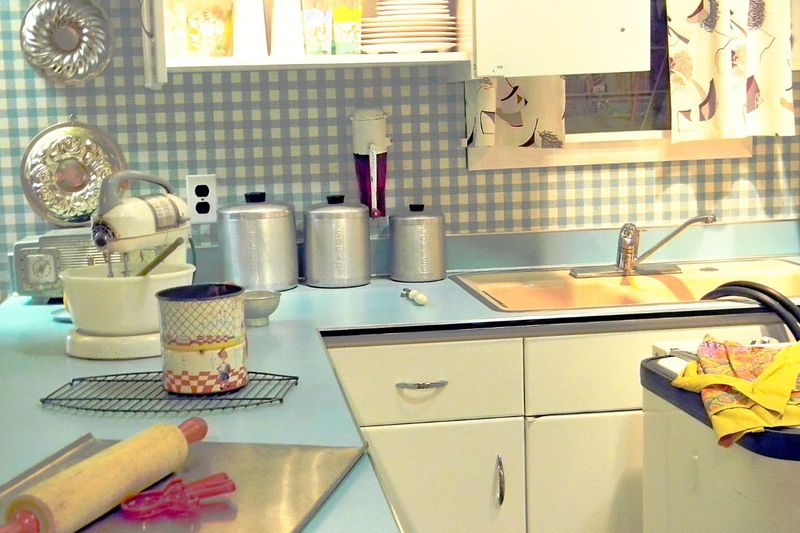
Once a week, the kitchen got far more than a quick wipe-down. The stove was scrubbed inside and out, the refrigerator was emptied and cleaned, countertops were scoured, and the insides of cupboards were wiped free of crumbs and spills.
Grease buildup on stovetops was a real battle that required serious scrubbing power and a lot of patience. Homemakers took enormous pride in a kitchen that looked as clean as the day it was installed, even after years of heavy daily cooking.
15. Washing Windows

Sparkling windows were a point of neighborhood pride, and washing them was a job that came around seasonally or whenever smudges became too obvious to ignore. Spring cleaning almost always included a full window-washing session, inside and out.
Newspaper and vinegar water were popular tools long before commercial window sprays existed, and they actually worked remarkably well. Reaching upper-story windows required ladders and a certain fearlessness that many mid-century homemakers seemed to possess in impressive quantities.
16. Yard Work and Gardening
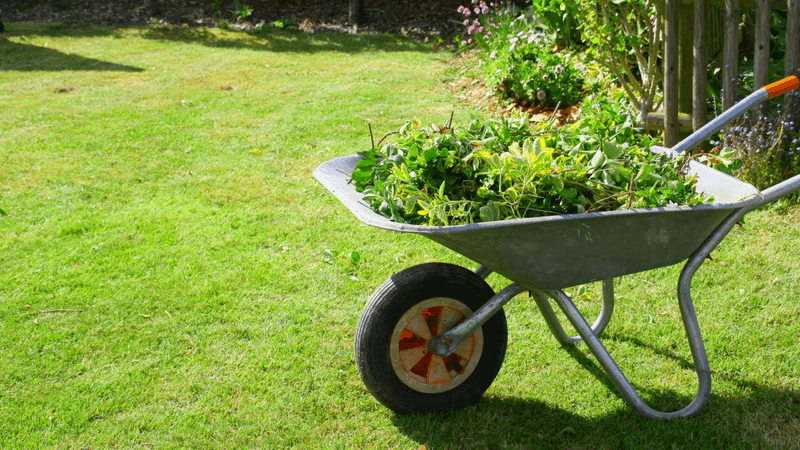
The yard was an extension of the home’s reputation, and keeping it tidy was just as important as keeping the inside clean. Porches and walkways were swept, flowerbeds were weeded, and vegetable gardens were tended with real dedication.
Many mid-century families grew vegetables out of genuine necessity, not just as a hobby. A productive garden patch could supply tomatoes, beans, cucumbers, and herbs throughout the summer, cutting grocery costs significantly and putting fresh food on the table all season long.
17. Cleaning Walls and Baseboards
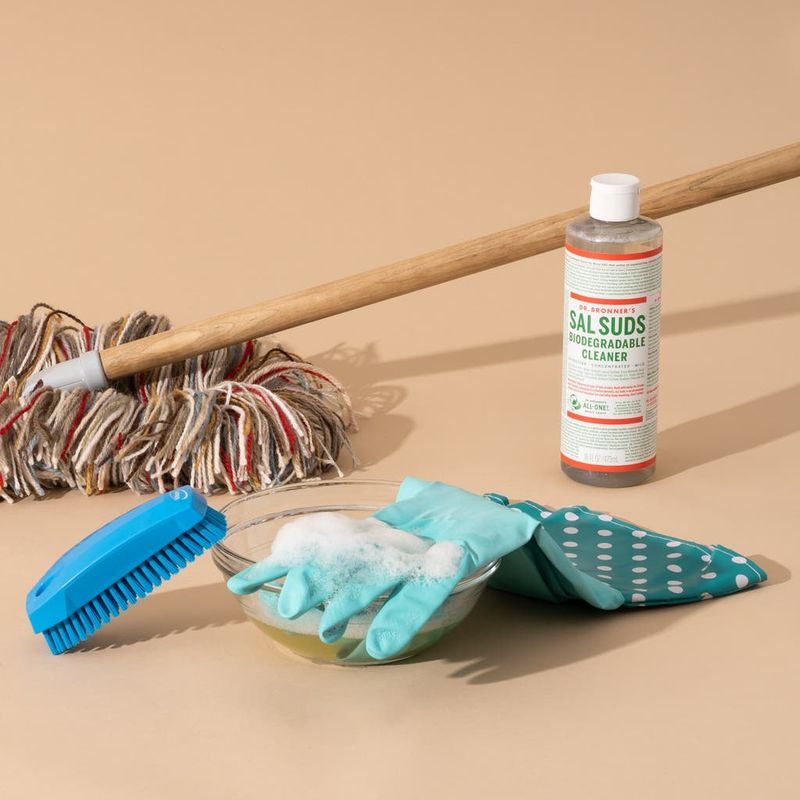
Walls and baseboards collected grime quietly and gradually until someone finally got down on their knees and did something about it. Scuff marks from shoes, fingerprints near light switches, and dust along baseboards were all targeted during weekly or seasonal deep cleans.
Painted walls were wiped down with a damp sponge dipped in mild soap, while wallpapered sections required a gentler touch to avoid damage. Baseboards, being closest to the floor, needed the most frequent attention and the most patience to scrub properly.
18. Canning and Preserving Food

When the garden came in heavy with produce, canning season kicked into full gear and took over the kitchen for days at a time. Tomatoes, green beans, peaches, corn, and pickles were packed into glass Mason jars and processed in boiling water baths to preserve them for winter months.
Getting the seals right was a matter of both pride and food safety. A pantry shelf lined with rows of gleaming jars was one of the most satisfying sights a mid-century homemaker could admire.
19. Caring for Cloth Diapers

For families with babies, cloth diaper duty was relentless and exhausting work that cycled through every few days without a break. Diapers had to be rinsed, soaked, washed in hot water, boiled to sanitize, and then line-dried before being folded and pinned back into use.
Disposable diapers barely existed in the early-to-mid 20th century, so there was no convenient alternative. Young mothers managed this demanding routine alongside every other household responsibility, often running on very little sleep and a great deal of determination.