
Divorce is one of the most challenging experiences a person can go through, and even small missteps can have big consequences. From financial pitfalls to emotional traps, the process is full of moments where one wrong move can cost you time, money, or your relationship with your kids.
Knowing what to avoid can make a real difference in how things turn out. Here are 20 critical mistakes to steer clear of during a divorce.
1. Acting Out of Anger or Revenge

Revenge might feel satisfying in the moment, but it almost always backfires in a divorce. Courts look at behavior, and acting out of spite can seriously damage your credibility with a judge.
Decisions made in anger rarely serve your long-term interests. Instead of reacting emotionally, take a breath and think about what outcome you actually want.
Working with a therapist or counselor during this time can help you stay grounded and make smarter choices.
2. Letting Emotions Drive Financial Decisions

When emotions are running high, it is tempting to make financial decisions based on feelings rather than facts. Demanding the family home out of sentiment, for example, can leave you house-rich but cash-poor.
Every financial choice in a divorce has a long-term ripple effect. Take time to consult a financial advisor before agreeing to any asset split.
Clear-headed decisions made now will protect your financial future for years to come.
3. Dating Again Too Quickly

Starting a new relationship before your divorce is finalized can create serious complications. In some states, dating during a divorce can be used against you in court, especially in custody or alimony discussions.
Beyond the legal risks, jumping into romance too soon can cloud your judgment at a time when clear thinking matters most. Give yourself space to heal and focus on the process.
There will be plenty of time for new beginnings once everything is settled.
4. Skipping Quality Legal Advice

Trying to handle a divorce without proper legal guidance is like performing surgery on yourself. Divorce law covers complex issues like property division, child custody, and spousal support, and the rules vary by state.
Even if your split seems straightforward, a qualified attorney can spot problems you might miss entirely. Many lawyers offer free initial consultations.
Spending a little money upfront on good advice can save you from costly mistakes that are hard to reverse later.
5. Agreeing to a One-Sided Settlement

Signing a settlement just to end the pain quickly is one of the most regrettable mistakes people make in divorce. Once you sign, reversing an unfair agreement is extremely difficult and expensive.
Feeling exhausted is completely understandable, but rushing through a settlement can mean giving up financial rights or custody arrangements that matter deeply. Read everything carefully, ask questions, and never sign anything under pressure.
A fair agreement now is worth far more than a fast one.
6. Failing to Gather Financial Documentation

Knowledge is power in a divorce, especially when it comes to money. Many people go into negotiations without a clear picture of all marital assets and debts, which puts them at a serious disadvantage.
Gather bank statements, tax returns, mortgage documents, investment accounts, and retirement fund records before proceedings begin. The more thorough your documentation, the harder it is for the other side to hide assets or misrepresent finances.
Being prepared protects you at every step of the process.
7. Hiding Assets or Being Dishonest About Finances

Hiding money or assets during a divorce is not just unethical, it is illegal. Courts take financial dishonesty very seriously, and if discovered, it can result in penalties, a damaged reputation, and a settlement that heavily favors your spouse.
Forensic accountants are often brought in to trace hidden funds, and they are very good at their jobs. Transparency is always the smarter strategy.
Being honest about your finances builds credibility with the court and leads to fairer, more durable outcomes.
8. Overlooking Tax Implications

Divorce and taxes are more connected than most people realize. How assets are divided, whether alimony is paid, and how retirement accounts are transferred all carry significant tax consequences that can catch you off guard.
For example, receiving a retirement account without a proper court order called a QDRO can trigger early withdrawal penalties. A tax professional or certified divorce financial analyst can help you plan around these issues.
Avoiding tax surprises now keeps more money in your pocket later.
9. Inaccurate Valuation of Assets

Not all assets are as straightforward as a savings account balance. Businesses, real estate, pensions, and personal property all require professional appraisal to determine their true value during a divorce settlement.
Undervaluing or misclassifying these assets can result in a settlement that seems equal on paper but is wildly unbalanced in reality. Always hire qualified appraisers for complex assets.
Getting accurate valuations ensures both parties walk away with what they are actually entitled to under the law.
10. Trading the Pension for the Family Home

Holding onto the family home can feel like the right move emotionally, especially when children are involved. But trading a share of your spouse’s pension to keep the house is a mistake many people deeply regret later.
Homes come with mortgages, maintenance costs, and property taxes that can quickly become overwhelming on a single income. A pension, on the other hand, provides steady retirement income.
Think long-term before making this trade, and always run the numbers with a financial advisor first.
11. Ignoring or Violating Court Orders

Court orders are not suggestions. Whether it involves custody schedules, child support payments, or temporary financial arrangements, violating a court order can have immediate and serious consequences for your case.
Judges notice when one party repeatedly disregards the rules, and it can seriously damage your credibility at a time when perception matters enormously. Even if you disagree with an order, follow it and work through your attorney to get it changed through proper legal channels.
Compliance protects your standing in court.
12. Not Checking Paperwork for Errors

A small typo or clerical error in divorce paperwork can create enormous headaches down the road. Incorrect account numbers, misspelled names, or wrong dates can affect property transfers, retirement accounts, and custody agreements.
Never assume the paperwork is correct just because a lawyer prepared it. Review every document carefully before signing, and do not hesitate to ask for corrections.
Catching mistakes early is far easier than trying to fix them after the divorce is finalized and the court has signed off.
13. Refusing to Compromise on Anything

Going into a divorce determined to win every single battle is a strategy that almost always backfires. Refusing to negotiate extends the process, drives up legal fees, and often results in a judge making decisions for you.
Compromise does not mean losing. It means choosing your battles wisely and focusing on what truly matters most to you.
Mediation is a powerful tool that helps both parties reach agreements without costly courtroom drama. Flexibility now leads to better outcomes for everyone involved.
14. Putting Children in the Middle

Using children as messengers, spies, or emotional support during a divorce places an unfair burden on them that can cause lasting psychological harm. Kids should never feel like they have to pick a side.
Courts pay close attention to how each parent handles this dynamic, and putting children in the middle can seriously hurt your custody case. Keep adult conflicts away from children entirely.
Their job is to be kids, not to manage your emotions or carry messages between two households.
15. Speaking Negatively About the Other Parent

Badmouthing your ex in front of your children might feel like a release, but it causes real damage to kids who love both parents. Children internalize criticism of a parent as criticism of themselves.
Beyond the emotional harm, judges view parental alienation behaviors very unfavorably in custody decisions. Keeping your opinions about your ex to yourself, or sharing them only with a trusted adult away from the kids, shows emotional maturity and strengthens your position in court considerably.
16. Mismanaging Social Media During the Process

Social media has become one of the most common sources of evidence in modern divorce cases. Photos of vacations, new relationships, or expensive purchases can contradict claims you make in court about finances or lifestyle.
Even venting about your ex in a private group can find its way into legal proceedings. The safest rule during a divorce is to post as little as possible and never share anything about the case online.
What you put out there can absolutely be used against you.
17. Underestimating the Impact on Children
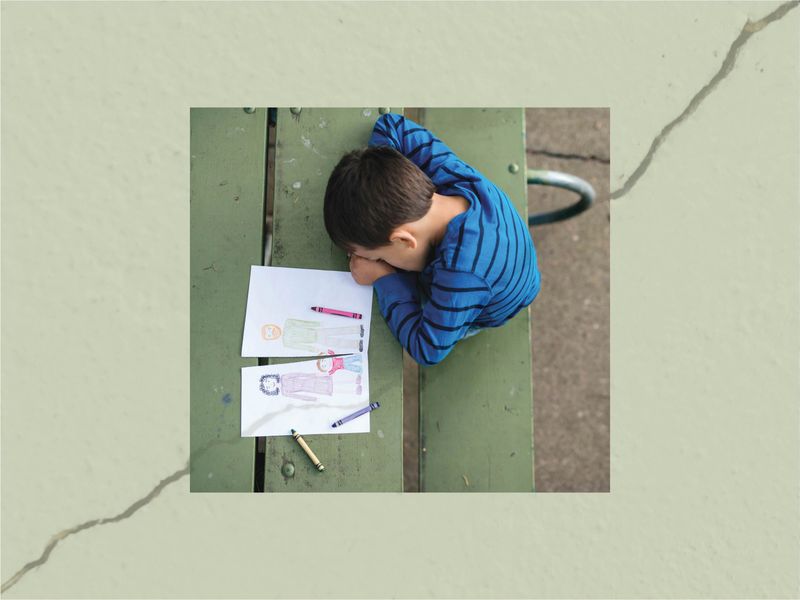
Parents often assume kids are more resilient than they actually are when it comes to divorce. Research consistently shows that children of divorce face increased risks of anxiety, depression, and academic struggles when their needs are not properly addressed.
Staying tuned into your child’s emotional state and maintaining consistent routines can make a significant difference. Therapy designed for children going through family changes is worth considering.
Making your child’s stability a genuine priority, not just a talking point, is one of the best things you can do.
18. Not Taking Ownership of Your Own Divorce

Your divorce will shape the rest of your life, so letting others make all the decisions for you is a mistake. While attorneys, family members, and friends all have opinions, you are the one who has to live with the outcome.
Stay actively involved in every decision, ask questions when you do not understand something, and make sure your priorities are clearly communicated to your legal team. Empowered clients get better results.
No one knows your life and your needs better than you do.
19. Sabotaging Your Child’s Relationship With the Other Parent

Deliberately interfering with your child’s bond with their other parent is one of the most harmful things you can do, both for your child and for your custody case. Courts take parental alienation extremely seriously.
Children who are blocked from a loving relationship with one parent often carry that wound into adulthood. Supporting healthy contact with the other parent, even when it is hard, is a sign of strength.
Your child’s security and sense of belonging are worth more than any personal grievance.
20. Forgetting to Update Legal and Personal Documents

Once the ink dries on your divorce decree, the paperwork is far from over. Many people forget to update beneficiary designations on life insurance policies, retirement accounts, and bank accounts, sometimes leaving an ex-spouse as the unintended recipient.
Wills, powers of attorney, and healthcare directives also need to be revised to reflect your new situation. Making these updates promptly protects your assets and ensures your wishes are honored.
A post-divorce checklist reviewed with your attorney can help you avoid these easily overlooked but costly oversights.