
Life in mid-20th century homes looked very different from what we know today. Families followed strict daily, weekly, and seasonal routines to keep their households running smoothly without many of the modern conveniences we rely on now.
From hand-washing clothes to churning butter, these chores took real effort and time. Taking a look back at these tasks gives us a new appreciation for how much work went into running a home just a few generations ago.
1. Making Beds Every Single Morning

Back when a tidy home was a point of pride, making the bed each morning was non-negotiable. Children and adults alike were expected to smooth out sheets and fluff pillows before starting the day.
Wrinkled bedding was seen as a sign of laziness, so this simple chore carried real social weight. Homemakers often used hospital corners for a sharp, polished look that would impress any unexpected guest.
2. Washing Dishes by Hand
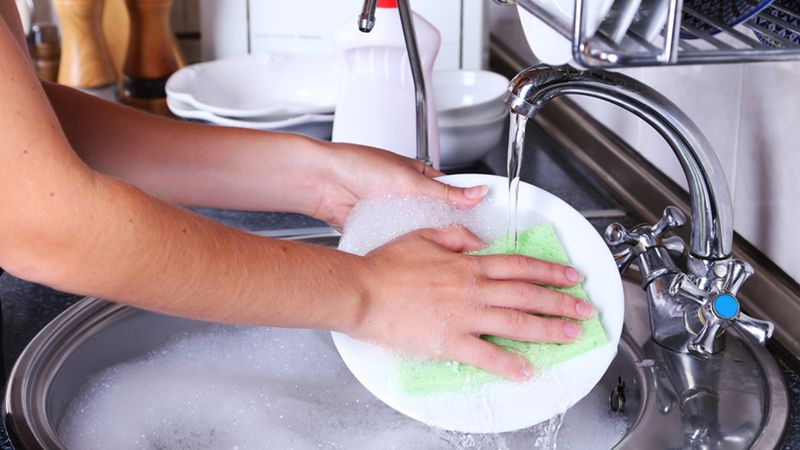
Dishwashers were a luxury most families simply did not have in the mid-20th century. Every plate, pot, and glass was scrubbed by hand after each meal, often by the woman of the house or older children assigned the task.
Hot soapy water, a good dish rag, and a rinse basin were the only tools needed. Dishes were dried immediately and stacked away to keep the kitchen looking spotless at all times.
3. Cooking Meals Entirely from Scratch
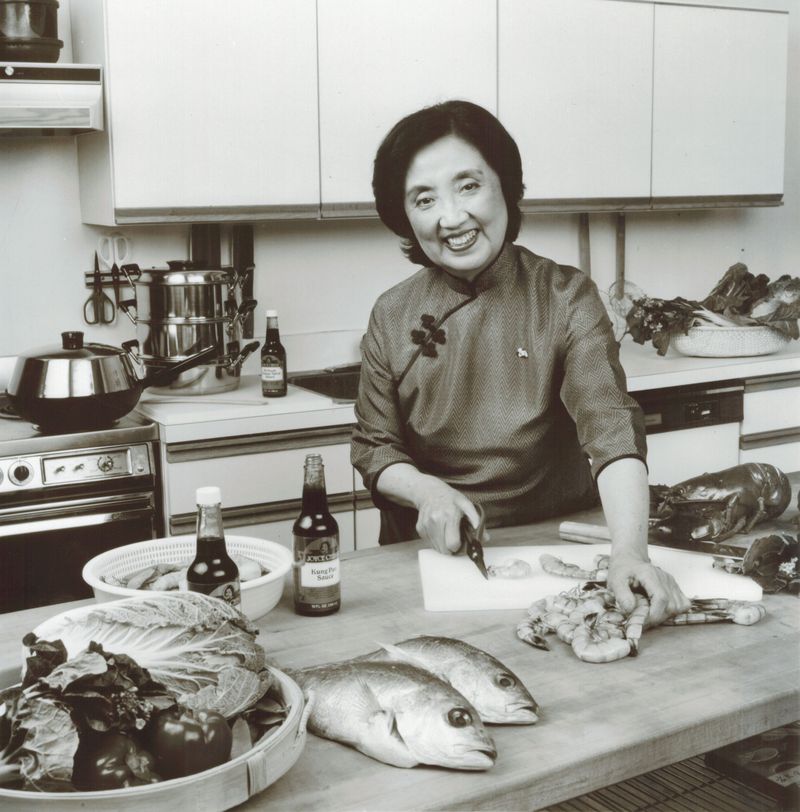
Frozen dinners and fast food were rare treats rather than everyday options during this era. Most families sat down to home-cooked meals prepared from raw ingredients every single day, often multiple times a day.
Dinner prep could start as early as mid-afternoon, especially for slow-cooked dishes like stews or roasts. Knowing how to cook from scratch was considered a fundamental life skill, not just a hobby or weekend activity.
4. Monday Laundry Day
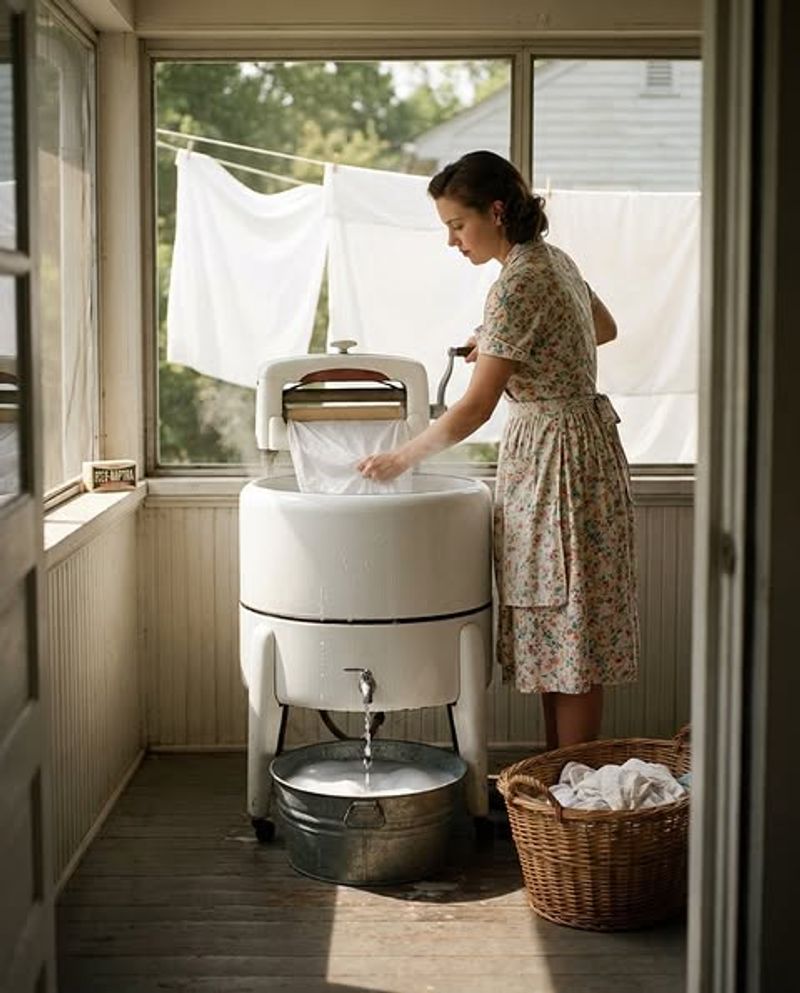
Monday was almost universally known as laundry day in mid-century households, and it was a serious all-day commitment. Clothes were sorted carefully, with whites washed first in the hottest water to keep them bright.
Wringer washers helped squeeze out excess water before items were carried outside to hang on the clothesline. A special bluing agent was added to white fabrics to fight yellowing, a trick that many grandmothers still swear by today.
5. Ironing and Mending Clothes
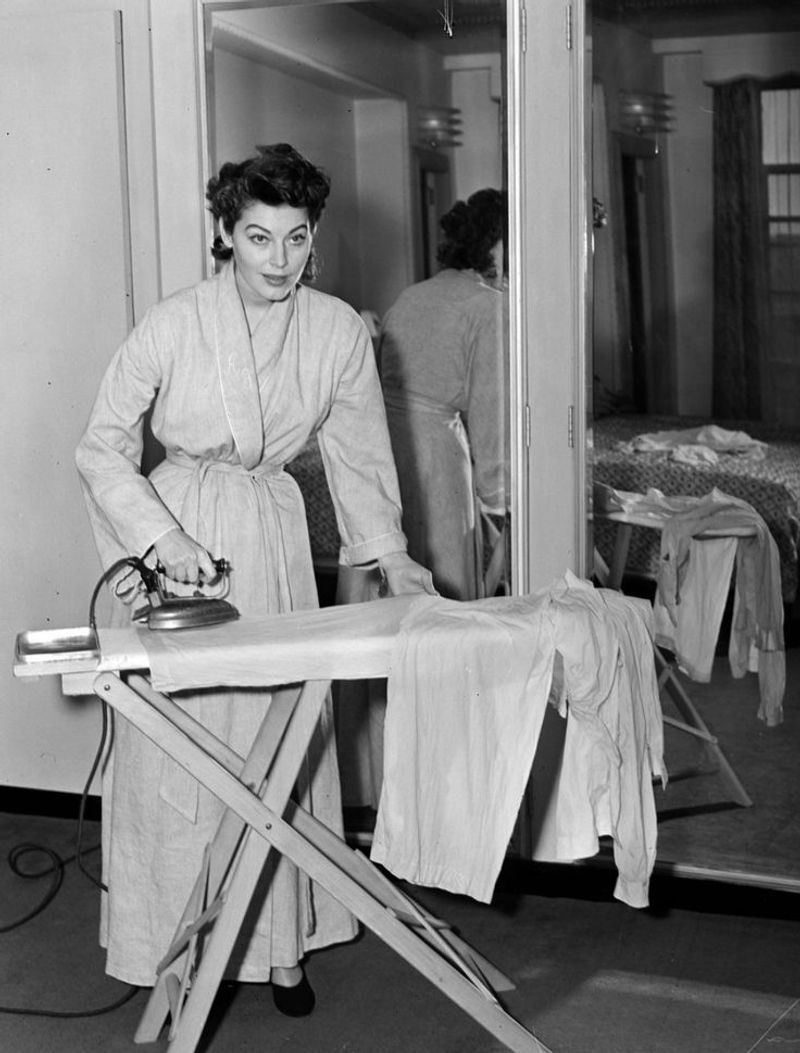
Tuesday was typically reserved for ironing, and the pile was never small. Shirts, dresses, trousers, and even bedsheets were pressed until every wrinkle disappeared, because wrinkle-resistant fabrics had not yet become widely available.
Mending was just as important as ironing. A small hole in a sock or a loose hem was never thrown away when a needle and thread could fix it.
Families were resourceful, and wasting clothing was simply not an option.
6. Deep-Cleaning the Kitchen Weekly
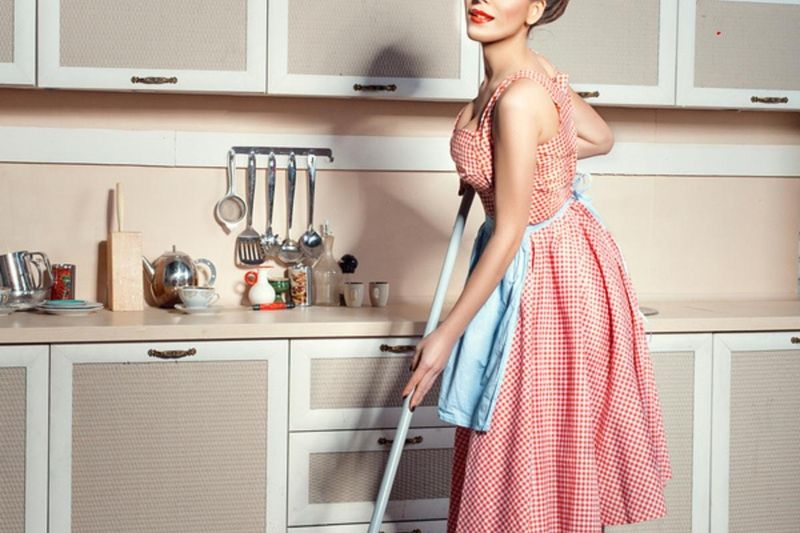
Once a week, the kitchen got a thorough top-to-bottom cleaning that went far beyond a quick wipe-down. The stove was scrubbed inside and out, the refrigerator was emptied and wiped clean, and pantry shelves were reorganized.
Grease buildup on stoves was a real challenge before modern cleaning sprays existed. Homemakers relied on baking soda, vinegar, and elbow grease to keep surfaces spotless.
A truly clean kitchen was a source of household pride that neighbors and family would definitely notice.
7. Baking Bread and Goods from Scratch

Store-bought bread existed, but many mid-century families still baked their own loaves at home as a regular weekly chore. The smell of fresh bread filling the house was just a normal Wednesday morning for countless households across the country.
Beyond bread, cookies, pies, and cakes were baked in batches to last through the week. Having a well-stocked cookie tin or pie on the counter was a sign of a capable, caring homemaker who took her family responsibilities seriously.
8. Polishing Silverware Regularly
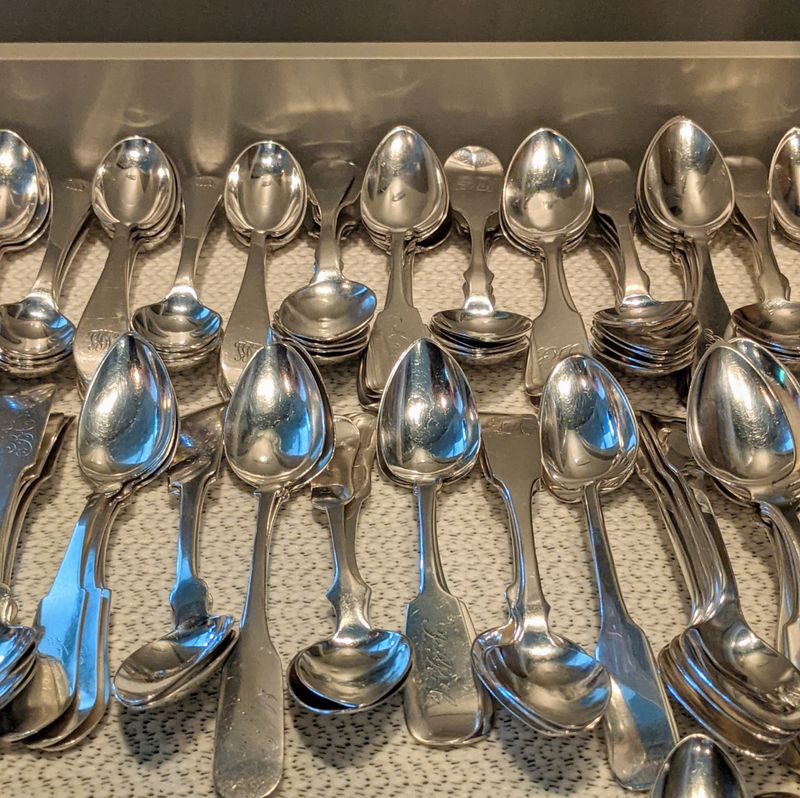
Silver tarnishes surprisingly fast, and in mid-century homes where silverware was used for everyday meals, polishing it was a near-constant chore. Families took genuine pride in setting a beautiful table, and dull silverware simply would not do.
Special silver polish and soft cloths were kept on hand specifically for this task. Children were sometimes assigned the job as part of their household duties.
Gleaming silverware was considered a reflection of the family’s standards and overall household care.
9. Washing Windows Inside and Out

Sparkling clean windows were a point of neighborhood pride in mid-century suburbs. Windows were washed inside and out, often with a mixture of water and vinegar before commercial window cleaners became widely available.
Spring was the big window-washing season, when every pane in the house got a thorough scrubbing after a long winter. It was a time-consuming task, especially in larger homes, but a house with grimy windows was considered poorly kept by community standards of the time.
10. Airing Out Bedrooms Every Morning

Fresh air was considered essential to good health long before modern ventilation systems existed. Every morning, windows were thrown open to air out bedrooms, pull back the blankets, and let beds breathe before making them up neatly.
This habit helped reduce moisture and musty odors in homes that lacked central air conditioning. Many families also carried mattresses outside on warmer days to sun them, believing sunlight killed germs and kept sleeping surfaces fresh and healthy for the whole family.
11. Scrubbing Bathrooms Thoroughly

Bathrooms in mid-century homes were scrubbed from top to bottom at least once a week, with no surface overlooked. The tub, toilet, sink, tiles, and even the grout between tiles were cleaned with powdered cleansers and stiff brushes.
Quick daily wipe-downs kept things presentable between deep-cleaning sessions. Bathroom hygiene was tied closely to the family’s reputation, especially when guests were expected.
A spotless bathroom was simply the minimum standard every self-respecting homemaker aimed to maintain without exception.
12. Daily Grocery Shopping on Foot
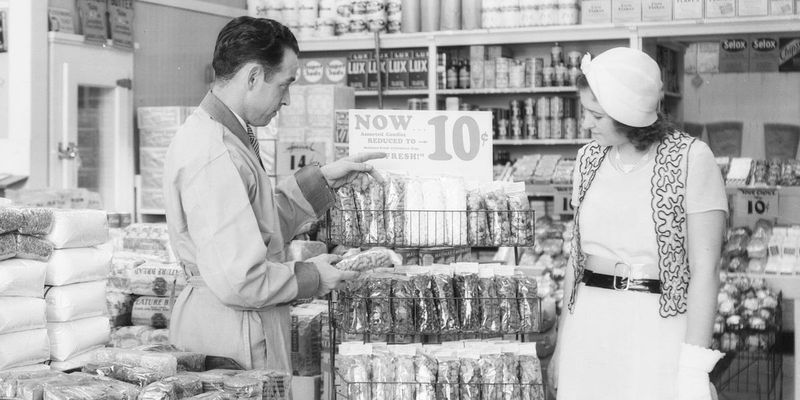
Refrigerators in the mid-20th century were much smaller than today’s models, which meant daily grocery runs were often a necessity rather than a choice. Families bought only what they needed for that day to ensure everything stayed fresh.
Shopping was a social activity too, with stops at the butcher, baker, and local grocer all part of the morning routine. Women often walked to these neighborhood shops, making grocery shopping a built-in form of daily exercise and community connection.
13. Yard Work and Car Washing on Saturdays
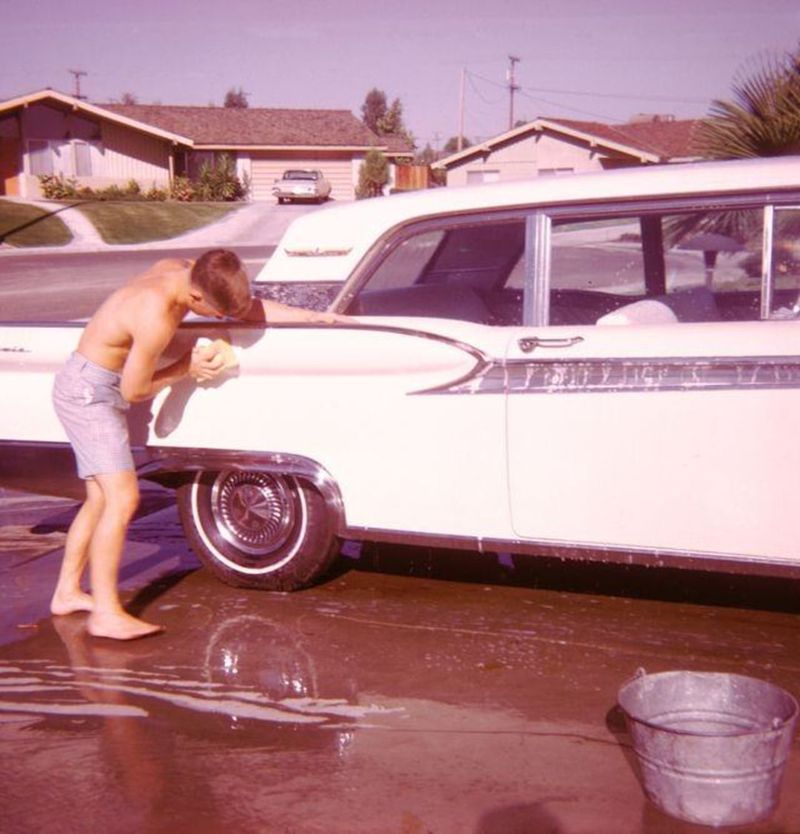
Saturday was the day the outside of the home got its weekly attention. Porches were swept, walkways were tidied, and the family car was hand-washed in the driveway with a bucket, sponge, and garden hose.
Gardening was woven into this routine too, with weeding, watering, and trimming keeping the yard looking sharp. A well-maintained lawn and clean car were outward signals to the neighborhood that the family inside took genuine pride in their home and property.
14. Canning and Preserving Food
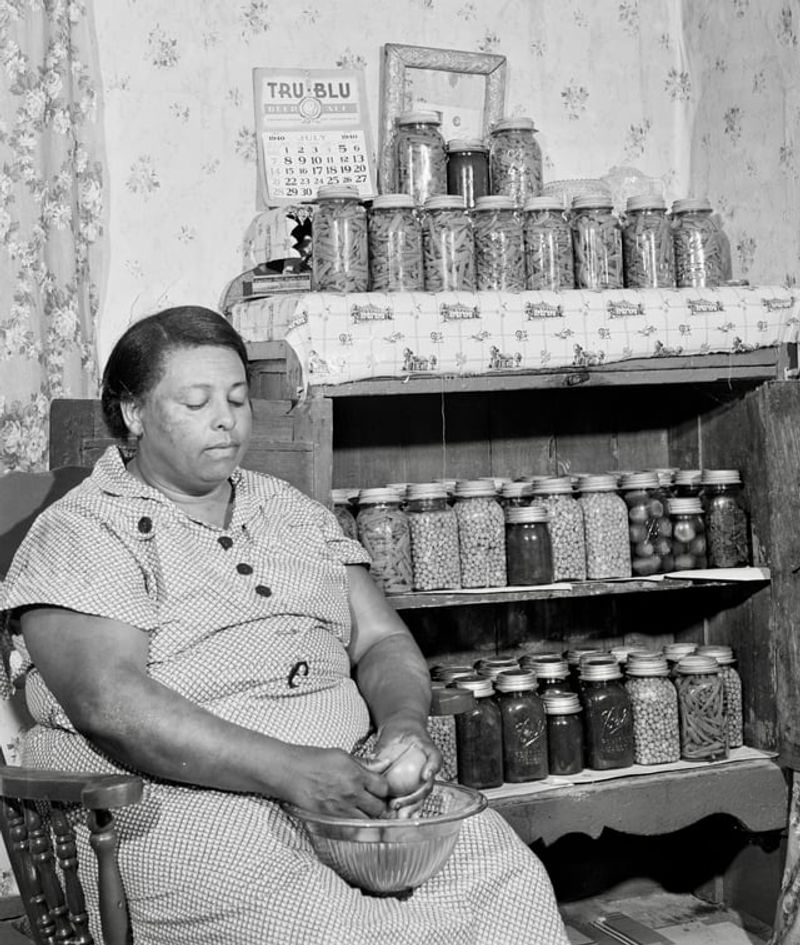
Long before grocery store shelves were stocked year-round, many families grew their own produce and preserved it through canning. Fruits, vegetables, jams, and pickles were sealed into glass mason jars to last through the winter months.
Canning season in late summer was an intensive, sweat-filled affair that could last several weeks. The reward was a fully stocked pantry that kept the family fed during colder months when fresh produce was scarce and grocery budgets were stretched thin.
15. Chopping and Stacking Firewood

Heating a home in rural mid-century America often depended on a well-stocked woodpile. Chopping and stacking firewood was a physically demanding chore that fell primarily to men and older boys in the household.
Wood had to be split, dried, and stacked in a way that allowed air circulation to prevent rot. Running out of firewood in the middle of winter was not just uncomfortable but genuinely dangerous.
Keeping the woodpile full was treated with the same urgency as stocking the kitchen pantry.
16. Churning Butter at Home

Churning butter was one of those chores that required patience, muscle, and a good rhythm. Farm families especially relied on this process to turn fresh cream into the butter used for cooking and spreading on homemade bread.
The task could take anywhere from 20 minutes to over an hour depending on the temperature of the cream and the equipment used. Children were often given a turn at the churn as a way to build character and contribute meaningfully to the family’s daily self-sufficiency.
17. Sterilizing Baby Bottles and Nipples

Before modern dishwashers and sterilizing equipment, keeping baby feeding supplies safe meant boiling them on the stovetop. Glass bottles and rubber nipples were scrubbed clean, then submerged in a large pot of boiling water after every use.
This process was taken very seriously, as infant health depended on germ-free feeding equipment. The whole routine added extra steps to an already full daily schedule for new mothers.
It was time-consuming but completely standard practice in households across the country during this era.
18. Washing Cloth Diapers by Hand
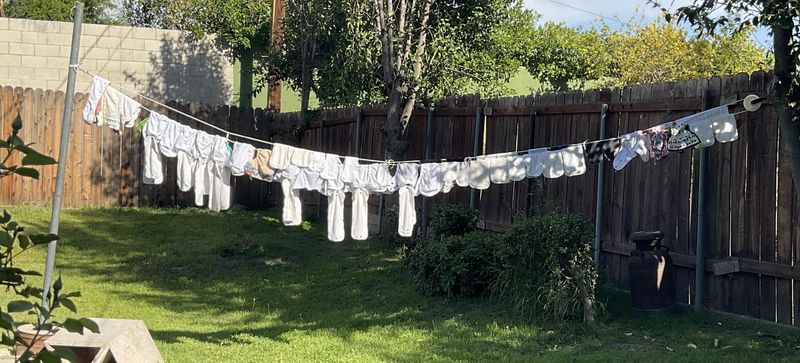
Disposable diapers were not widely available or affordable for most families in the mid-20th century, which meant cloth diapers were the only option. They had to be rinsed, soaked, and washed every couple of days in the hottest water possible.
The smell and mess made this one of the least glamorous chores on the weekly list, but it was absolutely necessary. Freshly washed diapers were hung on the clothesline to dry and sun-bleach naturally.
It was hard work that modern parents rarely have to think about.