
Many people look back on past relationships and wish they had paid closer attention to the early warning signs. Toxic relationships rarely start out obviously bad — they often begin with small, easy-to-dismiss behaviors that slowly grow into bigger problems.
Learning to recognize these red flags early can save you a lot of heartache, confusion, and wasted time. Here are 15 warning signs that too many people brushed aside — and what you should know about each one.
1. Constant Anxiety and Walking on Eggshells

That tight feeling in your stomach before your partner comes home? That is not normal — and it is not something you should have to live with.
Healthy relationships are supposed to feel like a safe place, not a minefield.
When you find yourself replaying conversations or bracing for an emotional explosion over something small, your body is sending you a warning. Anxiety should not be your baseline emotion in a relationship you chose to be in.
2. Love Bombing in the Early Stages

Getting showered with gifts, constant texts, and over-the-top compliments in the first few weeks might feel like a fairy tale — but pump the brakes. Love bombing is a manipulation tactic designed to fast-track emotional attachment before you really know someone.
The goal is to lower your defenses so that when controlling behavior kicks in later, you feel too invested to walk away. Real connection grows steadily, not overnight like a pressure-cooker romance.
3. Isolation from Friends and Family

Slowly losing touch with the people who matter most to you is one of the sneakiest warning signs out there. A toxic partner might not directly forbid contact — instead, they make your relationships feel like a burden or a betrayal.
Comments like “Your friends are a bad influence” or guilt trips after a night out are subtle forms of control. When someone works to shrink your world, they are not protecting you — they are trapping you.
4. Gaslighting and Questioning Your Reality
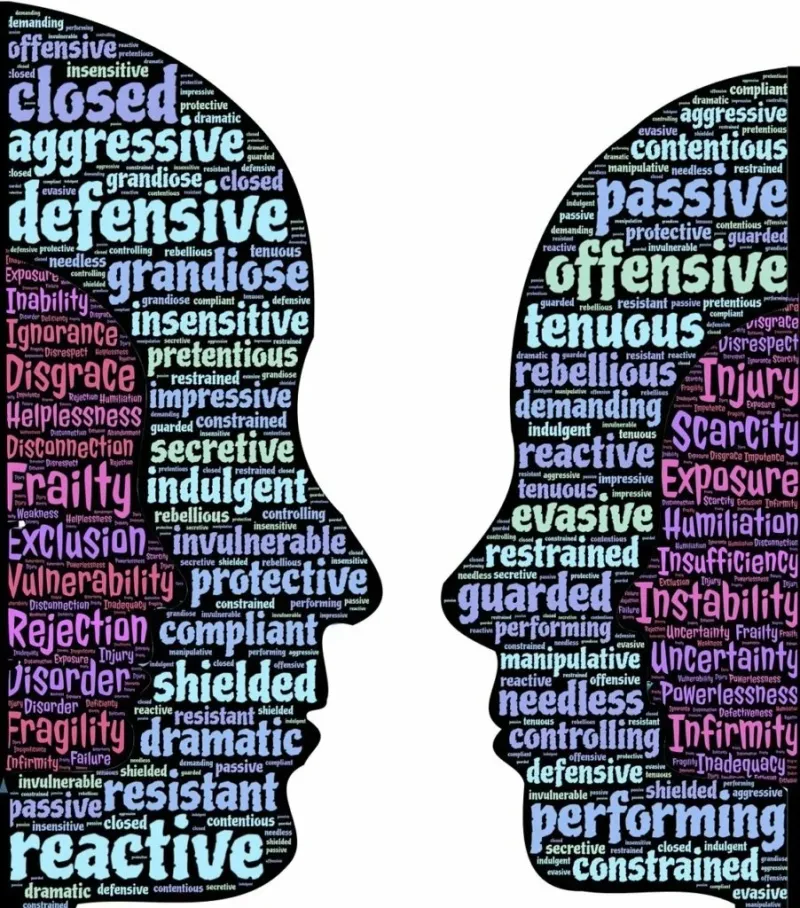
“That never happened.” “You are way too sensitive.” “You are imagining things.” Sound familiar? Gaslighting is when someone repeatedly makes you question your own memory, feelings, or perception of events.
Over time, this kind of psychological manipulation chips away at your confidence and makes you dependent on the other person to define what is real. If you constantly feel like you are going crazy in a relationship, the problem is rarely actually you.
5. Disrespect Disguised as Jokes
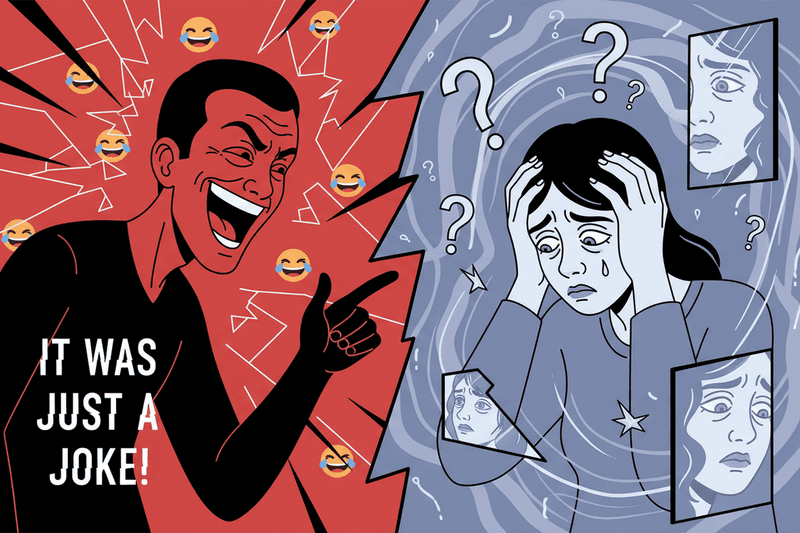
“Relax, I was just kidding!” is one of the most commonly used excuses to cover up genuine cruelty. When a partner mocks your appearance, intelligence, or dreams in front of others and then calls it humor, that is not lighthearted teasing — that is disrespect with a punchline.
Repeated put-downs, even wrapped in laughter, erode your self-worth over time. A partner who truly respects you will build you up, not get laughs at your expense.
6. Unhealthy Jealousy and Possessiveness

A little jealousy is human — but there is a massive difference between occasional insecurity and controlling, obsessive possessiveness. Checking your phone, demanding to know your location at all times, or getting angry when you talk to coworkers are not signs of love.
Possessive behavior is rooted in a need for control, not genuine care. When someone treats you like property rather than a partner, that is a flashing red light that deserves serious attention sooner rather than later.
7. Pushing or Ignoring Your Boundaries
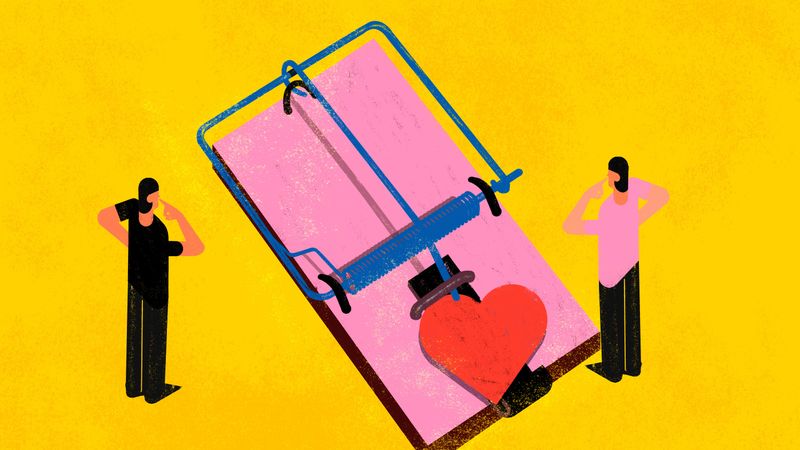
Boundaries are not walls — they are the basic rules you set to protect your comfort, safety, and well-being. When a partner consistently ignores or minimizes them, they are showing you exactly how much your needs actually matter to them.
Phrases like “You are being dramatic” or “If you loved me, you would not care” are classic ways toxic people dismiss valid limits. Anyone who genuinely respects you will honor your boundaries without argument, guilt-tripping, or negotiation every single time.
8. Never Taking Responsibility or Blame-Shifting

Every argument ends the same way — somehow, it is always your fault. Blame-shifting is a hallmark of toxic behavior, where a partner refuses to own their mistakes and redirects accountability onto you instead.
Over time, this pattern leaves you constantly apologizing for things you did not do and doubting your own judgment. Accountability is the backbone of a healthy relationship.
Without it, problems never actually get resolved — they just keep cycling back with a new villain each time.
9. Withholding Affection as Punishment
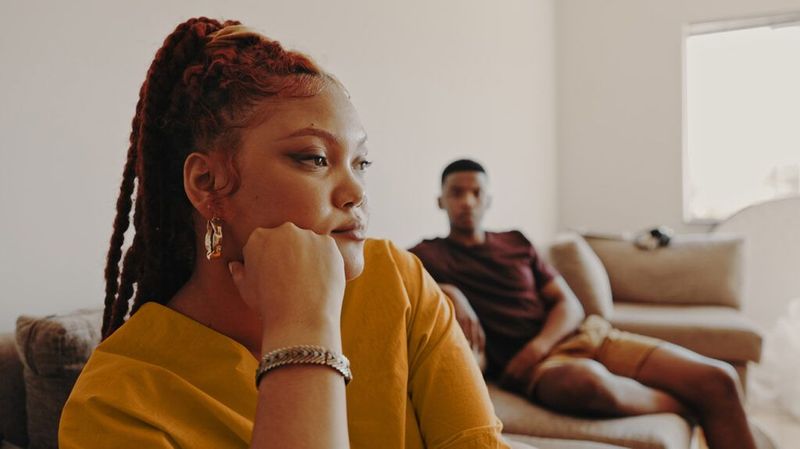
The silent treatment might seem like just a mood, but when it is used deliberately to punish you for not complying, it becomes emotional manipulation. Withholding love, communication, or warmth to get what someone wants is a form of control, plain and simple.
This creates an exhausting push-and-pull cycle where you spend more energy trying to get back into someone’s good graces than actually enjoying the relationship. Emotional unavailability used as a weapon is never a sign of healthy love.
10. Constant Criticism That Chips Away at You

Constructive feedback between partners is healthy — but there is a clear difference between helpful honesty and a relentless stream of criticism. When nothing you do is ever good enough, and your partner regularly targets your looks, intelligence, or choices, that is not guidance.
That is emotional erosion.
Studies show that chronic criticism in relationships is strongly linked to depression and low self-esteem. You deserve someone who encourages your growth, not someone who makes you feel small for simply being yourself.
11. Extreme Mood Swings and Unpredictable Reactions

One minute everything is wonderful, and the next minute you are caught in a storm you never saw coming. Extreme emotional volatility — where your partner overreacts to small things with disproportionate anger or sadness — makes it nearly impossible to feel safe.
Living in that kind of unpredictability forces you into survival mode, always scanning for warning signs of the next blowup. Emotional stability is not too much to ask for in a relationship.
Rollercoaster drama is exciting in movies, not in real life.
12. Dishonesty and Betrayal of Trust

Trust is the foundation every relationship is built on — and once a partner starts lying regularly, even about small things, that foundation begins to crack. Dishonesty can show up as outright lies, keeping secrets, or sharing private information about you with others.
Many people in toxic relationships spotted early signs of dishonesty but gave the benefit of the doubt too many times. Patterns matter more than individual incidents.
If someone shows you early on that they are comfortable deceiving you, believe that pattern completely.
13. Feeling Emotionally Drained After Every Interaction
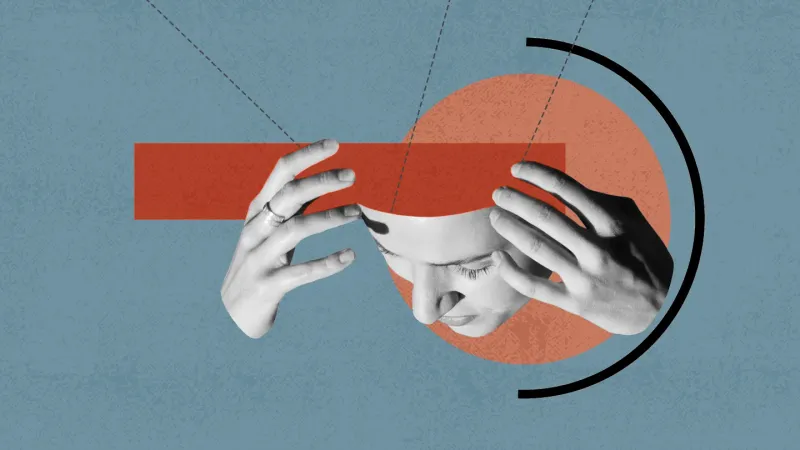
Relationships should add to your life, not drain the life out of you. If you consistently leave conversations feeling worse than when they started — more confused, more hurt, or more exhausted — that emotional toll is trying to tell you something important.
Feeling depleted around someone you love is a quiet but powerful warning sign. Good relationships are not always easy, but they should not feel like running a marathon every single day.
Chronic exhaustion from a relationship is a red flag worth listening to.
14. Cruelty Toward Others or Animals

How someone treats people they have nothing to gain from — waitstaff, strangers, animals — reveals a lot about their true character. Cruelty or contempt toward vulnerable beings shows a lack of empathy that does not just stay contained in those moments.
Many people in toxic relationships later recalled early incidents where their partner was unkind to others but brushed it off. Eventually, that same disregard turned toward them.
Empathy is not something people selectively apply — its absence is always worth taking seriously.
15. Control Over Daily Choices and Independence
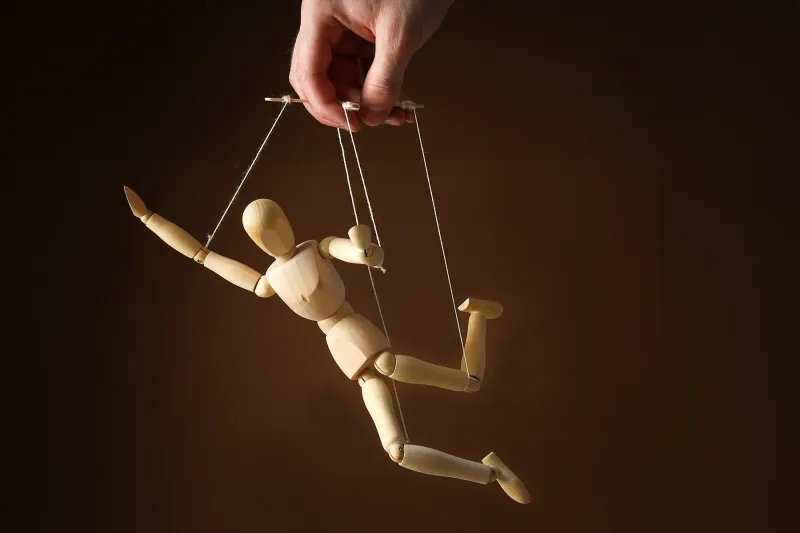
Choosing your clothes, deciding who you can see, or approving how you spend your money — these are your decisions to make, not your partner’s. When someone begins inserting themselves into every corner of your daily life, control is the goal, not connection.
Controlling behavior often starts subtly, disguised as caring or protectiveness. Over time, it shrinks your sense of independence until making your own choices feels foreign.
Freedom within a relationship is not optional — it is absolutely non-negotiable for your long-term well-being.