
Back in the 1950s, life looked a lot shinier and simpler on the surface, but lurking behind those pastel kitchens and chrome-trimmed gadgets were some seriously dangerous products. From radioactive science kits for kids to asbestos-lined ironing boards, everyday Americans were unknowingly exposed to toxic chemicals and hazardous materials on a daily basis.
What passed as safe, modern, and even exciting back then would be pulled from shelves instantly by today’s standards. Get ready for a wild look at 19 vintage products that would make any modern safety inspector’s jaw drop.
1. Lawn Darts (Jarts)
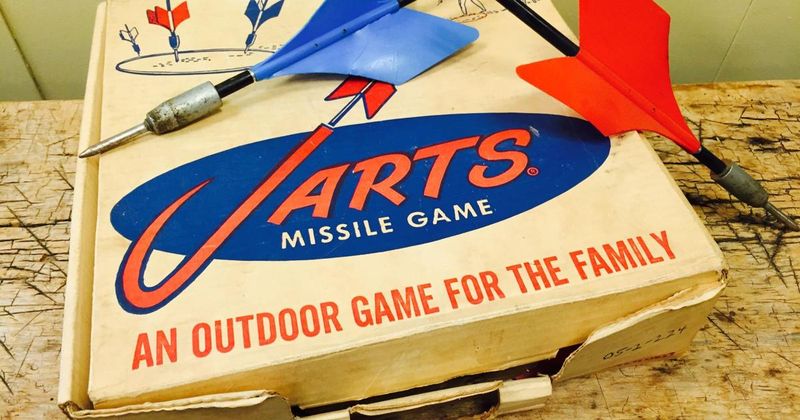
Sharp, heavy, and launched high into the air toward a plastic ring on the ground – lawn darts sound dangerous the moment you describe them. And they were.
These backyard toys featured pointed metal tips that caused thousands of injuries, including devastating head wounds in children.
The U.S. and Canada finally banned them in the late 1980s after a young girl died from a lawn dart injury. Today, they remain one of the most notorious toy recalls in history.
2. Gilbert U-238 Atomic Energy Lab Science Kit
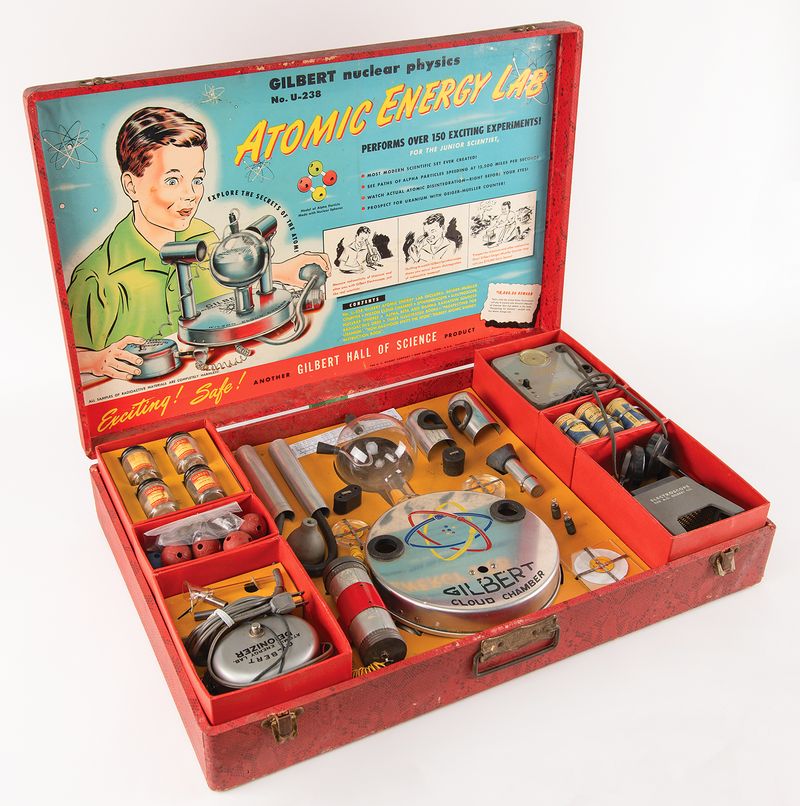
Imagine gifting your child a kit containing actual uranium ore for Christmas. That is exactly what the Gilbert company did in 1950, marketing the U-238 Atomic Energy Lab as an educational science toy.
The kit included real radioactive materials, a Geiger counter, and instructions for conducting nuclear experiments at home. Radiation exposure was a very real risk.
The kit was discontinued within two years, but its legacy as one of the most shockingly dangerous toys ever sold lives on.
3. Asbestos-Lined Ironing Board Covers
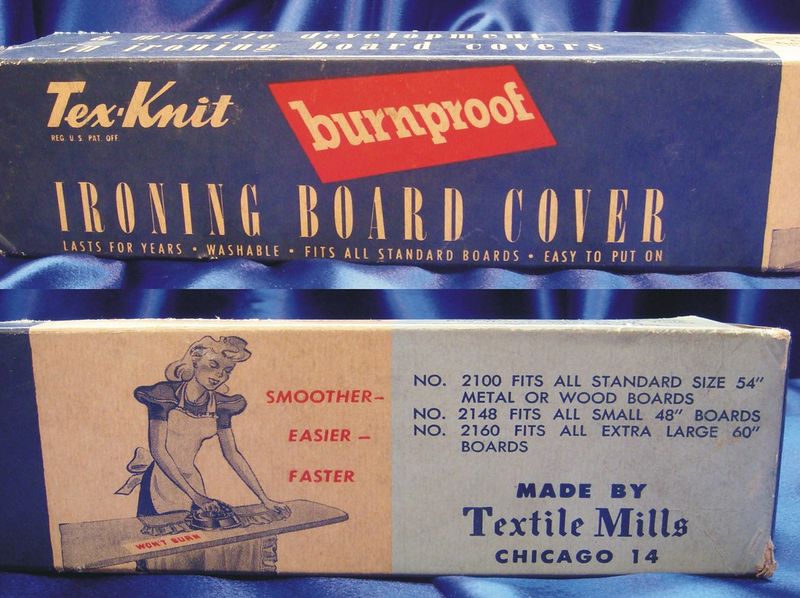
Asbestos was once called a miracle material, praised for its incredible heat resistance and fireproofing abilities. It showed up in ironing board covers, floor tiles, insulation, and even hairdryers throughout the 1950s.
Prolonged exposure to asbestos fibers causes asbestosis and mesothelioma, a deadly cancer that can take decades to appear. Workers and homemakers alike breathed in these invisible fibers without any warning.
Today, asbestos is heavily regulated and largely banned in consumer products across the United States.
4. Mercury-Filled Glass Thermometers
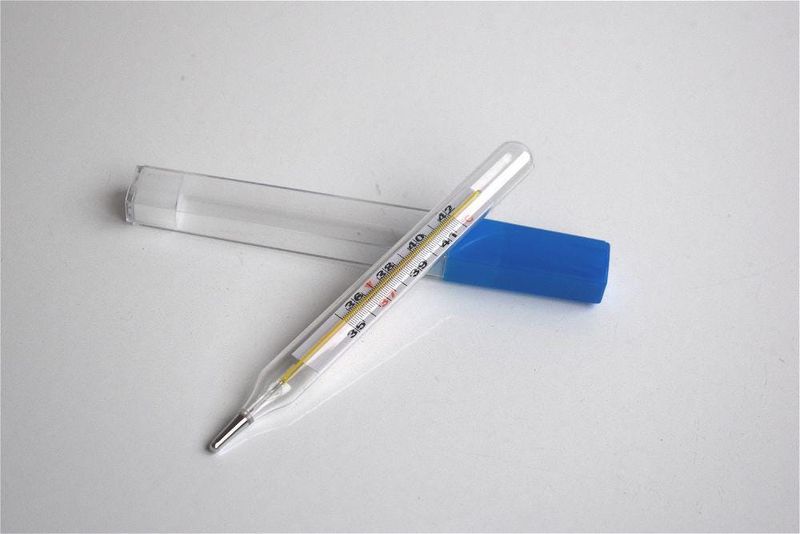
For decades, the mercury thermometer was a medicine cabinet staple, trusted by families to check fevers and monitor health. The problem?
Those fragile glass tubes were filled with liquid mercury, a potent neurotoxin.
A cracked or shattered thermometer could release toxic mercury beads that, if inhaled or absorbed, damage the nervous system, kidneys, and brain. Children were especially vulnerable.
Today, digital and non-mercury alternatives have replaced them, and disposing of old mercury thermometers requires special hazardous waste handling.
5. High-Lead-Content Ceramic Dinnerware Glazes

Those cheerful, brightly colored ceramic dishes from the 1950s had a hidden danger baked right into their shiny glaze – lead. Lead-based glazes were standard practice in dinnerware manufacturing, and acidic foods like tomato sauce or citrus juice could cause the lead to leach directly onto your plate.
Children and pregnant women faced the highest health risks. Modern regulations now require rigorous testing to certify that dishes are food-safe, something that simply did not exist back in the postwar kitchen boom.
6. Plastic Teethers and Pacifiers with Toxic Plasticizers
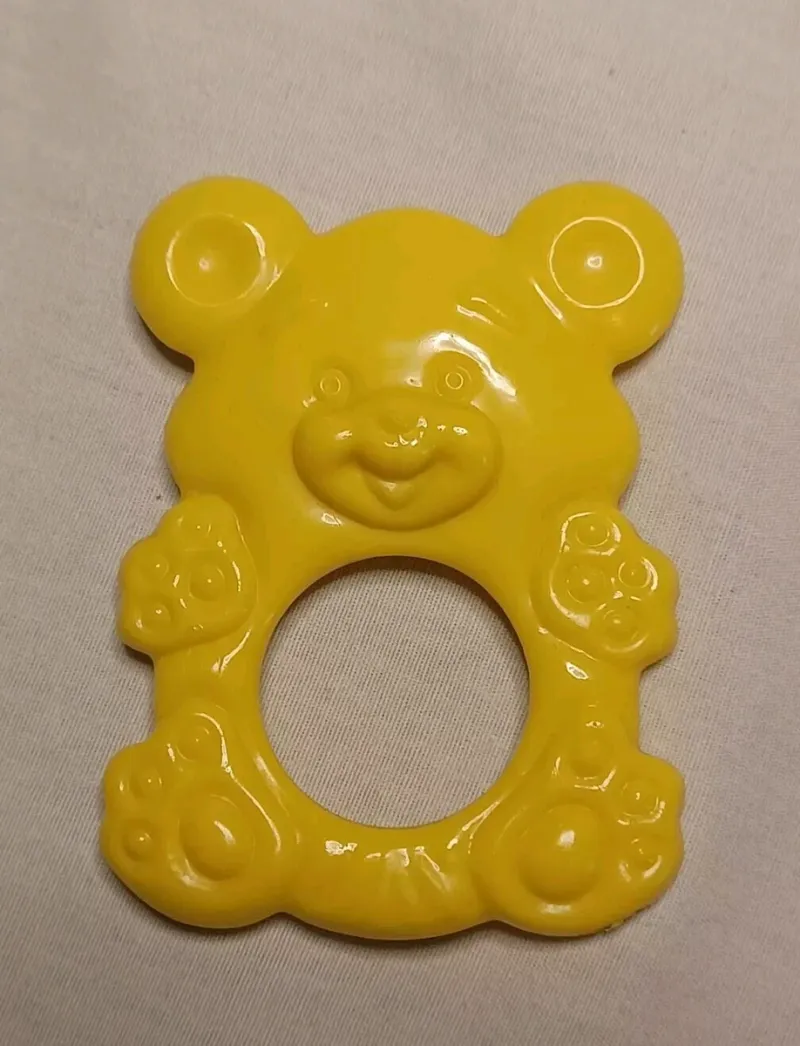
Soft, squishy, and colorful – 1950s plastic baby products seemed perfectly harmless. But those early plastics were loaded with phthalates and other chemical plasticizers used to make them flexible, and those chemicals are endocrine disruptors.
Babies chewing on these items were ingesting hormone-disrupting chemicals that could interfere with normal development. The long-term effects were not understood for decades.
Today, baby products must pass strict chemical safety testing before they ever reach a store shelf, a protection that 1950s parents never had.
7. Lead Paint
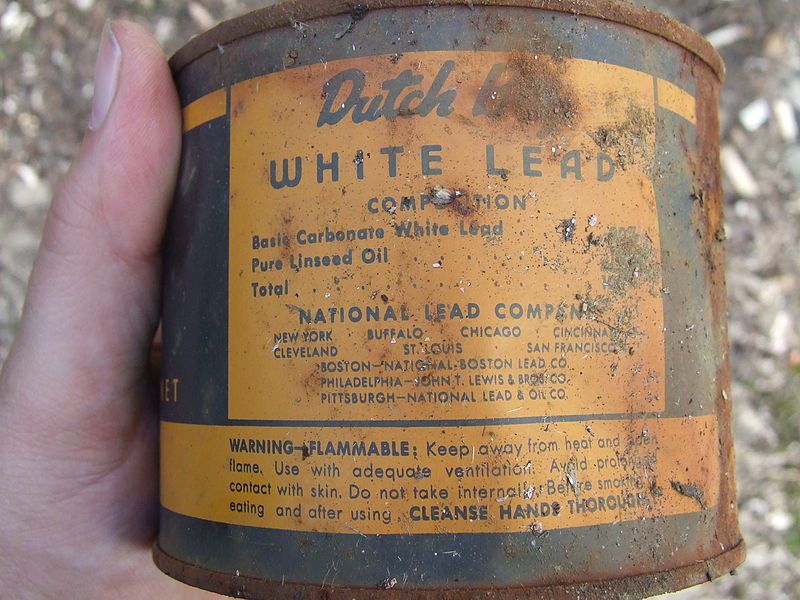
Walk into any 1950s home and you were surrounded by lead paint – on the walls, the trim, the furniture, and yes, even the cribs. Lead-based paint was prized for its durability and rich color.
Nobody fully understood the danger yet.
Children who chewed on painted surfaces or inhaled dust from peeling paint suffered serious neurological damage. The United States banned lead paint for residential use in 1978, but millions of older homes still contain it today, making it an ongoing public health concern.
8. Arsenic-Derived Pigments in Wallpaper
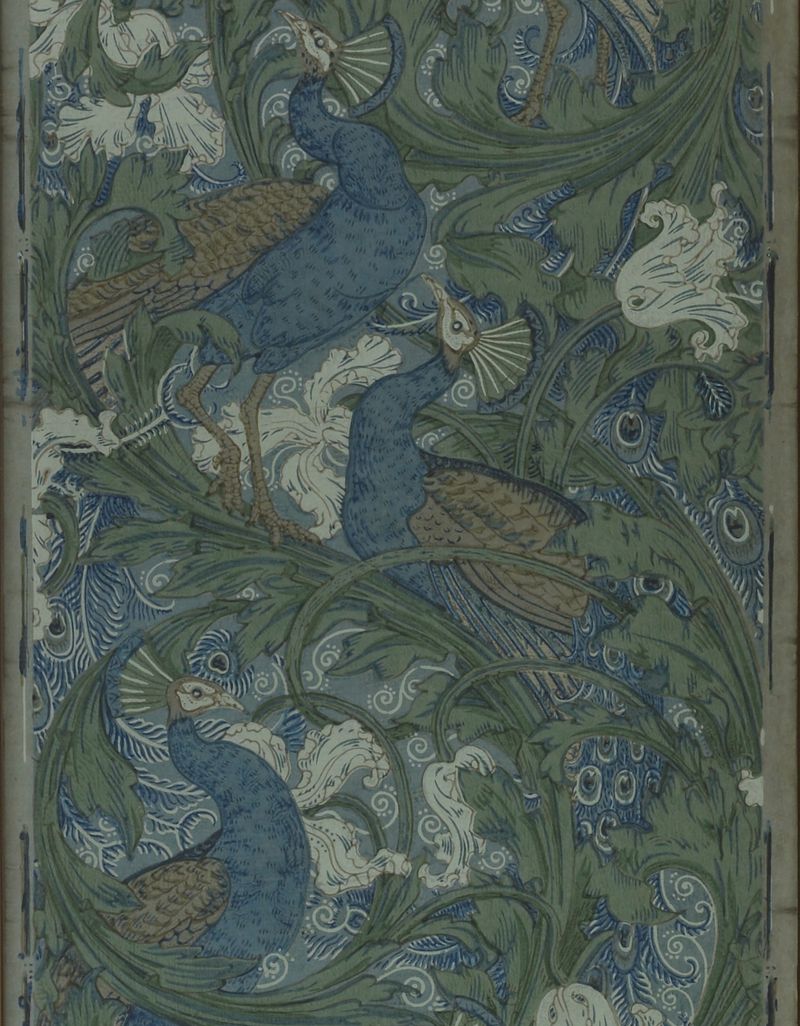
That gorgeous, deep emerald green on Victorian and mid-century wallpaper came at a serious cost. Arsenic-based pigments like Scheele’s Green and Paris Green were used to achieve vivid, lasting color in wallpapers and fabrics throughout the early-to-mid 20th century.
Damp conditions could cause the arsenic to release as a toxic gas into the room. Long-term exposure caused skin irritation, organ damage, and in extreme cases, death.
Modern pigments are chemically tested to ensure they pose no toxic risk to people living with them daily.
9. Mercurochrome Antiseptic
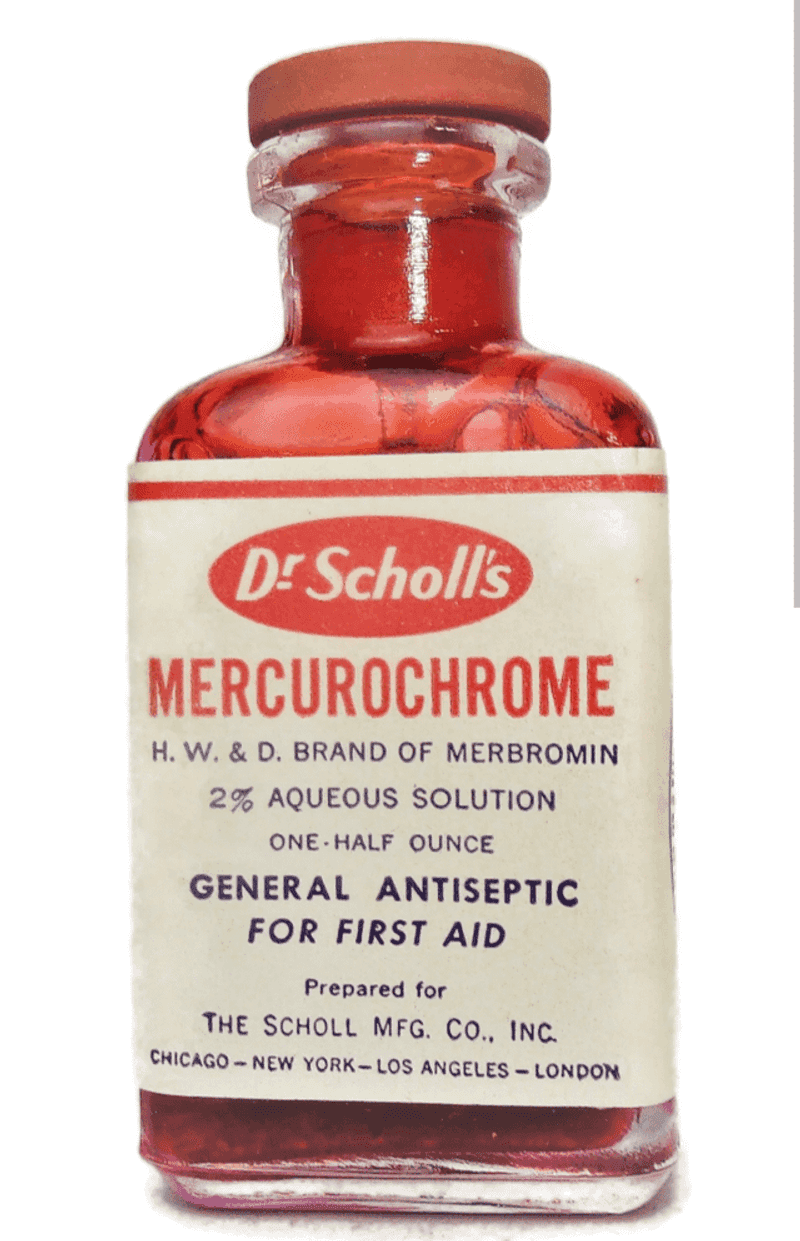
That bright red liquid your grandparents dabbed on every scrape and cut? It was called Mercurochrome, and it contained mercury.
For decades, it was a first-aid staple found in nearly every American medicine cabinet.
Mercury is a known neurotoxin, and repeated skin exposure adds up over time. The FDA eventually classified Mercurochrome as “not generally recognized as safe” in 1998, effectively pulling it from U.S. shelves.
Safer antiseptics like hydrogen peroxide and iodine-based solutions have long since taken its place.
10. Cadmium in Household Products
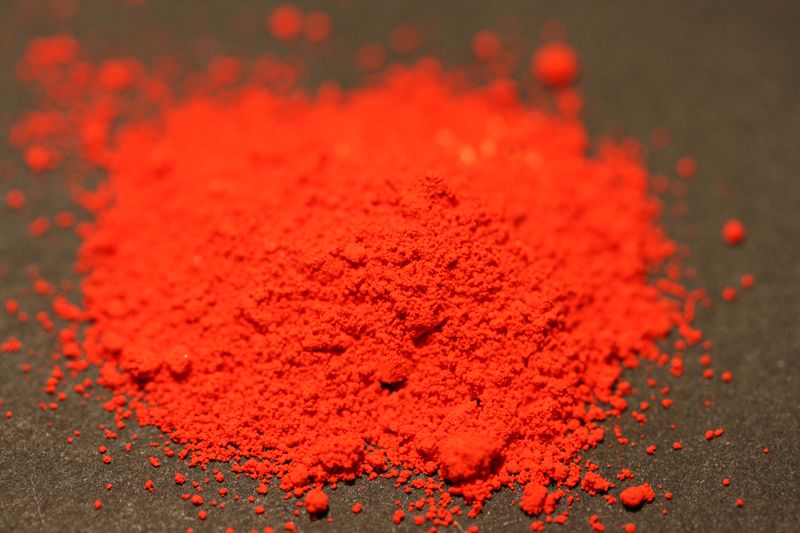
Cadmium had a busy life in the 1950s – showing up in batteries, fertilizers, and even as a vibrant yellow or orange pigment in paints and ceramics. It looked useful and harmless.
It was neither.
Cadmium accumulates in the body over time, slowly damaging kidneys, bones, and the lungs. There is no safe level of long-term cadmium exposure.
Today, its use in consumer goods is tightly restricted, and workers who handle it must follow strict protective protocols that simply did not exist in postwar manufacturing plants.
11. Teflon Cookware with PFOA

Nonstick cookware felt like pure kitchen magic when it hit the market. No more scrubbing burnt eggs off cast iron!
But early Teflon pans were manufactured using PFOA, perfluorooctanoic acid, a chemical now linked to cancer, thyroid disease, and liver damage.
PFOA does not break down in the environment or the human body, earning it the nickname “forever chemical.” It was found in the blood of nearly all Americans tested in the early 2000s. Modern nonstick cookware must be PFOA-free under current safety regulations.
12. Unvented Gas Heaters
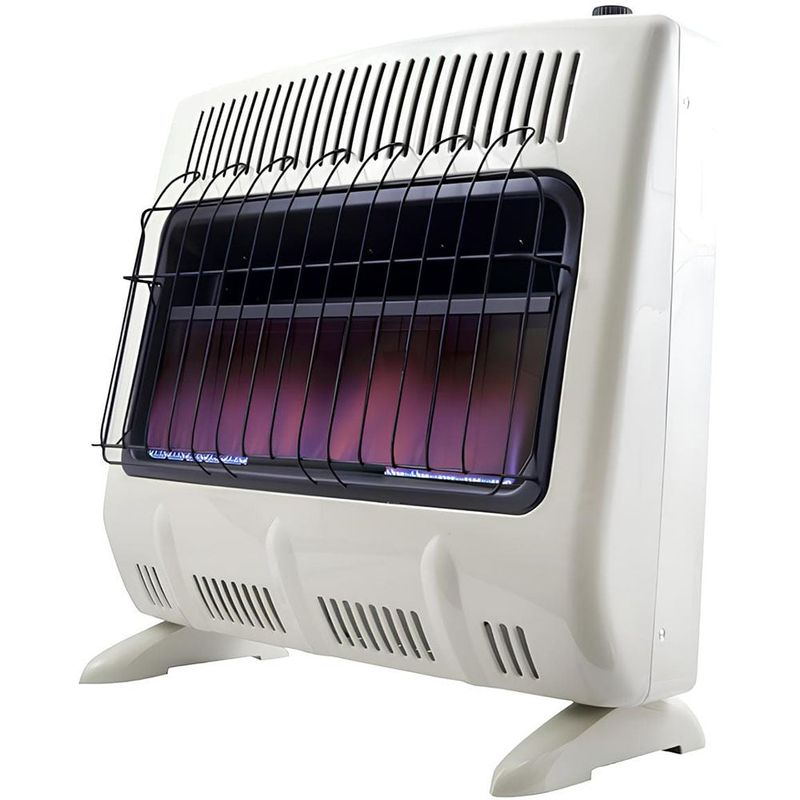
Affordable and effective at warming a room fast, unvented gas heaters were popular throughout 1950s households. The catch was a big one: they released combustion byproducts, including carbon monoxide, directly into the living space.
Carbon monoxide is colorless and odorless, making it impossible to detect without a monitor. Families could be poisoned in their sleep without any warning at all.
Modern building codes require proper ventilation for any gas heating appliance, and carbon monoxide detectors are now standard safety equipment in homes.
13. Belt Buckle Guns by Mattel
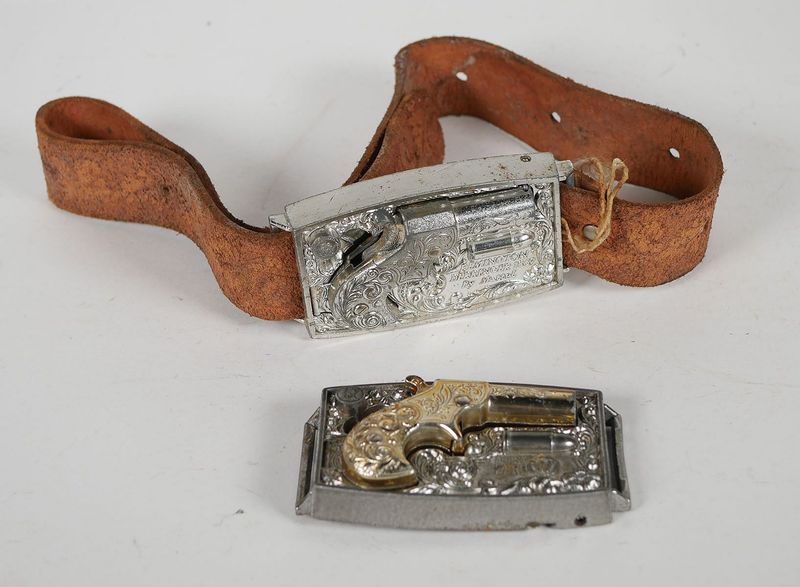
Only in the 1950s could a toy company sell a functioning pistol disguised as a belt buckle and market it to children. Mattel’s belt buckle guns were designed to look like western cowboy accessories but could fire plastic projectiles with real force.
Eye injuries were a genuine concern, and the unpredictable firing mechanism made them especially risky for young kids. Today, toy safety standards prohibit projectile toys that can cause eye damage, and no manufacturer could legally sell anything remotely like these.
14. Flavored Children’s Aspirin Without Childproof Packaging
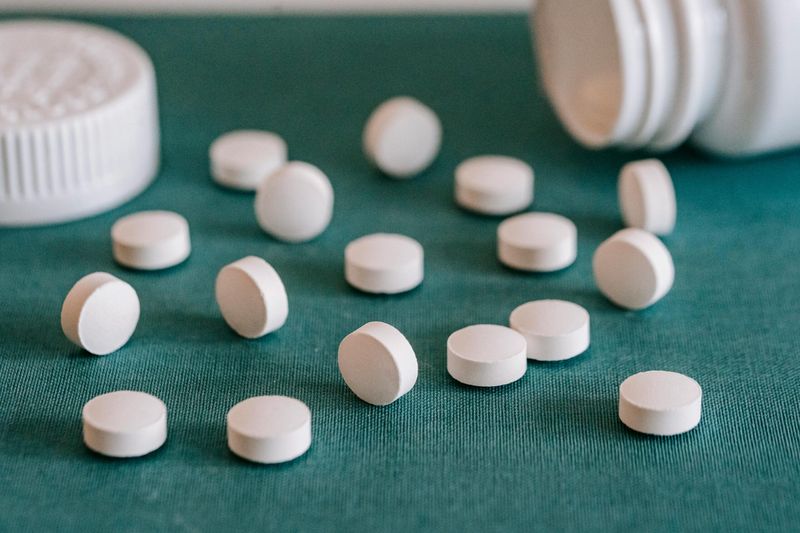
Sweet, orange-flavored, and packaged in an easy-to-open bottle – 1950s children’s aspirin was practically designed to be mistaken for candy. Accidental overdoses were alarmingly common, and the packaging offered zero protection against curious toddlers.
Making matters worse, giving aspirin to children with viral infections was later found to cause Reye’s Syndrome, a rare but life-threatening condition affecting the brain and liver. Childproof packaging became federally required in 1970, and aspirin is now strongly discouraged for anyone under 18 with a viral illness.
15. DDT Pesticide
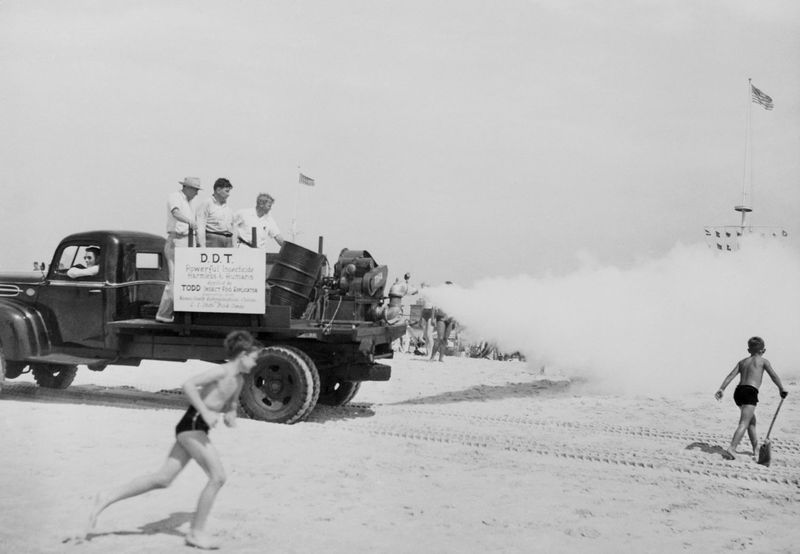
DDT was celebrated as a miracle pesticide after World War II, credited with wiping out malaria-carrying mosquitoes and protecting crops across America. Trucks rolled through neighborhoods fogging the air with it while kids played outside, completely unaware of any danger.
Rachel Carson’s landmark 1962 book Silent Spring exposed DDT’s devastating effects on wildlife, ecosystems, and human health, linking it to cancer and reproductive harm. The United States banned DDT in 1972.
It remains one of the most consequential environmental policy reversals in American history.
16. X-Ray Shoe-Fitting Machines
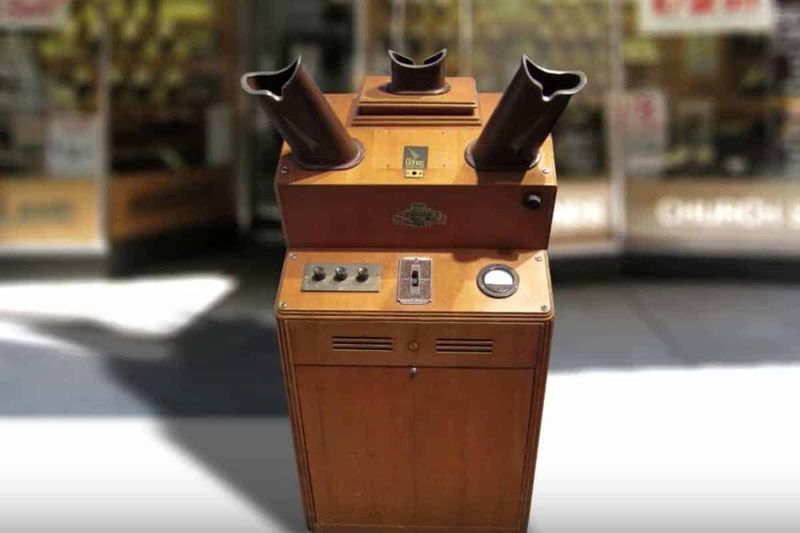
Picture walking into a shoe store and sticking your foot into a machine that blasted it with X-rays, just to see if your new shoes fit. That was completely normal in the 1950s.
Department stores across America used fluoroscope machines as a sales gimmick.
Customers received repeated, unshielded radiation exposure, and salespeople who stood beside the machines all day suffered even more. Multiple salesmen developed foot cancer.
By the late 1950s and early 1960s, most states had banned the machines entirely as public health risks.
17. Synthetic Food Dyes (Orange No. 1, Red No. 2)
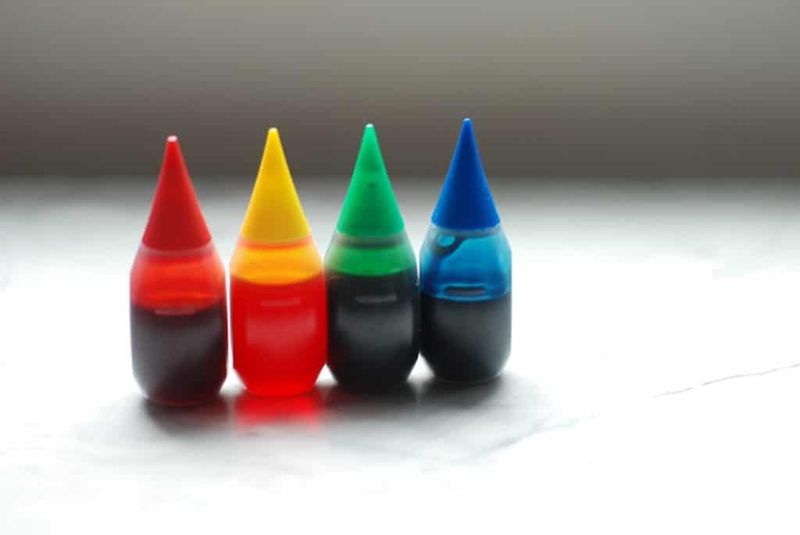
Bright, eye-catching colors made 1950s packaged foods and candies irresistible to kids and adults alike. What nobody advertised was that those vivid hues came from synthetic dyes derived from petroleum byproducts, the same basic source as gasoline.
Studies in the 1950s and 1960s found that dyes like Orange No. 1, Red No. 2, and Red No. 4 caused organ damage, tumors, and reproductive harm in laboratory animals. The FDA banned several of these dyes over the following decades.
Food dye safety debates continue even today.
18. Kent Cigarettes with Asbestos Filters
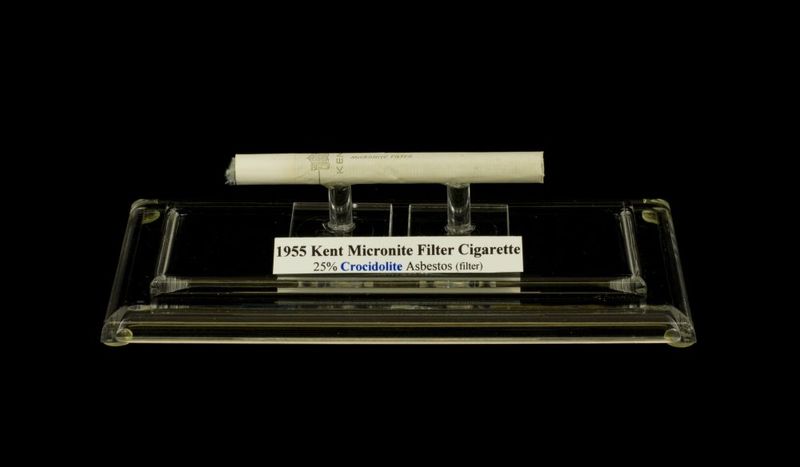
Kent cigarettes launched their Micronite filter in 1952 with bold claims that it delivered the greatest health protection ever. What their own laboratory secretly confirmed was that the filter was packed with blue asbestos fibers leaking directly into every puff of smoke.
Smokers inhaled asbestos with every drag, dramatically multiplying their cancer risk beyond tobacco alone. The asbestos filter was quietly discontinued in 1956, but the damage was done.
Former Kent smokers later filed lawsuits, and the case became a grim symbol of corporate negligence in the tobacco industry.
19. Lead Crystal Decanters
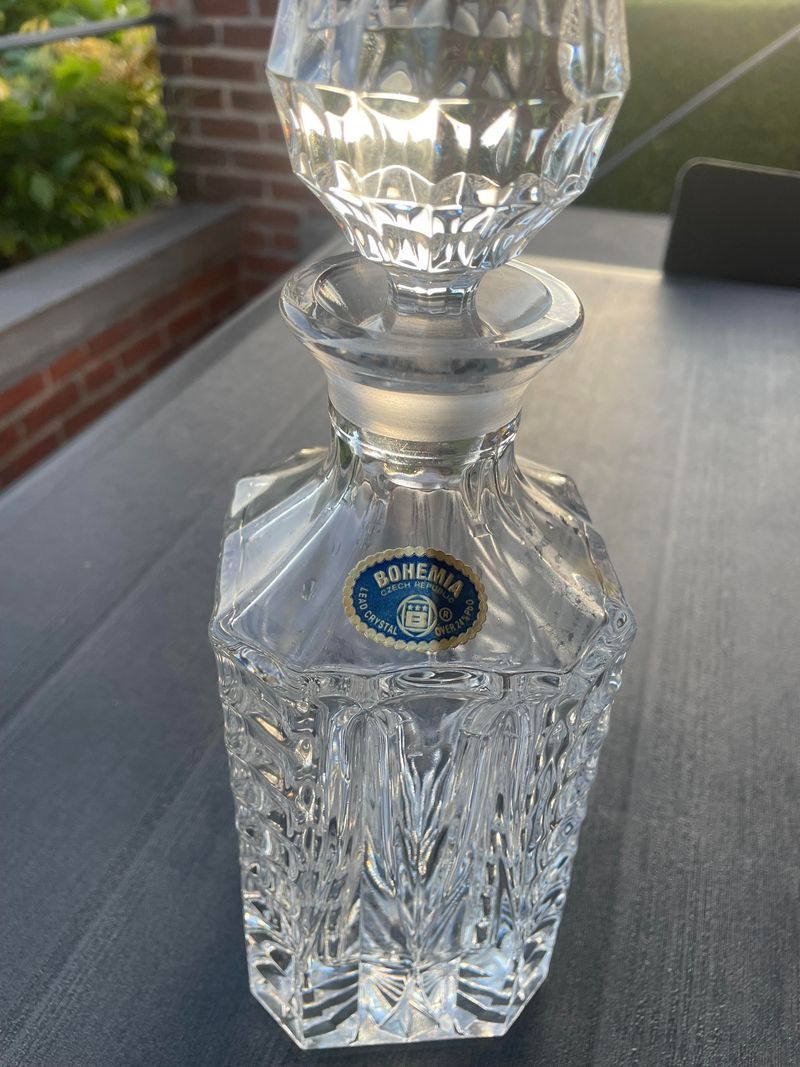
Elegant, sparkling, and the height of sophistication at any 1950s dinner party, lead crystal decanters were considered a mark of fine taste. The problem was hidden in their very chemistry: high-quality crystal contained up to 35% lead oxide to achieve that brilliant clarity and weight.
Storing wine or spirits in these decanters for even a few days allowed lead to leach into the liquid. The FDA issued formal warnings about lead crystal in 1991.
Today, lead-free crystal alternatives provide the same beautiful look without the poisoning risk.