
Tourism is supposed to be a good thing, but in some places, it has created serious problems for the people who actually live there. Overcrowded streets, skyrocketing rents, and frustrated locals are becoming common headlines around the world.
From Europe’s cobblestone cities to tropical islands in Asia, communities are pushing back against the flood of visitors. These 16 destinations show just how heated the relationship between travelers and residents has become.
1. Venice, Italy
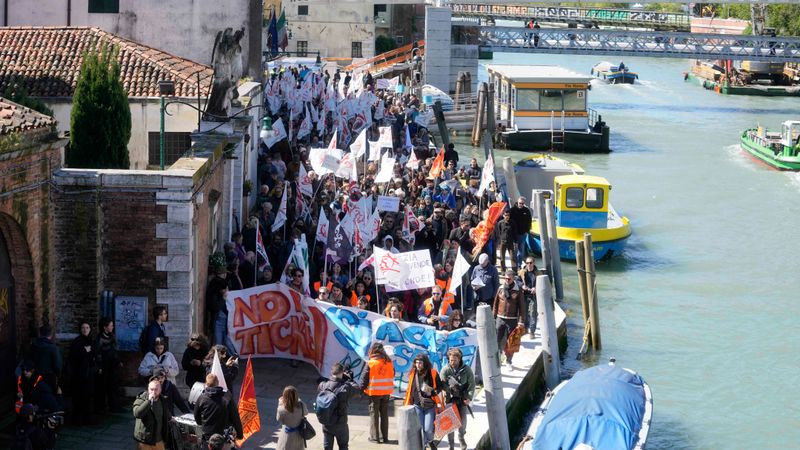
Fewer than 50,000 people now call Venice home, yet the city welcomes around 20 million tourists every year. That imbalance has caused real pain.
Residents have watched their neighbors leave as apartments get converted into vacation rentals, and streets become impossible to walk through.
In response, Venice introduced an entry fee for day visitors, which can jump higher for last-minute arrivals. Activists have protested against new hotel construction and cruise ship traffic, demanding the city prioritize its people over profits.
2. Barcelona, Spain
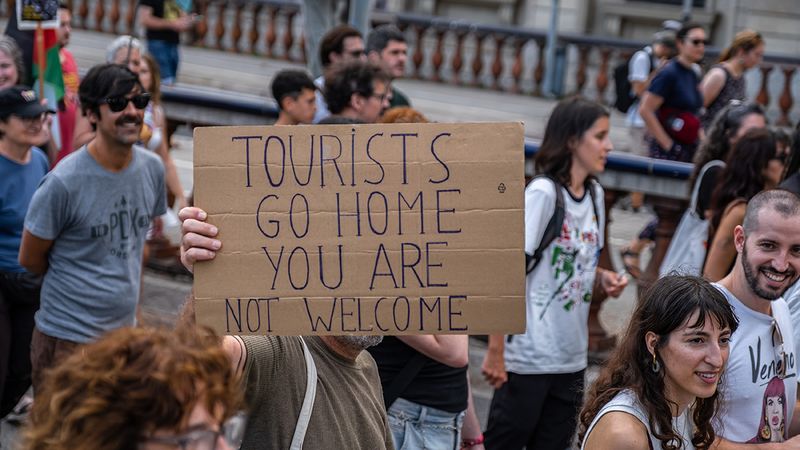
Imagine walking out your front door only to get splashed by a tourist armed with a water gun. That is exactly what happened in Barcelona, where frustrated residents took to the streets with soakers and signs reading “Tourist Go Home.”
Over 15 million visitors arrived in 2023 alone, nearly ten times the city’s population. Housing costs exploded, locals got pushed out, and the city responded by announcing a total ban on short-term holiday rentals by 2029.
3. Dubrovnik, Croatia
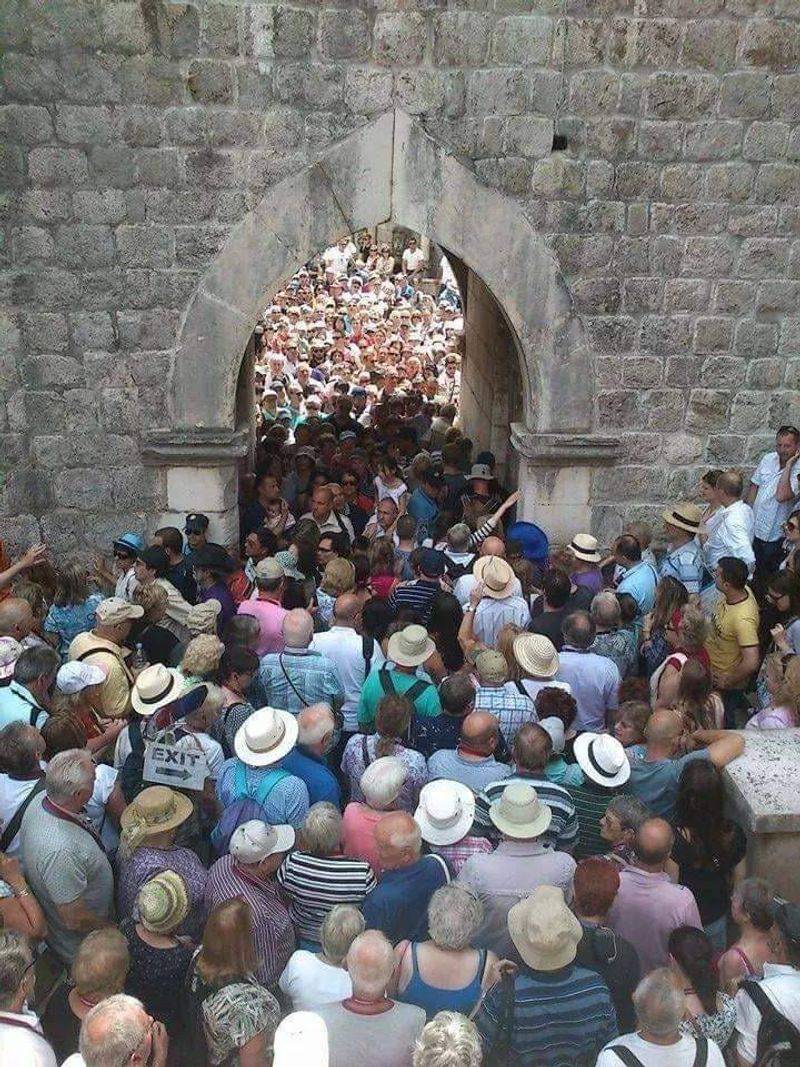
Walking Dubrovnik’s ancient walls used to feel magical. Now it feels like being stuck in a very slow, very sweaty line.
With roughly 36 tourists for every single resident, this Croatian gem has become one of the most overwhelmed cities in the world.
Authorities capped cruise ships at just two per day to slow the tide. Still, many locals have packed up and moved away because skyrocketing costs tied to tourism demand made staying simply unaffordable.
4. Bali, Indonesia
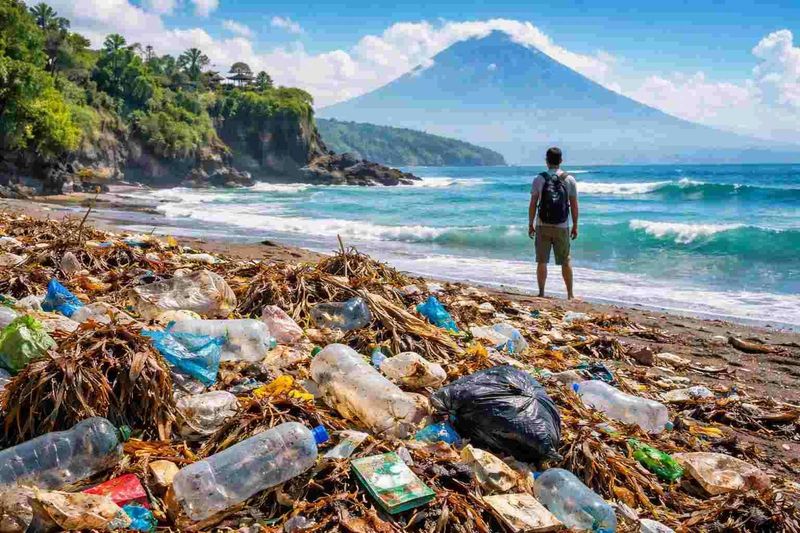
Bali’s rice terraces and temple ceremonies once felt like secrets shared with a lucky few. Today, traffic jams snake past those same terraces, and plastic waste washes onto famous beaches.
The island introduced a tourist tax and tougher entry rules in 2024 to address the growing damage.
Hotel construction was paused that same year. Authorities also released official “dos and don’ts” lists after a string of incidents involving disrespectful tourist behavior made international headlines.
5. Phuket, Thailand
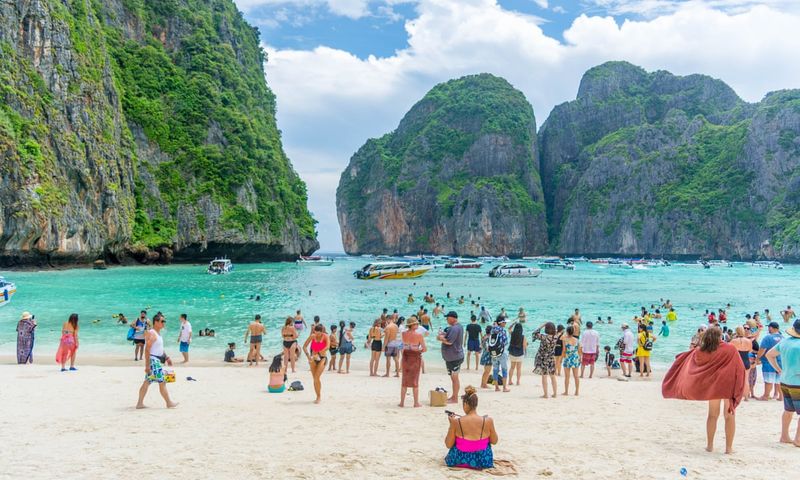
Phuket built its reputation on turquoise water and laid-back beach culture, but decades of mass tourism have taken a serious toll. Pollution levels have climbed, local resources are stretched thin, and the natural landscapes that made the island famous are under constant pressure.
One bright spot: Maya Bay, made iconic by the film “The Beach,” was closed for years to recover and finally reopened in 2024 with strictly controlled visitor limits, proving that conservation and tourism can coexist.
6. Mount Fuji, Japan
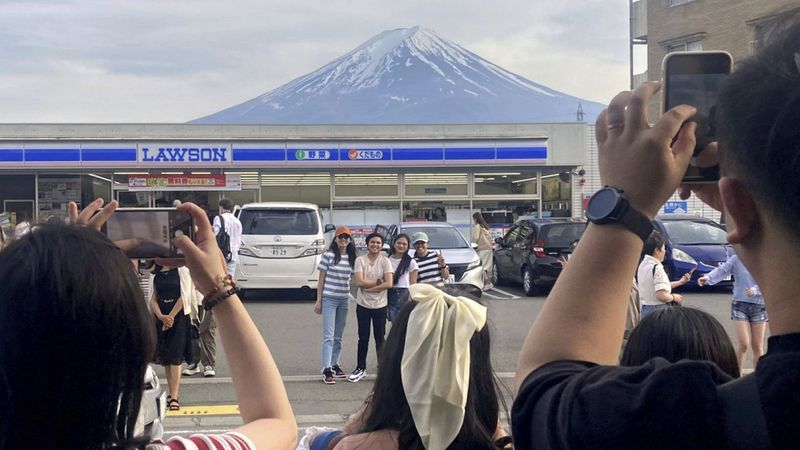
Japan’s most iconic mountain is being loved to death. Litter, trail erosion, and dangerous overcrowding pushed officials to introduce a daily cap of 4,000 hikers and a fee of about $20 per person during peak climbing season.
Perhaps the most striking response was building a large screen to block the famous view from a convenience store parking lot that had become a chaotic photo hotspot. Sometimes the only way to protect a treasure is to hide part of it.
7. Kyoto, Japan
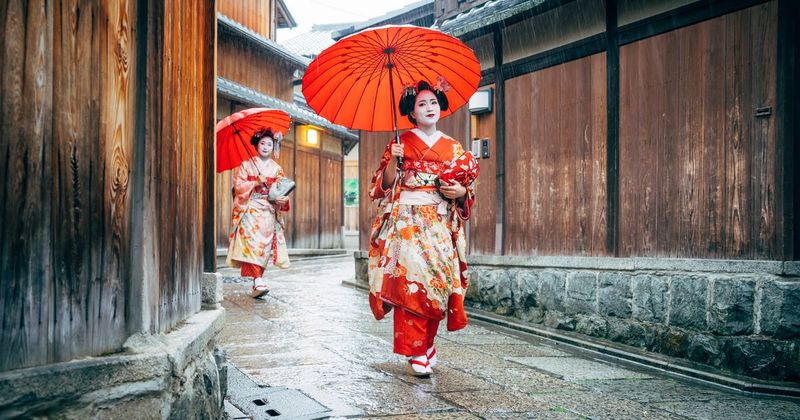
Kyoto’s geisha district, known as Gion, is one of the most photographed neighborhoods on Earth, and that fame has come at a cost. Residents and geiko performers reported repeated harassment from tourists chasing photos, prompting the city to ban visitor access to certain private alleys entirely.
Public buses became so packed that locals struggled to commute. Kyoto responded with stricter guidelines, access restrictions, and ongoing campaigns urging visitors to treat the living, breathing community with basic respect.
8. Canary Islands, Spain

Thousands of islanders marched through the streets of Tenerife and Gran Canaria in 2024, demanding their government pump the brakes on tourism. Banners called for a temporary halt to visitor numbers and a complete rethink of how tourism money actually benefits local communities.
Residents argued that while tourists fill hotels, locals struggle to find affordable housing. Authorities responded with plans to tighten regulations on short-term rentals, though many protesters felt the proposed changes did not go nearly far enough.
9. Mallorca, Spain
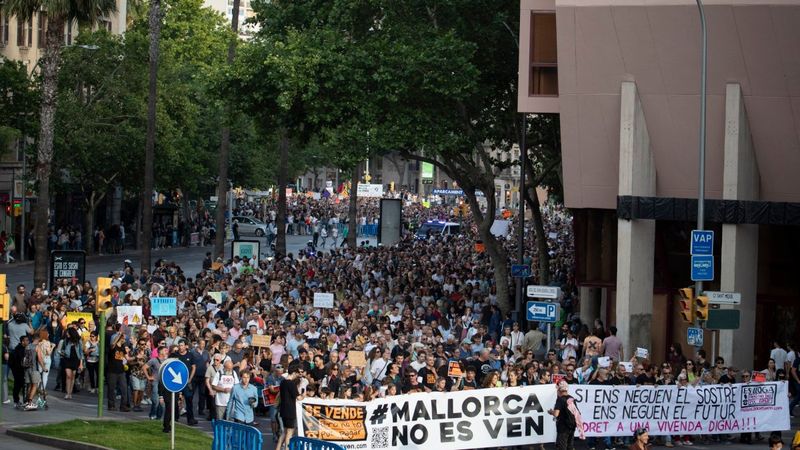
Sun, sand, and simmering resentment. Mallorca’s beaches attract millions every summer, but the island’s residents have grown increasingly vocal about what mass tourism costs them.
Housing prices have surged so dramatically that many young locals cannot afford to stay in the communities where they grew up.
Protesters have called on the government to block outsiders from purchasing property and to stop approving new tourist developments. It is a blunt message: the island’s future should belong to its people first.
10. Ibiza, Spain
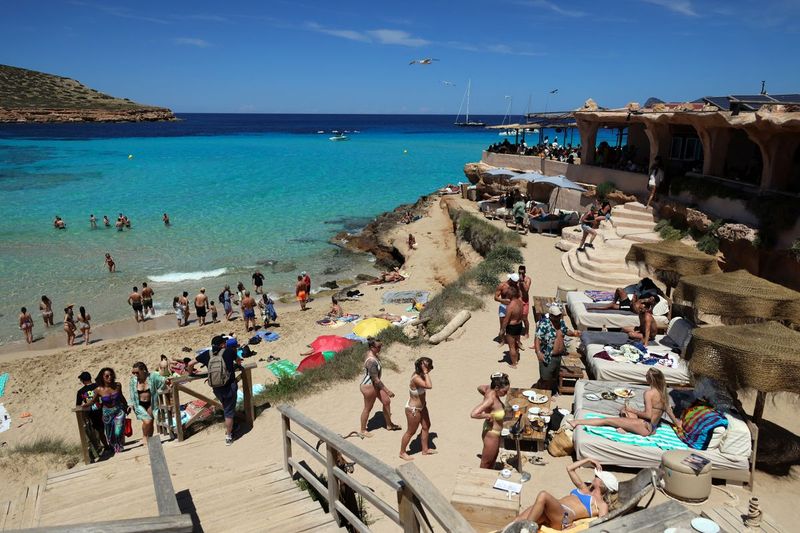
Ibiza has long been synonymous with all-night parties and celebrity sightings, but residents say the non-stop party lifestyle is draining the island dry, literally. Water shortages have become a serious problem, and locals point out that hotels face far fewer restrictions than ordinary residents when it comes to water use.
Many worry the island has lost its soul, reduced to nothing more than a party destination with no real community left. Balancing tourism revenue with environmental survival remains an unresolved challenge.
11. Lisbon, Portugal
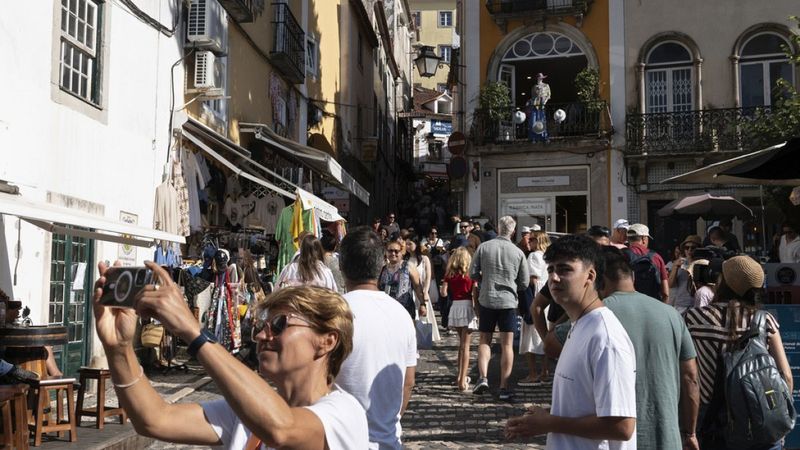
Walk through certain Lisbon neighborhoods today and you might find more tourists than actual neighbors. In some districts, over half of all properties have been converted into short-term tourist rentals, leaving locals with almost nowhere affordable to live.
Activists have pushed for a referendum that would revoke existing rental permits and block new ones entirely. The city that charmed the world with its trams and pastel buildings now faces a deeply uncomfortable question: who does Lisbon actually belong to?
12. Santorini, Greece
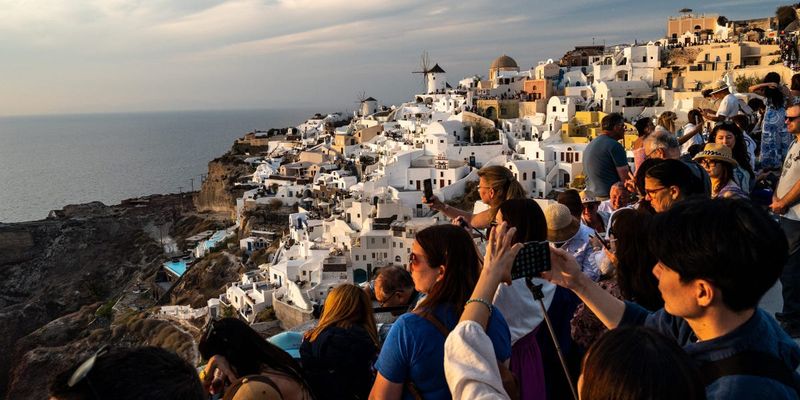
Locals called the summer of 2024 “the worst season ever,” and the numbers explain why. Santorini has just 20,000 permanent residents, yet it draws 3.4 million tourists each year.
On peak days, as many as 17,000 cruise passengers pour off ships and flood the island’s narrow paths.
Infrastructure built for a small island community simply cannot handle that kind of pressure. Water systems, roads, and waste management all buckle under the seasonal crush, leaving residents exhausted and frustrated by the time autumn arrives.
13. Machu Picchu, Peru
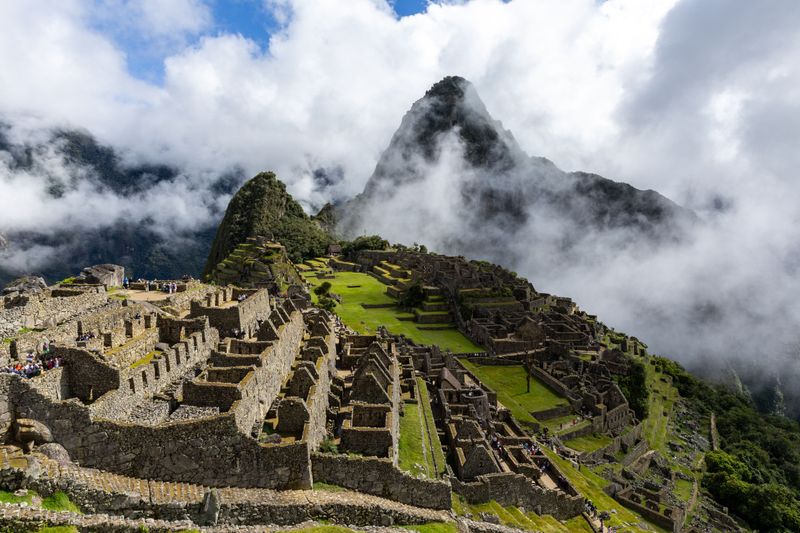
Built by the Inca Empire high in the Andes, Machu Picchu has survived centuries of history. What it struggles to survive is the daily parade of selfie-stick-wielding visitors.
Heavy foot traffic erodes the ancient stone trails, damages native plants, and leaves behind piles of litter that threaten the site’s long-term survival.
Strict visitor caps and timed entry slots have been introduced, but enforcement remains inconsistent. Protecting a wonder of the world turns out to be far harder than discovering one.
14. Hawaii, USA – Haiku Stairs
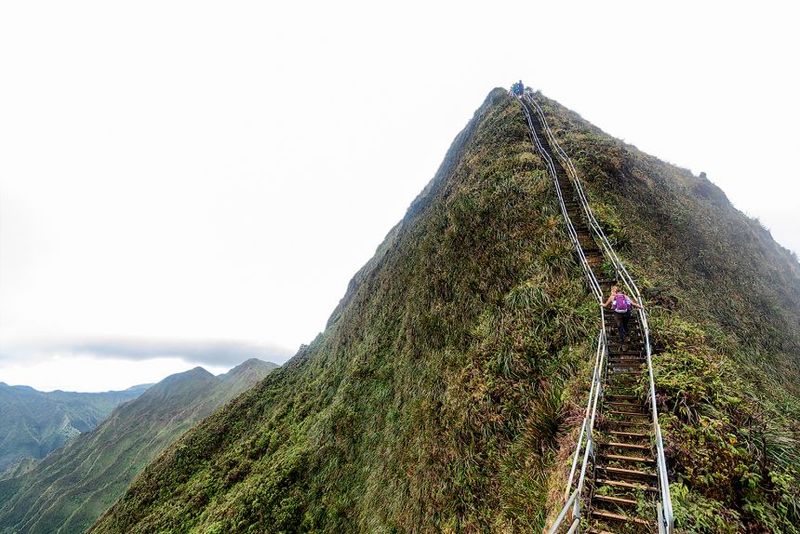
Known as the “Stairway to Heaven,” the Haiku Stairs in Oahu offered one of the most breathtaking views in the Pacific. They also attracted a constant stream of trespassers willing to risk fines and injury for the perfect photo.
After years of complaints from nearby residents and mounting safety concerns, the Honolulu City Government made a dramatic call in April 2024: tear the stairs down entirely. Sometimes the only way to stop a crowd from showing up is to remove what they came to see.
15. Mexico City, Mexico
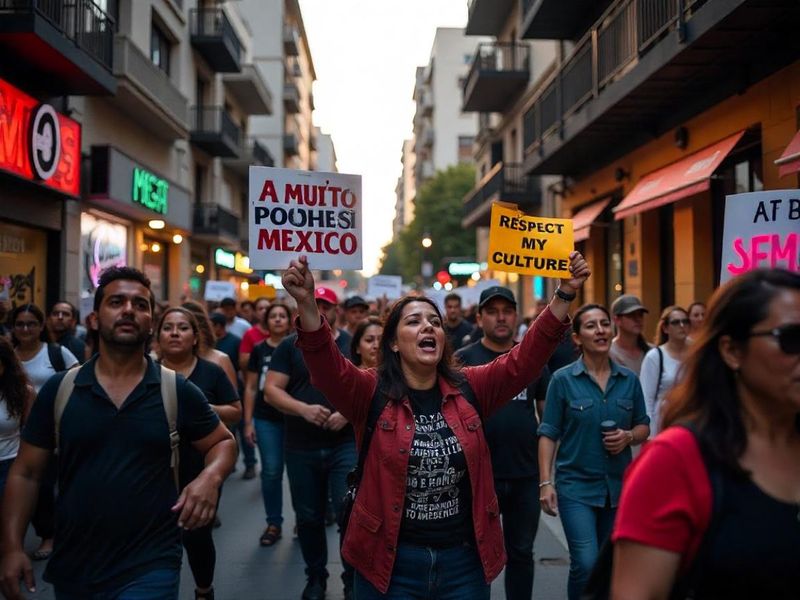
July and August 2025 brought a wave of protests through Mexico City’s most popular neighborhoods. Activists organized repeated demonstrations against overtourism, furious about rising rents and the displacement of working-class residents from areas now dominated by foreign visitors and trendy cafes.
Some protesters spray-painted businesses and confronted tourists directly. Demonstrators demanded legislation to regulate both housing and tourism before more communities get hollowed out.
The message was loud and clear: residents are not willing to quietly disappear from their own city.
16. Lucerne, Switzerland
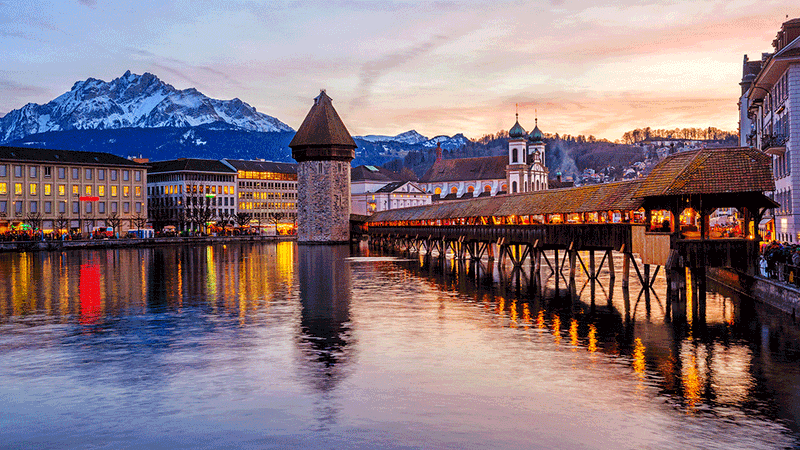
Before the pandemic, Lucerne was quietly breaking records nobody wanted to break. The city counted 116 day visitors for every single resident, a ratio that dwarfed even Venice’s staggering numbers.
Charming as its wooden bridge and lakeside setting are, residents found daily life increasingly difficult to navigate.
Post-pandemic visitor numbers have climbed back up, putting fresh strain on the city’s environment and infrastructure. A 2024 resident survey was launched to better understand how locals feel about tourism, a conversation long overdue.