
Fairy tales feel like pure fantasy, but many of them have surprising roots in real history and real people. From ancient Egyptian slave girls to Victorian-era children on boat trips, the inspirations behind these beloved stories are fascinating.
Some connections are well-documented, while others are debated by historians. Either way, learning about the real people behind these magical tales makes the stories feel even more alive.
1. Rhodopis – The Original Cinderella
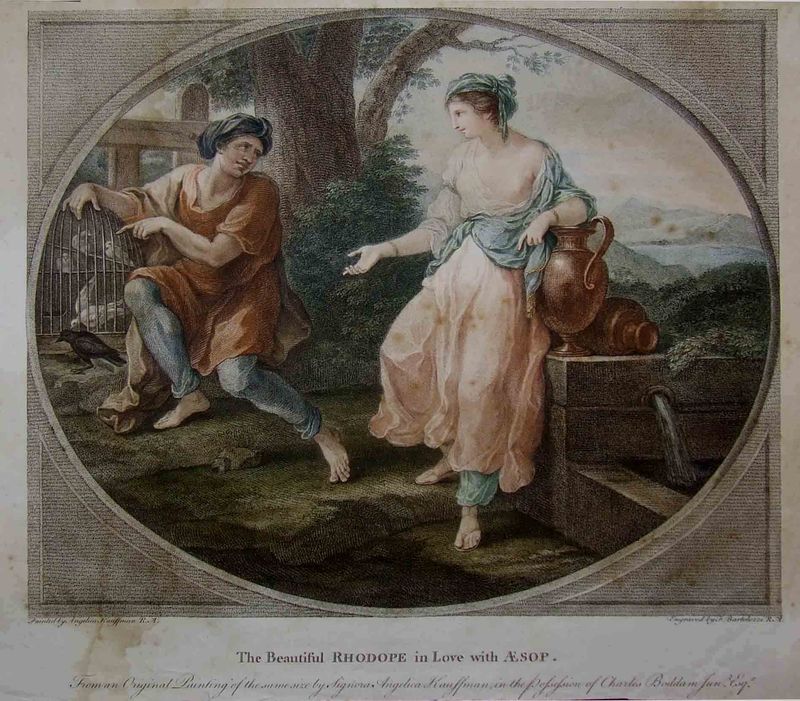
Long before glass slippers and fairy godmothers, there was Rhodopis – a real woman whose story may be the oldest Cinderella tale ever recorded. Roman geographer Strabo wrote about her around the first century BCE, but the historical Rhodopis lived even earlier, mentioned in the writings of Greek historian Herodotus in the 6th century BC.
A Greek slave in Egypt, her golden sandal was said to have been carried by an eagle to the Pharaoh, who then searched for its owner. Sound familiar?
2. Margaretha von Waldeck – A Snow White Theory
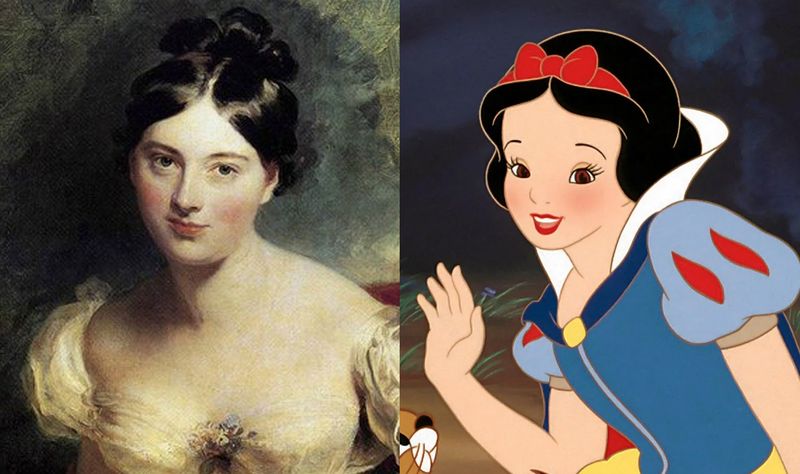
Beauty, a cruel stepmother, and a region full of mining towns – Margaretha von Waldeck had all the ingredients of Snow White’s life. Born to Philip IV of Waldeck-Wildungen, this German countess was known for her striking dark hair and pale complexion.
She reportedly had a difficult relationship with her stepmother, and the nearby mines employed young children who were often small in stature. Historians debate whether she truly inspired the Brothers Grimm, but the similarities are hard to ignore.
3. Maria Sophia von Erthal – The Mirror’s Secret

What if Snow White’s magic mirror was a real object? Born in 1729 in Lohr am Main, Germany, Maria Sophia von Erthal lived in a castle that today houses an actual “talking mirror” – a clever acoustic toy her father, Prince Philipp Christoph von Erthal, gave to her stepmother.
Her stepmother was reportedly cold and unkind toward Maria. Her father also owned a mirror factory nearby.
The castle is now a museum, and the mirror is still on display for visitors to see.
4. Egbert of Liege – The Wolf Story Scholar
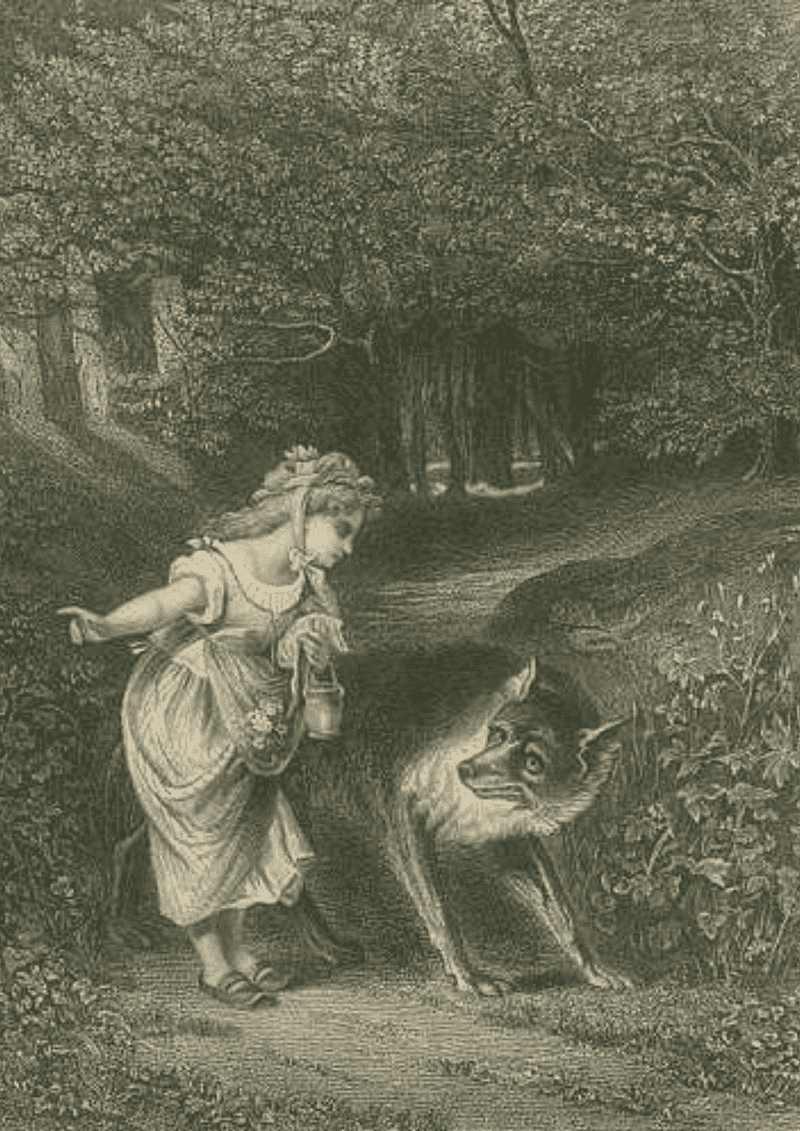
Centuries before the Brothers Grimm put pen to paper, a Belgian teacher named Egbert of Liege was already writing down early versions of Little Red Riding Hood. Around 1023 CE, Egbert recorded a tale featuring a young girl in a red baptism tunic who wandered into dangerous wolf territory.
His collection, called Fecunda Ratis, was a Latin text used to teach students. That tiny detail – the red clothing – connects his version directly to the fairy tale we know and love today.
5. Saint Barbara – The Tower Legend
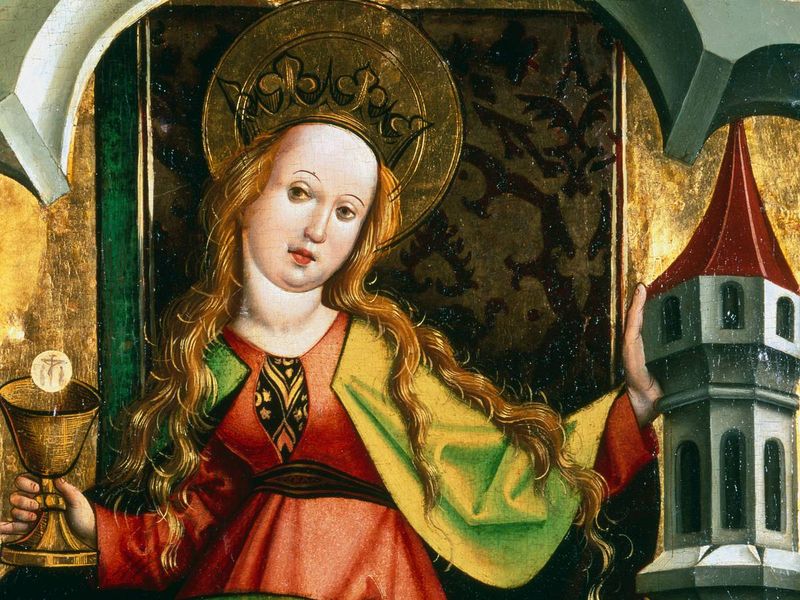
Locked in a tower by her own father – the story of Saint Barbara sounds almost exactly like Rapunzel. According to legend, Barbara was a third-century Christian martyr whose pagan father imprisoned her in a tower to keep her away from Christian influence.
Her story has been compared to Rapunzel for centuries, though historians note that very little contemporary written evidence about Barbara actually exists. Whether real or legendary, her tale of isolation and faith clearly echoed through generations of storytellers across Europe.
6. Petrus Gonsalvus – The Beast Behind the Tale
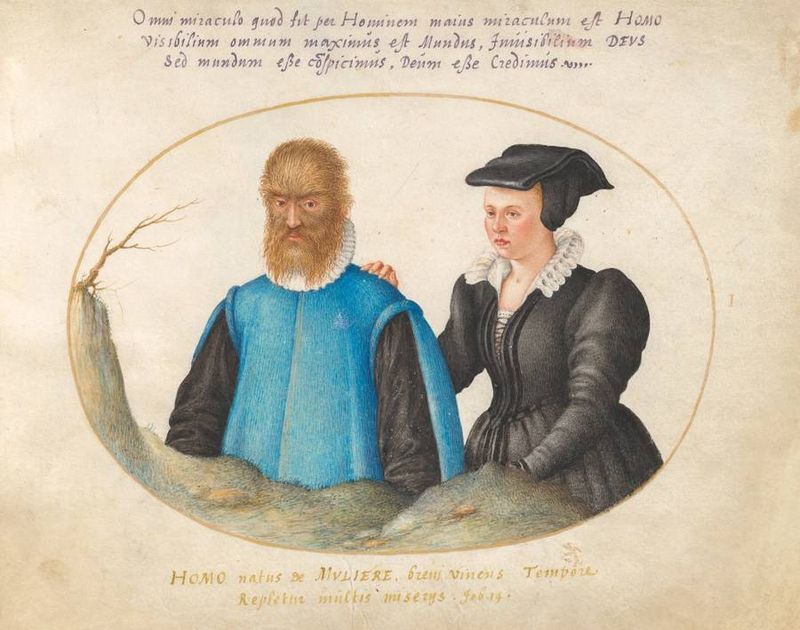
Petrus Gonsalvus was a real man who lived in 16th-century France and was covered in hair from head to toe due to a rare condition called hypertrichosis. Brought from the Canary Islands to the French court as a curiosity, he was eventually educated and treated as a nobleman.
He married a woman named Catherine, who reportedly had no say in the arrangement. Some historians believe their story may have nudged the tale of Beauty and the Beast into existence, though no direct proof has been confirmed.
7. Hans Christian Andersen – The Man Who Wrote Magic
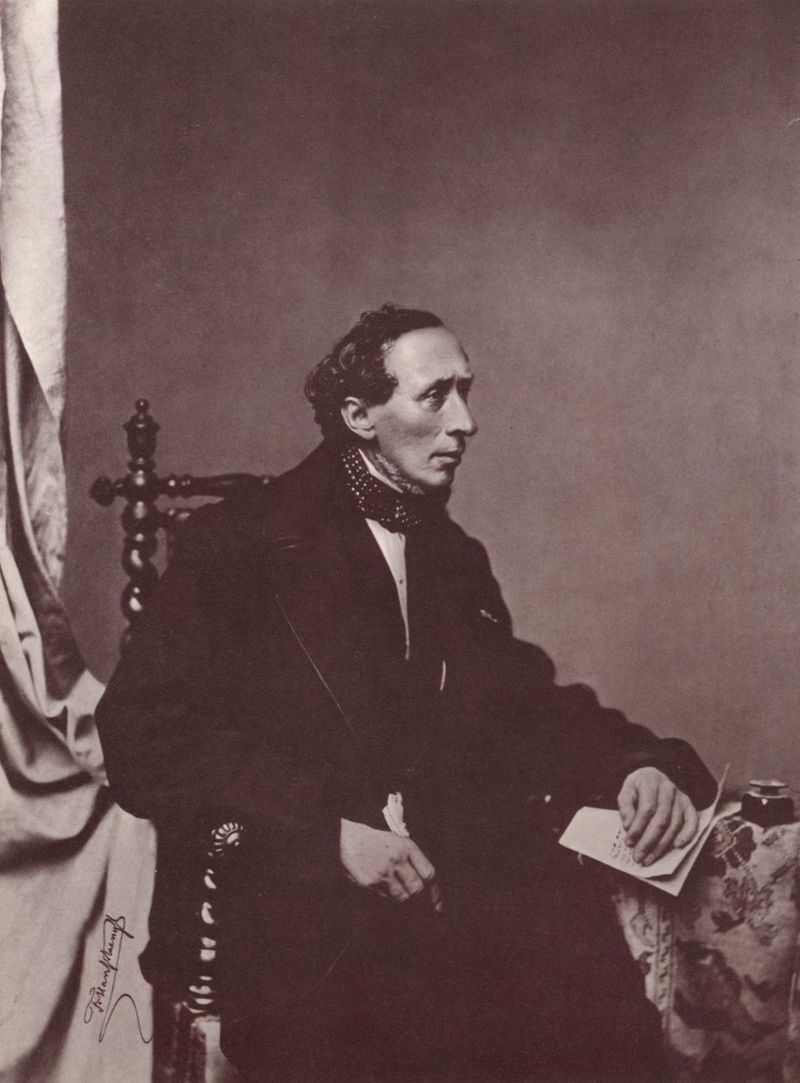
Few writers have shaped childhood imagination more profoundly than Hans Christian Andersen. Born in 1805 in Odense, Denmark, this lanky, awkward boy grew up poor and was often bullied, yet he transformed his pain into some of the world’s most beloved fairy tales.
He reportedly said that The Ugly Duckling was a reflection of his own life. He even speculated he might be the illegitimate son of royalty.
Stories like The Little Mermaid, Thumbelina, and The Princess and the Pea all flowed from his extraordinary imagination and personal heartaches.
8. Edvard Collin – The Mermaid’s Hidden Heartbreak
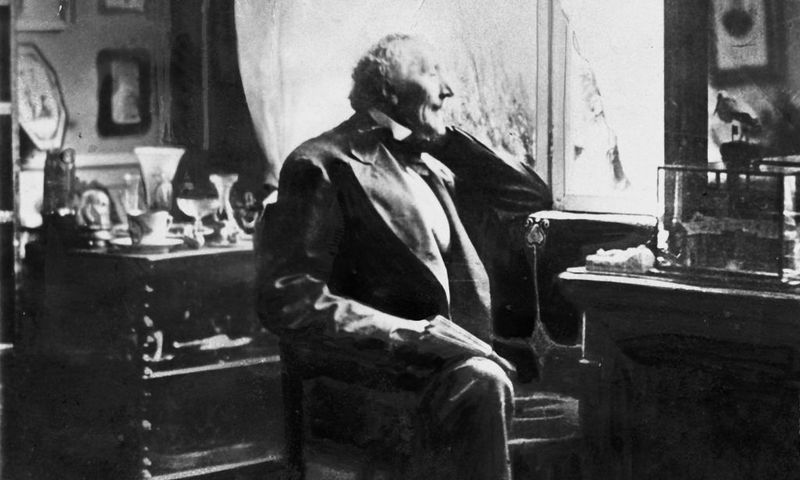
Behind the haunting sadness of The Little Mermaid lies a very real, very personal heartbreak. Hans Christian Andersen fell deeply in love with Edvard Collin, the son of his wealthy benefactor Jonas Collin, who helped fund Andersen’s education and early career.
Andersen wrote passionate letters to Edvard, who never returned his romantic feelings. That aching, one-sided love – wanting to be close to someone who exists in a completely different world – became the emotional core of The Little Mermaid.
It is one of literature’s most quietly devastating origin stories.
9. Jenny Lind – The Nightingale Who Froze His Heart
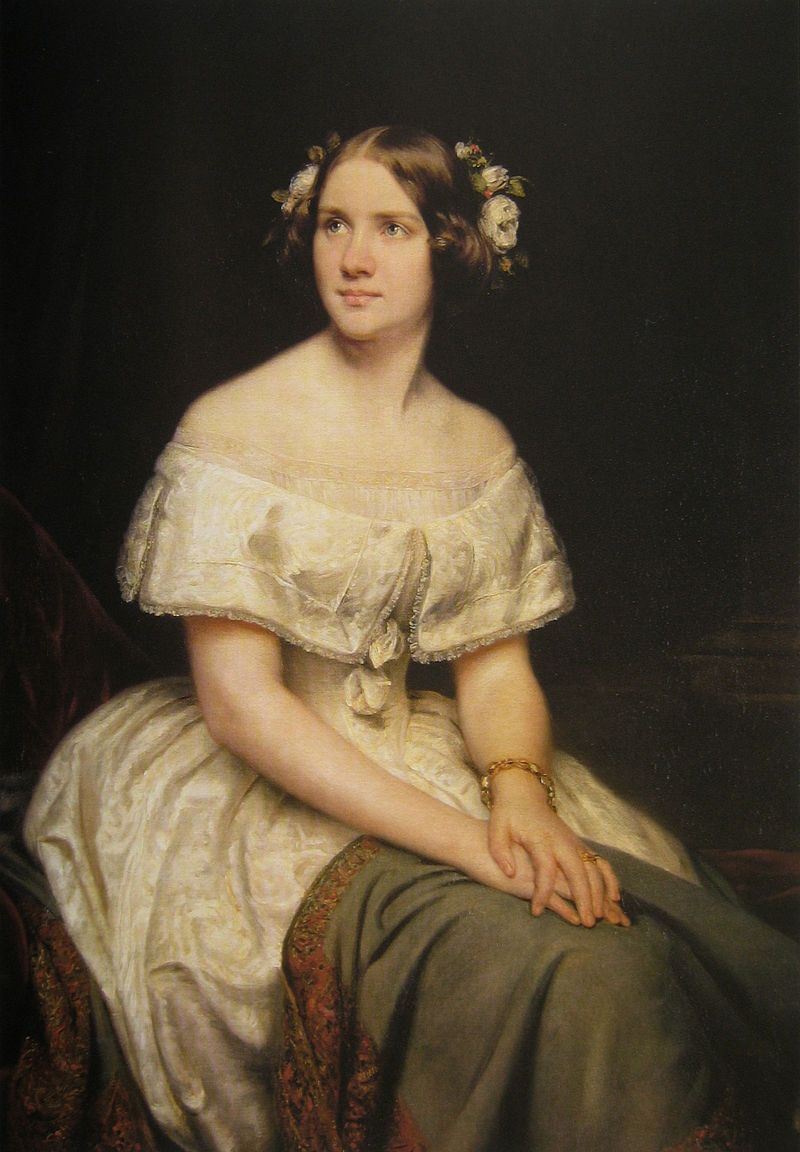
Known across Europe as the “Swedish Nightingale,” Jenny Lind captivated audiences and broke hearts – including Hans Christian Andersen’s. Her stunning voice reportedly inspired his fairy tale The Nightingale, a story about a beautiful bird whose song moves an emperor to tears.
When Lind rejected Andersen’s romantic advances, he was devastated. Many scholars believe that rejection also inspired the Snow Queen – a cold, beautiful ruler with a heart of ice.
One woman inspired both warmth and chill in the same writer’s imagination.
10. Johann Fischart – Naming a Fairy Tale Villain
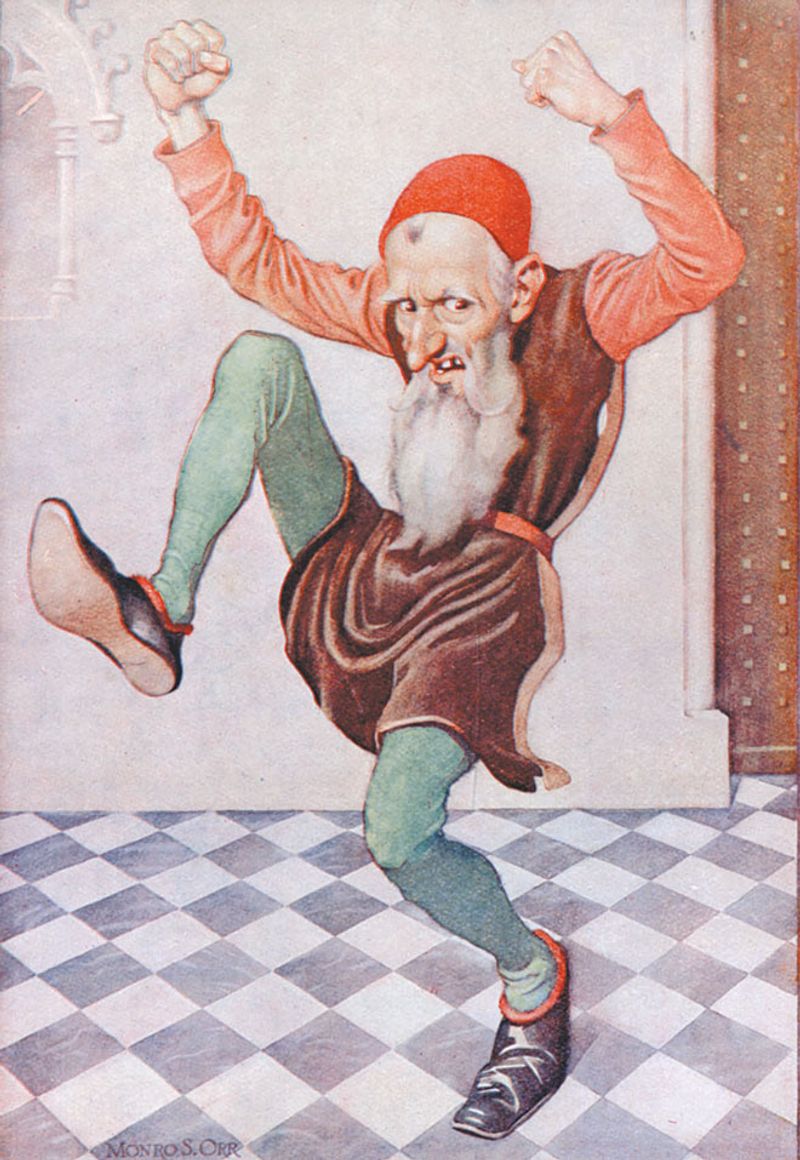
Ever wonder where the name “Rumpelstiltskin” actually came from? A 16th-century German satirist named Johann Fischart may hold the answer.
In his 1577 work Geschichtklitterung, Fischart mentioned a children’s game called “Rumpele stilt oder der Poppart” – a noisy, stomping game that likely gave the little villain his unforgettable name.
Fischart was a sharp-tongued writer known for his wordplay and humor. His offhand reference to a silly children’s game accidentally preserved the origins of one of the most famous fairy tale names in history.
11. Jacob Grimm – The Scholar Who Saved the Stories
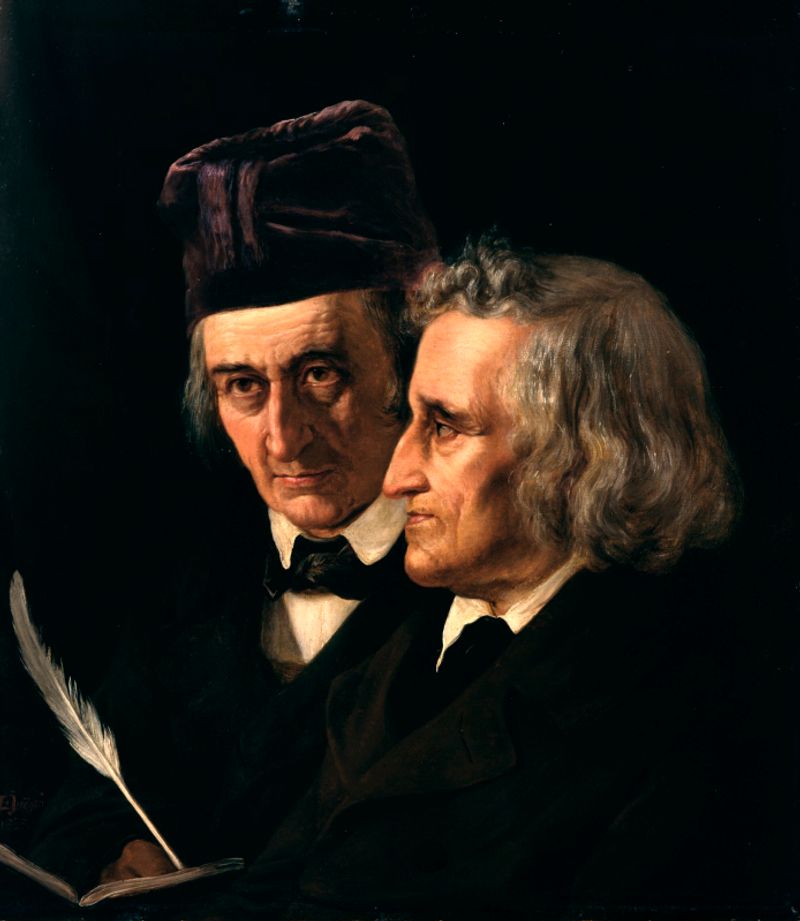
Without Jacob Grimm, dozens of beloved fairy tales might have been lost forever. Born in 1785, Jacob was a brilliant German linguist and folklorist who, together with his brother Wilhelm, spent years collecting oral stories from across Germany and publishing them in their landmark collection Children’s and Household Tales.
He was also a pioneering language scholar, developing what is now known as Grimm’s Law in linguistics. His dedication to preserving folklore was driven by a deep love for German cultural heritage, not just a love of good stories.
12. Wilhelm Grimm – The Storyteller’s Touch
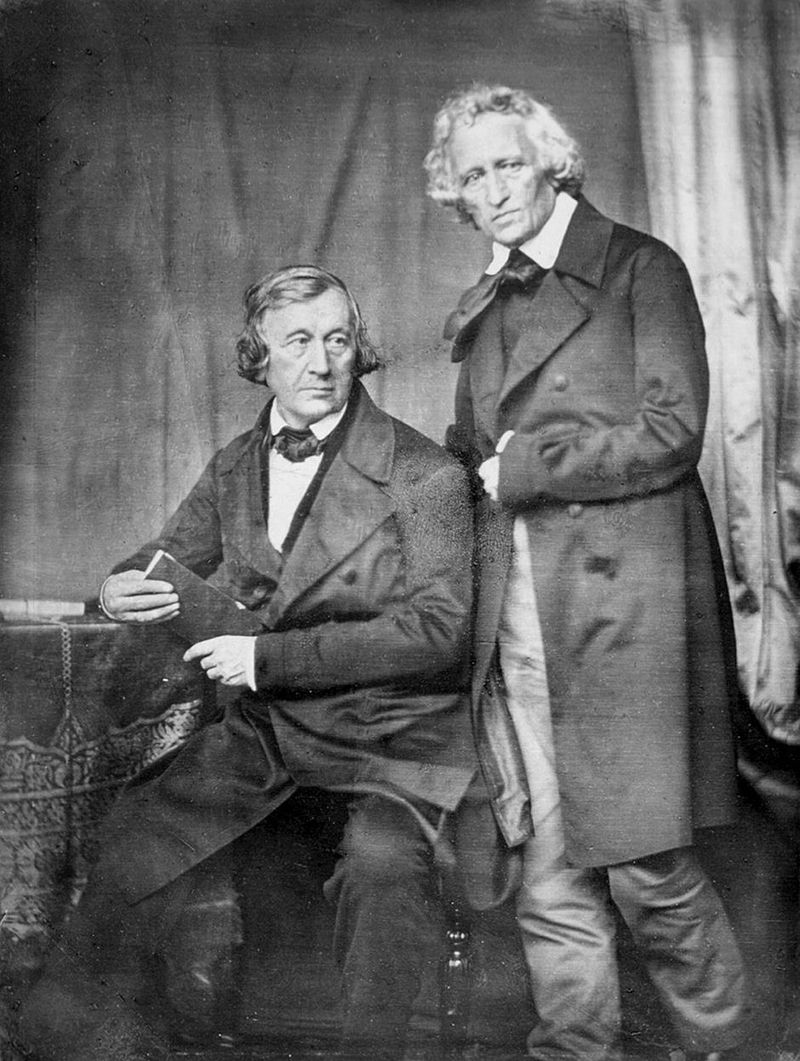
If Jacob Grimm was the scholar, Wilhelm Grimm was the storyteller. Born in 1786, Wilhelm had a natural gift for narrative and was responsible for much of the literary shaping of the Brothers Grimm fairy tale collection.
Over multiple editions, he often softened the stories – removing adult themes and adding moral lessons to make them more suitable for children. Tales like Hansel and Gretel, Snow White, and Cinderella passed through his careful hands.
His editorial touch helped turn raw folklore into the polished classics that generations of children still treasure today.
13. Carlo Collodi – The Father of Pinocchio
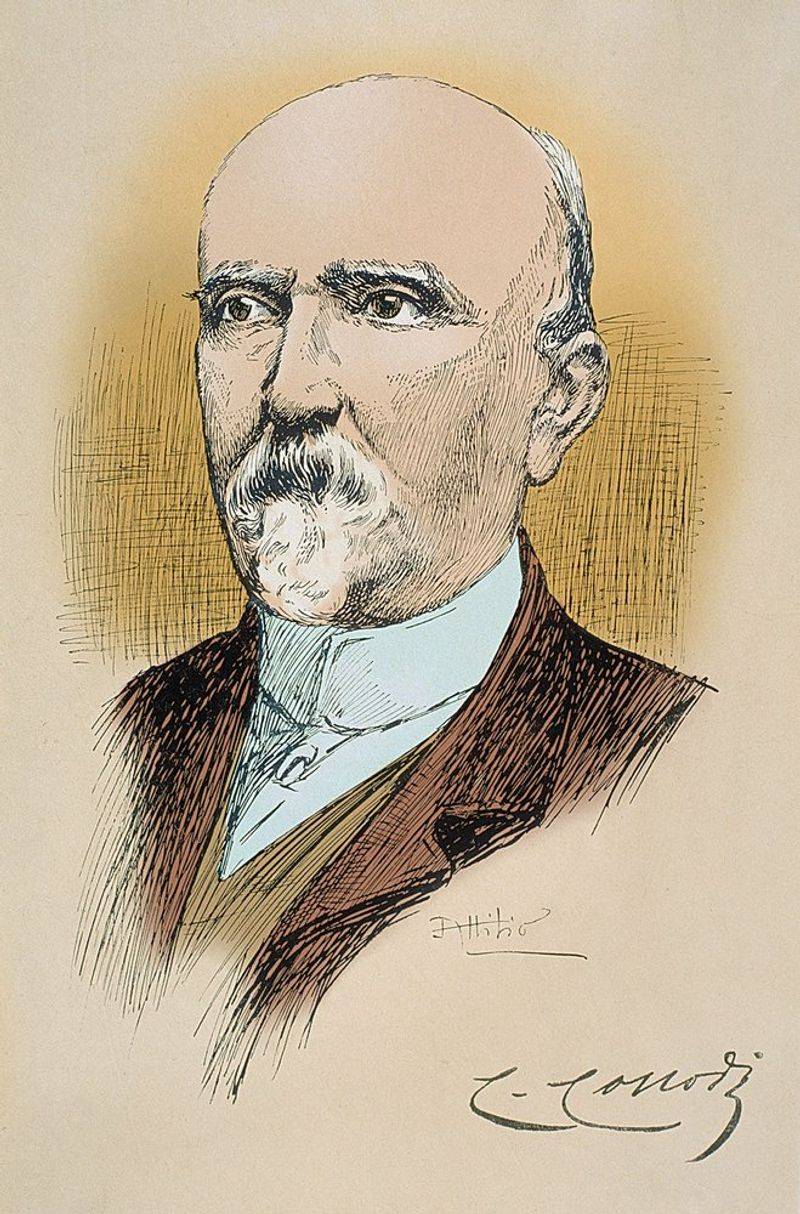
Carlo Collodi never expected a wooden puppet to make him immortal. Born Carlo Lorenzini in Florence in 1826, he was a journalist and humorist who began writing a children’s story almost as a side project.
Starting in 1881, The Adventures of Pinocchio was serialized in an Italian children’s magazine and became a massive hit.
Collodi originally planned to kill Pinocchio off early, but fan demand kept the story going. His quirky, moralistic tale of a lying puppet longing to be real has since been adapted into countless films, plays, and books worldwide.
14. Lewis Carroll – The Mathematician Behind Wonderland
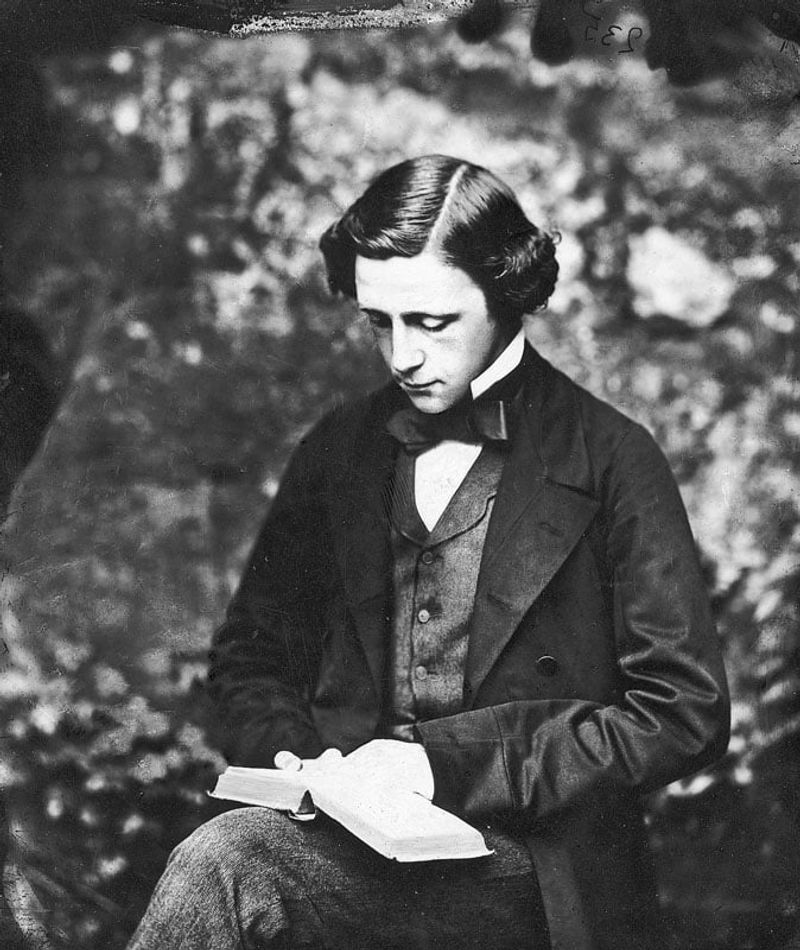
Charles Lutwidge Dodgson led a remarkably double life. By day, he was a quiet mathematics lecturer at Oxford University.
But under the pen name Lewis Carroll, he created one of the most wildly imaginative stories ever written – Alice’s Adventures in Wonderland.
Born in 1832, Carroll was also a logician, Anglican deacon, and early photography enthusiast. His ability to blend logical puzzles with pure nonsense gave Wonderland its unique flavor.
Math problems disguised as riddles, impossible logic, and talking animals – it all came from the mind of a very serious mathematician.
15. Alice Liddell – The Girl Who Fell Down the Rabbit Hole
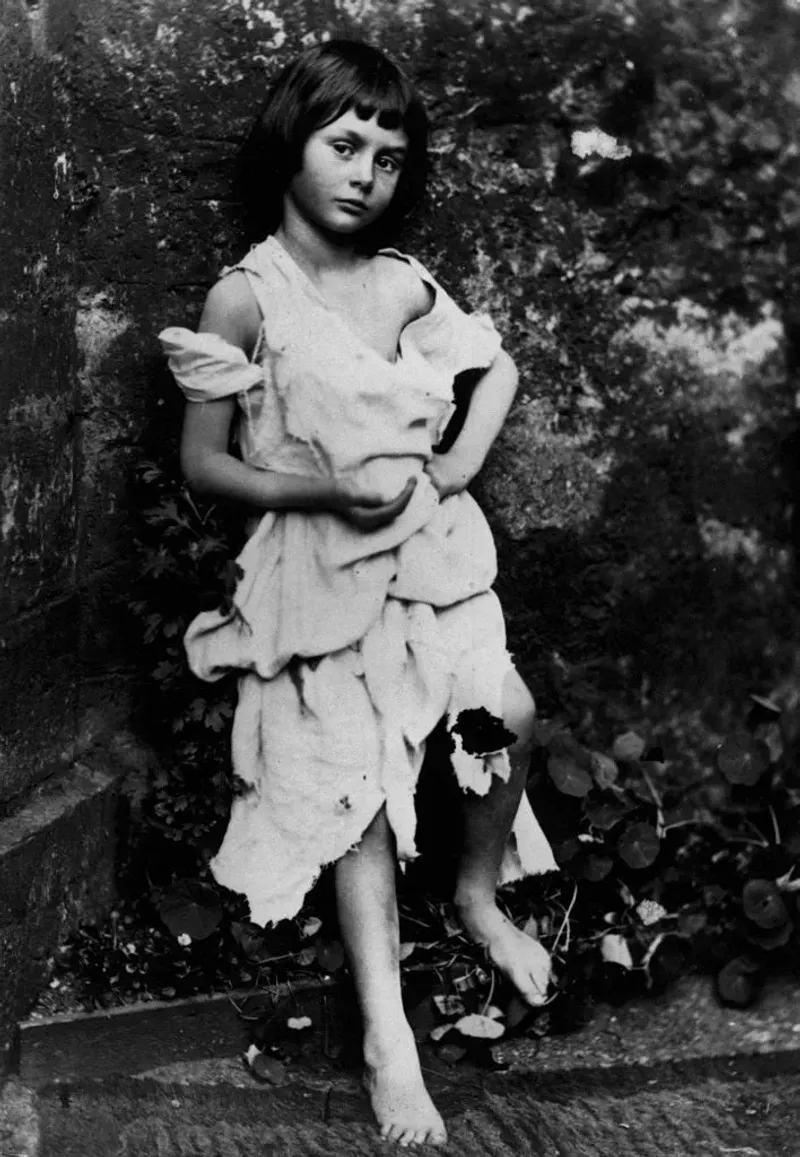
On a sunny afternoon in July 1862, a ten-year-old girl named Alice Liddell went on a boating trip with Lewis Carroll and her sisters near Oxford. Carroll told them a rambling, magical story to pass the time, and Alice begged him to write it down.
That request gave the world Alice’s Adventures in Wonderland. Alice Liddell grew up to live a full life, eventually selling Carroll’s original handwritten manuscript at auction in 1928.
She passed away in 1934, forever linked to one of literature’s greatest heroines.
16. J.M. Barrie – The Man Who Never Grew Up
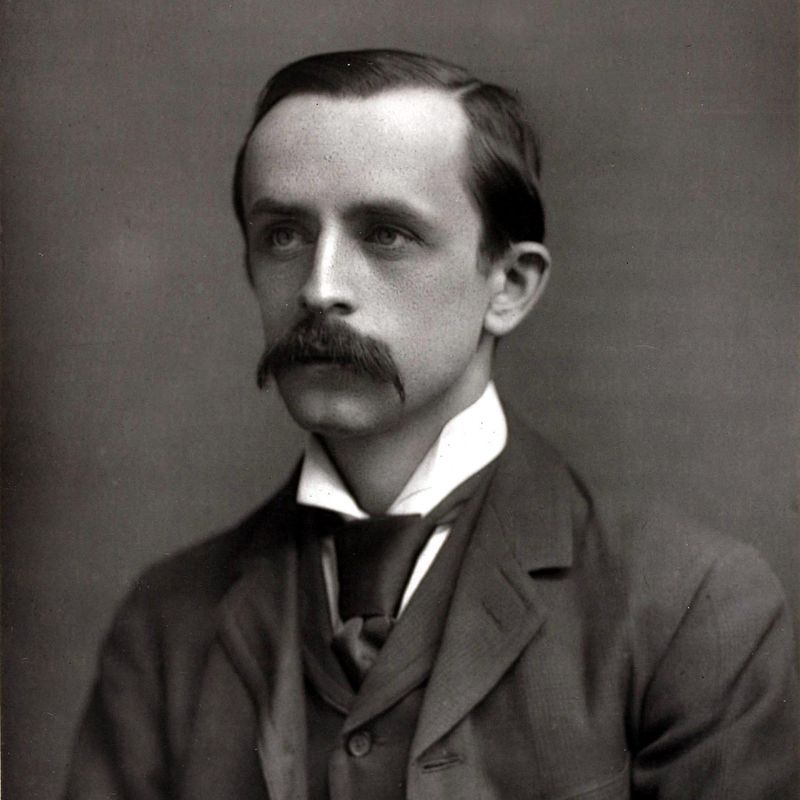
J.M. Barrie stood barely five feet tall and had a personality that seemed to belong more to childhood than adulthood.
Born in Scotland in 1860, he became one of Britain’s most celebrated playwrights, but his greatest creation came not from imagination alone – it came from friendship.
His close bond with the five Llewelyn Davies boys sparked the entire world of Peter Pan, Neverland, and the Lost Boys. Barrie eventually became the boys’ guardian after both their parents died young.
His story is tender, complex, and just a little bit heartbreaking.
17. George Llewelyn Davies – The First Lost Boy
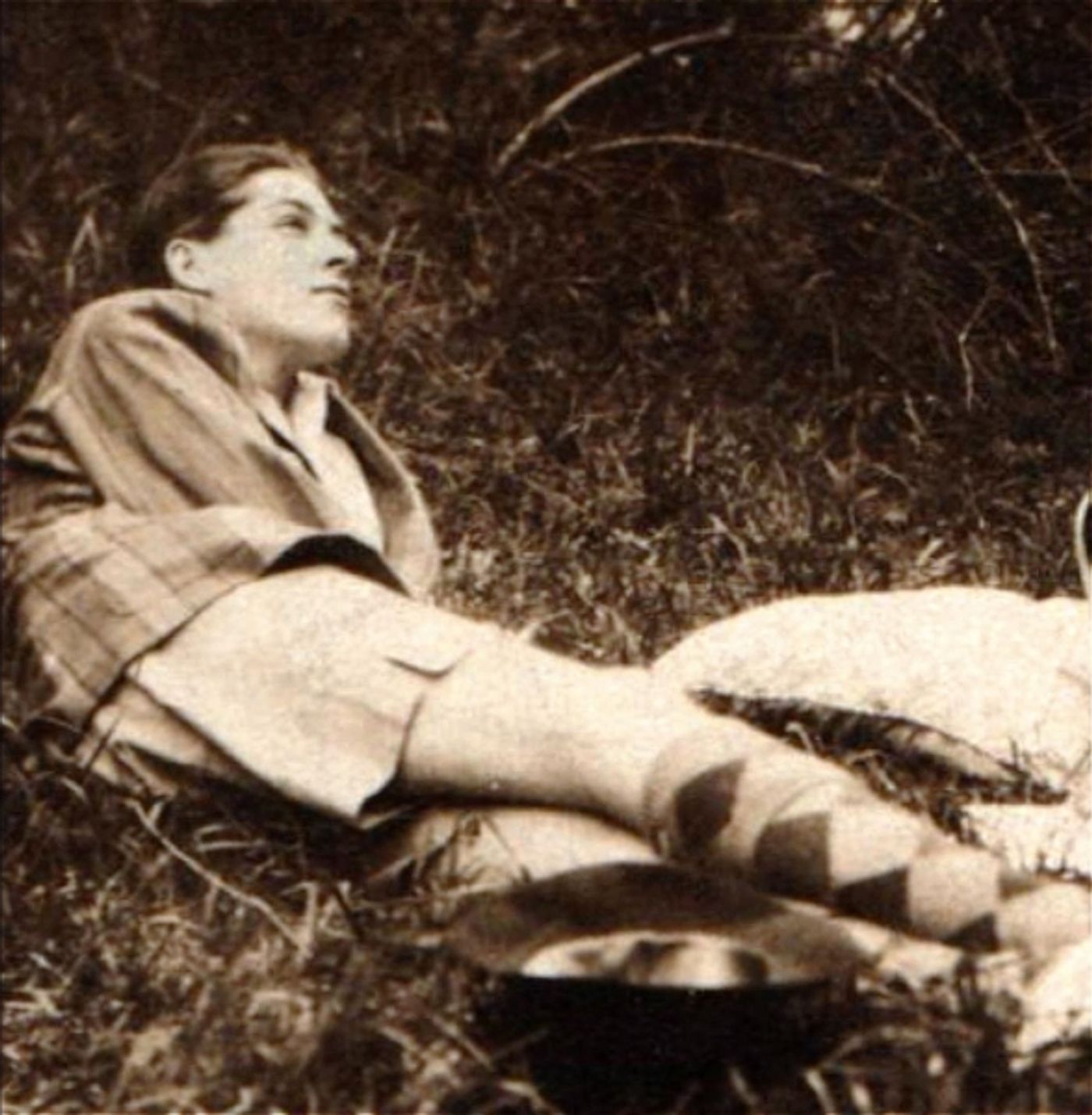
George Llewelyn Davies was the eldest of the five brothers who inspired Peter Pan, and by many accounts, he was J.M. Barrie’s favorite.
Born in 1893, George had a lively, adventurous spirit that fed directly into Barrie’s imagination as he developed the character of Peter Pan and the world of the Lost Boys.
Tragically, George died in World War One at just 21 years old. His early death devastated Barrie deeply.
The boy who inspired a story about never growing up never got the chance to grow old.
18. Jack Llewelyn Davies – A Brother in Neverland
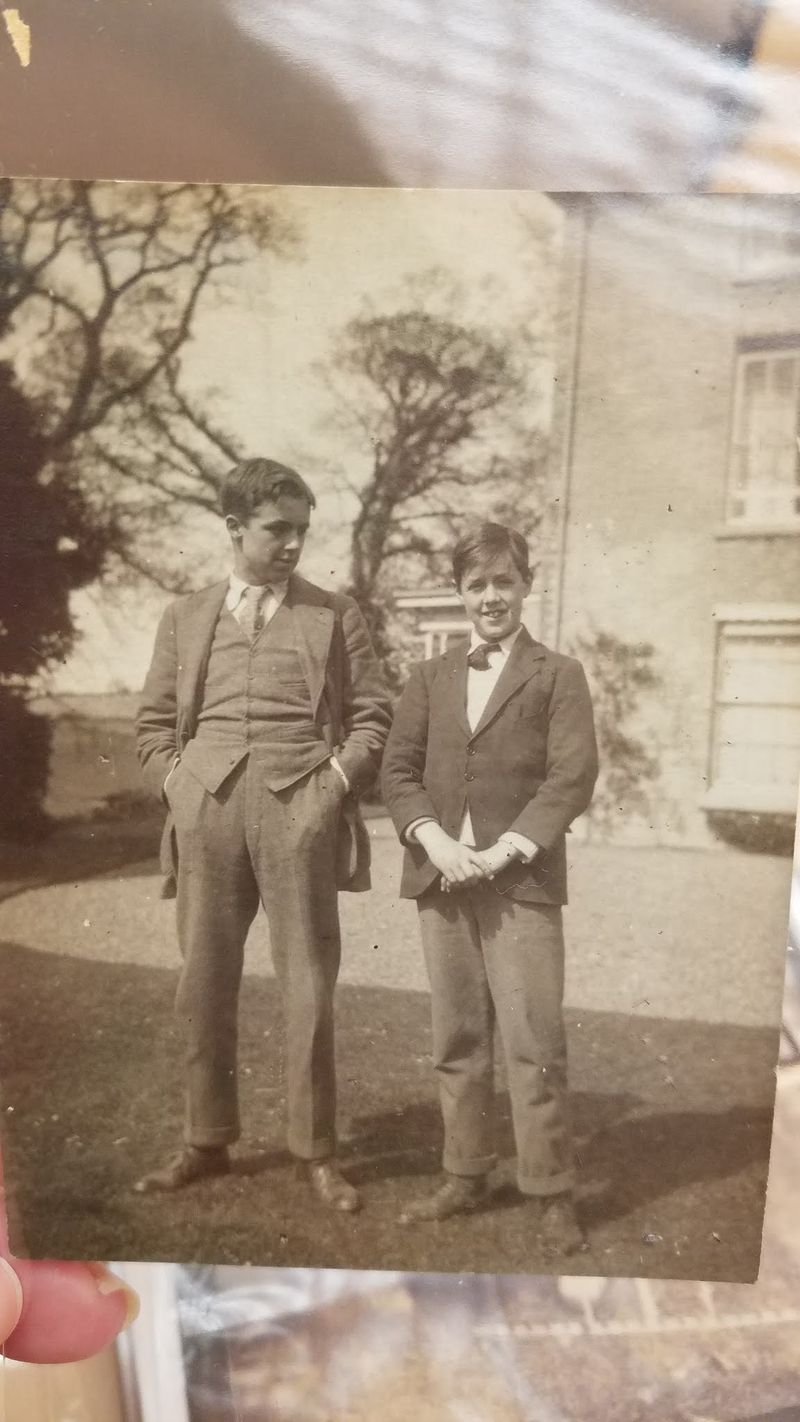
Jack Llewelyn Davies was the second of the five brothers who inspired J.M. Barrie’s Peter Pan stories.
Born in 1894, just a year after his brother George, Jack shared in the magical childhood friendships with Barrie that helped build the world of Neverland piece by piece.
Unlike some of his brothers, Jack went on to live a relatively long life, passing away in 1959. He reportedly had a complicated relationship with the Peter Pan legacy, feeling that Barrie’s intense attachment to the family was sometimes overwhelming and hard to fully understand.
19. Peter Llewelyn Davies – The Boy Who Gave Peter Pan His Name
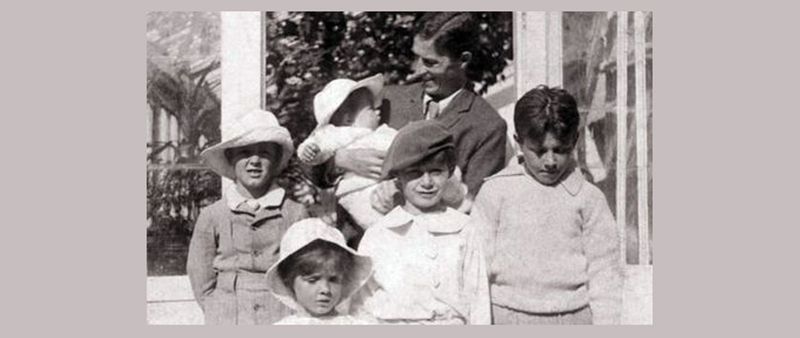
Of all five Llewelyn Davies brothers, Peter was the one who gave the famous character his name. Born in 1897, Peter Llewelyn Davies was only a toddler when J.M.
Barrie first met the family, yet Barrie chose his name for the boy who would never grow up.
Ironically, Peter reportedly disliked the association with Peter Pan throughout his adult life, calling it a torment. He became a publisher but struggled with personal difficulties.
He passed away in 1960, leaving behind a bittersweet legacy tied forever to childhood magic.
20. Lokators – The Pied Piper’s Real-World Recruiters
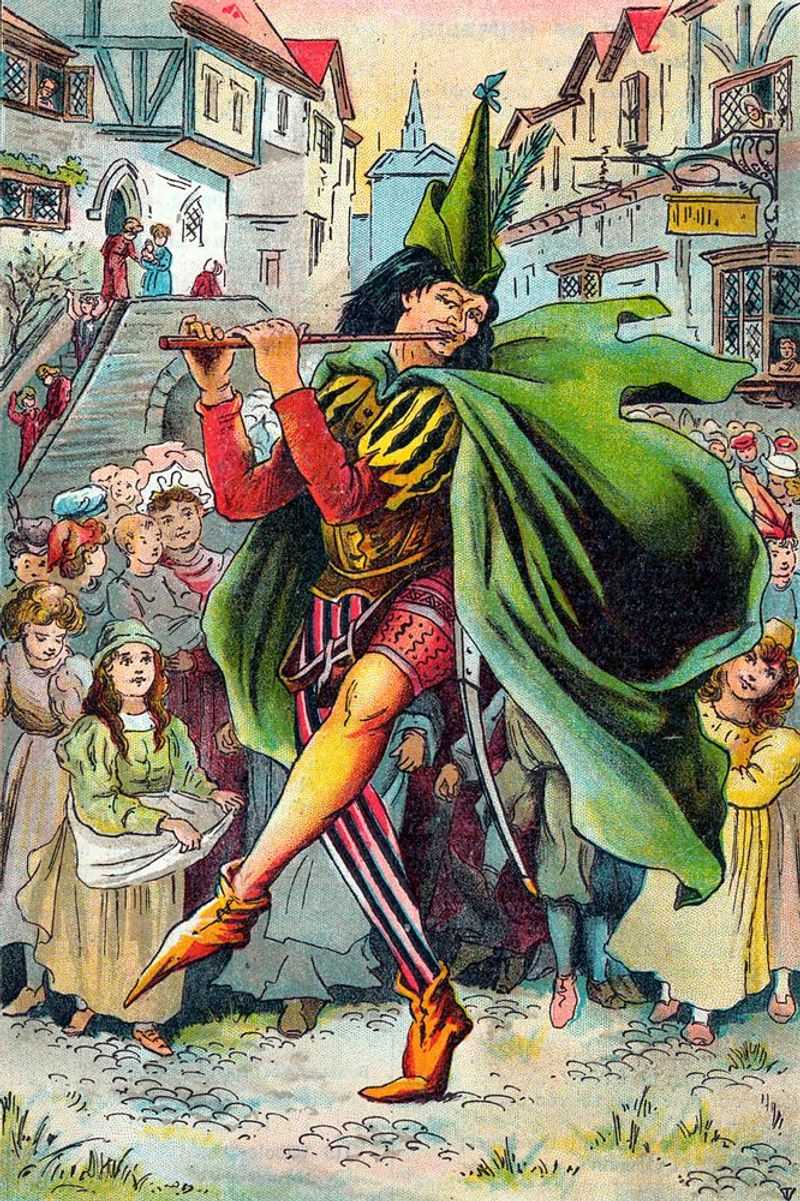
On June 26, 1284, 130 children reportedly vanished from the town of Hamelin in Germany – and that date is actually inscribed on a local monument. Historians believe this strange event may be the real seed of the Pied Piper legend.
One leading theory points to figures called lokators – colorful, persuasive migration agents who recruited young settlers for German colonization efforts in Eastern Europe. Dressed brightly and full of charm, these recruiters led groups of young people away from their hometowns, possibly never to return.
A recruiter became a piper, and history became a fairy tale.