
The 2000s were a wild ride for food lovers everywhere. From gourmet cupcake shops popping up on every corner to kids begging their parents for shaped mac and cheese at the grocery store, this decade completely changed the way Americans ate and snacked.
New flavors, fun formats, and bold ideas took over kitchens, lunchboxes, and restaurant menus alike. Here is a look back at the foods that defined a generation and made the 2000s totally unforgettable.
1. Bacon Beyond Breakfast
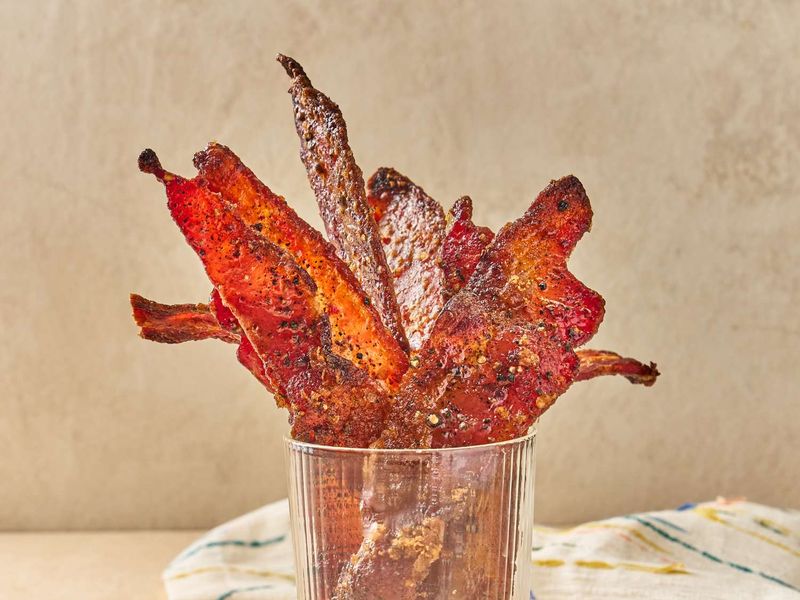
Bacon was no longer just a morning staple in the 2000s. Thanks to the Atkins diet craze, people started loading bacon onto everything from burgers to doughnuts.
Candied bacon became a party favorite, and chefs competed to find the most creative ways to use it.
The salty, smoky flavor made it nearly impossible to resist. Bacon-flavored products flooded store shelves, and restaurants proudly advertised extra bacon as a selling point.
It was the decade bacon truly became a food celebrity.
2. Gourmet Cupcakes
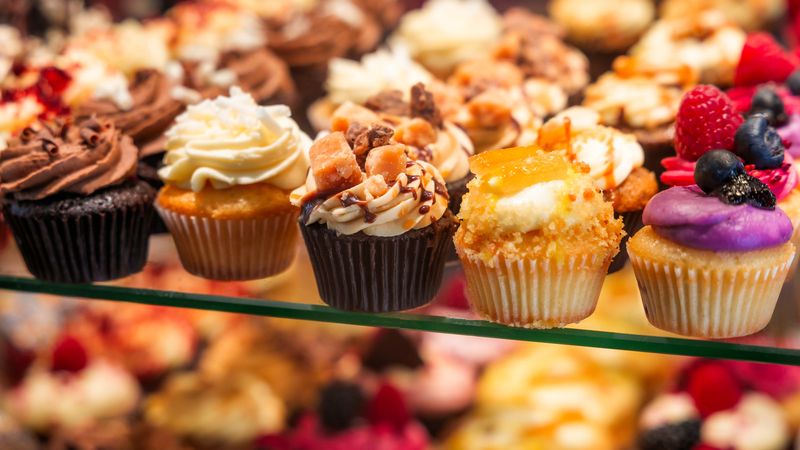
Before cake pops and croissants took the spotlight, cupcakes ruled the dessert world. A single “Sex and the City” episode featuring Magnolia Bakery in 2000 sent cupcake sales skyrocketing across the country.
Suddenly, specialty cupcake shops were opening in cities everywhere.
These were not your average bake-sale cupcakes. Bakers piled on elaborate frosting swirls, edible glitter, and gourmet flavors like lavender honey and salted caramel.
Cupcakes became as much about presentation as they were about taste.
3. Cake Pops
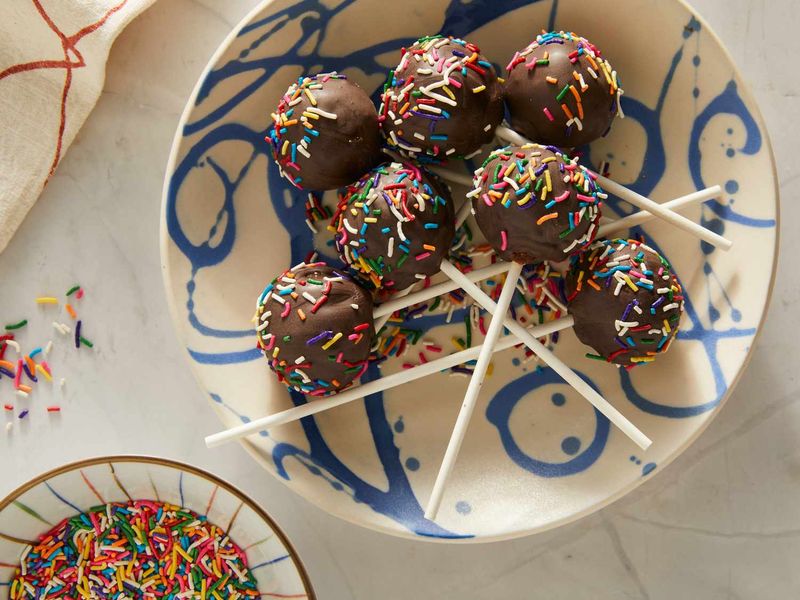
Cake pops turned leftover cake crumbs into something magical. By mixing crumbled cake with frosting and rolling it into balls on sticks, bakers created a bite-sized dessert that was both adorable and delicious.
Their popularity really took off between 2005 and 2011.
Starbucks helped push cake pops into the mainstream by adding them to their menu. Kids loved them, party planners went wild for them, and DIY tutorials spread fast online.
They made dessert feel fun and portable in a brand-new way.
4. Sliders
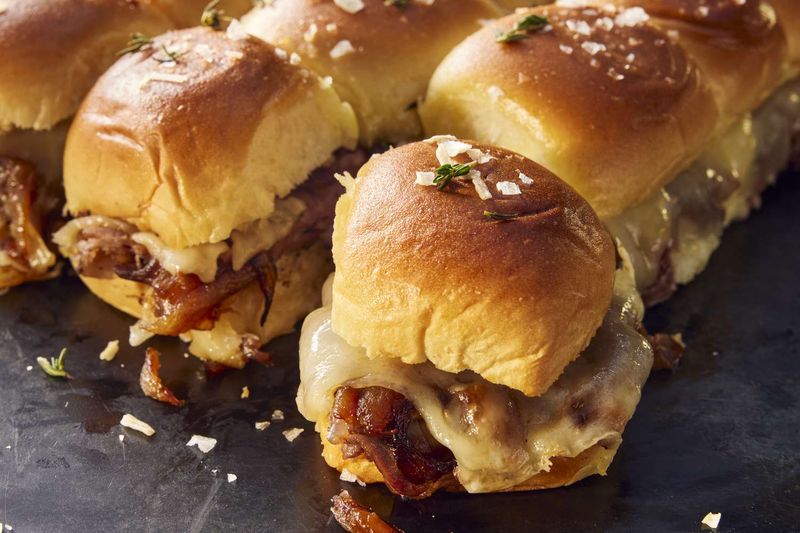
Tiny burgers with big flavor — that is exactly what sliders delivered in the 2000s. Originally associated with fast food chains, sliders got a serious glow-up when restaurants started offering gourmet versions with premium fillings and artisan buns.
They became the ultimate party food.
Hosts loved serving sliders because guests could sample multiple flavors without committing to a full-sized sandwich. Pulled pork, crab cake, and even mac and cheese sliders started appearing on menus.
Small size, huge impact.
5. Fruit Smoothies
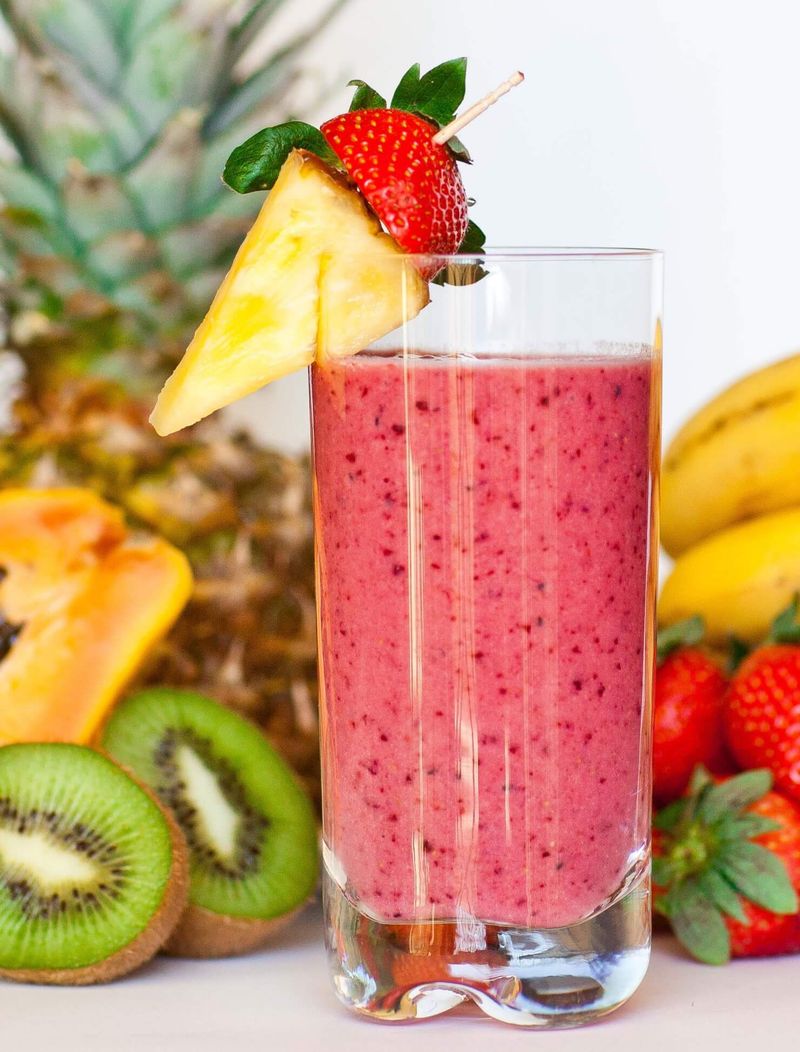
Jamba Juice was basically the coolest place to hang out after school in the 2000s. Fruit smoothies exploded in popularity as people started looking for healthier, less processed snack options.
Blended strawberries, mangoes, and bananas felt like a treat without the guilt.
Smoothie bars popped up in malls, gyms, and strip malls nationwide. Parents felt good handing their kids a smoothie instead of soda, and teens loved the sweet, thick flavors.
It was wellness culture before wellness culture had a name.
6. Gourmet Burgers
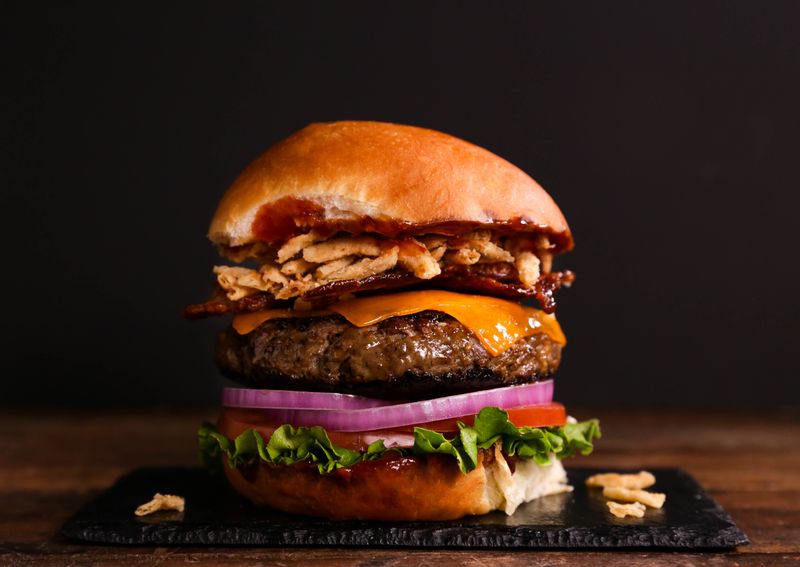
Not all burgers were created equal in the 2000s. A new wave of gourmet burger restaurants challenged the fast food norm by offering patties made from Kobe beef, bison, or even wild boar.
Premium toppings like truffle mayo and aged cheddar became the norm.
Paying $15 for a burger suddenly felt totally reasonable when the quality matched the price. Food lovers began treating burgers like fine dining experiences.
This shift helped pave the way for the modern burger bar culture that is still thriving today.
7. Specialty Coffee Drinks
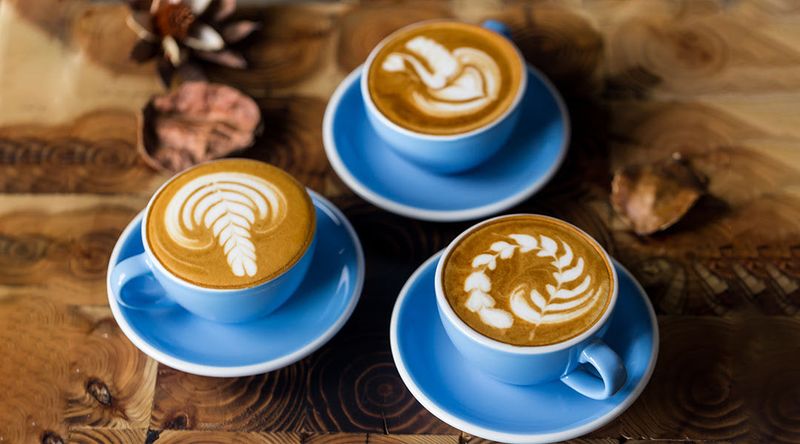
Starbucks was everywhere in the 2000s, and so were lattes, cappuccinos, and macchiatos. Coffee culture shifted from a simple morning cup to a full-on lifestyle experience.
People started caring deeply about where their beans came from and how their drinks were made.
Fair trade and organic coffee became buzzwords at cafes across the country. Ordering coffee became a form of self-expression — your drink order said something about who you were.
The decade turned coffee from a habit into a cultural identity.
8. Artisan Breads and Cheeses
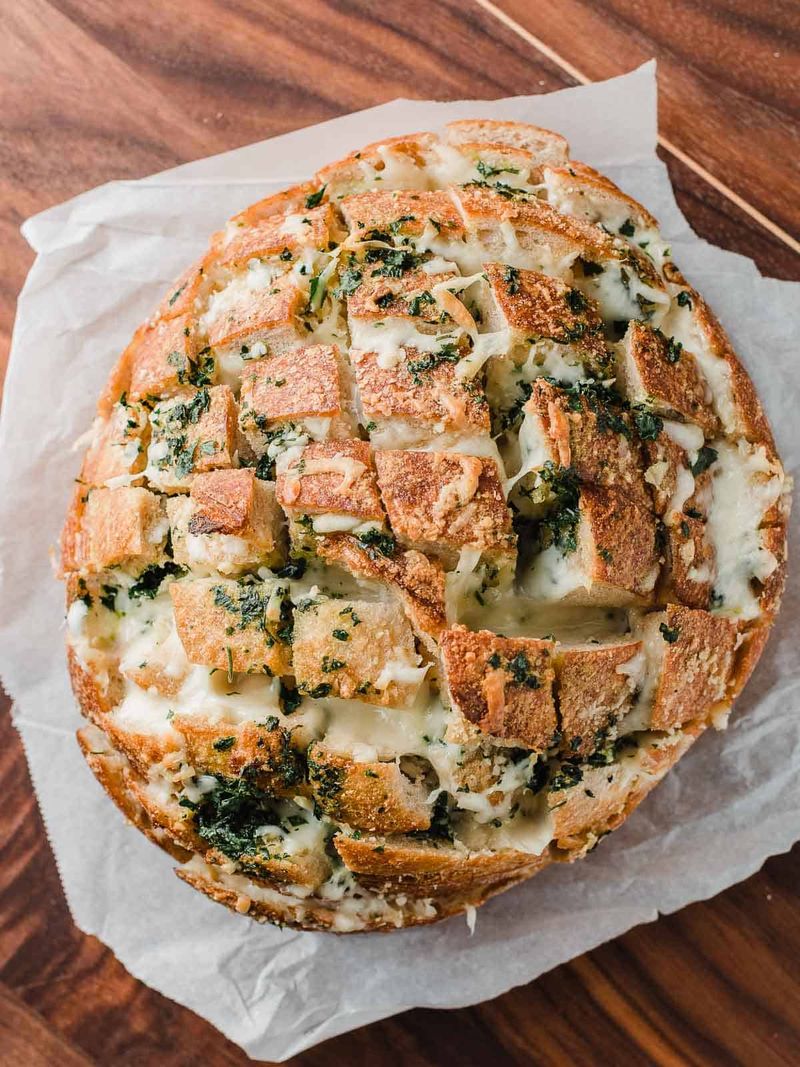
Handmade was the new fancy in the 2000s. Artisan bread and cheese made a strong comeback as people grew tired of overly processed, factory-made food.
Scratch-made sourdough loaves and small-batch cheeses started showing up at farmers markets and specialty grocery stores everywhere.
Food lovers wanted to know the story behind what they were eating. Who baked it?
Where did the milk come from? This shift toward transparency in food production planted seeds for the farm-to-table movement that would bloom in the following decade.
9. Brown Butter
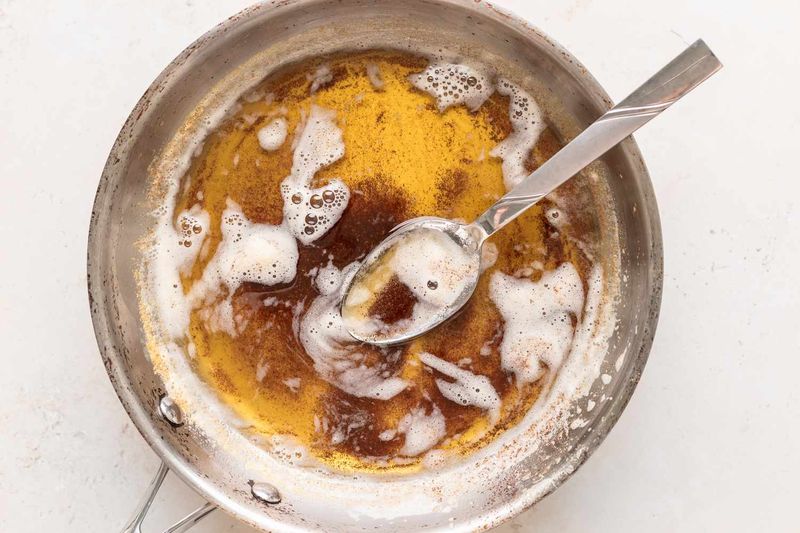
Brown butter quietly became one of the most talked-about ingredients in 2000s cooking. Chefs discovered that cooking butter just a little past melting created a deep, nutty flavor that elevated almost any dish.
Cookies, pasta, and roasted vegetables all got the brown butter treatment.
Home cooks caught on fast after seeing the technique on food blogs and cooking shows. It required no special equipment — just patience and a watchful eye.
Something so simple transforming an ordinary ingredient felt like a kitchen superpower everyone could master.
10. Flavored Yogurt
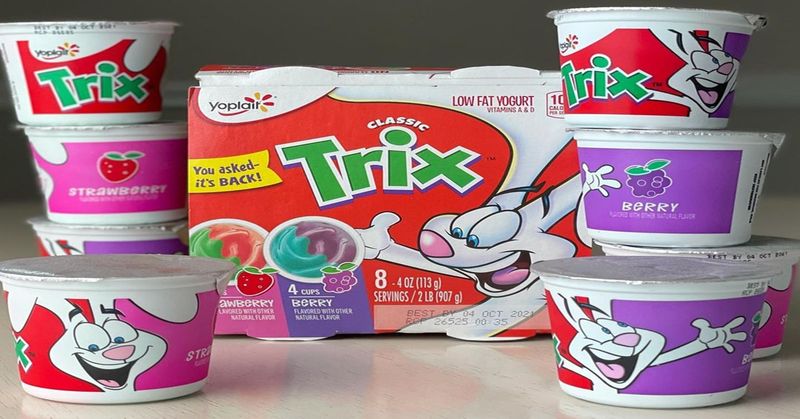
Yogurt got a serious makeover in the 2000s. Flavored varieties in fun packaging started filling grocery store shelves, making yogurt feel more like a snack than a health food obligation.
Yogurt-flavored cereals even joined the party, blurring the line between breakfast and dessert.
Brands competed with wild new flavors like key lime pie, strawberry cheesecake, and cotton candy. Kids and adults alike started reaching for yogurt cups as an afternoon snack.
It was the decade yogurt stopped being boring and started being genuinely exciting.
11. Flamin Hot Cheetos Varieties
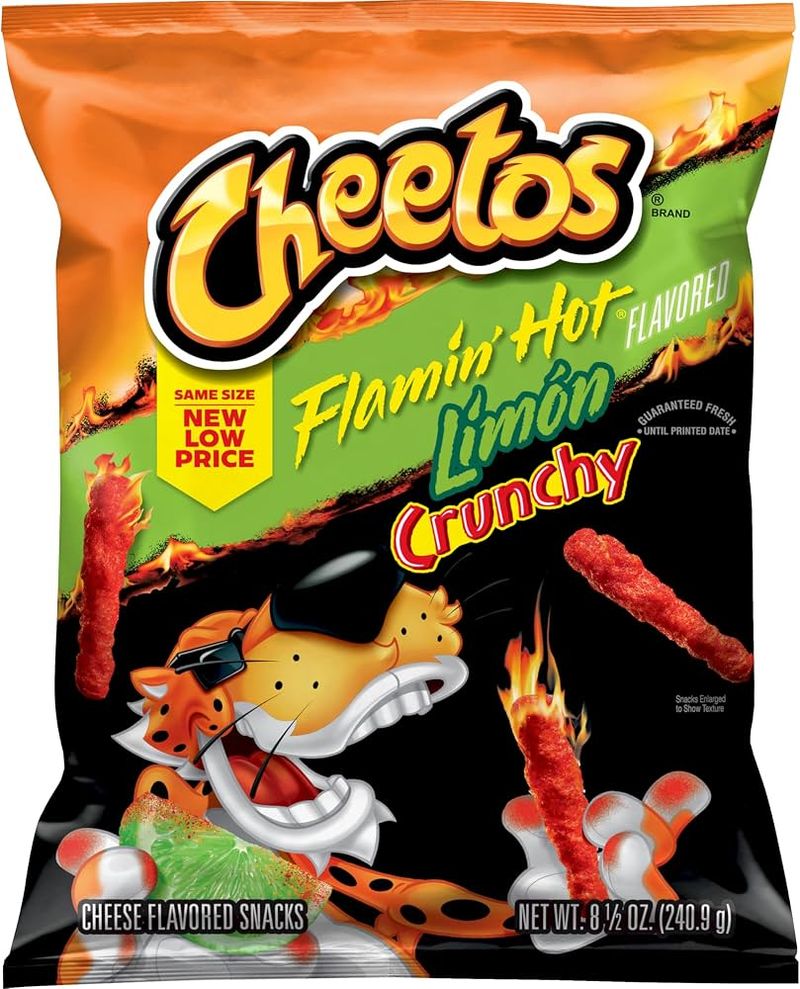
Cheetos were already a classic, but the 2000s took them to a whole new level of intensity. Flamin Hot Cheetos con Limon, Cheddar Jalapeno, and Salsa Con Queso flavors hit shelves and instantly became obsessions.
School lunchrooms across America turned orange with Cheeto dust.
The spicy varieties especially developed cult followings, with fans mixing them into nachos, sandwiches, and even ice cream. Cheetos stopped being just a snack and became a flavor category all their own.
No other chip brand dominated the decade quite like this one.
12. Tuna Tartare
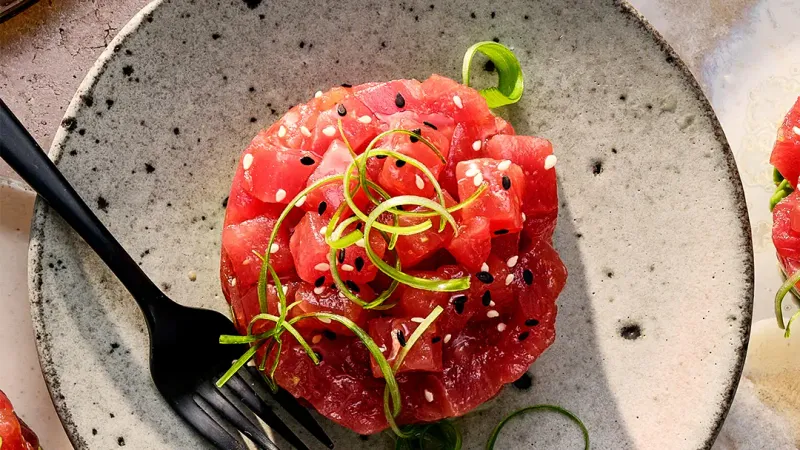
Raw fish on an appetizer menu used to raise eyebrows, but tuna tartare changed that completely in the 2000s. This chilled dish of finely diced fresh tuna mixed with bold flavors like sesame oil, soy, and avocado became a restaurant staple.
It felt sophisticated without being too intimidating.
Food-forward diners loved how fresh and light it tasted compared to heavier starters. Tuna tartare showed up everywhere from trendy sushi bars to upscale steakhouses.
It signaled that American palates were expanding and adventurous eating was officially cool.
13. Ramen Noodles
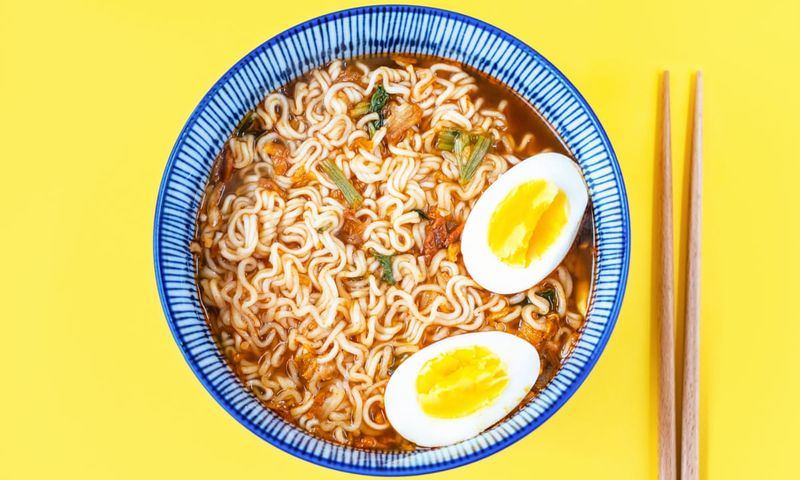
Ramen noodles were basically a survival food for students and budget-conscious households in the 2000s. A pack cost less than a quarter, cooked in three minutes, and came in flavors ranging from chicken to shrimp to beef.
For many kids, it was the ultimate after-school snack.
What made ramen so beloved was how customizable it was. Add an egg, toss in some hot sauce, or throw in leftover vegetables and suddenly it felt like a real meal.
Ramen was humble, reliable, and endlessly satisfying in the simplest possible way.
14. Shaped Mac and Cheese
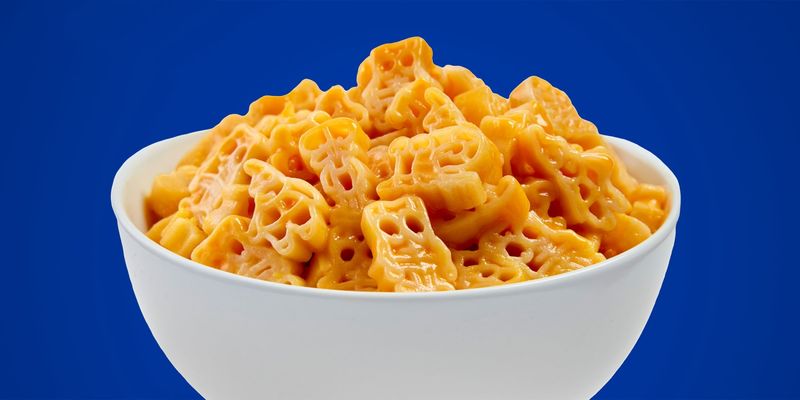
Regular macaroni was fine, but SpongeBob-shaped mac and cheese? That was a whole different experience.
Kraft and other brands started releasing pasta shaped like popular cartoon characters and movie icons, turning a simple dinner into something kids genuinely got excited about.
Star Wars, Scooby-Doo, and Disney versions flew off grocery store shelves. Parents loved how easy it was to get picky eaters to finish their dinner.
Shaped mac and cheese proved that sometimes the best way to a kid’s heart is through their favorite cartoon character.
15. Avocado Toast
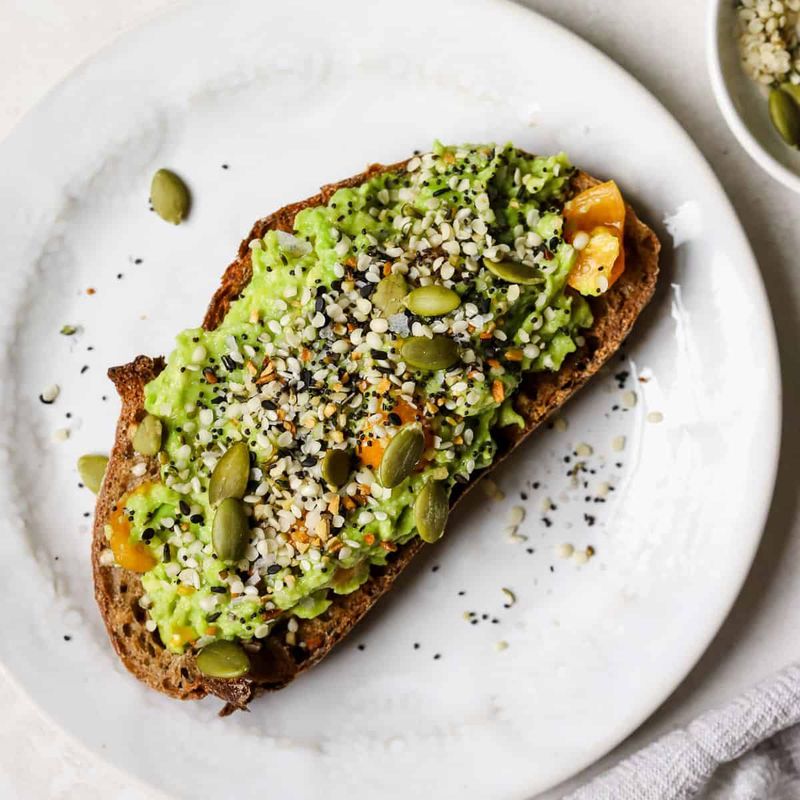
Avocado toast may feel like a millennial cliche now, but its roots go back to the early 2000s. Health-conscious cafes and brunch spots started serving smashed avocado on crusty bread as a simple, satisfying option.
It was filling, fresh, and surprisingly delicious.
At first it seemed like a niche trend, but avocado toast slowly crept onto more and more menus throughout the decade. By the time the 2010s arrived, it had exploded into a full cultural phenomenon.
The 2000s quietly set the stage for avocado toast’s world domination.
16. French Toast Crunch Cereal
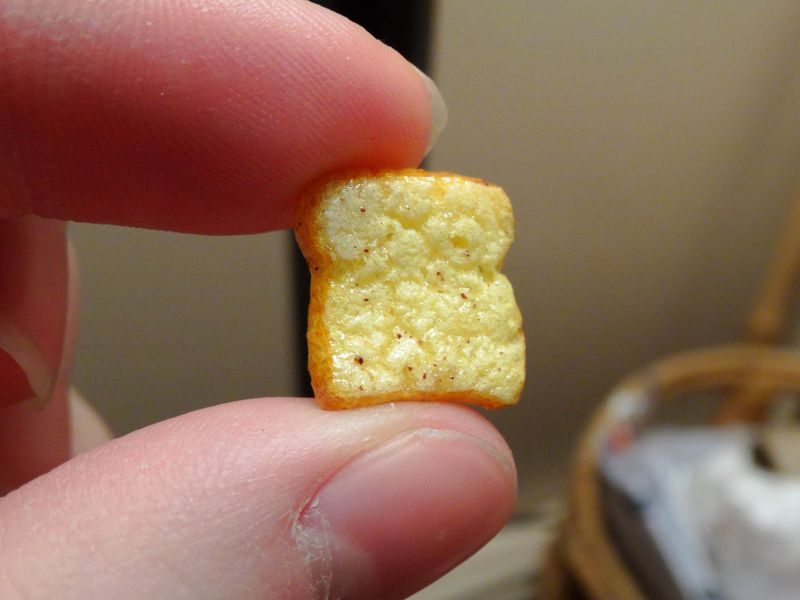
Few cereals hit as hard as French Toast Crunch in the 2000s. Each tiny piece was shaped like a miniature slice of French toast and packed with a sweet, maple-cinnamon flavor that made mornings feel like a reward.
Kids would pour bowl after bowl without any complaints.
General Mills eventually discontinued it in 2006, causing a wave of heartbroken fans to petition for its return. The demand was so strong that it was brought back in 2014.
That kind of loyalty says everything about how much this cereal meant to a whole generation.
17. Planters Cheez Balls
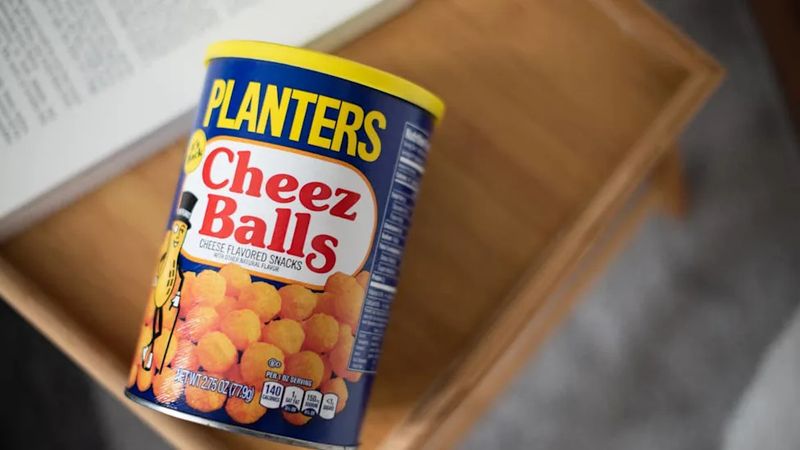
Opening a canister of Planters Cheez Balls was basically the official start of any good sleepover in the early 2000s. These light, airy cheese puffs had a satisfying crunch and a bold cheddar flavor that made them impossible to stop eating.
The round canister was iconic all by itself.
Planters discontinued Cheez Balls in 2006, and fans were devastated. Years of online petitions finally convinced the brand to bring them back in 2018.
Few snacks have inspired that level of passionate loyalty from people who grew up in the 2000s.
18. Froot Loop Cereal Straws
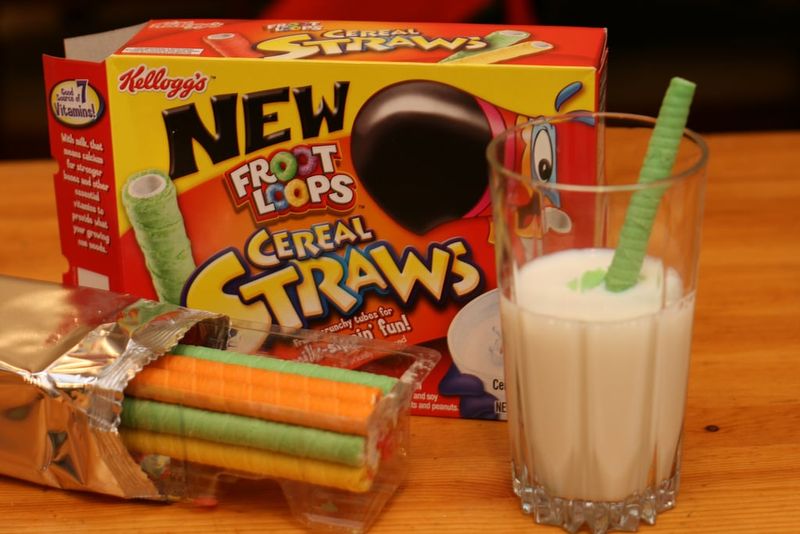
Whoever invented Froot Loop Cereal Straws deserved a standing ovation. These hollow cereal tubes let kids drink milk directly through a piece of cereal, combining breakfast and entertainment into one glorious product.
Every sip was slightly sweetened by the fruity cereal shell around it.
They were a lunchbox legend and a Saturday morning staple. Kellogg’s eventually pulled them from shelves, but the outcry from nostalgic fans was loud enough to bring them back.
Cereal straws proved that making breakfast interactive was a genius move that kids would never forget.
19. Scooby-Doo Fruit Snacks
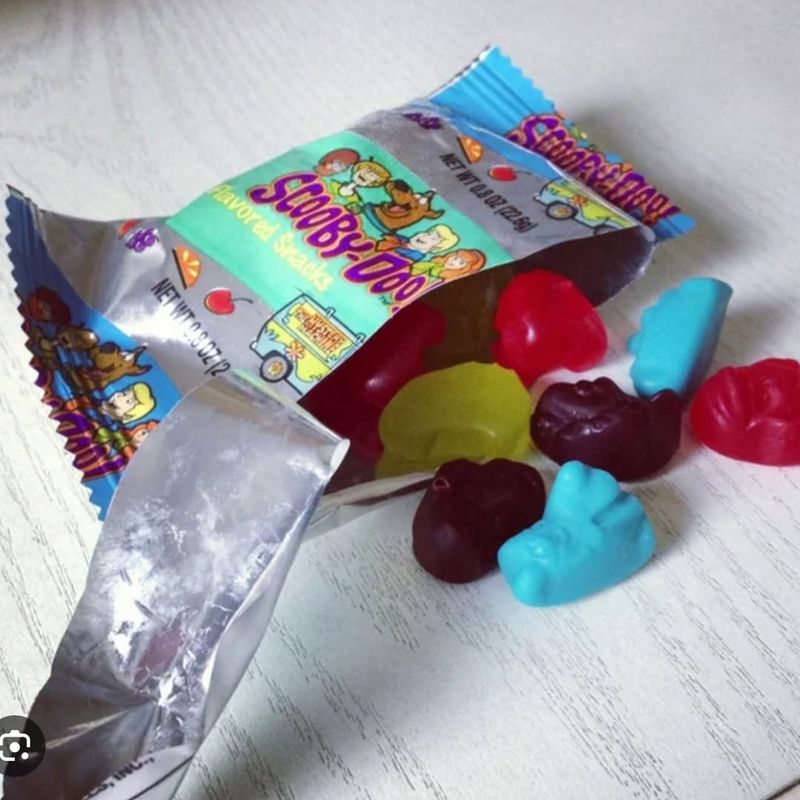
Every 2000s kid knew the best part of a Scooby-Doo Fruit Snack pack was finding the rare opaque blue Scooby-shaped gummy. It felt like winning a prize just from opening your lunchbox.
These chewy little snacks became a lunchtime trading currency among elementary school kids everywhere.
Betty Crocker nailed the branding by tying the snacks to one of the most beloved cartoon characters of the era. They were sweet, fun, and just the right size for small hands.
Scooby-Doo Fruit Snacks turned snack time into a mini adventure every single day.
20. Doritos 3D Chips
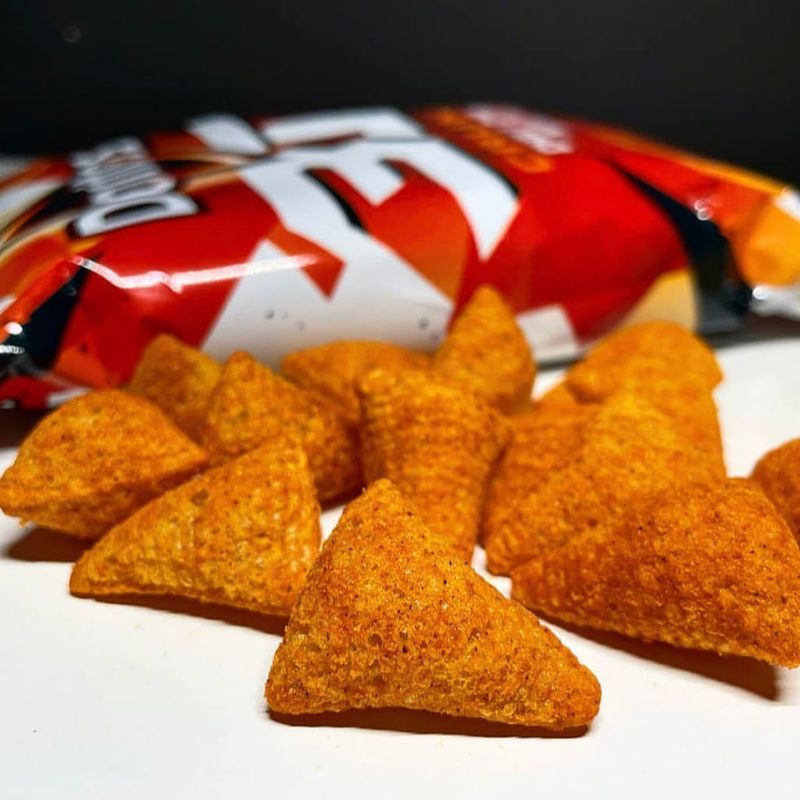
Doritos 3D chips felt like regular Doritos had been upgraded to an entirely different dimension. Introduced in the late 1990s, they carried their wild popularity straight into the 2000s with their puffed-up, hollow triangular shape that created a satisfying crunch unlike anything else on the snack aisle.
Fans were heartbroken when they were discontinued, but Frito-Lay eventually brought them back due to overwhelming demand. The 3D format made every chip feel like more of an experience than a simple snack.
Sometimes the shape of a chip really does make all the difference.