
Think you know everything about animals, science, history, and geography? Jeopardy questions for kids might sound easy at first, but some of them can seriously trip you up!
These clever clues are designed to make you think hard, recall surprising facts, and sometimes feel that satisfying “I should have known that!” moment. Get ready to test your brain with 20 questions that just might leave even the sharpest students scratching their heads.
1. What Is the Largest Planet in Our Solar System?
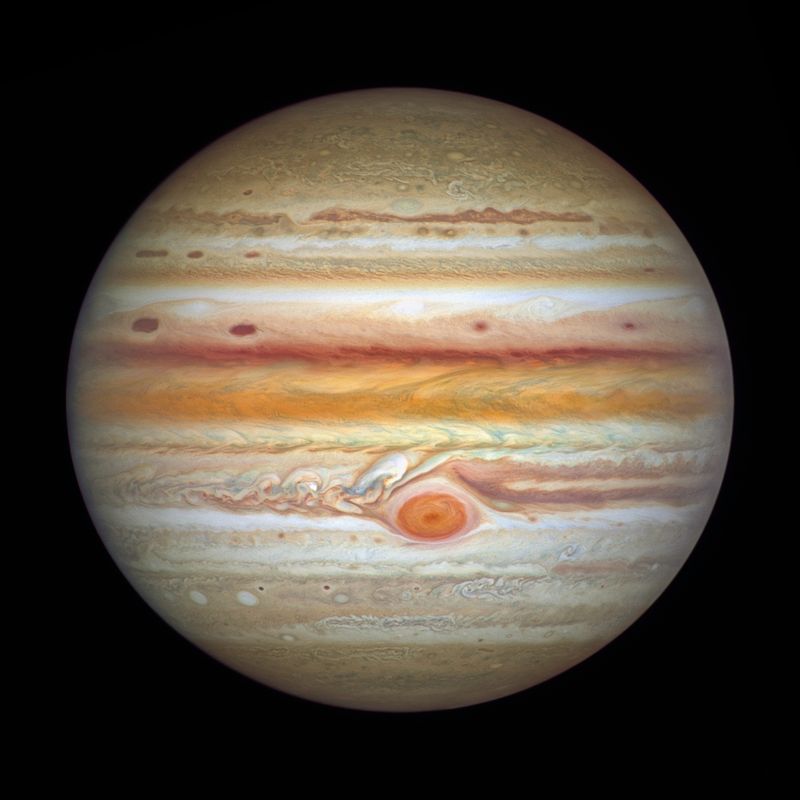
Space is full of jaw-dropping surprises, and Jupiter tops the list. This gas giant is so enormous that more than 1,300 Earths could fit inside it.
That alone should make it an easy Jeopardy answer, right? Think again!
Many kids mix up Jupiter with Saturn because of Saturn’s flashy rings. Jupiter has rings too, just much harder to see.
Knowing which planet holds the size crown is a classic stumper that catches even confident players off guard.
2. What Animal Is the Fastest on Land?
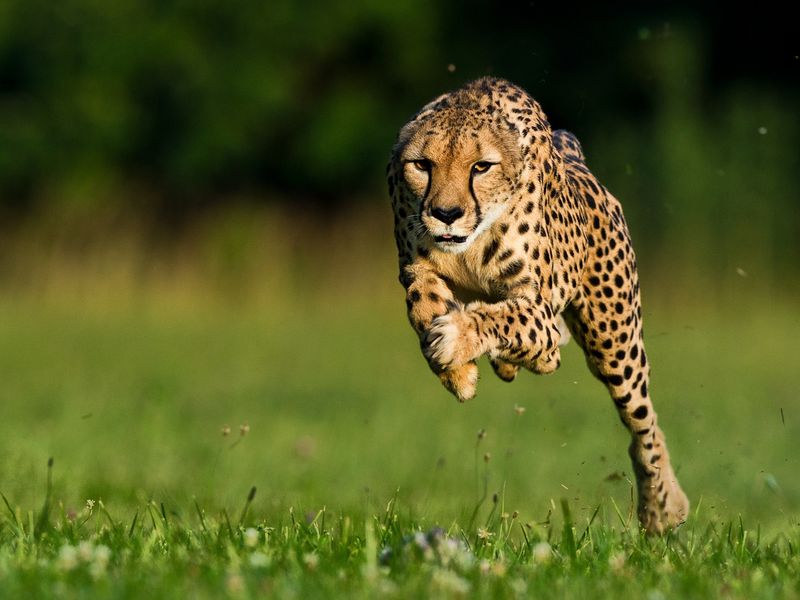
Most kids shout “cheetah” without blinking, and honestly, they would be right. But here is where Jeopardy gets sneaky: the question might be phrased as a clue about “the land animal that can reach speeds of 70 miles per hour,” making you second-guess yourself.
Doubt creeps in fast!
Cheetahs can accelerate from zero to 60 mph in just three seconds, outpacing most sports cars. That kind of speed trivia tends to stick once you hear it, turning a tough clue into a fun fact you will never forget.
3. Which Ocean Is the Deepest in the World?
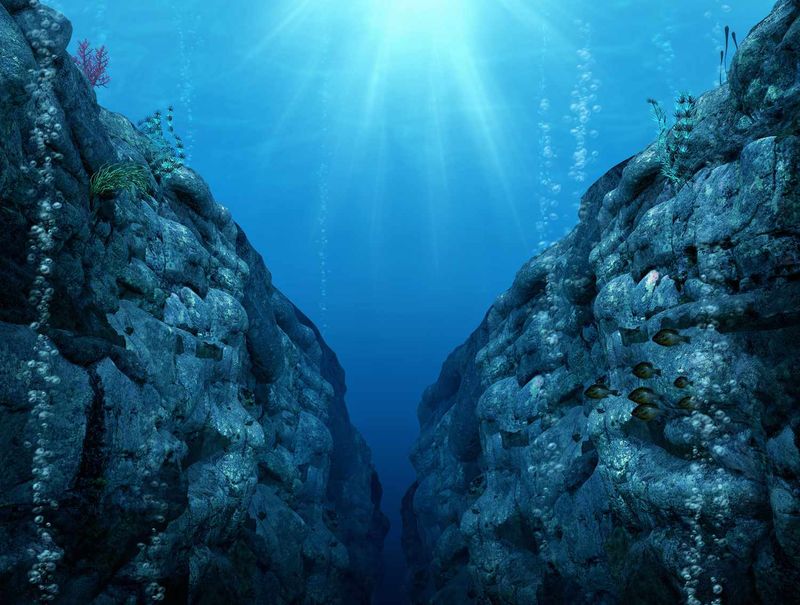
The Pacific Ocean holds a record that sounds almost unbelievable: its Mariana Trench reaches a depth of about 36,000 feet, deeper than Mount Everest is tall. Yet during a Jeopardy game, kids often hesitate between the Pacific and Atlantic.
That hesitation costs points!
Oceans cover about 71 percent of Earth’s surface, so geography questions about them show up constantly in school and trivia games alike. Locking in “Pacific” as the deepest ocean is one of those facts that pays off every single time it appears.
4. What Is the Chemical Symbol for Water?
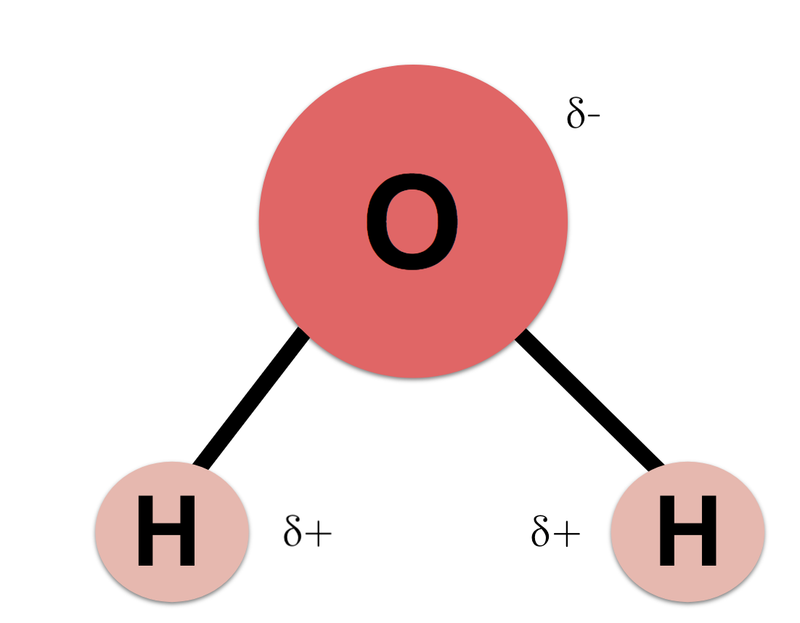
H2O is probably one of the most famous chemical formulas in the world, yet Jeopardy has a way of making even familiar answers feel uncertain. When the clue reads “This two-hydrogen, one-oxygen compound keeps all living things alive,” some players freeze up completely.
The formula was first established by chemist Henry Cavendish in the 1700s, making it centuries old and still essential knowledge today. Recognizing that H stands for hydrogen and O stands for oxygen is the kind of basic chemistry that forms the backbone of science education everywhere.
5. Who Wrote the Harry Potter Series?

J.K. Rowling created one of the most beloved book series in history, writing the first Harry Potter novel while sitting in a small Edinburgh cafe.
You would think every kid knows this one cold, but Jeopardy loves to reframe it: “This British author gave us Hogwarts, Quidditch, and a boy with a lightning bolt scar.”
Suddenly, the name slips from memory under pressure. The Harry Potter series has sold over 500 million copies worldwide, making Rowling one of the best-selling authors of all time.
A clue worth remembering!
6. What Is the Tallest Mountain on Earth?
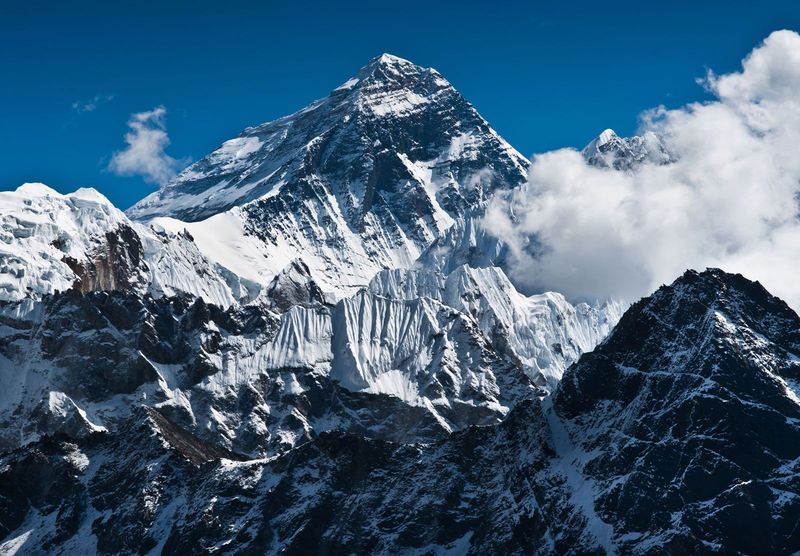
Mount Everest stands at 29,032 feet above sea level, earning its title as Earth’s highest peak above the ocean floor. Geography categories in kids’ Jeopardy love this question, but the tricky version asks about the mountain closest to the moon, which is actually Chimborazo in Ecuador due to Earth’s shape.
That twist catches even geography lovers off guard. Knowing both answers gives you a real edge in trivia competitions.
Earth’s shape means “tallest” and “highest” are not always the same thing, and that detail makes for a genuinely satisfying learning moment.
7. How Many Sides Does a Hexagon Have?
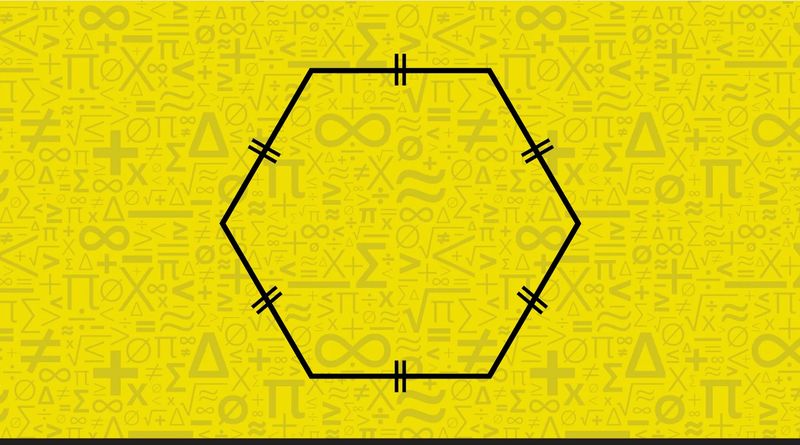
Six sides, six angles, and one shape that shows up everywhere from honeycombs to soccer balls. The hexagon is a math staple, yet Jeopardy players sometimes fumble when the clue says “a polygon with six sides” because the word “hexagon” just does not come to mind fast enough under pressure.
The prefix “hex” comes from Greek, meaning six, which is a handy trick for remembering it. Connecting prefixes to their meanings transforms memorization into genuine understanding, making geometry questions far less stressful during timed trivia rounds.
8. What Country Has the Largest Population in the World?
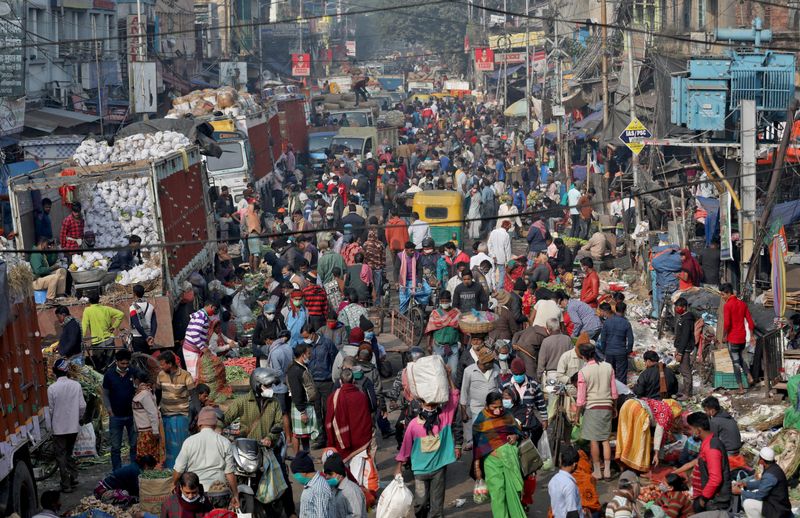
For decades, China held the title of most populous country on Earth, but India surpassed it in 2023, making this a genuinely tricky current-events question. Jeopardy clues written recently would credit India, while older versions point to China.
Context and timing matter more than people realize!
India’s population crossed 1.4 billion people, a number so large it is hard to fully picture. This question rewards kids who stay curious about world news, showing that geography trivia is never truly static.
The world keeps changing, and so do the right answers.
9. What Is the Smallest Continent?
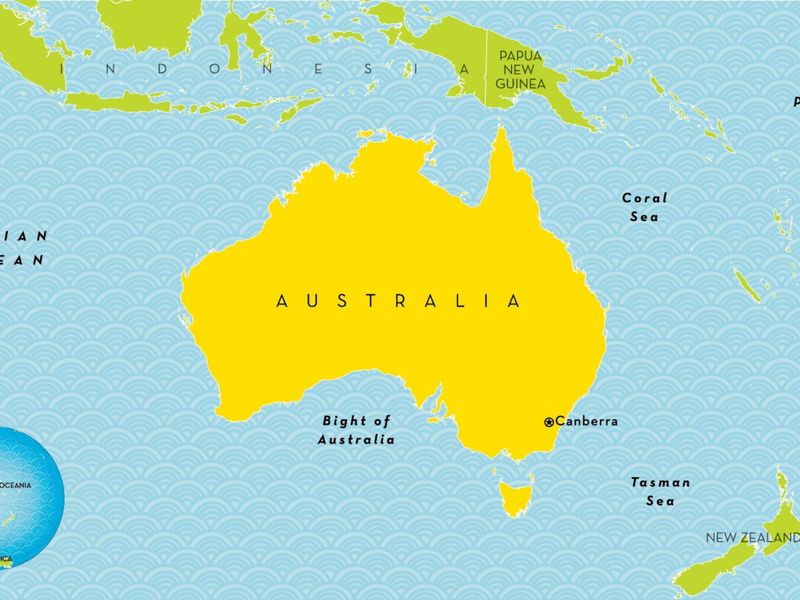
Australia wins the award for smallest continent, but this question trips up a surprising number of kids who confuse it with Antarctica or Europe. The mix-up happens because Antarctica is small on many flat maps, and Europe feels small because it is crowded with many countries.
Australia is unique in being both a continent and a single country, which makes it genuinely special in world geography. That dual identity is the kind of quirky fact that sticks once you hear it, turning a potential stumper into a reliable Jeopardy point every time.
10. What Gas Do Plants Absorb During Photosynthesis?
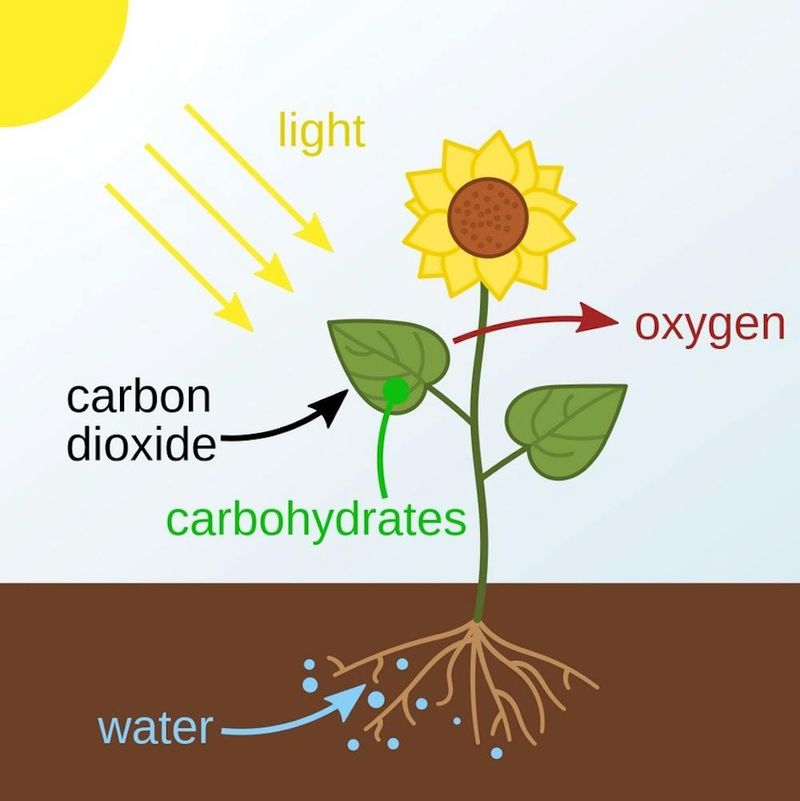
Plants are basically nature’s air filters, pulling carbon dioxide out of the atmosphere and releasing oxygen in return. Photosynthesis is one of the most important processes on Earth, yet kids often mix up which gas goes in and which comes out when put on the spot.
The answer is carbon dioxide, or CO2. A fun way to remember it: plants breathe in what we breathe out, and we breathe in what they release.
That elegant swap has kept life on Earth going for billions of years, and it makes for a great Jeopardy clue.
11. Who Was the First President of the United States?
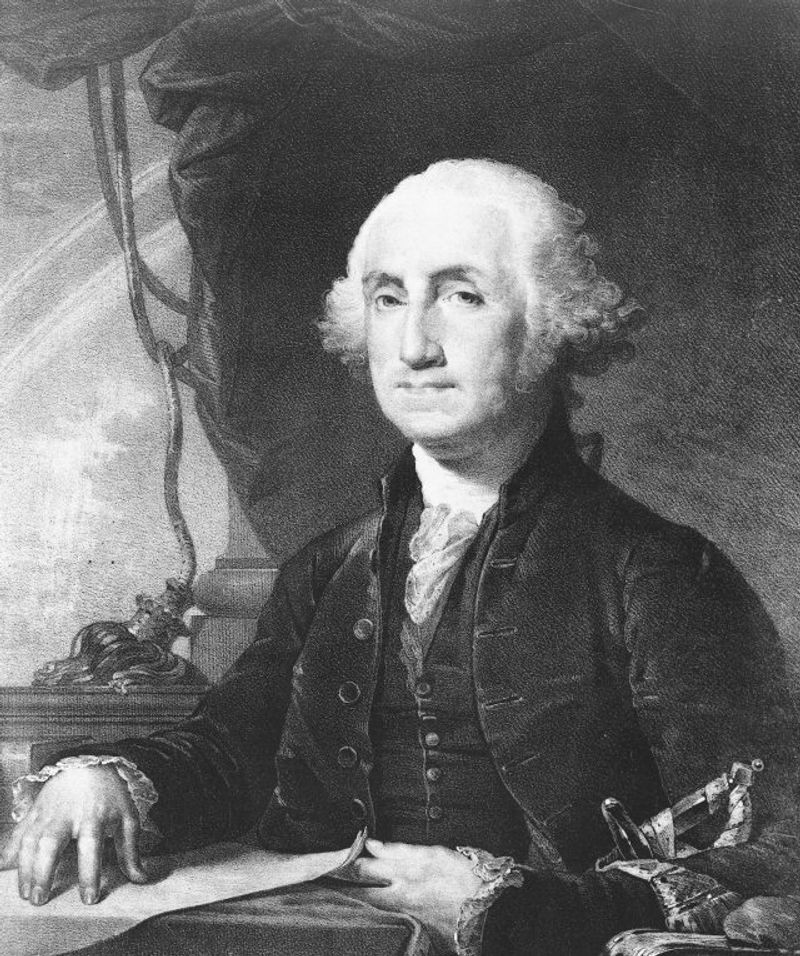
George Washington, the general who led America through the Revolutionary War, became the first U.S. President in 1789.
Nearly every American kid knows this one, which is exactly why Jeopardy uses it as a setup for trickier follow-up questions about his presidency or personal life.
For instance, Washington was the only president unanimously elected by the Electoral College, not just once but twice. That detail is the kind of deeper knowledge that separates a good Jeopardy player from a great one.
History rewards those who go beyond the obvious headline facts.
12. What Is the Hardest Natural Substance on Earth?
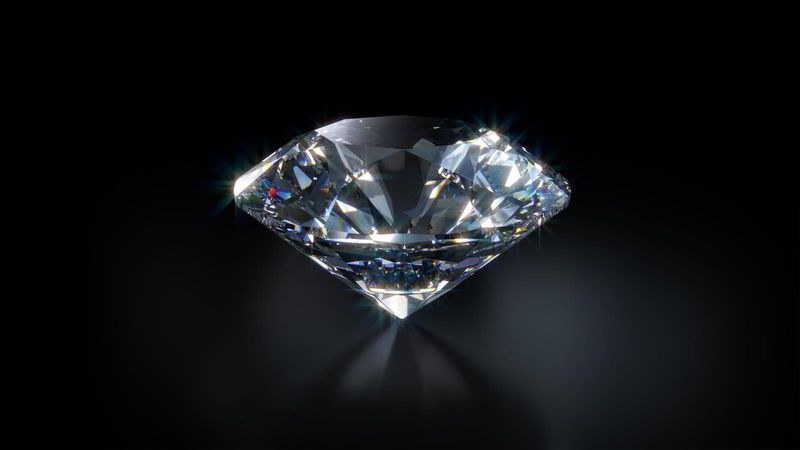
Diamonds are not just pretty gems on jewelry. They are the hardest naturally occurring material on Earth, scoring a perfect 10 on the Mohs hardness scale.
That fact makes them incredibly useful in cutting tools, drills, and industrial equipment, far beyond their glamorous reputation.
Jeopardy loves this question because kids sometimes guess “rock” or “metal” instead of a gemstone. Diamonds form deep underground under extreme heat and pressure, taking billions of years to develop.
Knowing that science backstory makes the answer feel even more impressive when you confidently say it out loud.
13. What Is the Longest River in the World?
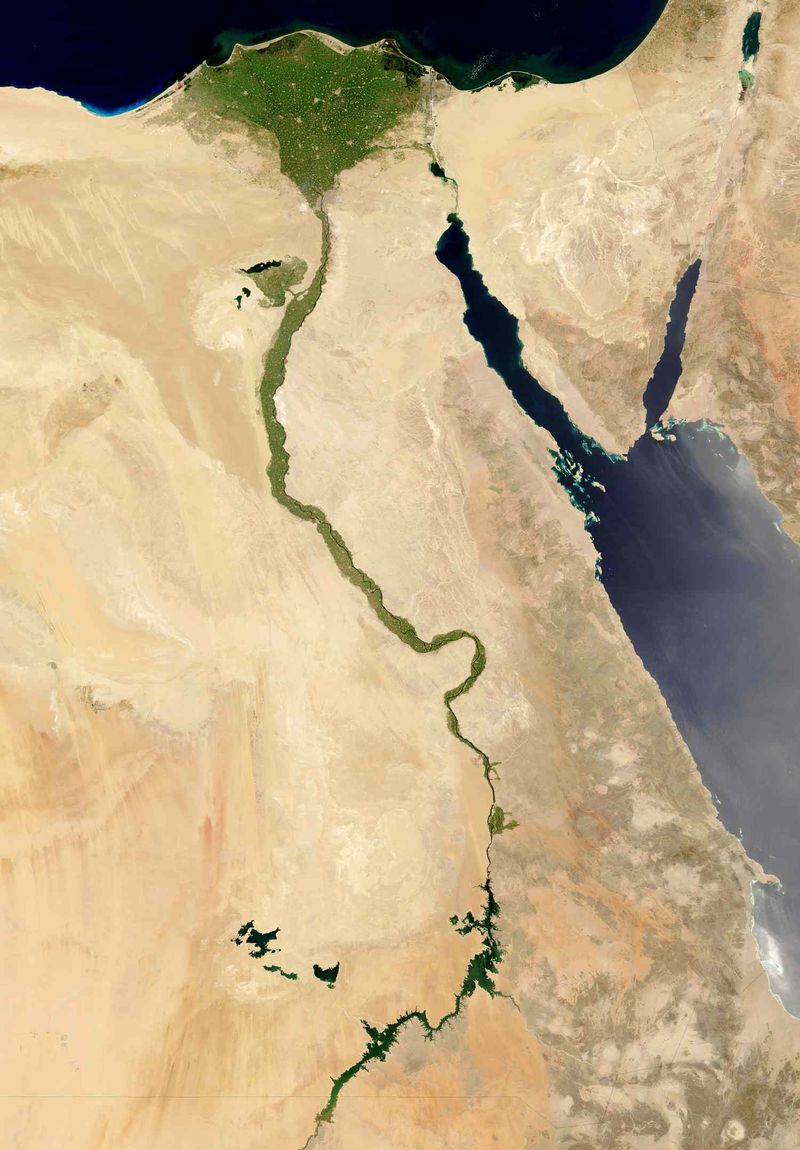
The Nile River stretches about 4,130 miles through northeastern Africa, making it the longest river on Earth according to most measurements. However, some scientists argue the Amazon River in South America may actually be longer depending on how you measure the source point.
That debate makes this a sneaky Jeopardy question!
Traditionally, the Nile takes the crown, flowing through eleven countries before emptying into the Mediterranean Sea. Ancient Egyptian civilization grew up along its banks, making it not just a geography record holder but a cornerstone of human history as well.
14. What Planet Is Known as the Red Planet?
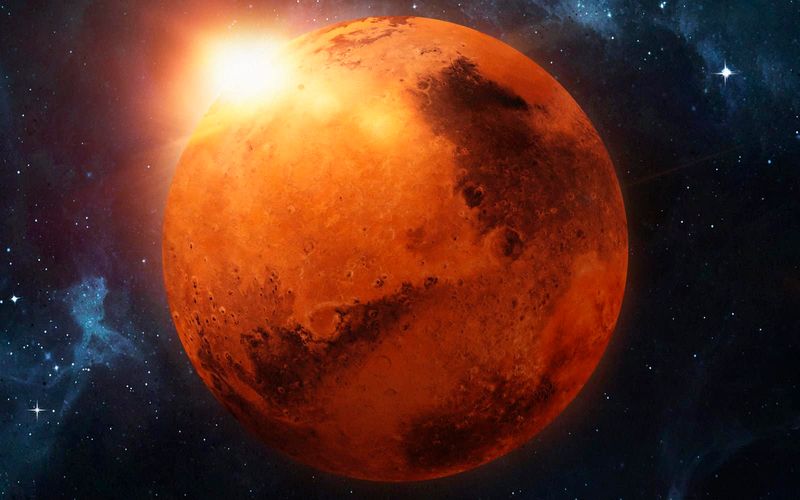
Mars glows red in the night sky because its surface is covered in iron oxide, which is basically rust. That reddish color earned it the nickname “the Red Planet” thousands of years ago when ancient astronomers first noticed it wandering across the sky.
Pretty cool for a planet named after the Roman god of war!
NASA has sent numerous rovers to Mars, including Curiosity and Perseverance, to study its surface. This planet shows up constantly in science and space categories, making it one of those reliable Jeopardy answers that every space-curious kid should have locked in tight.
15. What Is the Most Spoken Language in the World?
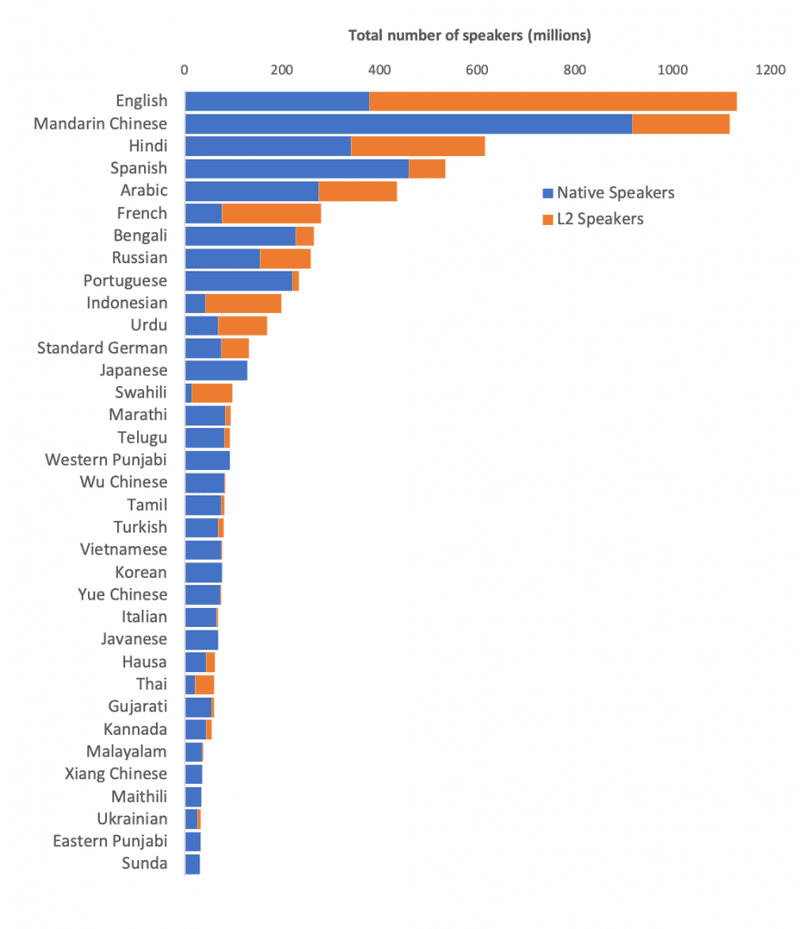
Mandarin Chinese takes the top spot as the most spoken language by native speakers, with over one billion people using it as their first language. This surprises many kids who guess English, since English dominates the internet and global media so heavily.
The distinction between native speakers and total speakers matters here!
English actually leads when counting all speakers, including second-language users. Jeopardy clues can swing either way depending on how the question is framed, which is exactly what makes language category questions so delightfully tricky for even well-read players competing under time pressure.
16. How Many Colors Are in a Rainbow?

Seven colors make up a classic rainbow: red, orange, yellow, green, blue, indigo, and violet. The acronym ROY G BIV has helped generations of students memorize the order.
Yet Jeopardy still manages to stump players by asking this in unexpected ways, like “How many colors appear in visible light refracted through water droplets?”
Some scientists actually debate whether indigo is distinct enough to count separately, suggesting there might really be six bands. That scientific nuance is exactly the kind of detail that makes a Jeopardy question feel satisfyingly tricky without being unfair or confusing.
17. What Animal Is Known for Its Black and White Stripes?
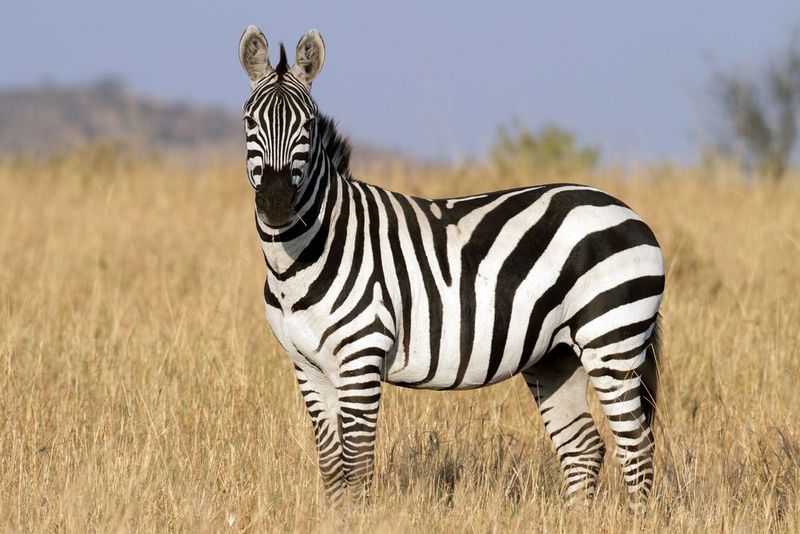
Zebras are one of Africa’s most iconic animals, instantly recognizable by their striking black and white striped coats. But here is the fun twist: scientists still debate whether zebras are white with black stripes or black with white stripes.
Spoiler alert, their skin is actually black underneath!
That surprising fact turns a seemingly easy Jeopardy question into a genuinely memorable lesson. Zebra stripes are also thought to confuse predators and repel insects, giving those patterns a serious survival purpose beyond just looking spectacular on wildlife documentaries and nature posters.
18. What Is the Capital of Australia?
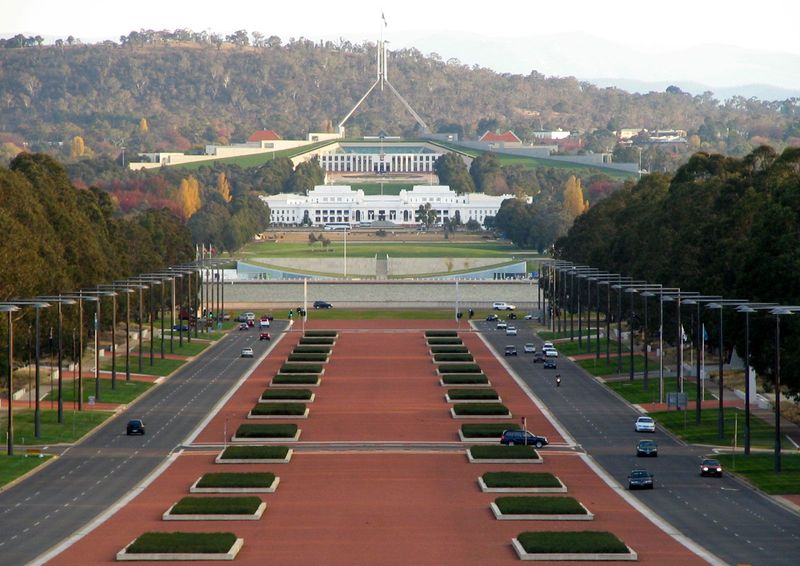
Almost everyone guesses Sydney, and almost everyone is wrong. Canberra is actually the capital of Australia, a fact that trips up adults and kids alike with impressive consistency.
Sydney is the largest city, and Melbourne is famously stylish, but neither holds the official capital title.
Canberra was purpose-built as a compromise between those two rival cities back in 1913, which is a genuinely fascinating piece of history. Knowing this answer in a Jeopardy geography round feels incredibly satisfying, especially when you watch other players confidently write down Sydney and then groan when the correct answer is revealed.
19. What Is the Name of the Fairy Tale Character Who Slept for 100 Years?

Sleeping Beauty is the classic fairy tale princess who pricked her finger on a spinning wheel and fell into a century-long enchanted sleep. The story comes from Charles Perrault and later the Brothers Grimm, making it one of the oldest and most retold tales in Western literature.
Jeopardy might phrase the clue as “This princess slept for 100 years after a curse from an evil fairy,” sending players mentally flipping through fairy tale characters at lightning speed. Knowing the story’s origins adds a layer of confidence that pure memorization alone never quite delivers.
20. What Is 12 Multiplied by 12?
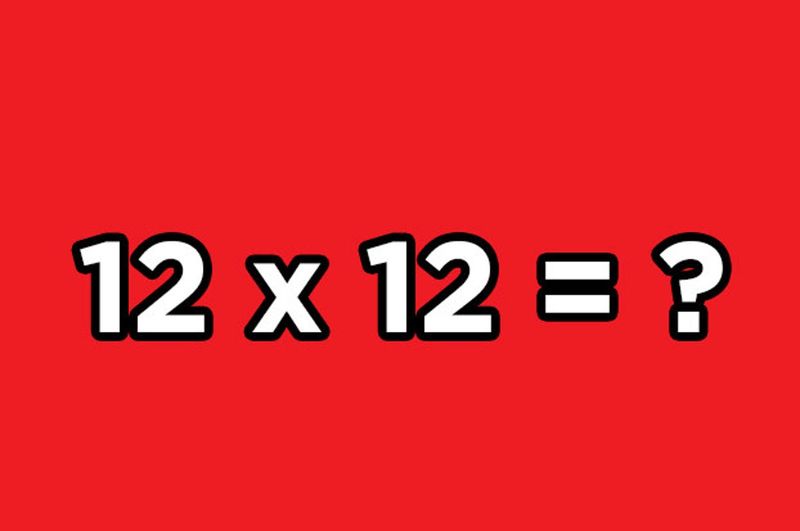
One hundred forty-four. That is the answer, and yet under Jeopardy pressure, even strong math students sometimes second-guess themselves and hesitate.
The number 144 is also called a “gross,” an old-fashioned counting term used in trade and commerce for centuries.
Multiplication tables through 12 are a cornerstone of elementary math, but speed is everything in trivia games. Practicing math facts until they feel automatic is genuinely one of the best ways to perform well under pressure.
When your brain retrieves “144” instantly, that Jeopardy buzzer becomes your best friend rather than your worst enemy.