
Most people know “Hey Jude” and “Let It Be,” but the Beatles recorded dozens of songs that never got their fair share of the spotlight. These hidden gems are the tracks that true fans return to again and again, finding something new with every listen.
From early Merseybeat charm to late-period psychedelia, the band’s catalog runs deep. Here are 18 underrated Beatles songs that deserve a spot on every fan’s playlist.
1. There’s a Place (1963)
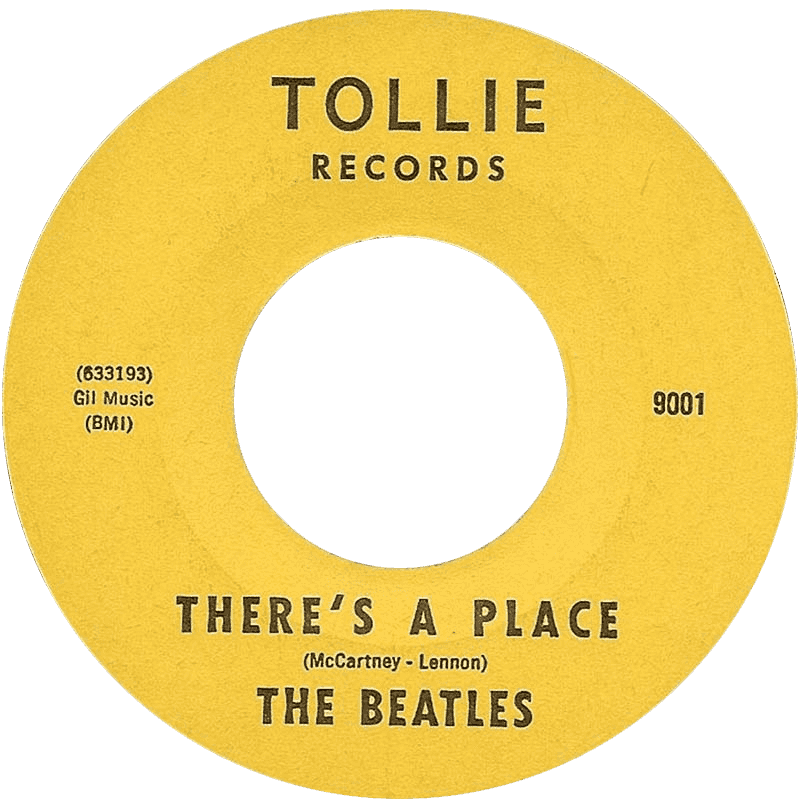
Long before John Lennon wrote “Imagine,” he was already exploring the inner mind with this early gem. “There’s a Place” is a thoughtful, introspective track that sounds almost like proto-Motown, and it stands apart from the typical love songs of its era.
Paul McCartney praised its cerebral approach, noting how it pushed beyond the usual boy-meets-girl formula. For fans who want to trace Lennon’s artistic roots, this song is a fascinating starting point.
2. This Boy (1963)
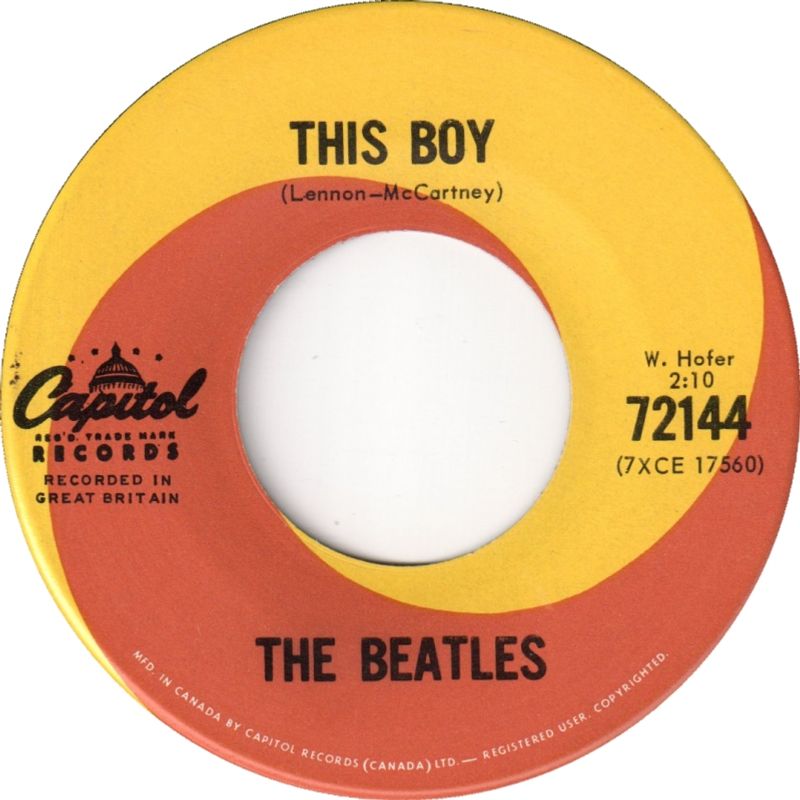
Tucked away as the B-side to “I Want to Hold Your Hand,” this track proved the Beatles were more than just a pop act. The three-part harmonies here are genuinely stunning, pulling heavily from doo-wop traditions that the band adored.
John, Paul, and George blend their voices with an effortless polish that most groups spend years chasing. Hearing it today still feels like stumbling onto something rare and beautiful hiding in plain sight.
3. Things We Said Today (1964)
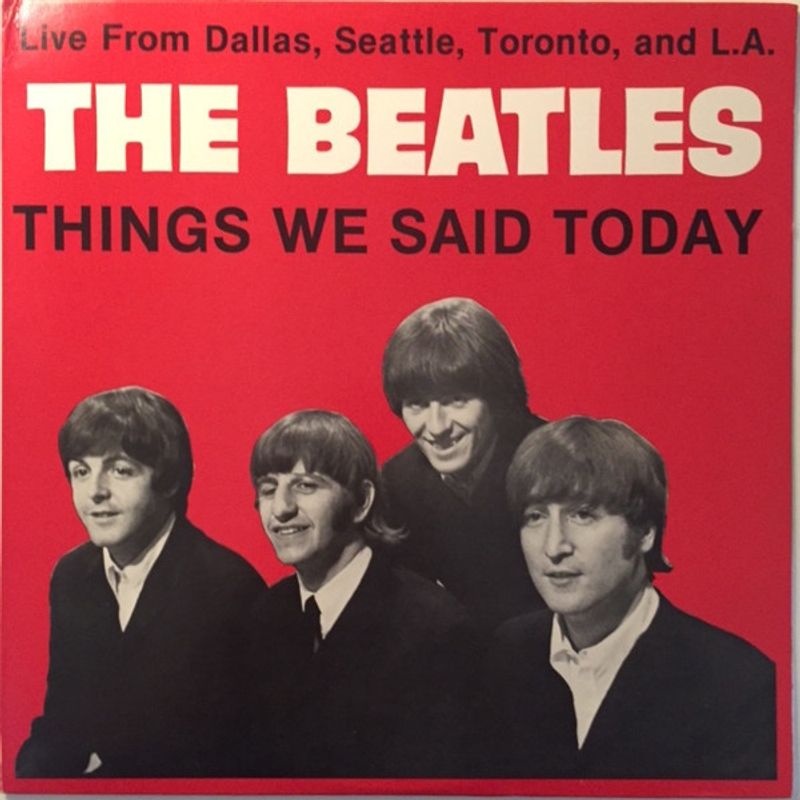
Paul McCartney wrote this one while on a sailing holiday, and that sense of wistful distance comes through in every chord. Many fans consider it one of his most emotionally honest early compositions, yet it rarely makes greatest-hits compilations.
The minor-key verses give it a slightly haunting quality that feels ahead of its time for 1964. Once this song gets its hooks into you, it tends to stay there for a very long time.
4. I’ll Follow the Sun (1964)
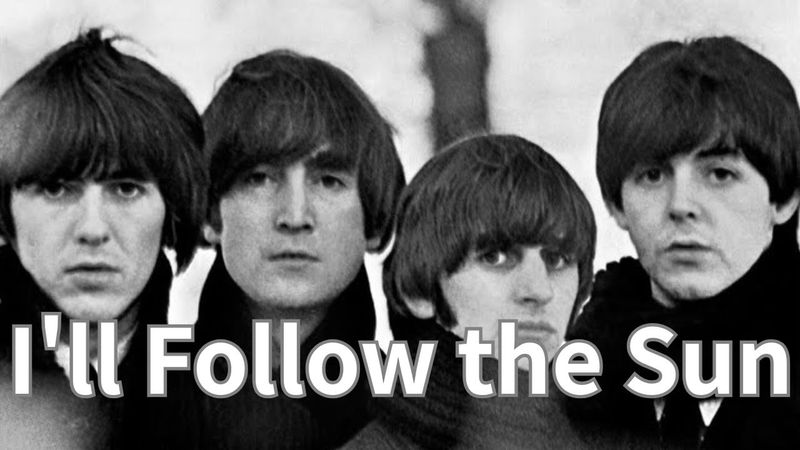
Stripped down and quietly beautiful, this acoustic ballad from “Beatles for Sale” feels like a soft exhale after a long day. McCartney actually wrote it as a teenager, which makes its emotional maturity all the more remarkable.
There are no flashy guitar solos or elaborate arrangements here, just a simple melody that lingers. Fans who love the Beatles’ quieter, more tender side consistently name this track as one of their most underappreciated recordings.
5. I Don’t Want to Spoil the Party (1964)
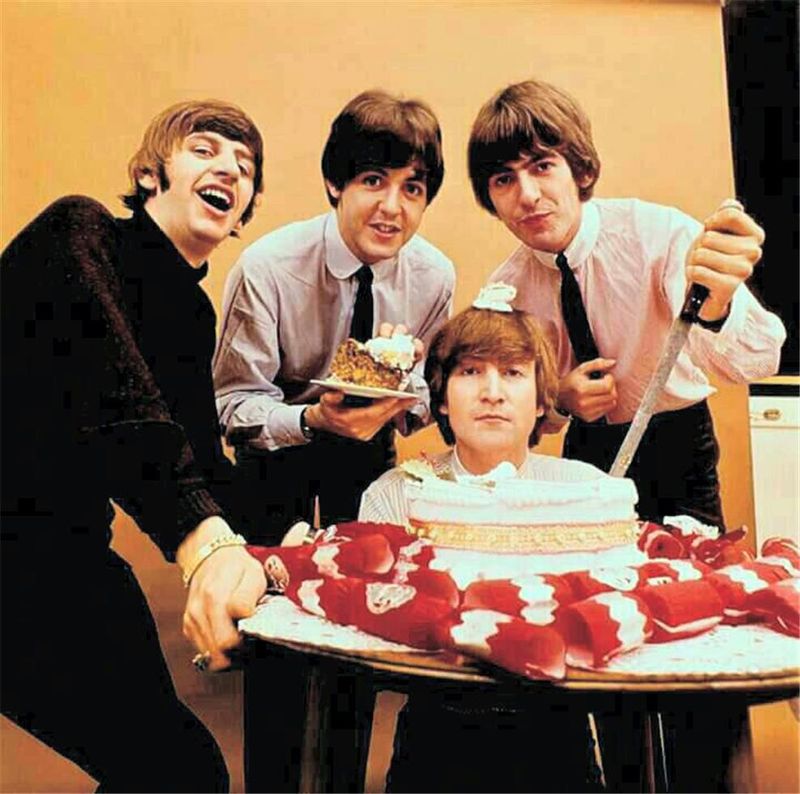
John Lennon rarely gets credit for his country influences, but this “Beatles for Sale” track shows that side of him clearly. The song carries a subtle twang and lyrics that honestly capture the awkward feeling of showing up somewhere when your heart just isn’t in it.
It’s relatable in a way that transcends decades, describing romantic insecurity with surprising vulnerability. Country legend Buck Owens even recorded his own version, which says a lot about how well the song crosses genre lines.
6. Yes It Is (1965)
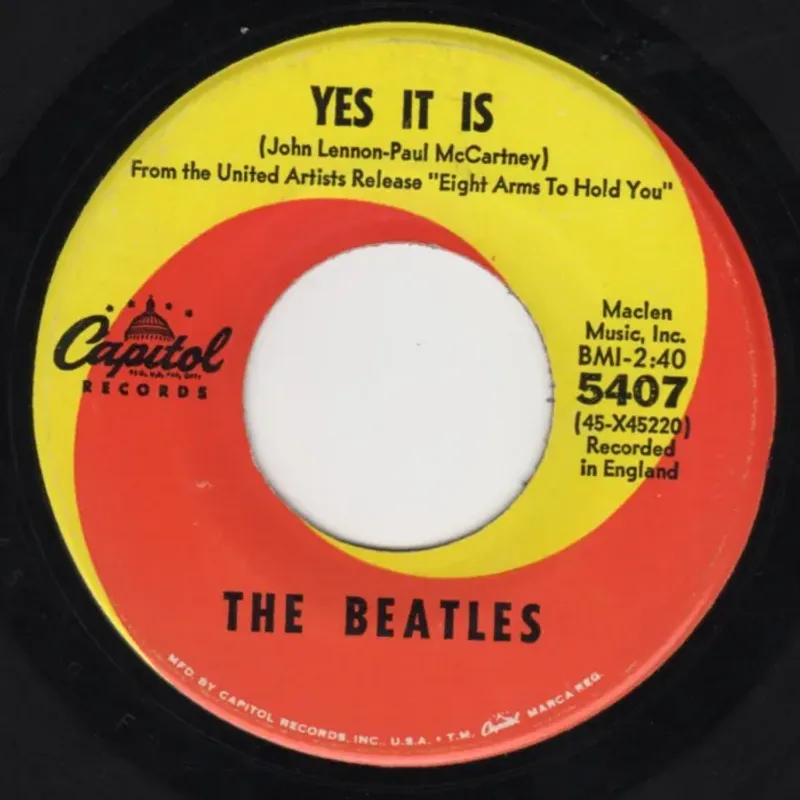
John Lennon famously dismissed this one as a failed attempt at recapturing “This Boy,” but fans have long disagreed with that harsh self-assessment. The mournful harmonies on “Yes It Is” carry a weight that feels earned rather than recycled.
Released as the B-side to “Ticket to Ride,” it was easy to overlook at the time. Coming back to it now, the song’s quiet heartbreak feels genuinely moving, proof that Lennon was often his own harshest critic.
7. I’ve Just Seen a Face (1965)
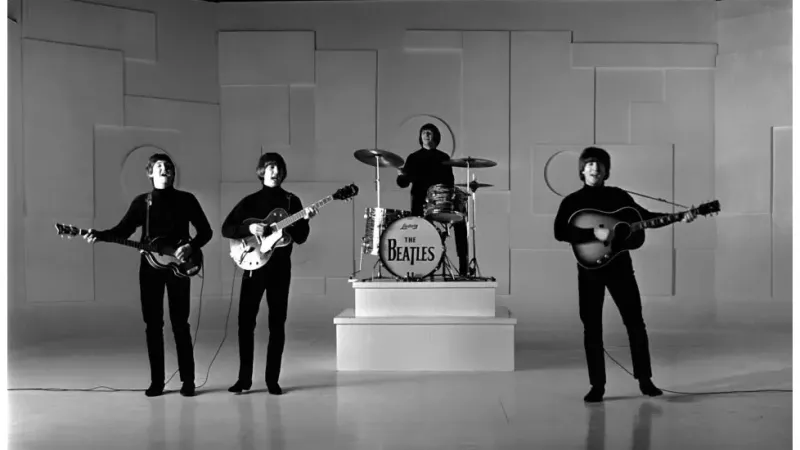
Few Beatles songs burst out of the speakers with quite the same breathless energy as this one. Driven by rapid acoustic strumming and tumbling rhymes, it captures the dizzy rush of an unexpected crush with total conviction.
Featured on the UK version of “Help!”, it often surprises first-time listeners who expect a slower ballad. The song influenced countless folk-rock artists who came after, and its pure, unguarded joy makes it impossible not to smile along.
8. You Won’t See Me (1965)
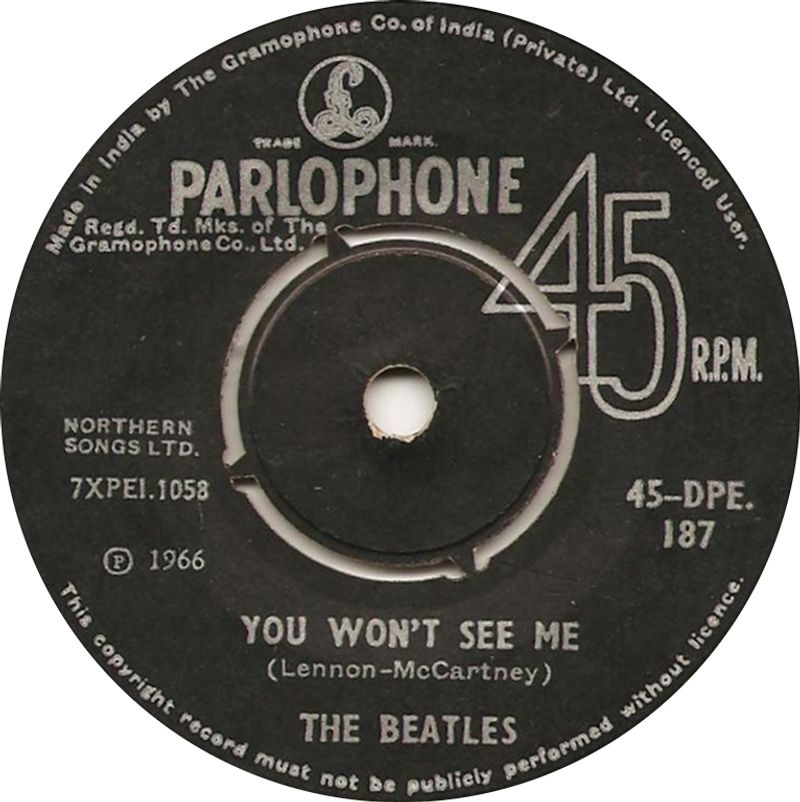
“Rubber Soul” is packed with McCartney gems, and this one deserves far more attention than it typically receives. The song rides on Paul’s melodic, almost restless bass line, which pushes the track forward with a kind of anxious energy that perfectly mirrors its lyrics.
Written during a difficult stretch in his relationship with actress Jane Asher, it channels real frustration into a melody that stays stuck in your head. The warm three-part harmonies soften the sting just enough.
9. If I Needed Someone (1965)
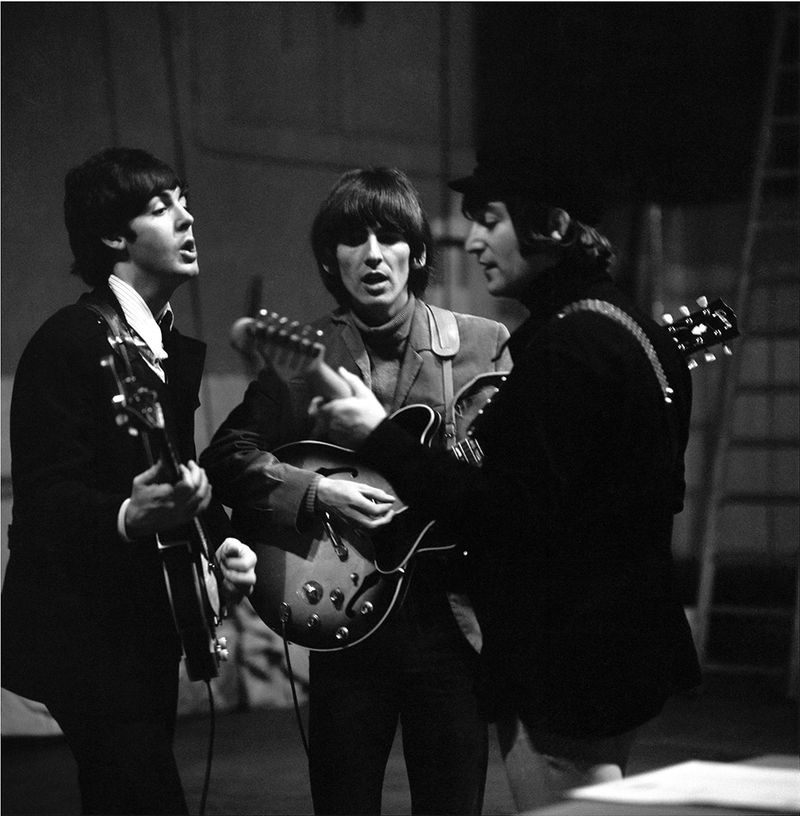
George Harrison contributed some of the most interesting songs on “Rubber Soul,” and this track is a shining example of his growing confidence as a writer. The Rickenbacker guitar rings out with a chiming, hypnotic quality that sets the song apart immediately.
Harrison reportedly based the chord structure on the Byrds’ sound, creating a satisfying musical exchange between two of the era’s most influential bands. The harmonies here are cool and understated, which somehow makes them even more effective.
10. Rain (1966)
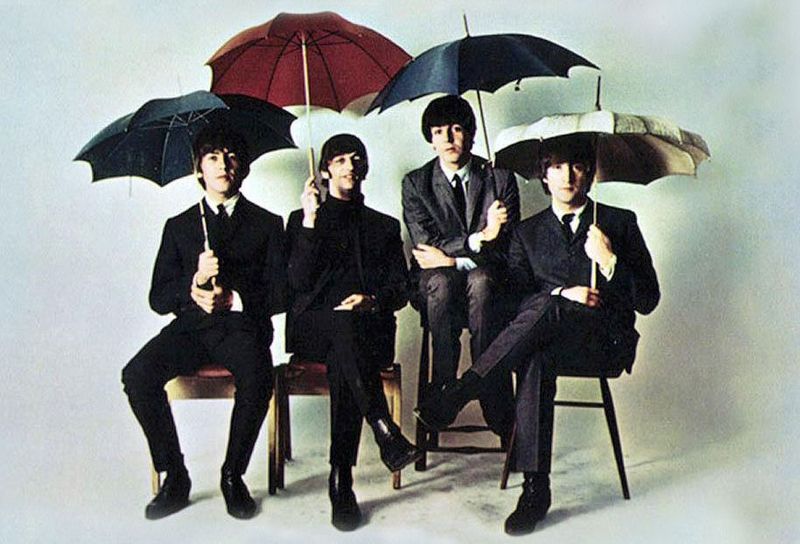
Recorded during the same sessions as “Revolver” but released as a B-side, “Rain” sounds like it arrived from a completely different musical universe. Ringo Starr’s drumming here is widely considered some of the greatest rock drumming ever committed to tape.
The song features backward vocals, a revolutionary technique at the time, and a slowed-down rhythm that feels genuinely hypnotic. John Lennon later called it his favorite Beatles recording, a bold claim that many fans fully support after a few listens.
11. She Said She Said (1966)
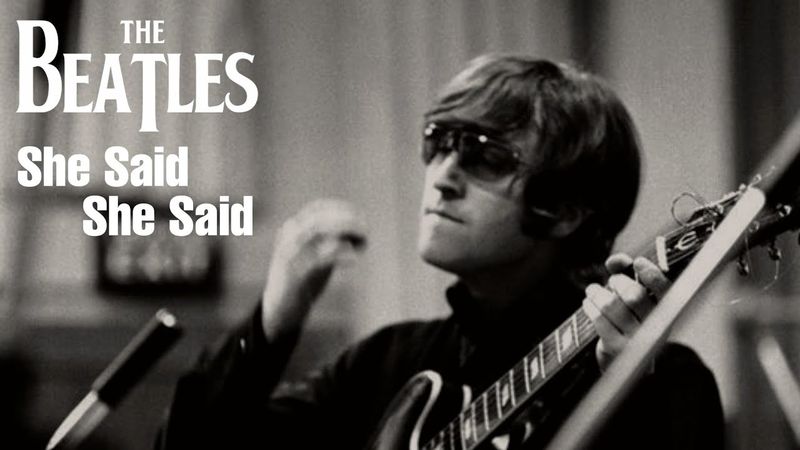
Born from a strange conversation between John Lennon and actor Peter Fonda at a Hollywood party, this “Revolver” track crackles with a nervous, psychedelic energy. Fonda kept repeating “I know what it’s like to be dead,” and Lennon turned that unsettling phrase into something unforgettable.
The guitar work is angular and urgent, cutting through the mix with real force. Longtime fans often cite this as one of the most underappreciated tracks on an already legendary album.
12. For No One (1966)
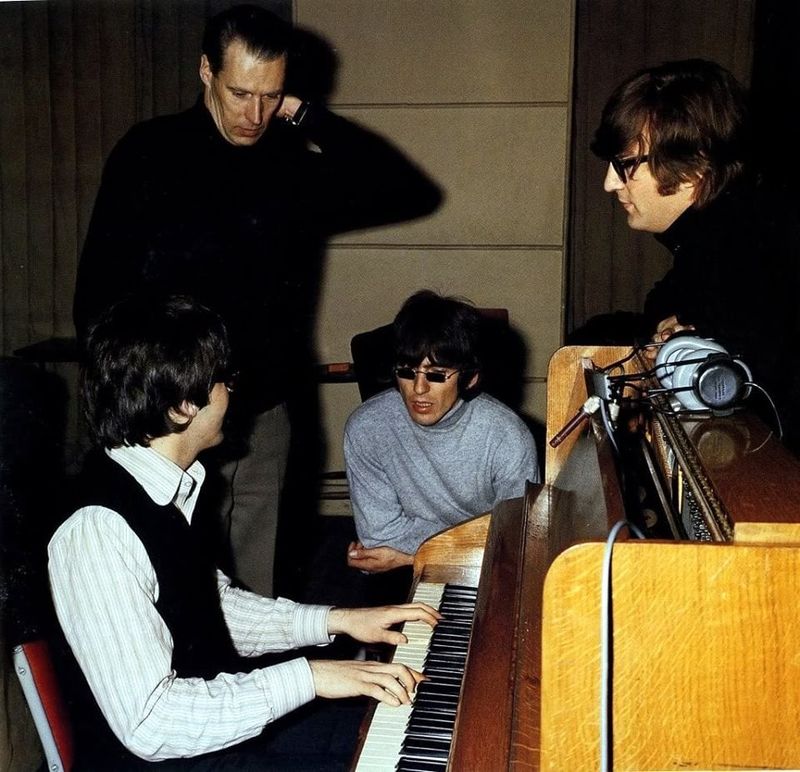
Cold, precise, and heartbreakingly honest, this McCartney composition from “Revolver” describes the quiet end of a relationship with almost clinical clarity. There are no dramatic outbursts, just a steady ache that builds through each verse.
The French horn solo, played by session musician Alan Civil, adds a layer of formal beauty that makes the sadness feel even more final. Many musicians and critics have called it a perfect song, and it’s hard to argue once you’ve really sat with it.
13. Got to Get You Into My Life (1966)
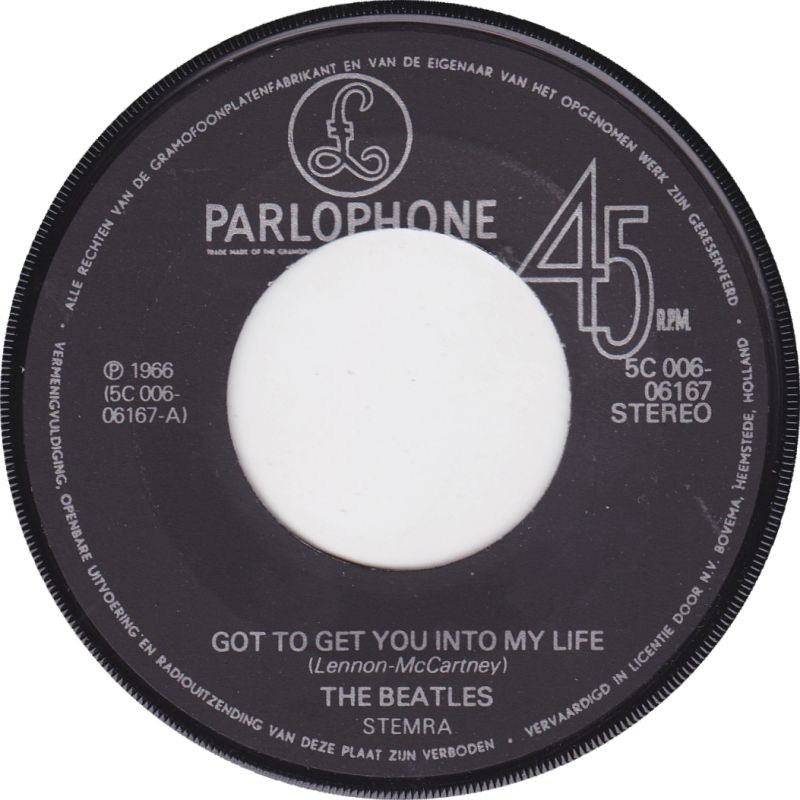
On the surface this sounds like a straight-up love song, but McCartney later revealed it was actually written as an enthusiastic tribute to marijuana. That backstory adds an amusing layer to a song already bursting with joyful energy.
The horn section drives the track with a Motown-influenced swagger that still sounds fantastic today. Earth, Wind and Fire covered it in 1978, turning it into a massive hit all over again, which proves the song’s infectious power crosses every era.
14. It’s All Too Much (1967)
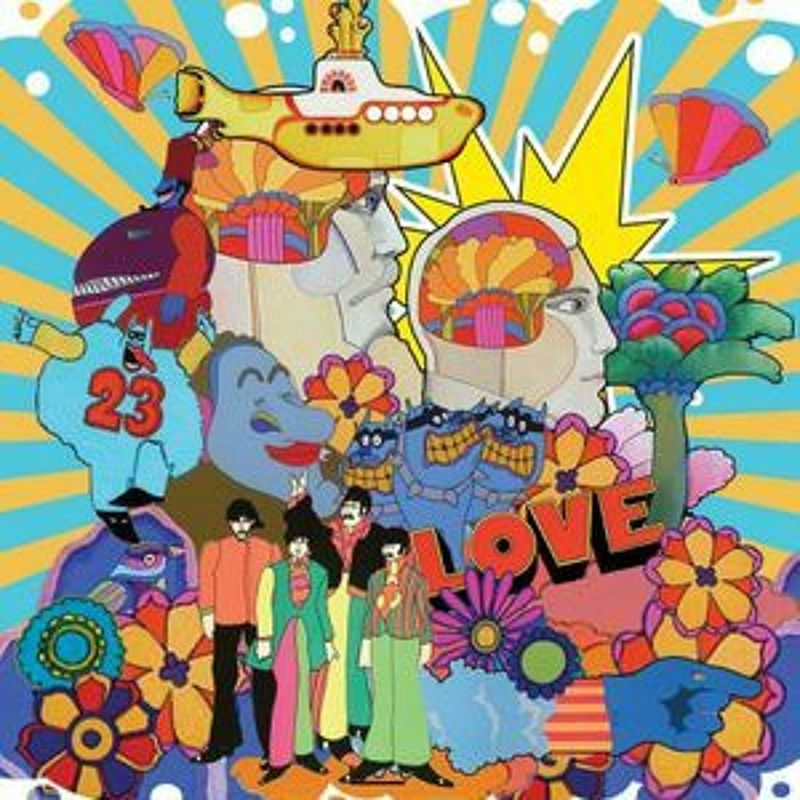
Clocking in at over six minutes in its original form, this George Harrison track from the “Yellow Submarine” soundtrack is a sprawling, joyful explosion of psychedelic sound. Recorded shortly after the “Sgt.
Pepper” sessions, it carries all that studio confidence into something wilder and looser.
Harrison wrote it as a meditation on overwhelming love and expanded consciousness. The song doesn’t get played at enough parties, which is a genuine shame because it’s one of the most purely fun recordings the Beatles ever made.
15. Hey Bulldog (1968)
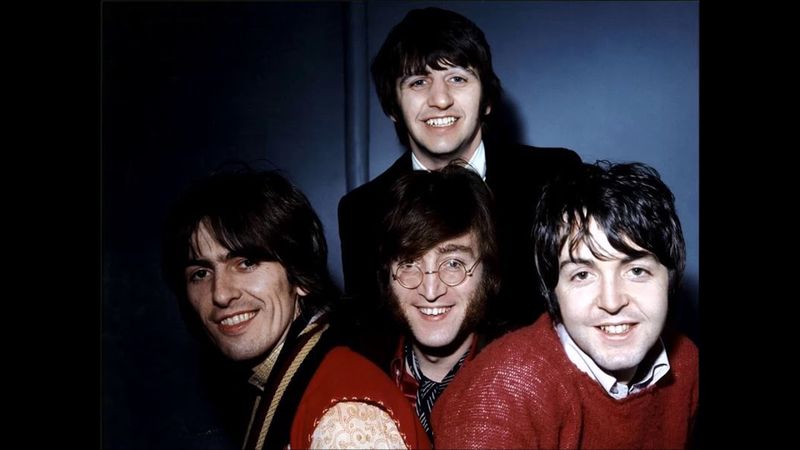
Recorded in a single day while cameras filmed the band for a “Lady Madonna” promotional video, this track has an off-the-cuff looseness that makes it irresistible. John Lennon and Paul McCartney started goofing around at the end of the session, barking and howling, and the band just kept rolling.
Musically it’s one of the heaviest, most blues-driven things the Beatles recorded. The playful energy is infectious, and the piano riff hits hard every single time.
16. Dear Prudence (1968)
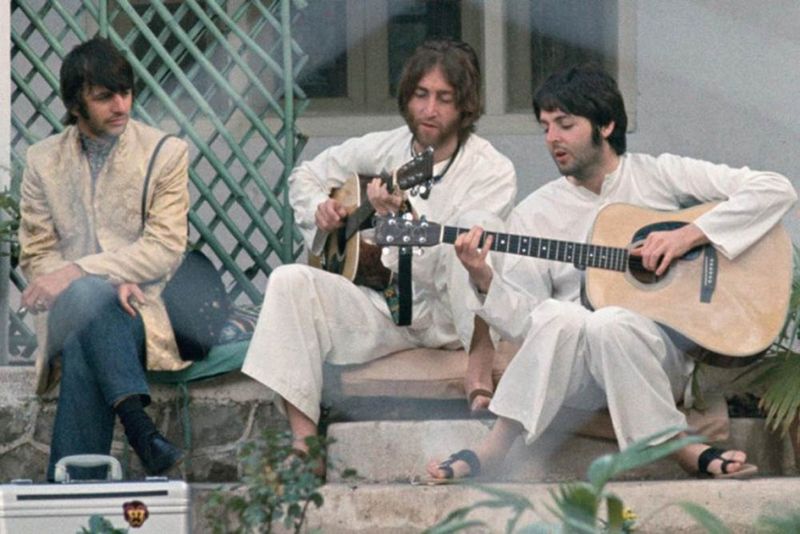
Written in Rishikesh, India, this song was Lennon’s gentle attempt to coax Prudence Farrow outside after she had been meditating in her room for days. That origin story gives the song a warmth and tenderness that comes through in every note.
The fingerpicked acoustic guitar opening is one of the most recognizable sounds in the entire Beatles catalog. As the arrangement builds layer by layer, the song transforms into something almost hypnotic, wrapping the listener in a sense of quiet, hopeful peace.
17. Martha My Dear (1968)
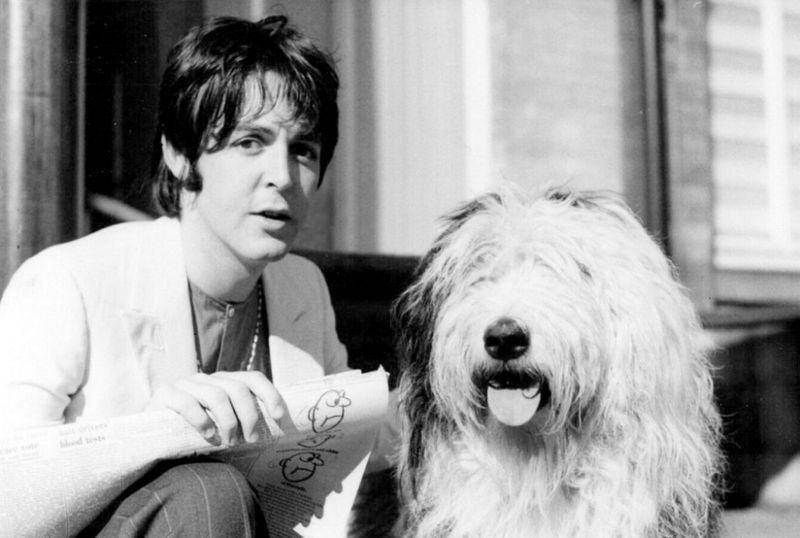
Quirky, bouncy, and genuinely charming, this McCartney piano showcase from “The White Album” is reportedly inspired by his beloved Old English Sheepdog named Martha. Whether you take the dog theory literally or not, the song radiates a kind of warm, goofy affection that’s completely endearing.
The brass and string arrangements give it a music-hall theatricality that McCartney absolutely nails. It’s the kind of song that makes you grin without fully understanding why, which is honestly a rare and wonderful quality.
18. Long, Long, Long (1968)
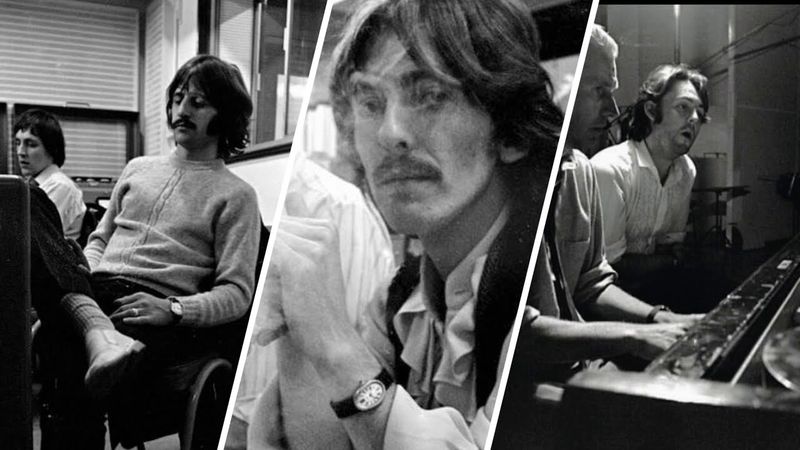
Placed right after the chaotic noise of “Helter Skelter” on “The White Album,” this George Harrison meditation tends to get skipped by casual listeners who aren’t ready for its quiet intensity. That’s their loss, because it’s one of the most spiritually moving things Harrison ever recorded.
The song reportedly drew from his deepening connection to Indian philosophy and his search for meaning beyond fame. Its trembling, fragile arrangement feels genuinely vulnerable, and that honesty is exactly what makes it so unforgettable.