
Most people are too polite to tell you when something you do bothers them. Instead, they smile, nod, and quietly form an opinion they’ll never share out loud.
These unspoken judgments happen faster than you might think, often based on small, everyday habits. Knowing what triggers them can help you make a stronger, more positive impression wherever you go.
1. How You Treat Service Staff

Watch how someone treats a waiter, and you’ll learn more about their character than any conversation could reveal. People around you notice every eye-roll, snappy comment, or dismissive wave directed at servers, cashiers, or delivery drivers.
Kindness in those moments earns silent respect, while entitlement sends an instant red flag. Being warm and patient with people in service roles signals emotional maturity and genuine decency that others quietly admire.
2. Checking Your Phone Mid-Conversation

Glancing at your phone while someone is talking to you sends a loud, silent message: “You are not worth my full attention.” Even a quick peek at a notification can make the other person feel invisible.
Most people won’t call you out on it, but they absolutely notice. Putting your phone face-down or tucking it away entirely shows that you value the person in front of you more than your screen.
3. Constantly Interrupting Others

Interrupting someone while they speak is one of those habits that feels harmless in the moment but leaves a lasting sting. The person being cut off feels dismissed, and onlookers quietly label the interrupter as impatient or self-centered.
Ironically, people who interrupt often think they’re adding energy to a conversation. Practicing the simple discipline of waiting until someone fully finishes their thought shows genuine respect and social intelligence.
4. Chronic Complaining and Negativity

Everyone has tough days, but when complaints become your default setting, people start mentally bracing themselves before spending time with you. Constant negativity drains the energy out of any room or group chat.
Friends and coworkers rarely say anything directly, but they do start finding reasons to keep their distance. Shifting even one complaint per day into a neutral observation or a small gratitude can dramatically change how others experience being around you.
5. Being Chronically Late

Showing up late repeatedly sends a message you probably never intended: that your time matters more than everyone else’s. People may laugh it off the first time, but after a pattern forms, trust quietly erodes.
Punctuality is one of the easiest ways to show respect without saying a single word. Even arriving just five minutes early signals that you take commitments seriously and that the people waiting for you are genuinely worth the effort.
6. Talking Too Loudly in Public

There’s a special kind of social discomfort that fills a room when one person is significantly louder than everyone else. Whether it’s a booming phone call in a quiet cafe or an overpowering laugh in a movie theater lobby, volume matters.
Most people won’t ask you to quiet down, but they will exchange knowing glances. Being aware of your surroundings and adjusting your volume accordingly is a small act of consideration that people genuinely appreciate without ever mentioning it.
7. The Humble Brag

“I’m so exhausted from all these job offers I have to choose between” sounds like a complaint but lands like a boast. Humblebrag phrases are sneaky because the speaker often genuinely doesn’t realize how they come across.
Listeners, however, pick up on it immediately and find it more off-putting than a straightforward brag. Authentic conversation wins every time.
Sharing real struggles and real wins, without the disguise, makes you far more likable and trustworthy to the people around you.
8. Poor Eye Contact During Conversations

Eye contact is one of the most powerful nonverbal tools in human connection, and its absence speaks volumes. When someone looks at the floor, their phone, or anywhere but your face while you talk, it feels dismissive or evasive.
People often interpret poor eye contact as a lack of confidence, disinterest, or even dishonesty, even when none of those things are true. Holding comfortable, natural eye contact during conversations makes others feel seen and respected in a way words alone rarely can.
9. Not Returning Shopping Carts

It’s been called the ultimate test of a person’s character, and for good reason. Returning a shopping cart requires no reward, no supervision, and no consequence for skipping it.
That’s exactly what makes it so revealing.
People who leave carts stranded in parking spaces are quietly judged as selfish or lazy by strangers who witness it. The small inconvenience of walking a cart back signals that you care about shared spaces and the people who come after you.
10. Oversharing Too Quickly

Sharing personal details builds connection, but timing is everything. Unloading deep emotional history, family drama, or intense personal struggles within the first few conversations can make new acquaintances feel trapped or overwhelmed.
Healthy relationships build trust gradually, and jumping several steps ahead can actually push people away instead of drawing them closer. Starting with lighter, shared topics and letting deeper conversations develop naturally creates the kind of genuine bond that actually lasts over time.
11. Giving Unsolicited Advice

When a friend shares a problem, they don’t always want a solution. Sometimes they just need to feel heard.
Jumping straight into fix-it mode, especially without being asked, can make the other person feel lectured instead of supported.
Offering unsolicited advice, even when well-intentioned, often signals that you’re more focused on being helpful than on actually listening. A simple “That sounds really tough, how are you holding up?” goes much further than a five-step action plan they never requested.
12. The Condition of Your Shoes

Shoes are one of the first things people notice, even if they’d never admit it. Scuffed, dirty, or falling-apart footwear creates an instant impression about how much attention you pay to the details of your appearance.
It’s not about owning expensive brands. A clean, well-maintained pair of budget shoes reads far better than neglected designer ones.
People subconsciously connect the care you take with your shoes to the care you bring to everything else in your life.
13. Your Handshake

A handshake lasts about three seconds, but the impression it leaves can linger for hours. A limp grip reads as unconfident or disengaged, while a bone-crushing squeeze can feel aggressive and off-putting.
The ideal handshake is firm, brief, and paired with eye contact and a genuine smile. It sounds like a small thing, but first introductions are full of micro-signals, and a strong, confident handshake is one of the clearest ways to start any relationship on the right note.
14. Overreacting to Small Inconveniences

Spilled coffee, a slow internet connection, a longer-than-expected wait, these small annoyances are part of daily life. But how you react to them tells people a lot about your emotional regulation and self-awareness.
Huffing, eye-rolling, or making dramatic comments over minor setbacks makes others around you tense and uncomfortable. People notice, and they quietly file it away.
Staying calm and flexible when things go sideways is one of the most underrated qualities that makes someone genuinely pleasant to be around.
15. Your Body Odor or Overpowering Scent
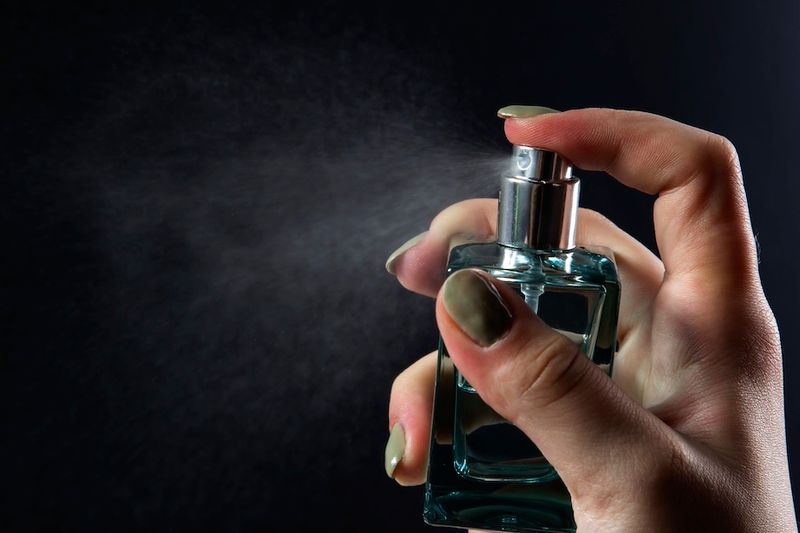
Scent is one of the most powerful and immediate triggers of human judgment. Body odor from skipped showers or worn-out clothes registers instantly, even if no one says a word about it.
On the flip side, drowning in cologne or perfume is just as jarring and can cause headaches or allergic reactions in those nearby. Subtle freshness is always the goal.
A clean, lightly scented presence tells others that you respect both yourself and the personal space of the people around you.
16. The Condition of Your Nails
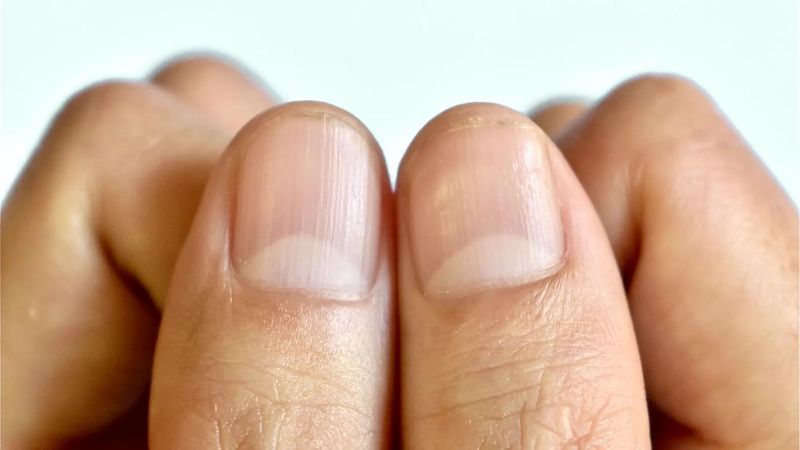
Nails are one of those quiet detail-checkers that people notice without even trying. Bitten, dirty, or extremely neglected nails can trigger an instant impression about your hygiene habits and stress levels.
You don’t need a professional manicure to pass the test. Simply keeping nails clean, trimmed, and free of visible dirt is enough to avoid silent scrutiny.
It’s a two-minute maintenance task that speaks to a broader sense of self-care that others pick up on immediately.
17. Your Walking Pace

Few things are as quietly irritating as getting stuck behind someone who is completely unaware that others are trying to get somewhere. Walking pace, especially in shared spaces, is a subtle social signal most people never think about.
Moving too slowly without awareness of your surroundings can read as inconsiderate, while a brisk, purposeful stride tends to project confidence and focus. Being mindful of the flow of foot traffic around you is a small but meaningful form of everyday social courtesy.
18. Disrespecting Personal Boundaries or Privacy
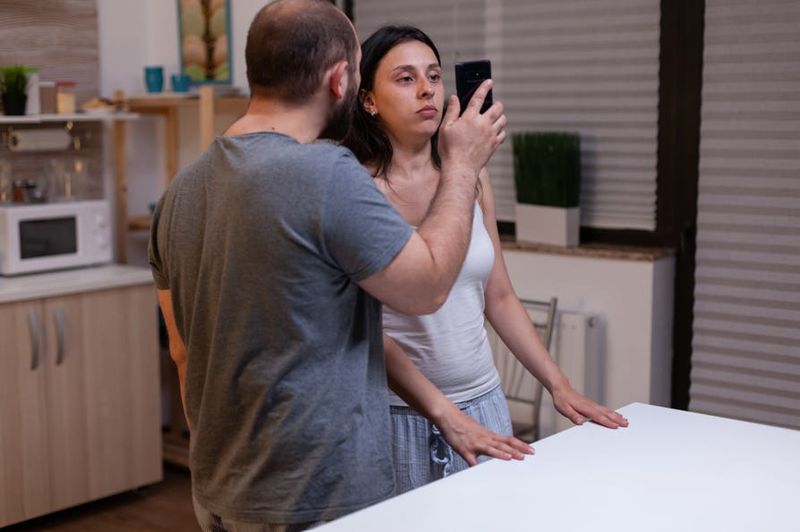
Boundaries are invisible lines, but crossing them leaves a very visible mark on trust. Looking through someone’s phone without asking, reading messages over their shoulder, or prying into personal matters sends a clear signal: your comfort matters more to me than theirs.
People rarely confront boundary violations directly, but they do pull back emotionally. Respecting what someone keeps private, without needing to be told twice, is one of the clearest signs of emotional maturity and genuine respect for the people in your life.
19. Sloppy Digital Communication Habits
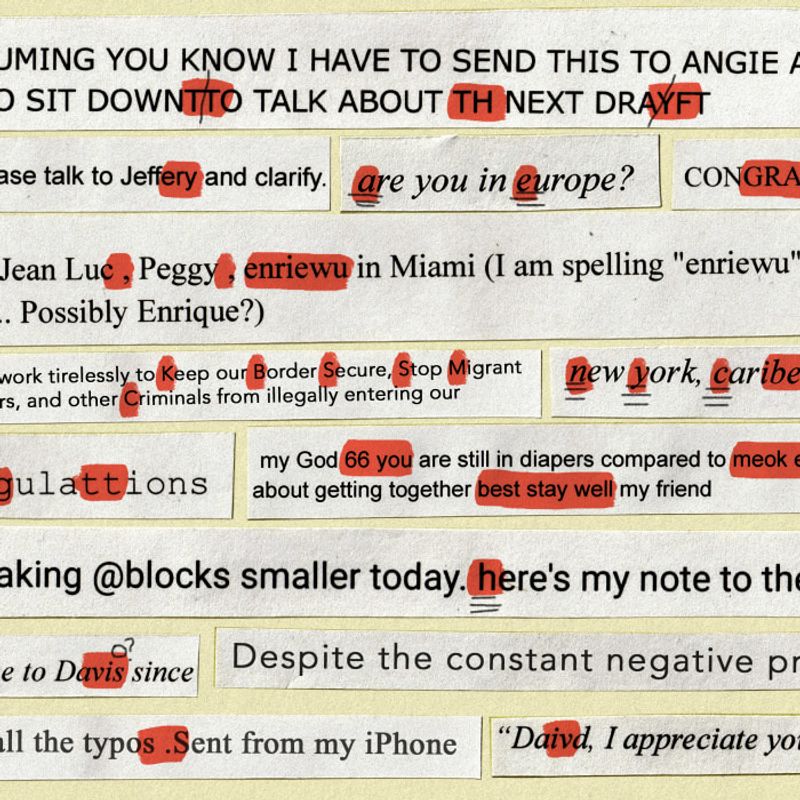
In a world where so much communication happens through screens, the way you write texts and emails says more than you might expect. Constant typos, missing punctuation, and confusing messages can come across as careless or even disrespectful of the reader’s time.
Nobody expects perfect grammar in every casual message, but a pattern of sloppy digital communication quietly shapes how others perceive your professionalism and attention to detail. A quick reread before hitting send is a tiny habit with a surprisingly big impact on how you’re perceived.