
As people age, staying home starts to feel less like a choice and more like the most natural thing in the world. What once seemed like a simple trip to the grocery store can suddenly feel exhausting, overwhelming, or even a little scary.
There are real, understandable reasons why older adults gradually pull back from the outside world. Here are 20 honest explanations that help make sense of this very common experience.
1. Joint Pain and Physical Discomfort Make Every Outing Feel Like a Battle
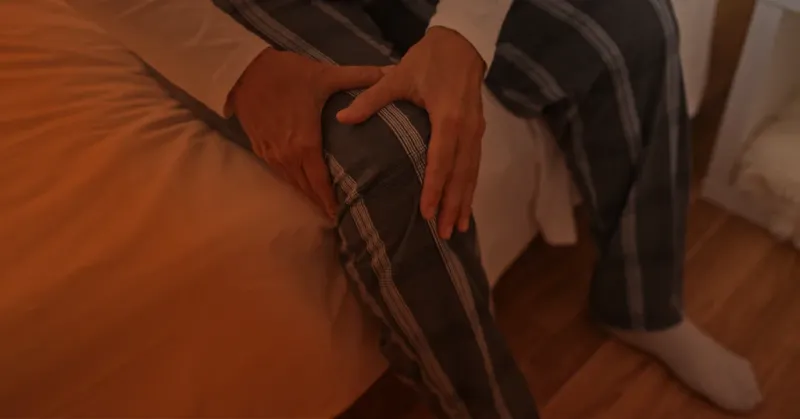
When your knees ache with every step and your back protests the moment you stand up, leaving the house stops feeling like freedom and starts feeling like punishment. Joint pain, stiffness, and general physical discomfort are among the most common reasons older adults choose to stay put.
Even short walks can become exhausting challenges. Staying home simply hurts less, and that trade-off makes complete sense to anyone who has lived with chronic pain day after day.
2. Fear of Falling Keeps Many Seniors Glued to Safe, Familiar Spaces
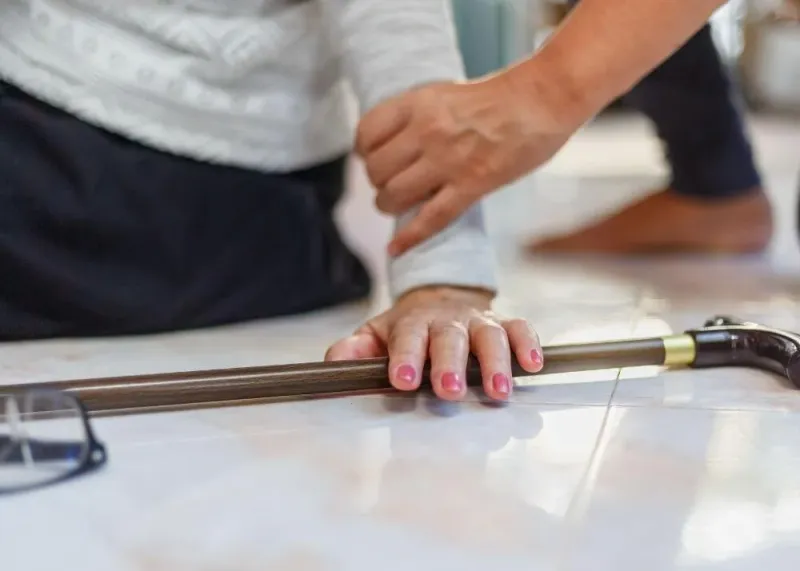
A single bad fall can change everything. For many older adults, the fear of falling is not irrational — it is a very real concern backed by real consequences, including broken bones, hospital stays, and long recoveries.
Even people who have never fallen often limit their outings because of this worry. Staying home feels safer because the environment is familiar and controllable.
Over time, that caution can quietly turn into a habit of rarely going out at all.
3. Chronic Health Conditions Quietly Drain the Energy Needed to Go Out
Managing a serious health condition is a full-time job. Conditions like heart disease, diabetes, respiratory problems, and late-stage Parkinson’s disease can leave older adults feeling drained before the day even begins.
When most of your energy goes toward managing symptoms and taking medications, the idea of getting dressed and heading outdoors can feel impossible. Home becomes a recovery zone, and outings become something saved for only the most necessary occasions.
4. Hearing and Vision Loss Create Embarrassing and Exhausting Social Moments

Imagine sitting at a dinner table and not being able to follow a single conversation. That is the daily reality for many seniors dealing with untreated hearing or vision loss.
Social situations become exhausting when you are constantly straining to hear or see what is happening around you.
The embarrassment of asking people to repeat themselves over and over eventually feels like too much. Staying home removes the stress and lets older adults feel capable and comfortable again.
5. Anxiety and Depression Turn the Outside World Into an Overwhelming Place
Mental health struggles do not disappear with age — they often become more complicated. Anxiety can make ordinary errands feel terrifying, while depression can strip away any motivation to get up and go anywhere at all.
Older adults are frequently undertreated for these conditions, partly because symptoms are dismissed as normal parts of aging. When the outside world feels emotionally overwhelming, home offers predictability and safety.
Unfortunately, that comfort can deepen the cycle of withdrawal over time.
6. Grief and Loss of Loved Ones Make the World Feel Empty and Pointless
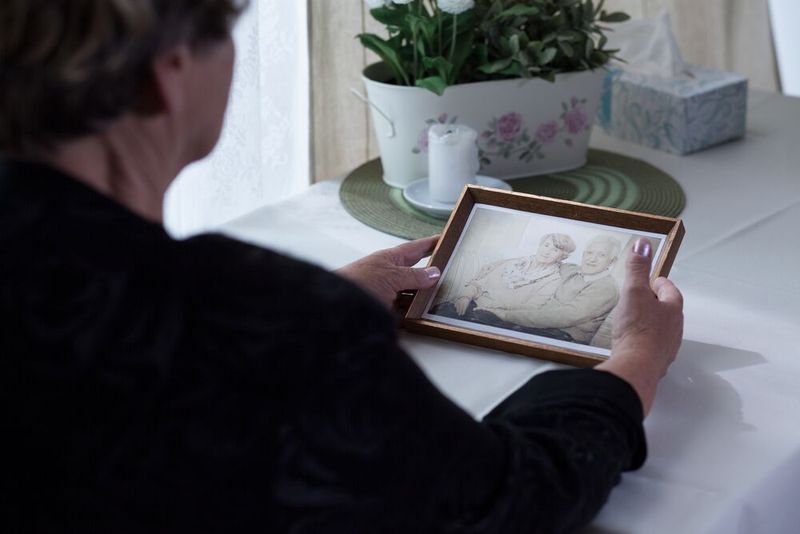
Losing a spouse, a close friend, or a sibling does not just leave an emotional hole — it can completely reshape how a person relates to the outside world. When the people who made outings meaningful are gone, going out can feel hollow and painful.
Grief has a way of making familiar places feel strange and lonely. Many older adults pull inward after significant losses, finding it easier to stay surrounded by memories at home than to face a world that feels unfamiliar without their loved ones.
7. Cognitive Decline and Dementia Make Public Settings Confusing and Scary
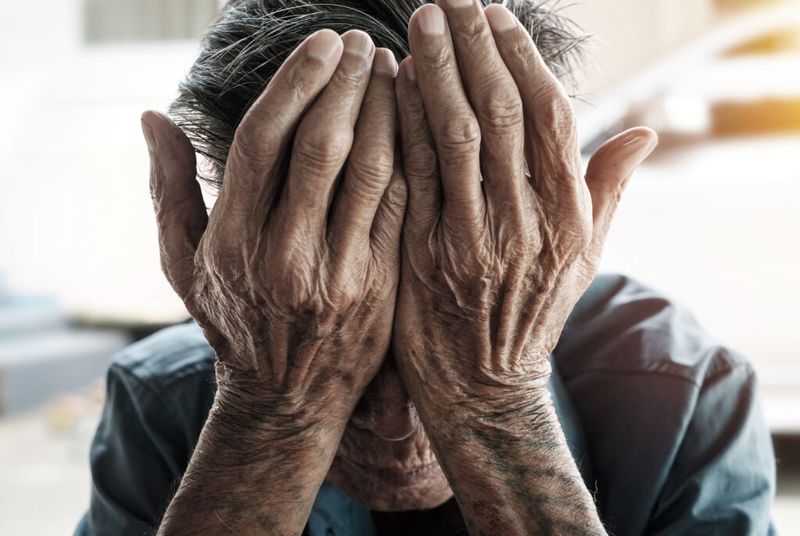
Crowded stores, noisy restaurants, and unfamiliar faces can become genuinely frightening for someone experiencing cognitive decline. Forgetting where you parked, losing track of a conversation, or getting confused about where you are — these experiences can be deeply humiliating.
Many seniors with early dementia withdraw from social settings before others even notice a problem. Home, with its familiar routines and recognizable surroundings, feels manageable.
Venturing out introduces too many unpredictable variables that the mind can no longer handle comfortably.
8. Retirement Removes the Daily Structure That Once Pulled People Outside
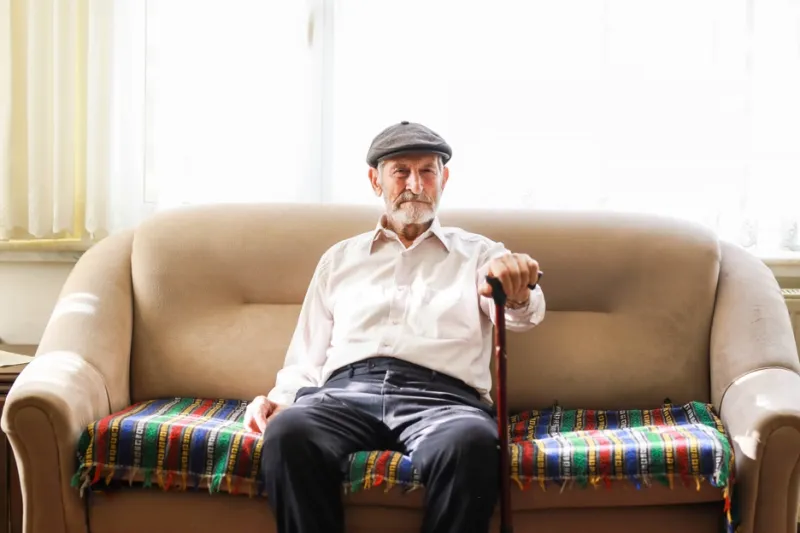
For decades, a job gave daily life a rhythm — a reason to get dressed, leave the house, and interact with others. Retirement pulls that structure away almost overnight.
Without meetings, deadlines, or colleagues to see, many older adults find themselves with no natural reason to step outside.
What starts as enjoying the freedom of staying home can gradually become a default lifestyle. Days blend together, routines shrink, and the habit of going out quietly fades without anyone really noticing it happening.
9. Transportation Challenges Trap Older Adults Inside Their Own Homes
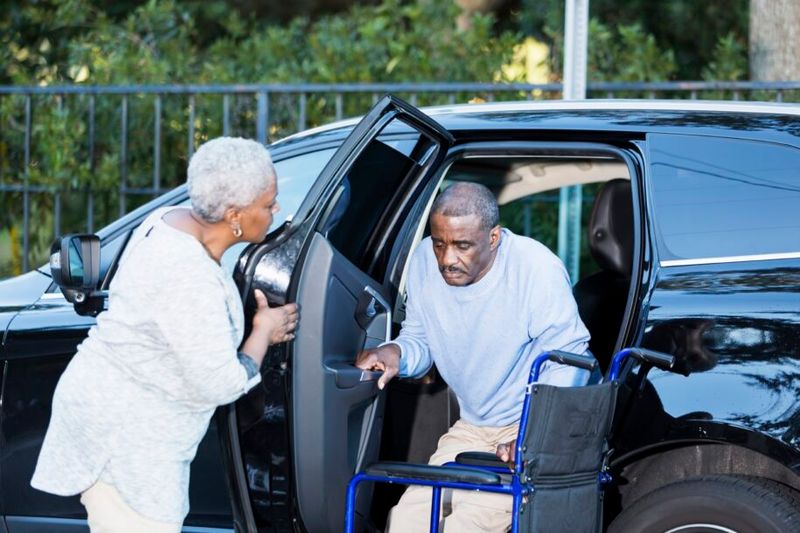
Giving up driving is one of the most difficult transitions an older adult can face. Without a car, the world suddenly becomes much smaller.
Public transportation may be inaccessible, confusing, or simply not available in rural or suburban areas.
Relying on others for rides can feel humiliating, and scheduling around someone else’s availability makes spontaneous outings nearly impossible. Over time, the hassle of getting anywhere becomes a strong enough reason to just stay home and skip the trip altogether.
10. Environmental Barriers in the Neighborhood Make Going Out Genuinely Dangerous
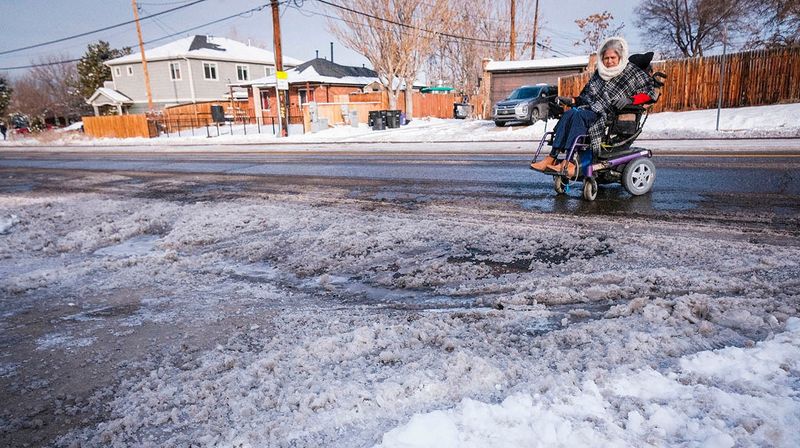
Not every neighborhood is built with aging bodies in mind. Cracked sidewalks, steep hills, lack of benches, and no accessible crosswalks can turn a simple walk around the block into a genuine obstacle course.
For someone with mobility challenges, these barriers are not just inconvenient — they are legitimately dangerous.
When the immediate environment feels hostile or exhausting to navigate, staying inside becomes the logical choice. Many seniors would love to go out more if their surroundings actually supported them in doing so.
11. Financial Constraints Make Outings Feel Like Luxuries They Cannot Afford
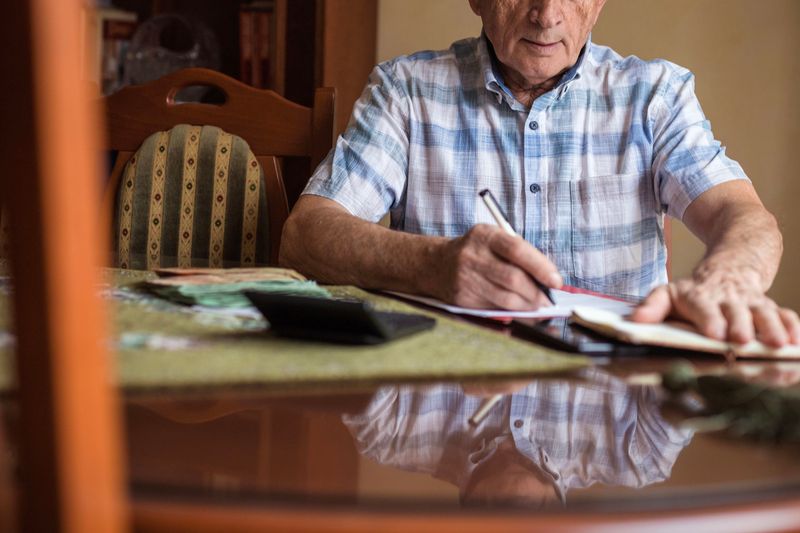
Living on a fixed income changes the math on almost every decision. When money is tight, even a casual lunch out or a trip to a museum starts to feel like an irresponsible splurge.
Financial anxiety quietly shrinks the world for many older adults.
Rather than feel embarrassed about saying no to invitations they cannot afford, many seniors simply stop accepting them. Staying home becomes the default because it costs nothing, and that financial pressure gradually reduces their desire to venture out at all.
12. Living Alone Removes the Natural Motivation to Get Up and Go Places
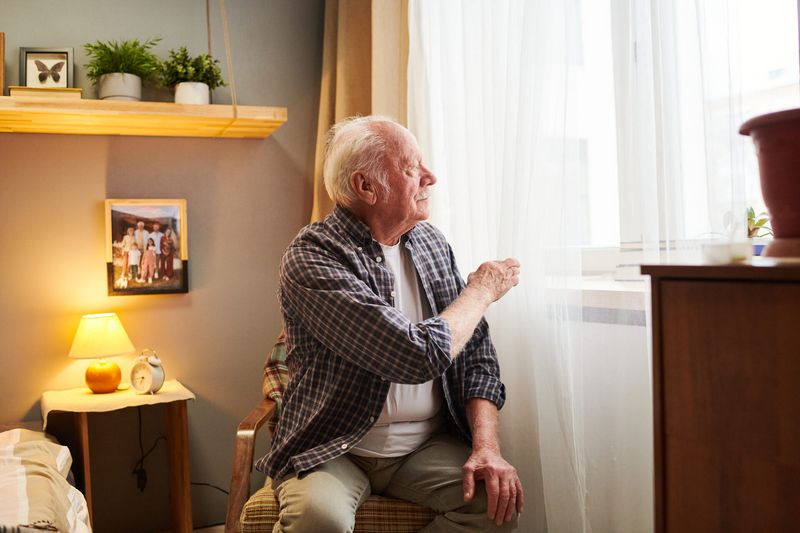
Having a companion makes almost everything more appealing. When there is someone to share a walk, a meal, or an errand with, going out feels worthwhile.
But for seniors who live alone, the motivation to leave the house often has to come entirely from within — and that is harder than it sounds.
Loneliness can become its own kind of inertia. Without someone to encourage them or share experiences with, many older adults find it easier to stay home than to venture out into a world that feels built for pairs and groups.
13. Overprotective Family Members Unintentionally Shrink a Senior’s World
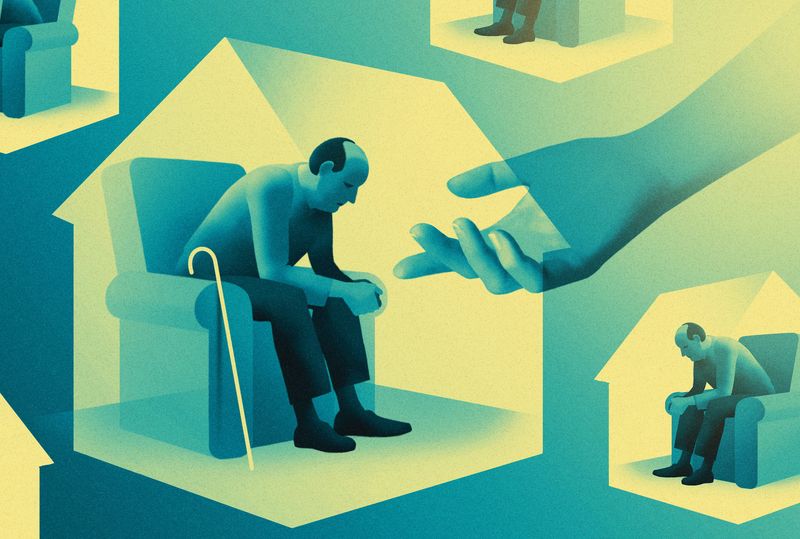
Love and concern can sometimes do more harm than good. When adult children constantly worry about a parent going out alone, driving, or overexerting themselves, they may unintentionally send the message that the world is too dangerous to navigate independently.
Over time, a senior who is constantly told to be careful or to wait for help may simply stop trying. The confidence to go out erodes, and home becomes the only place where they feel trusted to take care of themselves without someone hovering nearby.
14. Loss of Purpose After Caregiving or Retirement Dims the Drive to Engage
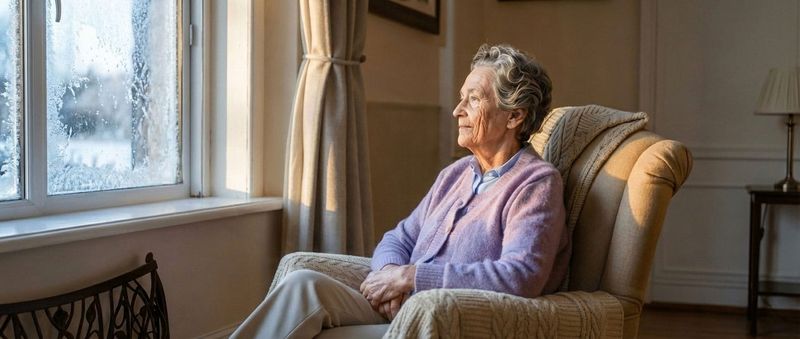
Purpose is a powerful motivator. When someone spends years raising children, building a career, or caring for a loved one, those roles give every day meaning and direction.
When those roles end, the sense of purpose can disappear along with them.
Without a clear reason to get up and go, many older adults simply stop going. Home becomes a retreat from a world where they no longer feel needed or relevant.
Rebuilding a sense of purpose takes real effort and often requires outside support to get started.
15. A Deep Desire to Age in Place Roots Seniors Firmly in Their Homes
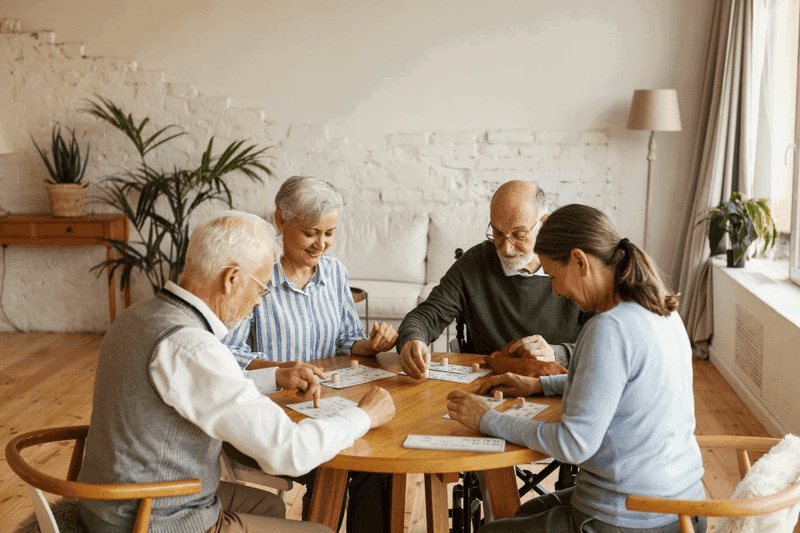
For many older adults, home is not just a building — it is a lifetime of memories, comfort, and identity. The idea of aging in place, staying in the home they love rather than moving to a facility, is deeply meaningful and emotionally important.
This strong attachment to familiar surroundings naturally reduces the appeal of going out. Why leave a place that feels perfectly tailored to your needs and full of personal history?
That emotional bond with home grows stronger with every passing year.
16. Social Anxiety Grows Stronger With Age and Makes Public Spaces Feel Threatening
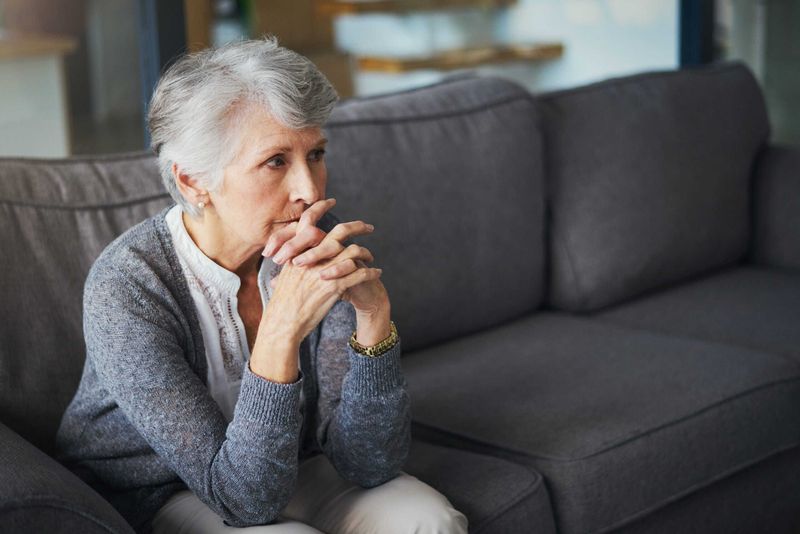
Social anxiety is not just a young person’s problem. For many older adults, the fear of being judged, saying the wrong thing, or simply not fitting in becomes more intense with age.
Public spaces can start to feel like stages where everyone is watching and evaluating.
Rather than risk that discomfort, many seniors gradually reduce their social outings until they stop happening altogether. Home feels like the one place where they can simply be themselves without performing or worrying about how others perceive them.
17. Technology Barriers Leave Many Seniors Feeling Cut Off and Overwhelmed
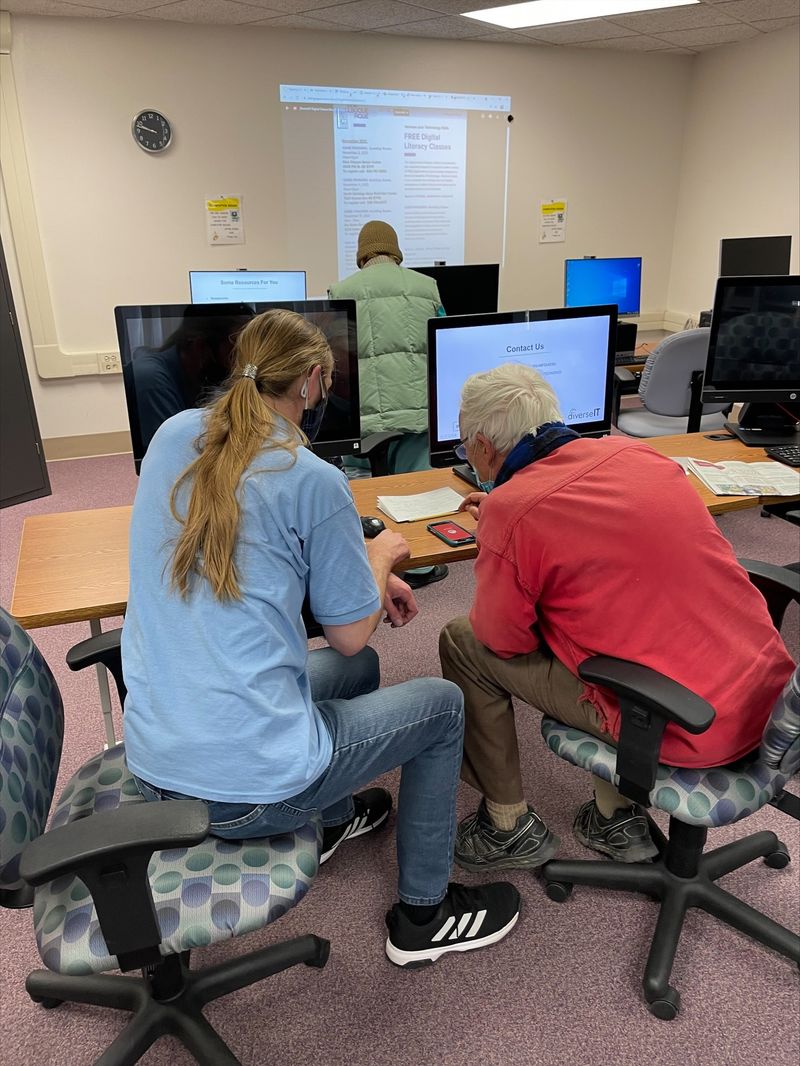
When everyone around you is booking rides on apps, scanning QR codes, and navigating the world through a smartphone, feeling left behind is genuinely disorienting. Many older adults struggle with technology, and that gap can make even basic outings feel complicated and stressful.
Unable to use ride-sharing apps or look up bus schedules online, some seniors simply give up on going out. The digital world was supposed to make life easier, but for those who cannot access it confidently, it can deepen isolation instead.
18. The Stigma Around Loneliness Stops Seniors From Asking for Help Going Out
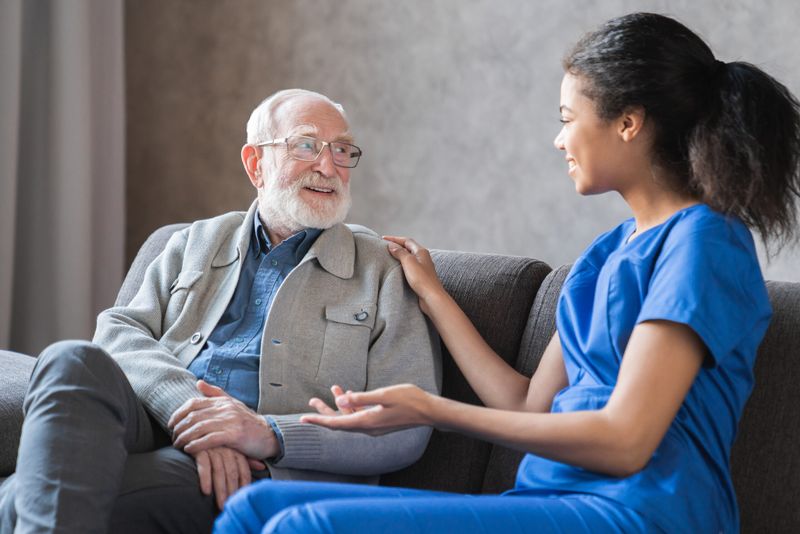
Pride is a powerful thing. Many older adults were raised in a generation where asking for help was seen as weakness, and admitting to loneliness felt like admitting failure.
That mindset does not disappear just because circumstances change with age.
Rather than reach out for support or admit they would love more company, many seniors quietly stay home. The stigma surrounding loneliness keeps them isolated even when connection is exactly what they need.
Breaking that cycle often requires someone else to take the first step toward them.
19. Sensory Overload in Busy Public Spaces Becomes Harder to Tolerate With Age
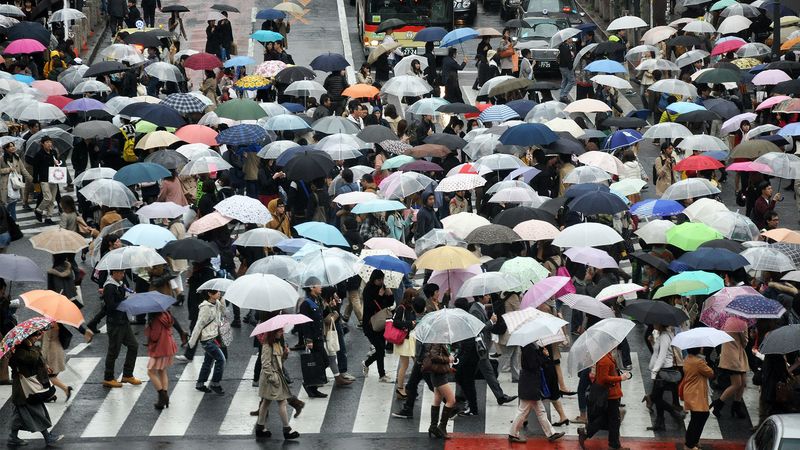
Busy stores, blaring music, flashing screens, and crowds of fast-moving people can feel genuinely overwhelming to an aging nervous system. As people get older, the brain becomes less efficient at filtering out background noise and visual clutter, making stimulating environments feel chaotic rather than energizing.
What once felt like a fun Saturday shopping trip can start to feel like sensory torture. Many seniors avoid these environments not out of laziness but because the physical and mental toll of navigating them has simply become too high.
20. Accumulated Habit and Inertia Make Staying Home the Path of Least Resistance
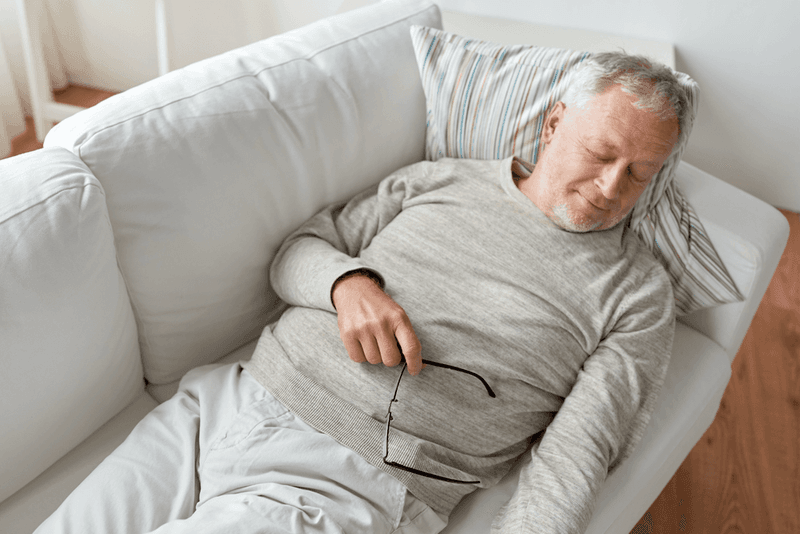
Sometimes there is no single dramatic reason why someone stops going out. It just happens gradually, one skipped outing at a time.
A rainy day turns into a week inside, and before long, staying home has simply become the default setting.
Habits are powerful, and inertia is real. Once the routine of going out fades, restarting it takes conscious effort that can feel daunting.
Many older adults are not unhappy at home — they have just quietly settled into a smaller world without fully realizing it happened.