
Leaving a difficult relationship does not always mean the pain disappears. Sometimes, the emotional wounds run so deep that they quietly shape how a person thinks, feels, and connects with others long after things end.
Relationship trauma is real, and spotting the signs early can make a huge difference in someone’s healing journey. Understanding what to look for helps us support ourselves and the people we care about.
1. Vivid Flashbacks That Feel Uncontrollable

Out of nowhere, a song plays, a smell drifts by, or a familiar phrase pops up, and suddenly the past feels uncomfortably present. Flashbacks after a difficult relationship can feel shockingly real, almost like being pulled back into moments you desperately want to forget.
They are not a sign of weakness. They are the brain’s way of trying to process unresolved pain.
Journaling, grounding exercises, or talking to a counselor can help reduce their grip over time.
2. Distressing Nightmares About the Past

Sleep should feel like a safe escape, but for someone carrying relationship trauma, nightmares can turn rest into another battleground. Dreams about arguments, manipulation, or heartbreaking moments replay in unsettling detail, leaving the person exhausted before the day even starts.
Waking up anxious or tearful from these dreams is more common than people realize. Establishing a calming bedtime routine and limiting stress before sleep can slowly help restore peaceful nights.
3. Intrusive Thoughts That Come Out of Nowhere

Random, unwanted thoughts about a past relationship can hijack focus at the most inconvenient times. Someone might be grocery shopping or laughing with friends when a memory suddenly floods in, pulling their attention away from the present moment entirely.
Intrusive thoughts are a hallmark sign of unprocessed trauma. They are not a choice, and they do not mean a person still wants to be in that relationship.
Therapy, mindfulness, and patience all play key roles in managing them.
4. Extreme Emotional Reactions to Reminders

Hearing an ex’s name or passing a once-shared restaurant can trigger a wave of panic, sadness, or even rage that feels completely disproportionate to the moment. For people healing from relationship trauma, these emotional spikes are not overreactions.
They are the nervous system doing exactly what it learned to do in survival mode.
Recognizing these triggers is actually a powerful first step. Over time, with support, those intense responses can become much more manageable and less overwhelming.
5. Actively Avoiding Reminders of the Relationship

Steering clear of certain songs, streets, restaurants, or even mutual friends is a very natural trauma response. When something reminds you of pain you have not fully worked through, avoidance feels like the safest option available.
While avoidance offers short-term relief, it can quietly shrink a person’s world over time. Gradually facing small reminders, ideally with professional support, helps rebuild confidence and reduces the power those memories hold.
Healing asks for courage, but it is absolutely worth pursuing.
6. Emotional Shutdown During Conflict

When past relationships involved explosive arguments or emotional manipulation, the brain learns to shut down as a form of self-protection. Going silent, dissociating, or emotionally checking out during disagreements is not stubbornness.
It is a deeply wired survival response.
Partners in new relationships may find this confusing or hurtful, not realizing there is a history behind it. Open communication and working with a therapist can help someone slowly relearn that conflict does not always have to feel dangerous.
7. Constant Hypervigilance and Being On Edge
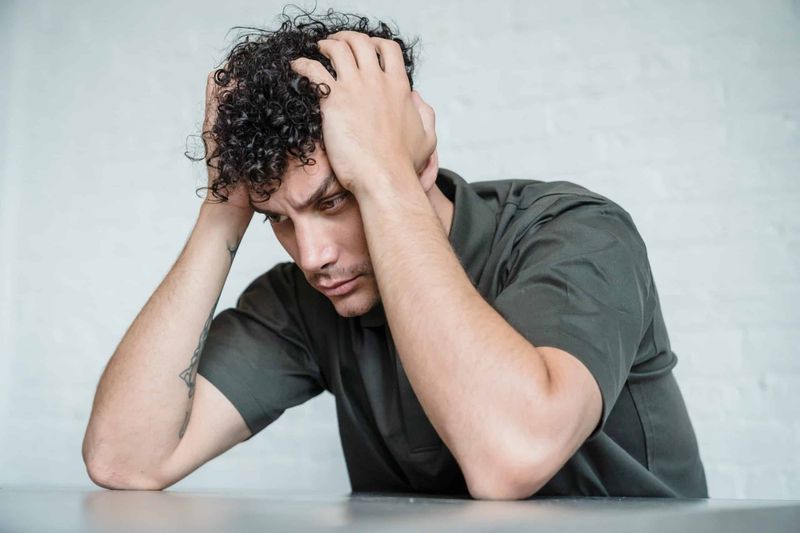
Living in a state of constant alertness is exhausting in a way that is hard to describe. Someone with relationship trauma may scan rooms for threats, overanalyze a partner’s tone of voice, or brace for disaster even when everything seems perfectly fine.
This hypervigilance once served a real purpose: keeping them safe. But when it continues long after the danger is gone, it drains energy and makes relaxation nearly impossible.
Therapy, particularly trauma-focused approaches, can teach the nervous system to settle again.
8. Being Easily Startled by Small Things
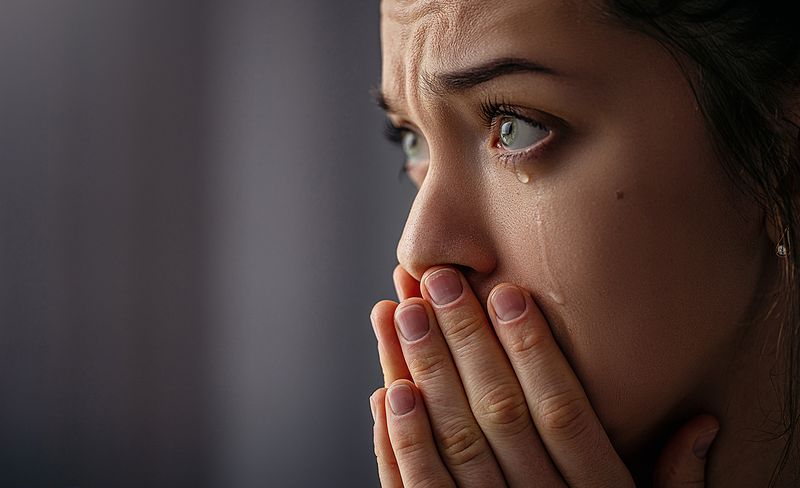
Jumping at a door slamming or flinching when someone walks up unexpectedly might seem like small quirks, but they can signal a nervous system stuck in high alert. After a difficult relationship, the body sometimes stays primed for danger long after the threat is gone.
An exaggerated startle response is one of the more physical signs of trauma that people often overlook or laugh off. It deserves to be taken seriously.
Relaxation techniques and somatic therapy can make a meaningful difference.
9. Persistent Trouble Falling or Staying Asleep

Trauma has a sneaky way of showing up right when the lights go off. Racing thoughts, anxiety, and a body that refuses to relax can make falling asleep feel like a nightly struggle.
Staying asleep is often just as difficult, with the mind snapping back to wakefulness at the smallest sound.
Chronic sleep problems are both a symptom and a worsening factor for trauma. Addressing the underlying emotional wounds, rather than just the sleeplessness itself, tends to bring the most lasting relief.
10. Struggling to Concentrate on Daily Tasks

When the mind is carrying unprocessed trauma, focusing on work, school, or even simple conversations can feel like pushing through thick fog. Thoughts wander, tasks pile up, and a once-sharp person may suddenly feel scatterbrained and frustrated with themselves.
Difficulty concentrating is often misunderstood as laziness or lack of motivation, but it is frequently rooted in emotional overwhelm. Giving the brain space to heal through therapy, rest, and reduced pressure can gradually restore the ability to focus with clarity.
11. Heightened Irritability and Emotional Outbursts

Small frustrations that would normally roll off the shoulders can suddenly feel unbearable for someone living with relationship trauma. Snapping at loved ones, crying unexpectedly, or feeling rage bubble up without much warning are all signs that the emotional system is overloaded.
People experiencing this often feel guilty afterward, wondering why they cannot seem to keep it together. The truth is their nervous system is working overtime.
Learning emotional regulation skills alongside trauma-focused support can bring real, lasting stability back into daily life.
12. Persistent Negative Beliefs About Yourself
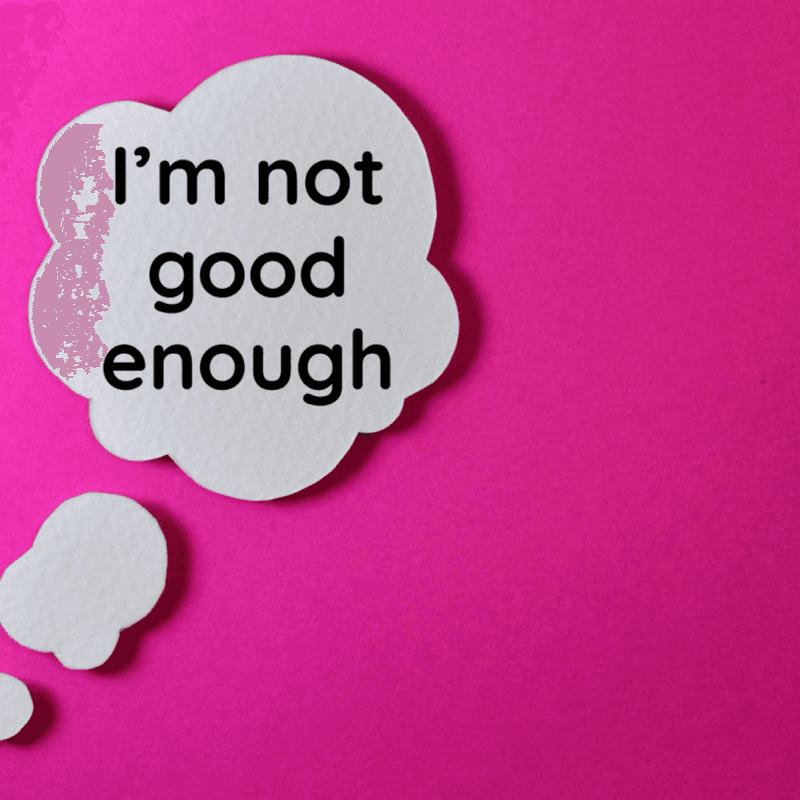
“I am not good enough.” “Nobody will ever truly love me.” These kinds of thoughts can take root after a relationship that was critical, dismissive, or emotionally damaging. Over time, they start to feel like facts rather than wounds.
Negative self-beliefs are one of the quieter but more damaging signs of relationship trauma. They influence every decision, every new connection, and every moment of vulnerability.
Challenging these thoughts with the help of a therapist can slowly rebuild a healthier, more accurate sense of self.
13. Deep Difficulty Trusting New People

Trust, once broken in a significant relationship, does not just bounce back on its own. Someone who was betrayed, manipulated, or let down repeatedly may find themselves second-guessing the intentions of nearly everyone they meet, even people who have given them no reason for doubt.
Building trust again takes time, and rushing it rarely helps. Recognizing that guardedness is a protective response, not a personality flaw, is an important early step.
Slowly allowing safe people in, at a comfortable pace, is the way forward.
14. Feeling Emotionally Numb or Detached

Sometimes trauma does not show up as overwhelming emotion. Instead, it looks like feeling nothing at all.
A strange flatness settles in, where joy, excitement, and warmth seem just out of reach, even during moments that should feel meaningful.
Emotional numbness is the mind’s way of protecting itself from more pain. While it can feel like relief at first, it often leads to loneliness and disconnection from life.
Gentle, consistent therapeutic work can help someone gradually reconnect with their full emotional range.
15. Overwhelming Shame, Guilt, or Self-Blame
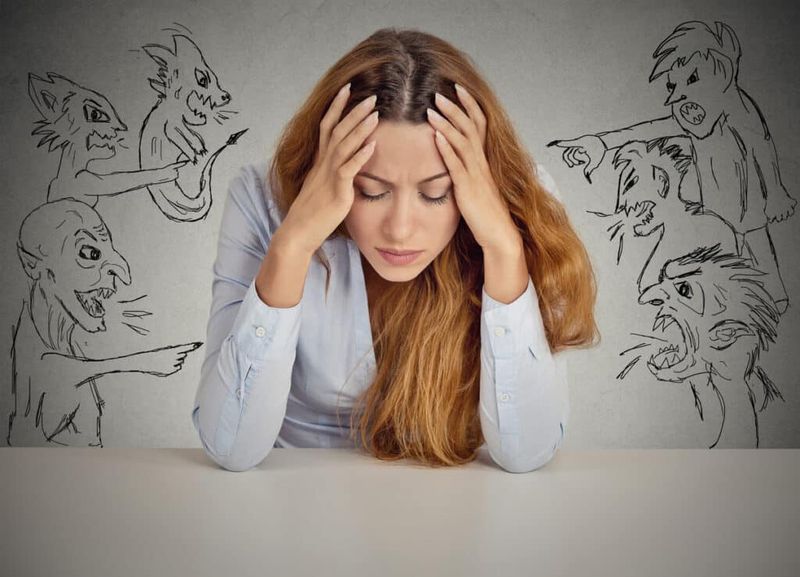
“Maybe if I had just been better, things would have turned out differently.” Survivors of difficult relationships often carry enormous amounts of shame and self-blame that were never truly theirs to carry. Abusive or toxic partners are skilled at shifting responsibility, and those messages can linger long after the relationship ends.
Releasing shame is one of the hardest parts of healing, but also one of the most freeing. Therapy and supportive communities remind survivors that they deserved better from the very start.
16. A Weakened Sense of Personal Identity

Spending a long time in a controlling or emotionally draining relationship can quietly erode who a person is. Preferences, passions, and values get buried under the weight of constantly managing someone else’s moods or needs.
Eventually, a person may look inward and struggle to recognize themselves.
Rediscovering identity after this kind of loss is a real and valid part of healing. Reconnecting with old hobbies, spending time with supportive people, and exploring personal values helps piece that sense of self back together, one step at a time.
17. Jumping Into a New Relationship Too Quickly

After a painful relationship ends, the loneliness can feel unbearable. Some people rush into a new relationship not because they are ready, but because being alone forces them to sit with emotions they are not yet equipped to face.
It feels easier to fill the void than to feel it.
Jumping in too fast often means unresolved trauma gets carried straight into the next relationship. Taking time to heal independently, even when it is uncomfortable, dramatically increases the chances of building something genuinely healthy next time.
18. Physical Symptoms Like Fatigue, Headaches, or Stomach Issues

Trauma does not stay neatly tucked inside the mind. It lives in the body too.
Chronic fatigue, tension headaches, upset stomachs, and even heart palpitations can all be the body’s way of expressing emotional pain it has not had the chance to fully release.
Many people spend years treating physical symptoms without ever connecting them to emotional trauma. If persistent physical complaints show up alongside relationship stress, addressing the emotional root cause alongside medical care can bring significant, surprising relief to the whole body.