
The 1970s were a time of big change, but plenty of old-fashioned rules still had a tight grip on women’s lives. Society had very specific ideas about how women should look, act, work, and even think.
Many of those expectations feel almost unrecognizable today, and for good reason. Looking back helps us understand just how far things have come and why it still matters to keep pushing forward.
1. Marry Young or Be Considered a Failure

Back in the 1970s, if a woman wasn’t married by her mid-twenties, people started whispering. Being single past a certain age was treated almost like a personal flaw, something to be fixed rather than respected.
Today, women are getting married later, building careers first, or simply choosing not to marry at all. None of those paths are considered failures anymore.
Personal timelines look very different now, and that shift has been a long time coming.
2. Quit Your Job Once You Got Married
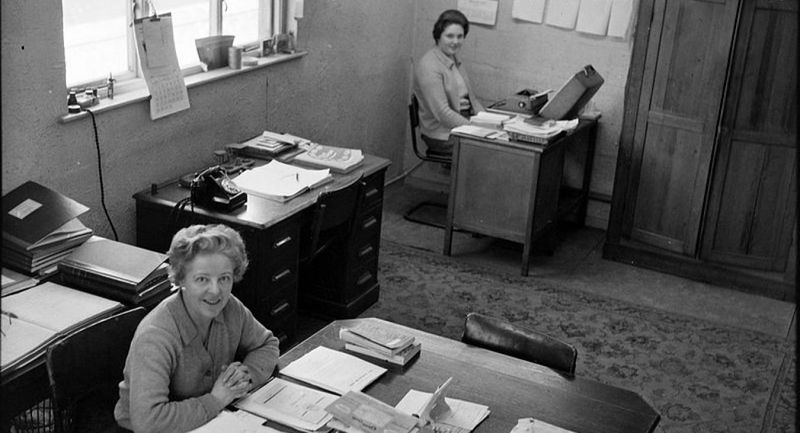
Many employers in the 1970s actually expected women to leave their jobs after getting married. The idea was that a husband would take care of finances, so a working wife seemed unnecessary or even inappropriate.
Some companies had formal policies pushing women out after marriage. That kind of rule sounds shocking today, when dual-income households are the norm and women lead major corporations.
Careers and marriage are no longer seen as an either-or choice.
3. Keep the House Spotless at All Times
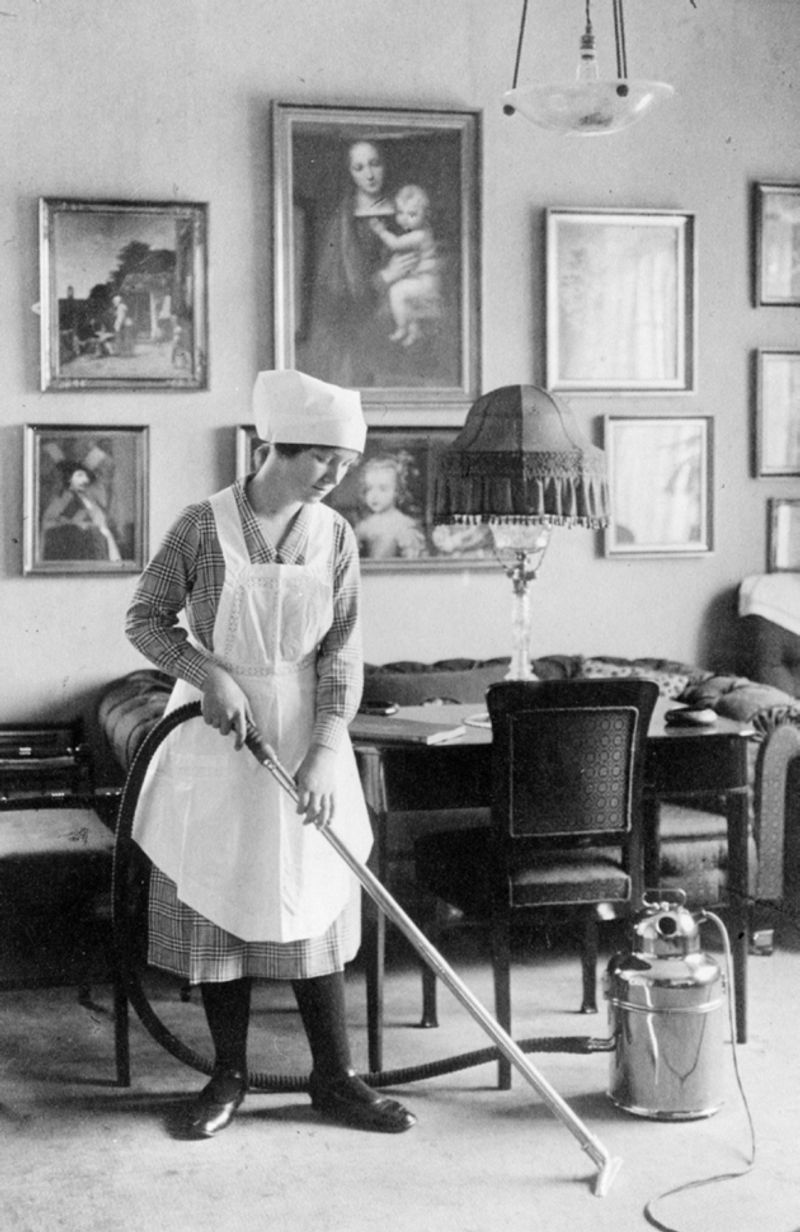
A clean home was once considered a direct reflection of a woman’s worth. If the floors weren’t sparkling or the dishes weren’t done, it was her failure, not a shared household responsibility.
Chore charts and shared duties are much more common today, and plenty of research backs up why that matters for healthier relationships. Nobody’s value as a person is measured by how shiny their countertops are anymore, thankfully.
4. Have Dinner Ready When Your Husband Got Home
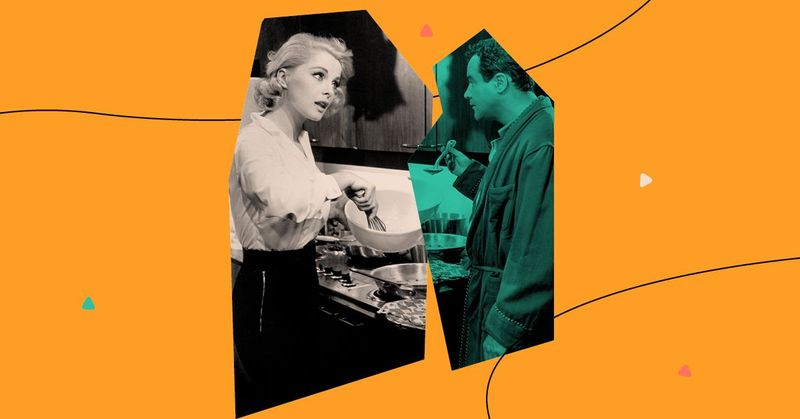
Cooking a hot meal every single evening was practically a written rule for married women in the 70s. Magazine articles and even homemaking guides spelled it out plainly: dinner should be ready and waiting.
Today, meal planning looks completely different. Takeout, meal kits, and cooking as a shared activity are all totally normal.
The idea that one person, specifically the wife, must always cook feels pretty out of step with modern life.
5. Dress to Please Others, Not Yourself
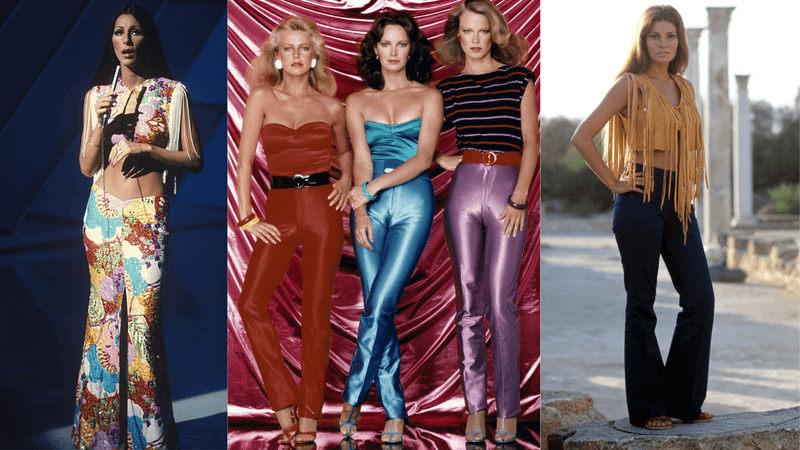
Women’s clothing choices in the 70s were often guided by what men, neighbors, or society approved of rather than personal style. Hemlines, necklines, and colors were all up for public debate and criticism.
Fashion today celebrates individuality in a way that would have seemed radical decades ago. Women wear what makes them feel confident and comfortable, from power suits to sneakers, without needing a social approval stamp on every outfit choice.
6. Smile Constantly to Appear Pleasant
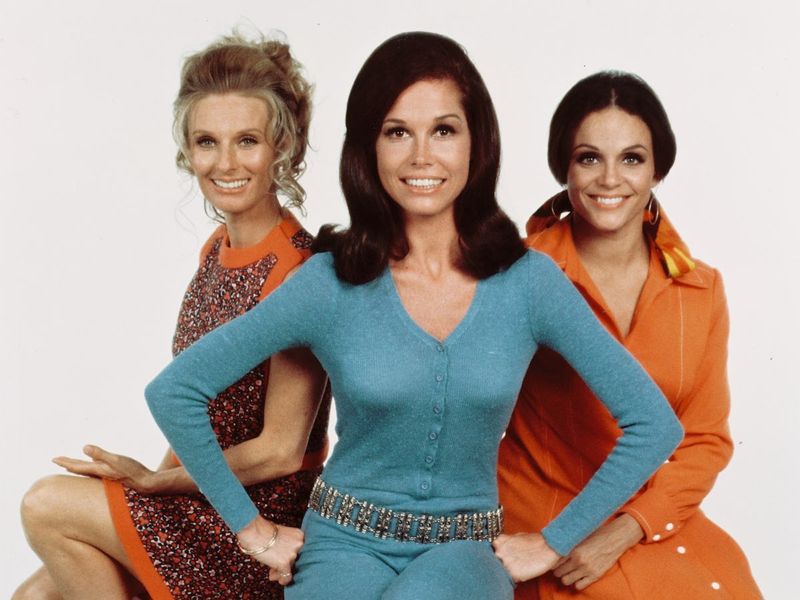
“You’d look so much prettier if you smiled” was practically a standard phrase in the 1970s. Women were expected to look cheerful and agreeable at all times, regardless of how they actually felt.
Calling out that kind of pressure has become far more common now, and people recognize it as dismissive rather than kind. Authentic expression matters more than performing happiness for someone else’s comfort, and that is a genuinely healthy shift.
7. Avoid Talking About Money or Finances
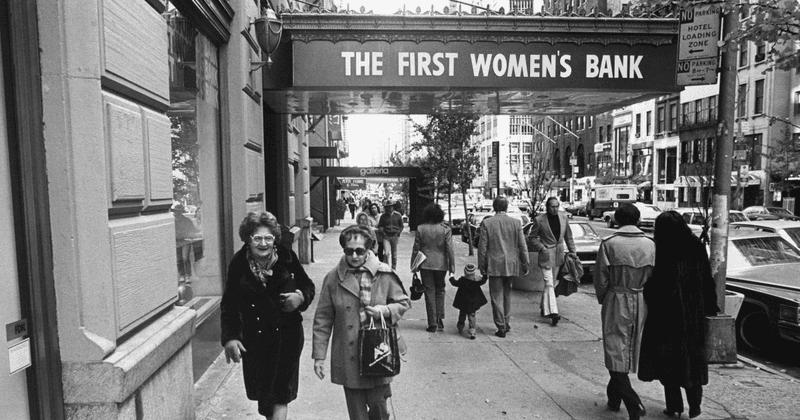
Financial conversations were largely considered a man’s territory in the 70s. Women were often kept out of budget discussions, investment decisions, and even their own household finances in surprising ways.
Women couldn’t even get a credit card in their own name without a husband’s signature until the Equal Credit Opportunity Act passed in 1974. Financial literacy and independence are celebrated today, which makes that history feel both distant and important to remember.
8. Pursue Only “Feminine” Career Paths
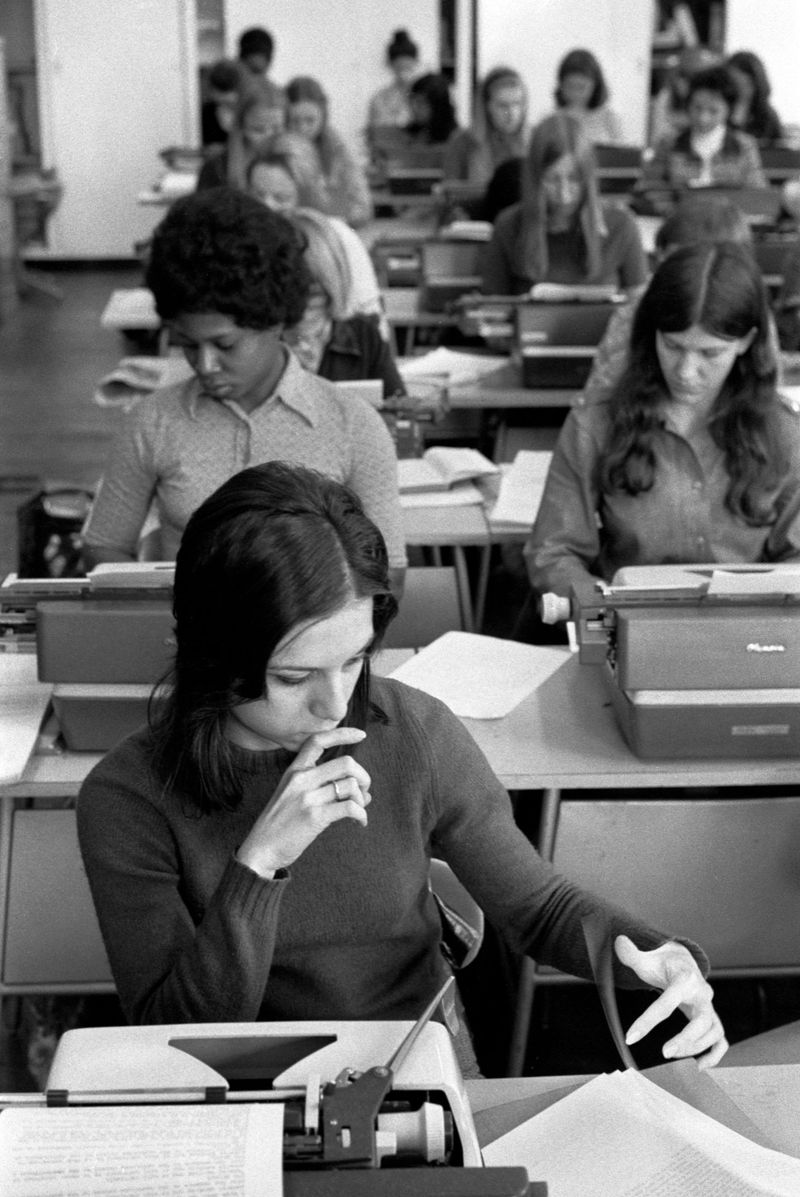
Career counselors in the 70s routinely steered girls toward nursing, teaching, or secretarial work. Ambitions in law, medicine, or engineering were often discouraged or met with raised eyebrows and skepticism.
Women now make up roughly half of medical school students in the United States, a statistic that would have seemed unthinkable to many in 1975. Choosing a career based on passion and skill rather than gender is something younger generations take for granted, and rightly so.
9. Defer to Your Husband’s Opinions in Public

Speaking your mind as a woman in public spaces during the 70s could easily get you labeled as aggressive or difficult. Deferring to a husband’s opinion was considered polite, even expected, in social and professional settings.
Today, women lead countries, companies, and communities with their voices front and center. The idea of staying quiet out of social obligation feels genuinely foreign to younger generations who grew up watching women speak with authority.
10. Have Children Because That’s Just What You Do
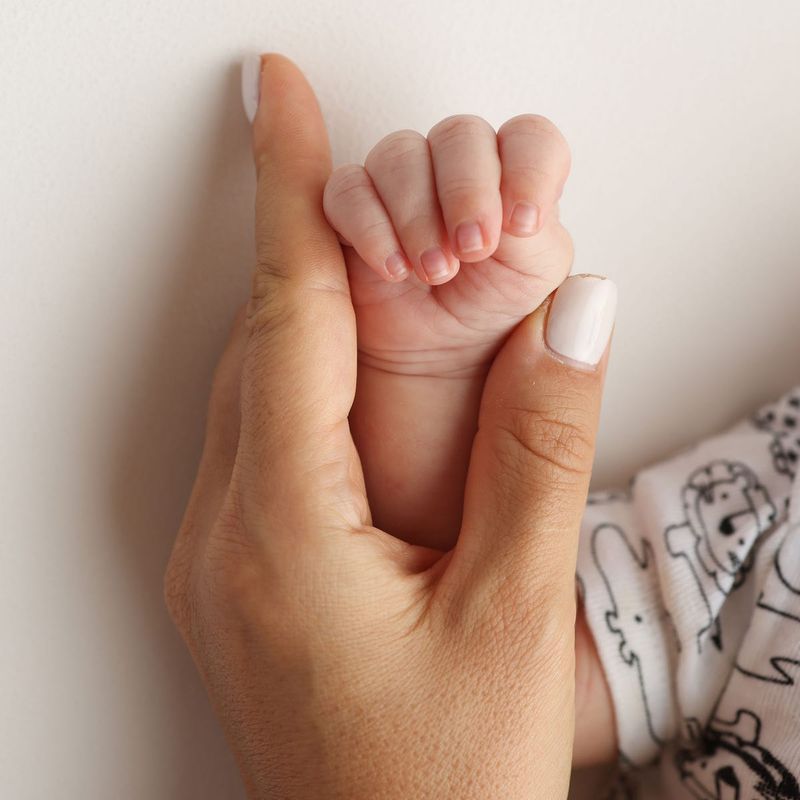
Choosing not to have children in the 1970s was treated as something close to a character flaw, especially for married women. The pressure from family, neighbors, and even doctors was constant and often very blunt.
Childless by choice is a recognized and respected lifestyle today, with growing communities of people who simply prefer a different path. Reproductive choices are increasingly understood as deeply personal, not public property for debate at every holiday dinner.
11. Never Outshine Your Partner
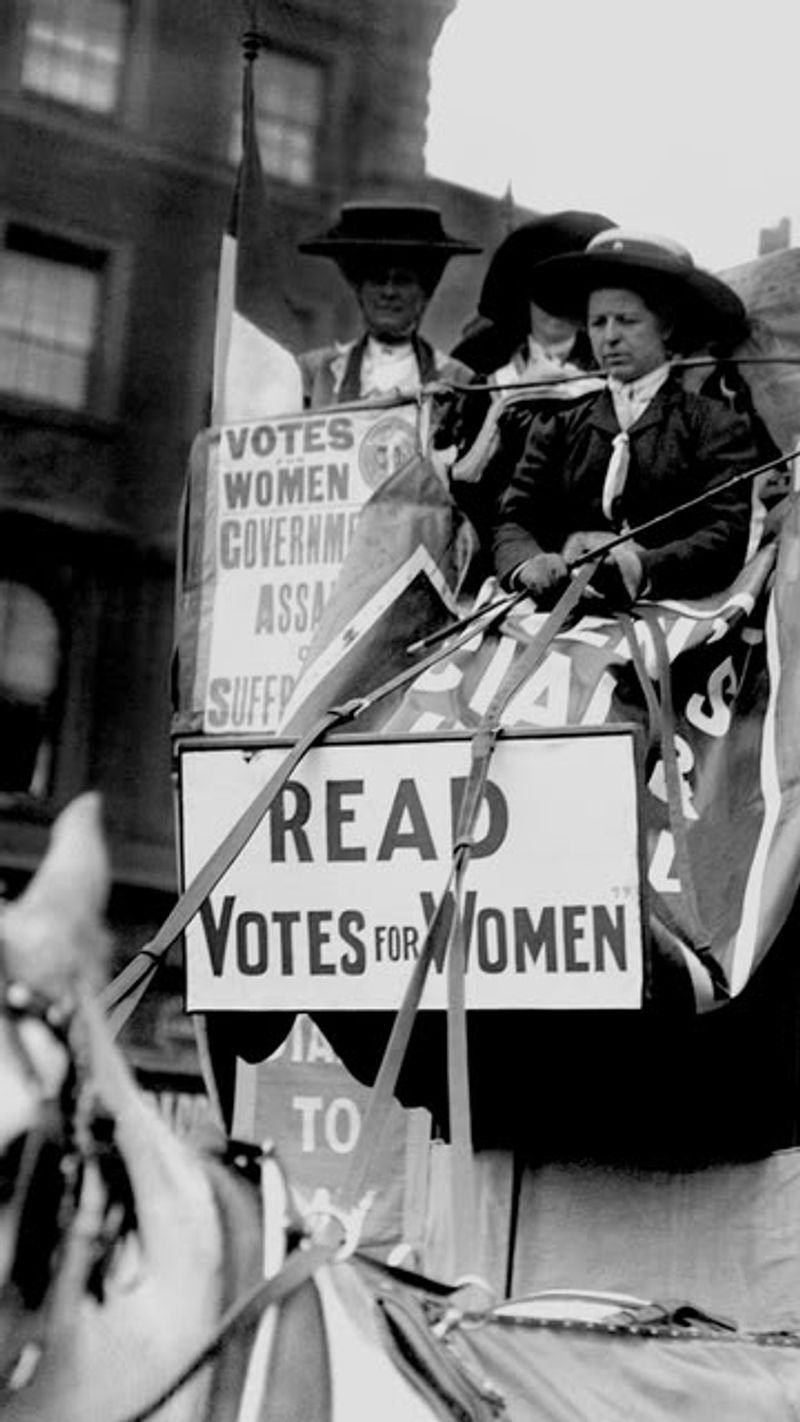
There was a very real social rule in the 70s that a woman should never make her husband feel overshadowed by her success. Downplaying achievements was almost a social survival skill for ambitious women at the time.
Power couples who celebrate each other’s wins openly are practically a cultural ideal now. Mutual support in relationships is talked about constantly in modern conversations about healthy partnerships, which is a refreshing change from shrinking yourself to fit a smaller box.
12. Look Put-Together Every Single Day

Going to the grocery store without makeup or wearing casual clothes outside the house was once considered borderline scandalous for women. Appearance maintenance was treated as a daily obligation, not a personal choice.
Sweatpants at the school pickup line and bare faces at the coffee shop are completely unremarkable today. Comfort has earned its rightful place alongside style, and the idea that women owe the public a polished appearance every day has lost a lot of its grip.
13. Agree With the Doctor Without Question

Medical paternalism was especially pronounced toward women in the 70s. Doctors frequently dismissed female patients’ concerns, and questioning a physician’s opinion was considered rude or even hysterical.
Patient advocacy is now a recognized and encouraged practice, with women being told to speak up, ask questions, and seek second opinions freely. The shift toward informed consent and collaborative healthcare has genuinely changed the experience of being a female patient in ways that matter.
14. Apologize Constantly to Avoid Conflict

Over-apologizing was practically a social script for women in the 70s. Saying sorry kept the peace, avoided being labeled difficult, and signaled the kind of softness that was considered appropriately feminine at the time.
Coaching women to stop unnecessary apologizing has become a whole conversation in modern professional and personal development spaces. Assertiveness is now understood as a strength rather than a threat, and that reframing has made a real difference for many women navigating workplaces and relationships.
15. Keep Your Weight Within a Very Narrow Range
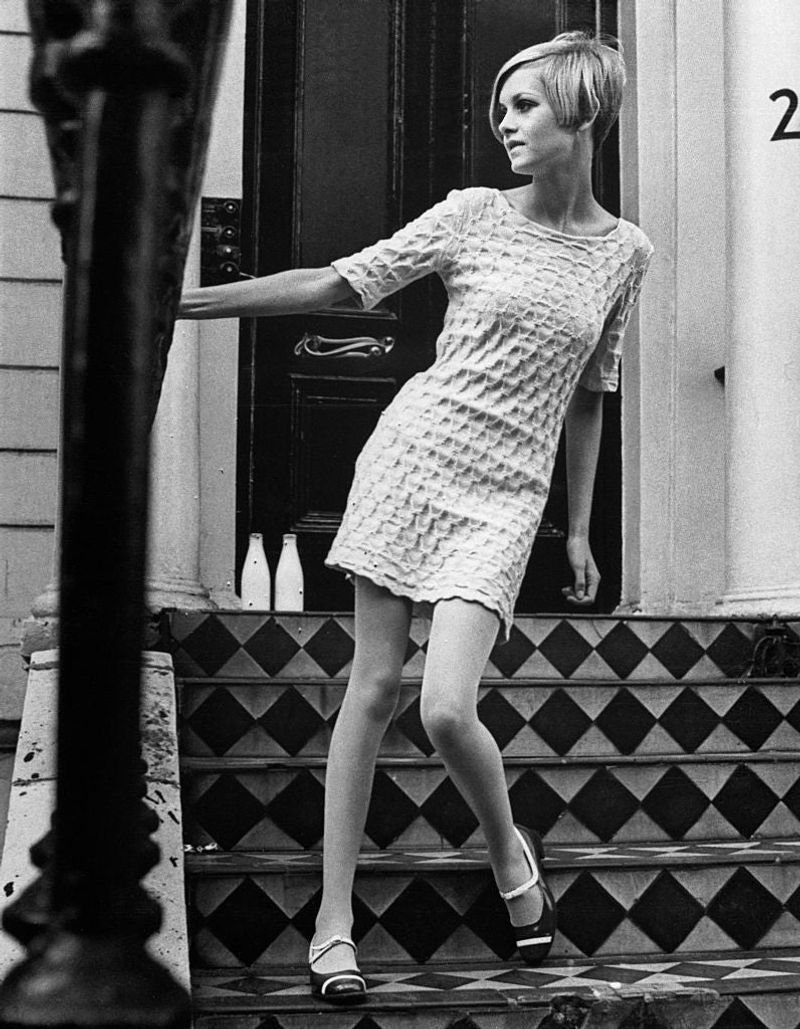
Body ideals in the 1970s were rigid and relentlessly promoted through magazines, television, and social pressure. Women were expected to maintain a specific slim figure, and any deviation was treated as a personal failing worth commenting on.
Body positivity and size diversity have reshaped how many people think about health and appearance today. While beauty standards still exist, the conversation around bodies has grown far more nuanced and compassionate than the blunt judgments women faced fifty years ago.
16. Take Your Husband’s Last Name Without Discussion

Keeping your maiden name after marriage was genuinely controversial in the 1970s, and in some places it was legally complicated. The assumption was simple: marriage meant taking your husband’s name, full stop.
Hyphenated names, kept names, and even husbands who take wives’ names are all visible and accepted today. Name choices after marriage are now treated as a personal decision rather than a social obligation, which reflects a much broader shift in how partnership is understood.
17. Put Everyone Else’s Needs Before Your Own
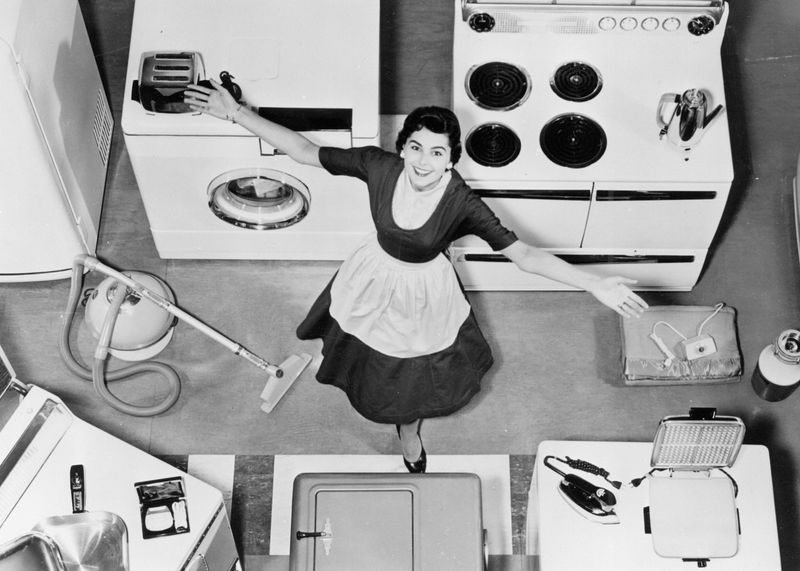
Self-sacrifice was practically glorified as the highest virtue a woman could have in the 70s. Prioritizing your own needs, rest, or ambitions was often labeled selfish rather than healthy.
Self-care is now widely recognized as essential rather than indulgent, and setting boundaries has become a whole cultural movement. The shift from “selfless at all costs” to “you can’t pour from an empty cup” represents one of the most meaningful changes in how society talks about women’s wellbeing.