
Amish farmers have been feeding their families and communities using the same trusted methods for hundreds of years. From smoky cured meats to golden jars of preserved fruit, every food tells a story of patience, skill, and deep respect for the land.
These time-honored techniques were passed down from grandparents to grandchildren long before grocery stores existed. Get ready to discover 16 incredible foods that prove old-fashioned ways are sometimes the very best ways.
1. Amish Farmhouse Cheese
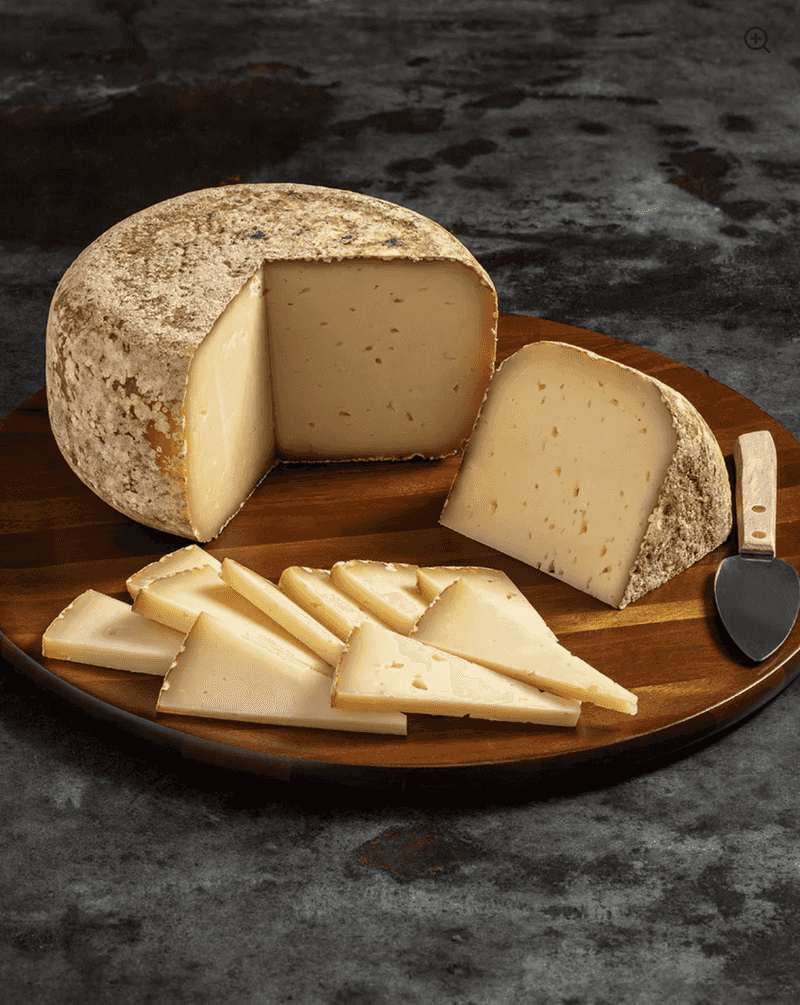
There is something almost magical about cheese made from fresh milk that was still warm just hours earlier. Amish cheesemakers use natural cultures, some maintained for generations, to transform raw or gently pasteurized milk into rich, creamy varieties like Swiss, Colby, and Farmer’s Cheese.
Curds are cut by hand and aged in small batches for deep, full flavor. The high milk fat content from grass-fed cows makes every bite noticeably richer than store-bought cheese.
2. Homemade Amish Butter
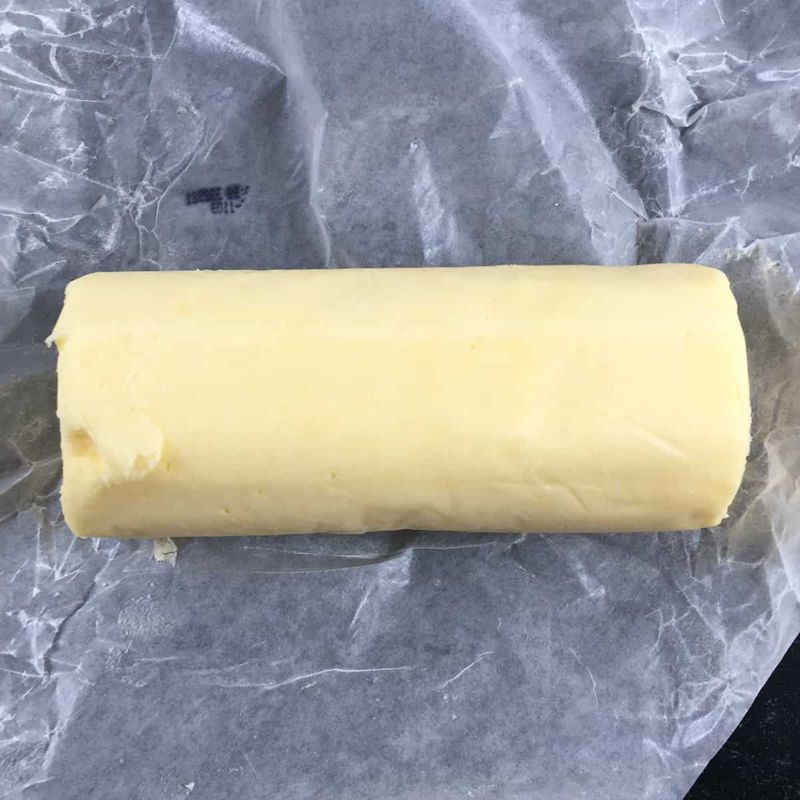
Rich, golden, and deeply flavorful, Amish butter is nothing like the pale sticks found in most grocery stores. Made by churning fresh cream from grass-fed cows, this butter carries a natural sweetness that makes everything it touches taste better.
Amish kitchens rely on homemade butter for breads, pies, and everyday cooking. The old-fashioned churning process keeps the fat content high, giving the butter its signature color and bold, satisfying taste that store-bought versions just cannot match.
3. Amish Yeast Bread
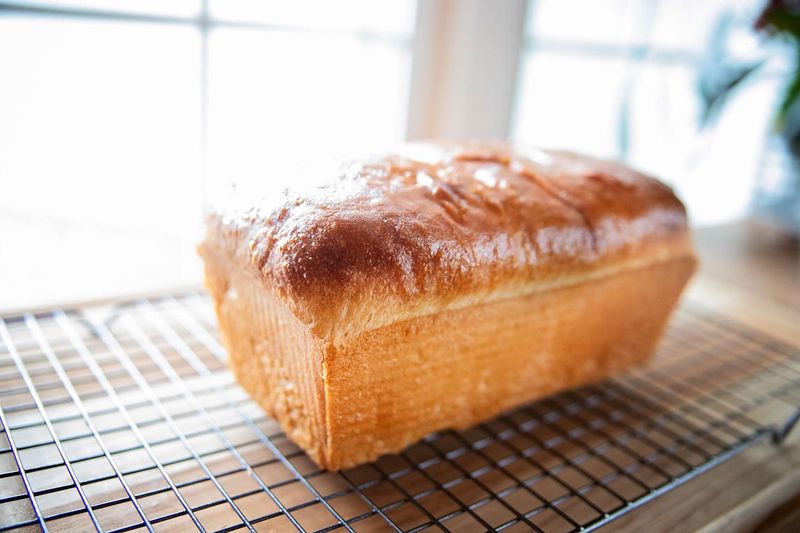
Few smells in the world compete with homemade bread fresh from the oven. Amish bakers activate yeast in warm water, hand-knead the dough until silky smooth, and let it rise twice before baking in traditional ovens that fill the whole house with warmth.
Every loaf is made from scratch using basic pantry staples. The result is a sturdy, golden crust with a soft, pillowy inside that store-bought bread simply cannot replicate, no matter how hard it tries.
4. Shoofly Pie
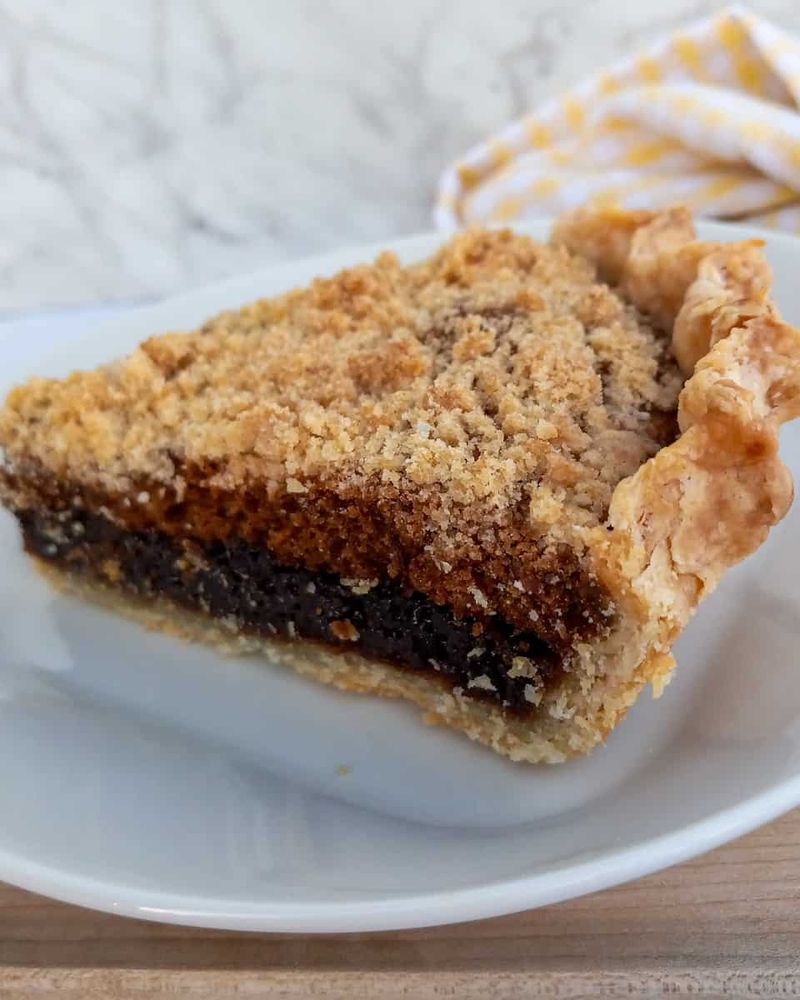
Sticky, sweet, and deeply satisfying, shoofly pie is one of the most iconic Pennsylvania Dutch desserts ever created. The filling is made from rich molasses, which gives it a dark, almost caramel-like flavor, while a buttery crumb topping adds the perfect contrast.
Legend has it the pie got its name because bakers had to shoo flies away from the sweet filling as it cooled. Today, it remains a beloved staple at Amish tables and community gatherings across the region.
5. Whoopie Pies

Imagine two soft, cake-like cookies sandwiched around a cloud of sweet cream filling. That is exactly what a whoopie pie delivers, and Amish bakers have been perfecting them for generations.
Chocolate is the most traditional flavor, though pumpkin versions are wildly popular in autumn.
Kids and adults alike reach for these handheld treats at farm stands and bake sales. Some say the name came from farmers shouting “whoopie” when they found one tucked into their lunch pail.
6. Apple Butter
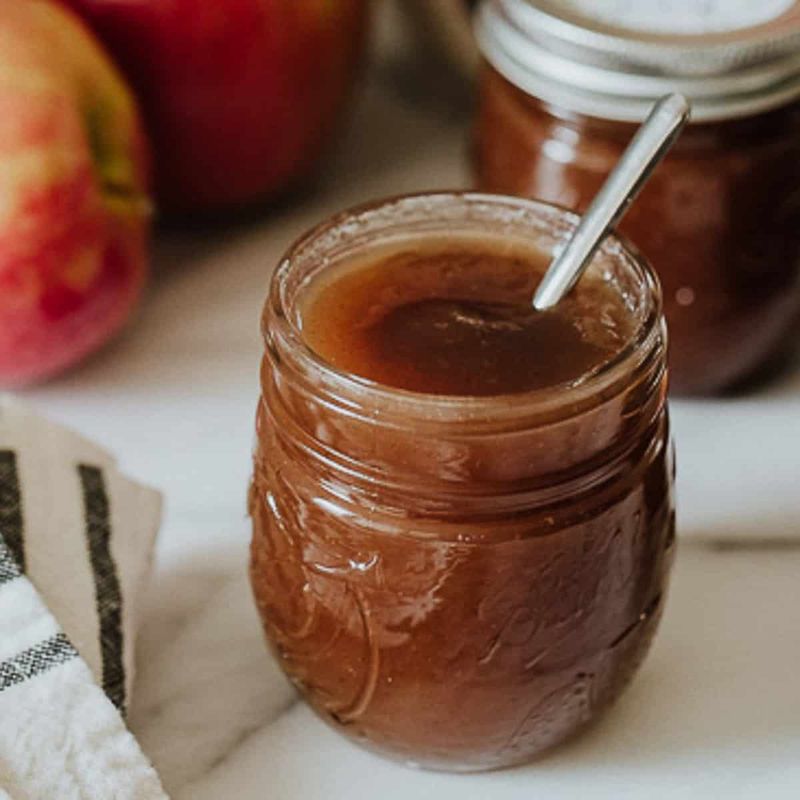
Apple butter is not actually butter at all, but once you taste it, you will not care about the name. Amish farmers slowly cook down bushels of fresh apples for hours, stirring constantly until the fruit caramelizes into a thick, spiced, deeply fragrant spread.
Cinnamon, cloves, and sometimes a touch of brown sugar round out the flavor beautifully. Spread on warm bread or used as a glaze for meats, apple butter is one of the most versatile and beloved foods in Amish country.
7. Canned Pickles and Relishes
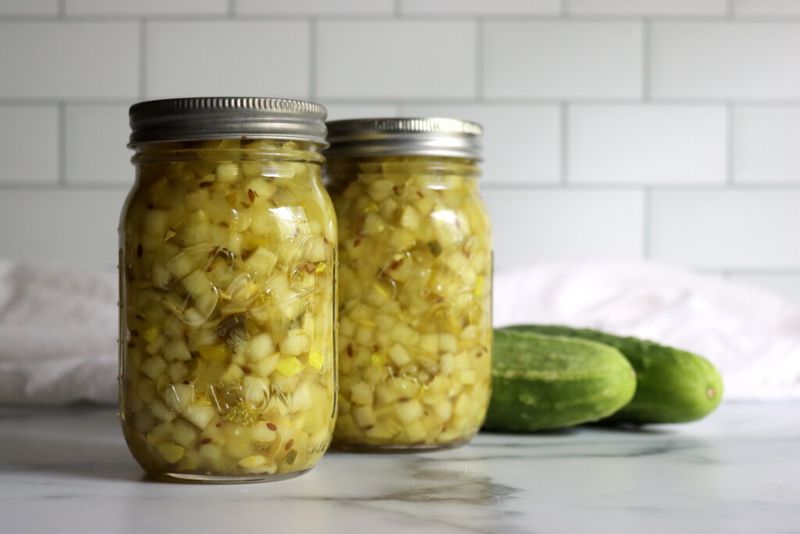
Walk into any Amish root cellar and you will likely find shelves lined with jars of crisp pickles and tangy relishes. Dill pickles, bread and butter pickles, chow chow relish, and corn relish are just a few of the varieties made using recipes passed down through many generations.
The boiling water bath method seals in freshness and keeps everything shelf-stable for months. These preserved foods ensure that nothing from the summer garden ever goes to waste.
8. Sauerkraut
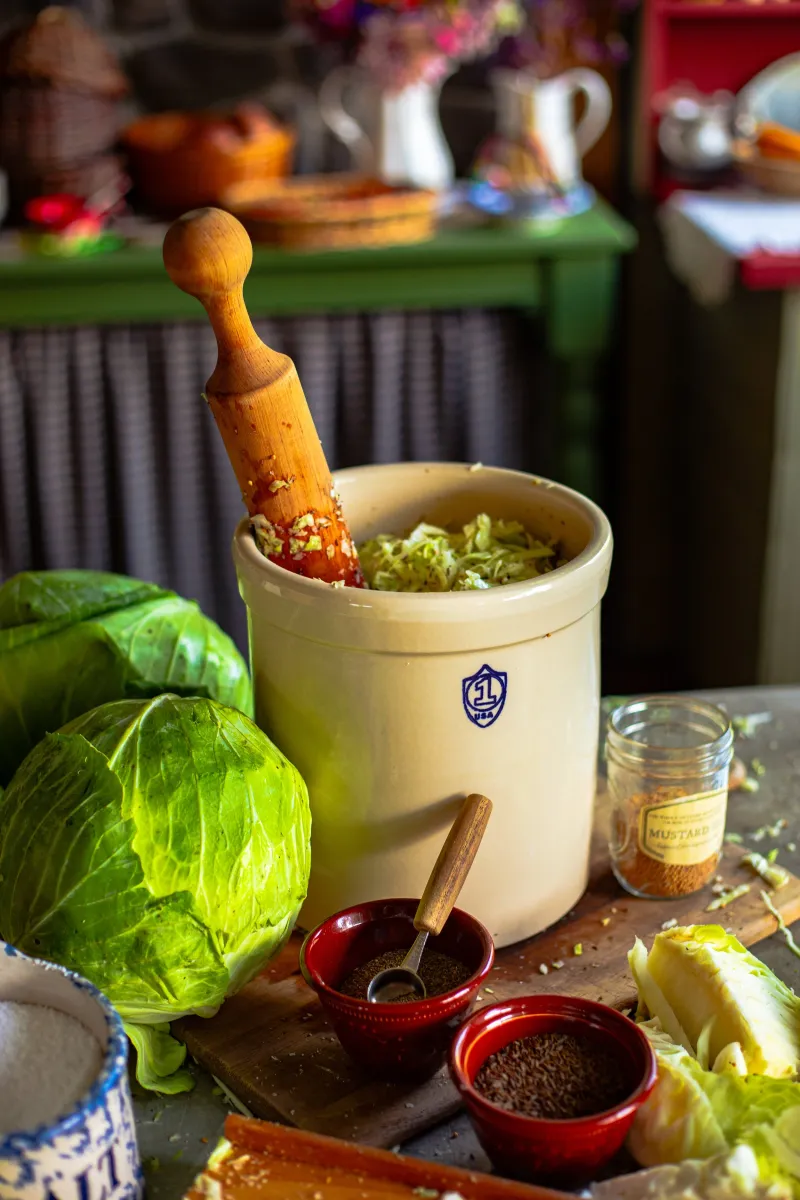
Long before anyone used the word “probiotic,” Amish farmers were fermenting cabbage into tangy, gut-friendly sauerkraut. The process is beautifully simple: shredded cabbage is packed tightly with salt, pressed down until its own juices create a brine, and left to ferment for weeks.
No vinegar, no heat, and no shortcuts are needed. The natural bacteria do all the work, creating a sour, crunchy condiment that pairs perfectly with sausages, sandwiches, and hearty farm dinners throughout the year.
9. Smoked Sausage
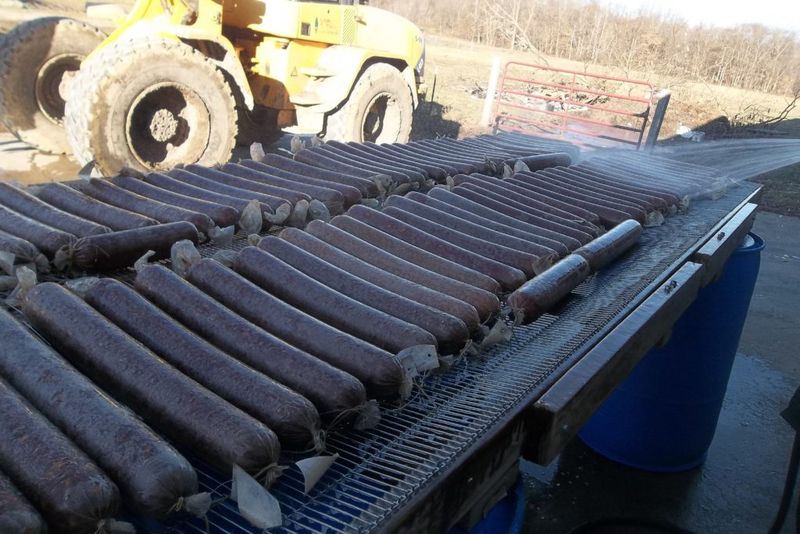
Amish sausage making is a true art form that begins with freshly butchered pork. The meat is ground, seasoned with a careful blend of salt, brown sugar, black pepper, sage, and garlic, then stuffed into natural casings by hand before heading into the smokehouse.
Hardwoods like hickory or apple give the sausage its signature smoky depth and help preserve it naturally. Every family has its own secret spice blend, making each batch a unique reflection of that household’s heritage and taste.
10. Scrapple
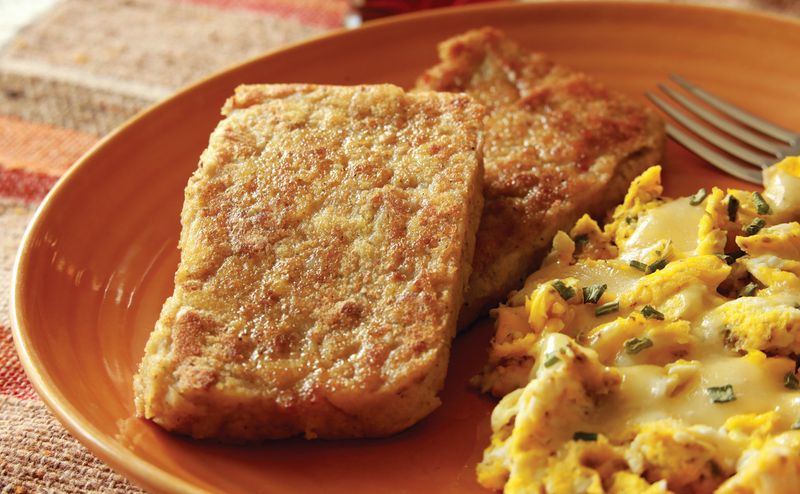
Scrapple might not sound glamorous, but ask any Amish farmer and they will tell you it is one of the most satisfying breakfast foods ever made. Pork offcuts and organ meat are slow-simmered with cornmeal and seasoned until everything melds into a savory, firm loaf.
Once cooled and sliced, scrapple is pan-fried in a cast iron skillet until crispy and golden on the outside. It is the ultimate example of Amish resourcefulness, because in a traditional farm kitchen, nothing is ever wasted.
11. Salt-Cured Meats

Before refrigerators existed, salt was the most powerful food preservation tool available, and Amish farmers have never stopped using it. Curing involves thoroughly massaging coarse salt into fresh cuts of pork or beef, drawing out moisture and creating an environment where harmful bacteria simply cannot survive.
The process takes time and patience, but the results are worth every day of waiting. Salt-cured meats develop a concentrated, savory flavor that modern preservation methods struggle to replicate, making them a prized staple in traditional Amish households.
12. Fasnachts

Fasnachts have a wonderfully practical origin story. Traditionally made the day before Lent begins, these fried potato doughnuts were created specifically to use up the household’s supply of lard, sugar, and butter before the fasting season started.
The result is a puffy, golden pastry with a tender crumb and a slightly crispy exterior, often dusted with powdered sugar or drizzled with molasses. Today, fasnacht Tuesday is still celebrated in many Pennsylvania Dutch communities as a delicious and deeply meaningful tradition.
13. Amish Friendship Bread
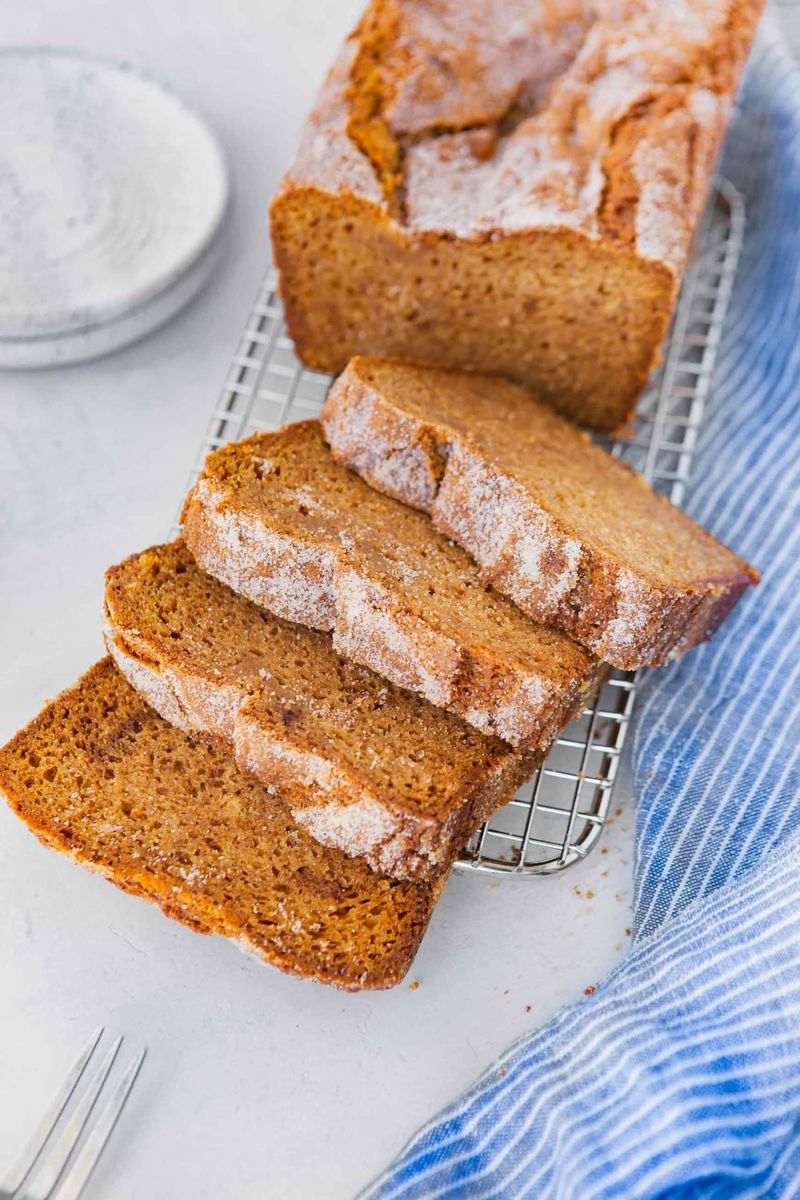
Amish Friendship Bread carries a built-in sense of community right in the recipe. It starts with a sourdough-style starter that is fed, divided, and shared with friends and neighbors, meaning the bread literally spreads goodwill from kitchen to kitchen over time.
The final loaf is soft, slightly sweet, and wonderfully moist, often flavored with cinnamon and vanilla. Keeping a starter alive for years is a point of pride in many Amish households, connecting each fresh batch to a long, living chain of tradition.
14. Canned Fruits and Vegetables
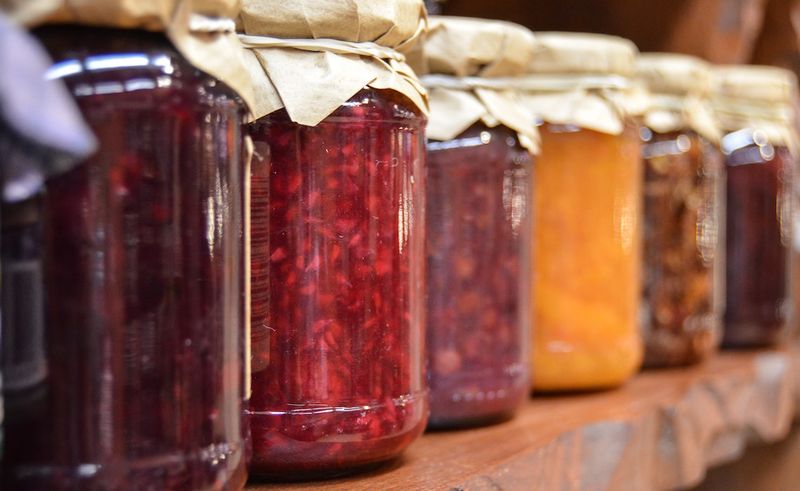
Every summer harvest brings a flurry of activity in Amish kitchens as families race to preserve as much produce as possible before the season ends. Peaches, pears, green beans, corn, tomatoes, and carrots all get packed into glass mason jars and processed in boiling water baths or pressure canners.
These jars become a lifeline during the cold winter months, providing nutritious, homegrown food for the entire family. Recipes are handwritten in family notebooks and followed exactly, year after year, generation after generation.
15. Sticky Buns

Sticky buns fresh from an Amish bakery are the kind of treat that makes people drive hours out of their way. Soft, pillowy rolls are baked together in a pan, nestled in a bubbling mixture of butter, brown sugar, cinnamon, and pecans that caramelizes into a gloriously gooey topping.
When flipped out of the pan while still warm, the caramel cascades over every roll in the most satisfying way imaginable. Amish bakers have been perfecting this recipe for generations, and it absolutely shows in every single bite.
16. Lard-Sealed Preserved Meats
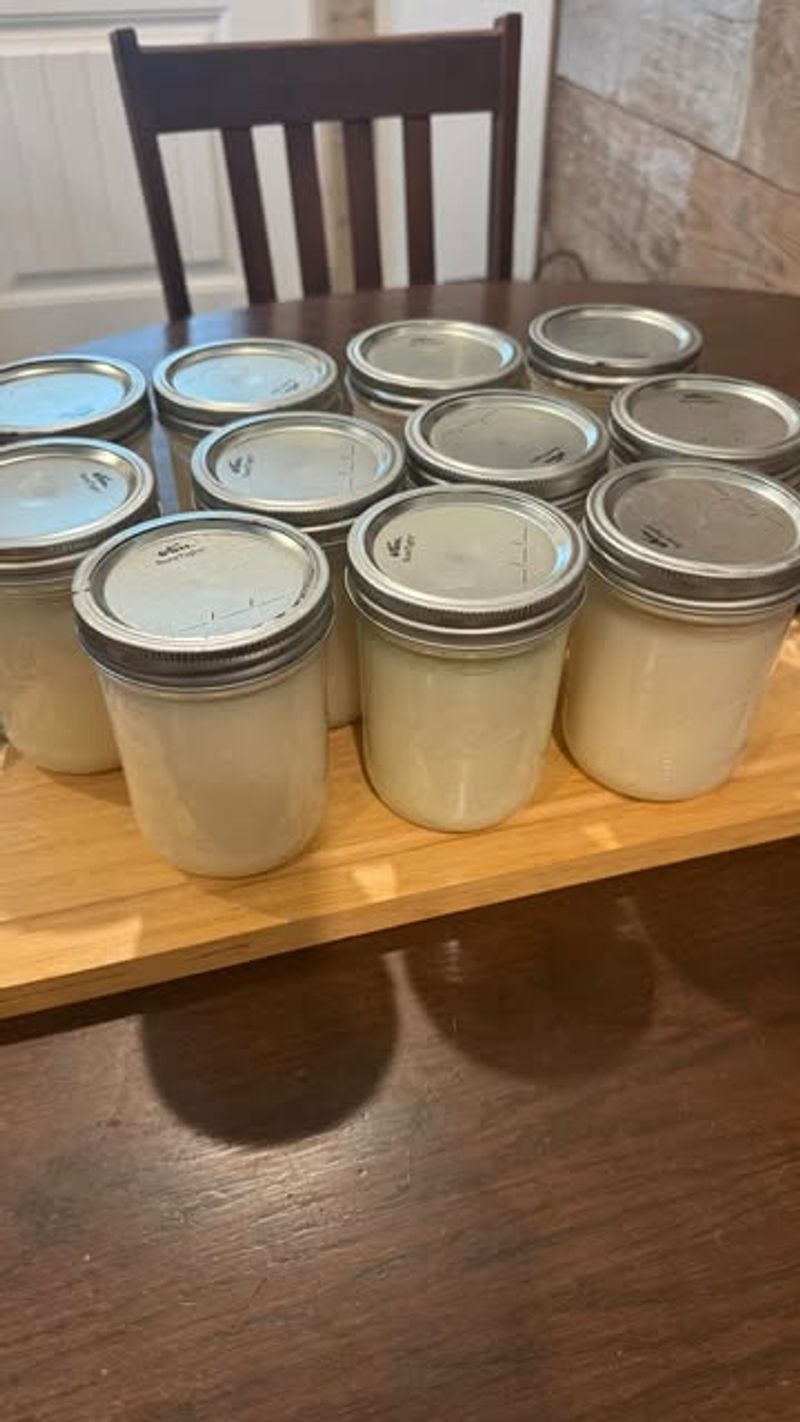
Lard sealing is one of the oldest and most clever meat preservation tricks in the Amish toolkit. Cooked pork is placed into ceramic crocks and completely submerged in freshly melted lard, which hardens as it cools and creates an airtight barrier against air and bacteria.
Stored in a cool cellar, lard-sealed meats can stay fresh for several months without any electricity or modern equipment required. This method is a brilliant example of how Amish communities have always found smart, sustainable solutions to everyday challenges.