
William Shakespeare is one of the most famous writers in history, but a surprising number of things people believe about him are simply not true. From who actually wrote his plays to what his words really mean, myths about Shakespeare have been repeated so often that they feel like facts.
Getting the real story is not just interesting — it changes how we understand one of the greatest storytellers who ever lived. Here are 18 common Shakespeare beliefs that deserve a second look.
1. Shakespeare Definitely Did Not Write His Own Plays
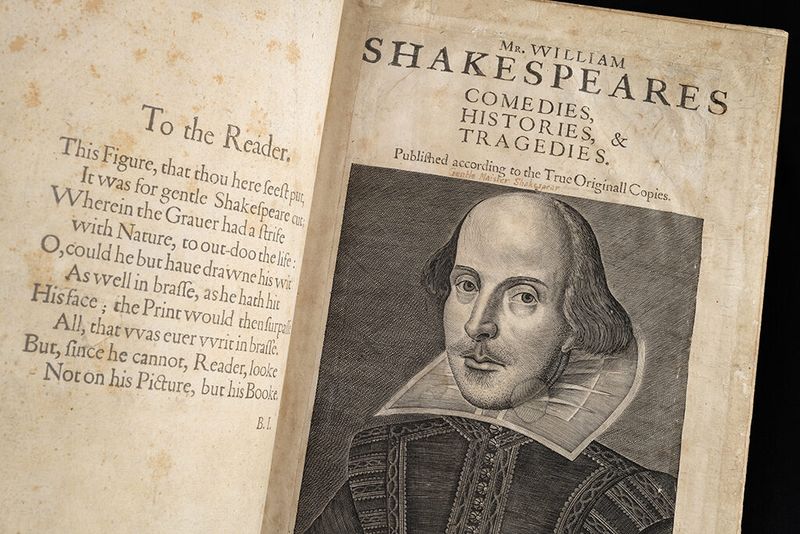
Here is a belief that refuses to go away: someone else must have written Shakespeare’s plays. The idea took hold in the 1800s, driven by the assumption that a man from a modest background could not have produced such brilliant work.
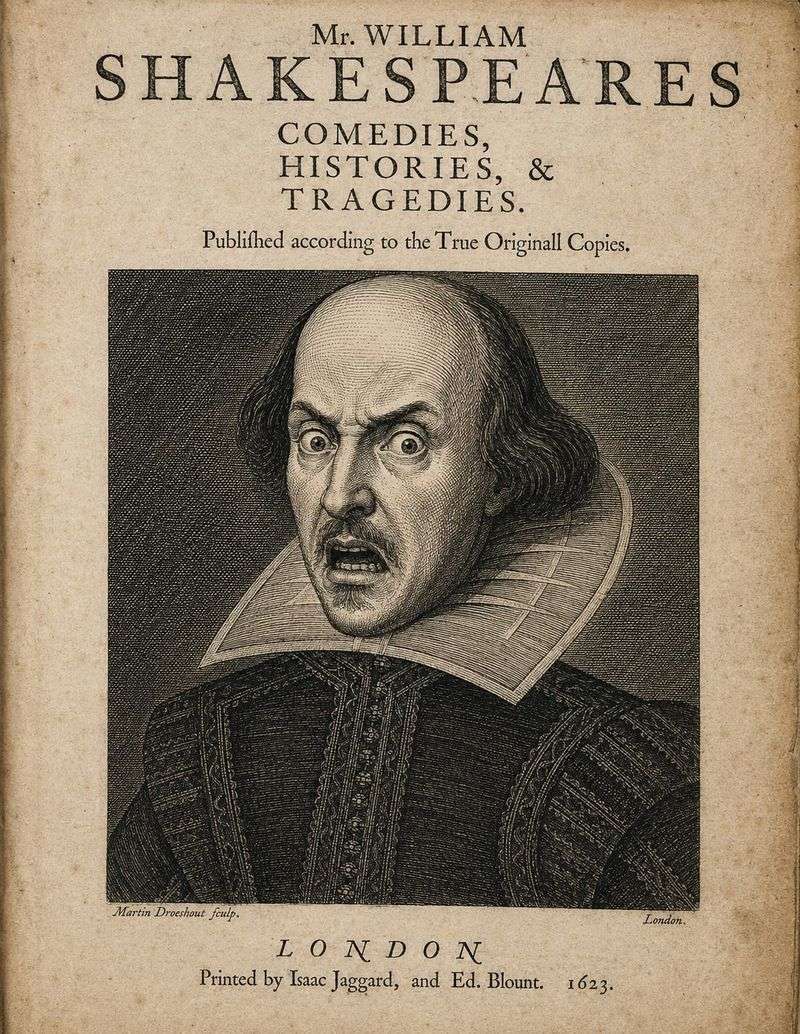
But scholars overwhelmingly disagree. The 1623 First Folio, compiled by actors who personally knew Shakespeare, clearly credits him.
Doubting his authorship says more about snobbery than evidence.
2. He Had Almost No Real Education
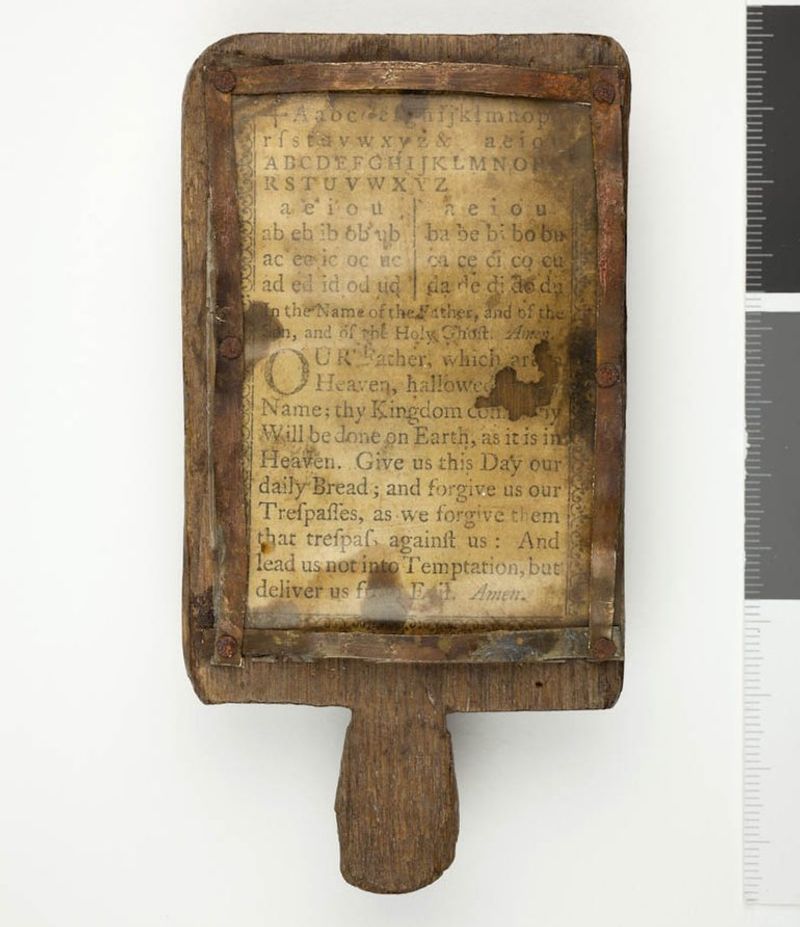
Many people assume Shakespeare was barely educated, picturing him as a self-taught genius who stumbled into greatness. The truth is far less dramatic but equally impressive.
He attended the King’s Free Grammar School in Stratford-upon-Avon, where students studied Latin, rhetoric, and classical literature rigorously. That curriculum was tough by any standard.
He may not have attended university, but calling him uneducated is genuinely unfair to both him and his schooling.
3. Shakespeare Invented Thousands of English Words
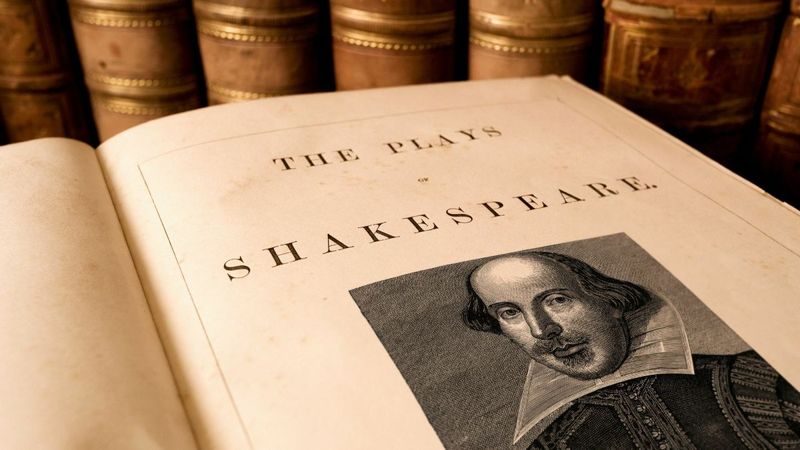
“Shakespeare invented the English language” is one of those claims that sounds impressive but needs serious unpacking. Yes, his works contain the earliest recorded uses of many words — but that is largely because his published plays were studied so thoroughly by early dictionary makers.
He likely popularized existing words rather than coining them outright. His real gift was using language inventively, not manufacturing vocabulary from thin air.
4. All His Plots Were Brilliantly Original
Fans of Shakespeare sometimes speak as if every plot sprang fully formed from his imagination. Actually, almost none of them did.
He borrowed heavily from older stories, existing plays, and historical chronicles — a completely normal practice among writers of his era.
What set him apart was not invention but transformation. He took familiar material and filled it with psychological depth, unforgettable characters, and language that still resonates centuries later.
5. He Always Worked Alone as a Solitary Genius
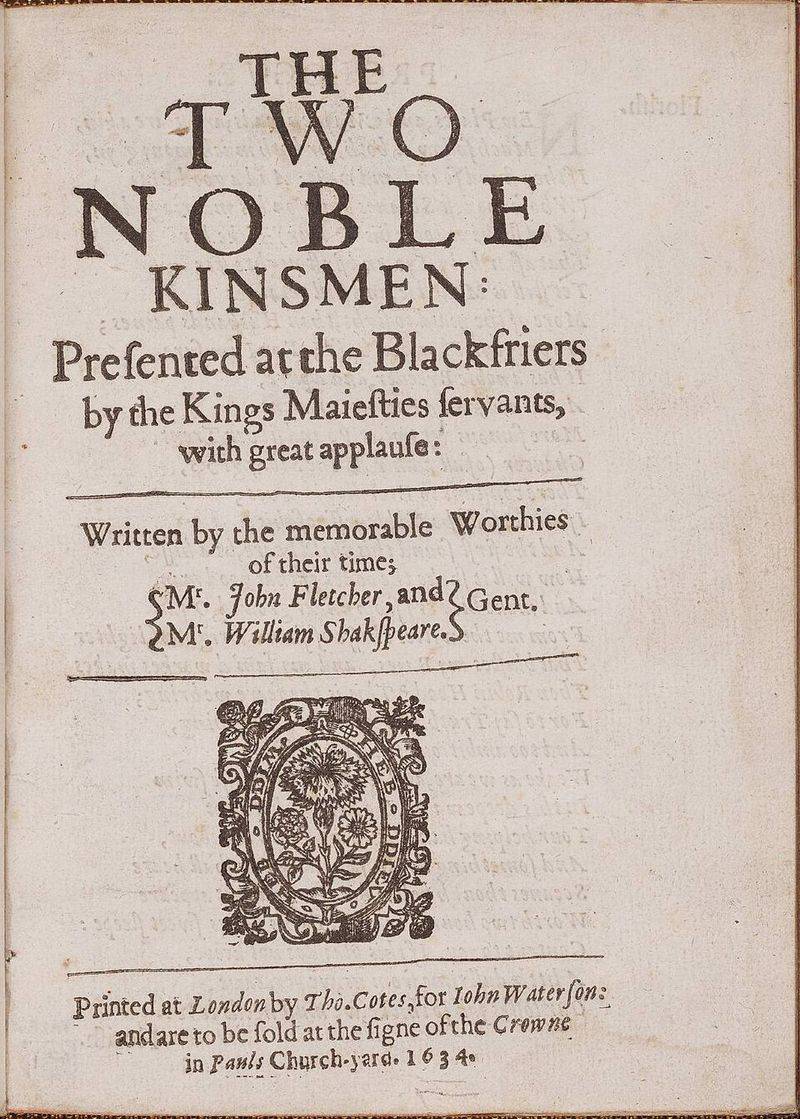
The image of Shakespeare writing alone by candlelight, pouring out masterpiece after masterpiece in solitary brilliance, is a romantic myth. Collaboration was standard practice in early modern London theatre.
Shakespeare co-wrote plays with John Fletcher, including The Two Noble Kinsmen and Henry VIII. Working with other writers was not a sign of weakness — it was simply how the theatrical world operated.
Even geniuses had writing partners.
6. We Know Exactly What Shakespeare Looked Like
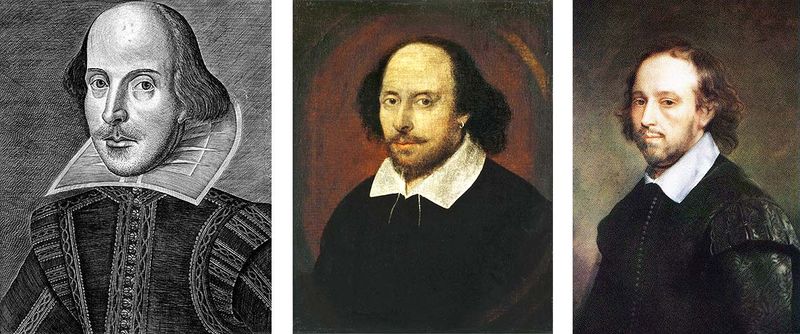
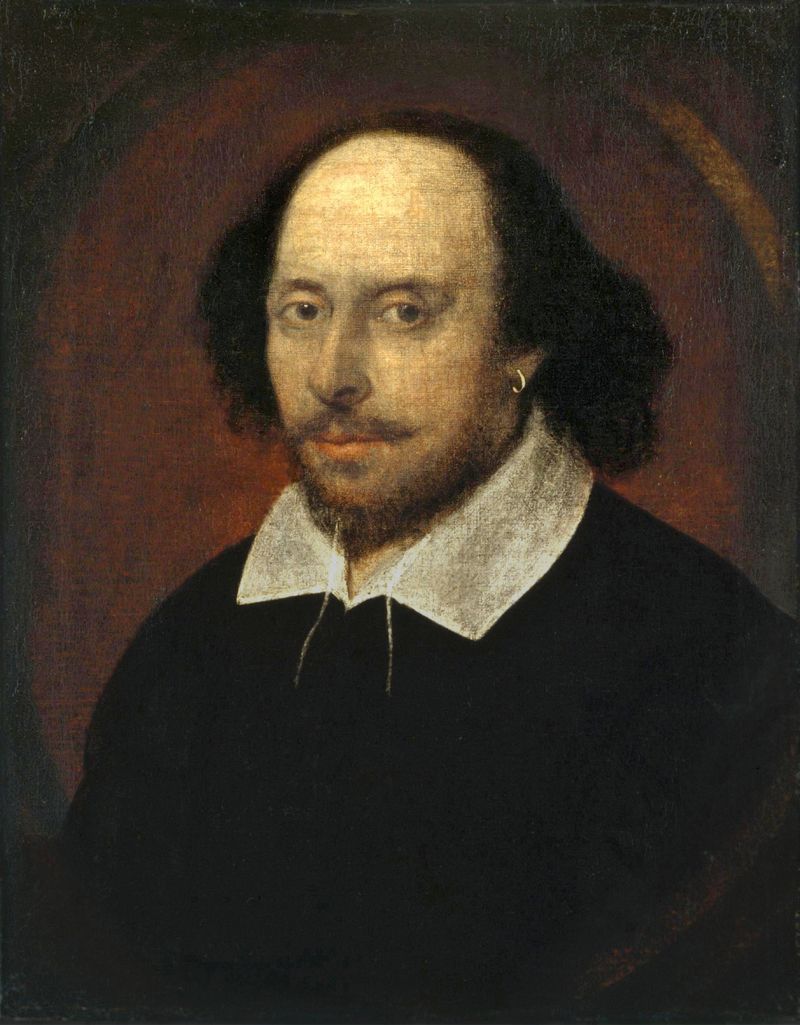
That familiar face — dark hair, small goatee, maybe an earring — is everywhere. But the Chandos portrait, the most commonly reproduced image, has a surprisingly shaky history.
It entered the Chandos family roughly 150 years after Shakespeare’s death with zero supporting documentation.
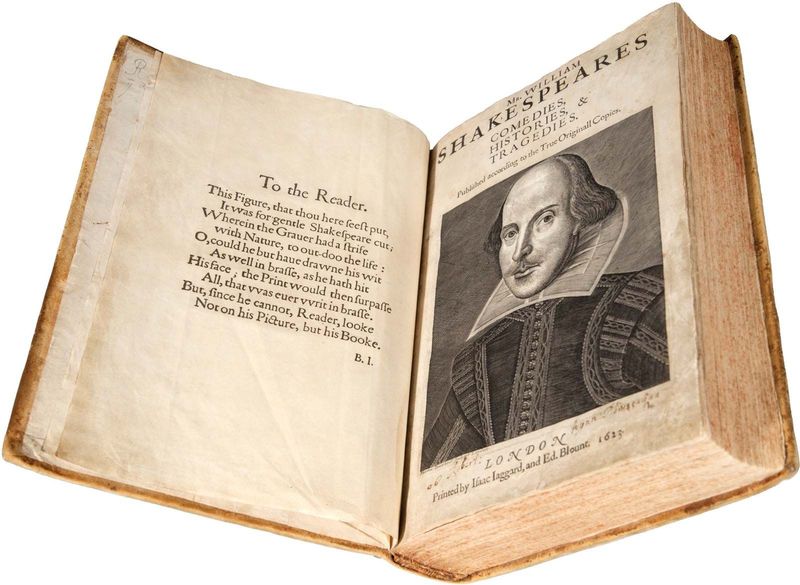
Nobody can confirm it actually depicts him. The two most accepted likenesses are the First Folio engraving and the Stratford bust, and neither is considered a photographic truth either.
7. “Wherefore Art Thou Romeo” Means “Where Are You”
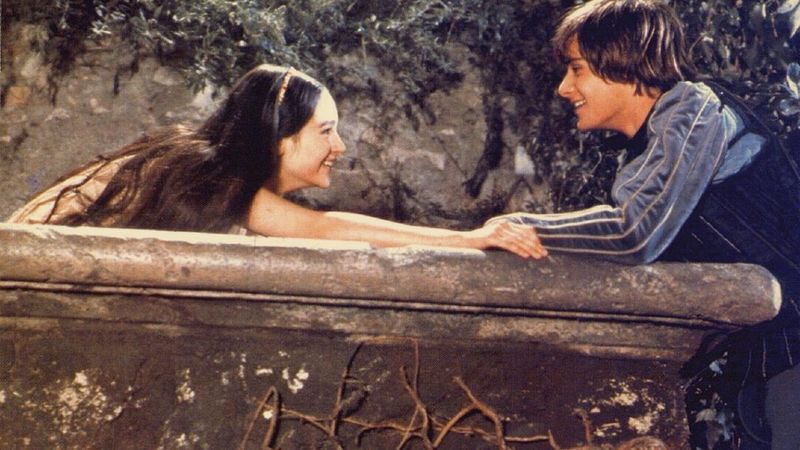
Almost everyone gets this one wrong, and it is an easy mistake to make. “Wherefore” sounds like it should mean “where,” but in Shakespeare’s time it meant “why.”
Juliet is not searching for Romeo in the dark — she is standing on her balcony asking why he has to be a Montague, her family’s sworn enemy. It is a lament about fate, not a search for a missing person.
Context changes everything.
8. Hamlet Holds the Skull During “To Be or Not to Be”
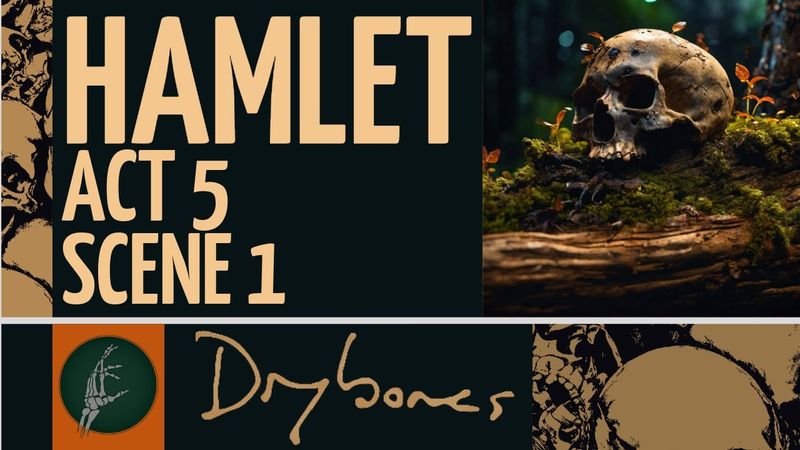
Pop culture has fused two separate scenes from Hamlet into one iconic image, and the mix-up has stuck hard. The famous “To be or not to be” soliloquy happens in Act 3, and there is no skull involved at that moment.
Poor Yorick’s skull appears later, in the graveyard scene of Act 5. Hamlet holds it there and reflects on mortality.
Both scenes are powerful — they just happen at completely different points in the play.
9. The Globe Theatre Was a Perfect Circle
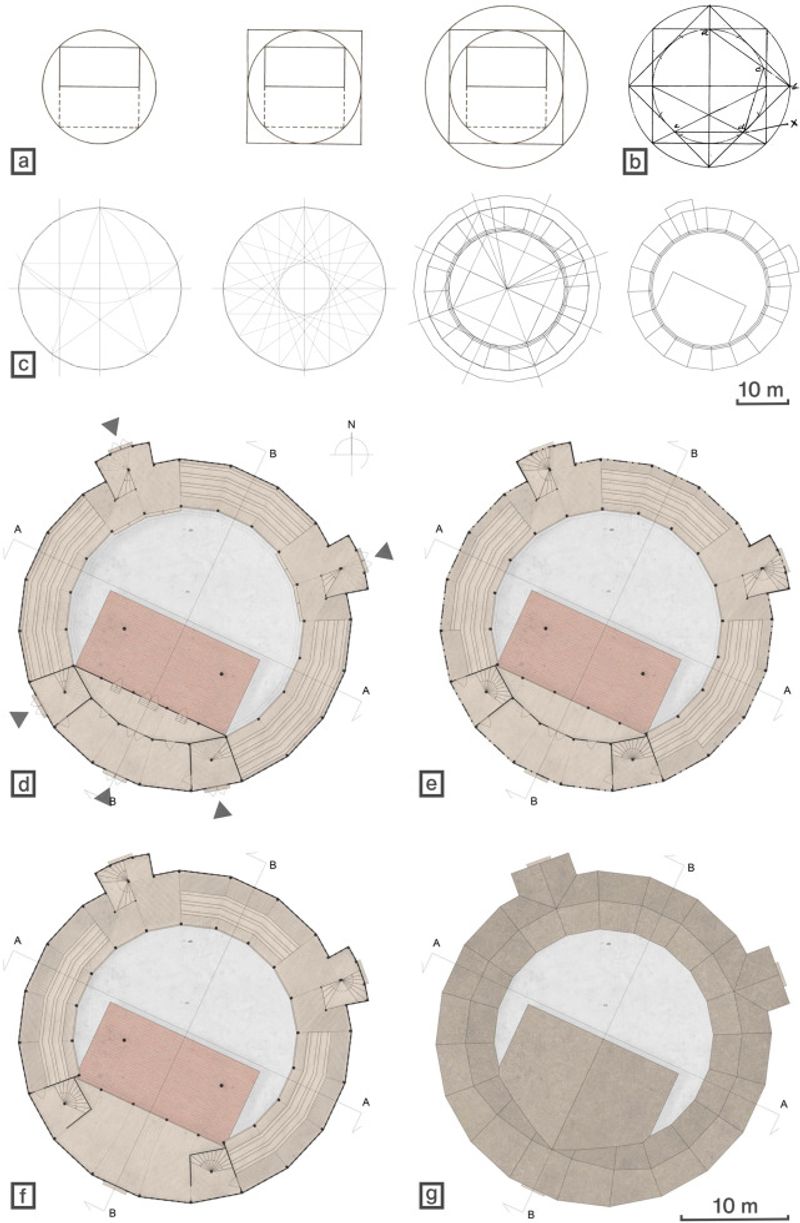
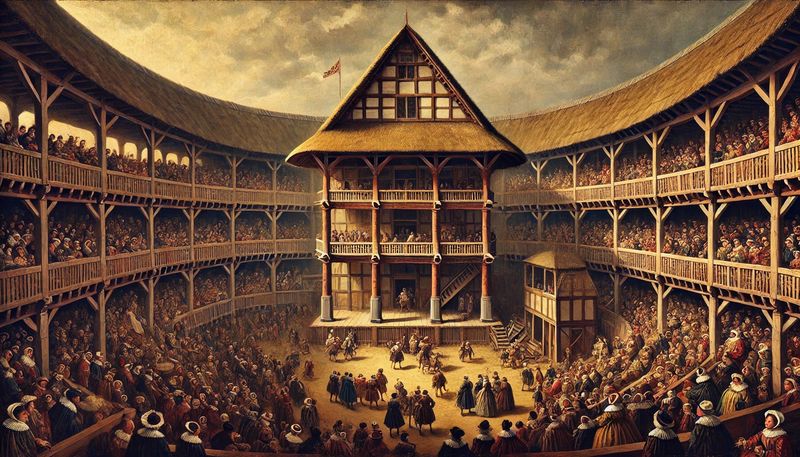
Round like a drum — that is how most people picture the Globe. The reality is a little more complicated and a lot more interesting.
The original Globe was actually a many-sided polygon, likely with around 20 sides, though the exact number remains unknown.
The building burned down in 1613 and no detailed architectural plans survived. The modern reconstruction in London is based on educated guesses from archaeological evidence and historical descriptions.
Perfect circles are tidier, but history rarely cooperates.
10. Shakespeare Was Purely an Elizabethan Playwright
Calling Shakespeare an Elizabethan playwright is not wrong, but it is only half the story. Queen Elizabeth I died in 1603, and Shakespeare kept writing for over a decade after that.
King Lear, Macbeth, The Tempest, and several other major works were written during the reign of King James I, making Shakespeare equally a Jacobean playwright. His company was even renamed the King’s Men under royal patronage.
Labels can be misleading.
11. Writing Plays Was His Main Job
Shakespeare the writer is how history remembers him, but that may not be how he thought of himself. He was primarily an actor and a shareholder in the Lord Chamberlain’s Men, the acting company he co-owned.
Playwriting was part of his job for the company, not a separate artistic calling. He wrote plays because the theatre needed them, not necessarily because he saw himself as a literary figure destined for the ages.
That reframing is oddly humanizing.
12. Leaving Anne Hathaway the Second Best Bed Was an Insult
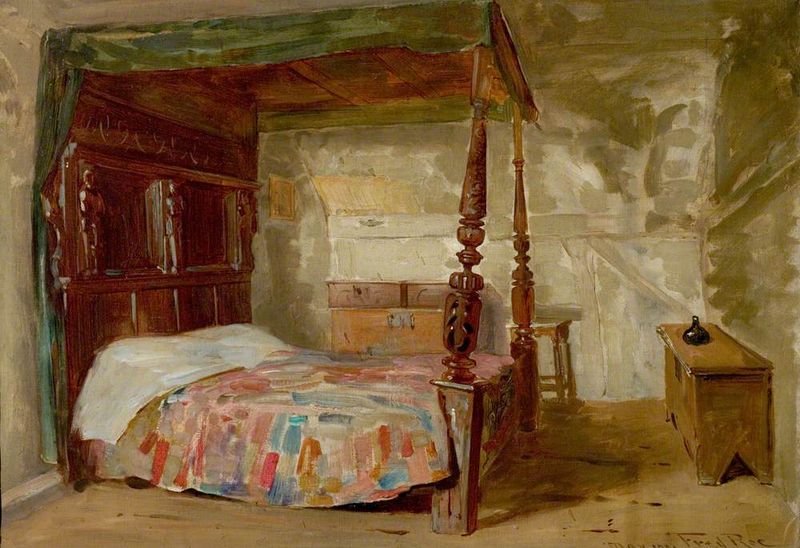
Shakespeare’s will leaves his wife Anne the “second best bed,” and people have been reading it as a cold slight ever since. But that reading misses the domestic reality of the time.
In Elizabethan households, the best bed was kept for guests. The second best bed was the couple’s own marital bed — a meaningful and sentimental item.
English law also guaranteed Anne a significant share of the estate automatically, so she was far from left out.
13. He Was the Most Celebrated Writer of His Own Time
It is tempting to assume that Shakespeare’s contemporaries recognized his genius the same way we do today. They mostly did not.
In his own era, Ben Jonson was frequently considered the more prestigious literary figure among educated circles.
Shakespeare was popular and well-regarded, but his reputation as the supreme English writer grew over the following two centuries. His plays were crowd-pleasers written for a broad audience — respected, yes, but not quite yet legendary.
14. Shakespeare’s Plays Were Always Considered Sophisticated High Art
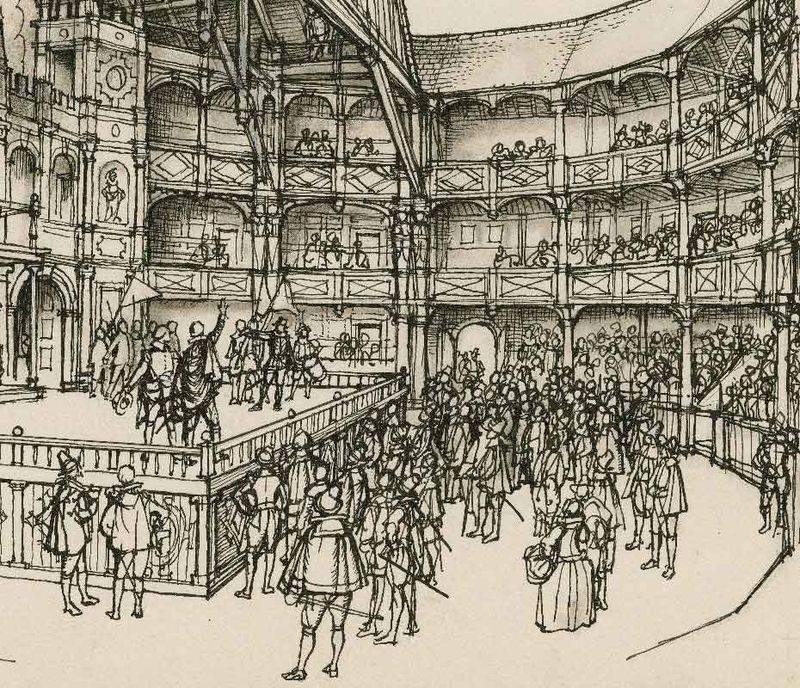
Today Shakespeare is assigned in schools and performed in grand theatres, which makes it easy to assume his work was always treated as serious high culture. That would have surprised his original audience considerably.
His plays were popular entertainment — the blockbuster movies of their day. They included crude jokes, physical comedy, and sensational violence to keep the groundlings entertained.
Smart writing and lowbrow humor coexisted cheerfully on the same stage every afternoon.
15. His History Plays Are Reliable Historical Records
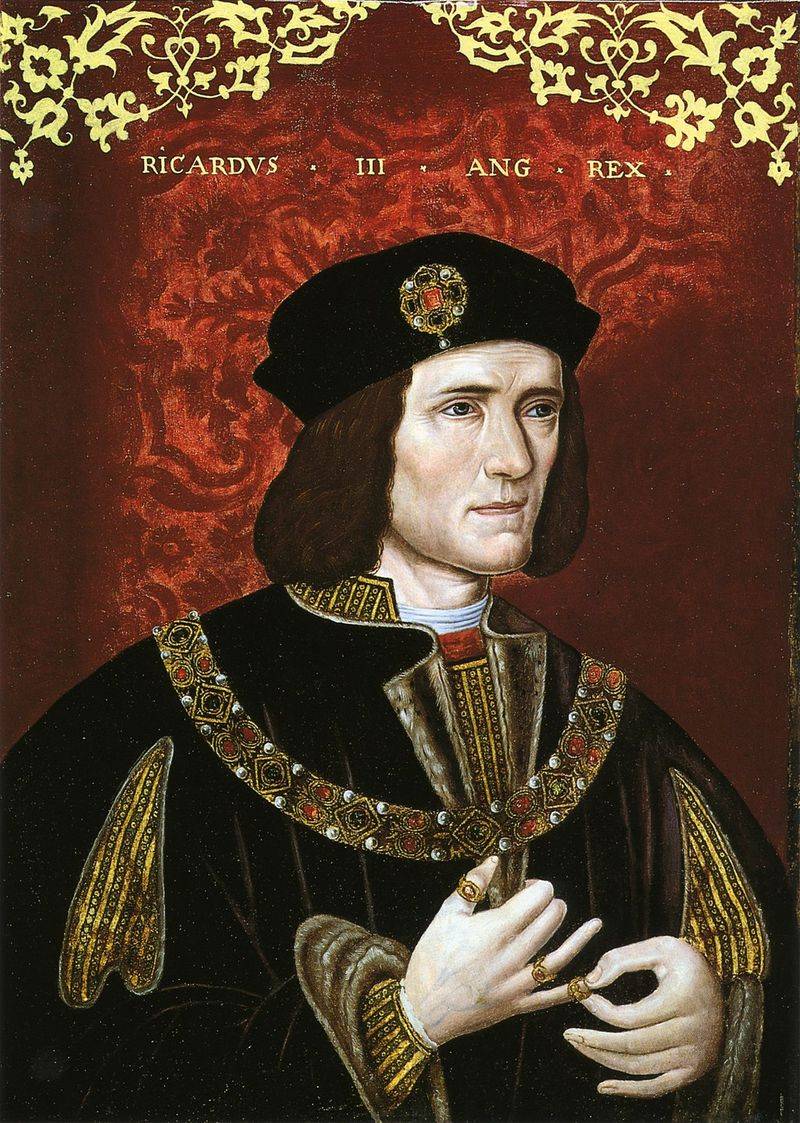
Students sometimes treat Shakespeare’s history plays like textbooks, which is a risky habit. He regularly bent historical facts to serve dramatic storytelling, political context, and audience expectations.
Richard III is the clearest example — Shakespeare portrayed him as a scheming, physically deformed villain, drawing heavily from Tudor propaganda. Modern historians view Richard far more sympathetically.
Shakespeare was a brilliant playwright, not a journalist, and his history plays should be read accordingly.
16. Famous Shakespeare Quotes Are Always Quoted Correctly
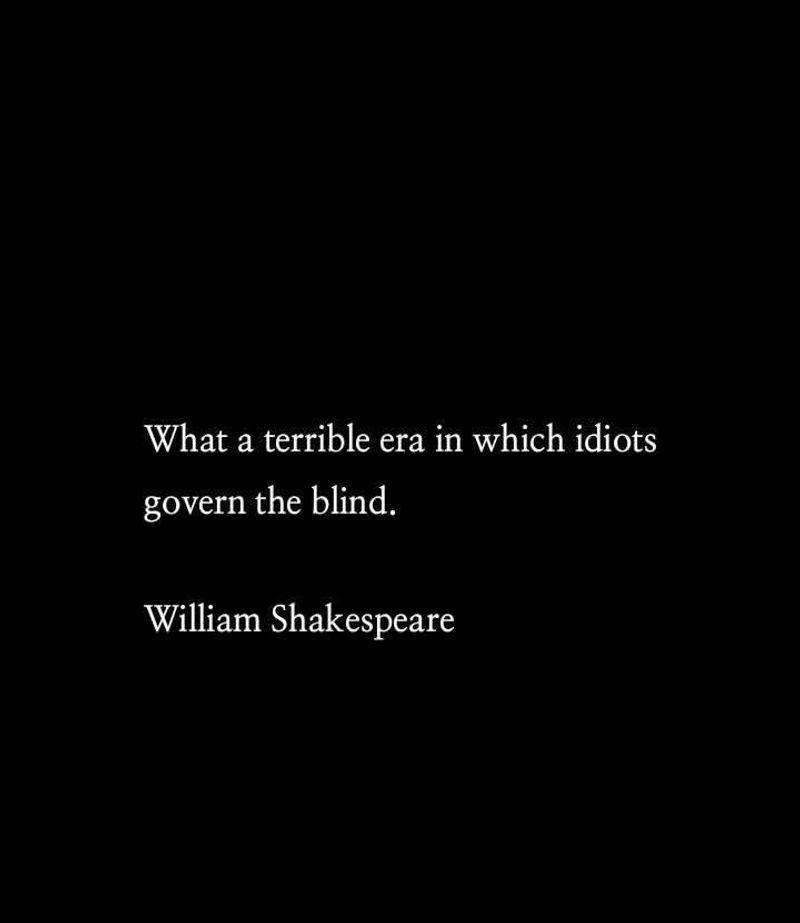
“Bubble bubble, toil and trouble” — except that is not what the witches actually say. The real line is “Double, double toil and trouble.” Misquotations like this have been repeated so many times that the wrong versions feel more familiar than the originals.
“Alas, poor Yorick, I knew him well” is another famous example — Shakespeare wrote “I knew him, Horatio.” Even “gild the lily” is a shortening of a longer, more nuanced phrase. Repetition buries the truth.
17. Ben Jonson’s Comment Proves Shakespeare Barely Knew Latin
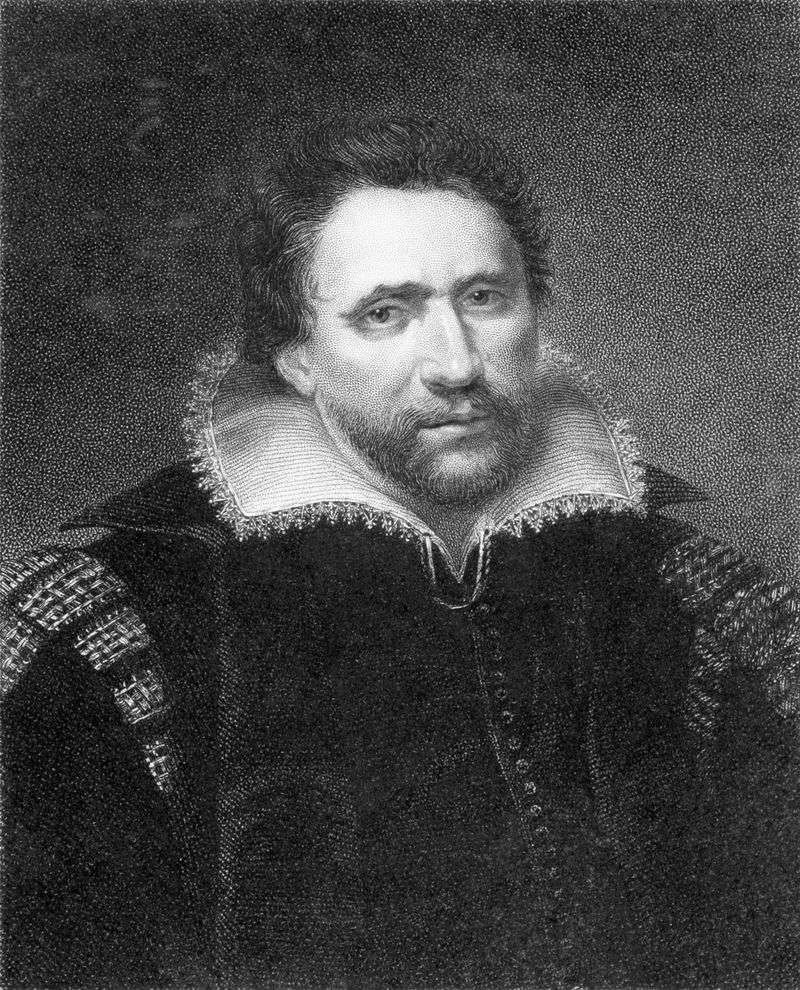
Ben Jonson once wrote that Shakespeare had “small Latin and less Greek,” and generations of readers have taken that as proof of serious educational gaps. Context matters enormously here.
Jonson was a university-educated classical scholar comparing Shakespeare to neoclassicists like himself — a very high bar. Shakespeare’s grammar school Latin was actually solid, and researchers have found he used a wider variety of Latin vocabulary than many fellow playwrights. “Small” is always relative to the measuring stick.
18. Shakespeare Was Simply the Greatest Writer at Everything
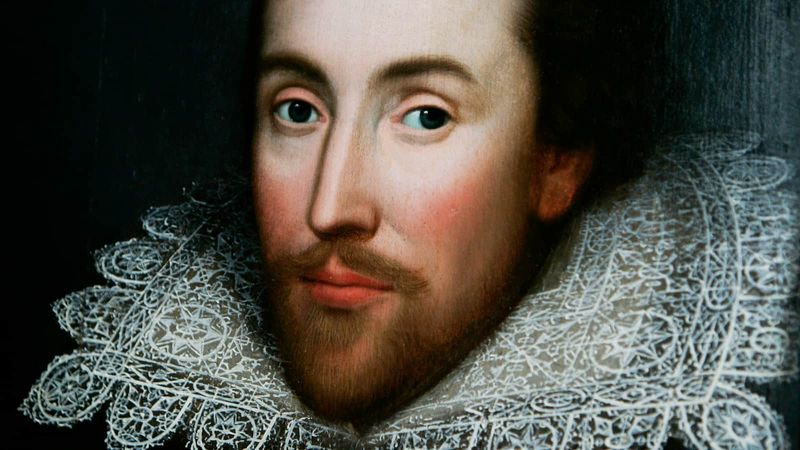
“Bardolatry” is the term scholars use for the tendency to treat Shakespeare as the perfect master of every form of writing. It is an understandable impulse, but it flattens a more interesting truth.
Shakespeare was a towering playwright, but some critics argue that other poets of his era wrote superior lyric poetry. Placing him on an untouchable pedestal can actually make it harder to appreciate what he was genuinely brilliant at — and what made him distinctly, imperfectly human.