
Dating someone much younger can feel exciting, refreshing, and full of new energy. But like any relationship, it comes with its own set of challenges and realities that are worth understanding before jumping in.
Whether you are the older or younger partner, knowing what to expect can help you build something real and lasting. Here are 18 honest truths about what it is actually like to date someone significantly younger than you.
1. People Will Have Plenty of Opinions

Walk into a restaurant as a couple with a big age gap, and you might notice a few extra glances. Friends, family, and even strangers often feel surprisingly comfortable sharing their thoughts on relationships that look different from the norm.
Unsolicited opinions can sting, especially when they come from people you care about. Building a thick skin together and deciding as a couple how to handle outside noise is one of the first real tests of your bond.
2. Stereotypes Will Follow You Around

Labels have a way of attaching themselves to age-gap couples fast. Older men get called sugar daddies, younger women get tagged as gold diggers, and older women with younger partners often hear the word cougar thrown around casually.
Stereotypes rarely tell the full story. Choosing to define your relationship on your own terms, rather than letting a tired cultural label do it for you, takes confidence and a lot of mutual trust.
3. Your Life Stages May Not Line Up

One partner might be dreaming about retirement travel while the other is hustling to climb the career ladder. Life stage differences are some of the most practical and unavoidable challenges in age-gap relationships.
Conversations about family planning, financial goals, and long-term plans need to happen early and honestly. Pretending these gaps do not exist only delays harder conversations down the road, so addressing them head-on saves a lot of heartache later.
4. Energy Levels Can Be Surprisingly Different

Saturday mornings can look very different when there is a significant age gap involved. A younger partner might be ready to hike a mountain, attend three social events, and still have energy left over, while the older partner is perfectly happy with a quiet afternoon at home.
Neither approach is wrong, but those differences in pace and stamina can create friction over time. Finding shared activities that genuinely excite both of you helps bridge that physical energy divide naturally.
5. Power Imbalances Can Creep In Quietly

Financial stability, life experience, and social status can quietly tip the scales in a relationship. The older partner might not even realize they are assuming an authoritative role, but the younger partner can start feeling like their voice carries less weight over time.
Talking openly about money, decision-making, and personal boundaries is not optional in these relationships. Healthy partnerships require both people to feel genuinely equal, even when the circumstances around them are not perfectly balanced.
6. Emotional Maturity Does Not Always Match Age

Here is something that surprises a lot of people: a bigger age gap does not automatically mean the older person is more emotionally mature. Some younger partners handle conflict, communication, and vulnerability with remarkable skill.
Emotional growth is shaped by personal experience, therapy, self-reflection, and willingness to change, not just years lived. That said, noticeable gaps in emotional development can put extra pressure on the more mature partner, leading to burnout if left unaddressed for too long.
7. Generational Differences Show Up in Daily Life

Music references, technology habits, pop culture touchstones, and even humor can differ wildly between generations. What feels like a classic movie to one partner might be ancient history to the other, and those small moments of disconnect add up.
Generational gaps are not dealbreakers, but they do require patience and genuine curiosity. Making an effort to appreciate each other’s cultural references, rather than dismissing them, keeps the relationship feeling fresh and mutually respectful rather than one-sided.
8. Communication Has to Be Exceptionally Honest

Age-gap relationships have more potential landmines than same-age relationships, which means communication cannot be an afterthought. Talking about children, marriage, money, long-term goals, and even fears about aging needs to happen before those topics become urgent.
Avoiding big conversations to keep the peace almost always backfires. Couples who build a habit of honest, compassionate dialogue early on tend to handle the harder moments with far more grace and far less resentment building up between them.
9. A Younger Partner Can Genuinely Refresh Your Outlook
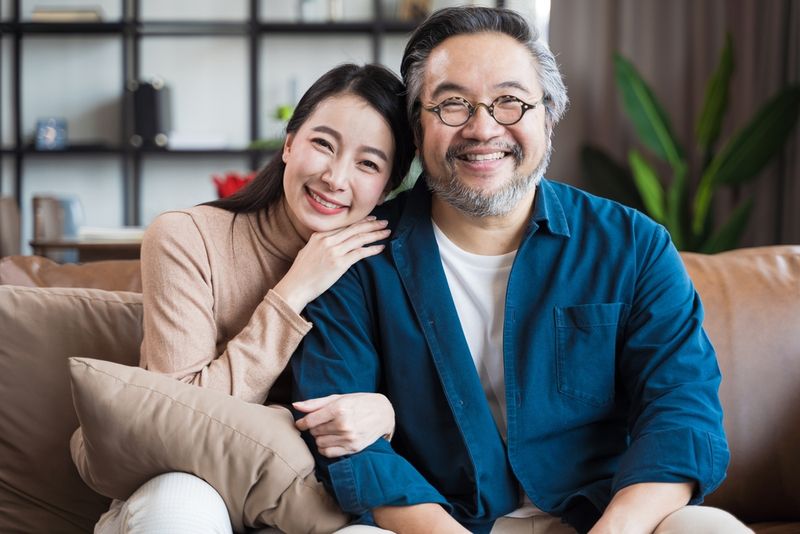
There is something quietly wonderful about someone pulling you out of old habits and routines. Younger partners often bring fresh enthusiasm, new perspectives on technology, trending ideas, and a willingness to try things that the older partner might never have explored alone.
That kind of mutual exchange can spark real personal growth for both people. The older partner gains new energy and curiosity, while the younger one benefits from the wisdom and steadiness their partner brings to the table every day.
10. Health and Aging Become Real Conversations

Nobody loves thinking about it, but aging is a real part of any long-term relationship with a significant age gap. The older partner may face health challenges sooner, and the younger partner could find themselves taking on caregiving responsibilities earlier than they ever anticipated.
Having honest conversations about health, end-of-life planning, and caregiving expectations is genuinely loving, not morbid. Couples who address these realities together build a much stronger foundation of trust than those who avoid the topic entirely.
11. Relationship Satisfaction Can Shift Over Time
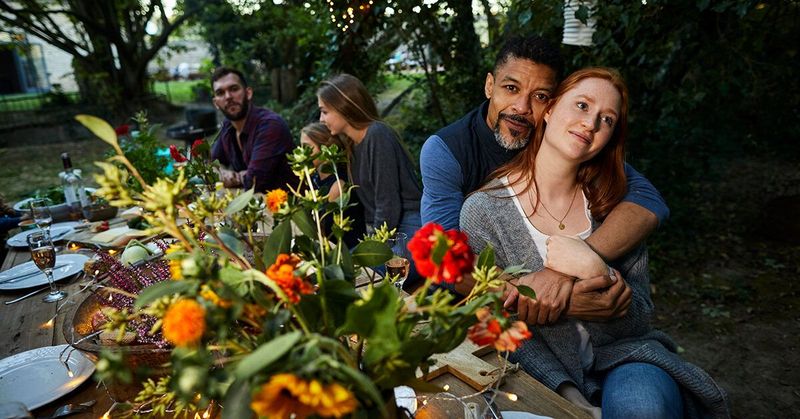
Research suggests that couples with age gaps of seven or more years may see relationship satisfaction decline faster, particularly within the first decade together. Financial stress tends to accelerate that decline even further, making money management a genuinely important shared priority.
That does not mean age-gap relationships are doomed. Strong communication, financial security, secure attachment styles, and high levels of mutual respect are consistently linked to long-term success, regardless of how many years separate the two partners.
12. Sexual Dynamics Can Be Wonderfully Complicated

Sexual compatibility in age-gap relationships is nuanced and worth paying attention to. Younger partners typically bring higher energy and stamina, while older partners often contribute confidence, emotional attunement, and a clearer sense of what they actually want.
Studies have found that older women dating younger men often report increased self-confidence and sexual assertiveness, which can strengthen that dimension of the relationship considerably. Open, judgment-free conversations about needs and expectations keep physical intimacy healthy and mutually satisfying for both partners long-term.
13. Family Planning Needs a Serious Conversation

Wanting children, not wanting them, or being uncertain about the timeline can become one of the biggest sources of tension in an age-gap relationship. A younger partner might assume there is plenty of time, while the older partner may feel the biological or lifestyle clock ticking louder.
Getting on the same page about family planning early is not just practical, it is essential. Discovering a fundamental mismatch years into a committed relationship is far more painful than having an honest, slightly uncomfortable conversation upfront.
14. Social Circles May Not Always Overlap Comfortably

Friend groups can be a surprisingly tricky part of age-gap relationships. The older partner might feel out of place at gatherings with the younger partner’s friends, and vice versa, leaving one person perpetually feeling like an outsider in the other’s world.
Building shared friendships as a couple, rather than relying entirely on existing separate social circles, helps create a sense of belonging for both people. A little effort to blend social worlds goes a long way toward making both partners feel included and valued.
15. The Older Partner Often Carries More Emotional Weight

When one partner has significantly more life experience, they often end up playing the role of emotional anchor more often than not. Guiding a younger partner through career stress, family drama, or personal growth can be deeply rewarding, but it can also become exhausting over time.
Emotional labor needs to be recognized and distributed as fairly as possible. The older partner should feel comfortable expressing their own needs and vulnerabilities too, rather than always being the calm, steady one in every difficult moment.
16. Cultural Backgrounds Add Another Layer
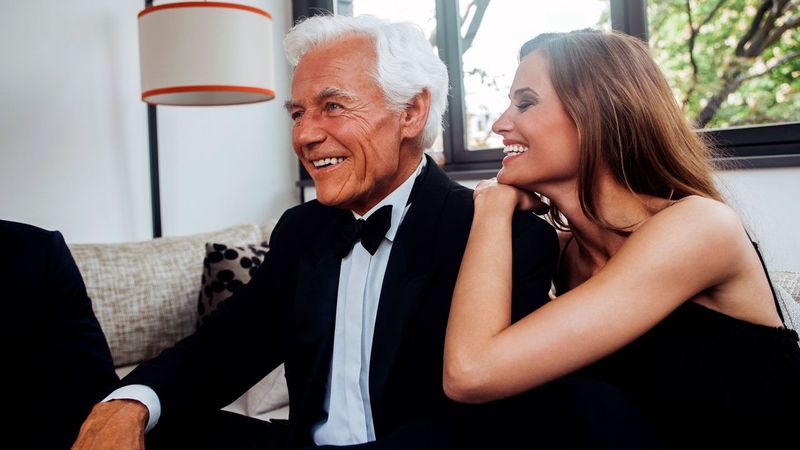
In some cultures, an older man dating a younger woman is considered completely normal, even desirable. In others, the same pairing raises serious eyebrows, and an older woman with a younger man can face especially sharp criticism depending on the community.
Cultural expectations around age, gender, and relationships shape how a couple is perceived and how they see themselves. Understanding where each partner’s cultural values come from helps prevent unnecessary misunderstandings and builds a more thoughtful, respectful foundation together.
17. Younger Partners May Have Less Relationship Experience
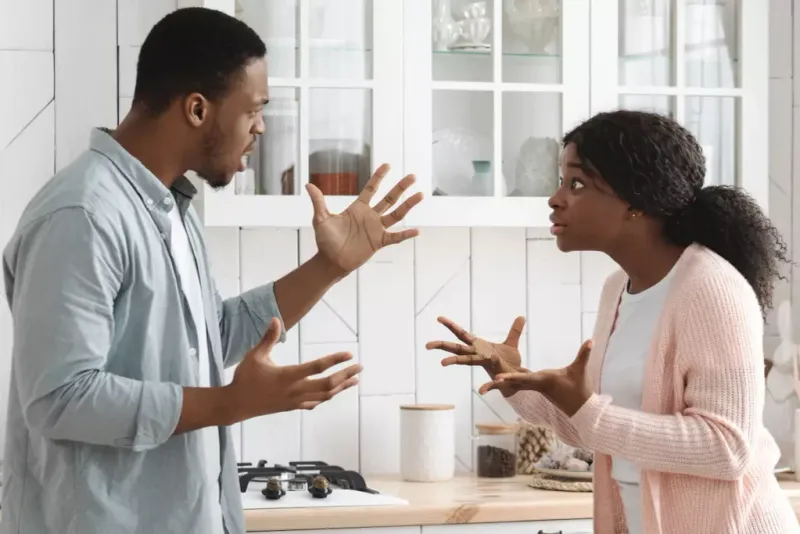
Less time on earth often means fewer serious relationships under the belt, and that can show up during conflicts, difficult conversations, or moments that require real emotional depth. A younger partner might default to avoidance, overreaction, or simply not knowing how to navigate relational friction yet.
Patience is key here, but so is honesty. Gently helping a younger partner grow through relationship challenges is loving and worthwhile, as long as it does not slide into a parental dynamic that neither person actually signed up for.
18. With the Right Foundation, It Can Absolutely Work

Age-gap relationships get a lot of skepticism, but plenty of them thrive beautifully. Research consistently points to strong communication, financial security, emotional security, and genuine mutual respect as the ingredients that make these partnerships last well beyond what critics predict.
Love does not come with an age requirement. When two people are honest about their expectations, willing to grow together, and committed to treating each other as true equals, the number of years between their birthdays becomes far less important than the life they build together.