
A century ago, parents were reaching for names that felt strong, classic, and full of meaning. The year 1925 gave us a beautiful snapshot of naming trends that leaned heavily on biblical roots, royal connections, and old-world charm.
Many of these names are making a quiet comeback today, proving that true classics never really go out of style. Whether you are expecting a baby or just love a good trip through history, these names are worth knowing.
1. Robert
Back in 1925, Robert was the most popular boy’s name in the entire United States. That is a pretty impressive crown to wear.
The name comes from the Old Germanic words meaning “bright fame,” which sounds like something every parent would want for their child.
Robert stayed in the top 25 for over a century, making it one of the most enduring names in American history. Nicknames like Rob, Bob, and Bobby gave it extra personality and flexibility across generations.
2. John
Few names carry as much weight across history as John. Rooted in the Hebrew name Yohanan, meaning “God is gracious,” it held the second spot on the boys’ list in 1925 and had already been popular for hundreds of years before that.
Kings, saints, presidents, and poets have all carried this name proudly. It is short, strong, and impossible to mispronounce.
For parents who want a name that simply works everywhere, John has always delivered.
3. William

William has royal written all over it. From William the Conqueror to Prince William, this name has graced thrones and history books for over a thousand years.
In 1925, American parents ranked it third on the boys’ list, showing just how deeply it had rooted itself in popular culture.
The nickname options alone make William irresistible. Will, Bill, Billy, and Liam all stem from this one classic name, giving each child a chance to make it their own.
4. James
Steady and strong, James has been a fixture in American naming culture for generations. In 1925, it ranked fourth among boys, a spot it had earned through both biblical heritage and sheer staying power.
The name traces back to the Hebrew name Yaakov, the same root as Jacob.
What makes James so lovable is how adaptable it feels. Jim, Jimmy, and Jamie all feel like completely different personalities, yet they all come from the same dependable source.
5. Charles

Charles ranked fifth among boys in 1925, and it brought with it centuries of royal prestige. From Charlemagne to King Charles, this name has always suggested dignity and leadership.
Parents in the 1920s clearly had high hopes when they chose it for their sons.
Charlie is the warm, friendly nickname that softens the formality of Charles perfectly. It is the kind of name that works equally well in a boardroom or on a playground, a rare quality that keeps it relevant decade after decade.
6. George
George held the sixth spot on the 1925 boys’ list, riding a wave of popularity that stretched from ancient Greece all the way to the White House. The name means “farmer” or “earth worker” in Greek, grounding it in something honest and real.
With ties to Saint George, King George, and even George Washington, the name carries a sense of tradition that feels almost unshakeable. Georgie as a childhood nickname adds a playful softness that balances all that historical gravitas beautifully.
7. Joseph
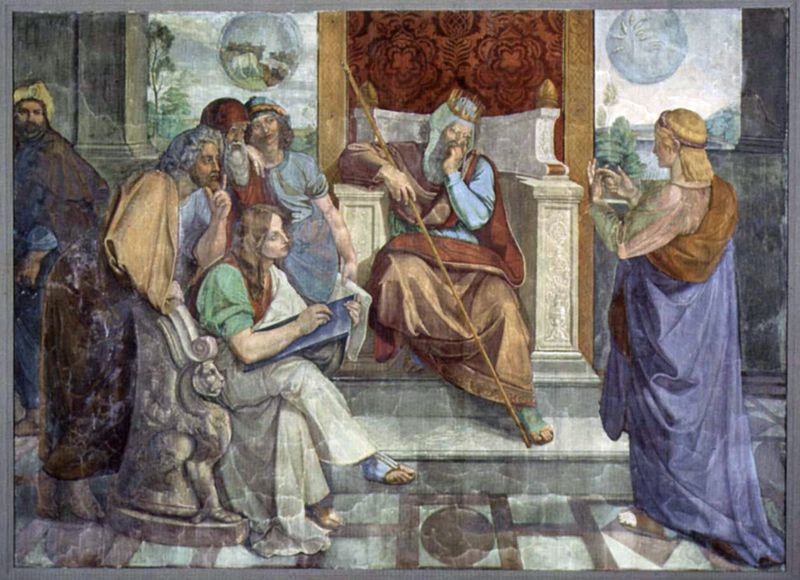
Warmth and tradition pour out of the name Joseph. Ranked seventh among boys in 1925, it draws from one of the most beloved stories in the Bible, the tale of Joseph and his coat of many colors.
That kind of storytelling legacy gives a name real staying power.
Joe and Joey make it approachable and friendly for everyday life. Parents who love a name with both spiritual depth and a casual, likable feel have been choosing Joseph for centuries, and honestly, it is easy to understand why.
8. Edward
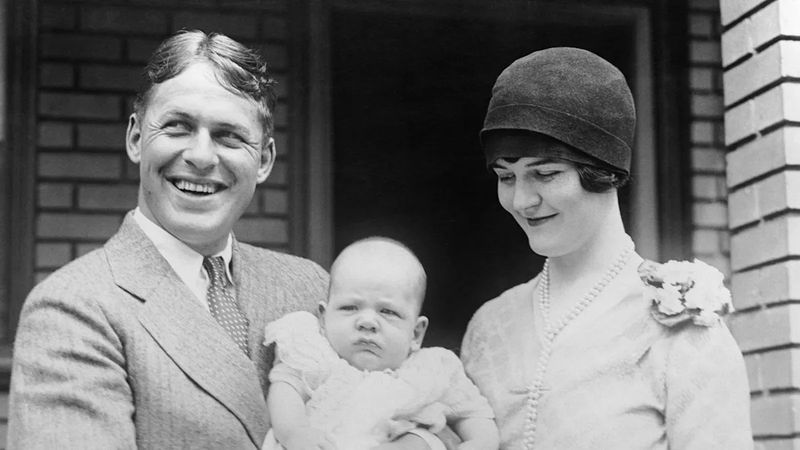
Edward ranked ninth among boys in 1925, carrying with it a long line of English kings and a sense of quiet authority. The Old English roots of the name translate to “wealthy guardian,” which sounds like a pretty solid life goal for any child.
Ed, Eddie, and Ted are all cheerful, everyday nicknames that give Edward a friendlier face. It is the kind of name that ages beautifully, feeling equally right on a toddler tumbling through a garden or a grandfather telling stories by the fire.
9. Henry

Henry sat comfortably at number 18 on the boys’ list in 1925, but its influence has always felt much bigger than its ranking. Meaning “ruler of the home” in Old Germanic, it is a name that carries quiet confidence without feeling stuffy or old-fashioned.
Eight English kings bore the name Henry, which says a lot about its staying power. Today it is enjoying a genuine revival, popping up in nurseries and playgrounds with fresh energy, proving that some names truly do get better with age.
10. Mary

Mary topped the girls’ list in 1925 with a dominance that felt almost inevitable. As one of the most recognized names in the world, it carries biblical roots, royal associations, and a simplicity that has never gone out of fashion.
Meaning “beloved” or “wished-for child” in Hebrew, it has always felt like a name full of love.
For generations, Mary was the name that defined American girlhood. Its quiet elegance and easy pronunciation made it a universal favorite across cultures and communities.
11. Dorothy
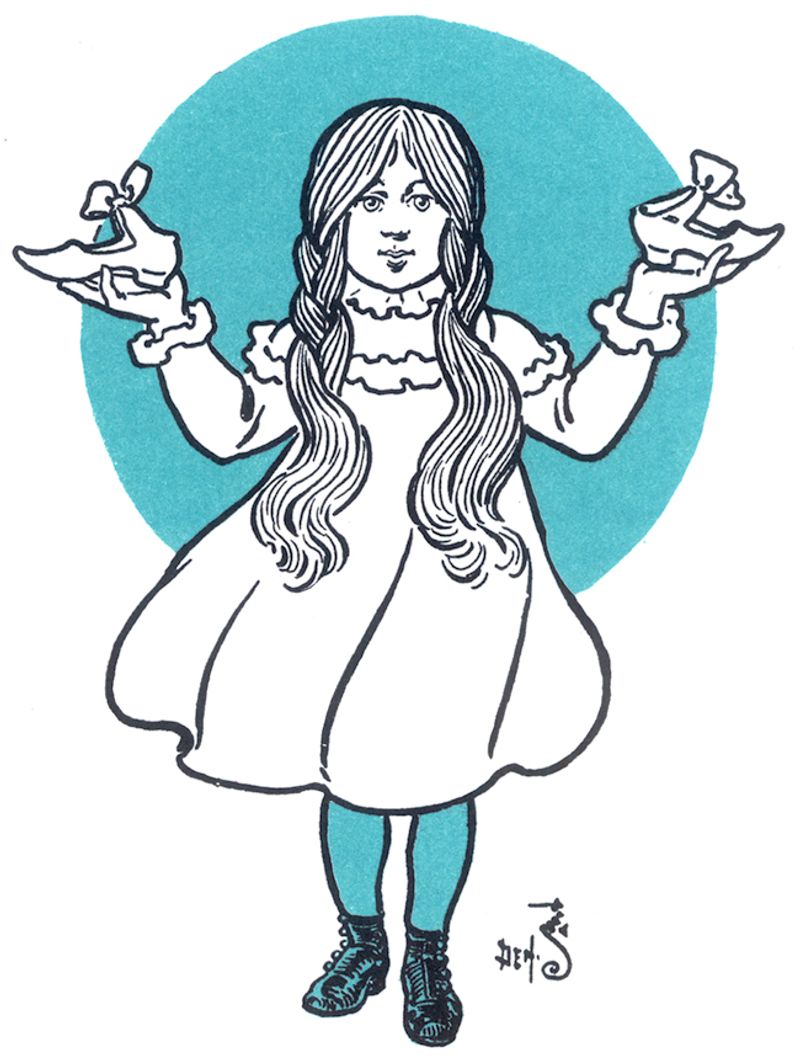
Dorothy was the second most popular girl’s name in 1925, and it carries a certain golden-era charm that is hard to resist. The name means “gift of God” in Greek, which is a beautiful sentiment for any new arrival.
Of course, a certain girl from Kansas made the name even more iconic a few years later.
Dot and Dottie give Dorothy a playful, vintage-cool edge that modern parents are rediscovering. It feels both nostalgic and fresh, which is exactly the sweet spot many families are looking for today.
12. Helen
Helen ranked fourth among girls in 1925, and it brought with it one of the most dramatic origin stories in all of history. Named after Helen of Troy, whose legendary beauty supposedly launched a thousand ships, this name has carried an air of quiet power for millennia.
Simple and melodic, Helen never needed flashy letters or unusual spellings to stand out. It has a clean, timeless sound that feels equally at home in ancient mythology and a modern nursery.
That kind of versatility is genuinely rare.
13. Margaret

Margaret held the fifth position on the girls’ list in 1925, and it came loaded with nickname possibilities. Maggie, Meg, Peggy, Marge, and Rita are all offshoots of this one wonderfully rich name.
That kind of flexibility made it a parent favorite for decades on end.
Meaning “pearl” in Greek, Margaret has a natural elegance that suits every stage of life. Queens and scientists have shared this name proudly, and today it is making a quiet comeback among parents who love something classic with real character.
14. Ruth
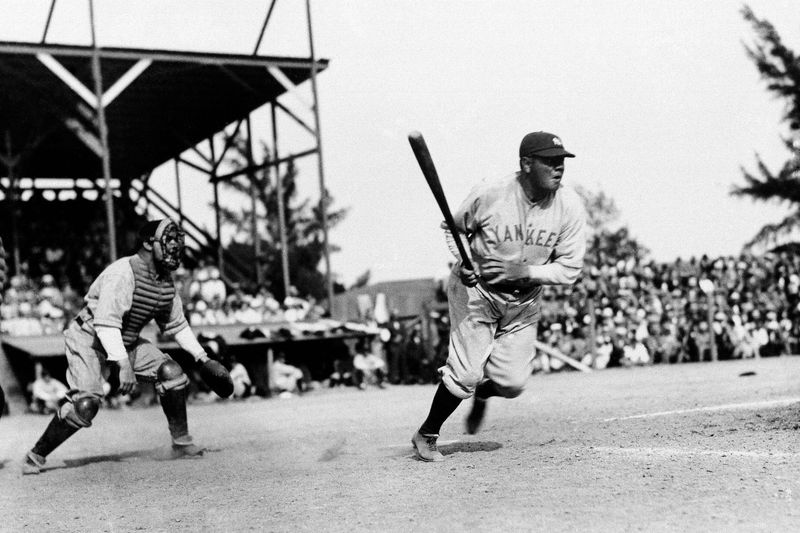
Short, strong, and deeply meaningful, Ruth ranked sixth among girls in 1925. Its biblical roots run deep, drawn from the Book of Ruth, one of the most touching loyalty stories in scripture.
The name itself likely comes from a Hebrew word meaning “companion” or “friend,” which feels wonderfully warm.
Ruth has a no-nonsense quality that somehow also feels tender. It never needed extra syllables or fancy embellishments to make an impression.
Baseball fans might also smile, remembering a certain legendary slugger who shared this surname.
15. Virginia

Virginia brought a touch of Southern elegance to the 1925 girls’ list, landing in the seventh spot. Named after Queen Elizabeth I of England, who was known as the Virgin Queen, the name carries a sense of regal poise that has never fully faded.
Ginny and Ginger are the lively nicknames that give Virginia a more spirited, playful feel. It is the kind of name that sounds equally lovely whispered at a cradle or announced at a graduation ceremony, a quality that keeps it genuinely enduring.
16. Elizabeth
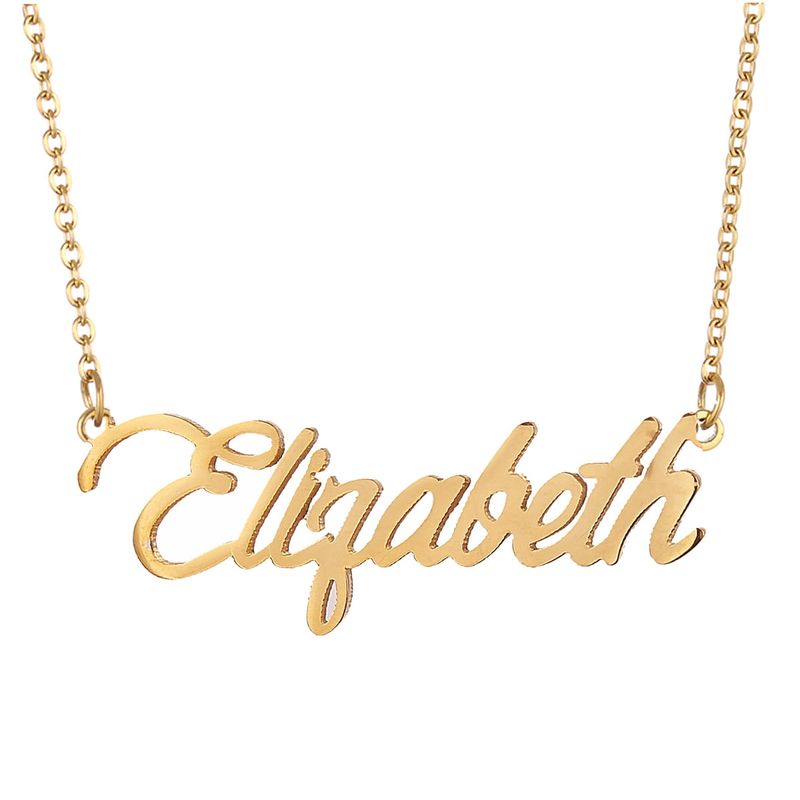
Elizabeth climbed to the tenth spot on the girls’ list in 1925, and it has rarely strayed far from the top ever since. With royal connections stretching from Tudor queens to modern monarchs, this name has a pedigree that is genuinely unmatched in the English-speaking world.
What makes Elizabeth truly special is its incredible range of nicknames. Eliza, Lily, Beth, Bess, Betty, and Libby all flow from this one magnificent source, giving every child a version that fits their personality perfectly from the very start.
17. Anna
Anna ranked 13th among girls in 1925, and it brought with it a simple grace that has charmed parents across countless cultures and languages. Derived from the Hebrew name Hannah, meaning “grace,” it is one of those names that sounds beautiful in almost every language on earth.
There is something quietly confident about Anna. It does not need extra letters or creative spelling to feel special.
Clean, classic, and genuinely lovely, it has appeared in everything from Tolstoy novels to Disney films, always feeling perfectly at home.
18. Alice

Alice landed at number 15 on the girls’ list in 1925, and it has always carried a sense of wonder and quiet nobility. Rooted in the Old French and Germanic name Adalheidis, meaning “noble” or “of noble kind,” it has a distinguished background that its playful sound happily disguises.
Lewis Carroll’s famous 1865 novel gave Alice an adventurous, imaginative spirit that stuck to the name permanently. Today it feels both vintage-cool and genuinely fresh, making it a favorite for parents who want something classic with a hint of storybook magic.