
Hollywood has never been a quiet place, and some of its loudest moments come when actors speak up about the roles they played or the criticism they faced. Black actors, in particular, have often found themselves at the center of heated debates about representation, stereotypes, and racial bias.
Whether defending their choices or owning up to mistakes, these stars showed real courage by speaking out. Their stories remind us that behind every role is a real person navigating a complicated industry.
1. Will Smith – Wild Wild West (1999)
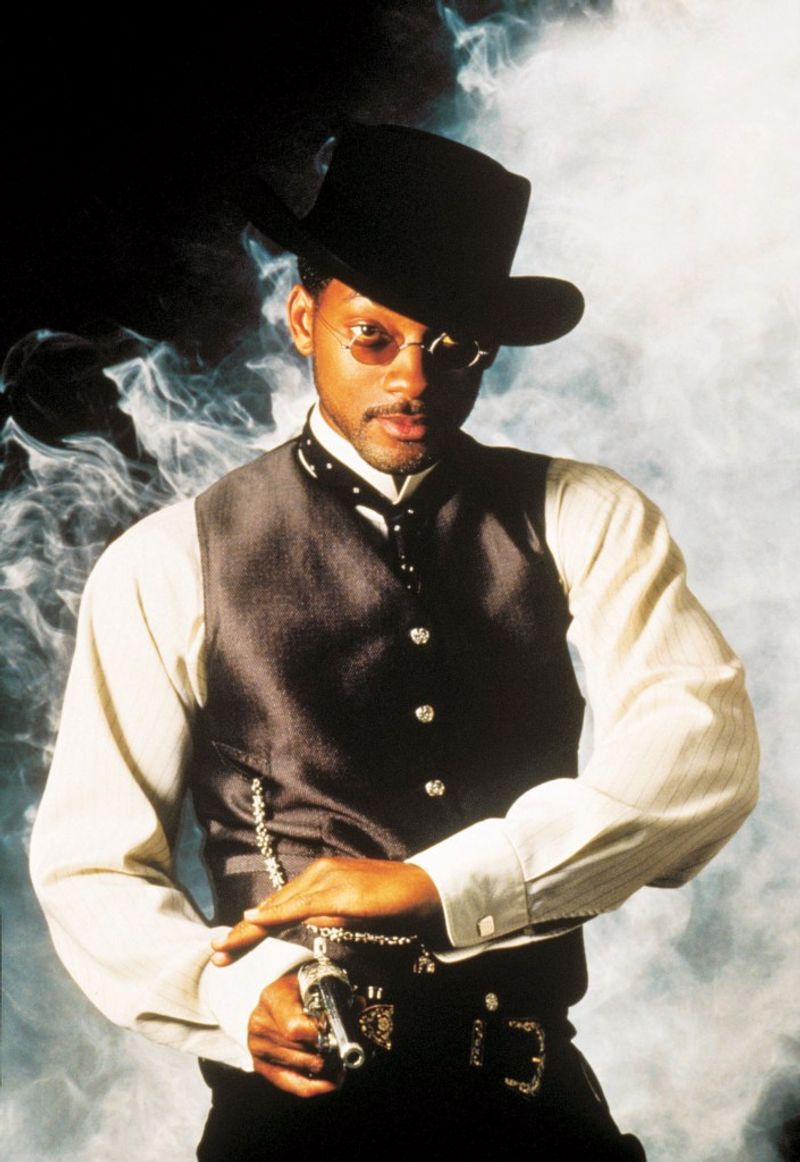
Will Smith once admitted something most stars would never say out loud: he tricked audiences. After the massive flop of Wild Wild West, Smith publicly apologized for prioritizing box office numbers over making a genuinely good film.
He acknowledged that his creative compass had shifted in the wrong direction.
That kind of honesty from a major Hollywood star is rare. Smith owned his mistake without pointing fingers, showing fans that even the biggest names can lose sight of what matters most in storytelling.
2. Halle Berry – Catwoman (2004)
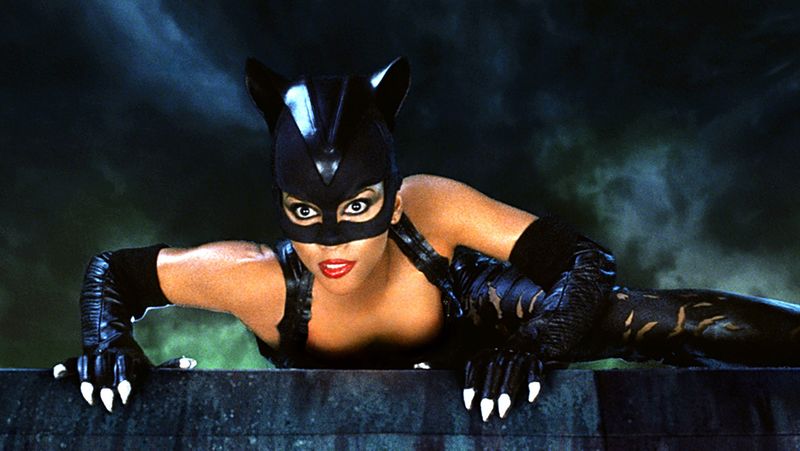
Winning a Razzie is not usually something to celebrate, but Halle Berry showed up in person to accept hers for Catwoman, and the crowd loved her for it. She addressed the backlash head-on, making it clear that she did not make the film alone and felt it was unfair that all the blame landed on her shoulders.
Berry also reflected on how being a Black woman shaped the intensity of that criticism. Years later, she expressed a desire to remake the film herself as director.
3. Tyler Perry – Madea Franchise (2005-present)
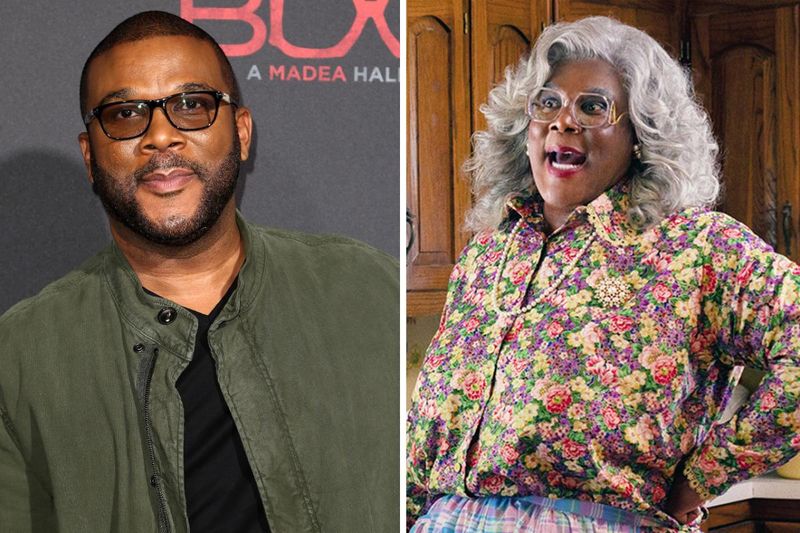
Not everyone found Madea funny. Filmmaker Spike Lee publicly called Tyler Perry’s franchise “buffoonery,” arguing it reinforced harmful Black stereotypes.
Perry fired back with something deeply personal, explaining that Madea and characters like her represent real people from his childhood community.
Perry said he was honoring the lives of millions of Black Americans who saw themselves reflected in those stories. The debate sparked a broader conversation about who gets to define authentic Black representation in Hollywood.
4. Zoe Saldana – Nina (2016)
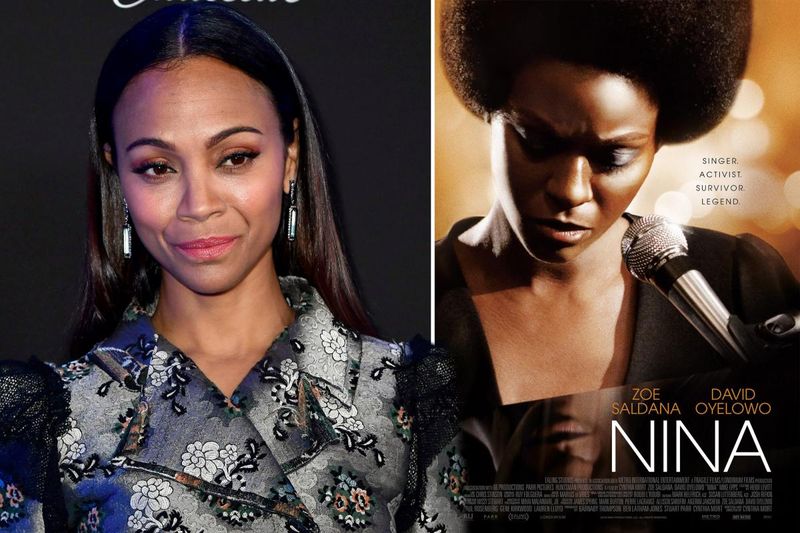
Few casting controversies have hit as hard as Zoe Saldana playing Nina Simone. Critics, fans, and Simone’s own estate argued that a darker-skinned actress should have been cast instead.
Saldana initially defended herself, saying artists are colorless and genderless.
But time changed her perspective. Years later, she tearfully apologized, saying she should have never taken the role and that Nina Simone deserved better.
Her willingness to revisit and own that moment took real emotional courage.
5. John Boyega – Star Wars Sequel Trilogy (2015-2019)
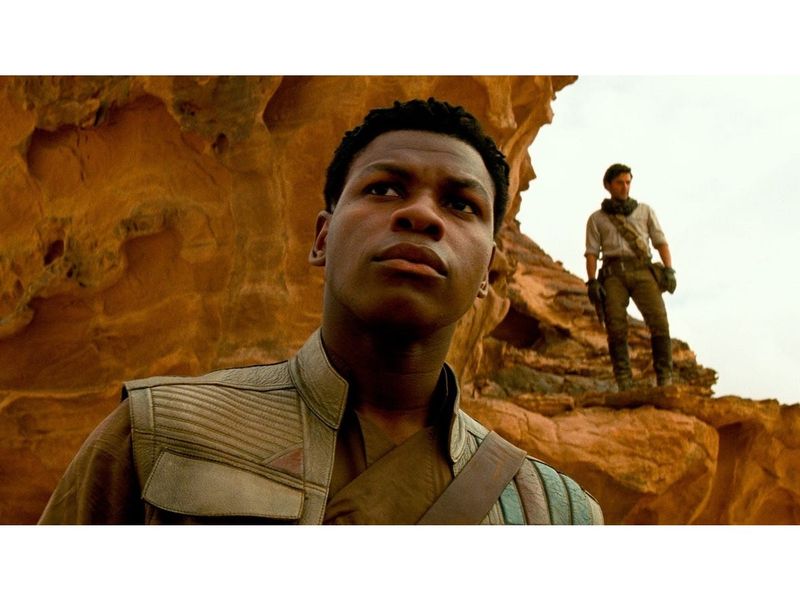
Before Star Wars: The Force Awakens even hit theaters, John Boyega was already dealing with racist backlash just for being cast as a Black stormtrooper. His response was direct and unapologetic: the movie was happening, and fans could either enjoy it or not.
That confidence resonated with millions.
Later, Boyega also called out Disney for sidelining his character, Finn, in the later films. He felt that characters of color were not given the same story investment as their white counterparts.
6. Leslie Jones – Ghostbusters (2016)
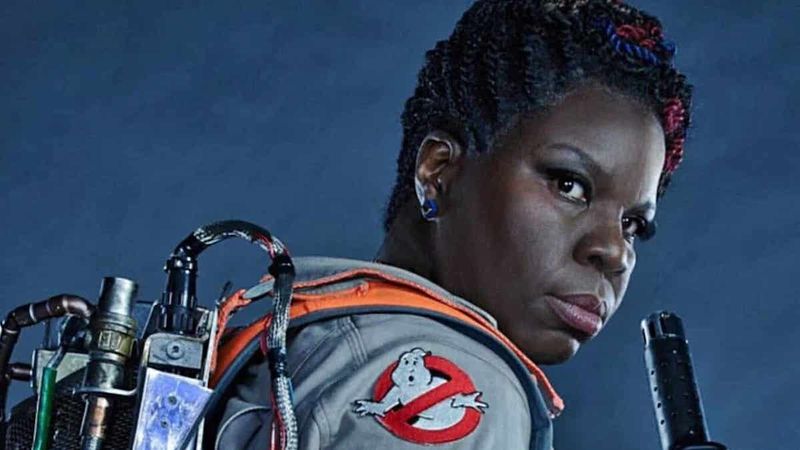
The 2016 Ghostbusters reboot brought out some of the ugliest online behavior imaginable. Leslie Jones was flooded with racist and misogynistic attacks, including death threats, simply for playing a role in a movie.
She took to social media to speak out, refusing to stay silent about the abuse.
Jones pointed out plainly that she received the worst treatment because she was a Black woman. Her courage in naming that publicly helped spark important conversations about how online harassment targets Black women in entertainment.
7. Mo’Nique – Precious (2009)
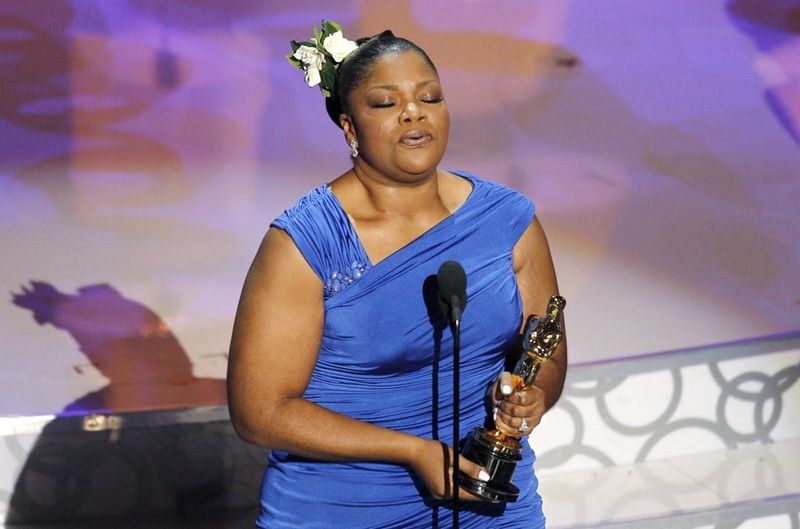
Winning an Oscar should have been the beginning of a thriving Hollywood career for Mo’Nique. Instead, she says it marked the start of being “blackballed.” She claims she was penalized for refusing to campaign extensively for the film without fair compensation, and for not playing Hollywood’s political game.
Mo’Nique turned her experience into a rallying cry for Black women in entertainment. She questioned openly why she should accept less money simply because the industry expected her to be grateful for the opportunity.
8. Idris Elba – The Dark Tower (2017)
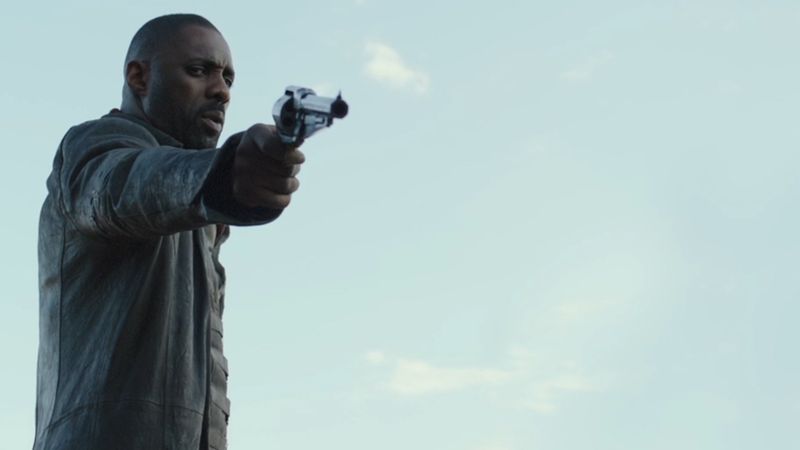
Stephen King fans had strong opinions when Idris Elba was cast as Roland Deschain, a character long written as white. Some of the pushback crossed into outright racism.
Elba stayed measured, acknowledging that everyone has opinions while quietly standing his ground.
He even challenged critics to try adapting the notoriously complex Dark Tower series themselves. His calm, self-assured response showed a man comfortable enough in his talent not to waste energy defending what should never have needed defending in the first place.
9. Jada Pinkett Smith – Girls Trip (2017)
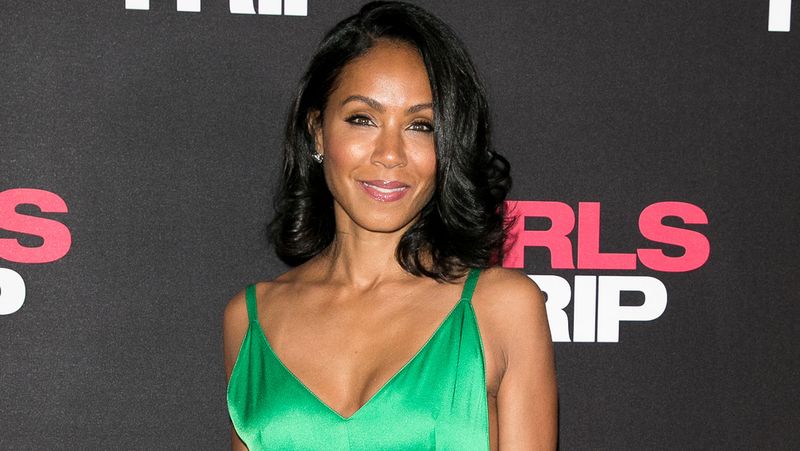
Girls Trip was a massive hit with audiences, but the Golden Globes did not even bother to screen it for consideration. Jada Pinkett Smith was not quiet about what she believed was behind that decision.
She publicly called out what she described as an antiquated system built on racial bias.
Pinkett Smith specifically highlighted co-star Tiffany Haddish’s breakout performance, arguing it deserved recognition. Her statement pushed a spotlight onto how award bodies overlook films led by Black casts, even when audiences clearly disagree.
10. Francesca Amewudah-Rivers – Romeo and Juliet (2024)
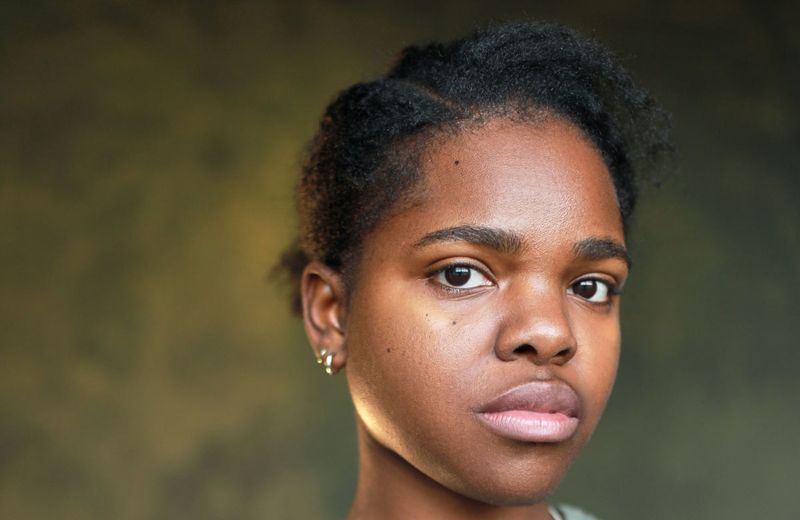
Getting cast in a major West End production should be a dream come true. For Francesca Amewudah-Rivers, the announcement of her role as Juliet was immediately met with a storm of racist online hate.
The response from the theater community was powerful: over 900 Black women and nonbinary actors signed a solidarity letter condemning the abuse.
The letter pointed out that Black performers are routinely punished online simply for getting jobs. Amewudah-Rivers became a symbol of resilience for an entire generation of Black stage actors.
11. David Oyelowo – Black Southern Accent Comments (2026)
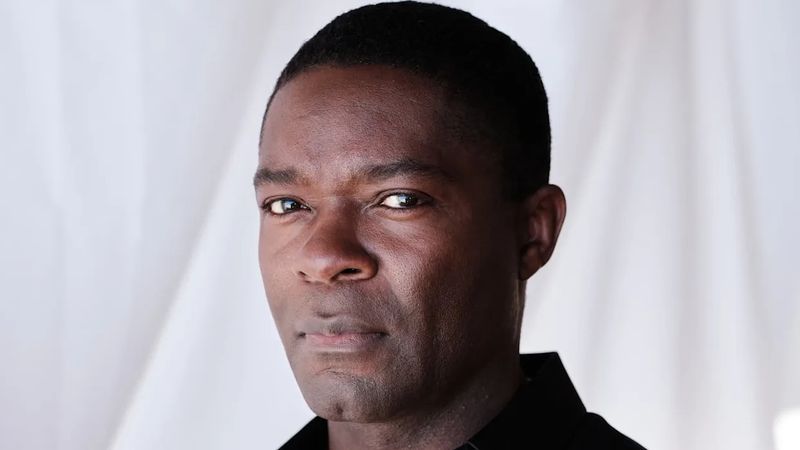
David Oyelowo stepped into controversy not through a role, but through his own words. During a podcast, he described the Black Southern accent in a way many found deeply offensive and reductive, linking it to slavery and subservience.
The backlash was swift and pointed.
To his credit, Oyelowo did not try to spin or minimize the damage. He issued a public apology, calling his remarks careless and wrong.
His willingness to correct himself without excuses set a solid example of how public figures can handle missteps.
12. Terry Crews – Social Justice Comments (2020)
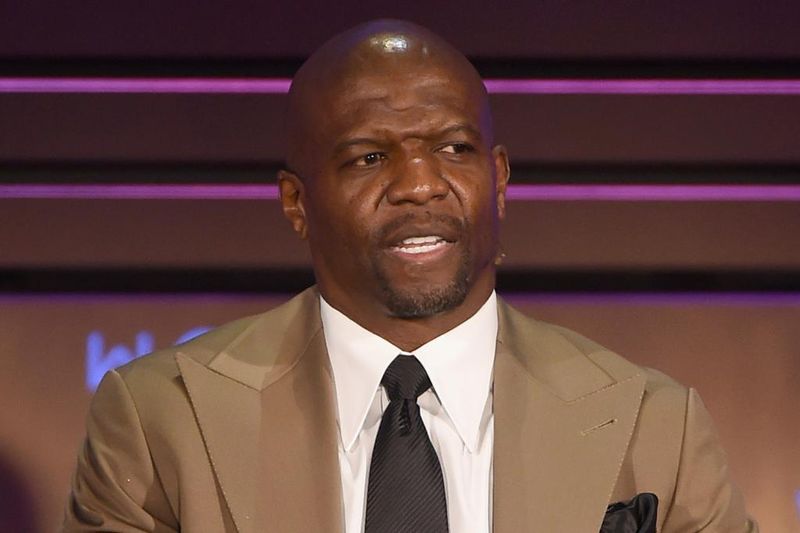
Terry Crews sparked intense debate in 2020 when he made public statements that many felt undermined the social justice movements gaining momentum at the time. Critics across communities pushed back hard, questioning whose side he was really on.
The conversations got heated and very public.
Crews engaged directly in those debates rather than going silent, attempting to clarify his position. He later sought to make amends with those he had offended.
Whether people accepted his explanations varied widely, but the exchange highlighted how divided public opinion can get around Black public figures.
13. Stacey Dash – Conservative Views and Blacklisting Claims
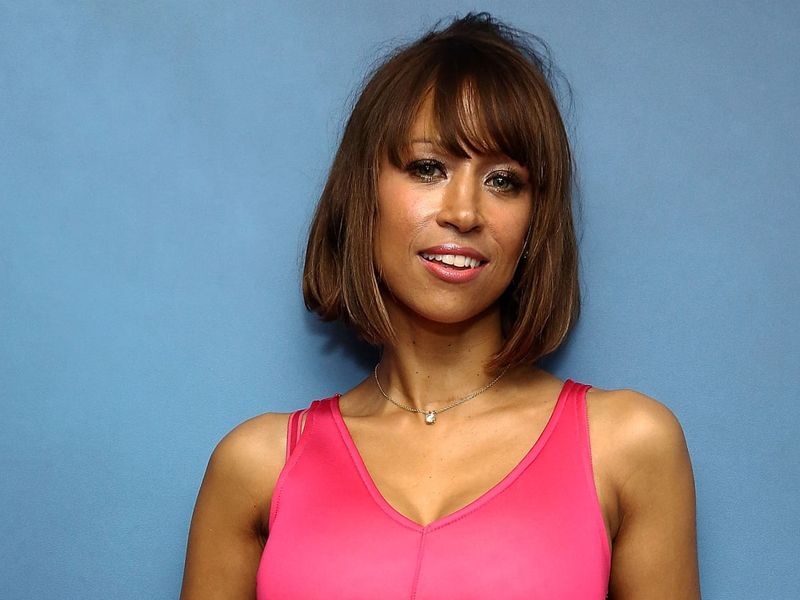
Most people remember Stacey Dash from Clueless, but her second act as a Fox News contributor changed everything. Her comments about eliminating Black History Month drew fierce criticism and cost her fans across the board.
She became one of the most polarizing figures in Hollywood’s political landscape.
Dash has publicly claimed that her conservative views got her blacklisted by casting directors. Whether that is the full story is debated, but her case raises real questions about how political alignment shapes opportunities for Black actors in the entertainment industry.
14. Isaiah Washington – Grey’s Anatomy and Political Views
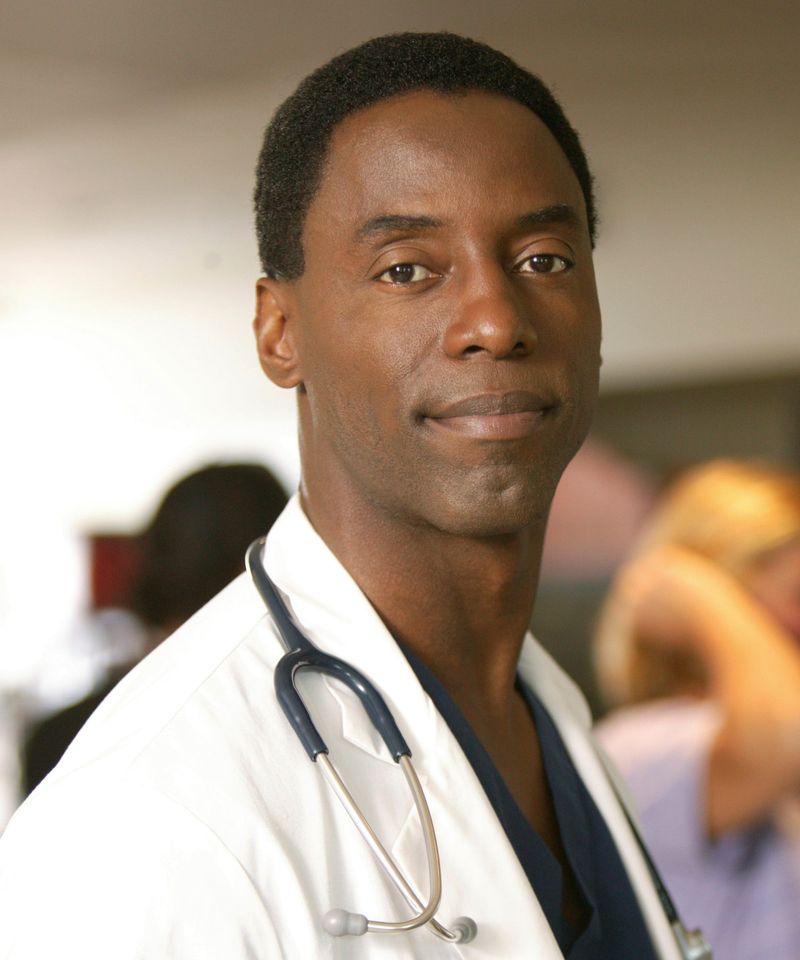
Isaiah Washington’s firing from Grey’s Anatomy following an on-set homophobic slur controversy was one of the most talked-about Hollywood scandals of the mid-2000s. The incident ended his run on one of television’s biggest shows and damaged his reputation significantly at the time.
Washington later became a vocal conservative commentator, claiming his political views further pushed him to the margins of Hollywood. His story is complicated, mixing genuine controversy with claims of industry bias, making it one of the more layered cases on this list.
15. LaKeith Stanfield – Clubhouse Antisemitism Incident (2021)
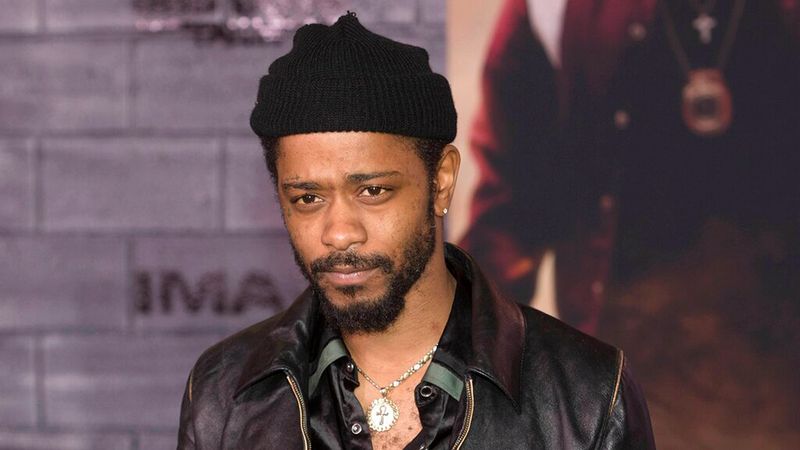
LaKeith Stanfield found himself at the center of a serious controversy after moderating a Clubhouse room that spiraled into antisemitic conversation. The backlash was immediate, with many fans and critics expressing disappointment in someone widely respected for thoughtful, boundary-pushing work.
Stanfield did not deflect. He issued an apology acknowledging he should have shut the conversation down or walked out immediately.
He admitted he lacked the education on the subject to handle it properly. That kind of self-aware accountability, while imperfect, resonated with many people watching the situation unfold.
16. Anthony Mackie – Black Panther Director Comments (2020)
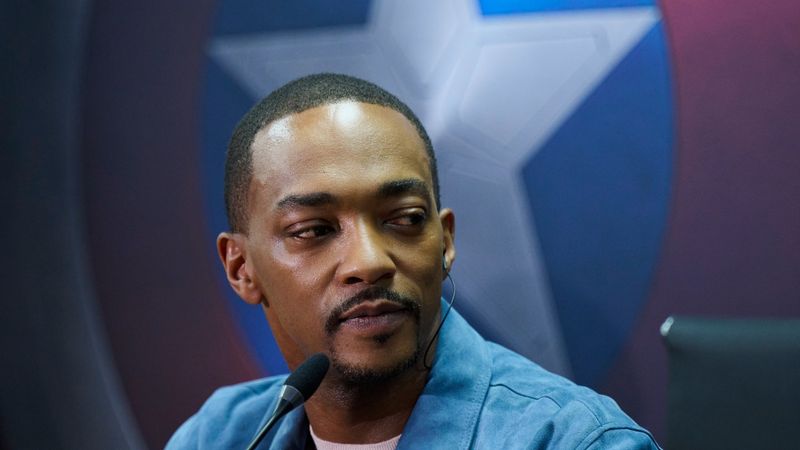
Anthony Mackie raised eyebrows when he questioned the assumption that Black Panther needed a Black director, suggesting the best-qualified person should get the job regardless of race. The reaction was swift, with many fans and peers pushing back on what they saw as a dismissive take on representation.
Mackie later clarified his position, saying he wants Black talent hired across all types of films, not just Black-centered ones. It was a nuanced point that got lost in the initial controversy, showing how quickly complex ideas can be misread in the age of social media.