
Some movies end and leave you staring at the screen, wondering what just happened. Whether a character wakes up, disappears, or simply walks away, these finales can feel more like puzzles than conclusions.
But most of the time, directors are sending a very specific message, one that hides just beneath the surface. Here is a breakdown of what some of cinema’s most baffling endings were really trying to tell us.
1. Donnie Darko (2001): Dying to Save Everything
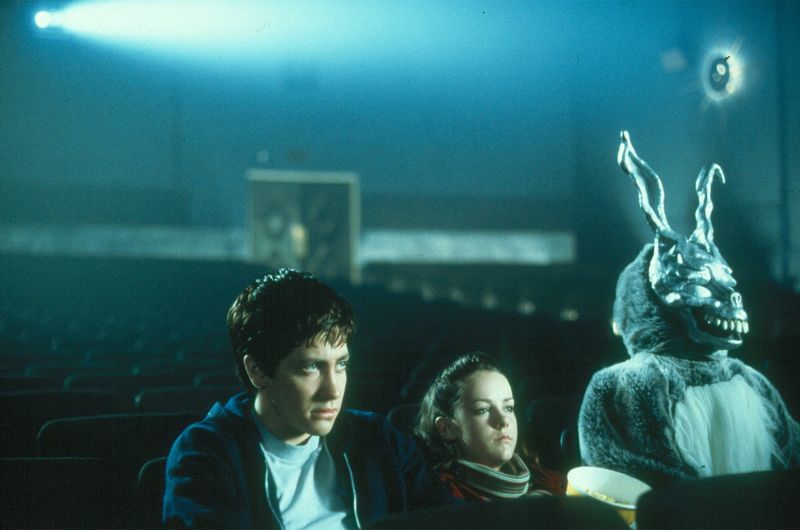
Donnie Darko is one of those films that rewards patience. The whole story takes place inside a “Tangent Universe,” a broken copy of reality that will collapse unless Donnie corrects it.
His visions of Frank, the giant rabbit, are guiding him toward one terrifying solution.
Donnie must die. By allowing the jet engine to crush him at the very beginning, he resets the timeline and saves the Primary Universe.
Director Richard Kelly wanted viewers to understand that life and death can exist together, and that true heroism sometimes means choosing to disappear.
2. Inception (2010): The Top That Would Not Stop
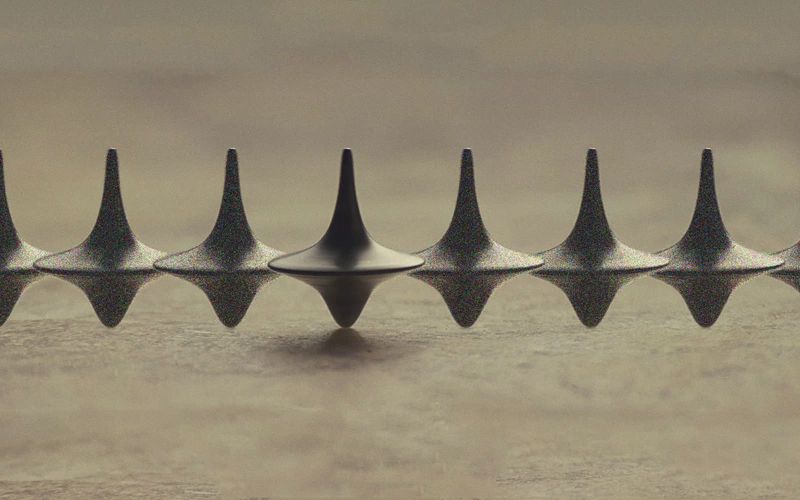
Few movie endings have sparked more dinner-table debates than this one. Cobb spins his totem, a small top, to test whether he is dreaming or awake.
The camera cuts away before it falls, and audiences have been arguing ever since.
Here is the quiet clue most people miss: Cobb is not wearing his wedding ring in the final scene, but he always wears it inside dreams. That small detail suggests he really is home.
The deeper message is that Cobb has stopped caring about the answer, choosing love over certainty.
3. Shutter Island (2010): The Monster or the Good Man
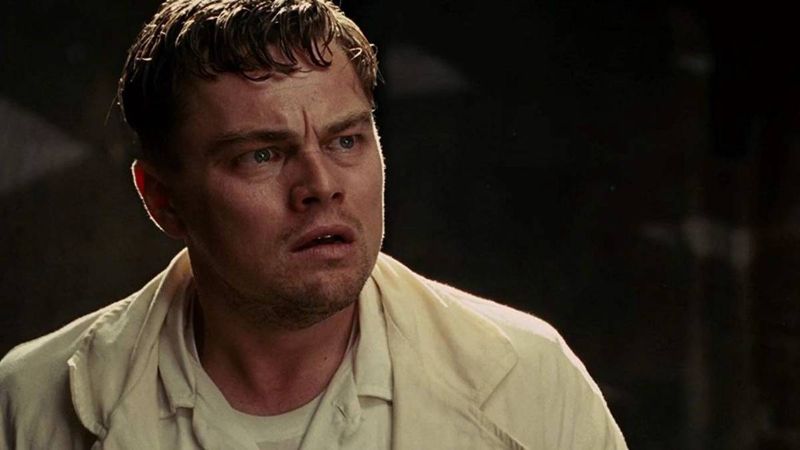
“Which would be worse: to live as a monster, or to die as a good man?” That final line from Andrew Laeddis is the key to unlocking everything. The whole investigation was a roleplay designed by his doctor to help him face the truth about killing his wife.
Andrew likely fakes a relapse on purpose, choosing the lobotomy so he can “die” without carrying his guilt. Martin Scorsese frames the ending as a quiet act of self-sacrifice, suggesting that some people find peace not in survival, but in choosing their own ending.
4. Blade Runner (1982): Is Deckard Even Human?
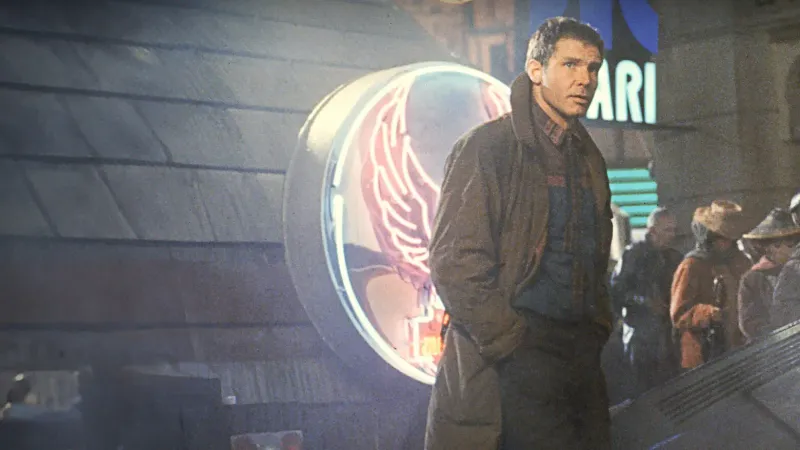
Ridley Scott did not leave much room for accident here. The origami unicorn left by Gaff at the end of the Director’s Cut is a direct nod to Deckard’s earlier dream, a dream no one should have known about unless his memories were implanted.
Scott has confirmed he intended Deckard to be a replicant all along, which flips the entire film on its head. The real message is about identity: if your memories are fake, does that make your humanity fake too?
Blade Runner says no, and that is the point.
5. No Country for Old Men (2007): Evil Does Not Lose
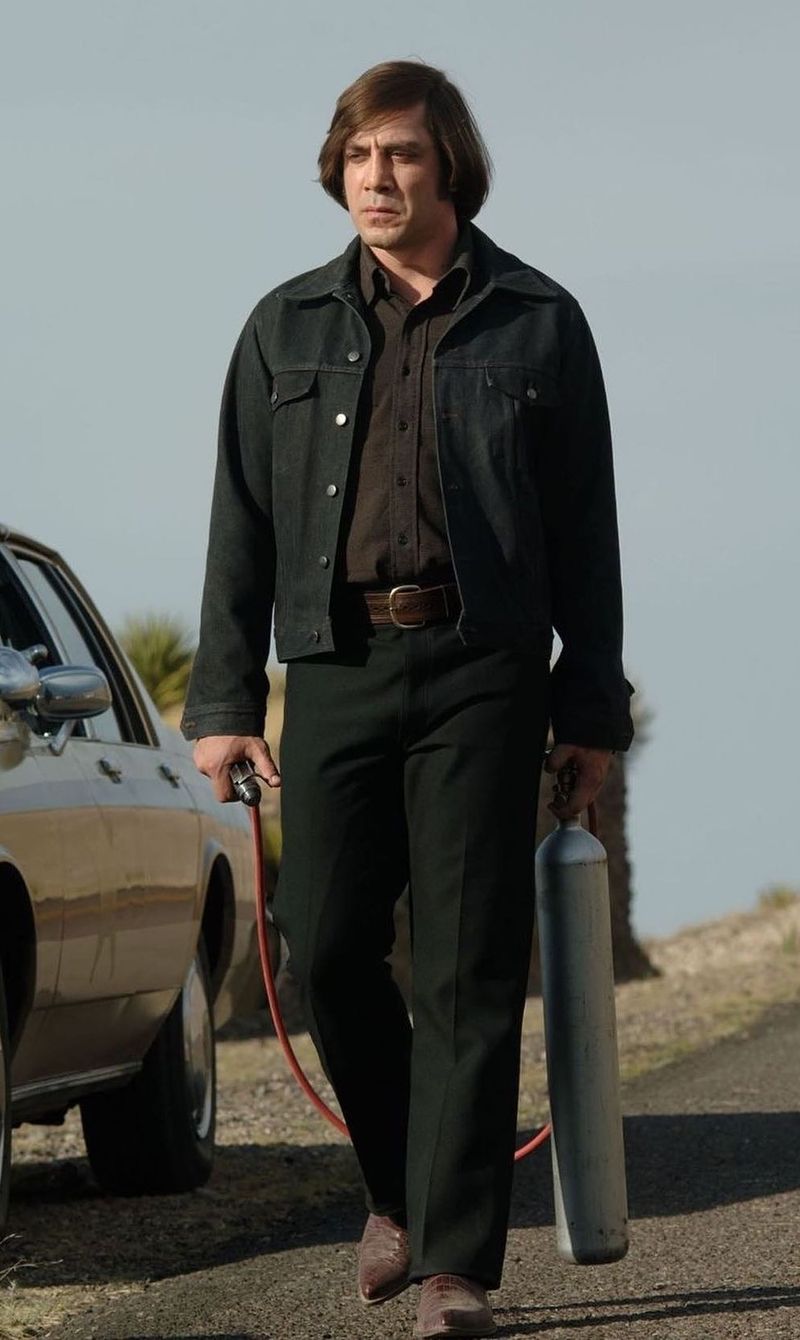
Most crime thrillers end with justice. This one refuses.
Anton Chigurh survives, Llewelyn Moss dies off-screen, and Sheriff Bell simply retires. There is no final showdown, no satisfying capture, and no clear moral victory anywhere in sight.
The Coen Brothers were making a very deliberate statement: evil does not always lose, and old systems of justice cannot always cope with new kinds of violence. Bell’s two dreams at the end represent a passing of the torch into darkness.
The film dares you to sit with that discomfort instead of demanding resolution.
6. 2001: A Space Odyssey (1968): Death as Rebirth
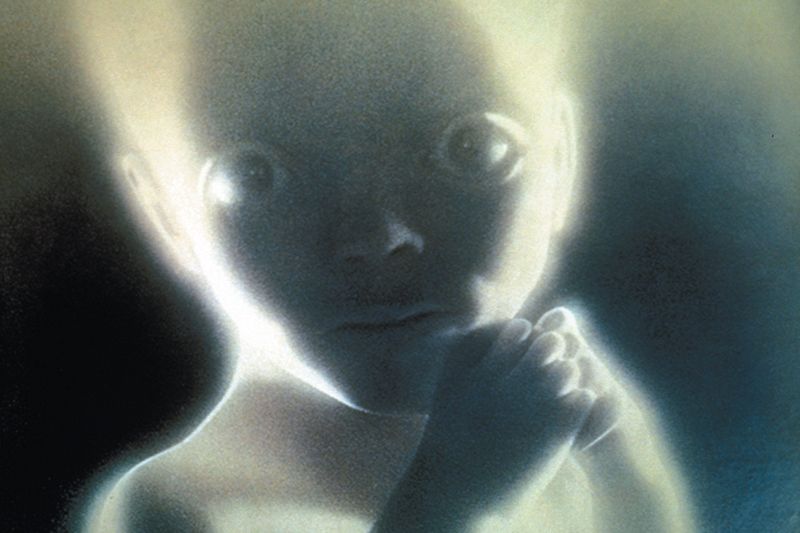
Stanley Kubrick never explained this ending publicly, and that silence was completely intentional. Dave Bowman passes through the monolith, ages rapidly in a strange white room, and is reborn as a glowing Star Child floating near Earth.
It sounds bizarre, but the logic is elegant.
The monolith represents an evolutionary push, something beyond human understanding nudging mankind forward. Dave’s death and rebirth signal humanity reaching its next stage of existence.
Kubrick wanted audiences to feel the awe of transformation without the comfort of a manual. Some things, he believed, are beyond words.
7. The Shining (1980): Jack Was Always There
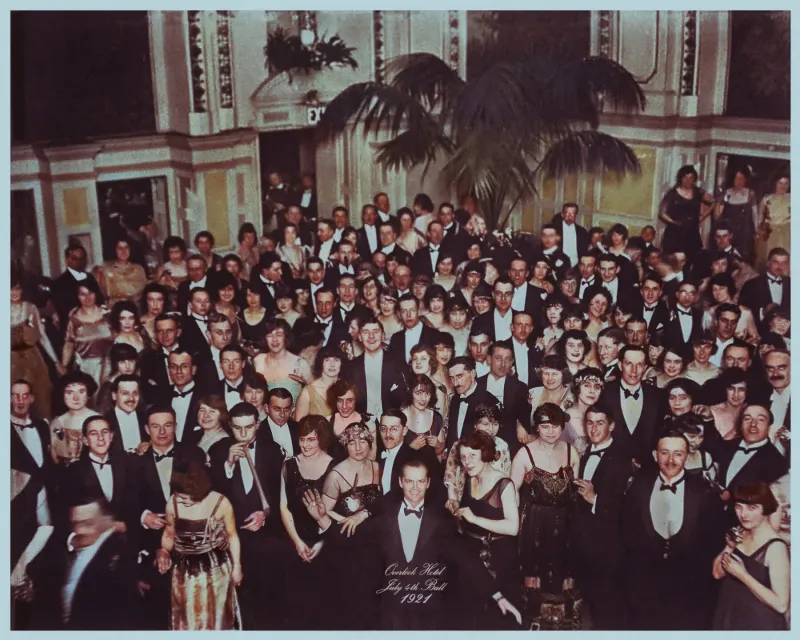
The final shot of Jack Torrance smiling in a 1921 hotel photograph is one of the most chilling images in film history. How can a man from the 1980s appear in a decades-old photo?
Kubrick leaves no explanation, just the image.
The most widely accepted reading is that Jack is not a new soul but a recurring one, a spirit the Overlook Hotel has always owned. His descent into madness was not a breakdown but a homecoming.
The hotel did not corrupt Jack; it simply revealed what was already inside him all along.
8. Mulholland Drive (2001): A Guilt Trip Through Fantasy
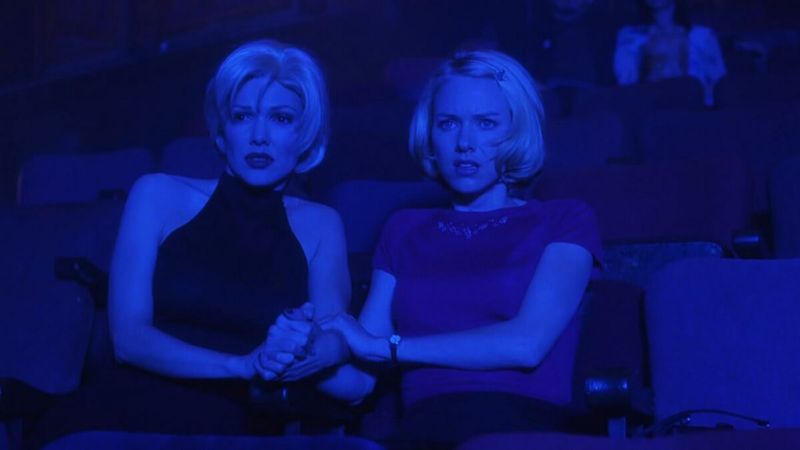
David Lynch built this film as a maze with a broken center. The cheerful first half, starring Betty and Rita, is actually a fantasy dreamed up by Diane Selwyn, a failed actress who had her lover killed out of jealousy and heartbreak.
The second half is brutal, cold reality. Diane cannot live with what she has done, and the fantasy collapses under the weight of her guilt.
Lynch was exploring how the mind rewrites painful truths into bearable stories. Hollywood itself becomes a metaphor for beautiful illusions that ultimately destroy the people chasing them.
9. The Prestige (2006): Every Magic Trick Has a Cost
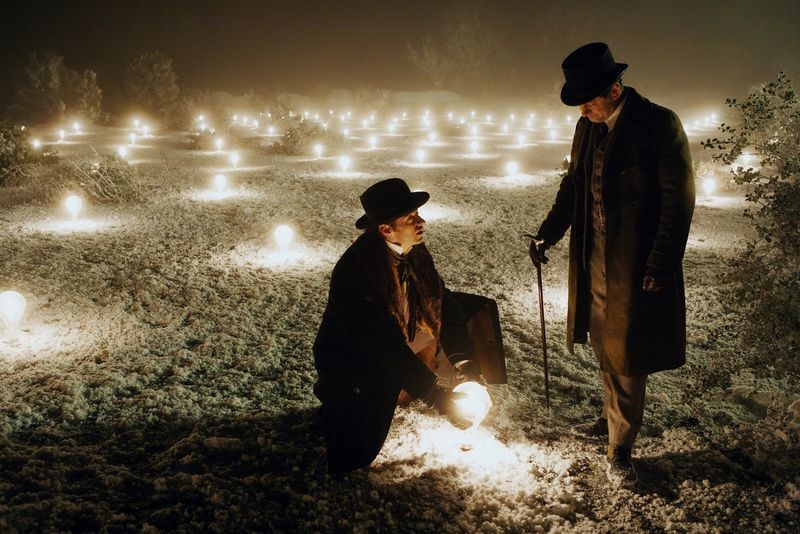
At first glance, the ending seems to answer everything. Angier used a cloning machine to perform his trick, drowning his duplicate every single night.
But Christopher Nolan hides the real gut-punch in plain sight throughout the whole film.
The movie’s three-act magic structure, pledge, turn, and prestige, applies to the story itself. The prestige is always about sacrifice.
Both Angier and Borden gave up something irreplaceable chasing greatness. Nolan’s message is that obsession is its own kind of death, and the applause is never worth what you pay for it.
10. Annihilation (2018): You Cannot Face Yourself
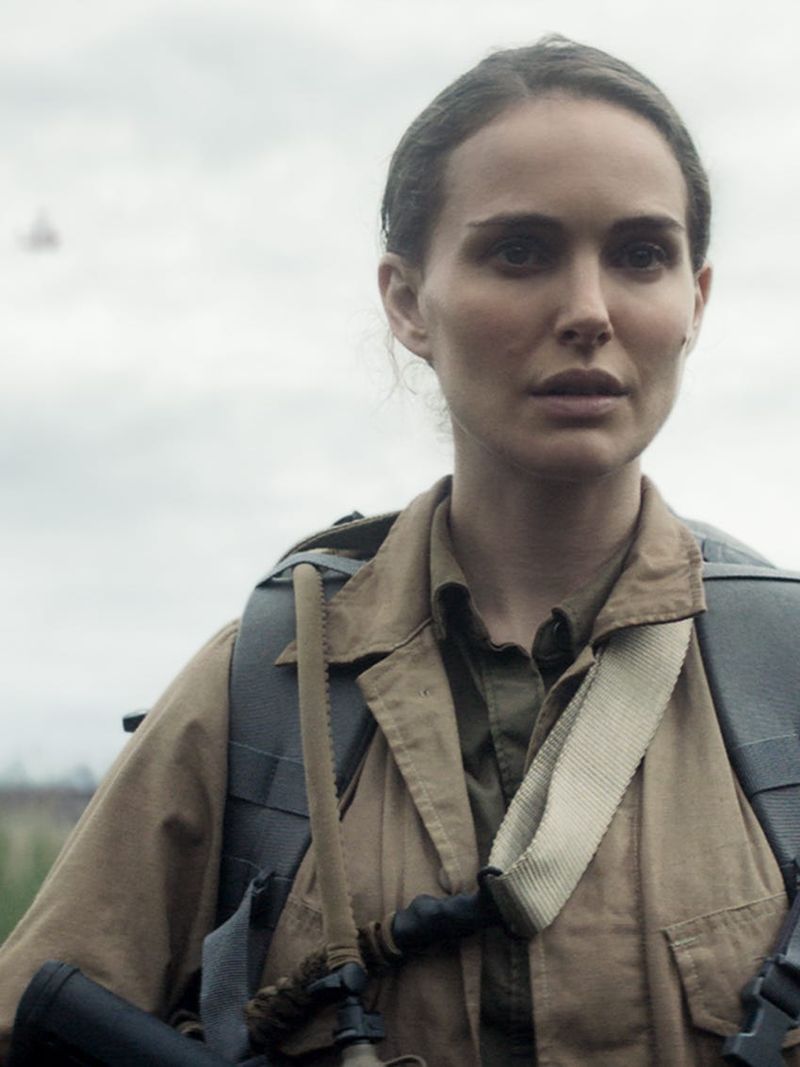
Alex Garland based this film on the idea of self-destruction, not the explosive kind, but the quiet way people sabotage their own lives. Lena enters the Shimmer carrying guilt over her affair and her dying marriage.
The alien does not attack her; it copies her.
When she finally faces her duplicate, she is literally confronting herself. The creature does not know what it wants because Lena does not know what she wants.
The final scene, where her eyes shimmer, suggests she may not have fully come back. Transformation, Garland implies, is not always survivable in the way we imagine.
11. Parasite (2019): A Letter That Cannot Be Delivered

Bong Joon-ho ends his Oscar-winning film with Ki-woo imagining a future where he buys the Park family’s house and rescues his father from hiding underground. It feels hopeful, until you realize it is just a daydream.
Ki-taek will likely live in that basement for the rest of his life. The letter Ki-woo writes will never actually reach him.
Bong uses this ending to show that class barriers are not just economic, they are psychological traps. The poor are allowed to dream, but the system is designed to keep those dreams exactly that: dreams and nothing more.
12. Black Swan (2010): Perfection Kills

Nina achieves the perfect performance and dies for it. Darren Aronofsky frames her death not as tragedy but as fulfillment.
Her final words, “I felt it. It was perfect,” carry a terrifying kind of peace that makes the whole film land differently on rewatch.
The movie is really about what happens when someone stakes their entire identity on a single achievement. Nina could not separate herself from the role, and the role consumed her.
Aronofsky wanted audiences to question whether perfection is worth pursuing if the cost is everything you are as a person.
13. Enemy (2013): Fear Wearing a Human Face
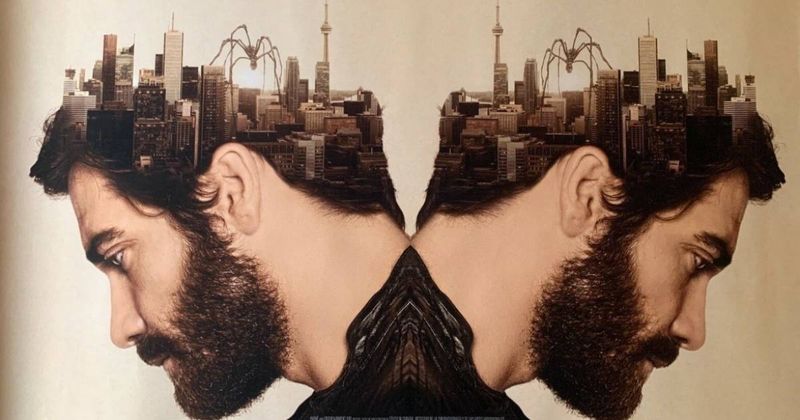
Jake Gyllenhaal plays a man who discovers his exact double, and things get stranger from there. The spider imagery, bookending the film, confused nearly every viewer who watched it.
But director Denis Villeneuve has offered a clear thematic lens.
The spider represents the controlling, suffocating nature of romantic commitment, specifically marriage. Adam keeps cheating and keeps running from responsibility.
His double, Anthony, is not a separate person but a psychological projection of the part of himself he refuses to confront. The giant spider at the end is his fear of intimacy wearing the face of the woman he cannot stop hurting.
14. The Tree of Life (2011): Grief Has No Straight Line
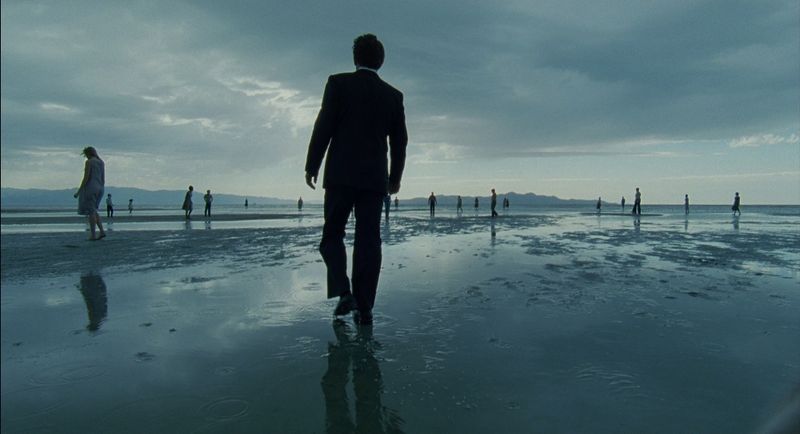
Terrence Malick never really tells a conventional story here, and the ending feels more like a prayer than a plot resolution. Jack, played by an adult Sean Penn, moves through a dreamlike beach gathering where past and present exist simultaneously.
Malick was exploring how grief works: not chronologically, not logically, but in waves and flashes. The beach sequence represents acceptance, a moment where love outlasts loss.
The film argues that meaning is not found in answers but in the willingness to keep feeling, even when pain and beauty arrive at exactly the same time.
15. Interstellar (2014): Love as a Physical Force
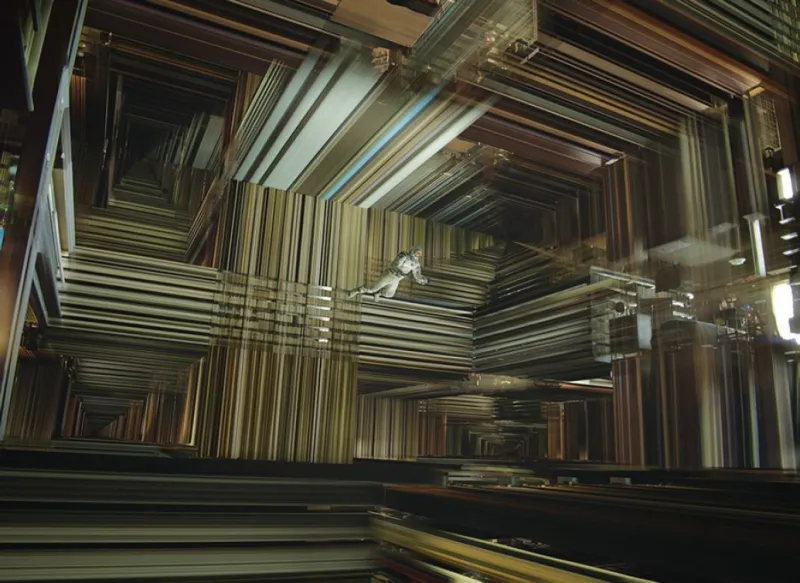
Cooper falls into a black hole and ends up inside a tesseract, a five-dimensional structure built by future humans that allows him to communicate across time. He sends the gravity data through Murph’s bookshelf, saving humanity.
The science is real-ish; the emotion is completely real.
Christopher Nolan frames love as something that transcends physics. Cooper’s bond with his daughter is what allows him to find the exact right moment in time.
The ending argues that human connection is not a soft idea but a measurable, powerful force, one strong enough to rewrite the future if you trust it completely.
16. Gone Girl (2014): Marriage as a Performance
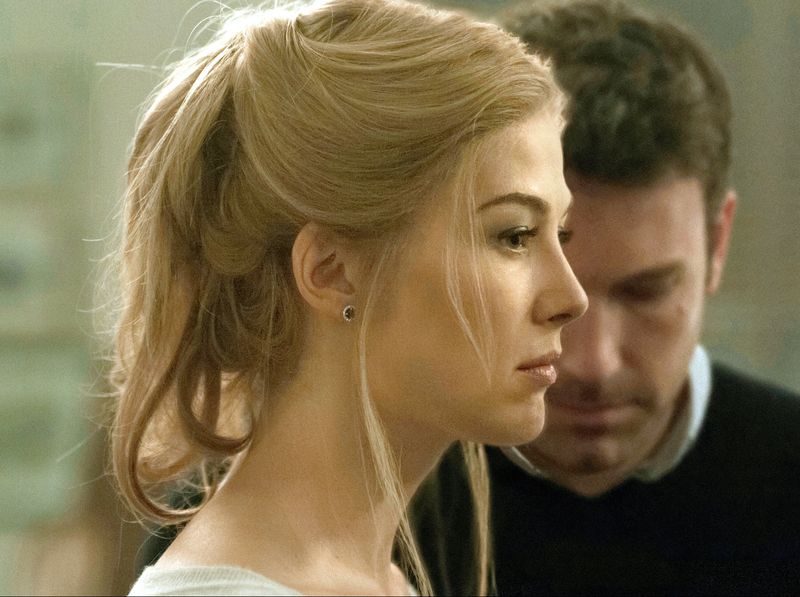
Amy comes home, Nick stays, and the credits roll on what looks like a deeply dysfunctional marriage continuing by choice. Most viewers expect a dramatic escape or a violent finale.
David Fincher gives neither, and that is the whole point.
Gone Girl is a satire about how couples perform for each other and for the public. Amy and Nick are both liars, both manipulators, and both trapped in a story they helped write.
Fincher and author Gillian Flynn suggest that some relationships survive not on love, but on mutual leverage. The real horror is how normal that feels.
17. Arrival (2016): Choosing Pain in Advance
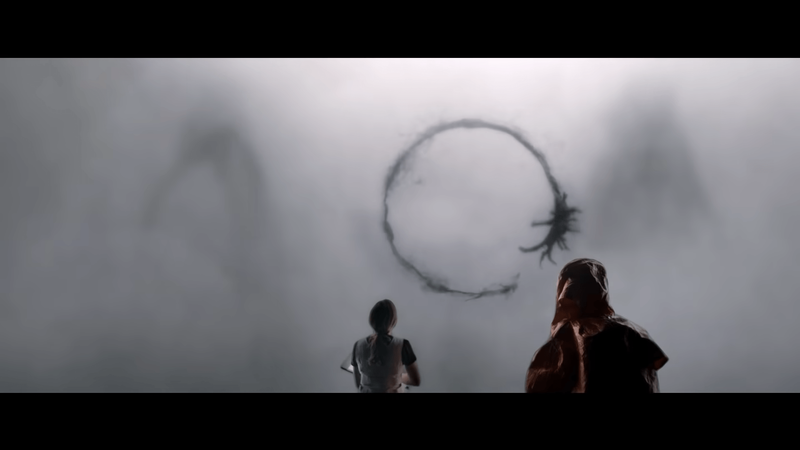
Louise learns that her daughter will die young, and she chooses to have her anyway. That single decision reframes the entire film.
Arrival is not really a story about aliens; it is a meditation on time, memory, and what it means to love someone you know you will lose.
By learning the alien language, Louise gains non-linear perception of time. She sees her future grief and says yes to it regardless.
Director Denis Villeneuve asks whether knowing a painful outcome in advance changes its worth. The answer the film gives is quiet and absolute: it does not.
Love is worth it every time.
18. Fight Club (1999): You Were Him the Whole Time
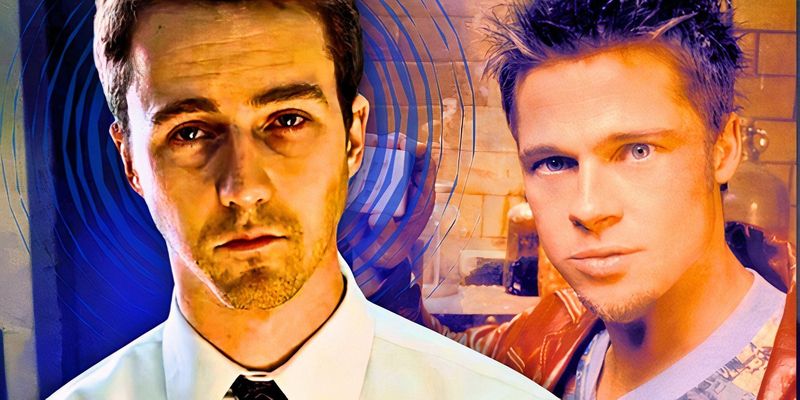
Tyler Durden is not real. He never was.
The Narrator created him as a split personality, a projection of everything he wanted to be but was too afraid to become. When he finally shoots himself in the cheek, he destroys Tyler but survives.
David Fincher and Chuck Palahniuk were targeting consumer culture and toxic masculinity. The Narrator built an entire revolution because he felt invisible and powerless inside a system built on buying things.
The ending is darkly hopeful: he destroys the illusion and stands in the wreckage, finally present. Chaos, the film suggests, was always just a cry for something real.