
Black is more than just a color — it’s a statement, a shield, and sometimes even a secret message about who you are. People have been drawn to wearing black for centuries, and psychologists have spent years trying to understand exactly why.
From feeling powerful in a boardroom to finding comfort during tough emotional times, the reasons are surprisingly deep and relatable. Whether you wear black every day or just on special occasions, you might recognize yourself in more than a few of these insights.
1. Projecting Power and Confidence
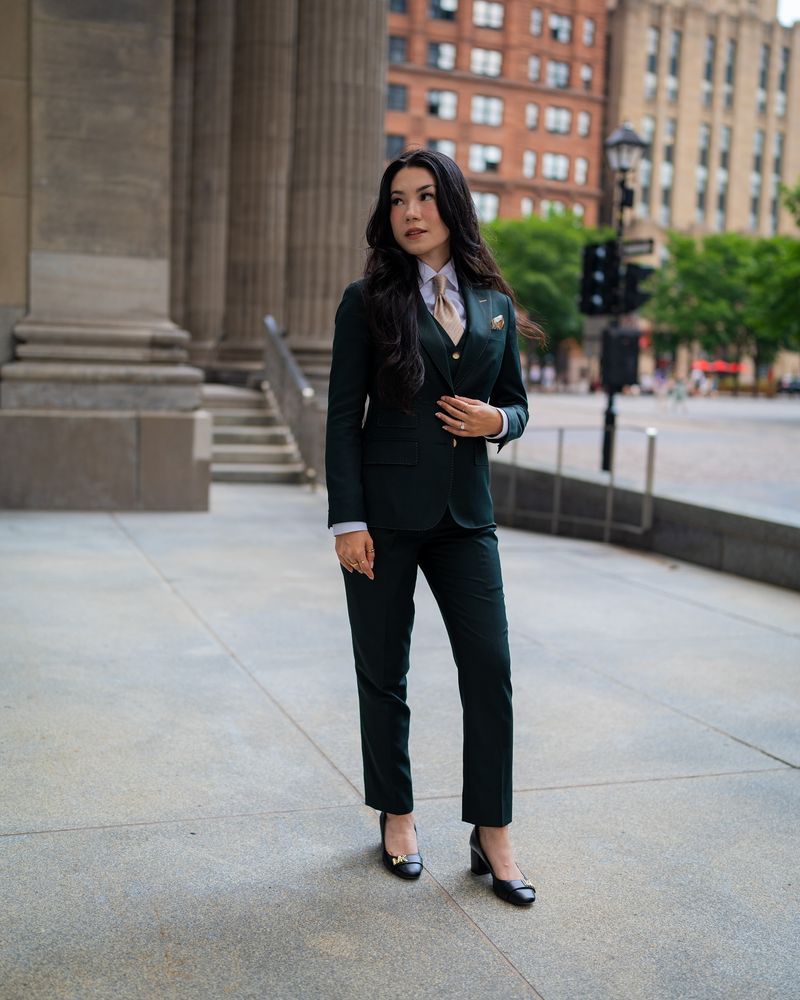
There’s a reason so many CEOs and leaders reach for black when they want to make an impression. Studies in color psychology suggest that black clothing signals authority and control without saying a single word.
When you wear black, others often perceive you as more serious and accomplished. That quiet power boost can also affect how you carry yourself — straighter posture, steadier eye contact, and a stronger sense of self-assurance throughout the day.
2. Conveying Sophistication and Elegance
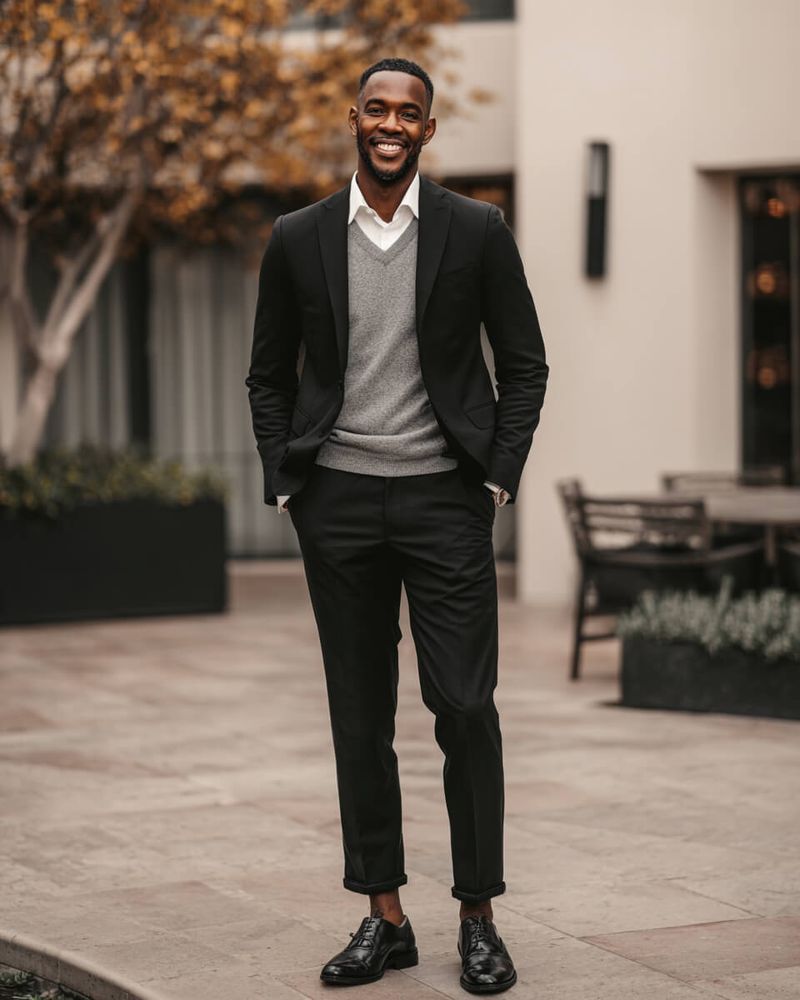
Audrey Hepburn once made the little black dress iconic, and decades later, nothing has changed. Black has a timeless quality that signals class and refinement in almost every culture around the world.
Psychologists note that black is consistently associated with high-end experiences and luxury. Wearing it can make someone feel elevated, polished, and put-together — even on an ordinary Tuesday.
It’s one of those rare fashion choices that never really goes out of style.
3. Creating an Air of Mystery
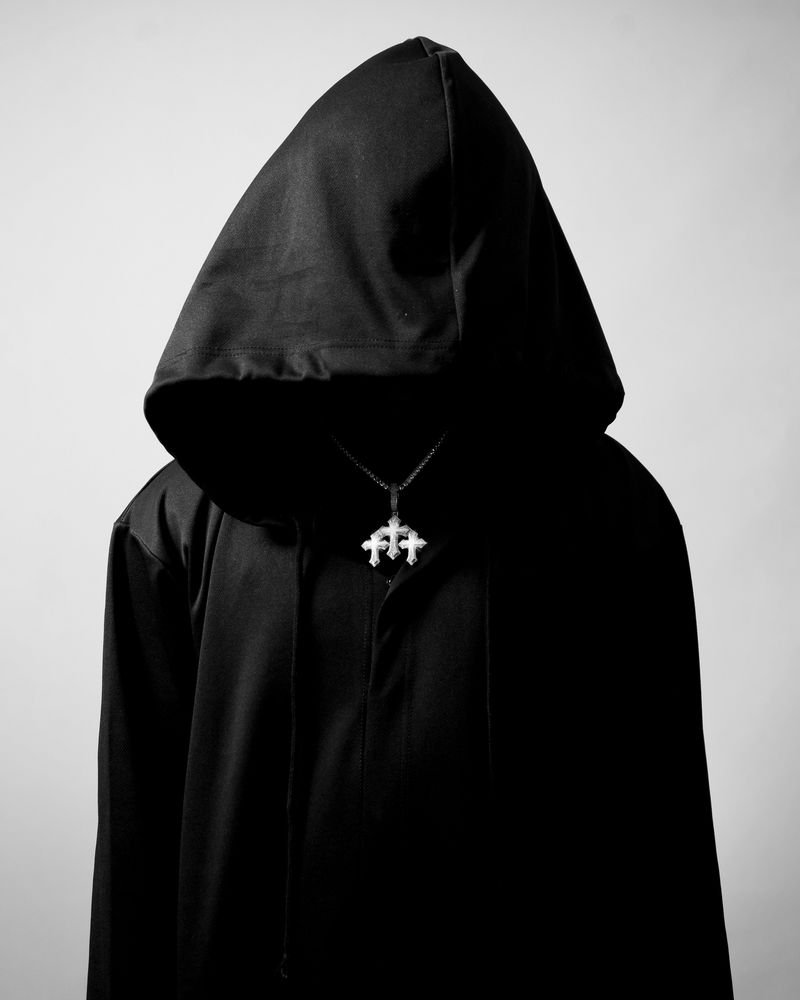
Black absorbs all visible light, which means it literally hides details — and that physical quality mirrors something psychological. People who wear black often appear harder to read, which naturally sparks curiosity in others.
That sense of mystery can be surprisingly attractive. Research shows that people tend to project depth and complexity onto those dressed in black.
Whether intentional or not, choosing black can make you seem like someone with a fascinating inner world worth discovering.
4. Feeling Emotionally Protected

Think of black clothing as emotional armor. For many people, wearing black creates a psychological barrier between themselves and the outside world, making them feel less exposed and more in control of their emotions.
This is especially common during stressful life periods. The color acts like a buffer, reducing the feeling of being emotionally “on display.” Psychologists describe this as a coping mechanism — a way of managing vulnerability without having to explain it to anyone around you.
5. Signaling Seriousness and Formality

Walk into any courtroom, boardroom, or funeral, and you’ll notice the same color dominating the room. Black has long been the universal shorthand for “this matters” — and people wear it deliberately to communicate that message.
Psychologically, choosing black for formal settings helps align your appearance with the gravity of the moment. It removes distractions and puts the focus on your words and actions.
Wearing it can also help you mentally shift into a more focused, professional headspace.
6. Communicating Authority Without Words

There’s a fascinating reason why so many uniforms — from police officers to judges — are black. The color psychologically communicates dominance and leadership before a single word is spoken.
Studies show that people in black are more likely to be obeyed, trusted with leadership roles, and seen as decision-makers. This association is deeply wired into how we process social cues.
Wearing black in a group setting can subtly shift how much influence others believe you hold.
7. Embracing Simplicity and Practicality

Some mornings, the last thing anyone wants is a complicated wardrobe decision. Black solves that problem instantly — it goes with everything, works in nearly every setting, and always looks intentional rather than thrown together.
Psychologists who study decision fatigue point out that simplifying clothing choices actually frees up mental energy for more important tasks. Wearing a wardrobe built around black reduces daily cognitive load, which is one reason many high-achieving people, like Steve Jobs, famously wore the same dark outfit repeatedly.
8. Guarding Personal Privacy
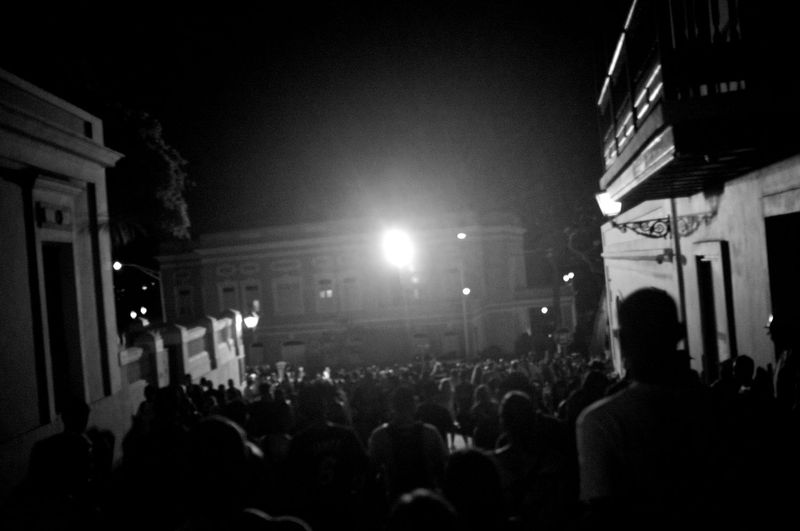
Not everyone wants to stand out in a crowd, and black is the perfect tool for blending in without disappearing entirely. Choosing black can signal a desire for privacy — a way of saying “I’m here, but I’m not asking for your attention.”
Psychologically, wearing black reduces the sensation of being watched or evaluated. For introverts or highly sensitive people, this can be genuinely relieving.
It lets them move through social spaces on their own terms, controlling how much of themselves they put on display.
9. Boosting Perceived Competence
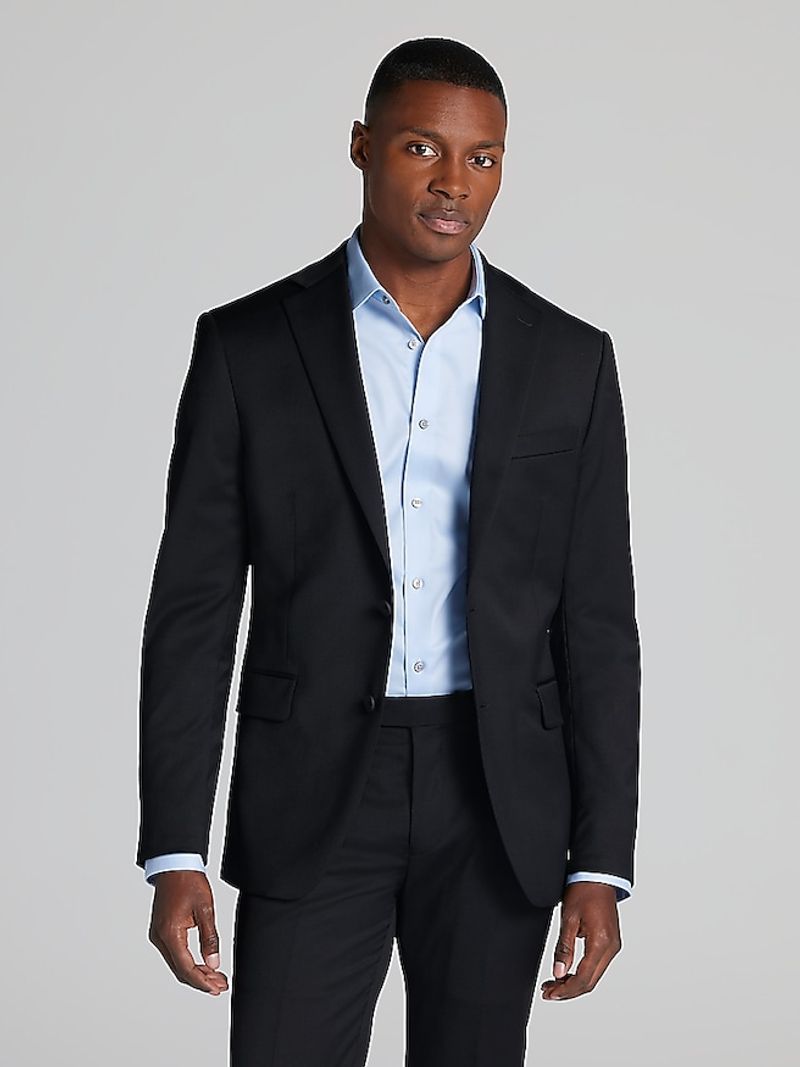
First impressions happen fast — sometimes in under a second. Research in social psychology has found that people dressed in black are frequently rated as more competent, disciplined, and capable than those wearing lighter or more casual colors.
That perception can have real-world effects. Job interviews, client meetings, and public presentations are all moments where being seen as capable matters.
Black clothing quietly reinforces that image, giving wearers a subtle but measurable edge in how they’re evaluated professionally.
10. Expressing Quiet Confidence
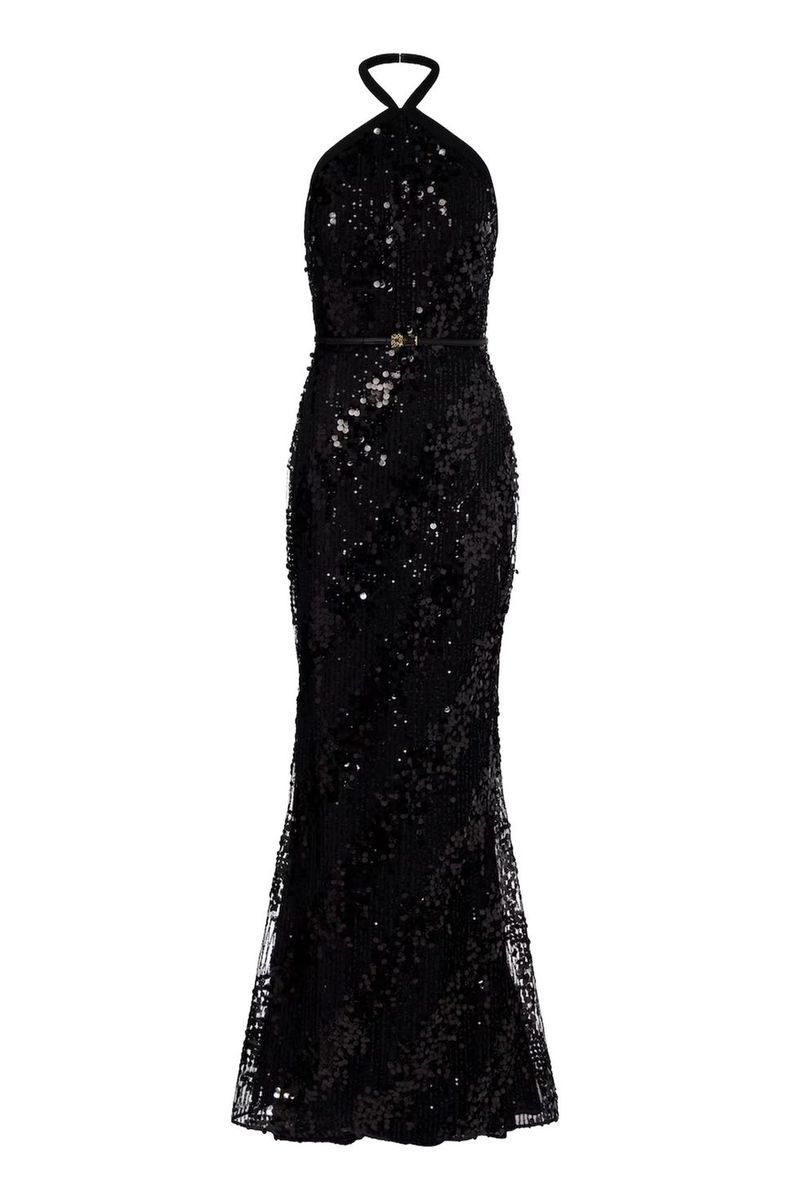
Loud patterns and bright colors often signal a need for external validation. Black, by contrast, tends to be the color of someone who already knows their worth and doesn’t need an outfit to announce it.
Psychologists describe this as “quiet confidence” — a steady inner assurance that doesn’t require performance. People who consistently choose black often prefer to let their actions do the talking.
They’re not trying to impress anyone; they’re simply comfortable being exactly who they are, wherever they go.
11. Finding Steadiness During Stressful Times
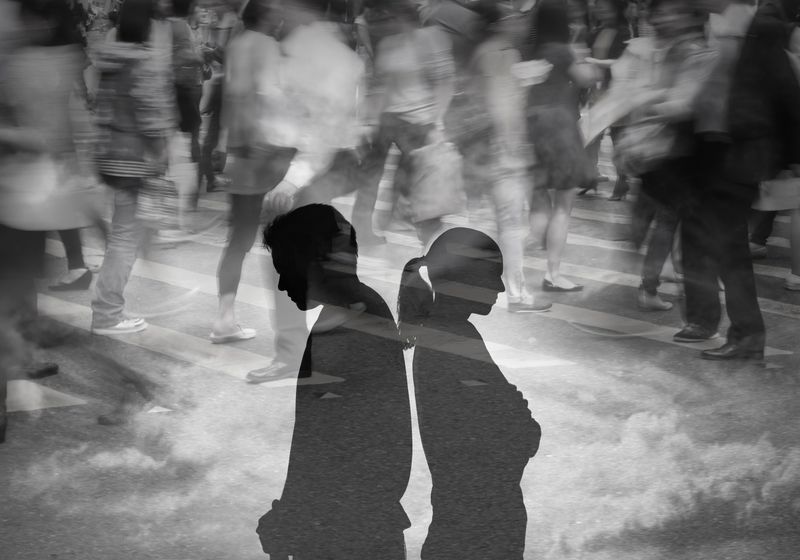
When life feels chaotic, what we wear can actually influence how we feel inside. Black clothing has been described by psychologists as a kind of wearable anchor — something that provides a sense of stability when everything else feels uncertain.
During high-pressure situations like medical appointments, difficult conversations, or major life changes, people often gravitate toward black without even realizing it. The color creates a psychological sense of readiness and resilience, almost like suiting up mentally before facing something hard.
12. Valuing Independence Over Trends

Trends come and go, but black stays. People who consistently choose black often do so as an act of quiet rebellion against the pressure to follow what’s fashionable at any given moment.
Psychologically, this reflects a strong sense of personal identity and self-direction. Rather than letting outside opinions dictate their choices, black wearers tend to trust their own judgment.
It’s less about fashion and more about a deeply rooted belief that they don’t need external approval to feel good about themselves.
13. Channeling Creativity and Individuality
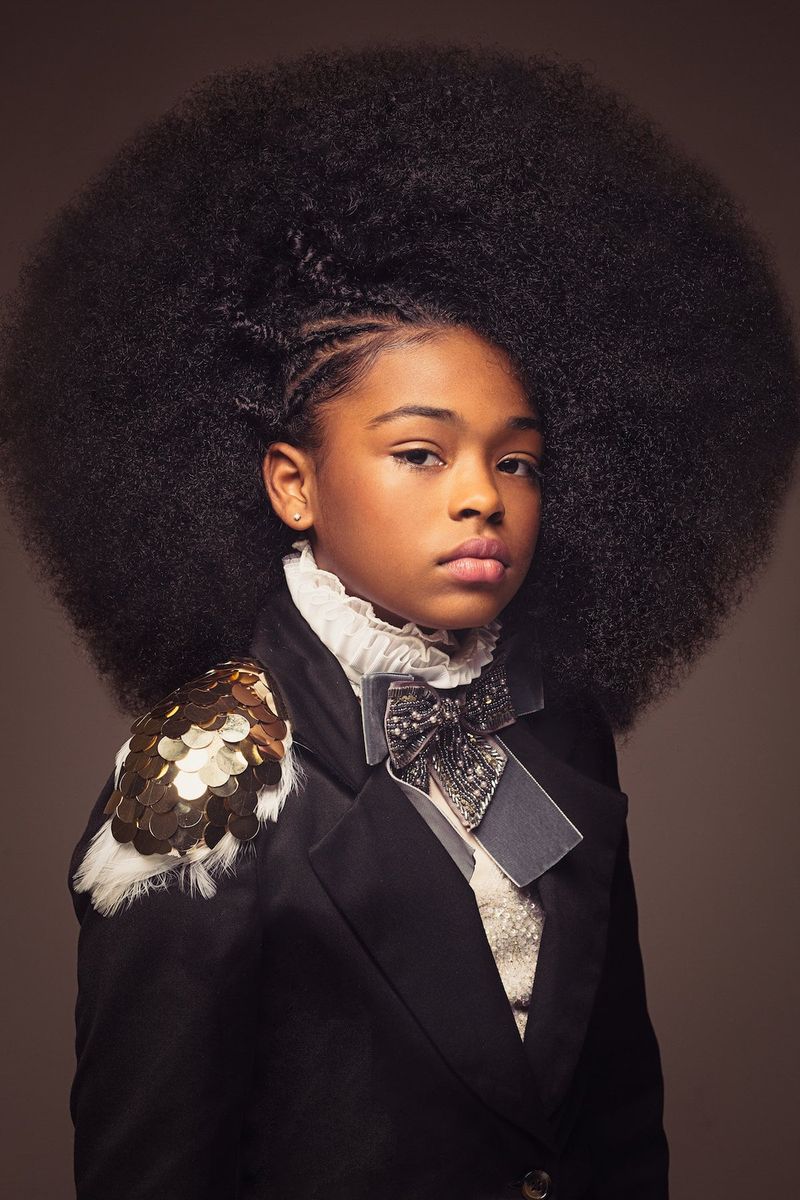
Artists, designers, and musicians have long favored black — and there’s a psychological reason behind it. Black acts as a neutral backdrop, letting their creative work take center stage rather than their clothing.
Beyond practicality, black also carries a counterculture edge. In subcultures from punk to goth to avant-garde fashion, black represents nonconformity and a refusal to be boxed in.
Wearing it can be a form of self-expression that says, “I define myself — no label required.” That freedom feels genuinely liberating for creative personalities.
14. Reflecting Deep Emotional States

Clothing often mirrors what’s happening on the inside. Black has a long cultural history of representing grief, mourning, and emotional intensity — and many people reach for it during periods of personal heaviness without fully understanding why.
Psychologists note that wearing black during emotional lows isn’t necessarily unhealthy — it can be a way of honoring those feelings rather than masking them. It creates space for internal processing.
Sometimes, wearing black is simply an honest, unspoken acknowledgment that you’re going through something real.
15. The Slimming Effect and Body Confidence
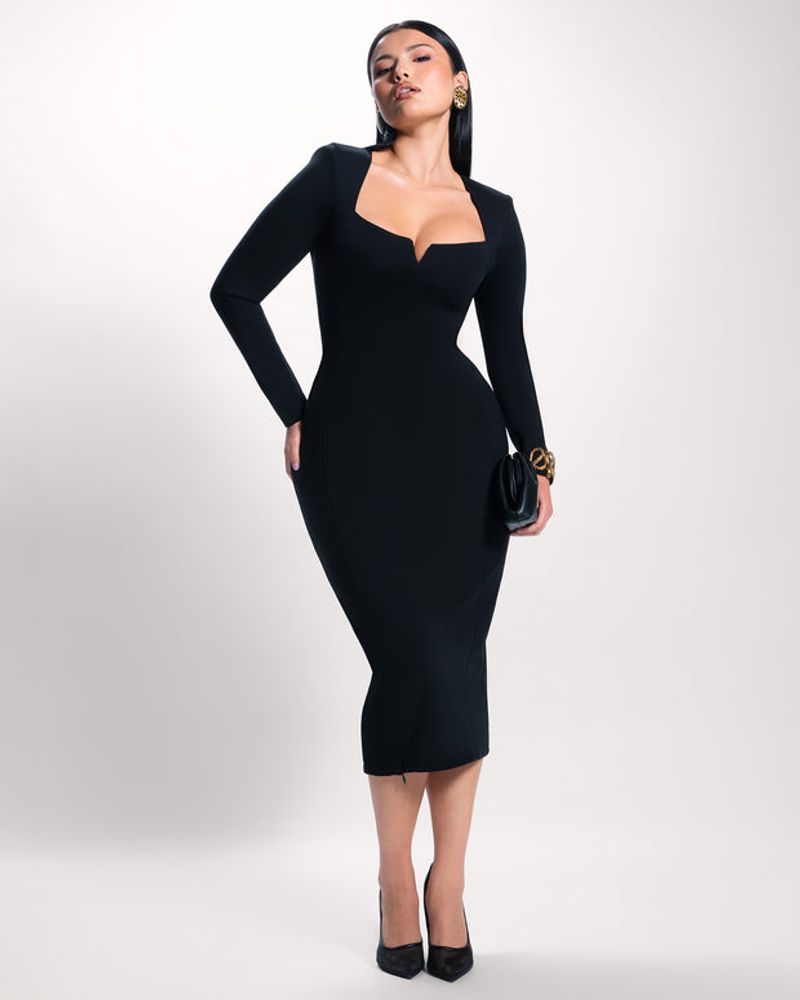
Ask almost anyone about their go-to outfit for feeling good in their body, and black will come up quickly. The widely held belief that black is slimming is backed by some optical science — dark colors absorb light and reduce the appearance of dimension.
More importantly, the psychological effect is real. When people feel their clothing flatters them, they carry themselves differently — with more ease and less self-consciousness.
Black gives many wearers a reliable confidence boost rooted in how comfortable and at home they feel in their own skin.
16. Shifting Focus to Achievements Over Appearance

Some people wear black specifically because they don’t want their appearance to be the main event. By choosing a neutral, unremarkable color, they redirect attention toward what they say, create, and accomplish.
Research has found this pattern especially common among ambitious women who want to be taken seriously in professional environments. Black removes the distraction of fashion from the equation entirely.
The message it sends is clear: judge me by my ideas and my work, not by what I’m wearing today.
17. Shielding Yourself from Criticism
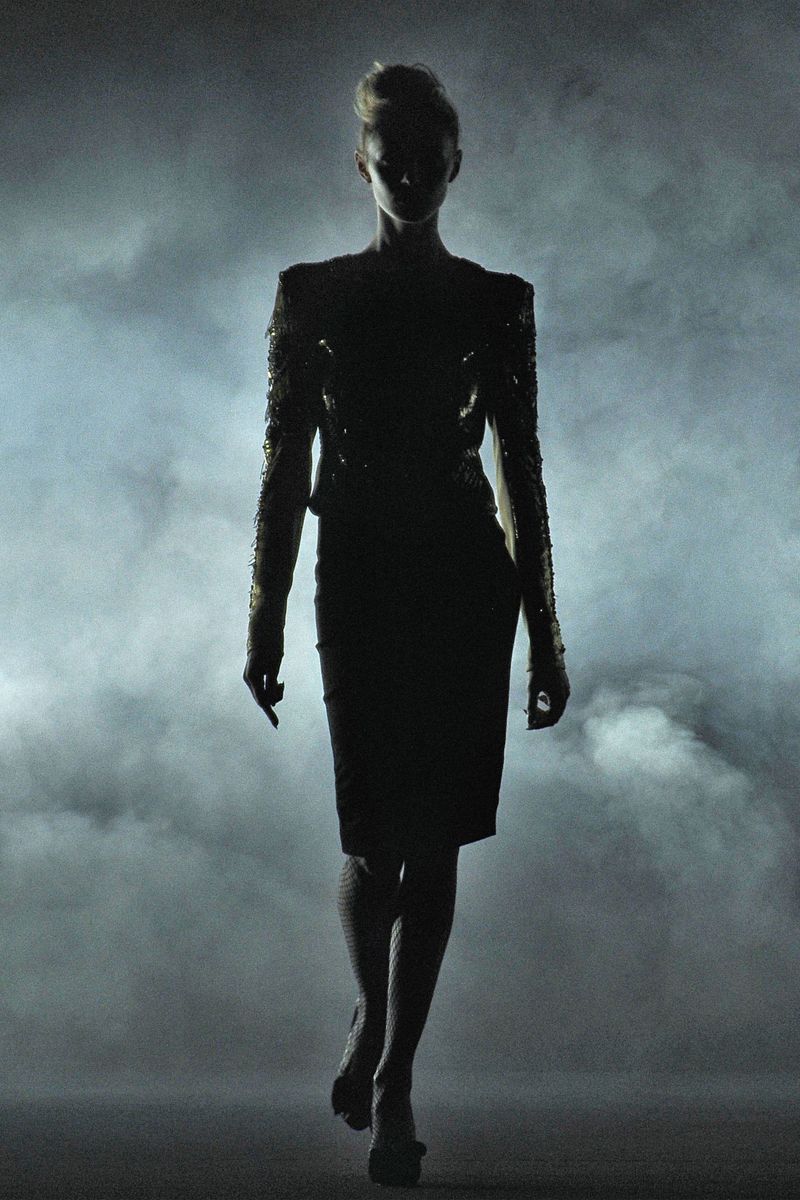
Putting yourself out there — whether in business, art, or relationships — opens you up to judgment. Some psychologists suggest that ambitious people unconsciously choose black as a form of emotional protection against the sting of potential criticism.
Black creates a psychological boundary, a kind of invisible wall that says “I’m serious about what I do, and I won’t be easily rattled.” It’s armor for the emotionally brave — those who keep showing up and pushing forward even when the risk of failure feels uncomfortably real.
18. Managing Anxiety and Overstimulation
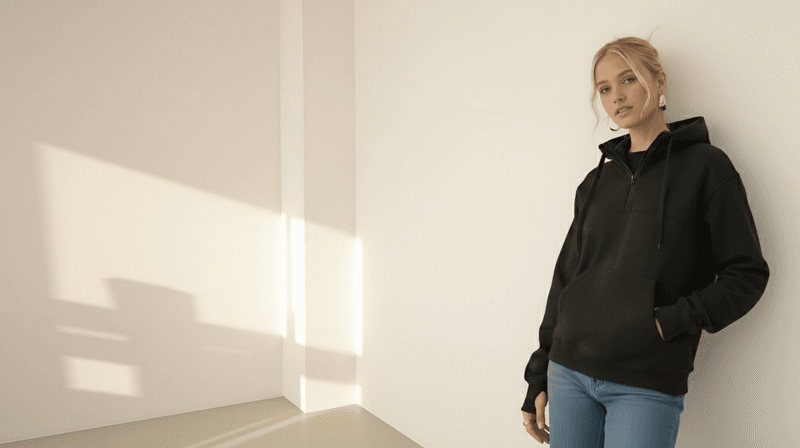
For people who are easily overwhelmed by sensory input or social pressure, black clothing can offer something surprisingly grounding. Studies have found a link between choosing all-black outfits and higher reported levels of anxiety or emotional sensitivity.
The monochromatic simplicity of black reduces visual noise, both for the wearer and those around them. It creates a sense of predictability and calm in an otherwise stimulating world.
For anxiety-prone individuals, getting dressed in black can feel like one less thing to worry about in an already full day.