
Ohio might not be the first place you think of when it comes to stunning architecture, but the Buckeye State is full of surprises. From tiny villages frozen in time to planned communities that look like they belong in a storybook, Ohio’s towns tell stories through their buildings.
Whether you love Victorian mansions, Frank Lloyd Wright homes, or centuries-old brick storefronts, there is something here to spark your curiosity. Get ready to explore some of the most architecturally remarkable places in the entire Midwest.
1. Marietta
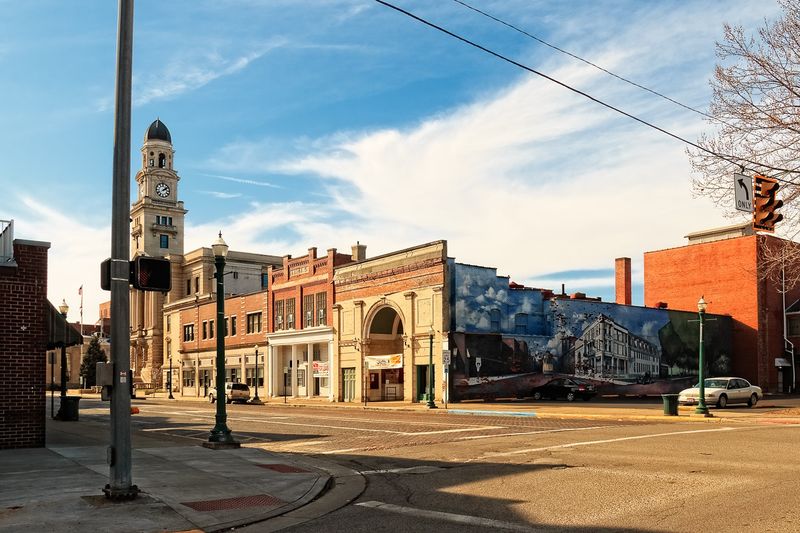
Ohio’s oldest settlement has serious architectural bragging rights. Marietta’s downtown is packed with centuries-old brick buildings, a stunning courthouse dome, and wide streets that feel like stepping into another era.
Victorian mansions with wraparound porches line the residential blocks, giving the city a stately, old-world charm.
The Castle Historic House Museum is the crown jewel, complete with stone towers that make it look straight out of a fairy tale. History lovers will feel right at home here.
2. Zoar
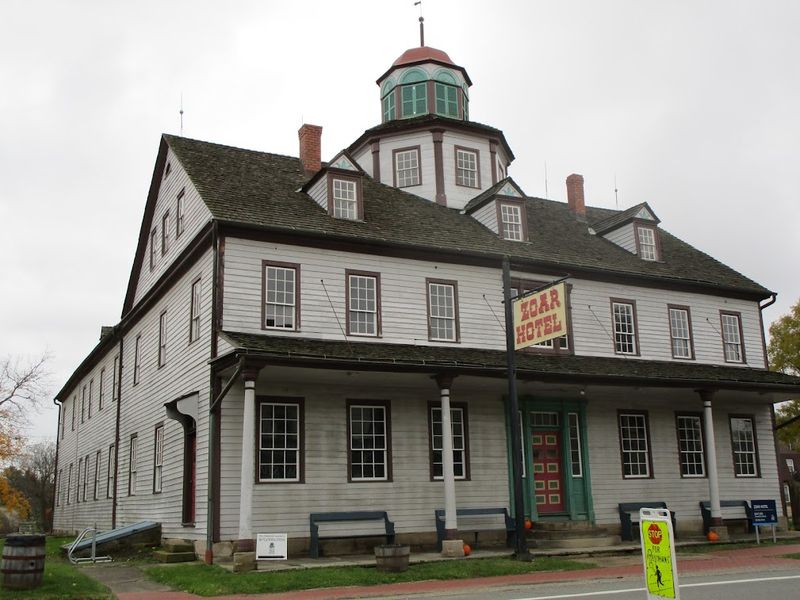
Founded by German separatists in 1817, Zoar is one of Ohio’s most well-preserved historic villages. Its streetscape feels like a slice of 19th-century Germany, with white clapboard buildings, tidy gardens, and the unmistakable pink Zoar Hotel anchoring the scene.
Walking through this tiny community feels almost like a living museum.
The original structures have been carefully maintained, making Zoar a rare gem for anyone fascinated by communal history and old-world craftsmanship. It is genuinely one of a kind.
3. Granville
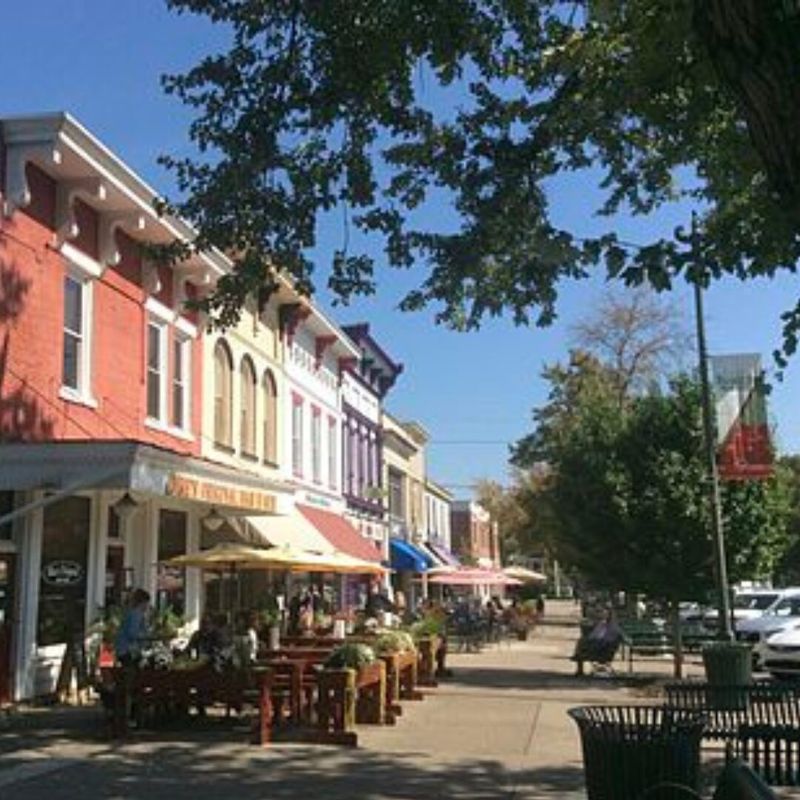
Settlers from Massachusetts brought a piece of New England with them when they founded Granville in 1805. The result is a main street that feels remarkably like a classic Massachusetts village, complete with historic storefronts, white-steepled churches, and graceful Federal-style homes.
Many visitors describe it as the most “quintessentially American” town they have ever seen.
Denison University adds academic charm to the mix. Strolling through Granville on a crisp autumn day is an experience that stays with you long after you leave.
4. Hudson
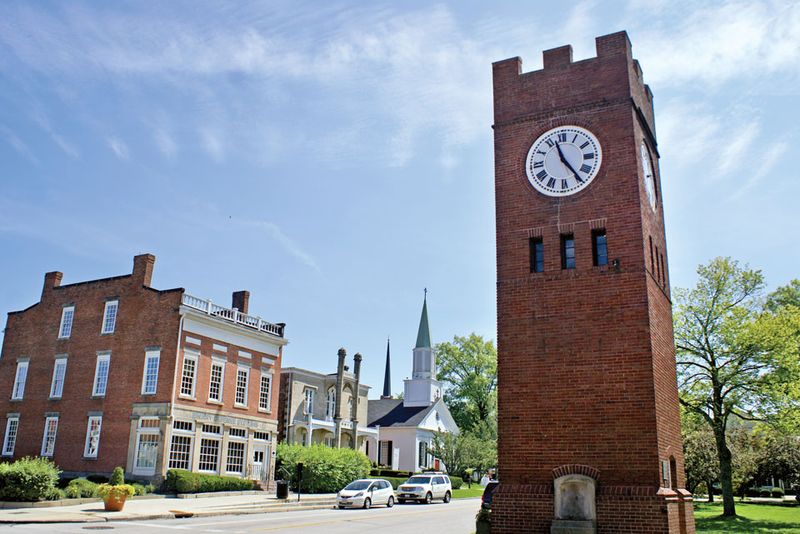
There is a quiet dignity to Hudson that sets it apart from other Ohio towns. Recognized for its Western Reserve architectural style, the town features beautifully preserved historic structures that now house upscale shops and restaurants.
The iconic clock tower rising above the town center has become Hudson’s most beloved landmark.
Western Reserve architecture blends Federal and Greek Revival influences, giving Hudson a refined, almost collegiate atmosphere. It is the kind of place where every building feels intentional and thoughtfully placed.
5. Tipp City
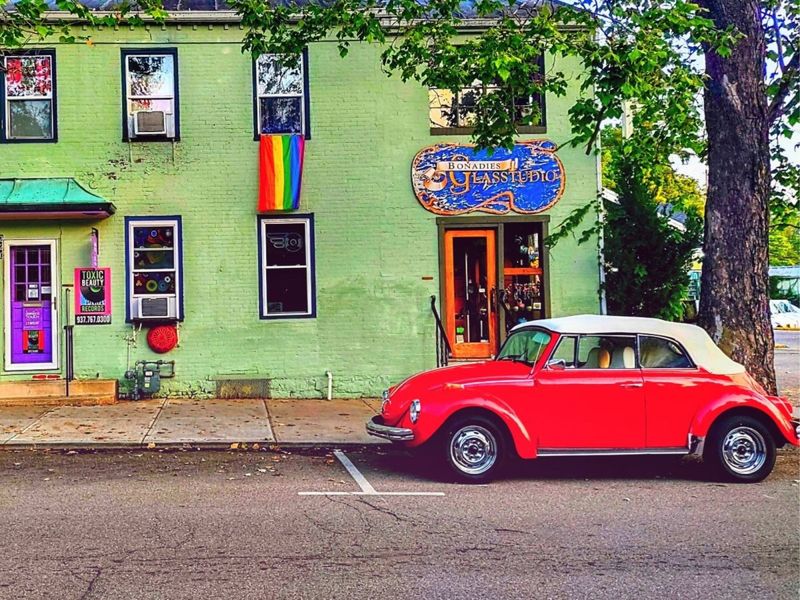
Colorful does not even begin to cover it. Tipp City’s main street bursts with a rainbow of painted 19th-century commercial buildings, each one featuring cast-iron details, oversized display windows, and ornate decorative cornices.
The effect is cheerful and vibrant, making a simple walk down the block feel festive.
Despite its small size, Tipp City has done a remarkable job preserving its late 1800s commercial character. Antique shops and local boutiques fill these historic storefronts, blending the past perfectly with the present.
6. Millersburg
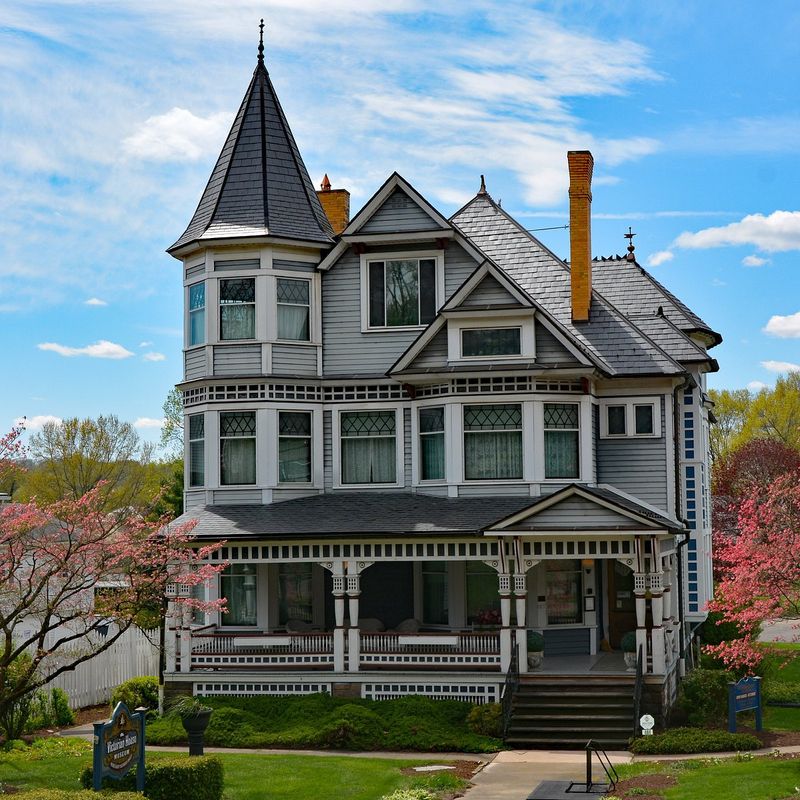
Sitting at the heart of Ohio’s Amish Country, Millersburg carries a quiet, old-fashioned dignity that feels deeply rooted. The downtown courthouse is stately and commanding, while Victorian storefronts line the surrounding streets with ornate cornices and large windows.
Architecture fans especially love the Victorian House Museum, a stunning Queen Anne-style home completed in 1902.
The contrast between the surrounding Amish farmland and the elaborate Victorian architecture creates a fascinating, one-of-a-kind visual experience. Few Ohio towns offer this kind of layered charm.
7. Springfield
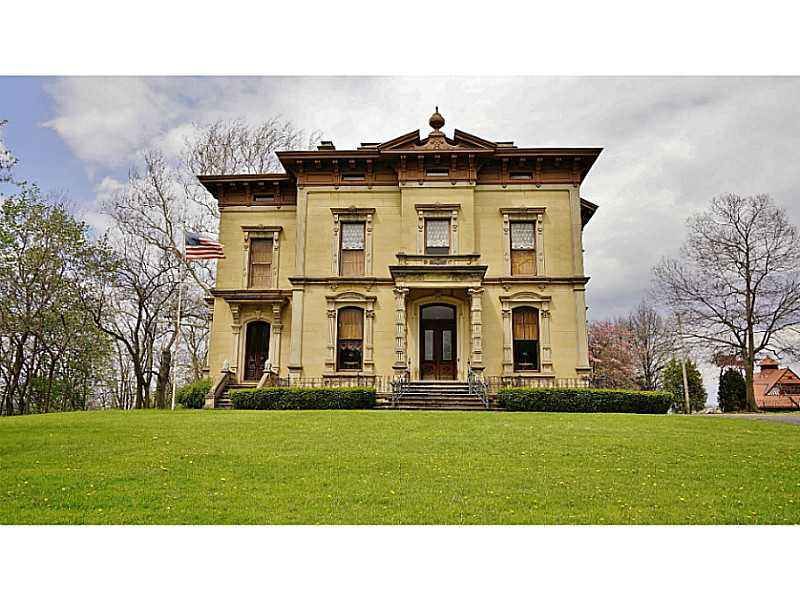
Springfield is practically an open-air architecture textbook. The city showcases Richardsonian Romanesque, Renaissance Revival, and Italianate styles all within a few blocks.
The Bushnell Building stands out with its elaborate roofline, arched windows, and eye-catching terra-cotta panels that reward anyone who takes time to look up.
Frank Lloyd Wright fans will want to visit the Westcott House, a Prairie-style masterpiece completed in 1908. Springfield proves that world-class architecture does not require a world-famous zip code to impress.
8. Oberlin
College towns have a certain architectural energy, and Oberlin delivers it in spades. Brick structures with tall, generous windows give the campus and surrounding streets a scholarly warmth.
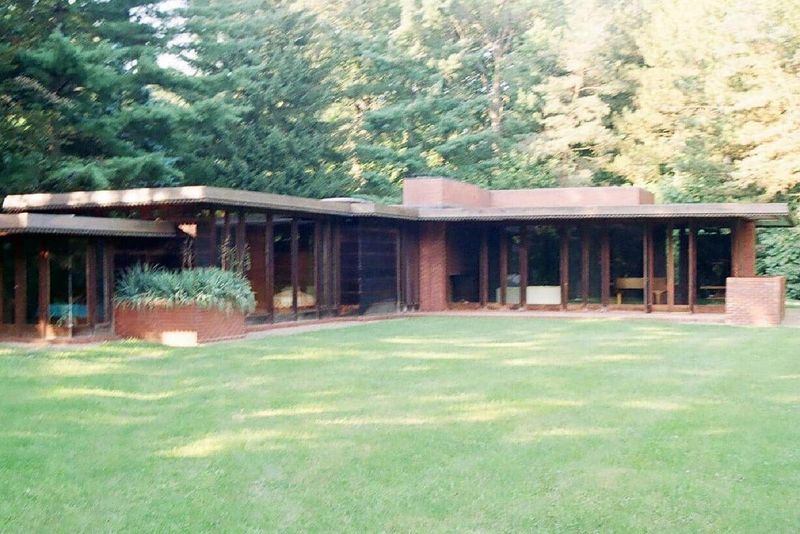
Beyond its academic buildings, Oberlin holds a hidden treasure: the Weltzheimer-Johnson House, designed by Frank Lloyd Wright in 1947 in his signature Usonian style.
Usonian homes were Wright’s vision of affordable, beautifully designed American housing, featuring low profiles and natural materials. Seeing one tucked into a college neighborhood makes Oberlin an unexpectedly thrilling architectural destination.
9. Lebanon
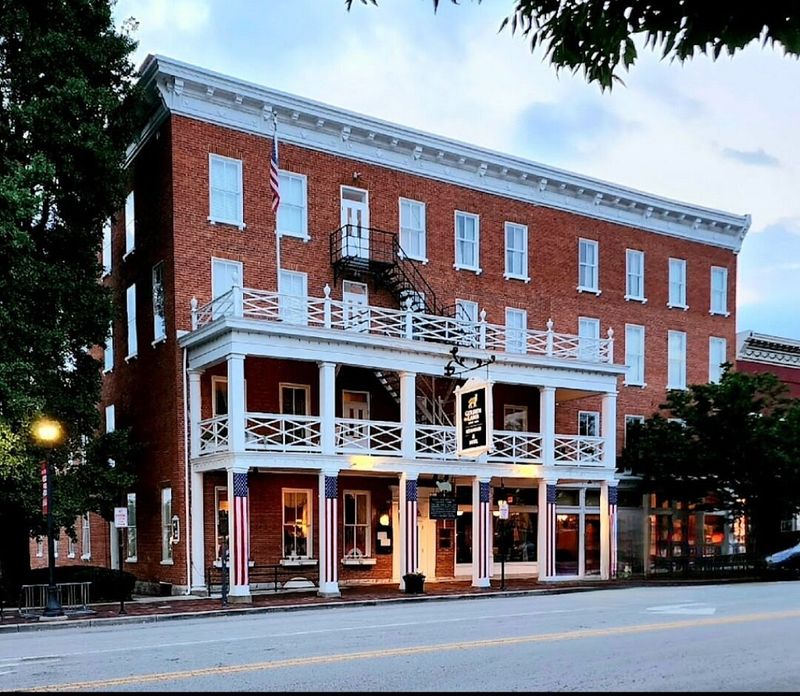
History practically oozes from Lebanon’s brick sidewalks. The downtown district is listed on the National Register of Historic Places, anchored by the Golden Lamb Inn, Ohio’s oldest operating hotel, which has welcomed guests since 1803.
Its rustic red-brick construction feels warm and timeless against the backdrop of a classic small-town square.
Just outside town, the Glendower Mansion stuns visitors with its elegant Greek Revival columns and symmetrical facade, built around 1845. Lebanon rewards slow, curious walkers who appreciate stories told through stone and mortar.
10. Wooster
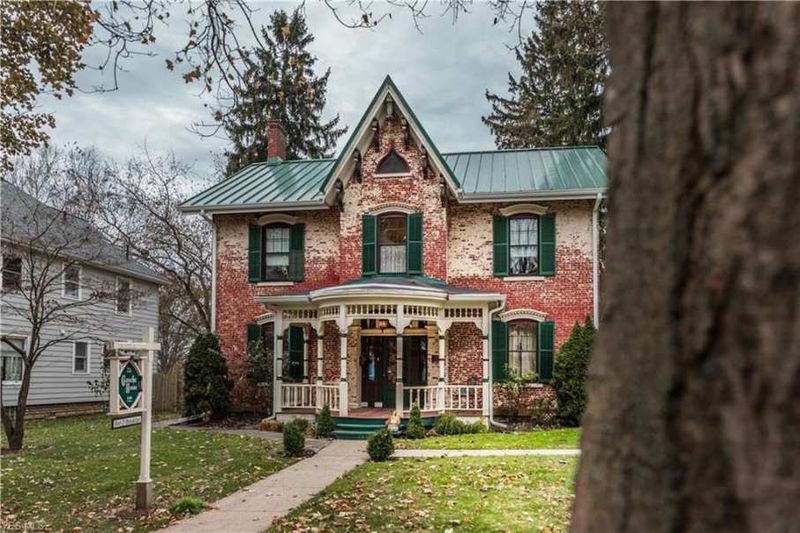
Few Ohio cities pack as many architectural styles into one walkable area as Wooster does. Gothic Revival, Greek Revival, Queen Anne, Colonial, Art Deco, and Modern styles all coexist here in a surprisingly harmonious way.
The Gothic Revival courthouse alone is worth the drive, with its pointed arches and dramatic vertical lines reaching skyward.
The Victorian District adds a residential layer of ornate homes, bay windows, and decorative woodwork. Wooster is a genuine architectural buffet, offering something fresh around every corner.
11. Mariemont
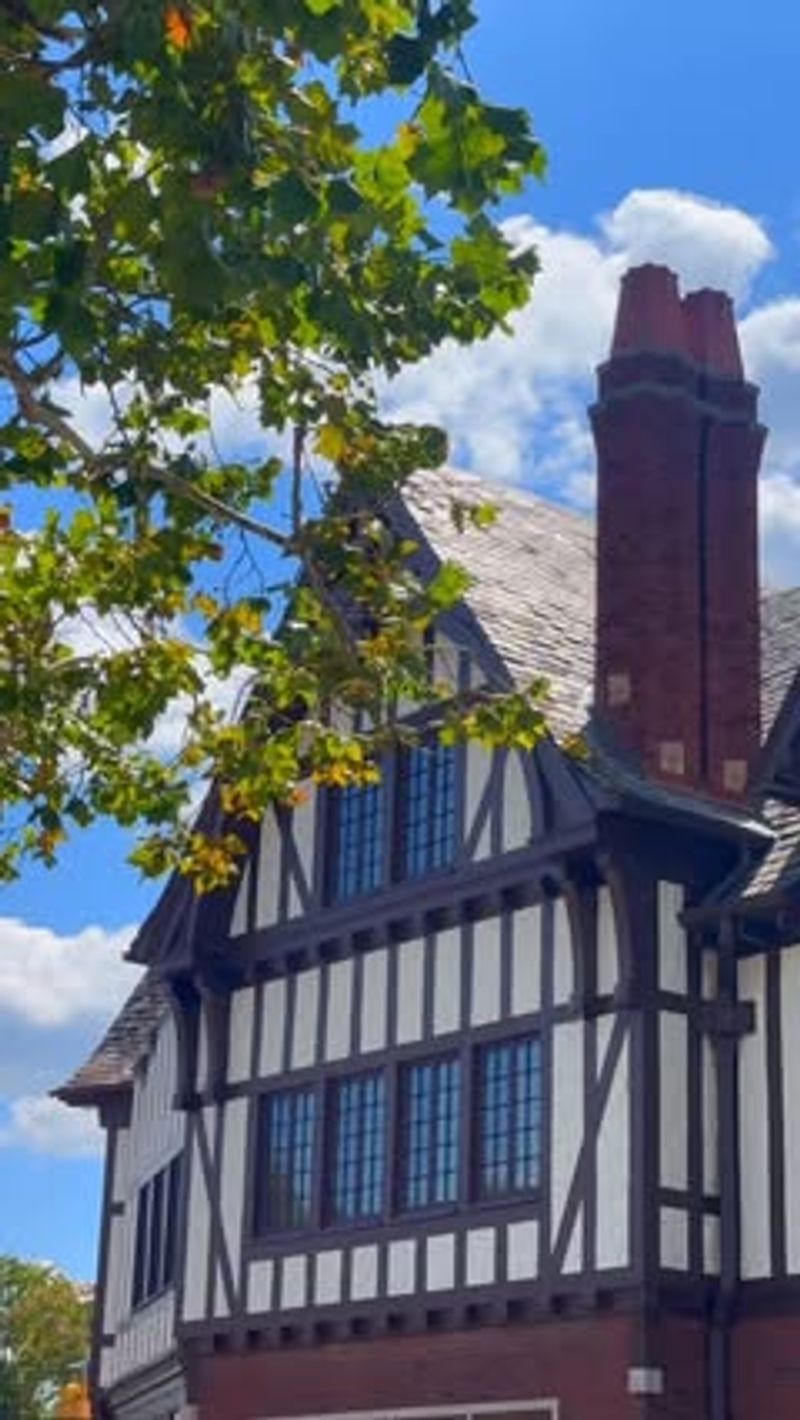
Mariemont was not just built, it was choreographed. Developed in the 1920s as a model planned community, it earned the title “National Exemplar of Town Planning” and still looks remarkably like an idealized English village.
Tudor Revival cottages, brick-paved streets, and a central village green all work together in perfect visual harmony.
Every building here was designed with the whole neighborhood in mind, which is rare and refreshing. Walking through Mariemont feels like someone pressed pause on a beautifully designed world and invited you to stroll through it.
12. German Village, Columbus
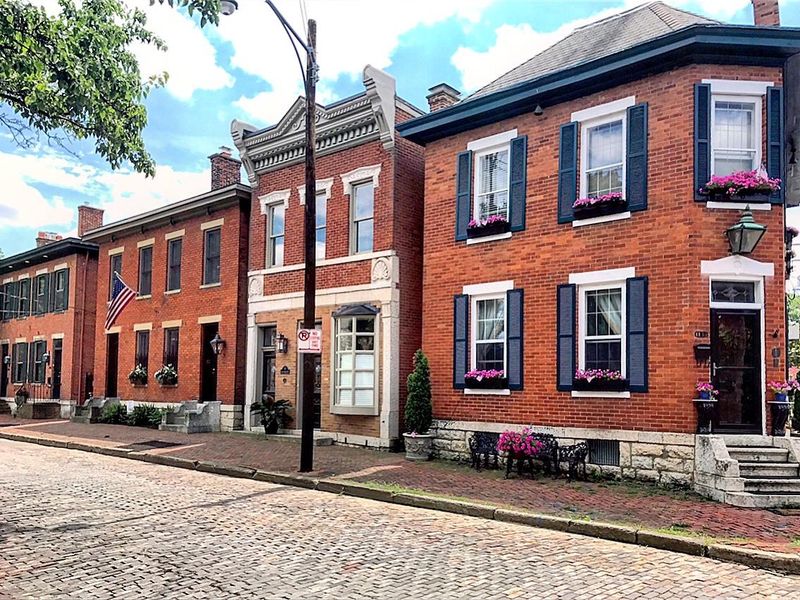
Just south of downtown Columbus, German Village is a neighborhood that somehow feels both timeless and alive. The harmony here comes from the consistent use of warm red brick and limestone across nearly every structure, creating a visual rhythm that is immediately calming.
Sturdy, simple homes with hipped roofs line narrow streets shaded by mature trees.
German immigrants built this community in the mid-1800s, and their craftsmanship has endured remarkably well. Today it is one of the largest privately funded historic districts in the United States.
13. Rush Creek Village, Worthington
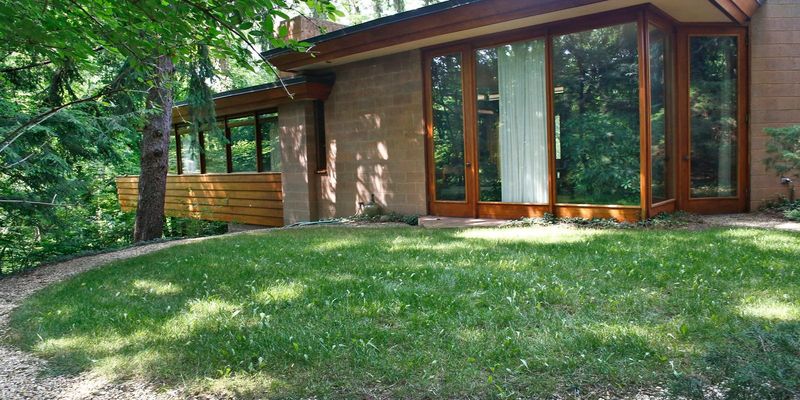
Not many neighborhoods can claim Frank Lloyd Wright as their inspiration, but Rush Creek Village in Worthington can. Built on Usonian architectural principles, the homes here feature geometric shapes, concrete block pillars, and a fascinating interplay between rectilinear and angled forms.
The result is a neighborhood that feels both futuristic and grounded.
Wright believed good design should be accessible to everyday Americans, and Rush Creek Village embodies that philosophy beautifully. Architecture students and curious visitors regularly make the trip to see this unique residential experiment up close.
14. The Arcade, Cleveland
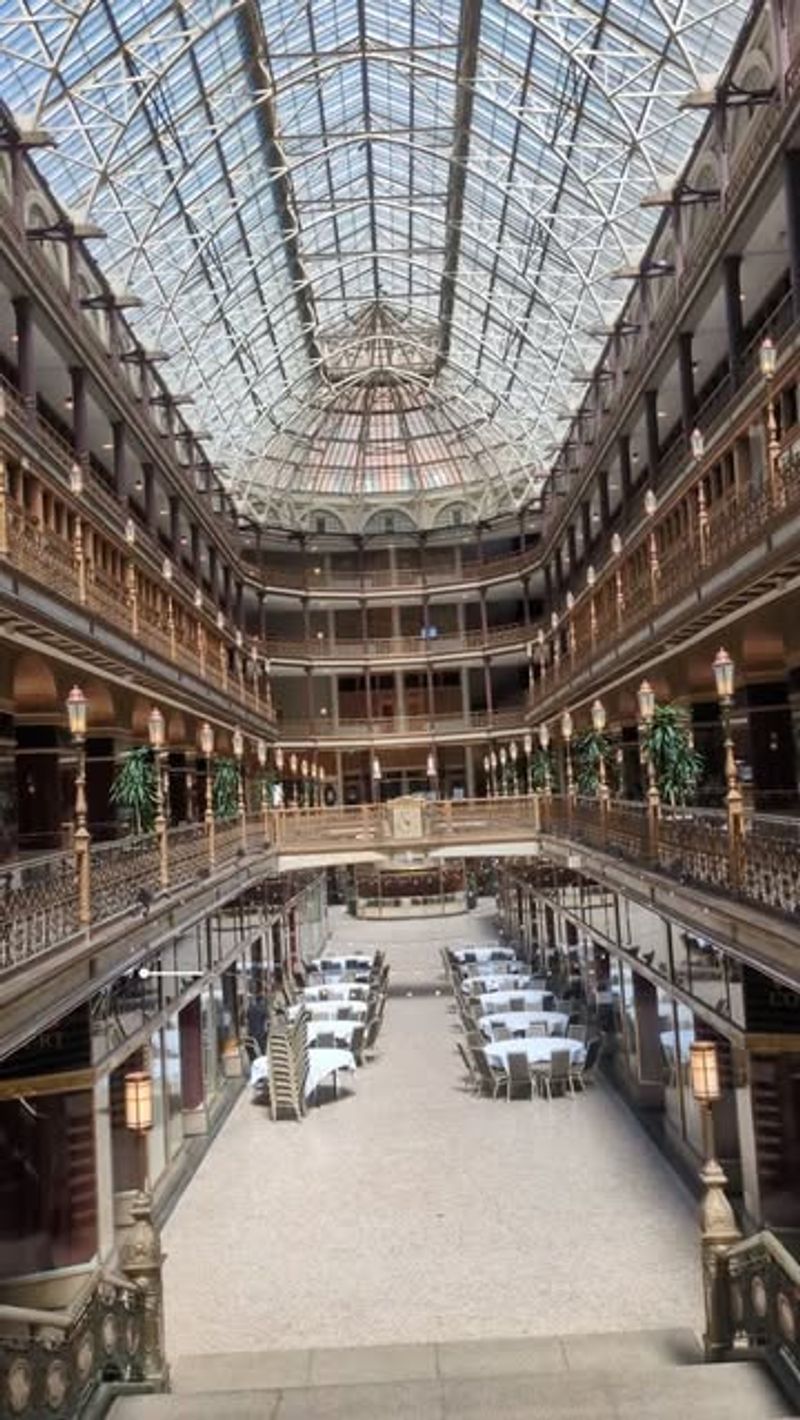
Built in 1890, Cleveland’s Arcade is widely considered the grandest structure of its kind in the United States. A soaring five-story iron-and-glass skylight floods the interior with natural light, while 51 intricately carved gargoyles add Gothic Revival drama to every glance upward.
Two nine-story towers flank the central atrium, creating an unforgettable sense of scale.
Shopping arcades were the malls of the Victorian era, and this one set the gold standard. Stepping inside feels like entering a cathedral dedicated entirely to commerce and craftsmanship.
15. Stan Hywet Hall and Gardens, Akron
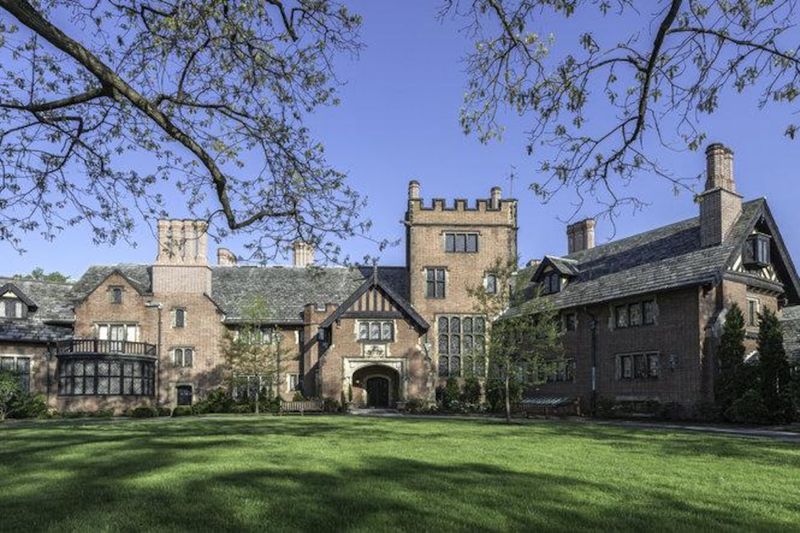
Completed in 1915, Stan Hywet Hall is the kind of estate that makes jaws drop at first sight. Architect Charles Schneider designed this 65-room Tudor Revival manor with steep gabled rooflines, exposed half-timbering, and stone walls that draw direct inspiration from grand English manor houses.
The surrounding formal gardens are equally breathtaking.
Stan Hywet translates to “stone quarry” in Old English, a nod to the property’s geological roots. F.A.
Seiberling, co-founder of Goodyear Tire, commissioned this masterpiece, and it remains one of Ohio’s most spectacular historic estates.