
Many homes still hold onto things that were once considered essential but have long since been replaced by smarter, simpler options. From bulky old appliances to stacks of dusty magazines, these items take up space without adding much value to everyday life.
Letting go of outdated stuff can make your home feel fresher, more organized, and a lot more functional. Here is a look at 16 things that are ready to be retired for good.
1. Landline Phones and Telephone Jacks
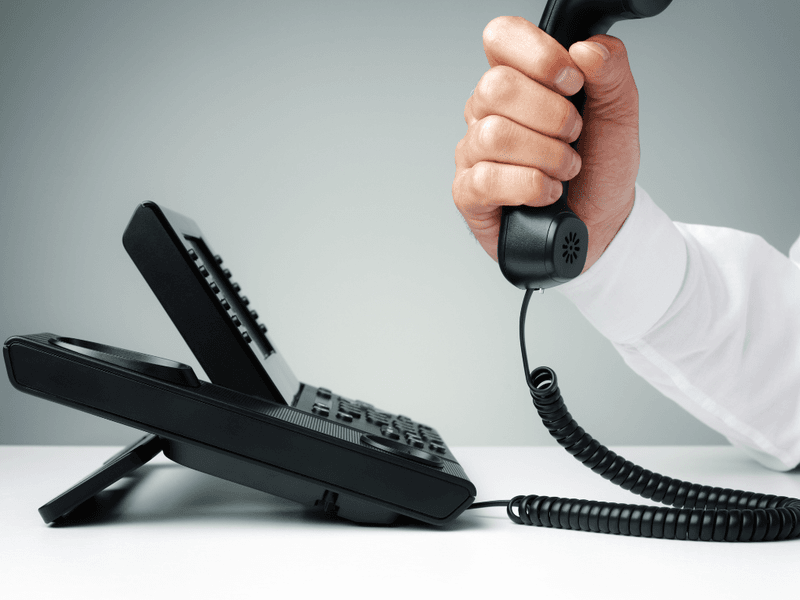
Remember rushing across the house just to answer a phone that was stuck to the wall? Landline phones and telephone jacks were once the heart of every home, but most households have moved on entirely.
Cell phones handle calls, texts, and video chats all in one pocket-sized device.
Keeping a landline today often means paying for a service you rarely use. Removing the hardware can free up wall space and reduce clutter instantly.
2. Bulky Tube Televisions (CRTs)
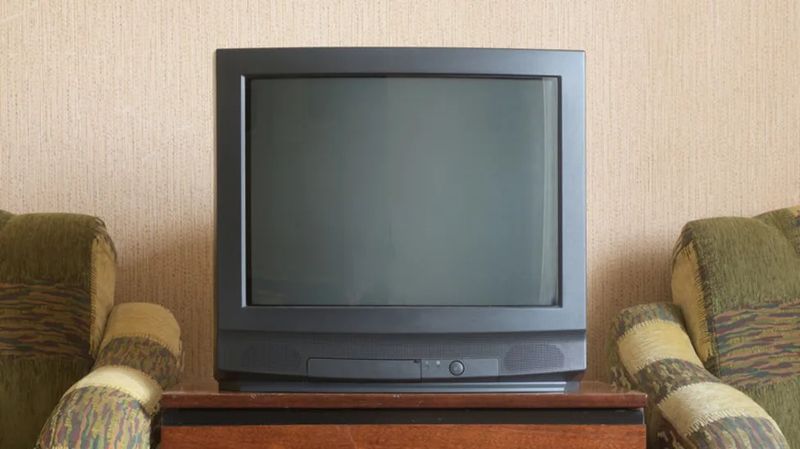
Those massive, boxy televisions once anchored every living room like a piece of furniture you could not move without help. CRT TVs are heavy, energy-hungry, and take up far more space than anything on the market today.
Modern flat-screen TVs offer crystal-clear picture quality while taking up a fraction of the space.
Recycling an old CRT is the smart move, since many electronics stores and local programs accept them. Your back will thank you for it.
3. Traditional House Keys
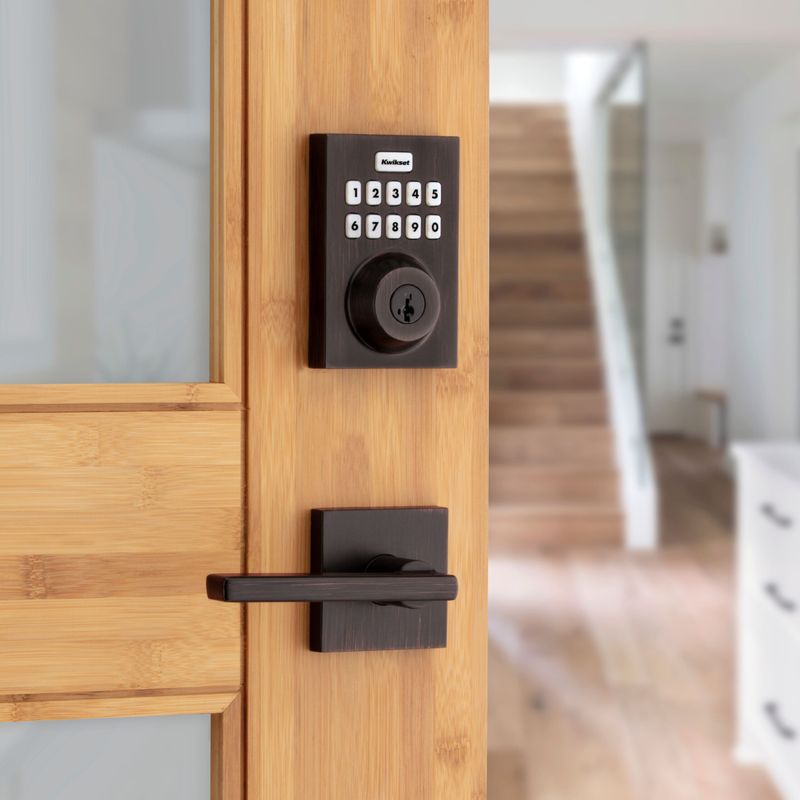
Losing your house key used to mean calling a locksmith and spending money you did not plan to spend. Smart locks have changed that frustrating routine completely.
With a digital keypad or a smartphone app, you can lock and unlock your door from anywhere, share temporary codes with guests, and never fumble through your bag again.
Electronic locks also offer better security features than traditional keys. Upgrading is easier and more affordable than most people expect.
4. Old Power Strips and Outdated Plugs
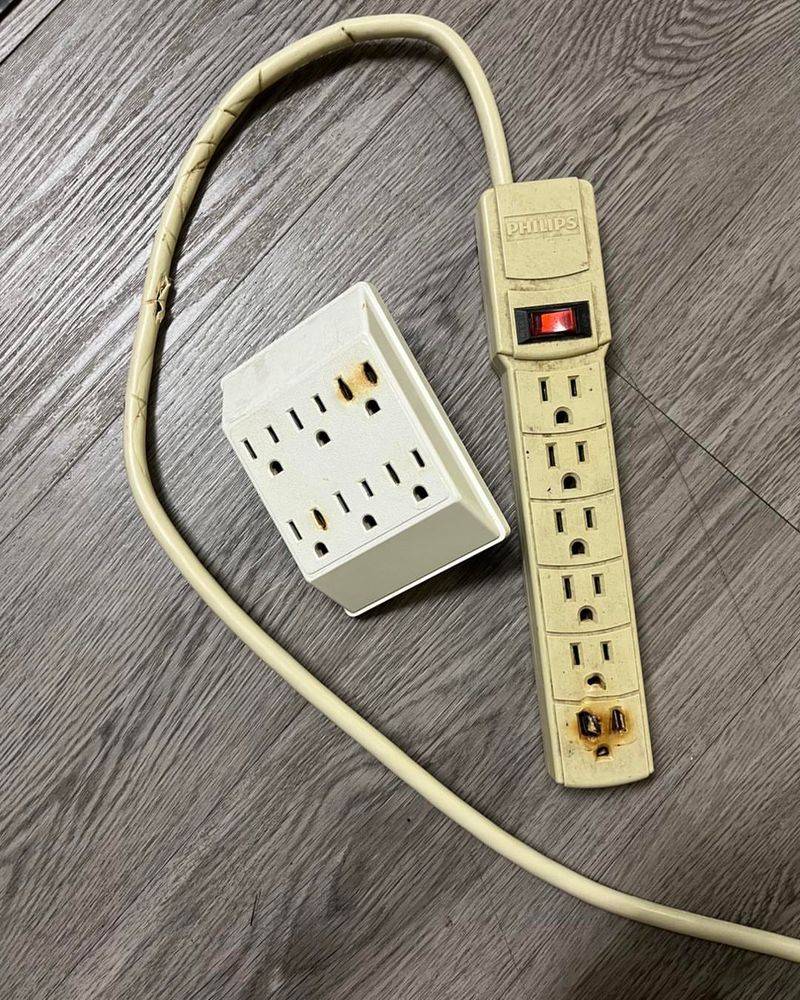
That old power strip from the early 2000s might still technically work, but it is doing your home no favors. Outdated strips lack surge protection, waste energy, and can even become fire hazards over time.
Smart power strips and plugs let you control devices remotely, set schedules, and monitor energy usage right from your phone.
Swapping old strips for modern ones is a small change with a big payoff. Energy savings add up faster than you might think.
5. CDs, DVDs, and Physical Media Collections
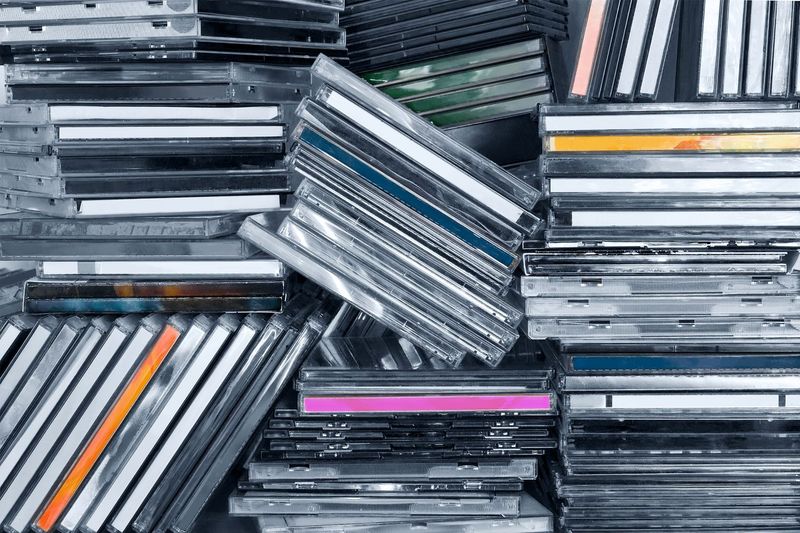
There was a time when a wall of DVDs and CDs felt like a badge of honor. Today, streaming services like Netflix, Spotify, and Apple Music put millions of titles at your fingertips without a single disc.
Physical media collections gather dust, take up shelf space, and are rarely touched anymore.
Donating or selling old CDs and DVDs can clear out an entire bookcase. Digital libraries are easier to manage, search, and enjoy on any device.
6. Encyclopedia Sets
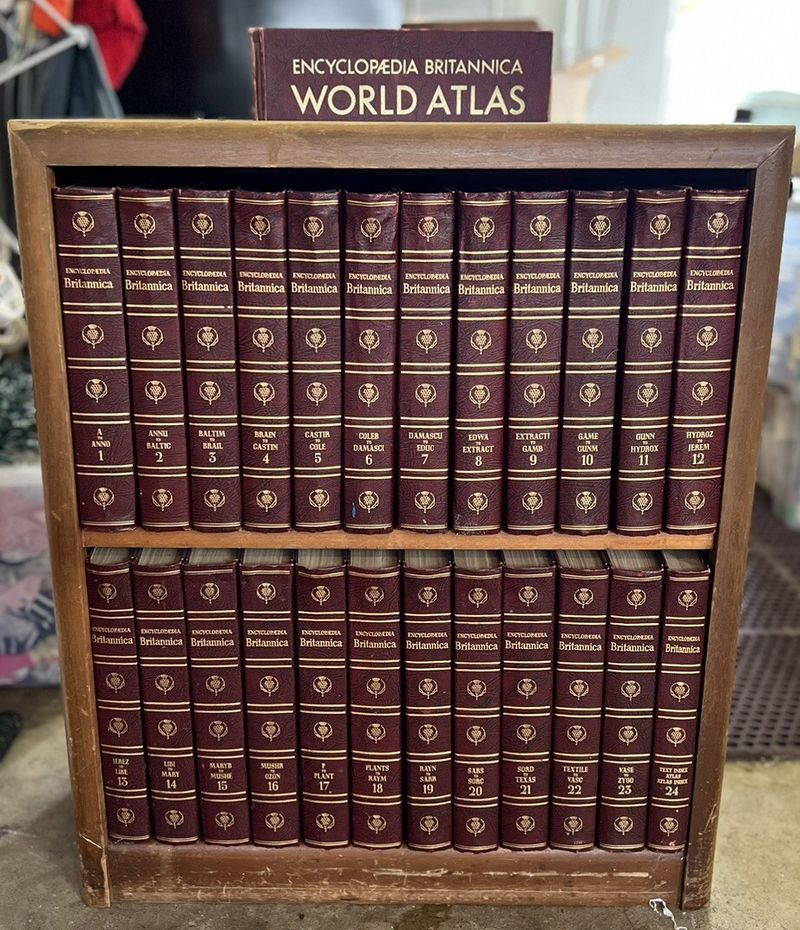
Encyclopedia sets were once the crown jewel of a well-educated household, and parents paid serious money for them. Now, a quick internet search pulls up more accurate, up-to-date information in seconds than any printed volume ever could.
These heavy books are rarely opened and take up enormous shelf space.
Local libraries, thrift stores, or recycling programs are good places to send them off. Clearing that shelf opens up room for things you actually use.
7. Traditional Water Heater Tanks
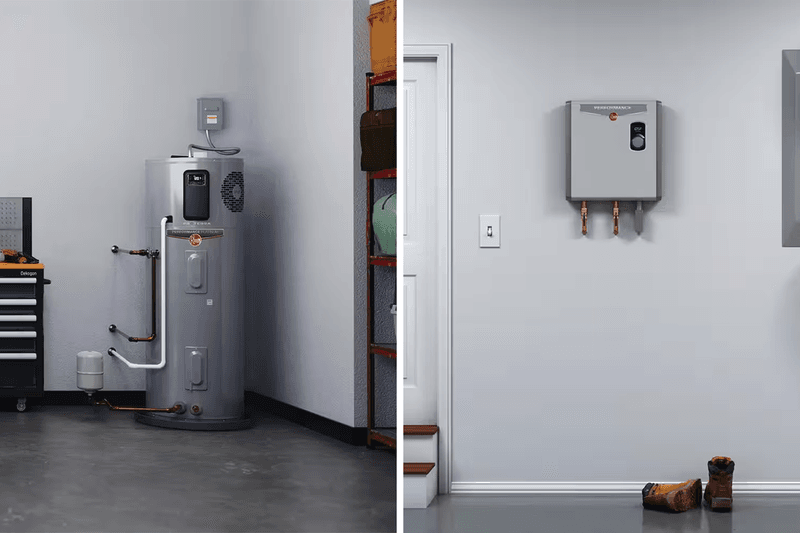
A traditional water heater tank sits in your basement or utility closet, constantly heating water even when nobody needs it. That continuous energy use adds up on your monthly bill in a way that is easy to overlook.
Tankless water heaters heat water only on demand, saving energy and freeing up significant floor space.
They also last longer and deliver a steady flow of hot water without running out mid-shower. The switch pays for itself over time.
8. Single-Use Kitchen Gadgets
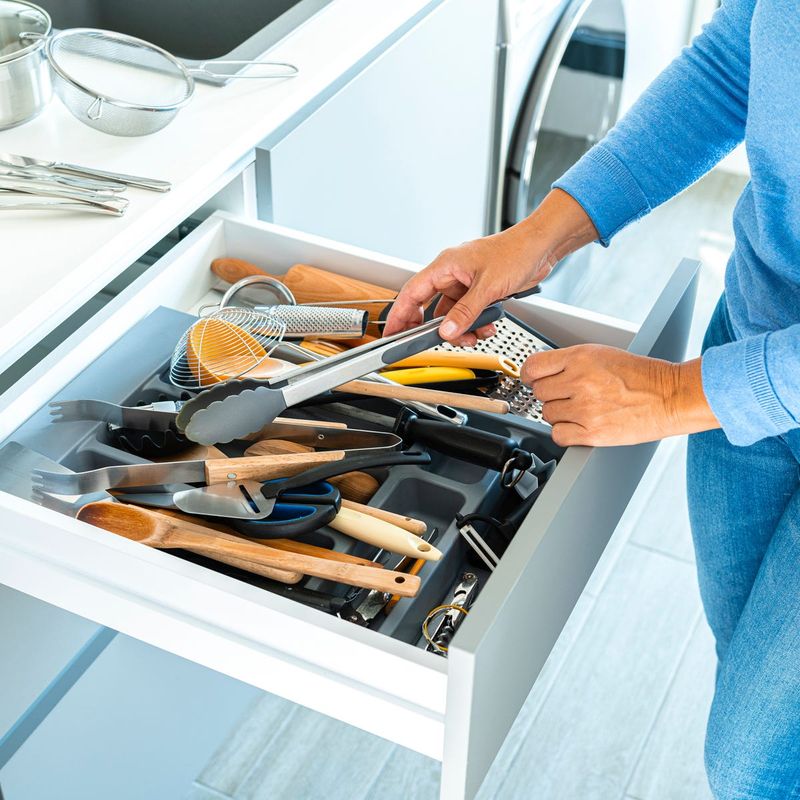
Kitchen drawers across America are stuffed with gadgets that do exactly one thing and do it just okay. Old egg beaters, dedicated electric skillets, and egg coddlers all seemed brilliant at the time of purchase.
Modern multi-use appliances like air fryers and instant pots handle dozens of tasks without hogging drawer space.
Clearing out single-use gadgets makes cooking faster and your kitchen calmer. Donate what still works and recycle the rest responsibly.
9. Formal Dining Rooms and Unused Fine China
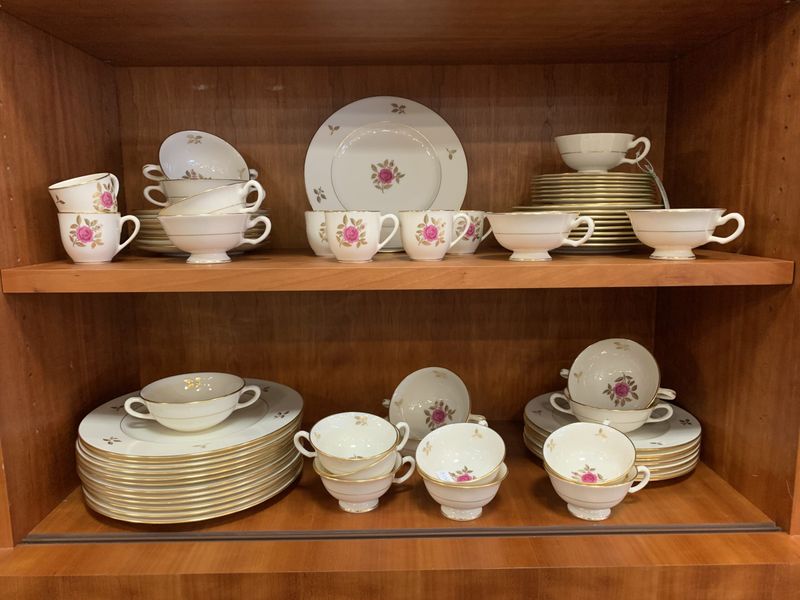
Fine china sets stacked behind glass cabinet doors sound elegant until you realize they have not been touched since a holiday dinner years ago. Formal dining rooms filled with delicate serveware that nobody uses take up valuable square footage.
Open-plan spaces that flow naturally between cooking and eating areas match how most families actually live today.
Selling or donating fine china can be surprisingly profitable. Repurposing that formal room into a home office or reading nook makes far more sense.
10. Cluttered Spice Racks with Expired Herbs
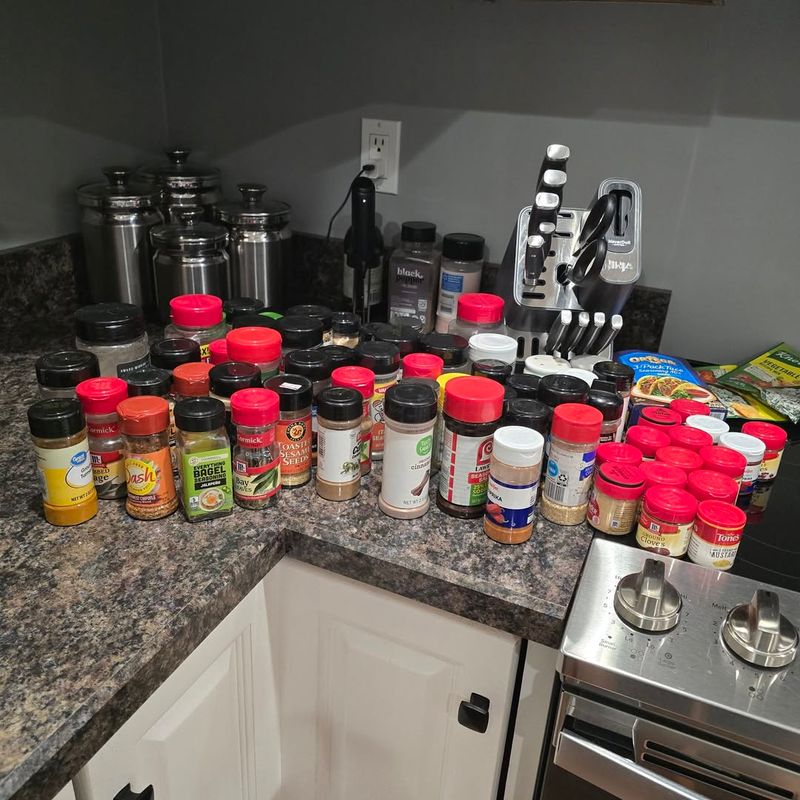
Spices do not last forever, even if the jars look perfectly fine sitting on the rack. Most dried herbs and ground spices lose their punch after about one to two years, meaning that old paprika is basically adding color and nothing else.
A cluttered rack with twenty half-empty bottles slows down cooking and wastes counter space.
Tossing expired spices and keeping only what you actually use makes a noticeable difference. Fresh spices genuinely make food taste better.
11. Bulky, Overstuffed Furniture
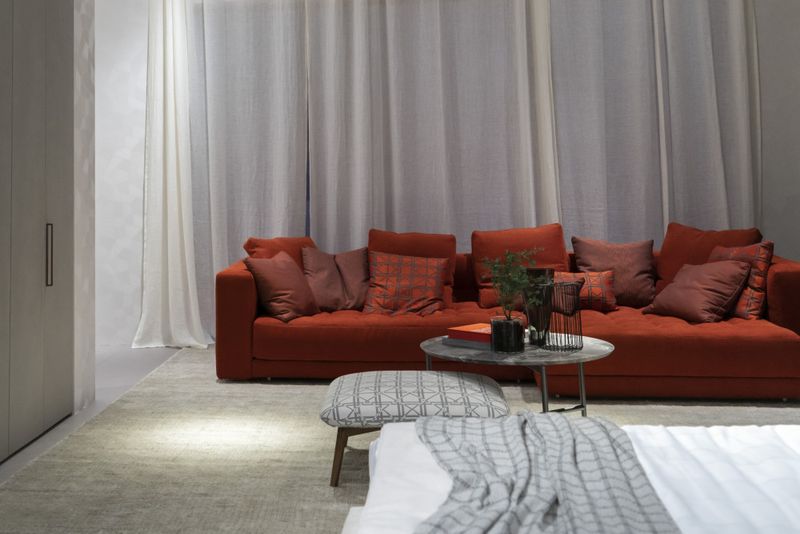
Oversized sectional sofas and heavily padded armchairs were status symbols in the 1980s and 90s, but they can make a room feel like it is swallowing itself whole. Lighter, more versatile furniture pieces allow rooms to breathe and adapt to changing needs.
Smaller households especially benefit from streamlined seating that does not dominate every corner.
Selling bulky furniture through online marketplaces is easier than ever. Replacing even one oversized piece can transform how a room feels entirely.
12. Heavy Window Treatments

Thick velvet drapes and ornate layered valances had their moment, but that moment has quietly passed. Heavy window treatments block natural light, collect dust, and make rooms feel closed-off and gloomy.
Today, simple linen curtains, roller shades, or sheer panels let sunlight pour in while still offering privacy when needed.
Natural light genuinely improves mood and makes spaces feel larger. Swapping out heavy drapes is one of the most affordable home refreshes you can make.
13. Wall-to-Wall Carpeting

Wall-to-wall carpeting was the go-to flooring choice for decades, but it has a way of trapping allergens, pet dander, and odors that no amount of vacuuming fully fixes. Hardwood, laminate, or tile floors are far easier to clean and give rooms a cleaner, more updated appearance.
Area rugs add warmth and style without the commitment of wall-to-wall coverage.
Many homes already have hardwood floors hiding beneath old carpet. Pulling it up could reveal a beautiful surface worth showing off.
14. Popcorn Ceilings
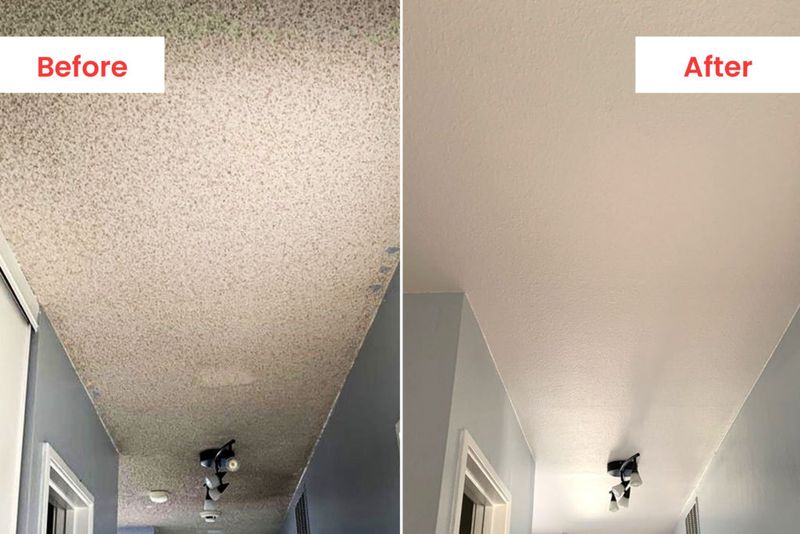
Popcorn ceilings were everywhere in homes built between the 1960s and 1980s, mostly because they were cheap and easy to apply. The rough, bumpy texture traps dust and cobwebs in ways that smooth ceilings simply do not.
They also make rooms feel lower and darker, which is the opposite of what most homeowners want today.
Scraping off a popcorn ceiling is a weekend project many homeowners tackle themselves. Smooth ceilings instantly modernize any room above the furniture line.
15. Old Magazines and Newspapers
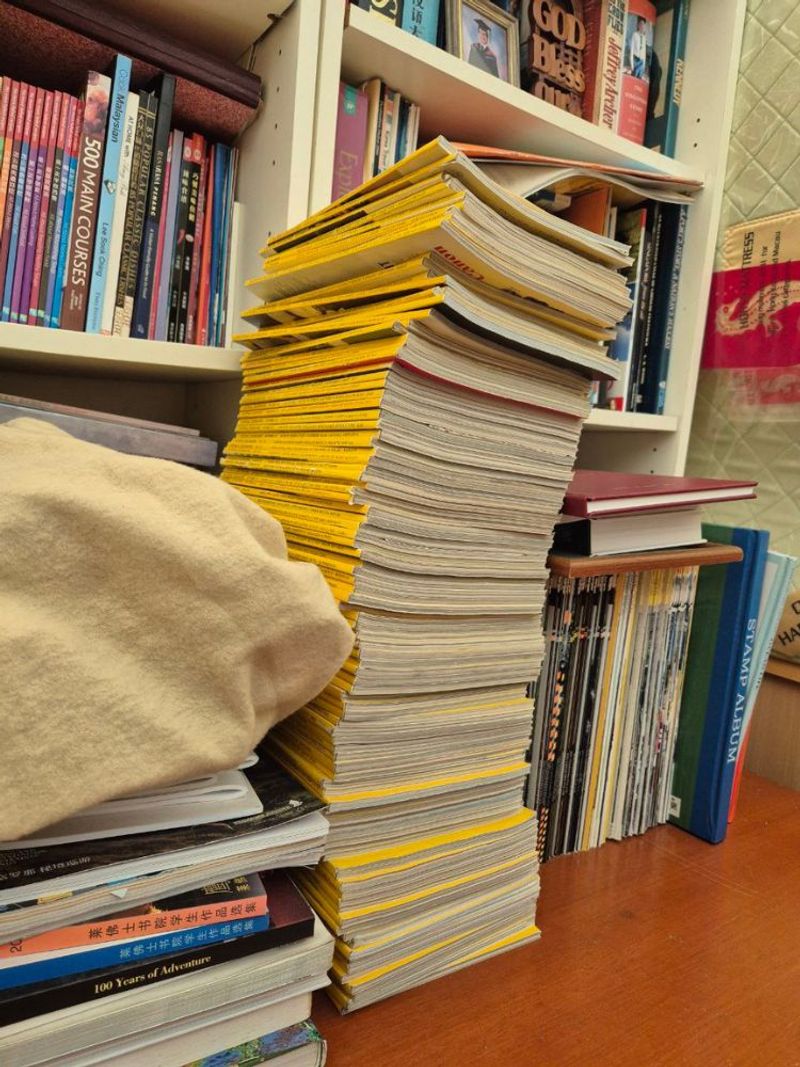
Stacks of old magazines and newspapers have a sneaky way of multiplying until they take over entire rooms. Beyond the clutter, large paper accumulations can pose a real fire hazard, especially near heating vents or fireplaces.
Any information worth saving from a print article is almost certainly available online in a more current version anyway.
Recycling old publications is quick and satisfying. Keeping a one-in-one-out rule for new magazines prevents the pile from ever returning.
16. Obsolete Electronics and Tangled Cords
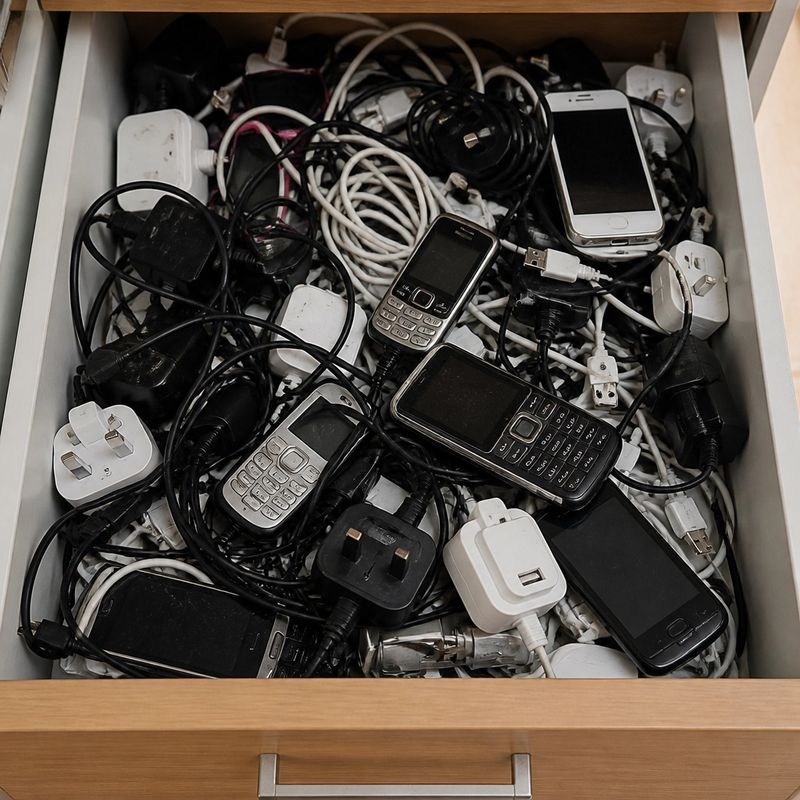
Every home seems to have a drawer or closet dedicated to gadgets that stopped being useful years ago. Outdated phones, wired mice, ancient chargers, and broken mp3 players pile up quietly without anyone noticing until the drawer will not close anymore.
Most of these items can be dropped off at electronics recycling programs for free.
Clearing out dead tech feels surprisingly liberating. Wireless devices and cloud storage have made most of these relics permanently unnecessary.