
Some ideas stick around long after they stop making sense. For Gen X and Baby Boomers, many long-held beliefs about work, relationships, and success were shaped by a very different world.
These ideas still quietly influence decisions today, often without people even realizing it. Understanding where these beliefs come from can help all of us think more clearly about how we live and work.
1. The 9-to-5 Is the Only Real Path to Success

Picture a world where punching a clock from nine to five was the gold standard of ambition. For decades, this schedule felt like the only legitimate road to financial stability and respect.
But today, millions of people are thriving as freelancers, remote workers, and entrepreneurs who set their own hours.
The rigid 9-to-5 structure was built for a manufacturing economy that no longer dominates. Flexibility is now a feature, not a flaw, and success looks wildly different than it once did.
2. Debt Is Always the Enemy

Growing up during times of economic hardship, many Boomers and Gen Xers were taught that any debt was dangerous and shameful. That mindset made sense when interest rates were unpredictable and financial tools were limited.
But strategic borrowing today can actually build wealth and open doors.
Student loans, mortgages, and business credit all serve real purposes when managed wisely. Blanket fear of debt can actually hold people back from opportunities that require smart, calculated financial risk-taking.
3. Working Long Hours Equals Career Success

There was a time when staying late at the office was practically a badge of honor. The more hours you logged, the more dedicated you appeared, and dedication meant promotions.
But research has repeatedly shown that overwork reduces productivity and creativity over time.
Networking, continuous learning, and leveraging smart tools now matter far more than raw hours clocked. Working smarter has replaced working longer as the true marker of professional advancement in most modern industries today.
4. Renting Is Just Throwing Money Away

Few phrases have followed renters around longer than this one. The idea that owning a home is always smarter than renting was practically gospel for Boomers who watched real estate values climb steadily for decades.
But skyrocketing home prices have completely changed the math.
For many people, especially those near retirement or facing possible relocation, renting offers freedom and flexibility that ownership simply cannot match. Sometimes the smartest financial move is the one that keeps your options wide open.
5. Dreams Have an Expiration Date
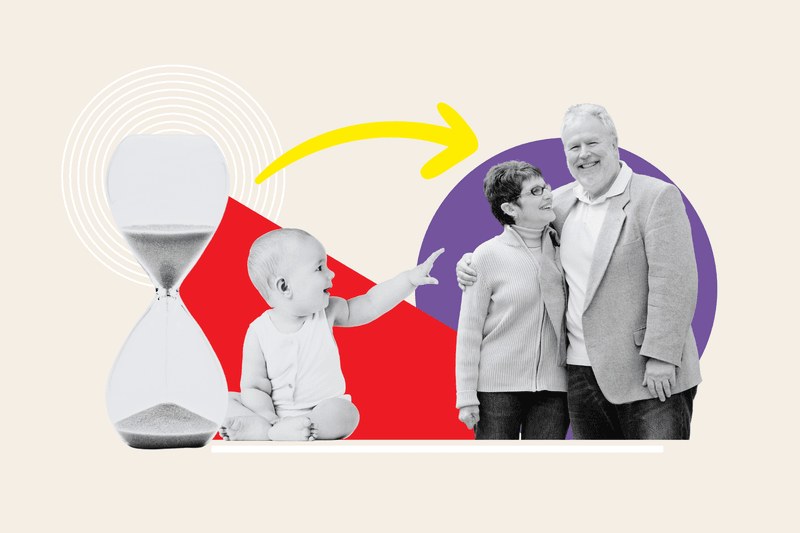
Somewhere along the way, society decided that chasing big dreams was a young person’s game. Once you hit a certain age, the unspoken rule was to settle down and stop dreaming so loudly.
That belief has quietly discouraged countless people from pursuing paths that could genuinely fulfill them.
Studies show the average age of successful startup founders is around 42. Life experience, wisdom, and resilience are serious advantages.
Age is not a deadline for ambition; it can actually be a launching pad.
6. Your Job Title Defines Who You Are

For generations, the first question at any social gathering was, “What do you do?” Job titles became personal identities, and career status was treated as a measure of human worth. This blurring of work and self led many people to sacrifice relationships and personal health without a second thought.
Younger generations have pushed back hard on this idea, prioritizing experiences and relationships over titles. A career is something you have, not something you are, and that distinction genuinely matters for long-term well-being.
7. Busyness Equals Productivity and Worth

Being constantly swamped used to feel like proof that you mattered. Packed calendars, zero downtime, and visible stress were worn like medals in workplaces shaped by Boomer values.
But chronic busyness without meaningful output is just exhaustion dressed up as ambition.
Younger workers have challenged this glorification of stress, championing rest as a productivity tool rather than laziness. Real effectiveness comes from focused energy, not from how frantic your schedule looks to everyone else around you.
8. Loyalty to Your Company Will Be Rewarded

Decades ago, sticking with one employer for thirty years meant a pension, a gold watch, and a comfortable retirement. Company loyalty was a two-way street, and workers trusted that dedication would be honored.
Then came the era of mass layoffs, mergers, and restructuring that changed everything.
Today, job-hopping is not only accepted but often financially rewarding. Workers who change employers strategically tend to earn more over time.
Blind loyalty to any company, no matter how admirable it feels, rarely protects anyone anymore.
9. Authority Figures Automatically Deserve Respect
“Because I said so” carried serious weight for kids raised in the Boomer and Gen X eras. Authority came with the title, and questioning a boss, teacher, or politician felt almost rebellious.
That automatic deference shaped workplaces that valued hierarchy over honesty and accountability.
Younger generations widely believe respect must be earned through competence, fairness, and genuine leadership. This shift has made organizations more transparent and more willing to challenge ideas that simply do not hold up under scrutiny anymore.
10. Work-Life Balance Is a Sign of Weakness

The “work-first” mindset ran deep for people who grew up watching parents sacrifice personal time without complaint. Leaving early, taking vacations, or protecting personal hours was seen as a lack of commitment.
Ambition meant giving everything to your employer, and nothing less was acceptable.
But that mentality fueled a mental health crisis that is still unfolding today. Prioritizing rest, family, and personal passions is not a weakness.
A well-rested, balanced person consistently outperforms a burned-out one, and the data backs that up completely.
11. Marriage Is a Mandatory Life Milestone

For most of the 20th century, marriage was not just expected but practically required for full adult status. Unmarried adults, especially women, faced real social stigma and constant pressure from family.
The question was never “if” but always “when” you would walk down the aisle.
Younger generations are rewriting that script entirely. Many view marriage as a personal choice rather than an obligation.
Choosing to remain single, cohabit, or marry later in life is increasingly normalized, and that flexibility reflects a healthier, more honest approach to relationships.
12. Personal Privacy Means Staying Completely Offline

Sharing personal information with strangers was once considered reckless, even dangerous. Boomers and older Gen Xers grew up in a world where privacy was fiercely protected, and putting your life online would have seemed unthinkable.
That caution made a lot of sense before the internet changed everything.
Today, social media fuels careers, builds communities, and creates real economic opportunity for millions. Thoughtful sharing is not recklessness; it is a modern skill.
Guarding privacy at all costs can actually limit connection, opportunity, and meaningful community in today’s digital landscape.
13. Staying in an Unhappy Marriage Is Honorable

Divorce was treated like a moral failure for much of the 20th century, a shameful sign that someone had given up. Many Gen Xers, shaped by watching their parents’ troubled marriages, internalized the idea that enduring unhappiness was somehow noble and responsible.
That belief caused enormous, unnecessary suffering.
Healthy relationships require mutual respect, genuine connection, and shared values. Recognizing when a relationship has run its course is not failure; it takes real courage.
Some endings are actually the most honest and compassionate choice two people can make together.
14. Men Must Never Show Emotions

Boys raised in the 70s and 80s were handed a very specific rulebook: stay tough, stay quiet, and never let anyone see you struggle. Emotional expression in men was treated as weakness, and that message was reinforced at home, at school, and in popular culture endlessly.
The consequences have been devastating for mental health. Men who suppress emotions face higher rates of depression, addiction, and social isolation.
Vulnerability is not weakness; it is the foundation of real connection, and that truth is slowly but powerfully reshaping how men relate to themselves and others.
15. Formal Titles and Stiff Hierarchies Belong in Every Office

Calling your boss “Mr. Johnson” and never speaking unless spoken to was standard office etiquette for much of the last century. Formality signaled professionalism, and rigid hierarchies kept everyone in their clearly defined lane.
Crossing those lines could seriously damage your career without warning.
Modern workplaces increasingly favor flat structures where ideas flow freely regardless of title. Collaboration thrives when people feel safe to speak up.
Insisting on rigid formality today can actually slow down decision-making and push talented people toward companies that treat them more like humans.
16. Calling Someone Out of the Blue Is Always Fine

Picking up the phone and calling someone without warning was once the most natural thing in the world. For Boomers especially, an unannounced call was friendly, efficient, and personal.
It showed you cared enough to actually speak with someone rather than type out a message.
Many younger people now experience surprise calls as intrusive, even anxiety-inducing. A quick text beforehand to check availability has become the courteous norm.
Adapting to how others prefer to communicate is not giving in; it is simply showing basic respect for someone’s time and space.
17. Physical Office Presence Proves Your Dedication

There was a time when being seen at your desk from early morning to late evening was the ultimate proof of commitment. Face time mattered as much as output, and remote work was barely a concept worth entertaining.
Presence equaled performance, full stop, no exceptions allowed.
The pandemic dismantled that idea almost overnight. Productivity metrics, project outcomes, and employee satisfaction all showed that location rarely determines quality of work.
Clinging to mandatory in-person attendance today often signals a desire for control rather than a genuine commitment to results or team success.
18. Commenting on Someone’s Body Is Just Being Friendly

“You look like you’ve lost weight!” was once considered a compliment worth giving freely. Remarking on someone’s haircut, clothing, or body shape felt like harmless small talk, a way of showing you noticed and cared.
In many households, it was simply how people connected across generations.
Contemporary social norms recognize these comments as deeply personal and often hurtful, regardless of intention. Bodies are not public property open for commentary.
What feels like friendly familiarity to one person can feel invasive and disrespectful to another, and that gap matters more than most people realize.