
Living alone comes with a lot of freedom, but it also comes with real responsibilities that can affect your safety, finances, and mental health. Without a roommate or family member nearby, small oversights can turn into big problems fast.
Knowing what to avoid is just as important as knowing what to do. Here are 19 habits and mistakes to steer clear of when you are on your own.
1. Leaving Doors and Windows Unlocked
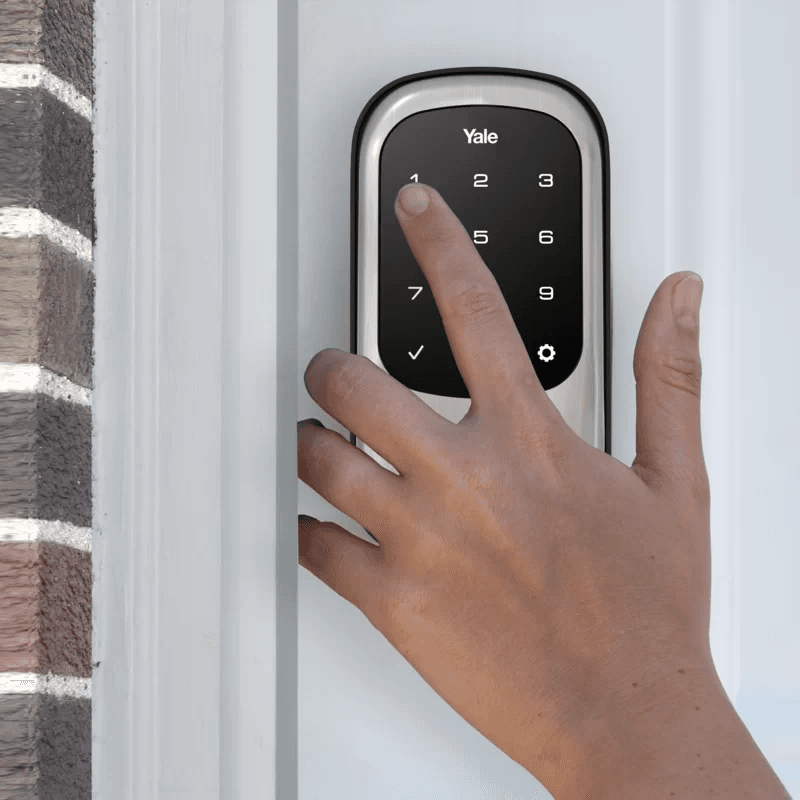
About 30% of burglars walk right through an unlocked door — no breaking required. When you live alone, you are the only line of defense, so locking up is non-negotiable.
Get into the habit of checking every entry point before bed and before leaving.
Deadbolts on exterior doors and secure window latches are worth every penny. Motion-sensor lights outside add another layer of protection that most intruders want to avoid.
2. Hiding a Spare Key Outside
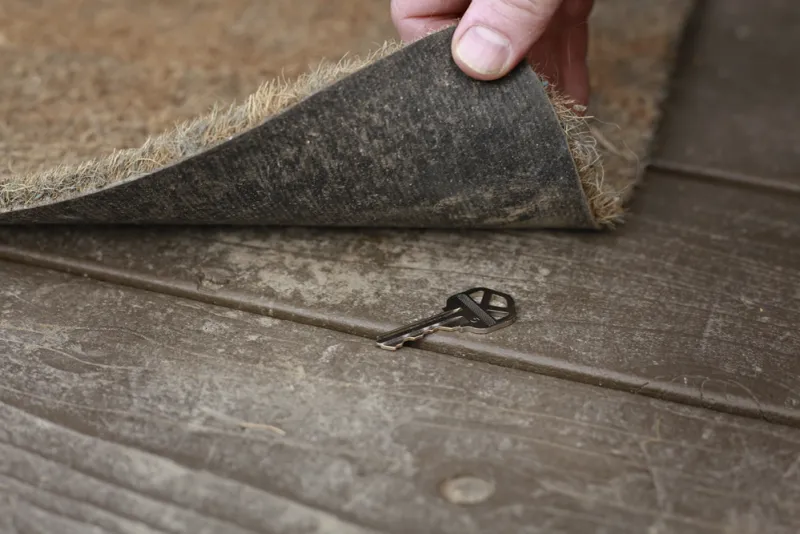
That fake rock or under-the-mat trick? Burglars know every single one of those spots.
Hiding a spare key outside your home might feel convenient, but it is essentially leaving a welcome sign for anyone with bad intentions.
A smarter move is to give a trusted neighbor or close friend a copy of your key. You can also invest in a smart lock with a keypad so you never need a hidden spare again.
3. Skipping Lock Changes When You Move In
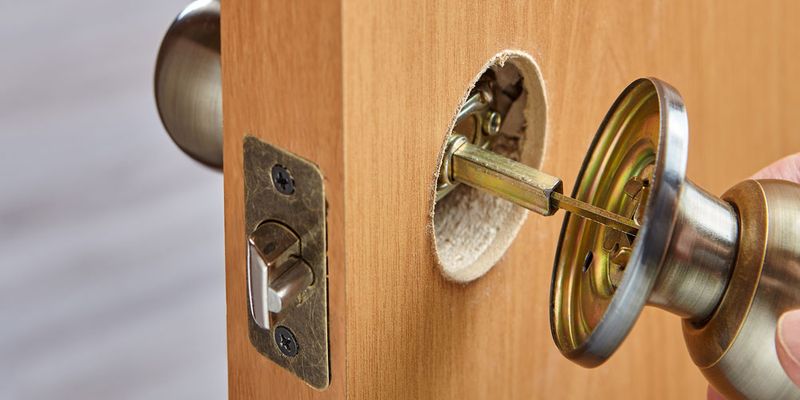
You just moved into a new place — exciting! But here is something many people overlook: you have no idea how many copies of your key are floating around out there.
Former tenants, their friends, or even maintenance workers could still have access to your home.
Changing your locks the moment you move in is one of the smartest first steps you can take. It is a small cost that buys enormous peace of mind.
4. Letting Your Home Look Abandoned
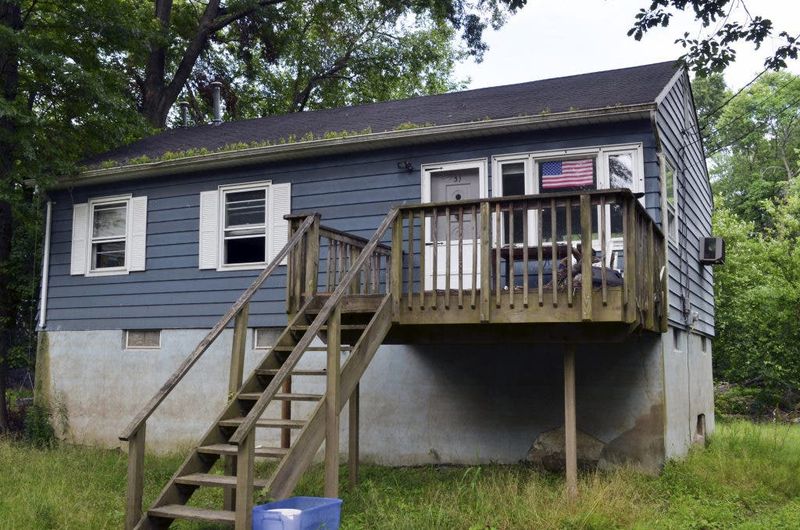
A pile of mail, a burnt-out porch light, and overgrown bushes all send the same signal: nobody is paying attention here. Burglars often scout neighborhoods for exactly these signs before choosing a target.
When you live alone, there is no one else to notice or fix these things for you.
Set up mail holds when you travel, replace bulbs promptly, and keep your entryway tidy. A well-maintained exterior quietly communicates that someone is home and alert.
5. Not Having an Emergency Exit Plan
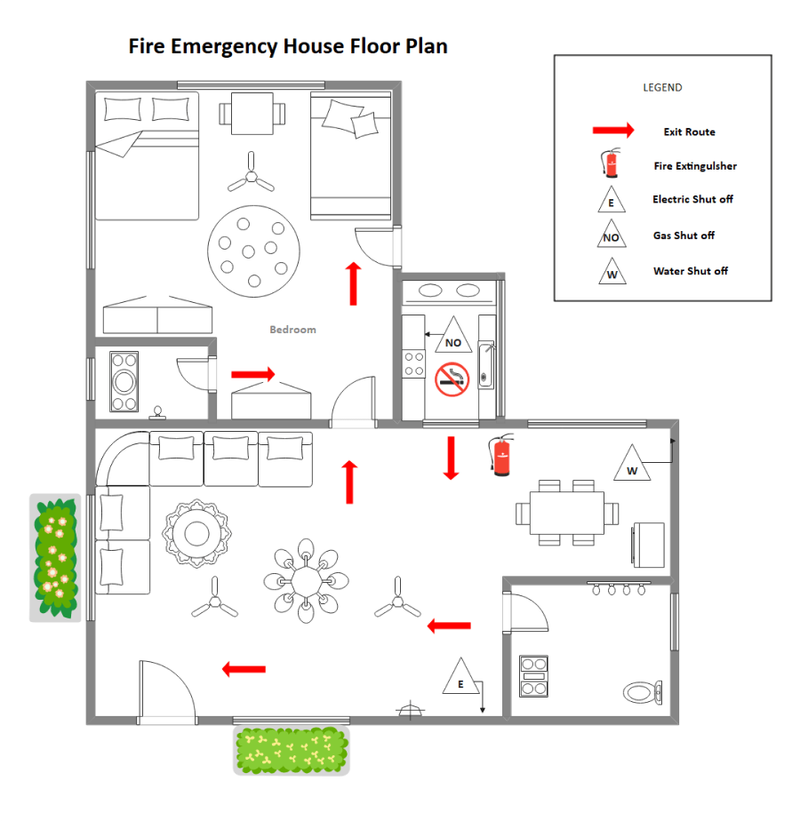
Most people assume they will figure it out in the moment — but emergencies do not give you time to think. Living alone means no one will guide you out or call for help on your behalf.
A clear exit plan can be the difference between safety and disaster.
Walk through every room and identify two ways out. If you are above the ground floor, keep a fire escape ladder stored near a window.
Practice the plan so it becomes second nature.
6. Ignoring Smoke and Carbon Monoxide Detectors
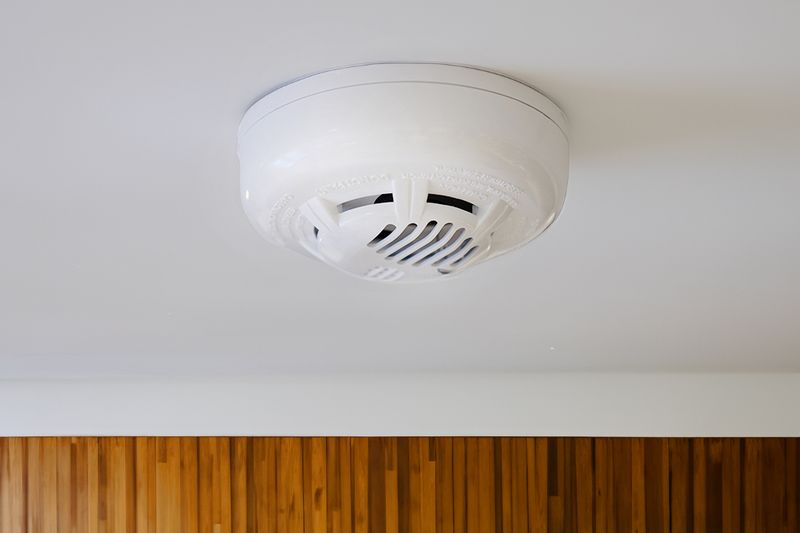
Carbon monoxide is odorless and invisible — you simply will not know it is there without a working detector. When you live alone, a silent alarm in the middle of the night has only one person to wake up: you.
Dead batteries or missing detectors are not options.
Test your smoke and CO detectors every month and replace batteries at least once a year. Many experts recommend replacing the units themselves every 7 to 10 years for reliable performance.
7. Advertising That You Live Alone

Telling the wrong person you live alone can make you a target. Something as simple as a full name on a mailbox or casually mentioning your situation to a stranger can be enough information for someone with bad intentions to act on.
Keep your living situation private around people you do not know well. Use just your last name or initials on your mailbox, and be thoughtful about what you share with new acquaintances, delivery people, or repair workers.
8. Oversharing Your Routine on Social Media

Posting your vacation countdown, daily coffee shop routine, or gym schedule might seem harmless, but it creates a roadmap for anyone watching. Broadcasting when your home is empty — even to people you consider just acquaintances — is a real security risk.
Save travel photos for after you return home. Adjust your privacy settings so only trusted people can see location-tagged posts.
A little social media caution goes a long way when you live solo.
9. Letting Strangers Into Your Home

Whether it is a repair technician, a delivery mix-up, or someone asking to use your phone, letting an unknown person into your home when you are alone carries real risk. Most people have good intentions, but you cannot always tell who does not.
If a technician must come in, ask a friend to be present. Always verify IDs and confirm appointments with the company directly.
Trusting your gut is not paranoia — it is smart self-protection.
10. Being Too Predictable With Your Routine
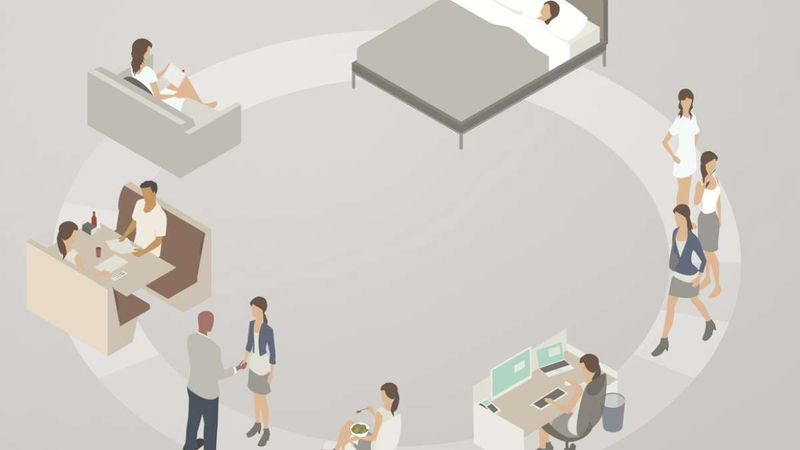
Leaving at exactly 8:02 AM and returning at exactly 6:15 PM every single day creates a pattern that is surprisingly easy for others to notice. A predictable schedule essentially announces when your home will be empty — and for how long.
Mix things up occasionally. Leave at different times, vary your routes, and change up your evening plans now and then.
Small adjustments to your routine can make your home a much less attractive target.
11. Neglecting to Build a Check-In System
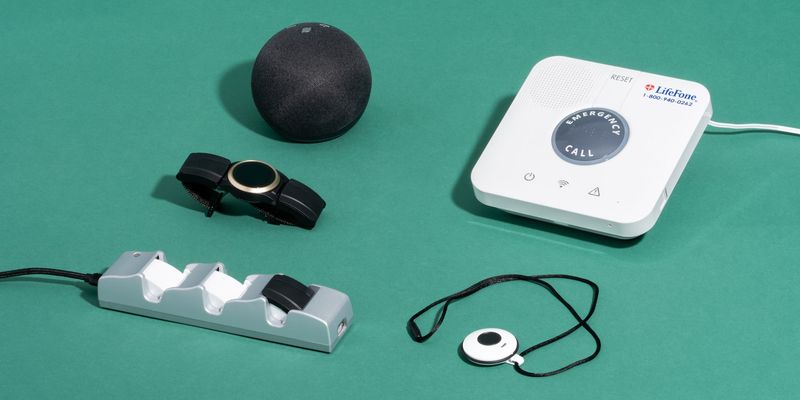
Imagine twisting your ankle and being unable to reach your phone, with no one expecting to hear from you for days. That scenario is more common than people think for those living solo.
A simple check-in system with a trusted friend or family member can prevent a minor incident from becoming a major crisis.
Set up a daily or every-other-day text habit with someone you trust. It takes seconds and creates a reliable safety net that costs absolutely nothing.
12. Forgetting to Keep Your Phone Charged

Your phone is your emergency lifeline — your connection to 911, your doctor, your neighbor, and everyone else who could help in a crisis. A dead battery at the wrong moment can turn a manageable situation into a dangerous one surprisingly fast.
Keep a charger in your bedroom, one in the kitchen, and consider a portable power bank for backup. Making charging part of your nightly routine is a tiny habit with potentially life-saving consequences when you live alone.
13. Living Without an Emergency Fund

When you live alone, there is no one to split an unexpected car repair or medical bill with. A financial emergency that might be manageable for a couple can completely derail a solo budget.
Having three to six months of expenses saved gives you a cushion that reduces stress and prevents debt spirals.
Start small if needed — even saving $25 a week builds up over time. Automate transfers to a separate savings account so the habit sticks without requiring daily willpower.
14. Skipping a Personal Budget

Without a roommate splitting costs, every single expense falls on you — rent, utilities, groceries, subscriptions, and everything in between. Spending without a plan is one of the fastest ways to find yourself short on cash right before rent is due.
A simple budget does not need to be complicated. Track your income and fixed costs first, then allocate what is left for fun and savings.
Free apps like Mint or YNAB make the whole process much easier to stick with.
15. Allowing Yourself to Become Isolated

Living alone can be peaceful, but too much solitude has a way of quietly becoming loneliness. Research links chronic social isolation to increased risks of anxiety, depression, and even physical health issues like heart disease.
The tricky part is that isolation often sneaks up gradually.
Make consistent social connection a priority, not just something you do when the mood strikes. Regular coffee dates, a weekly class, or even a neighborhood walk with a friend can keep your emotional well-being anchored and strong.
16. Ignoring Household Fall Hazards

Falls are the leading cause of injury-related emergency room visits in the United States, and loose rugs, tangled cords, and clutter are among the top culprits. When you live alone, a bad fall means no one is nearby to help you up or call for assistance.
Do a quick safety sweep of your home regularly. Secure rugs with non-slip mats, tuck away cords, and keep pathways clear — especially between your bedroom and bathroom for those nighttime trips in the dark.
17. Neglecting a Daily Routine

Structure might sound boring, but it is actually one of the best tools for mental health. Without a roommate’s schedule nudging you along, days can blur together quickly.
Irregular sleep, skipped meals, and zero motivation tend to follow — and negative thought patterns fill the gaps.
Build a loose daily framework that includes a consistent wake time, meals, movement, and wind-down rituals. You do not need a rigid minute-by-minute schedule — just enough structure to give your days shape and forward momentum.
18. Refusing to Ask for Help

There is a quiet pressure when you live alone to handle everything yourself — as if needing help means you are not doing solo life correctly. But pushing through heavy furniture moves, ignoring a health concern, or white-knuckling a hard week alone is not strength.
It is unnecessary strain.
Asking for help is a skill, not a weakness. Keep a short list of people you can call for different situations — a handy friend, a neighbor, a therapist.
Building that network before you need it makes all the difference.
19. Ignoring Mental Health Warning Signs

Mood shifts happen to everyone, but when changes in sleep, appetite, motivation, or social withdrawal stretch on for weeks, something more serious might be going on. Living alone means there is no one physically present to notice these shifts and gently check in with you.
Pay attention to your own patterns. If you notice you have been avoiding calls, sleeping too much, or feeling emotionally flat for an extended stretch, reach out to a doctor or counselor.
Catching these signs early makes recovery significantly easier.