
Being single at an older age can feel like navigating a world that has completely changed around you. Many older men find themselves unexpectedly alone after decades of partnership, and the path forward is anything but simple.
From emotional wounds to shifting social circles, the challenges are real and often go unspoken. Understanding these struggles is the first step toward breaking through them.
1. Emotional Baggage from Past Relationships
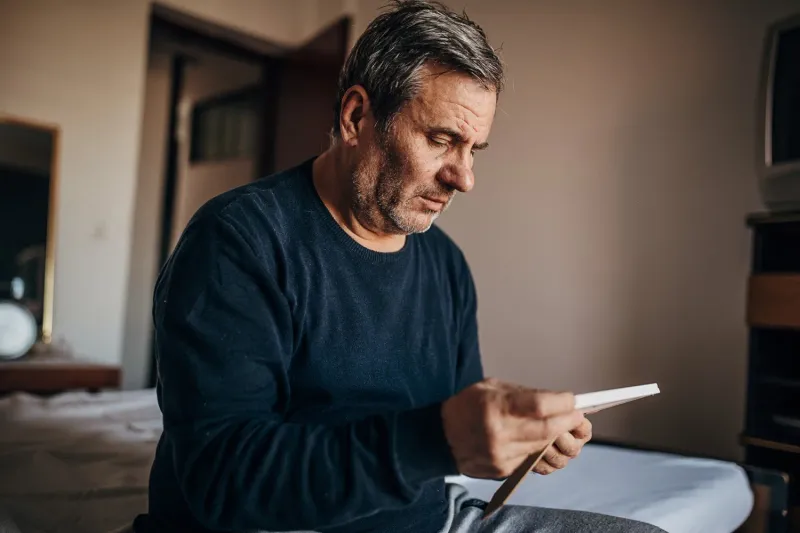
Years of love, loss, and heartbreak leave marks that do not simply disappear. Many older men carry grief, regret, and unresolved feelings from past marriages or relationships that ended painfully.
These emotional wounds quietly shape how they approach new connections.
Without working through that pain, it becomes almost impossible to show up fully for someone new. The weight of the past can feel heavier than any hope for the future.
2. Fear of Rejection Runs Deep
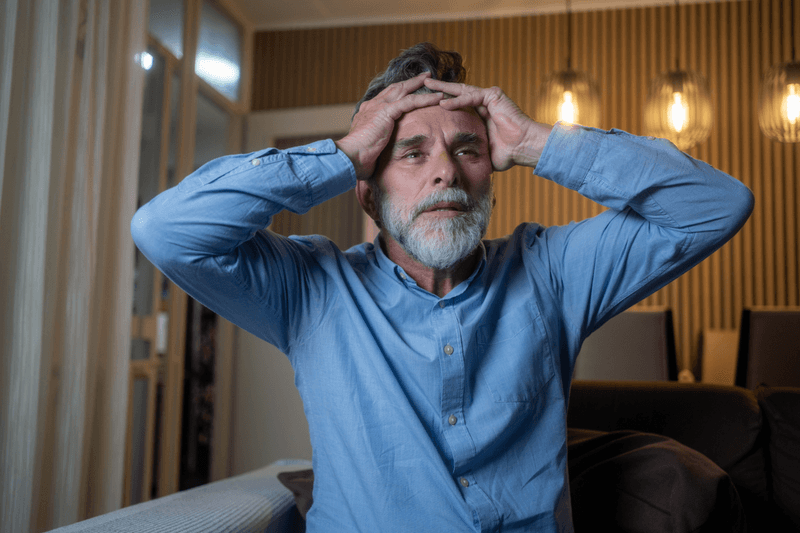
Rejection stings at any age, but for older men who have already experienced divorce or loss, the fear of it can feel paralyzing. When someone has already had their heart broken once, risking it again takes enormous courage that does not always come easily.
Many pull back before even trying, convincing themselves the outcome is already decided. That self-protective instinct, while understandable, keeps real connection just out of reach.
3. Confidence Takes a Serious Hit
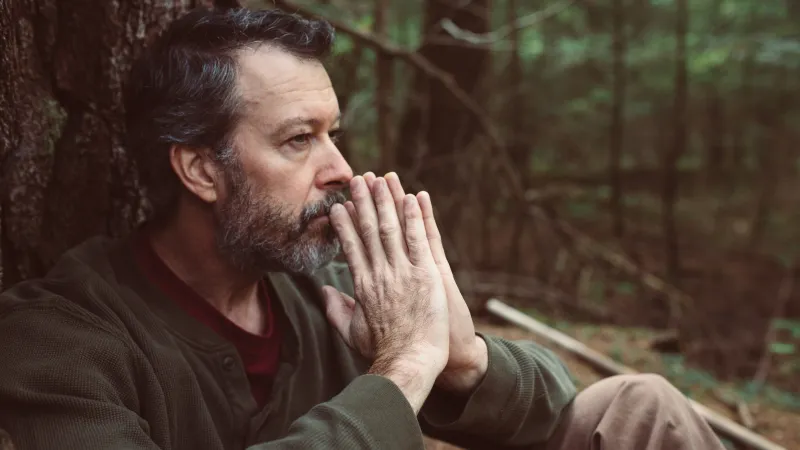
Spending years outside the dating world has a funny way of making a man forget what he has to offer. Divorce, aging, or simply being alone for too long can quietly chip away at self-esteem in ways that are hard to notice until the damage is done.
Rebuilding confidence is not about pretending to be someone else. It starts with recognizing personal value beyond relationship status or career achievements.
4. Social Circles Shrink Over Time
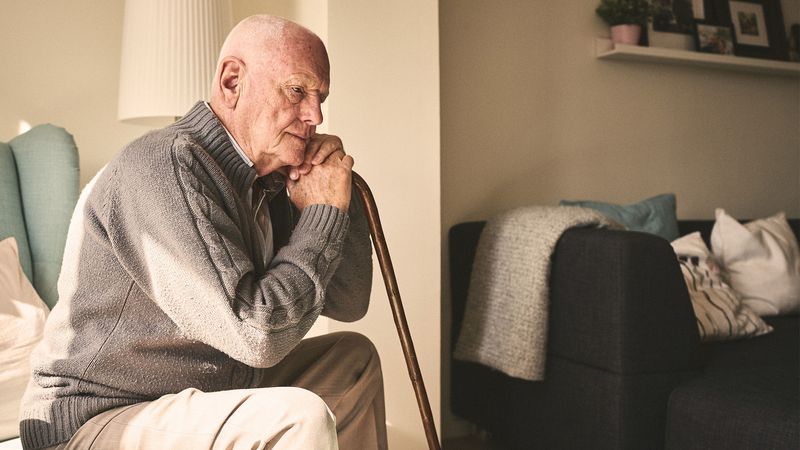
Remember when weekends were packed with friends, coworkers, and social events? For many older men, those days fade quietly as careers wind down, kids move away, and friendships drift apart.
Meeting new people organically becomes genuinely difficult when the usual channels disappear.
Smaller social networks mean fewer natural opportunities to connect with potential partners. Without intentional effort to expand those circles, isolation can sneak up fast and feel permanent.
5. Modern Dating Technology Feels Foreign
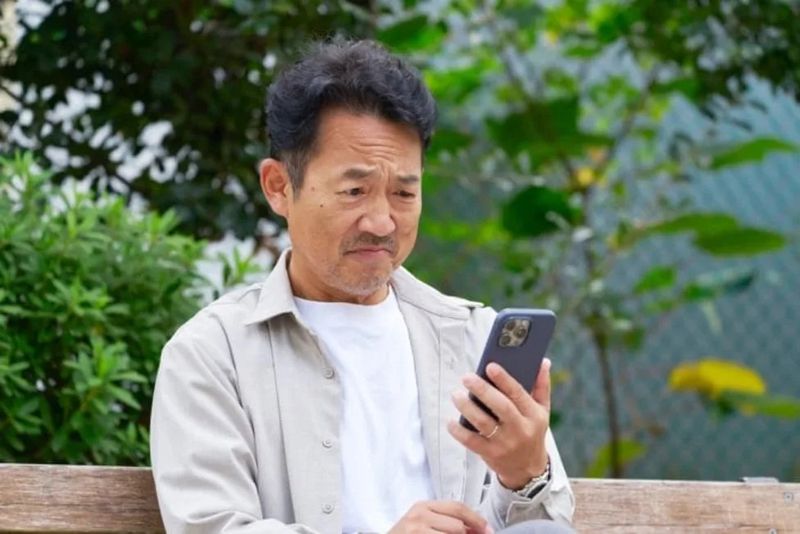
Swiping right was not exactly a concept covered in any previous generation’s dating handbook. For men who last dated before smartphones existed, navigating apps, online profiles, and digital conversations can feel like learning a completely new language overnight.
The learning curve is steep, and the fear of doing it wrong often stops them before they start. A little patience and willingness to ask for help can make the process far less intimidating than it first appears.
6. Loneliness Becomes a Heavy Companion
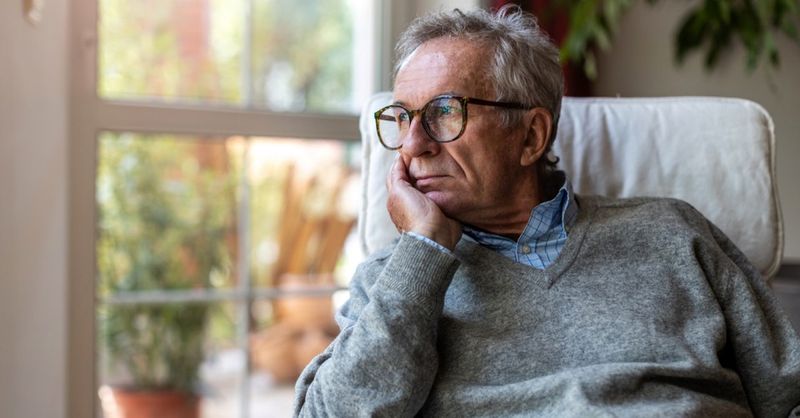
Studies consistently show that older men tend to have smaller support networks than women, making loneliness a very real and very serious challenge. After retirement or the loss of a spouse, the silence at home can grow louder than expected.
Chronic loneliness is not just emotionally painful. Research links it to depression and serious health consequences in older men who go without meaningful human connection for extended periods of time.
7. Traditional Masculinity Gets in the Way

Growing up with messages like “men do not cry” or “tough it out” leaves a lasting imprint. Many older men were raised to believe that admitting loneliness or vulnerability was a sign of weakness, making it genuinely hard to open up emotionally to new partners.
Real connection requires honesty about feelings, fears, and needs. When those things have been buried for decades, learning to express them authentically is one of the biggest personal challenges a man can face.
8. Unrealistic Expectations Block New Connections

After years of imagining what a perfect relationship looks like, some older men build a mental checklist so specific that no real person could ever fully measure up. Idealized expectations, whether shaped by past relationships or fantasy, create a wall that keeps genuine connection out.
Nobody is perfect, and no relationship will ever match an imagined version. Letting go of that idealized picture opens the door to something real, messy, and far more rewarding.
9. Being Set in Your Ways Is a Real Thing
There is a certain comfort in having things exactly the way you like them after years of solo living. The remote always in the same spot, dinner at the same time, weekends structured just so.
But that comfort can quietly become a barrier to sharing life with someone new.
Compromise is the foundation of any healthy relationship. Men who have lived independently for a long time often need to consciously practice flexibility before a new partnership can truly take root.
10. Financial Concerns Create Hesitation

Decades of building financial security make many older men cautious about how a new relationship might affect their assets, retirement savings, or estate plans. Past experiences, including costly divorces, can make the financial risk feel far too high to take again.
Money conversations are uncomfortable but necessary. When financial anxiety drives relationship decisions more than emotional readiness, it often prevents genuinely good connections from ever getting off the ground in the first place.
11. Health and Energy Levels Change the Game

Dating takes energy, plain and simple. Between late nights, new activities, and the emotional investment required to build a relationship, health challenges and declining stamina can make the whole process feel exhausting before it even begins.
Age-related health concerns also affect self-image, which feeds back into confidence issues. Many older men quietly talk themselves out of dating because they worry they cannot keep up or that their health will become a burden to someone else.
12. Unhealed Pain Quietly Blocks Progress
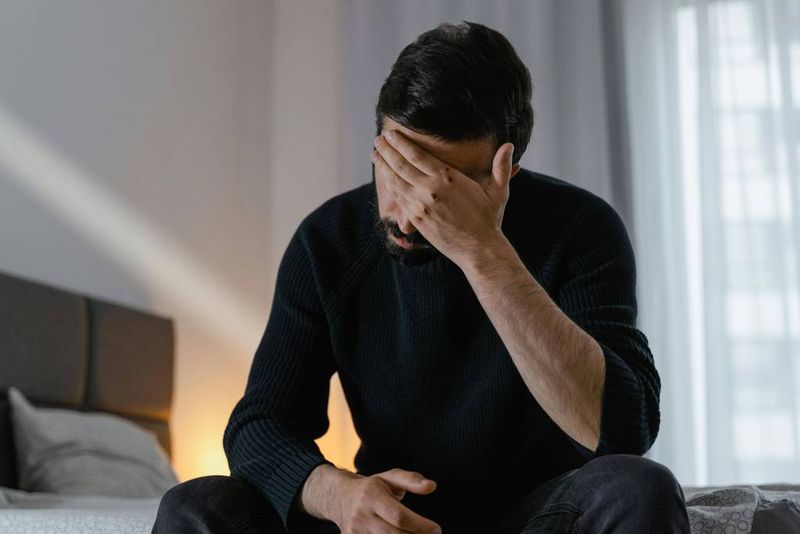
There is a difference between time passing and actual healing happening. Many older men assume that because a painful relationship ended years ago, they have moved on.
But unresolved hurt has a way of showing up uninvited in new relationships, creating patterns that push people away.
Working through old pain, whether through therapy, honest self-reflection, or trusted conversation, is not weakness. It is the most practical thing a man can do before truly opening himself to someone new.
13. Trust Does Not Come Easy Anymore
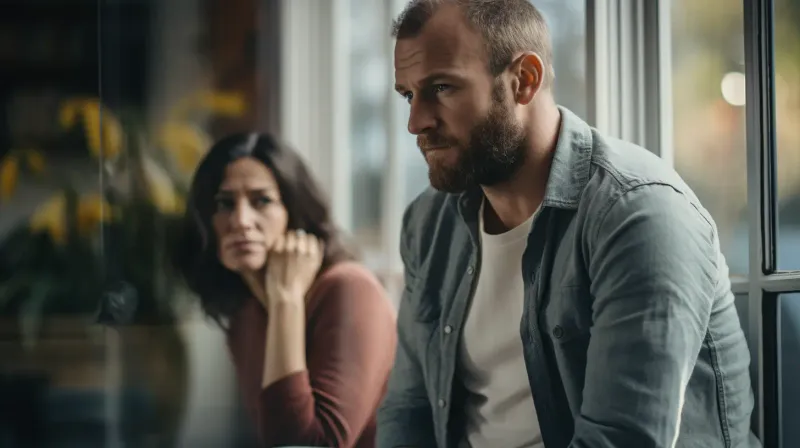
Betrayal has a long memory. Whether it came through infidelity, dishonesty, or emotional abandonment, past experiences of being let down make it incredibly hard for older men to trust freely again.
Every new person carries the weight of what someone else once did.
Building trust in a new relationship requires patience from both sides. Recognizing that a new partner is not the same as an old one is easier said than done, but it is absolutely essential for moving forward.
14. Identity Crisis After Retirement or Empty Nest
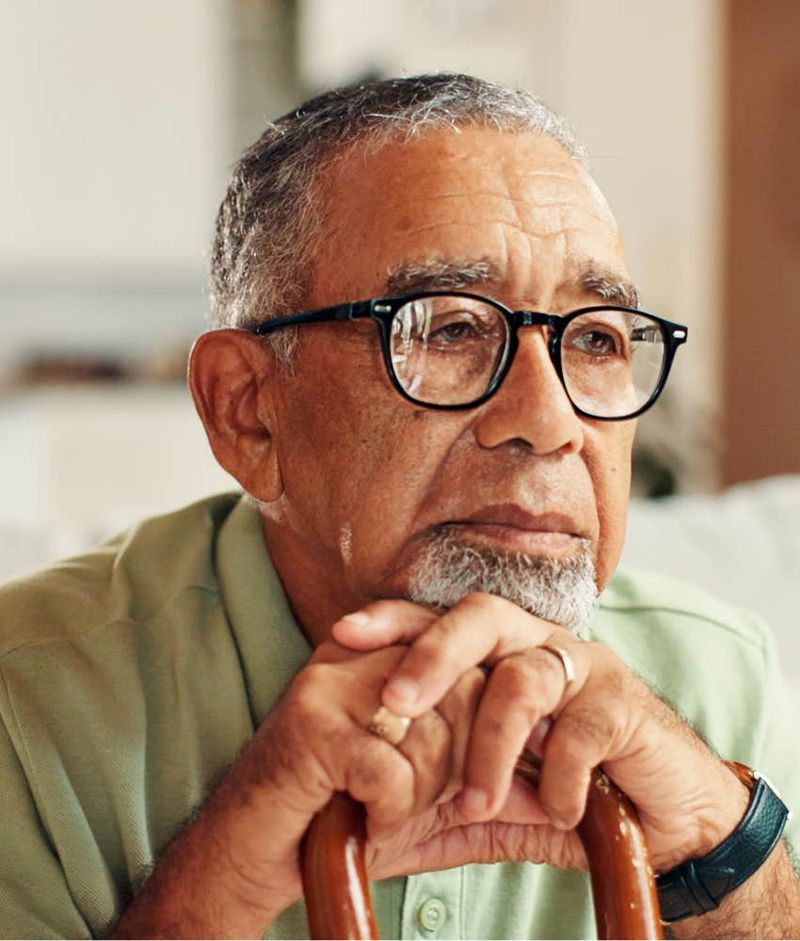
For decades, many men defined themselves through their careers or their role as fathers. When both of those chapters close around the same time, the question of “who am I now?” hits harder than expected.
That identity uncertainty makes the idea of dating feel almost irrelevant.
A strong sense of self is genuinely attractive and emotionally stabilizing. Rediscovering personal interests, purpose, and passions outside of old roles is the groundwork that makes healthy new relationships possible.
15. Family Dynamics Add Complicated Layers
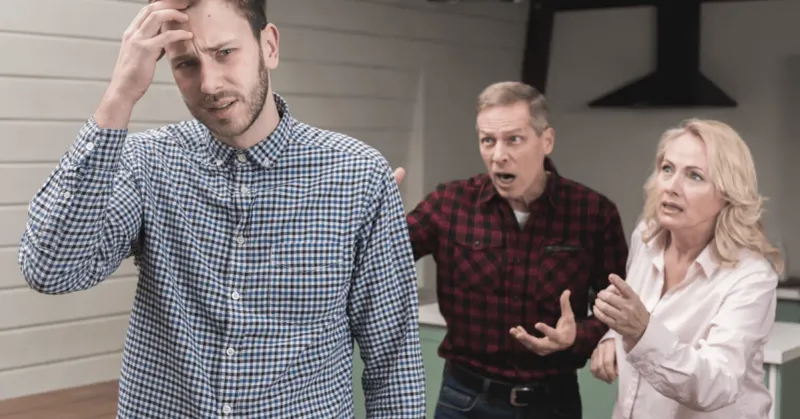
Introducing a new partner when adult children and grandchildren are already in the picture is rarely straightforward. Many older men worry about how their family will react, whether their kids will feel replaced, or how a new relationship might disrupt established family dynamics.
Those concerns are valid, but they can also become an excuse to avoid dating entirely. Having honest conversations with family members early on can ease tension and create space for everyone to adjust at a reasonable pace.
16. Picky Preferences Narrow the Field
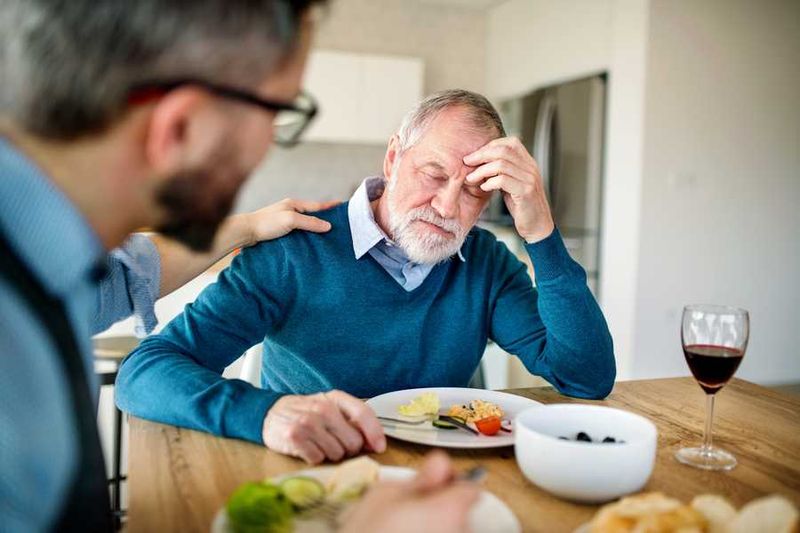
Years of living exactly as you please has a sneaky side effect: your list of dealbreakers grows longer while your list of must-haves becomes oddly specific. What starts as reasonable standards can gradually become a filter so fine that almost no one passes through it.
Being selective is smart. Being so particular that every potential partner is disqualified over minor quirks is something else entirely.
Learning to distinguish between genuine incompatibility and simple unfamiliarity can completely change dating outcomes for older men.
17. Feeling Invisible in the Dating World
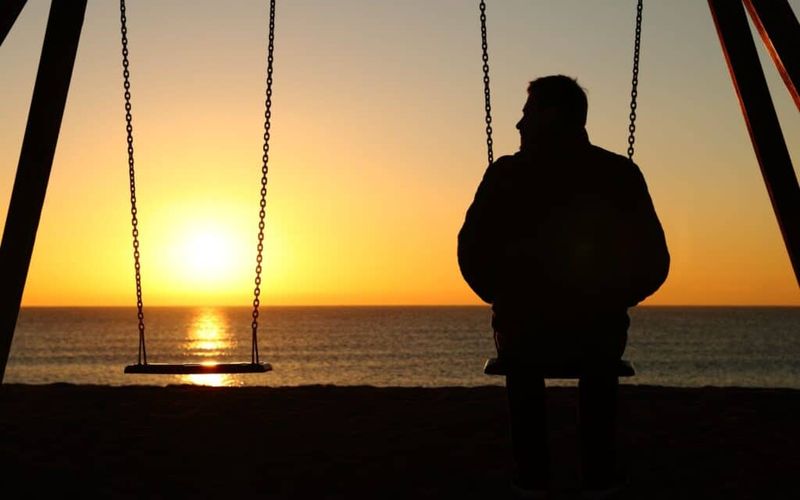
Pop culture rarely celebrates older single men as romantic leads, and that cultural message seeps in. Many older men genuinely feel overlooked in dating spaces, as though age has quietly pushed them to the sidelines of a game still being played by everyone else.
Feeling unseen can become a self-fulfilling story if left unchallenged. Confidence, authenticity, and genuine curiosity about other people are magnetic qualities at any age, and they matter far more than a number on a birthday cake.