
Marriage looks a lot different today than it did just a few decades ago. From who walks down the aisle to whether couples even have a traditional ceremony at all, nearly every part of partnership has changed.
Some shifts are small, like swapping rice for rose petals, while others are huge, like the growing acceptance of open relationships. Understanding these changes helps us see how love, commitment, and family continue to grow and adapt over time.
1. The Aisle Walk Gets a Modern Makeover
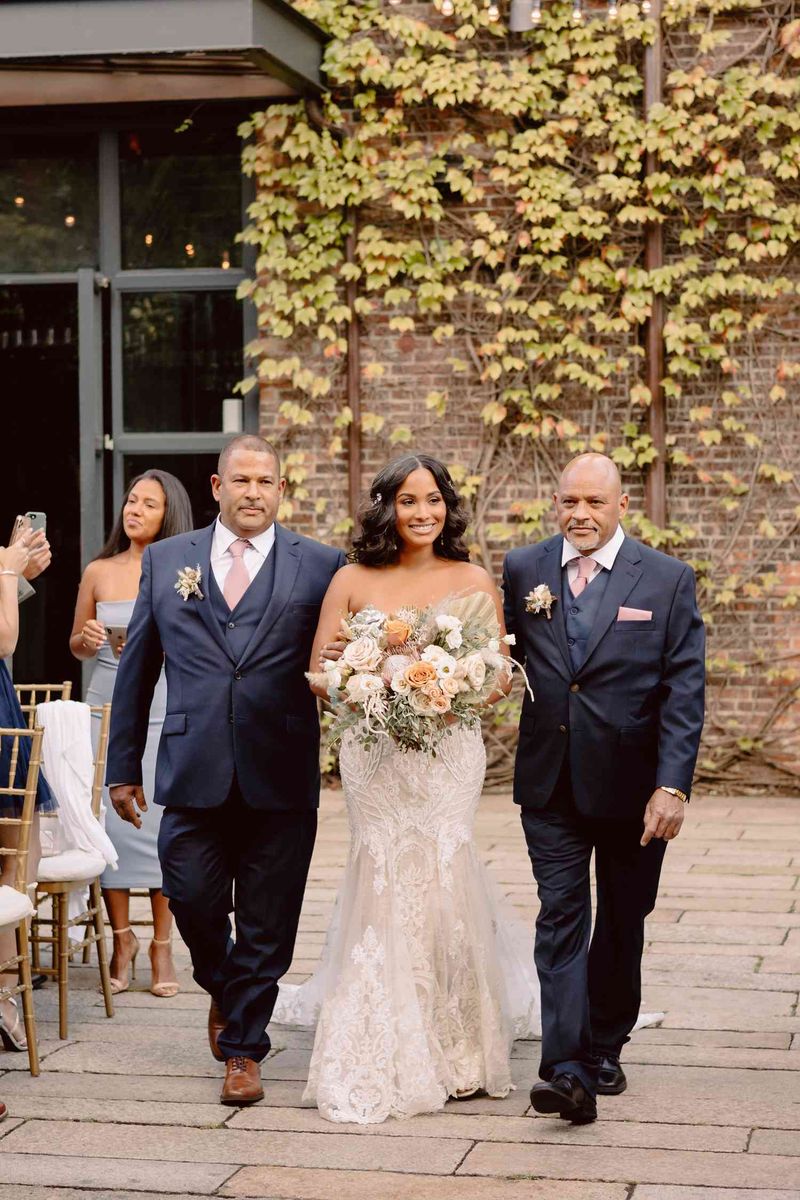
Walking down the aisle used to mean one thing: a father handing his daughter off to her future husband. Today, that script has been completely rewritten.
Brides now walk with both parents, solo, or even with their partner.
The shift moves away from the old idea of “giving away” a woman like property. Couples now treat the walk as a celebration of love and choice, not a transfer of ownership.
It is a small change with a powerful message.
2. Wedding Parties No Longer Follow Gender Rules
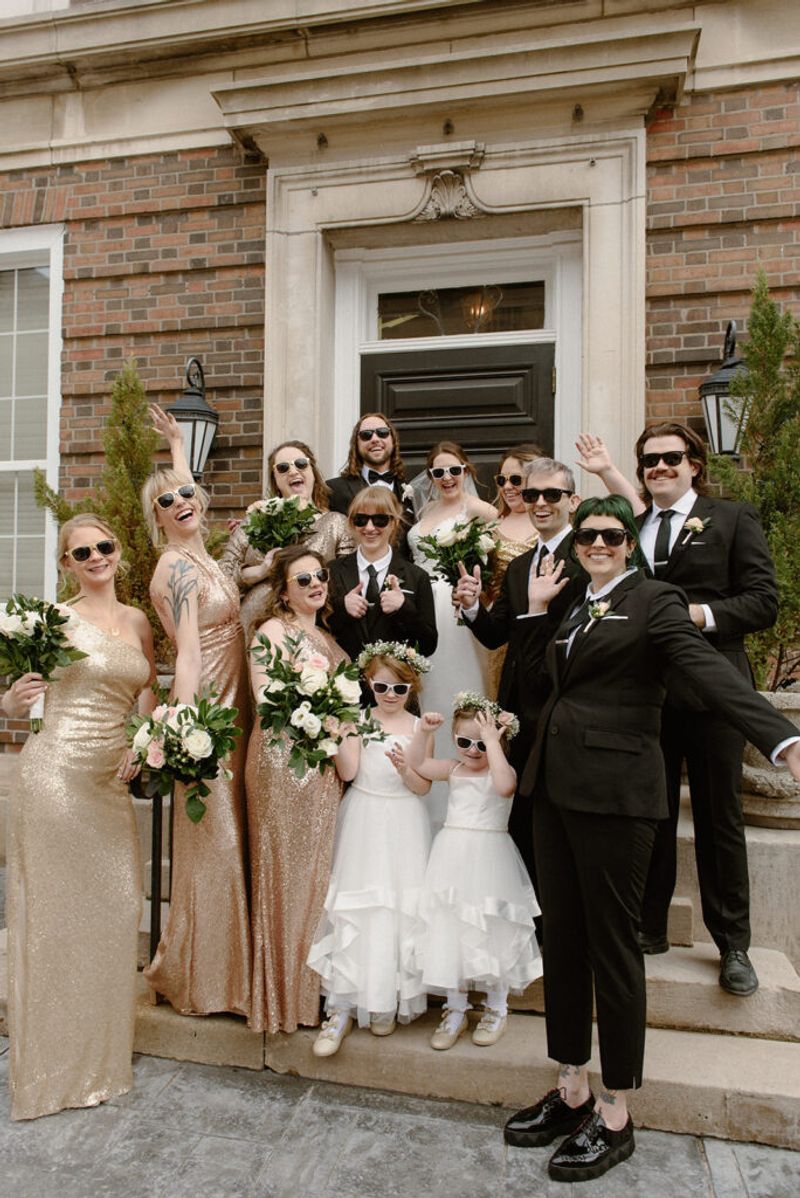
Groomsmaids and bridesmen are officially a thing now, and honestly, it makes total sense. Why should your closest friend miss standing beside you just because of gender?
Modern wedding parties are built around friendship and meaning, not tradition or matching outfits. Couples choose the people who matter most, regardless of whether they fit a traditional mold.
It makes the day feel more personal and far more authentic to who the couple actually is.
3. Personalized Vows Replace Cookie-Cutter Promises
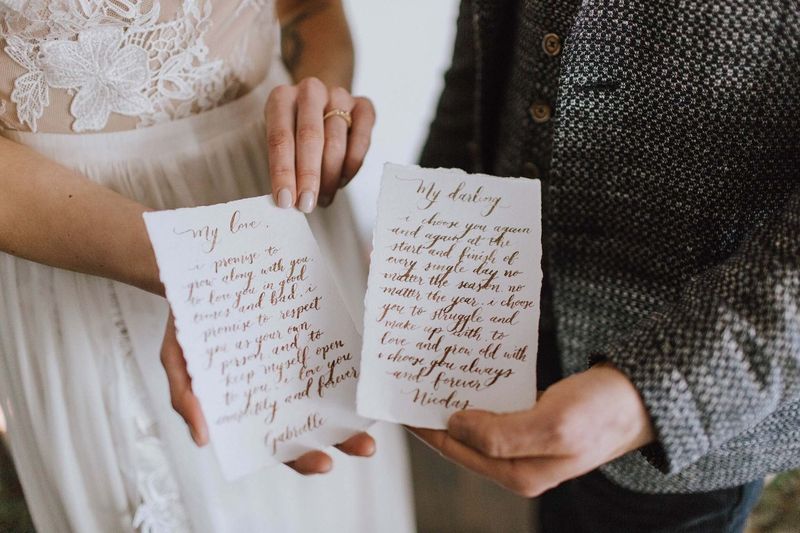
“To have and to hold” is lovely, but more couples are choosing to write their own words instead. Personalized vows let partners speak directly to their shared story, inside jokes, and real promises.
A handwritten vow can reference the first road trip you took together or the way your partner makes coffee every morning. These details turn a ceremony into something unforgettable.
Studies show couples who personalize their vows often feel more emotionally connected on their wedding day.
4. The “First Look” Tradition Is Replacing Superstition
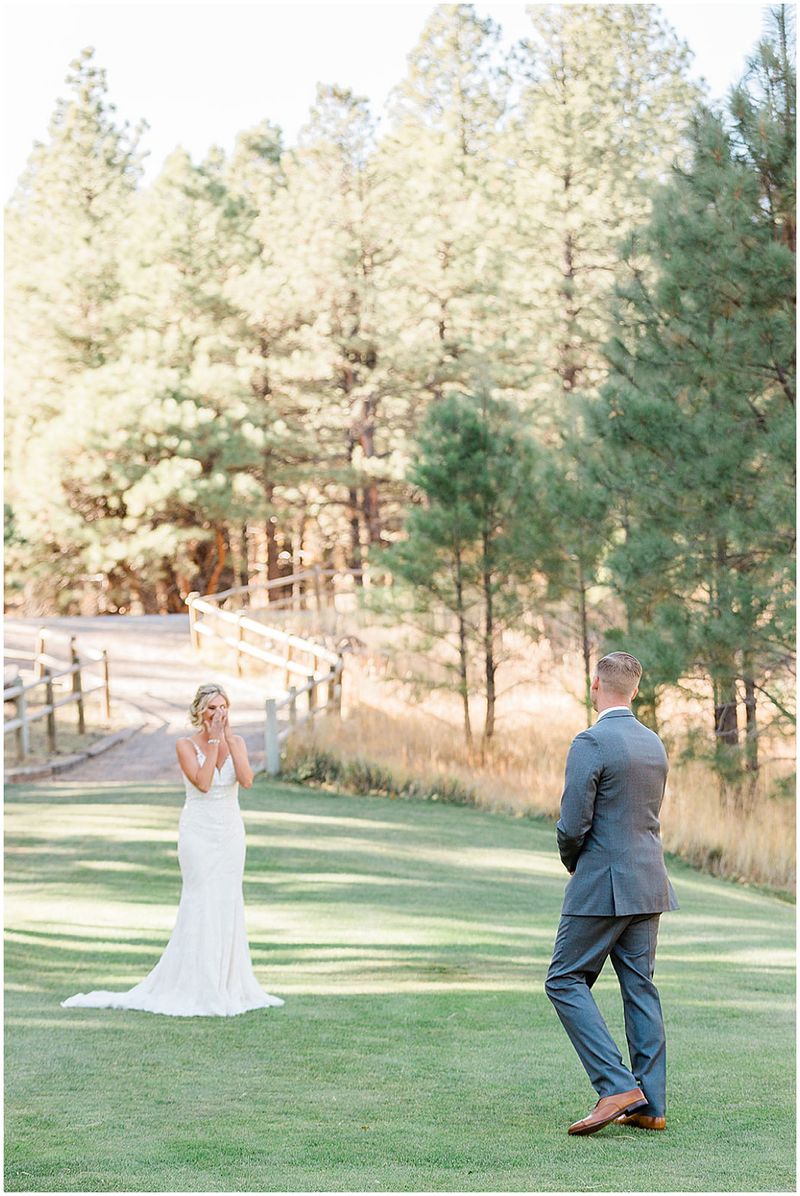
Seeing your partner before the ceremony used to be considered bad luck. Now, many couples plan a private “first look” moment specifically because it calms nerves and creates a deeply personal memory.
Photographers love it too, since the lighting and emotions are often more natural than during the ceremony itself. Couples say the moment helps them feel grounded before the big event.
It is a beautiful example of how modern couples prioritize connection over superstition.
5. Gender Roles in Marriage Are Shifting Fast
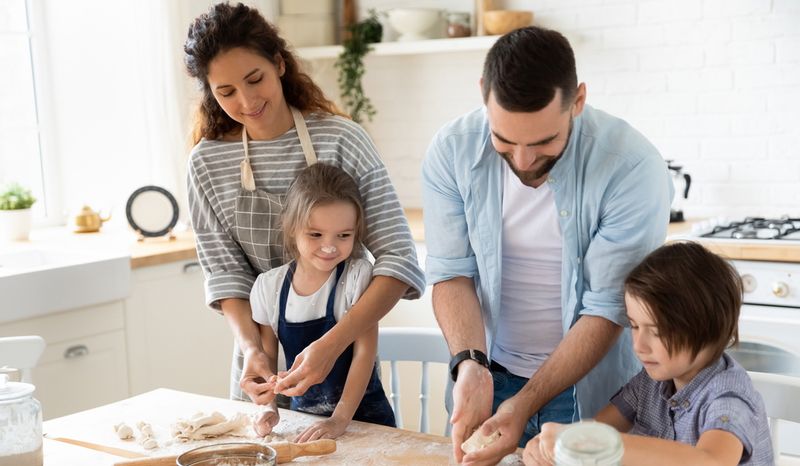
For most of history, husbands earned the money and wives ran the household. That dynamic has been steadily dissolving, and today, dual-income households are the norm rather than the exception.
Still, research shows women often carry more of the emotional and domestic load even when both partners work full-time, a pattern sometimes called the “second shift.” Couples who openly discuss and share responsibilities tend to report higher satisfaction. Honest conversations about fairness make a real difference in long-term happiness.
6. Technology Is Reshaping How Couples Connect and Conflict
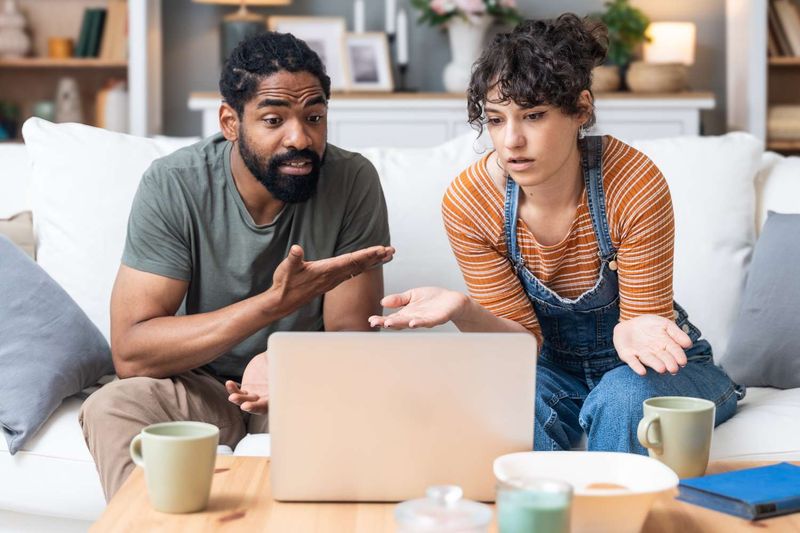
Forty-five percent of couples report that technology use causes conflict in their relationship. Phones at the dinner table, late-night scrolling, and constant notifications can make a partner feel invisible even when sitting right next to you.
On the flip side, video calls and texting have been lifesavers for long-distance couples. The key difference seems to be intentionality.
Couples who set clear boundaries around screen time report feeling more present and emotionally connected to each other on a daily basis.
7. Online Dating Changed How Love Stories Begin
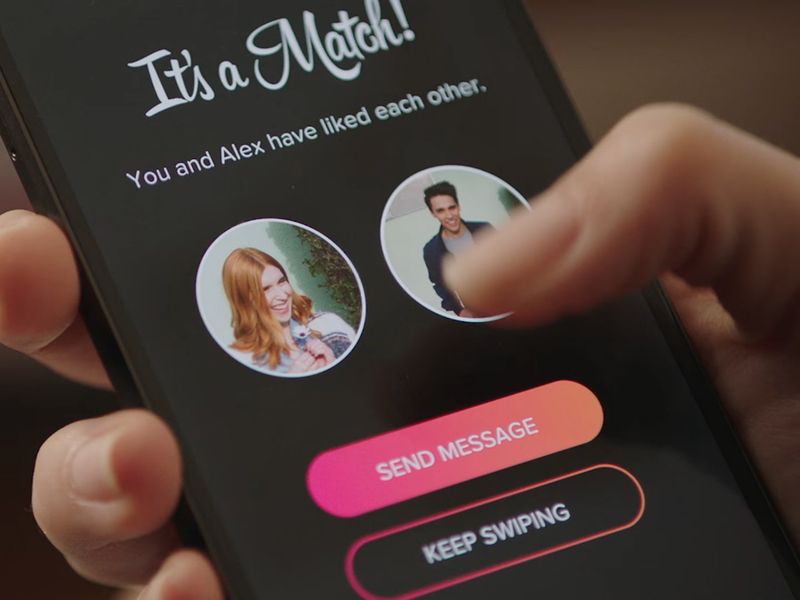
Swiping right was not a concept anyone had twenty years ago. Today, a huge portion of couples meet online before ever sharing the same physical space.
Apps have completely reshaped the early stages of romance.
People now interact more through screens than in person during early courtship, which changes how trust and attraction are built. Some research suggests app-based couples communicate more openly early on.
Either way, the love story still starts with a spark, just sometimes with a Wi-Fi connection first.
8. Open Relationships Are Becoming More Visible
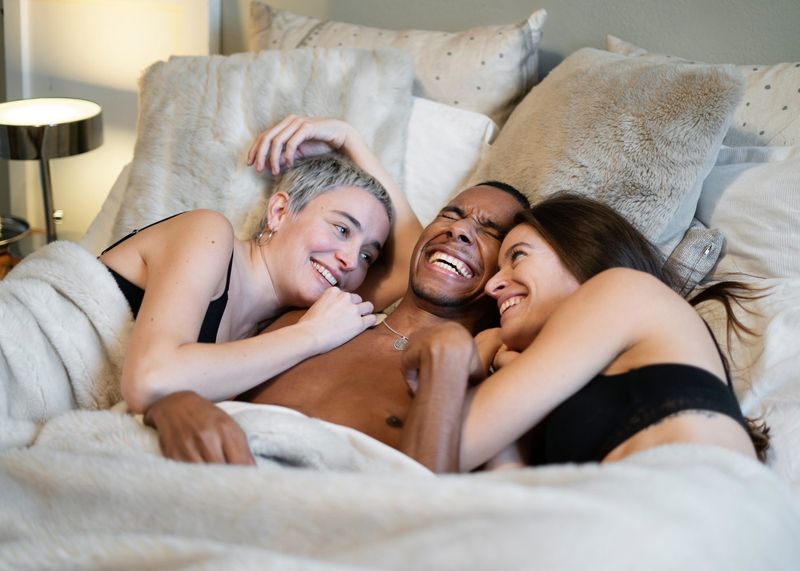
About 4% to 9% of American adults are currently in an open relationship, and around one-third say their ideal partnership involves some form of non-monogamy. These numbers have grown significantly in recent years.
People in open relationships often report relationship satisfaction levels similar to monogamous couples. Clear communication and emotional boundaries are the most important factors for success.
Interestingly, couples who open their marriage after ten years of monogamy tend to navigate the arrangement more successfully than newer couples.
9. Cohabitation Before Marriage Is Now the Norm

Around 80% of recent marriages were preceded by couples living together first. Back in 1995, only 3% of adults in the U.S. were cohabiting outside of marriage.
By 2023, that number had climbed to over 9%.
Many couples see living together as a practical test run before making it official. However, cohabiting relationships without marriage tend to have shorter lifespans, with about half ending within two years.
Legal protections also differ significantly, which is why cohabitation agreements are becoming more common.
10. People Are Waiting Longer to Get Married
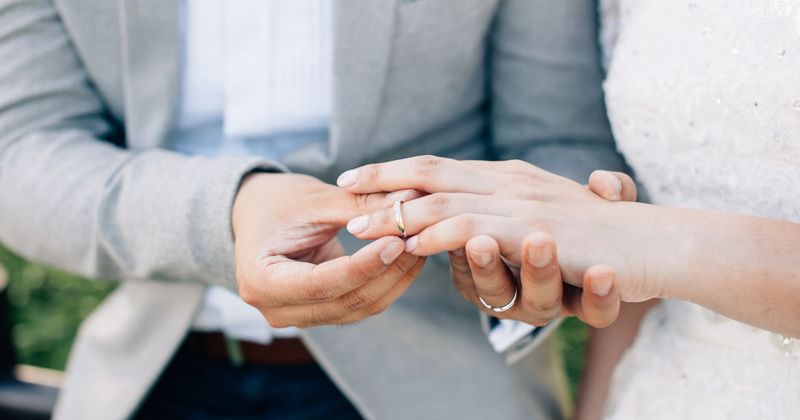
The average age for a first marriage has climbed to around 30 for men and 28 for women in the United States. A few generations ago, getting married in your early twenties was completely standard.
Career goals, student loans, and a desire for personal independence are all contributing to this delay. Many younger adults simply want to feel financially and emotionally ready before committing.
Experts note that marrying later often correlates with greater relationship stability, though it also means fewer years of potential partnership overall.
11. Blended Families Are Redefining What “Family” Means
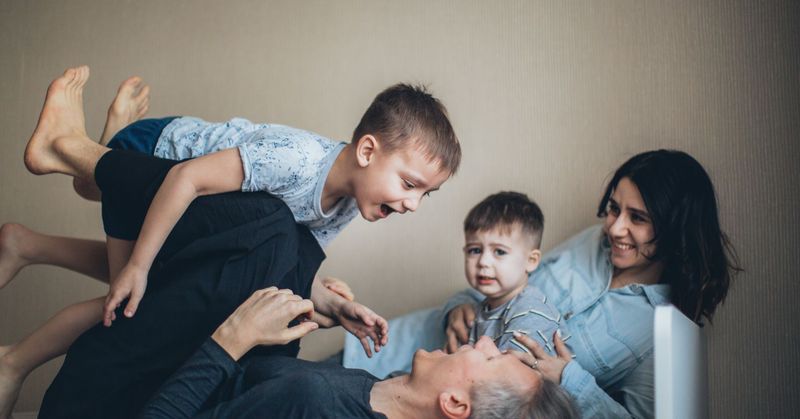
Over 40% of families with children in the U.S. are now blended, meaning they include stepparents or stepsiblings. Roughly 1,300 new stepfamilies form every single day across the country.
Blending families brings real joy but also real challenges. Children in stepfamilies are more likely to experience adjustment difficulties early on, though most families eventually find their footing.
About 60% of blended families manage money using a “yours, mine, and ours” system, which helps reduce financial tension and build a shared sense of responsibility.
12. Marriage Counseling Has Gone Digital and Proactive
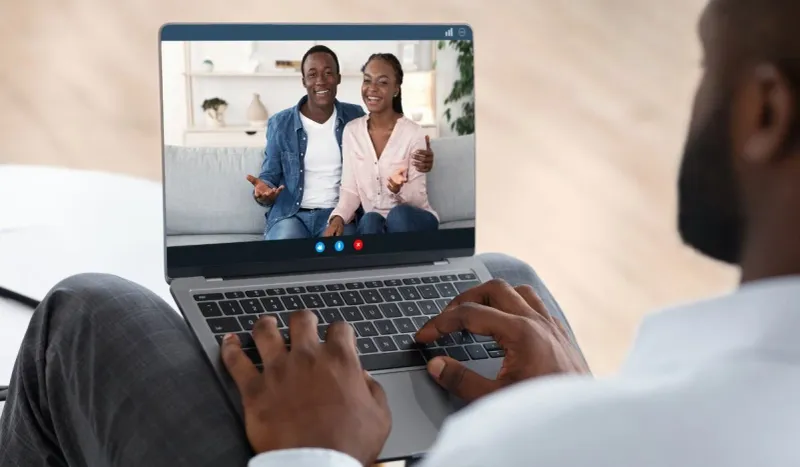
Teletherapy has completely changed who can access marriage counseling. Couples no longer need to commute to an office or wait weeks for an appointment.
A session can happen from your living room couch.
Modern counseling also looks different on the inside. Rather than waiting for a crisis, many couples now seek therapy within the first year of marriage as a proactive tool.
The focus has shifted from assigning blame to building emotional intelligence, communication skills, and mutual empathy between partners.
13. Prenuptial Agreements Are Losing Their Stigma

Prenups used to signal distrust or a lack of romantic faith. Now, as more people marry later in life with established careers and savings, protecting individual assets has become a practical conversation rather than a romantic dealbreaker.
Family law is also evolving to recognize non-financial contributions, like raising children or supporting a spouse through school, as equally valuable in divorce settlements. A prenup today can actually reflect mutual respect and transparency rather than suspicion.
It is a legal tool that has grown up alongside modern relationships.
14. Marriage Equality Transformed Ceremonies and Language
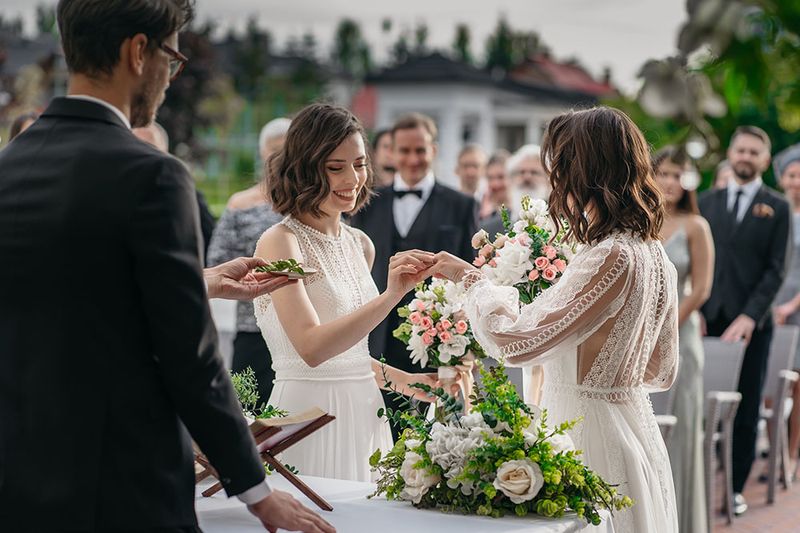
Marriage equality did not just change who could legally marry. It changed the entire vocabulary and structure of wedding ceremonies.
Terms like “husband and husband” or “wife and wife” are now woven naturally into the celebration of love.
Inclusive language has pushed the wedding industry to rethink everything from invitations to vow templates. Ceremonies have become more flexible and expressive as a result.
The ripple effect has made weddings of all kinds feel more personal and less bound by scripts written for a single type of couple.
15. Individualism Is Changing Why People Marry
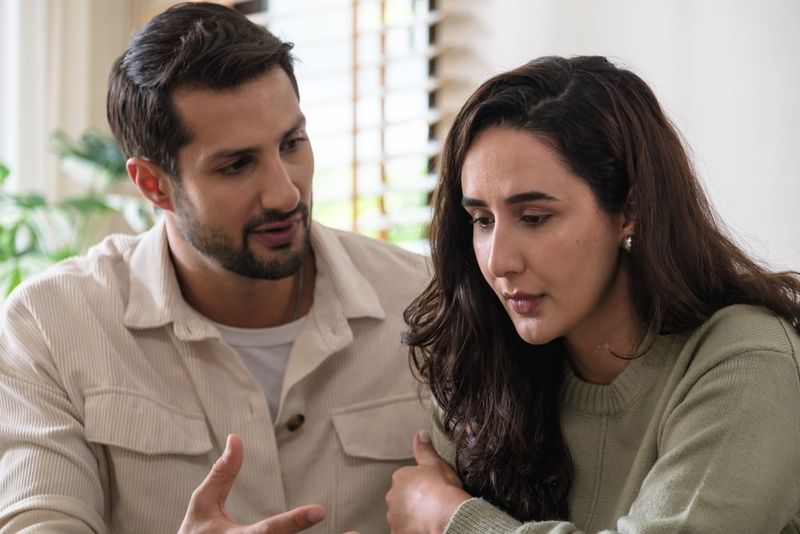
Modern culture places enormous value on personal growth, independence, and self-fulfillment. Marriage used to be a social expectation or economic necessity.
Today, people increasingly choose it as an expression of individual love and compatibility.
This shift has contributed to lower overall marriage rates and higher divorce rates, since people are less willing to stay in unsatisfying partnerships. While this focus on personal happiness can lead to more fulfilling relationships, it can also make long-term commitment harder when individual needs feel like they conflict with partnership goals.
16. Old Wedding Customs Are Getting Creative Upgrades
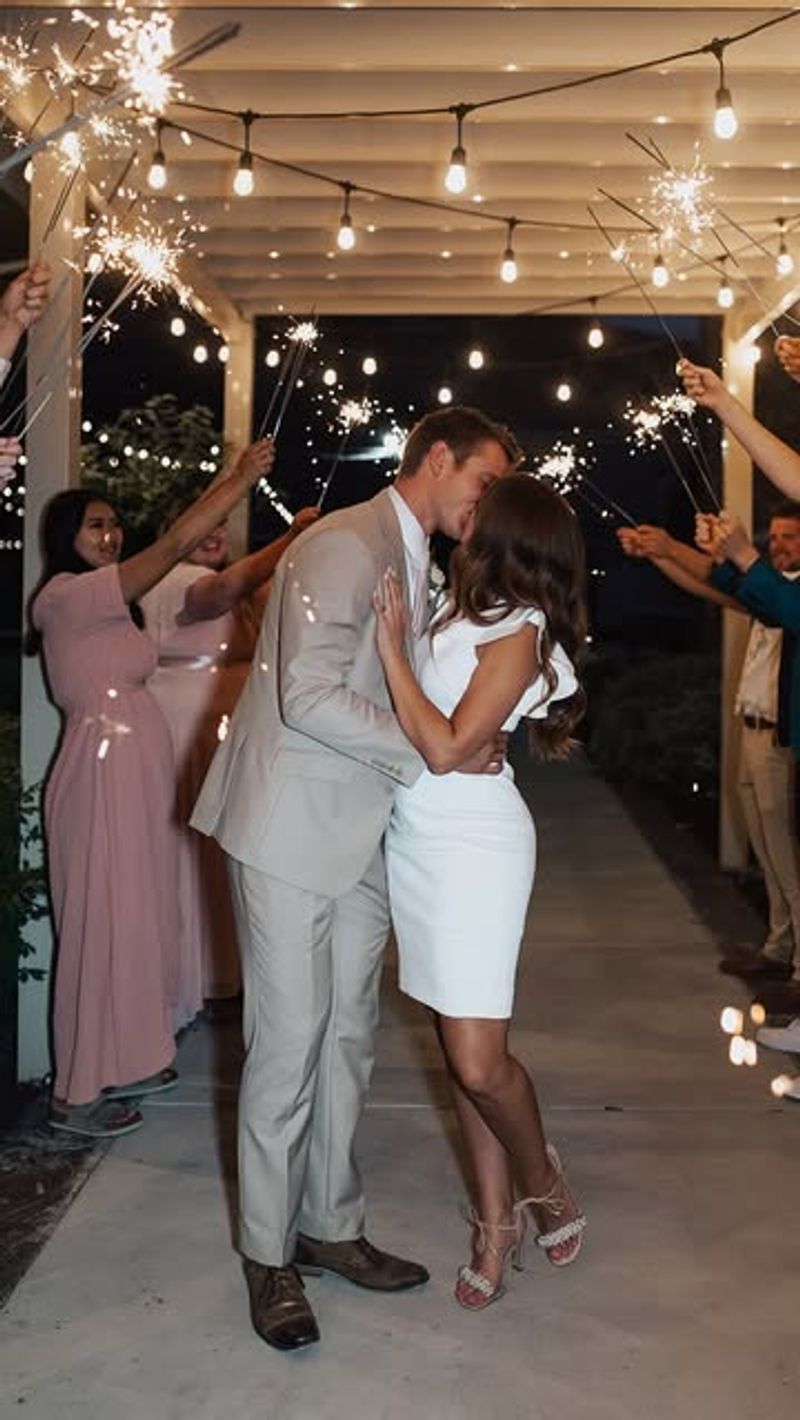
Throwing rice at newlyweds was once a universal send-off, symbolizing fertility and good fortune. These days, couples are swapping rice for rose petals, glitter, bubbles, or even sparklers for a more photogenic and eco-friendly exit.
The tiered wedding cake is also getting competition from dessert bars, donuts, and cupcake towers, though the cake-cutting ritual often sticks around for sentimental value. Long formal speeches are being trimmed into heartfelt toasts.
Couples today pick the traditions that feel meaningful and cheerfully leave the rest behind.