
Some cartoon characters feel like old friends you grew up watching every Saturday morning. But over the years, many beloved animated faces quietly disappeared from TV screens across America.
Whether it was controversy, low ratings, or behind-the-scenes drama, these characters went from household names to distant memories. Here are 20 cartoon characters who vanished from regular rotation on American TV and the surprising stories behind their disappearance.
1. Miss Sarah Bellum (The Powerpuff Girls)
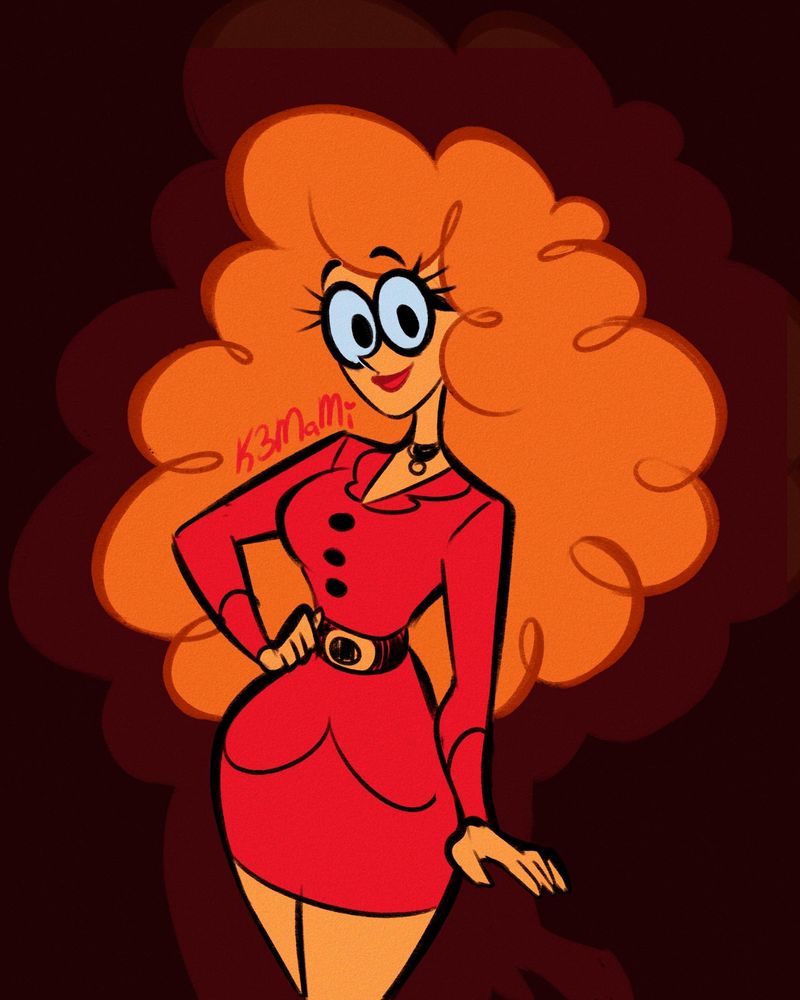
She was always in the background, the Mayor’s sharp and capable assistant on The Powerpuff Girls. But when the 2016 reboot arrived, Miss Bellum was completely gone.
Executive producers said her character did not align with the message they wanted to send to young viewers.
Her removal surprised many longtime fans who saw her as a competent and strong female presence. It sparked a real conversation about how cartoons handle female characters and what kind of role models they present to kids.
2. Sparky (The Fairly OddParents)
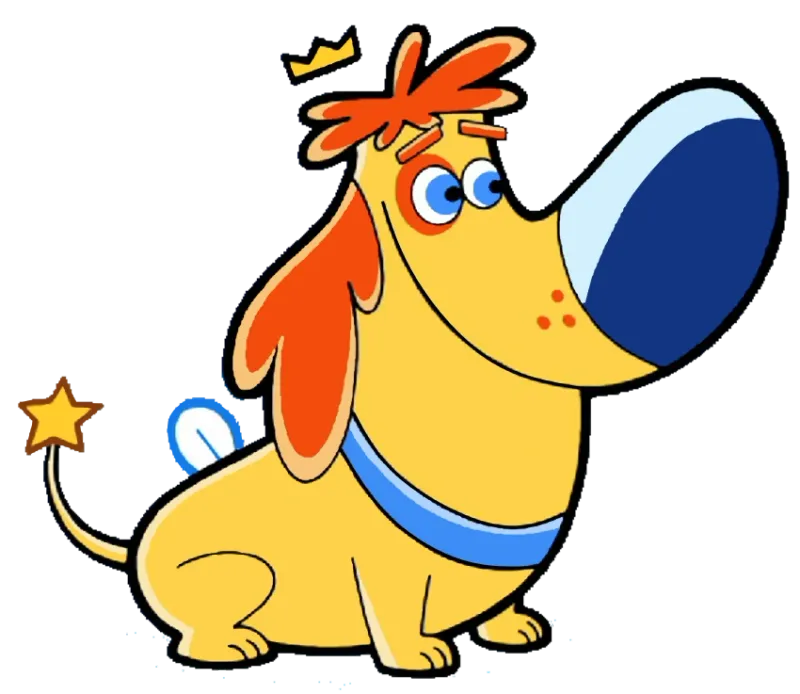
Adding a puppy to a cartoon sounds like a guaranteed ratings boost, right? When Nickelodeon introduced Sparky the fairy dog in Season 9 of The Fairly OddParents, fans were not impressed.
The character felt forced, and both viewers and the network noticed.
By the time the season wrapped up, Sparky was quietly written out of the show. His short run became a textbook example of how adding a new character to win over audiences can badly backfire when the writing does not support it.
3. Porygon (Pokemon)
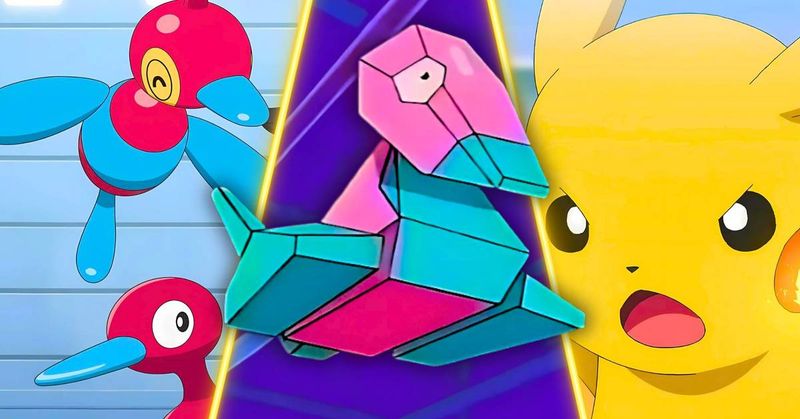
Back in 1997, a single episode of the Pokemon anime sent over 600 children in Japan to the hospital with seizures and nausea. The episode, called “Electric Soldier Porygon,” featured intense flashing lights that triggered the reactions.
Even though Pikachu caused the flashes, Porygon took the blame.
Since then, Porygon and its evolutions have been completely absent from the anime. It remains one of the most dramatic cases of a cartoon character being sidelined due to a real-world health incident.
4. Chef (South Park)
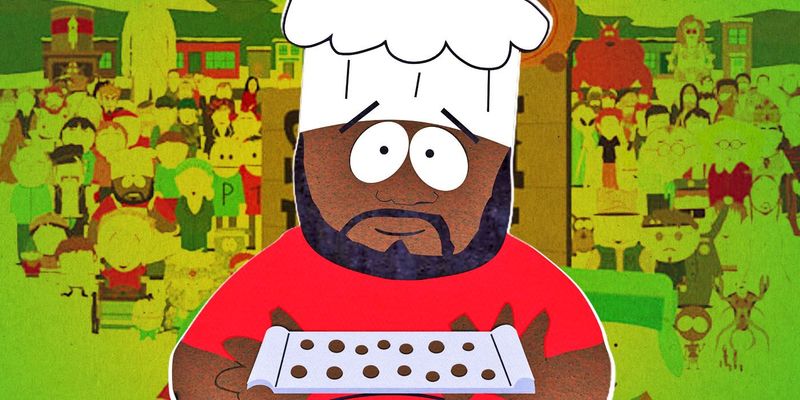
Chef was the warm, funny, and surprisingly wise school cafeteria worker that kids in South Park always turned to for advice. Voice actor Isaac Hayes brought him to life for nine seasons before abruptly quitting in 2006.
Hayes objected to an episode that mocked Scientology, his personal religion.
The show’s creators responded by writing Chef off in a memorable and controversial final episode. His departure left a noticeable void, and the character has never been meaningfully replaced in the series since.
5. Mammy Two Shoes (Tom and Jerry)
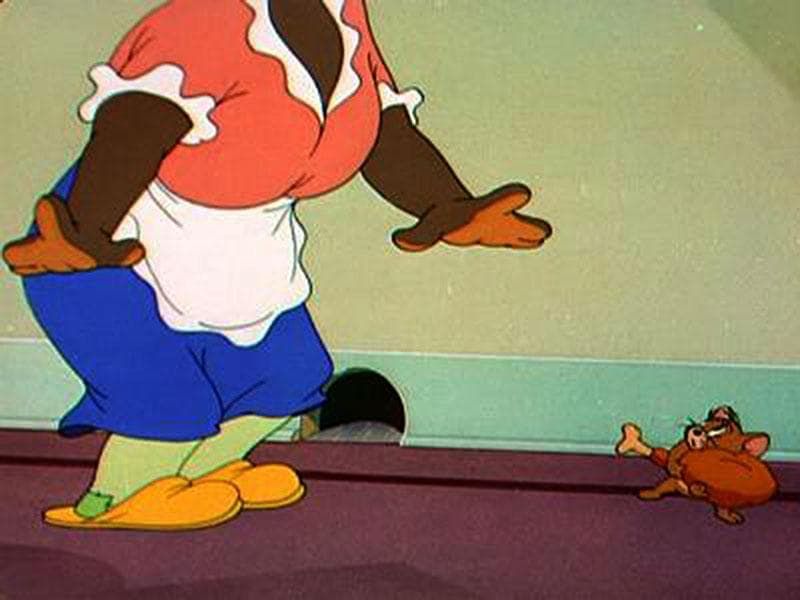
Mammy Two Shoes was a recurring character in early Tom and Jerry shorts, always shown from the waist down as the house owner who kept Tom in line. Over time, her depiction was recognized as a harmful racial stereotype rooted in old Hollywood caricatures.
When the shorts were rereleased, many versions edited her out entirely or replaced her with a different character. Her story reflects a broader reckoning with how classic cartoons portrayed race during mid-20th century American animation.
6. Maude Flanders (The Simpsons)
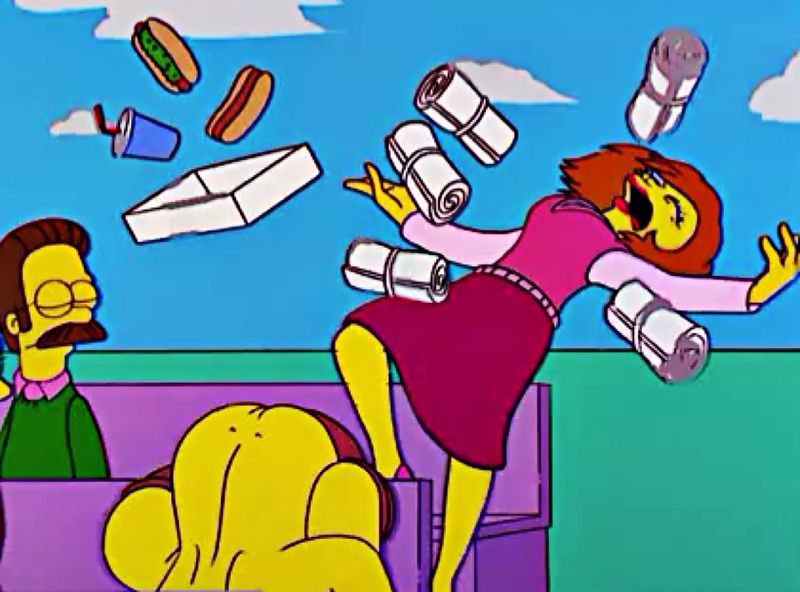
Ned Flanders was always the cheerful, churchgoing neighbor on The Simpsons, and his wife Maude was a steady part of that household. But in 2000, Maude was killed off in a shocking episode after voice actress Maggie Roswell left the show over a salary dispute with Fox.
Her death changed Ned’s character arc significantly and gave the show some of its most emotional moments. Fans still debate whether the creative team made the right call turning a contract dispute into a major storyline.
7. Sunflower the Centaurette (Fantasia)
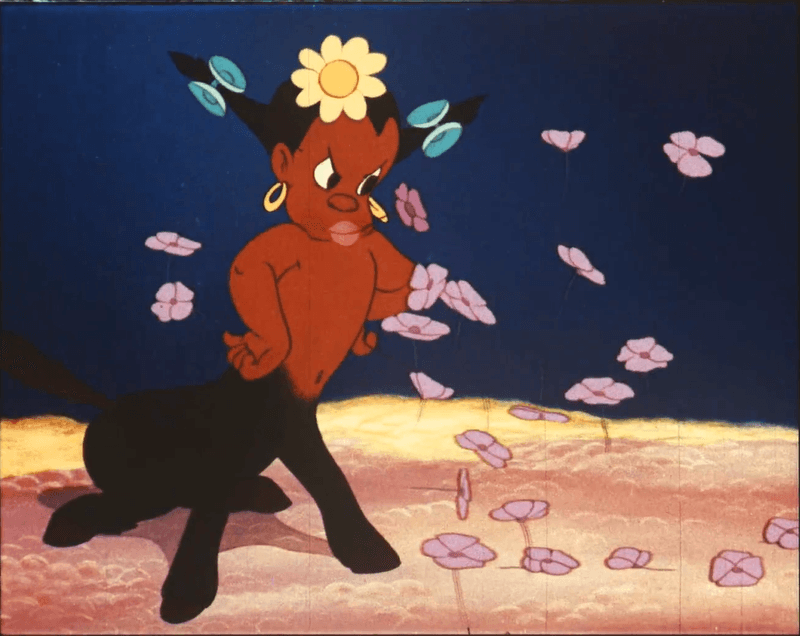
Disney’s 1940 film Fantasia included a character named Sunflower, a dark-skinned centaurette shown serving the lighter-skinned characters around her. Even by the standards of the time, the imagery was rooted in racial hierarchy that grew more uncomfortable with each passing decade.
Disney quietly removed her from re-releases starting in 1969. She is rarely discussed in official Disney history, but her removal stands as an early acknowledgment that some classic animation reflected attitudes that no longer had a place on screen.
8. Pepe Le Pew (Looney Tunes)
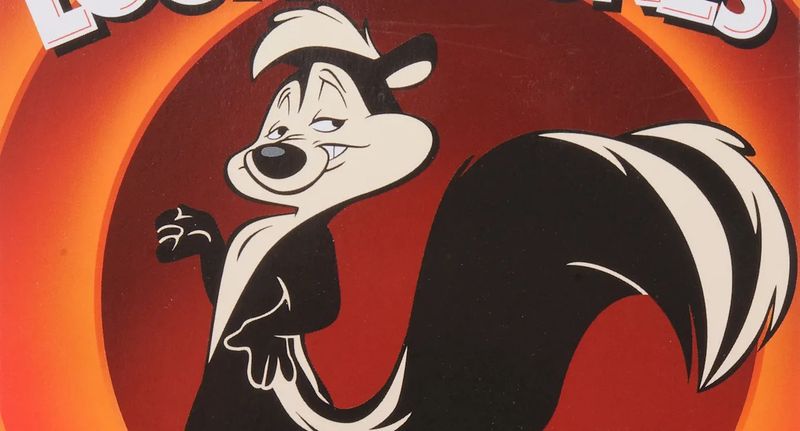
Few Looney Tunes characters had more personality than Pepe Le Pew, the lovesick French skunk who relentlessly chased after a cat he mistook for a skunk. His romantic persistence was played for laughs for decades.
But in more recent years, critics argued his behavior modeled ignoring someone’s clear rejection.
He was notably absent from Space Jam: A New Legacy in 2021 after a planned scene was cut. Pepe’s future in new productions remains uncertain as the conversation around his character continues.
9. Apu Nahasapeemapetilon (The Simpsons)
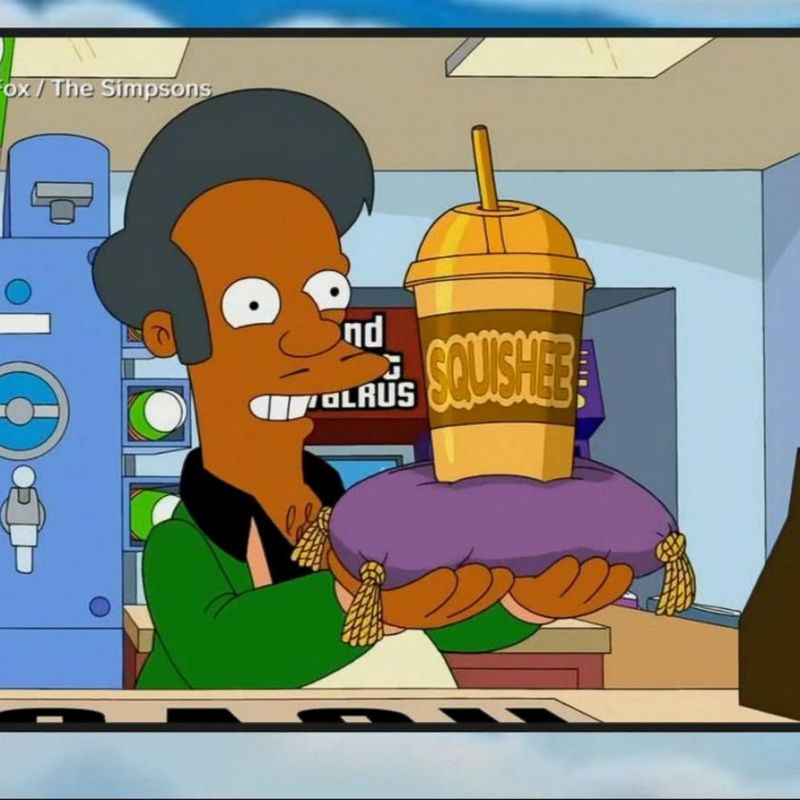
For over 30 years, Apu ran the Kwik-E-Mart on The Simpsons and was one of the show’s most recognizable supporting characters. But a 2017 documentary called The Problem with Apu reignited long-standing criticism that the character relied on harmful Indian stereotypes.
By 2020, voice actor Hank Azaria stepped down from the role entirely. Apu’s appearances have since dropped dramatically, and the show has yet to find a clear path forward for the character, leaving his future on the series unresolved.
10. Poochie (The Simpsons)
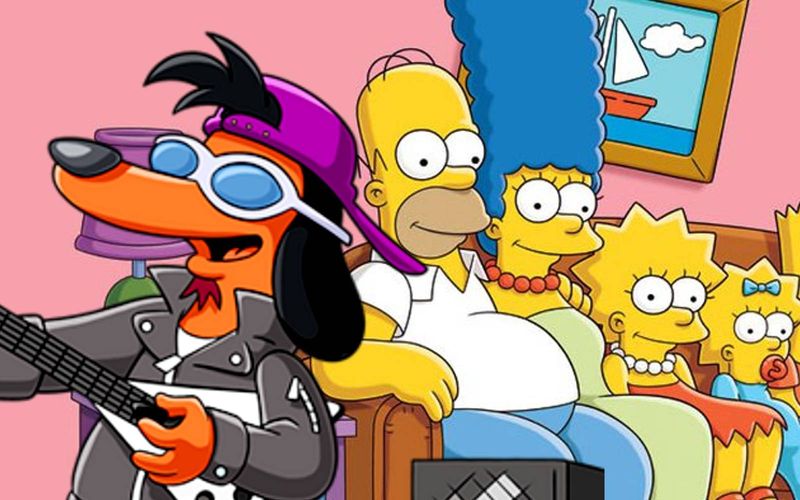
Poochie only appeared twice on The Itchy and Scratchy Show within The Simpsons, but he made a lasting cultural impact as the ultimate example of network meddling. Created as a parody of desperate attempts to make cartoons feel edgier and cooler, Poochie was immediately despised by everyone in Springfield.
His quick on-screen death became a beloved joke and a sharp critique of how TV executives try to fix shows by adding flashy new characters. The episode aired in 1997 and remains one of the sharpest pieces of TV satire ever made.
11. Speedy Gonzales (Looney Tunes)
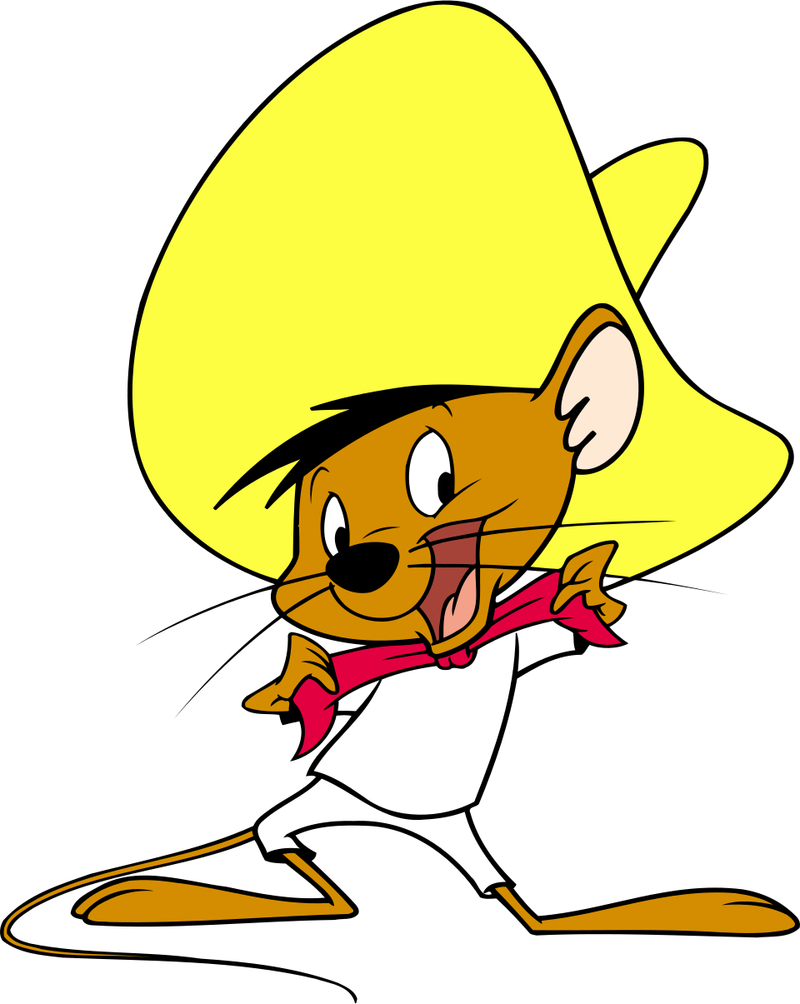
Cartoon Network pulled Speedy Gonzales from its rotation in 1999, citing concerns about ethnic stereotyping. The move sparked immediate backlash from Latino audiences, many of whom grew up seeing Speedy as a clever, heroic figure who outsmarted his opponents with speed and wit.
Thanks to that community’s vocal support, Speedy made a comeback and even appeared in Space Jam: A New Legacy. His story is a rare example of fan advocacy actually reversing a network decision and bringing a character back from the brink of cancellation.
12. Scrappy-Doo (Scooby-Doo)
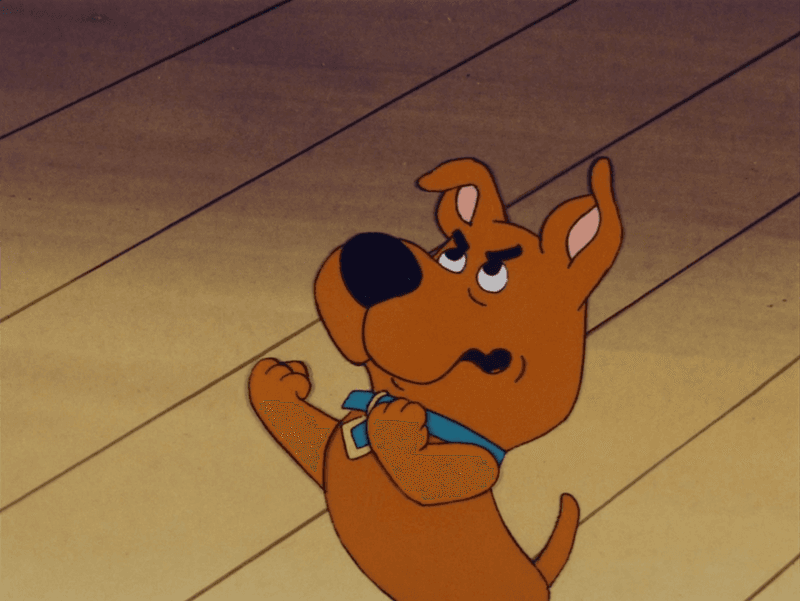
When Scooby-Doo’s ratings were slipping in the late 1970s, the studio introduced Scrappy-Doo, Scooby’s feisty little nephew, hoping to breathe new life into the franchise. It worked at first, but fan affection faded fast.
Viewers found Scrappy’s aggressive, loud personality more annoying than endearing over time.
By the 1990s, he had completely vanished from the main series. Later productions even used him as a villain.
Few cartoon characters have gone from ratings savior to punchline quite as dramatically as Scrappy-Doo did.
13. Bosko (Looney Tunes)
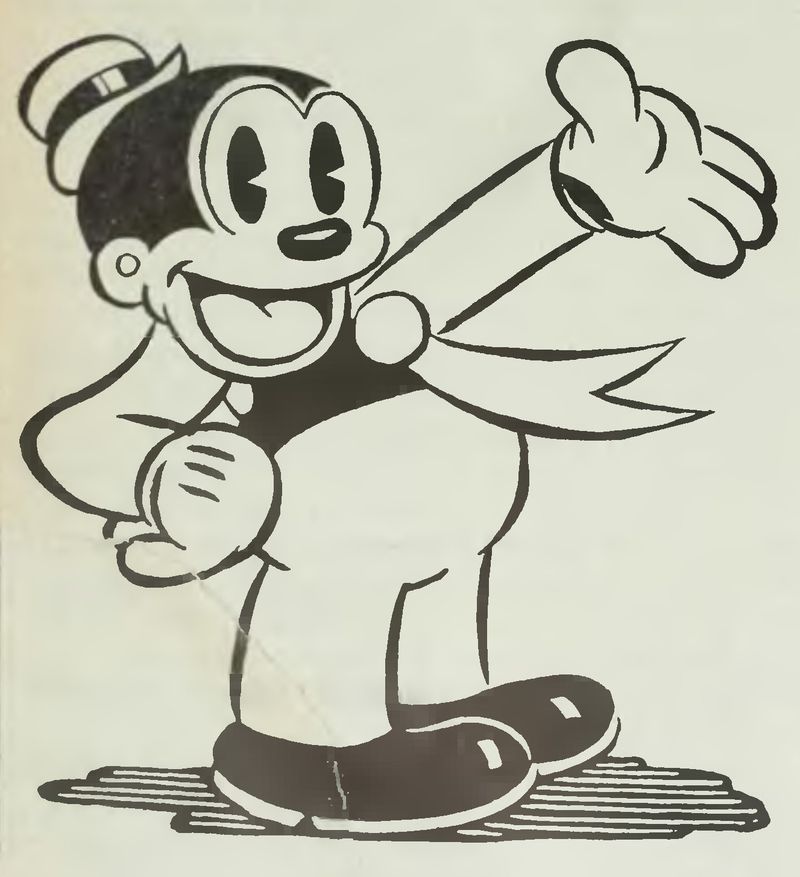
Long before Bugs Bunny and Daffy Duck ruled the screen, Bosko was the original Looney Tunes mascot, debuting all the way back in 1929. His design and personality were directly inspired by minstrel show characters, complete with exaggerated physical features rooted in racist caricature.
As American culture evolved, Bosko faded from view entirely. He serves as a sobering reminder of how deeply embedded racial stereotypes once were in mainstream entertainment, even in cartoons aimed at general audiences during the early Hollywood era.
14. Iggy (Hey Arnold!)
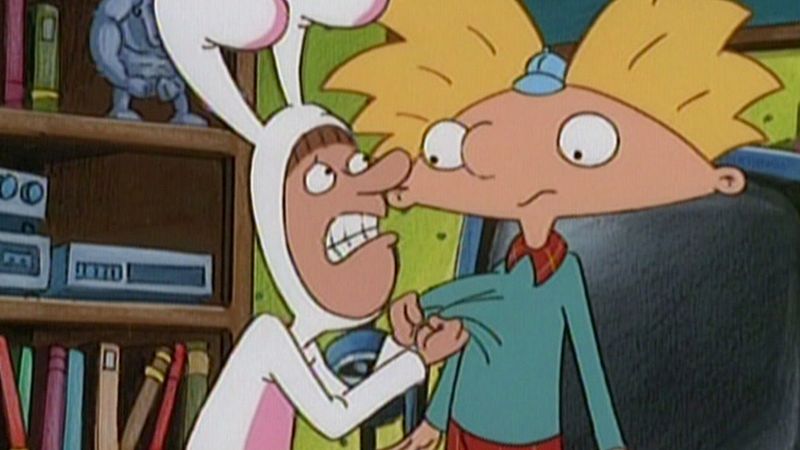
Most Hey Arnold! fans barely remember Iggy, and that is mostly because of one episode. “Arnold Betrays Iggy” is widely considered the worst episode of the entire series, featuring a storyline so frustrating that viewers turned on the character almost overnight.
Iggy had been a minor background figure before that episode aired, but the backlash was strong enough to permanently damage his standing. He quietly disappeared from the show afterward, becoming a cautionary tale about how a single poorly received episode can define a character forever.
15. Dr. Marvin Monroe (The Simpsons)
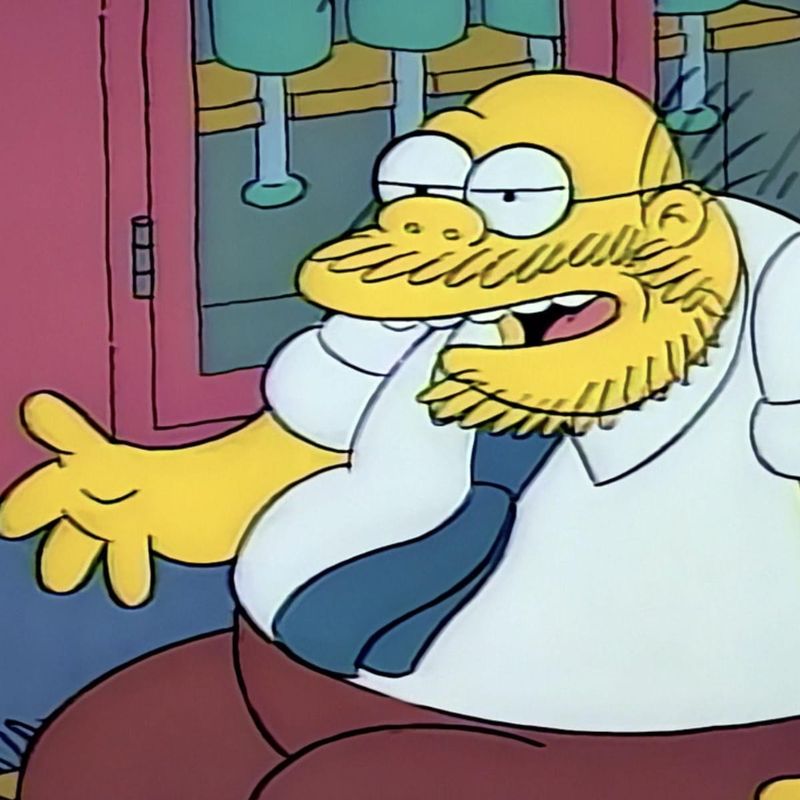
Dr. Marvin Monroe was Springfield’s resident therapist during the early seasons of The Simpsons, known for his exasperated reactions to the town’s chaos. Then he simply stopped appearing, and the show eventually implied he had died by naming a hospital wing in his memory.
Years later, he resurfaced in a brief, unexplained cameo before disappearing again. His on-again, off-again presence became something of an inside joke for dedicated fans.
His story is one of the stranger character arcs in a show full of strange character arcs.
16. The Great Gazoo (The Flintstones)
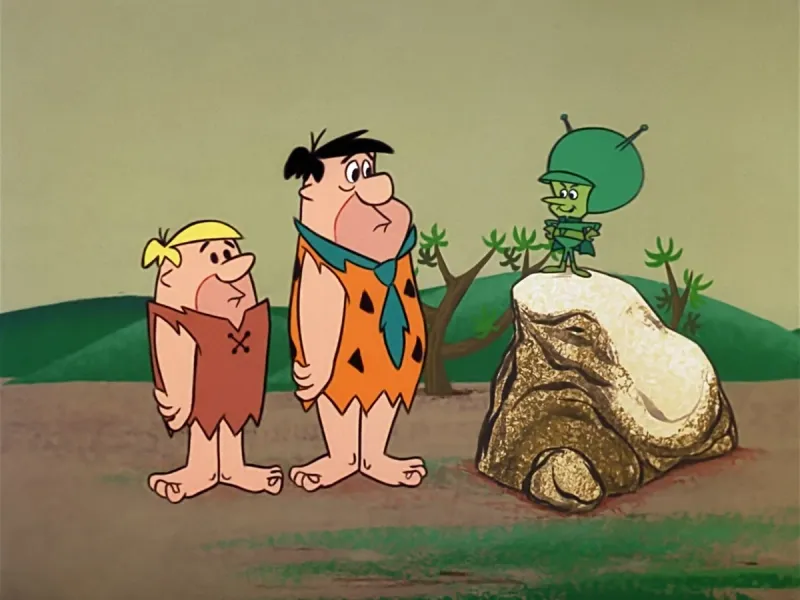
The Great Gazoo showed up in the final seasons of The Flintstones as a tiny green alien exiled to prehistoric Earth, visible only to Fred and Barney. Many fans felt he was a desperate attempt to keep the aging show fresh, and his whimsical sci-fi humor clashed with the show’s Stone Age charm.
He has rarely been used in any Flintstones reboot or spin-off since. Gazoo stands as one of animation history’s most polarizing late-series additions, remembered more as a curiosity than as a beloved character.
17. Snagglepuss (Hanna-Barbera)
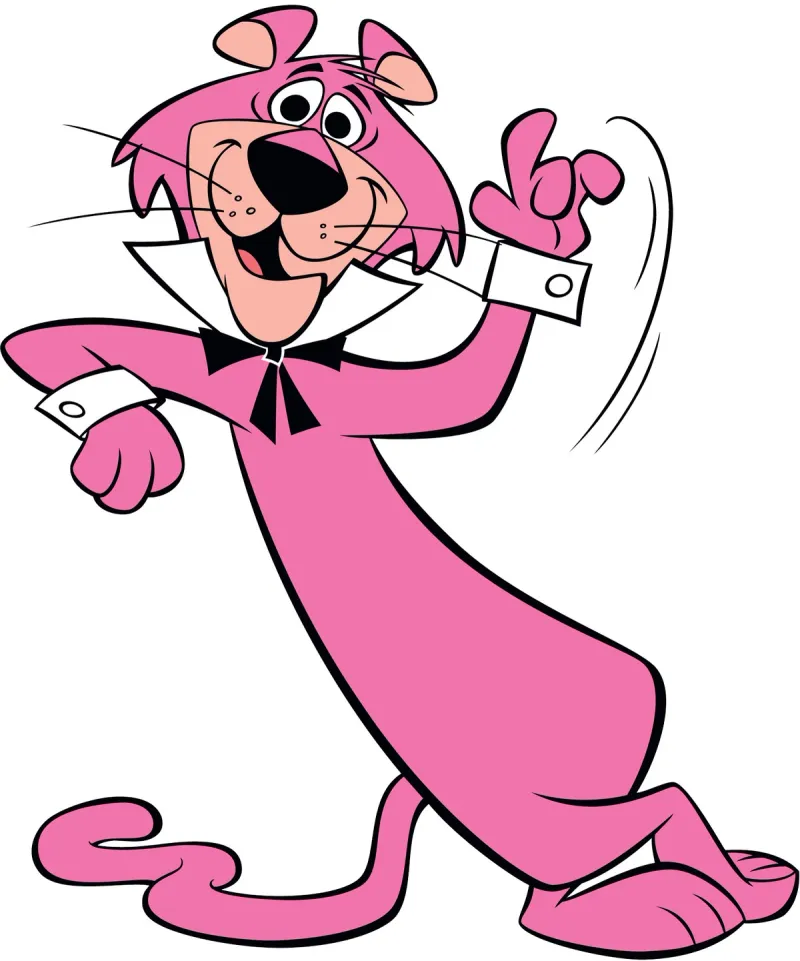
Exit, stage left! Snagglepuss was one of Hanna-Barbera’s most theatrical creations, a refined pink mountain lion with a flair for dramatic exits and old-fashioned speech.
He debuted on The Quick Draw McGraw ShowThe Yogi Bear Show before landing a regular spot on in the early 1960s.
Despite his charm, Snagglepuss has been largely absent from new productions for decades. He did receive a surprising reimagining in a 2018 DC comic series, but on television, his curtain has been down for a very long time.
18. Dudley Do-Right (The Rocky and Bullwinkle Show)
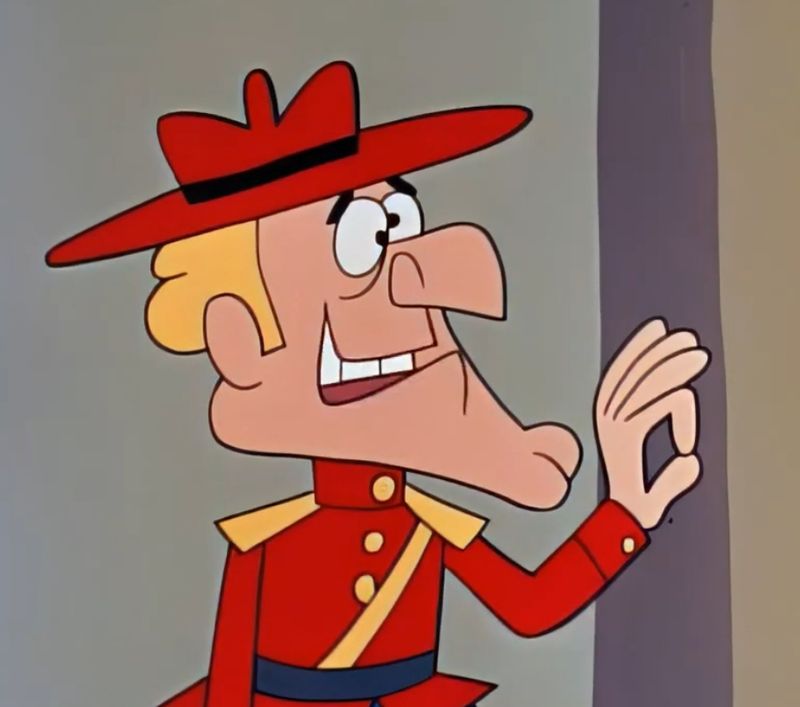
Dudley Do-Right was the hilariously incompetent Canadian Mountie who somehow always saved the day despite himself. A segment character from The Rocky and Bullwinkle Show, Dudley played every hero cliche completely straight, which made the jokes land even harder for older viewers who caught the satire.
He has not had a meaningful presence on American TV in decades. A 1999 live-action film tried to revive his appeal but underperformed at the box office, and Dudley has remained largely retired from screens ever since.
19. Huckleberry Hound (Hanna-Barbera)
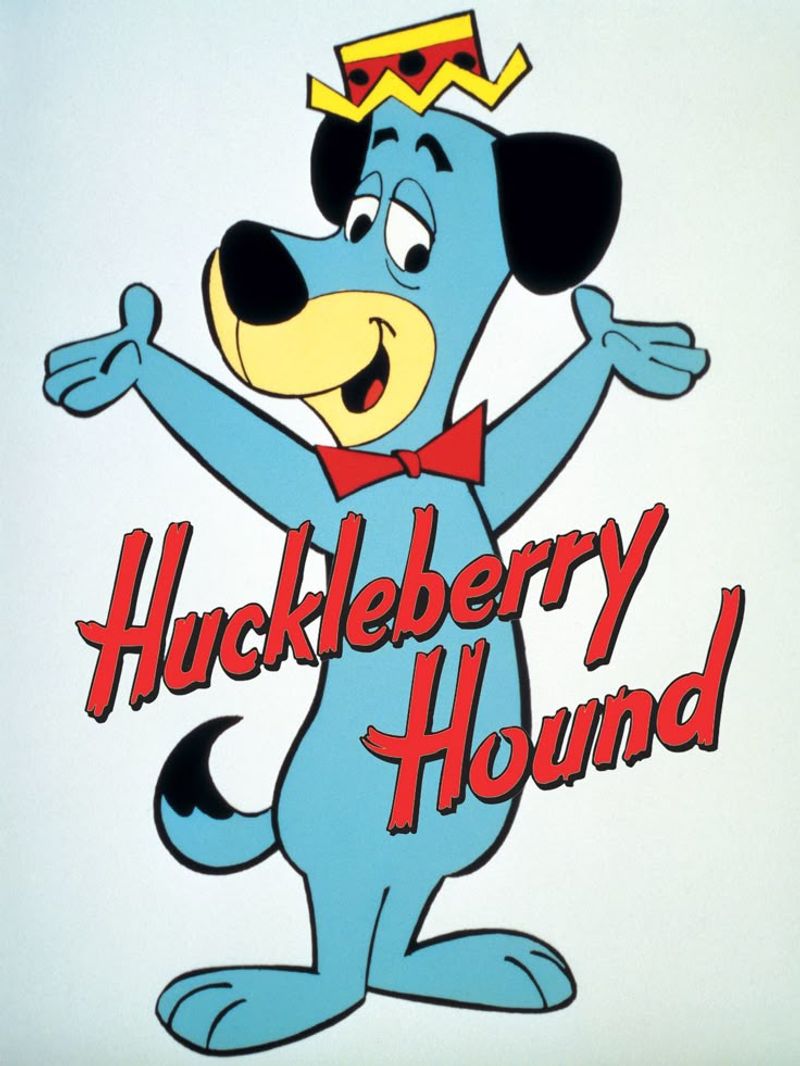
Huckleberry Hound was a television pioneer. When The Huckleberry Hound Show premiered in 1958, it became the first animated TV series to win an Emmy Award.
The easygoing blue dog charmed audiences with his slow Southern drawl and cheerful attitude no matter how badly things went for him.
Decades later, he has nearly vanished from American TV. Younger audiences may not recognize him at all.
His faded presence is a reminder of how quickly pop culture moves on, even from genuine trailblazers in the medium.
20. Wally Gator (Hanna-Barbera)
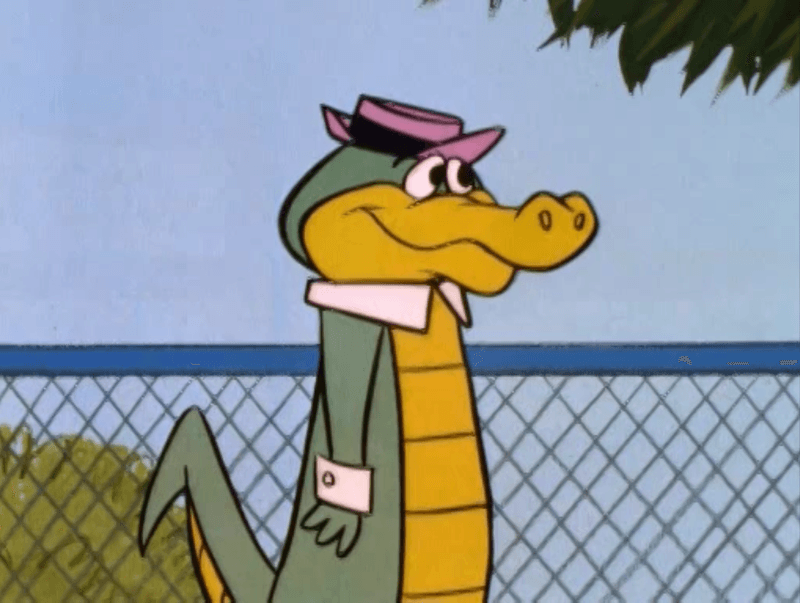
Wally Gator was a zoo-dwelling alligator who dreamed of life beyond his enclosure, starring in his own cartoon segment as part of The Hanna-Barbera New Cartoon Series in 1962. He had a likable, bumbling charm and a catchphrase delivery that fit perfectly into the era’s comedic style.
Today, Wally is one of the most forgotten characters in the entire Hanna-Barbera catalog. He rarely appears in merchandise, reboots, or anniversary specials.
For most viewers under 40, Wally Gator is a complete mystery.