
The Booker Prize is one of the most respected literary awards in the world, given each year to the best novel written in English. Winning the prize often sends a book straight to the top of bestseller lists and into classrooms around the globe.
Beyond the fame, many of these novels have genuinely changed the way writers tell stories and readers experience them. From bold experiments with language to unforgettable characters, these sixteen winners have left a lasting mark on modern fiction.
1. Midnight’s Children by Salman Rushdie (1981)
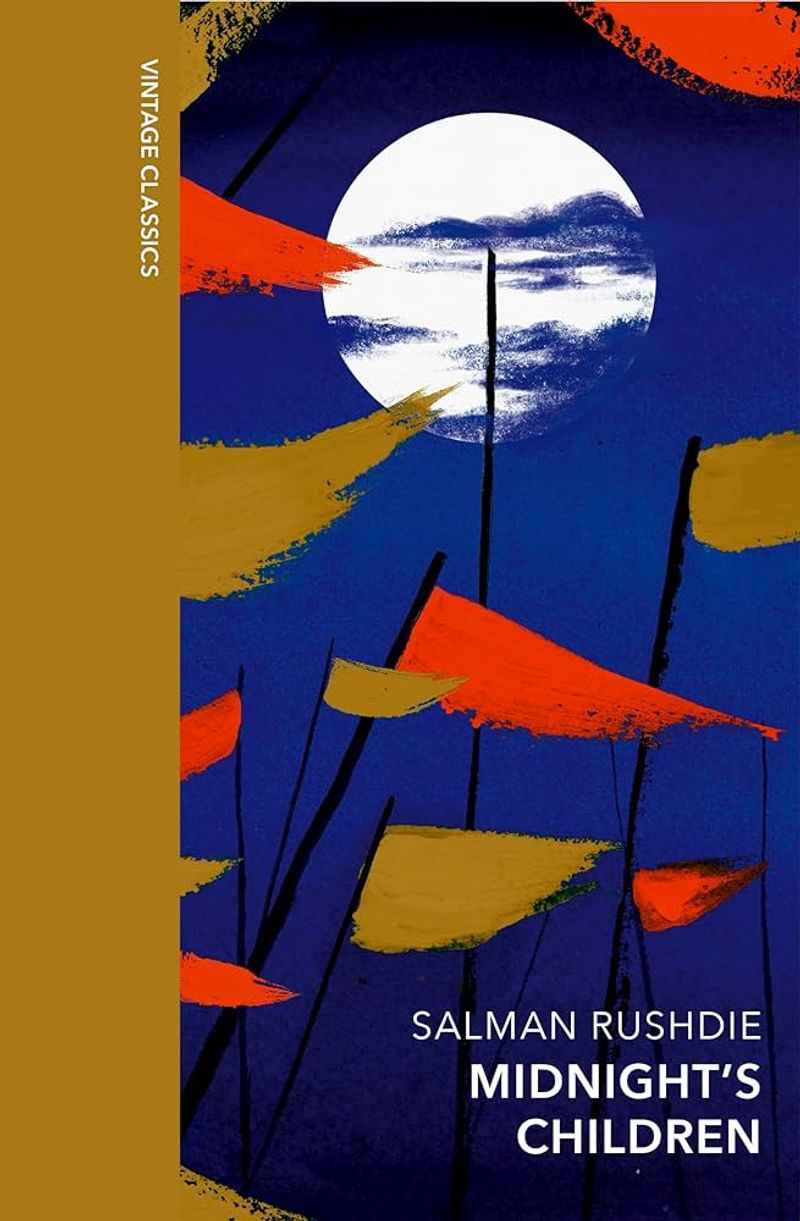
Born at the exact stroke of India’s independence, Saleem Sinai is one of literature’s most unforgettable narrators. Salman Rushdie’s Midnight’s Children blended history, myth, and magic in a way that few novels had dared before.
It was chosen twice as the “Booker of Bookers,” the best of all Booker winners. Writers around the world took note of how Rushdie wove personal stories into national history, making the epic feel deeply personal and alive with imagination.
2. The Remains of the Day by Kazuo Ishiguro (1989)
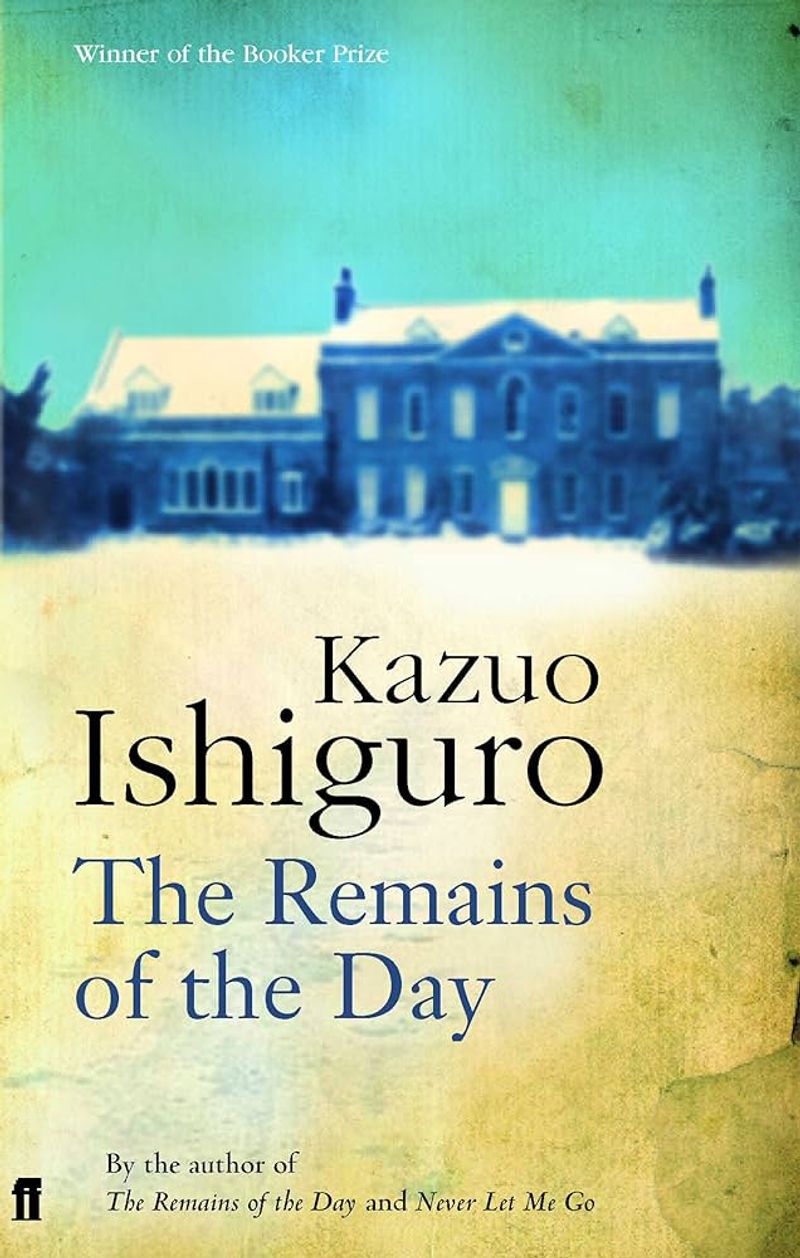
What happens when a man spends his whole life being perfectly proper and realizes too late what he has missed? Kazuo Ishiguro answered that question with quiet, heartbreaking precision in this 1989 masterpiece.
Stevens, a reserved English butler, narrates his life with careful understatement, never quite saying what he truly feels. The novel set a new benchmark for unreliable narrators, proving that what a character holds back can be far more powerful than what they openly confess.
3. Possession: A Romance by A. S. Byatt (1990)
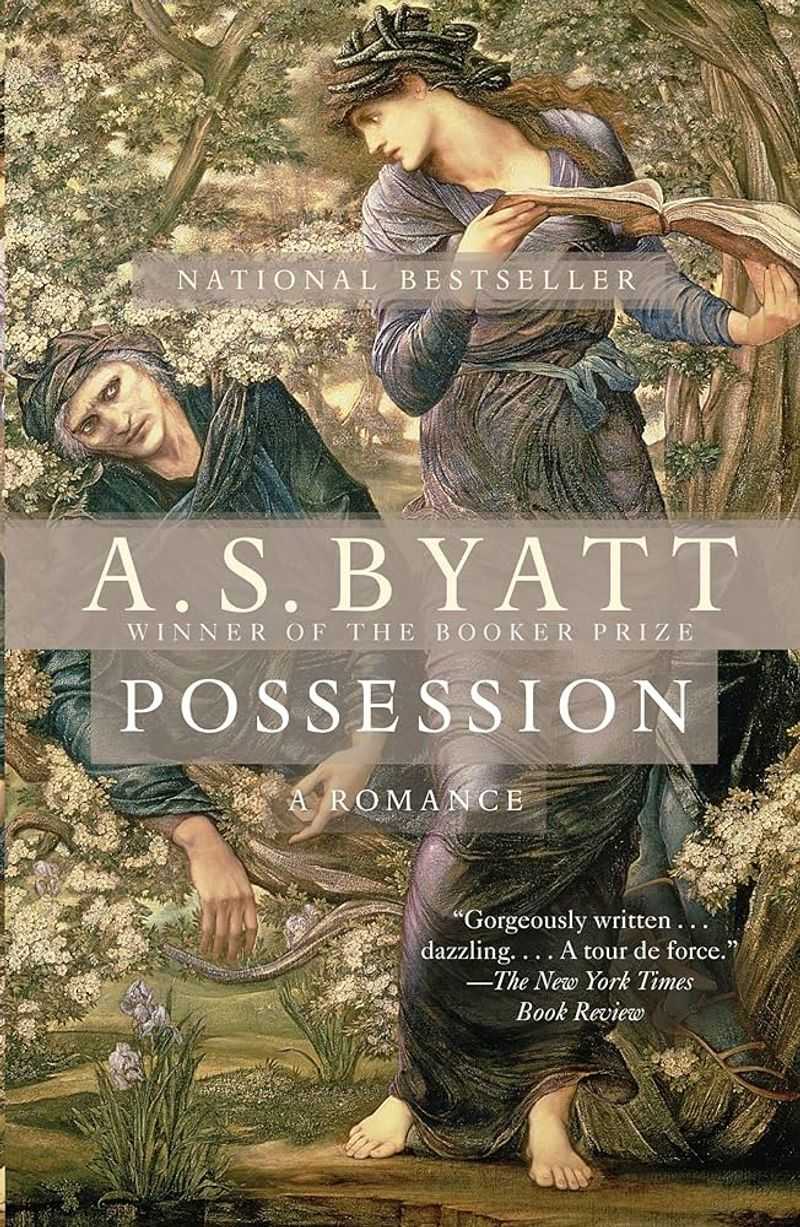
Two modern-day scholars stumble upon a secret love affair between two Victorian poets, and their discovery changes everything. A.
S. Byatt wrote Possession as a novel within a novel, mixing poetry, letters, and diary entries into one thrilling story.
It helped establish literary historical fiction as a serious, exciting genre in publishing. Readers and writers alike discovered that the past could be reconstructed with the same suspense and emotion as any thriller, making history feel urgent and alive.
4. The Famished Road by Ben Okri (1991)
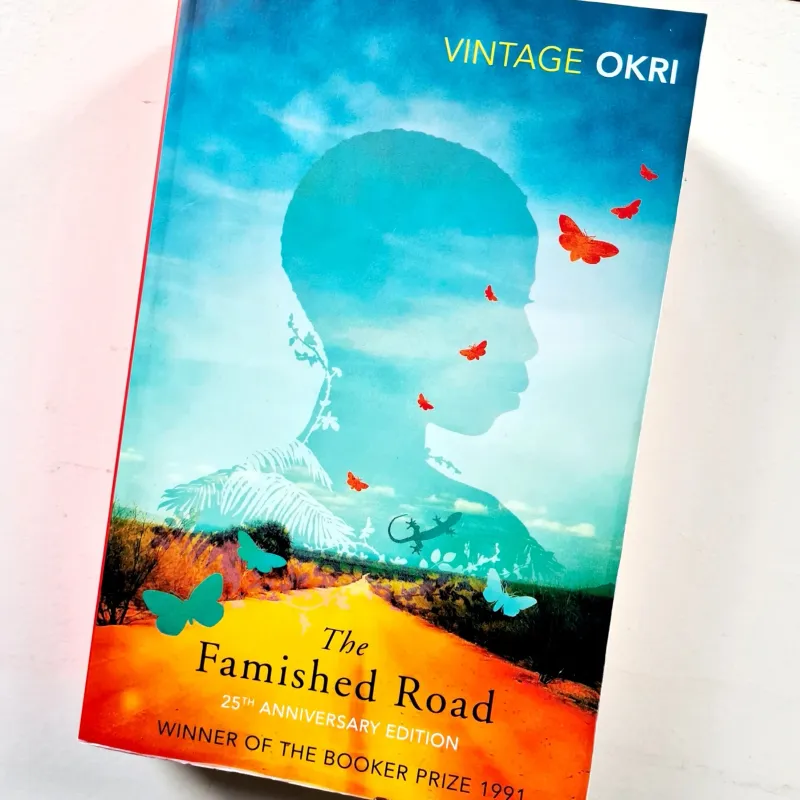
Azaro is a spirit child who chooses to stay in the world of the living, caught between two realms in a story unlike anything Western readers had encountered before. Ben Okri drew deeply from Yoruba mythology to craft this luminous, dreamlike novel.
The Famished Road pushed the boundaries of magical realism far beyond its Latin American roots, showing that African storytelling traditions could reshape global literary forms. Its spiritual richness gave modern fiction an entirely new palette of images and ideas.
5. The English Patient by Michael Ondaatje (1992)
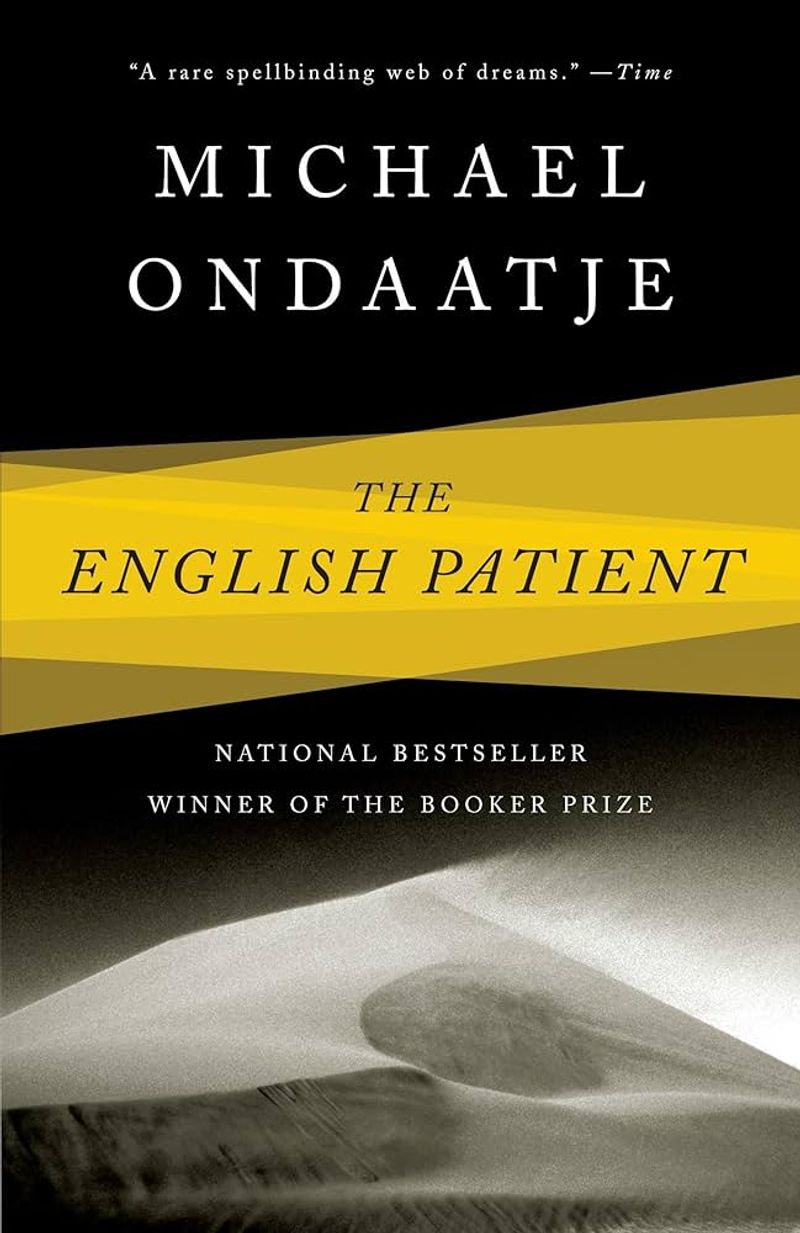
Four strangers find shelter in a bombed-out Italian villa at the end of World War II, and their stories unfold in fragments, like pieces of a shattered mirror slowly reassembled. Michael Ondaatje treated his novel’s structure the way a composer treats music.
He layered voices, timelines, and images rather than building a straight plot. That bold choice inspired generations of writers to trust fragmentation and lyricism, proving a story can move readers deeply without ever traveling in a straight line.
6. How Late It Was, How Late by James Kelman (1994)
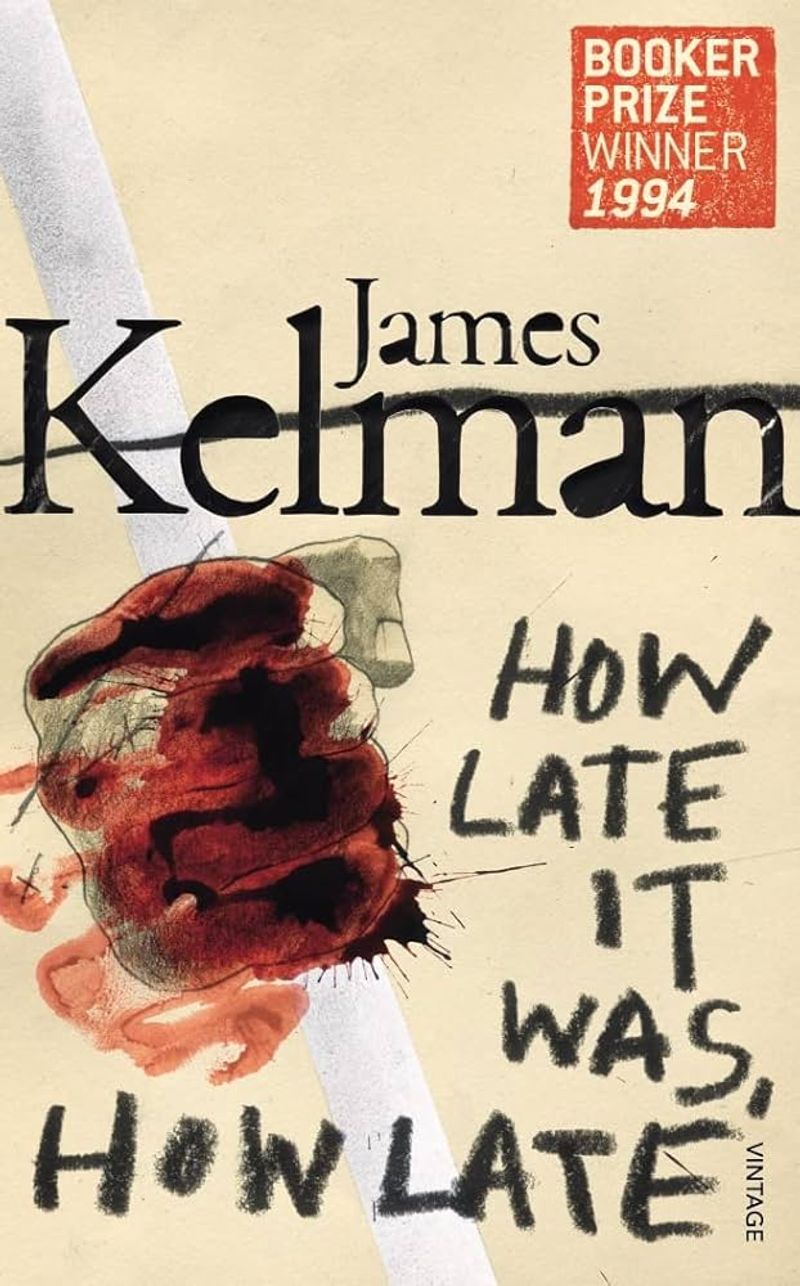
Sammy wakes up blind in a Glasgow alley with no memory of how he got there, and the story unfolds entirely inside his head in raw, unfiltered Scottish dialect. James Kelman refused to clean up his character’s voice for a mainstream audience.
That decision was controversial but hugely influential. Writers like Douglas Stuart credited Kelman’s fearless use of working-class dialect and stream-of-consciousness style as a direct inspiration for their own bold prose, proving that authentic voice matters more than polished respectability.
7. The God of Small Things by Arundhati Roy (1997)
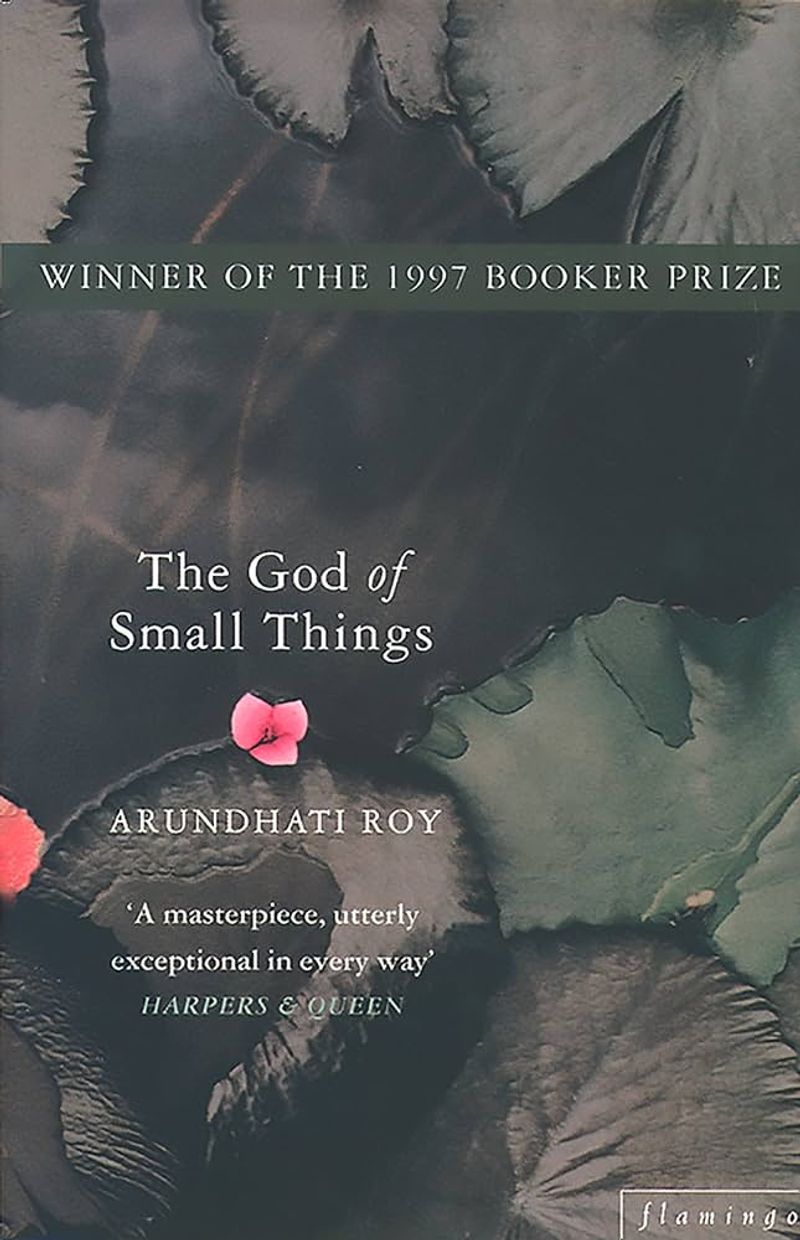
Few debut novels have arrived with the force of Arundhati Roy’s story of forbidden love, caste, and family tragedy set in Kerala, India. Roy played with time like a musician plays with rhythm, circling back to the same devastating moment from different angles.
Her language was inventive and sensory, full of invented compound words that felt completely natural. The God of Small Things changed how readers and writers think about structure, showing that circling a wound can be more powerful than describing it once.
8. Disgrace by J. M. Coetzee (1999)
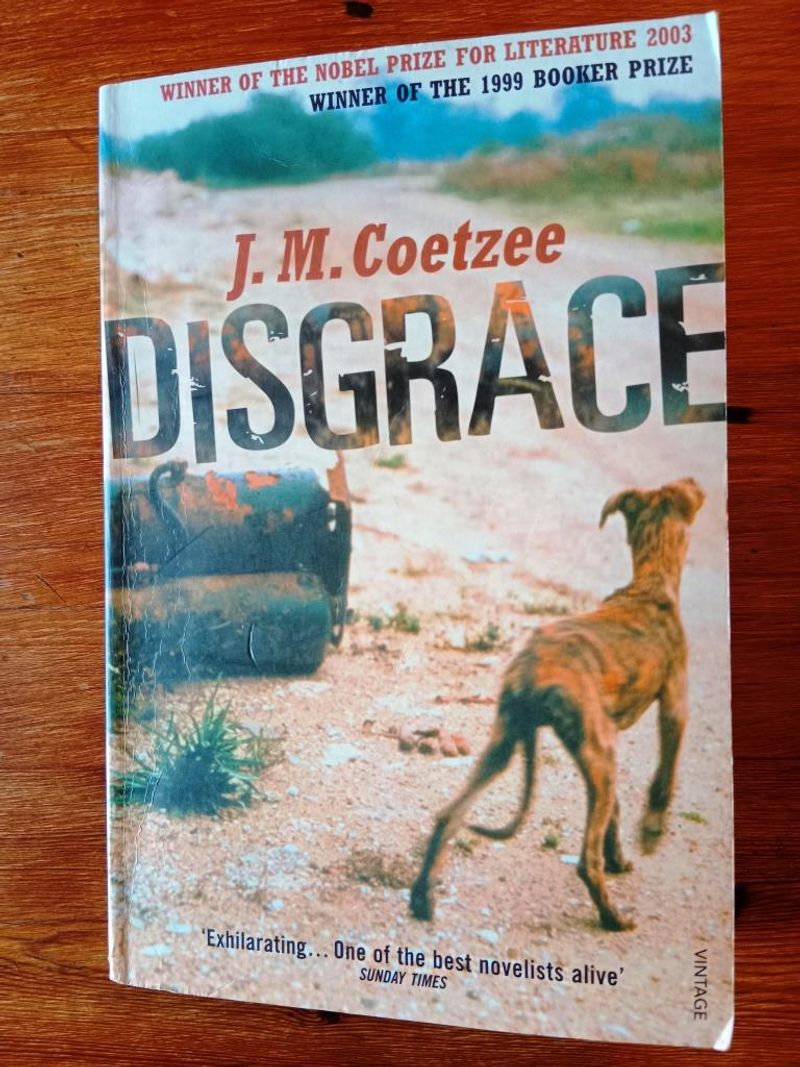
A disgraced professor retreats to his daughter’s remote South African farm after a scandal, only to face a far greater violence that neither of them can easily survive or explain. J.
M. Coetzee wrote Disgrace with surgical economy, never wasting a single word.
The novel confronted post-apartheid South Africa’s deepest tensions without offering comfortable answers. Its moral complexity and refusal to resolve neatly influenced a generation of writers who learned from Coetzee that great fiction asks hard questions rather than providing easy comfort.
9. The Blind Assassin by Margaret Atwood (2000)
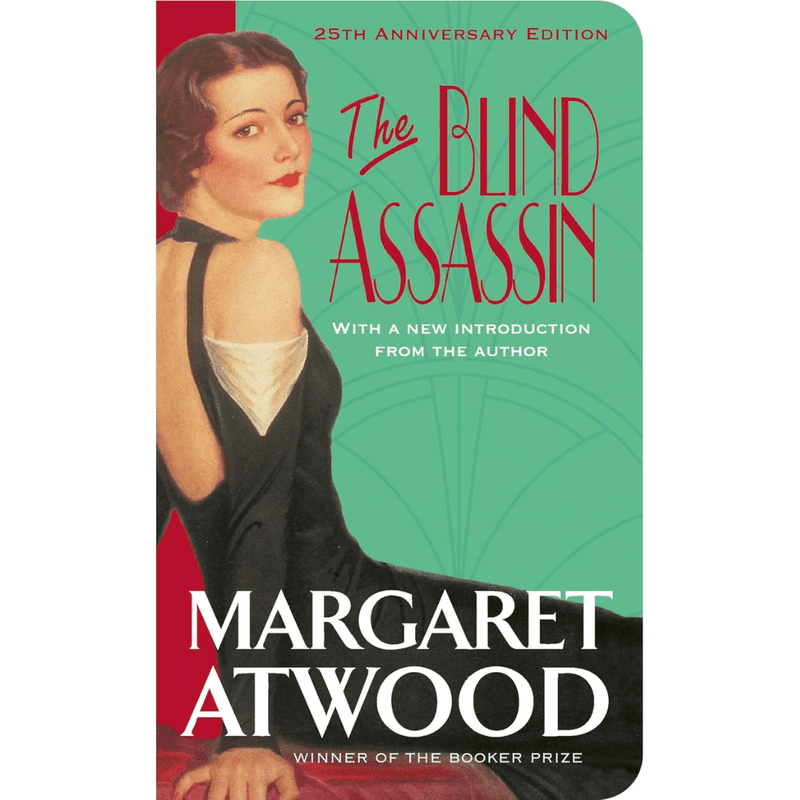
Margaret Atwood built The Blind Assassin like a Russian nesting doll, with a novel inside a novel inside a memoir, each layer revealing secrets about the others. The story spans decades of Canadian history through two sisters whose lives are shaped by sacrifice and silence.
It helped establish layered historical fiction as a publishing genre in its own right. Atwood showed writers that playing with time and perspective is not just a clever trick but a way to reveal truth that straightforward narration simply cannot reach.
10. True History of the Kelly Gang by Peter Carey (2001)
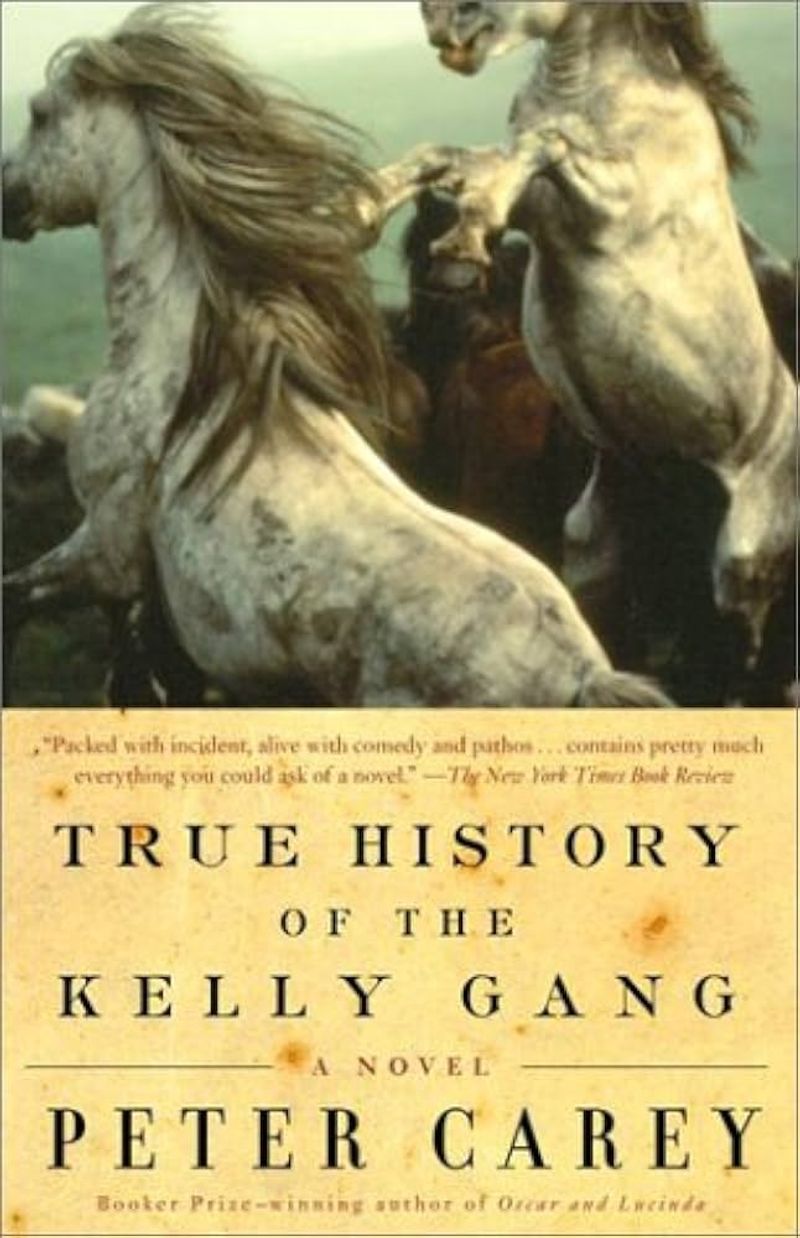
Written as a letter from the infamous outlaw Ned Kelly to the child he will never raise, Peter Carey’s novel gave a legendary Australian figure a fierce, intimate, and entirely human voice. The prose mimics the rhythms of an uneducated man writing passionately from the heart.
Punctuation is sparse, sentences run long, and the energy never lets up. Carey proved that voice alone can carry a novel, and his experiment encouraged writers to trust unconventional grammar as an expressive tool rather than a flaw to correct.
11. The Inheritance of Loss by Kiran Desai (2006)
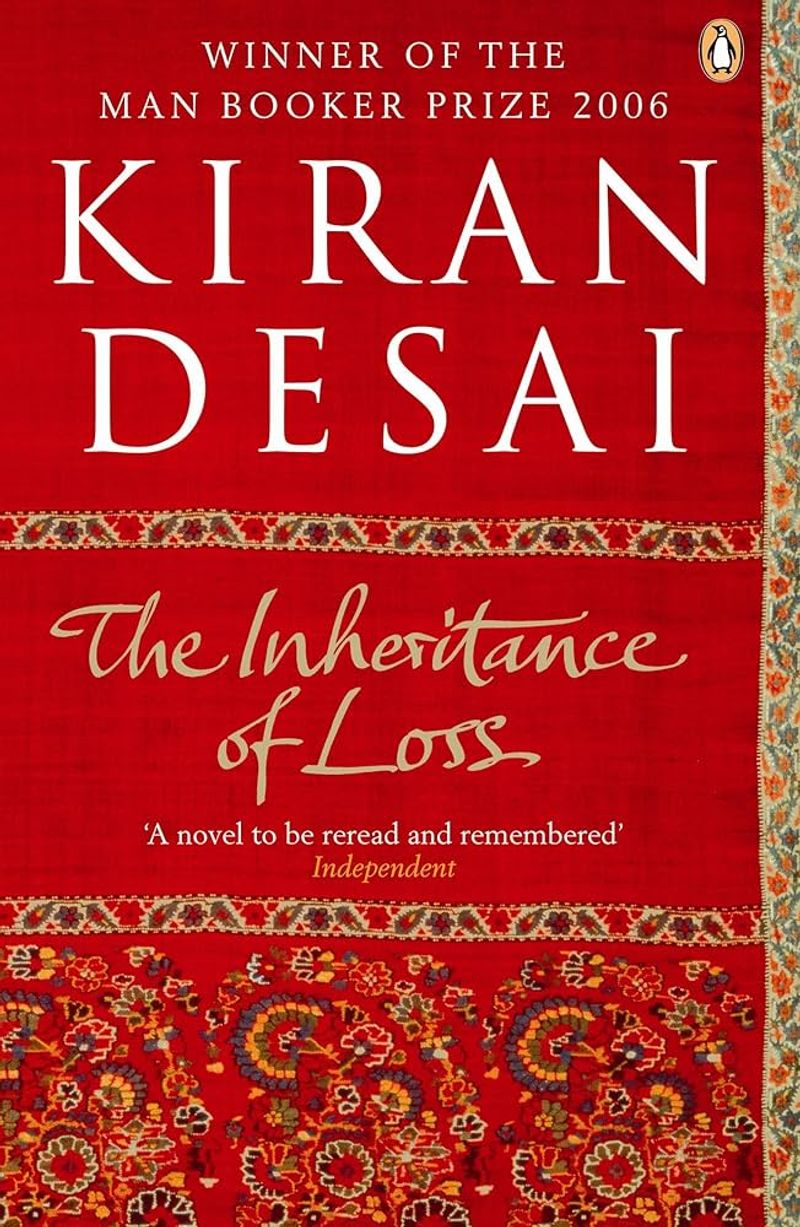
Set in a crumbling house in the Himalayan foothills during a period of political unrest, Kiran Desai’s novel weaves together three generations shaped by colonialism, immigration, and longing. The story moves between India and New York, showing how displacement quietly hollows people out.
Desai’s writing is lush but precise, full of compassion for characters who feel like strangers everywhere they go. The novel expanded modern fiction’s conversation about identity and belonging, influencing writers who explore the emotional costs of living between two worlds.
12. Wolf Hall by Hilary Mantel (2009)
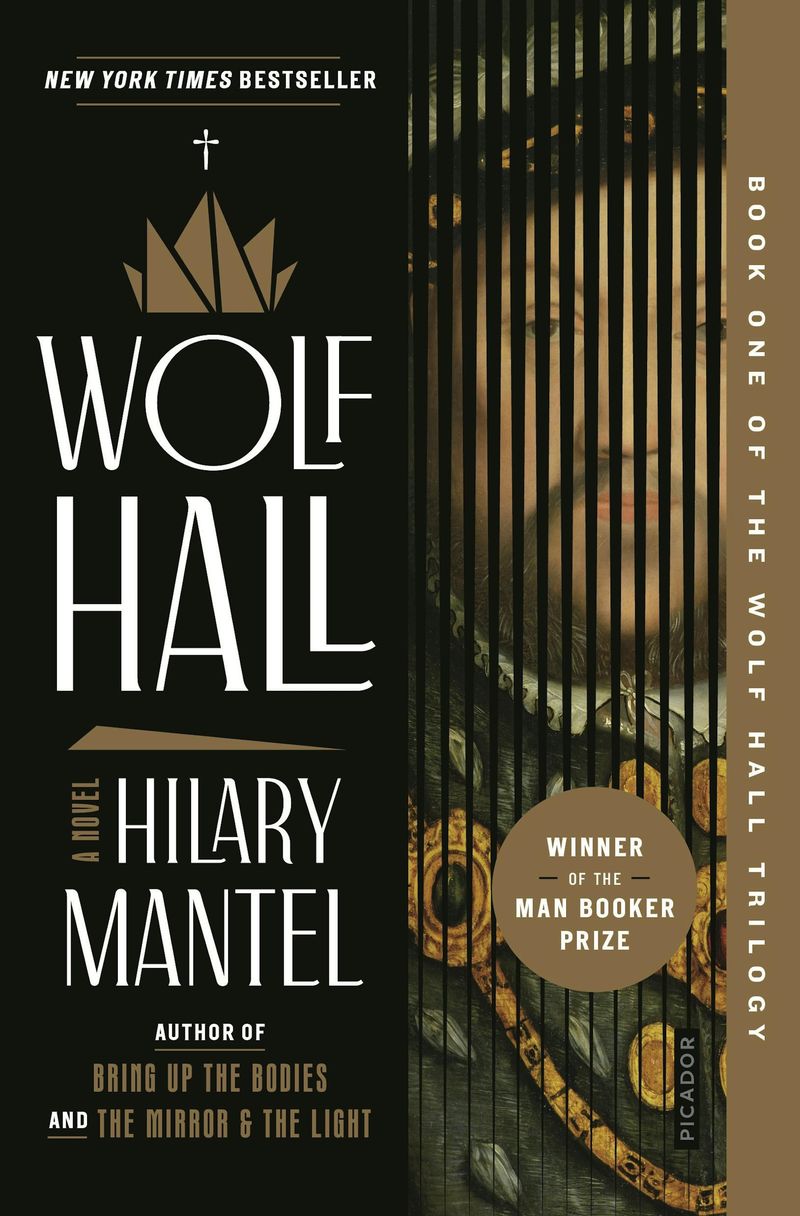
Hilary Mantel made one of history’s most notorious figures, Thomas Cromwell, feel completely, uncomfortably human. She wrote Wolf Hall almost entirely in the present tense using “he” for Cromwell, pulling readers inside his calculating mind with startling immediacy.
The novel changed how historical fiction handles point of view, making the past feel as urgent as today’s news. Writers and readers discovered that history does not have to feel distant or dusty when the right narrator is chosen to walk its corridors.
13. The Sense of an Ending by Julian Barnes (2011)
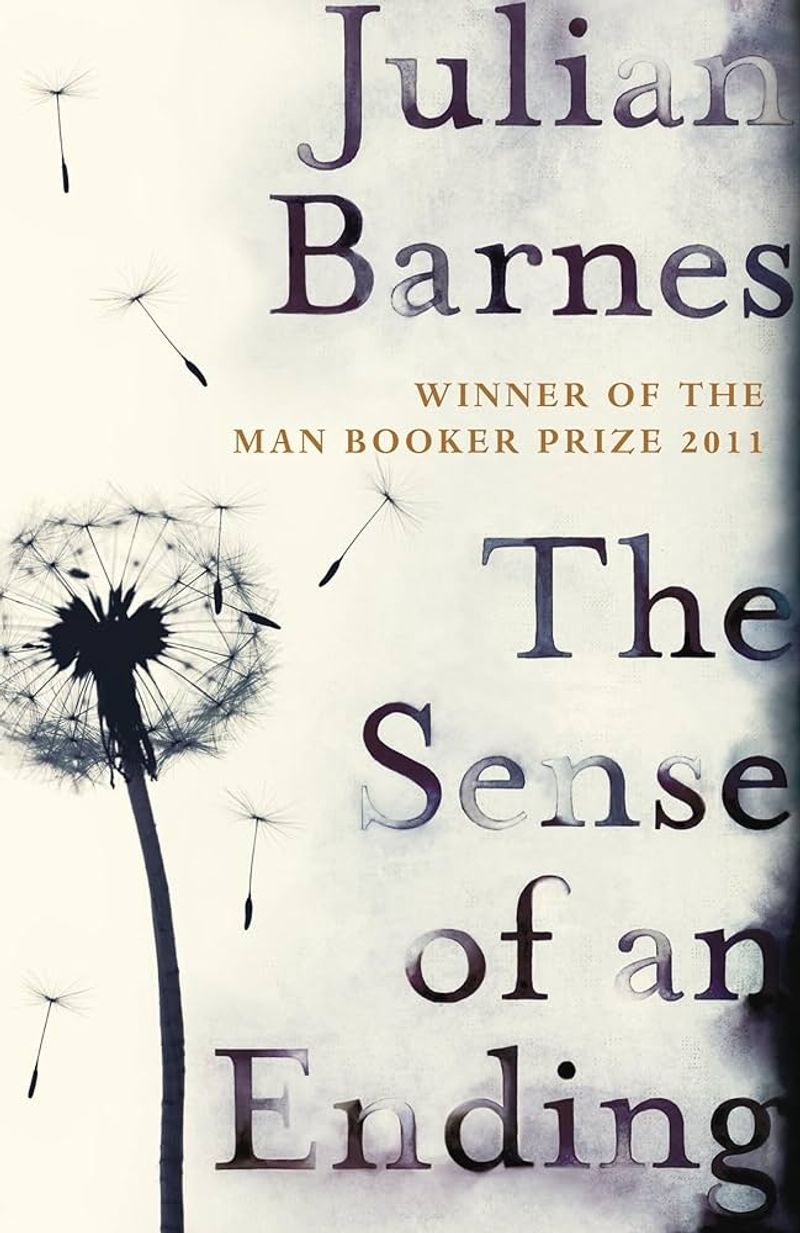
Tony Webster is a retired man who believes he has lived a reasonably decent, unremarkable life, until a letter arrives and forces him to question everything he thought he remembered. Julian Barnes wrote this slim, devastating novel about the unreliability of memory with razor-sharp precision.
At just over 150 pages, it proved that a short novel can carry enormous emotional weight. Its influence is felt in the wave of compact, psychologically intense literary fiction that followed, showing writers that restraint and economy can be devastating tools.
14. The Luminaries by Eleanor Catton (2013)
Eleanor Catton was just 28 years old when she won the Booker Prize with this 832-page Victorian mystery structured around the twelve signs of the zodiac and the movements of celestial bodies. Every chapter is precisely half the length of the one before it.
That mathematical architecture was not just a gimmick but a meaningful reflection of the novel’s themes of fate and pattern. The Luminaries inspired writers to think more ambitiously about structure itself as a storytelling tool, not just a container for plot.
15. Lincoln in the Bardo by George Saunders (2017)
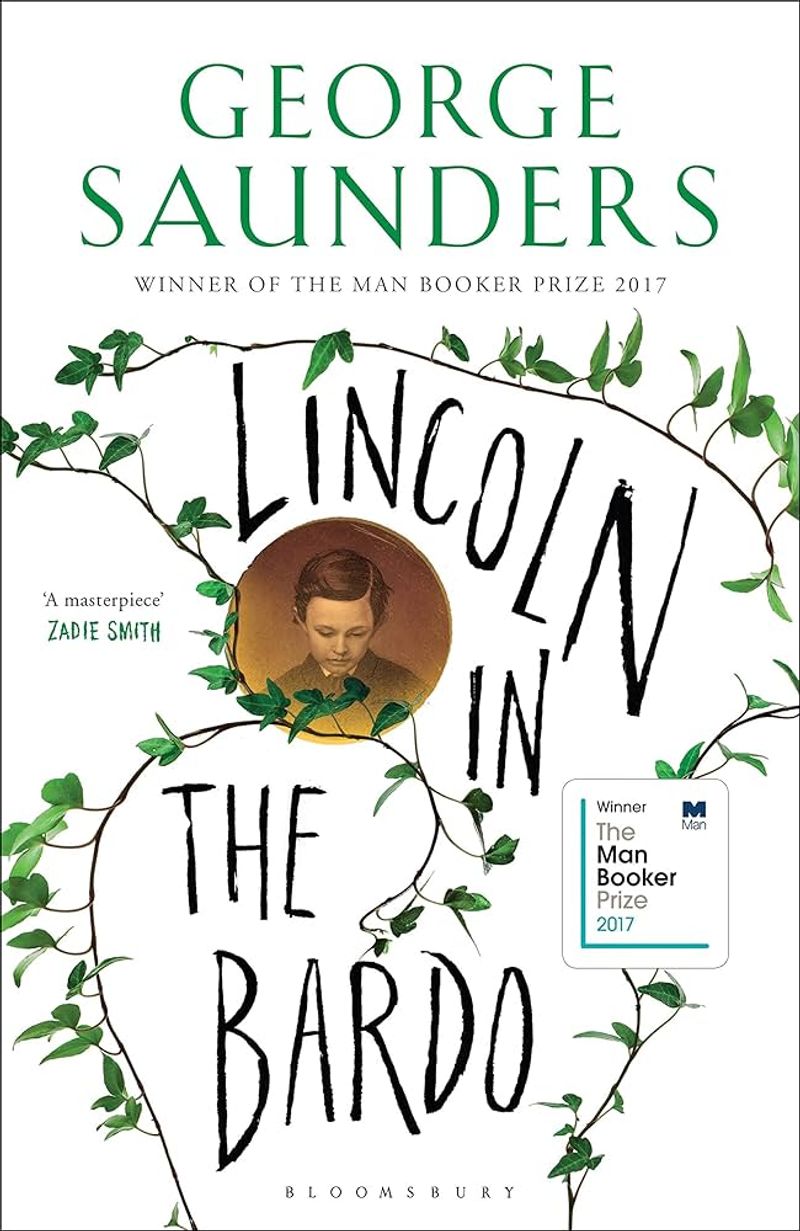
On the night Abraham Lincoln visited the crypt where his young son Willie lay, a chorus of ghosts gathered to witness a president’s grief. George Saunders told this story entirely through the voices of the dead, mixing invented ghost testimonies with real historical documents.
The result was something genuinely new in literary fiction, funny and heartbreaking at the same time. Lincoln in the Bardo gave writers permission to experiment wildly with form and perspective, proving that originality and emotional depth are not opposites.
16. Shuggie Bain by Douglas Stuart (2020)
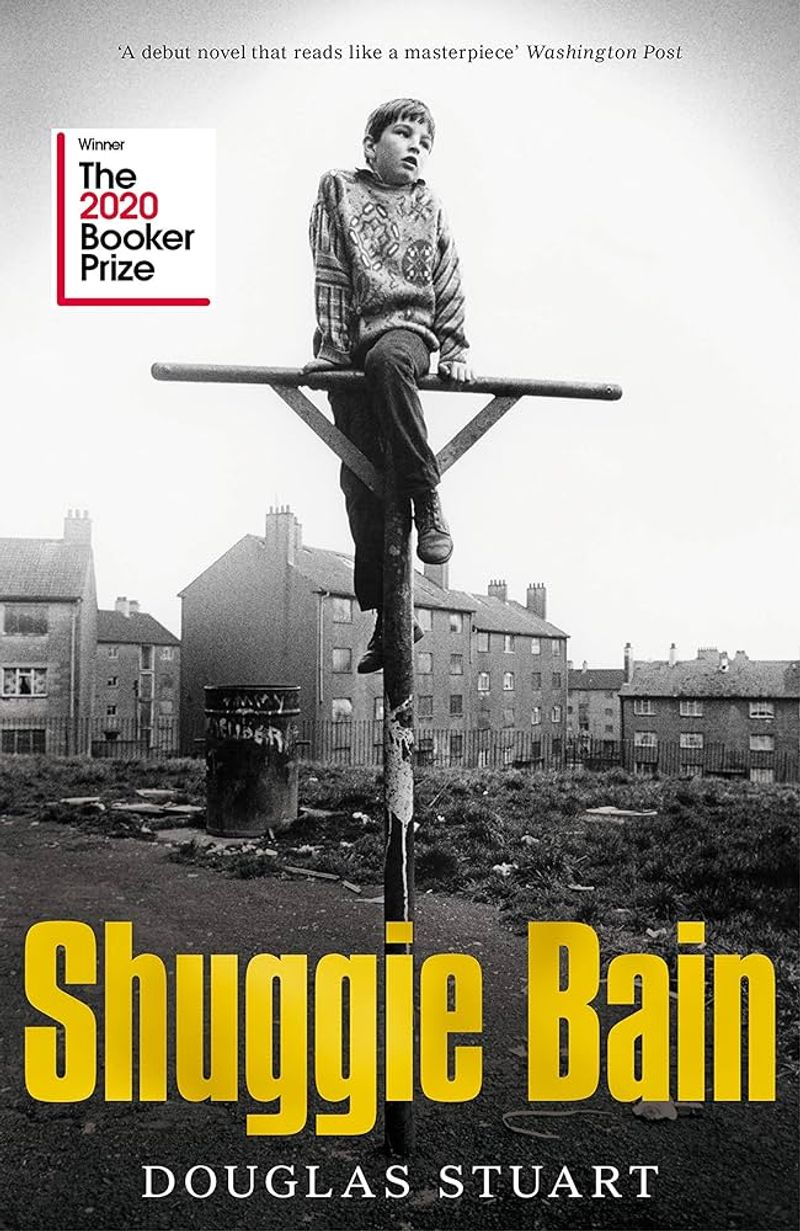
Douglas Stuart’s debut novel about a boy’s fierce, helpless love for his alcoholic mother in 1980s Glasgow is one of the most emotionally raw books to win the Booker Prize in recent memory. Stuart has openly credited James Kelman as an influence on his bold dialect-driven prose.
Shuggie Bain proved that working-class stories told in working-class voices belong at the center of literary fiction, not its margins. Its success opened doors for writers whose communities had long been overlooked by the traditional literary world.